
9 Garden Mistakes That Can Ruin Your Thanksgiving Dinner
The most dangerous dish on your Thanksgiving table this year might be the one you’re proudest of: the squash you grew yourself. One bitter bite of the wrong homegrown squash can mean cramps that linger for days, and no amount of butter and brown sugar will cover it up.
Most of us were raised on a simple rule: fresher is better. In July, that rule is gospel. But when you’re planning a Thanksgiving dinner from the garden, it quietly backfires. Sweet potatoes dug last week taste starchy and flat. Butternut cut straight off the vine tastes like little more than wet squash. And a handful of habits that feel thrifty and wholesome, from trimming green potatoes to stuffing the bird with garden herbs, carry real food safety stakes for the people you love most.
The timing matters, too. Thanksgiving falls on November 26 this year, which leaves about ten days to get your harvest right. The American Farm Bureau Federation will release its 2026 dinner cost numbers on November 18, but last year’s classic feast for 10 already ran $55.18, and every homegrown side you serve well is one less thing to buy at holiday prices. Ruin a dish the night before, and you’re back in a crowded grocery aisle on Wednesday.
The good news is that every mistake below is easy to fix once you know it exists, and several of the fixes make your harvest taste noticeably better. If you’ve been gardening for 20 or 30 years, a few of these will still surprise you. Start with the one that sends the most gardeners to the bathroom.
1. Never Serve a Squash That Tastes Bitter

Squash that sprouted in the compost pile or grew from seed you saved can carry high levels of cucurbitacins, natural compounds that turn the flesh bitter and upset the gut. Oregon State University Extension warns that a couple of grams of extremely bitter squash can cause diarrhea and stomach cramps lasting days, and its advice is blunt: “Spit out the first bite.” In a review of 353 poisoning cases published in Clinical Toxicology, roughly one in four of the offending squash came straight from a home garden. Taste a tiny raw piece of every homegrown squash before it goes into the pie, and toss any that taste bitter.
2. Stop Peeling and Serving Green Potatoes
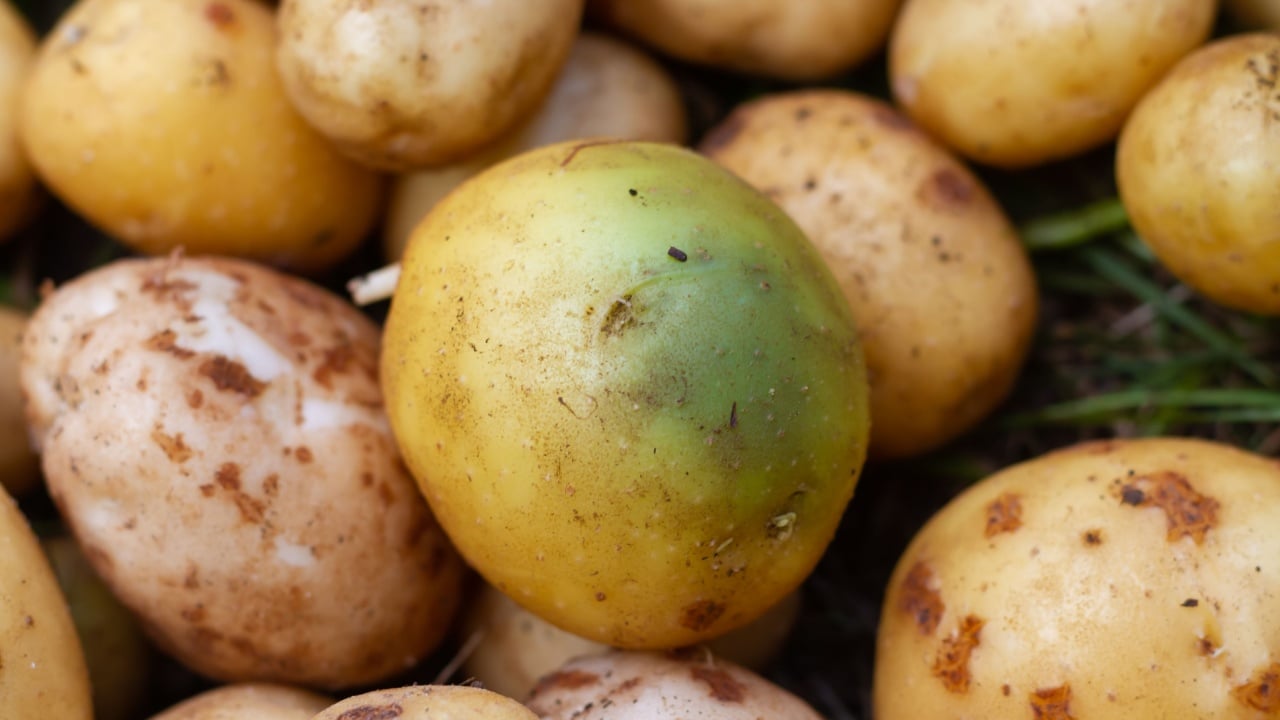
That green tinge on potatoes left in the light signals solanine, a bitter natural toxin. Michigan State University Extension “recommends throwing green-skinned and sprouted potatoes away,” and warns that young children are more vulnerable because of their small body mass. Don’t count on the stove to rescue them, either; the University of Alaska Fairbanks Cooperative Extension Service notes that boiling or steaming cuts solanine by only 30 to 40 percent. With grandkids at the table, a few lost potatoes are cheap insurance. Keep the rest in a dark spot, ideally 45 to 50 degrees.
3. Don’t Cook Sweet Potatoes the Week You Dig Them
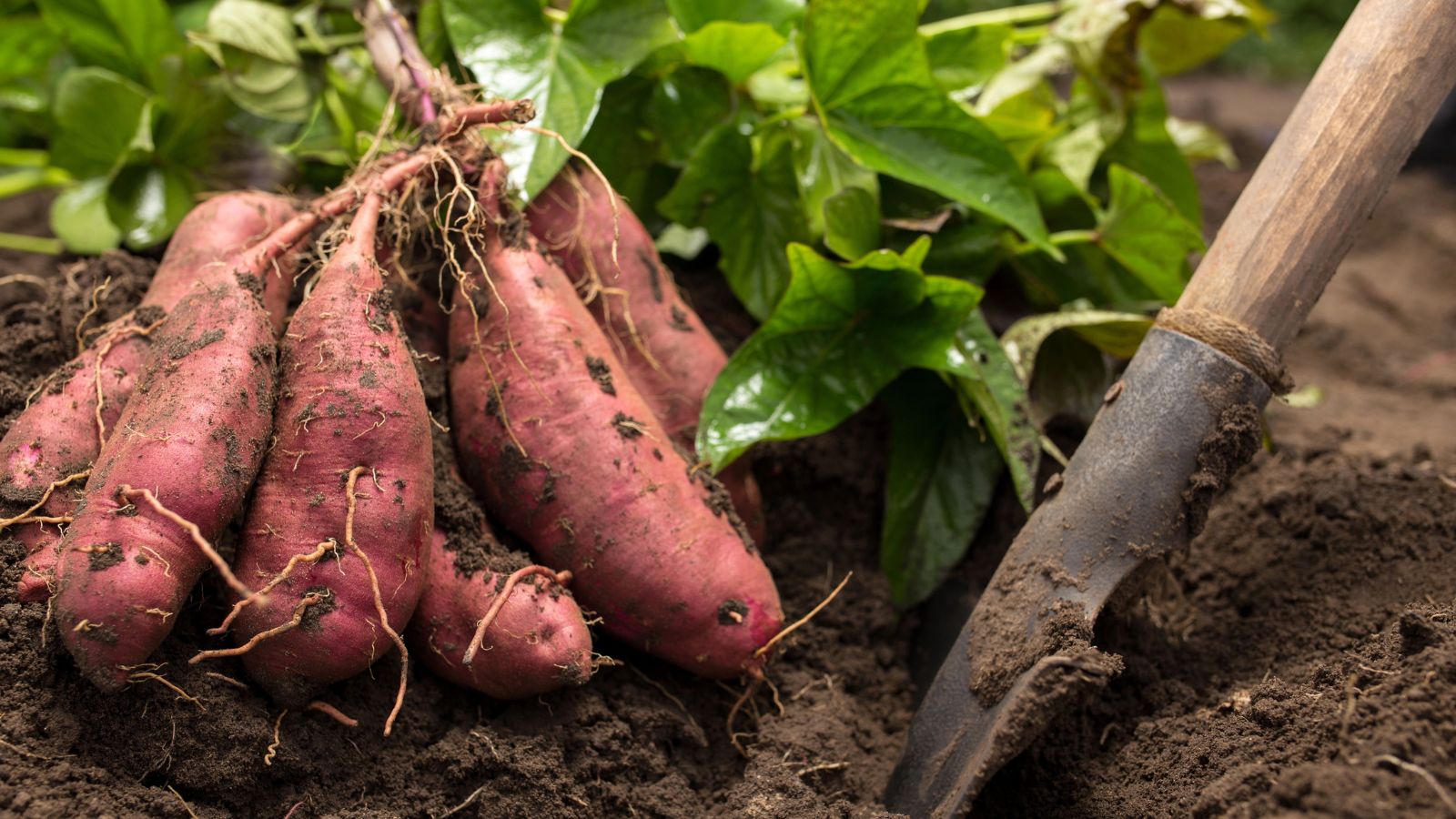
Freshly dug sweet potatoes are starchy rather than sweet, and that’s the villain behind many disappointing casseroles. UMass Extension recommends waiting “at least three weeks after harvest before consuming sweet potatoes” so starches can convert to sugars. LSU AgCenter says the full sweet, moist texture takes six to eight weeks of curing and storage, and warns that a few days of cold storage can leave a hard center. If yours came out of the ground in early November, save them for Christmas and serve cured ones now.
4. Stop Cutting Into Winter Squash Straight Off the Vine
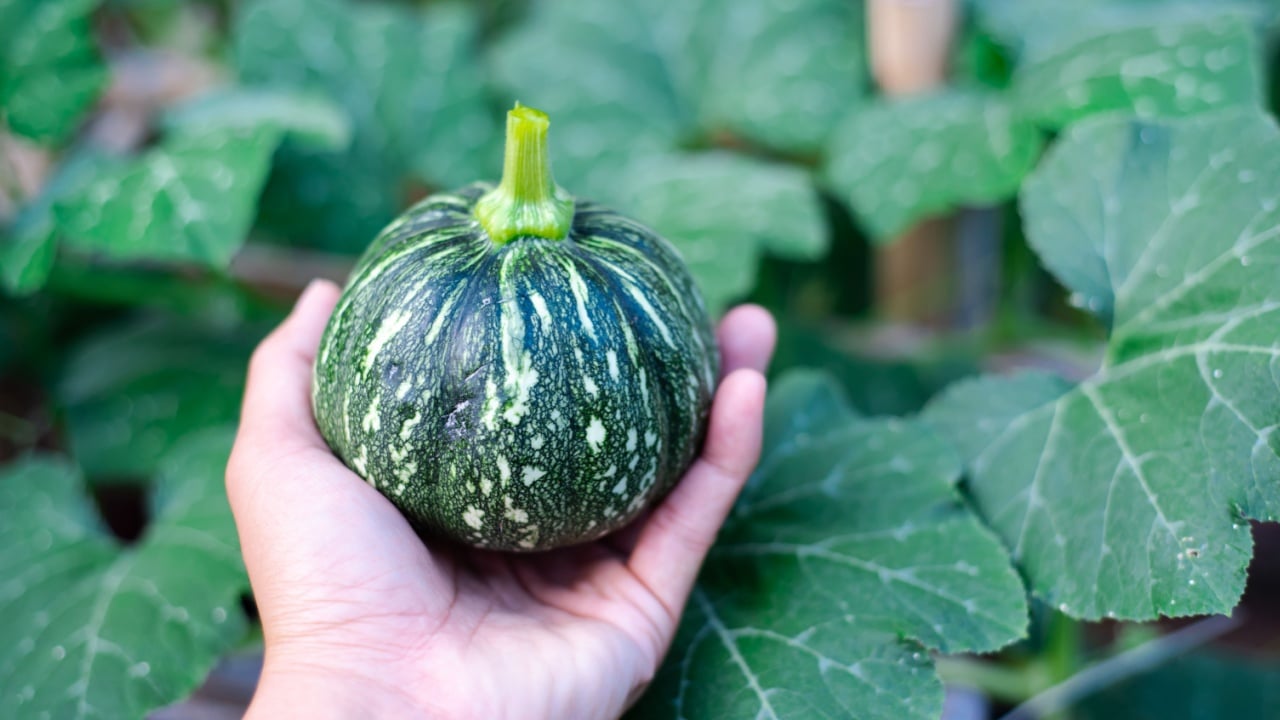
Unlike almost everything else you grow, butternut squash “actually improves in flavor with storage,” according to Oregon State University Extension. The fruit keeps converting starch to sugar after harvest, and OSU notes that even a perfectly grown squash can taste bland if eaten too soon. Johnny’s Selected Seeds recommends curing for five to seven days at 80 to 85 degrees with good airflow. The squash you picked in September is likely at its sweetest right now in November.
5. Stop Harvesting Parsnips, Kale, and Brussels Sprouts Before a Frost
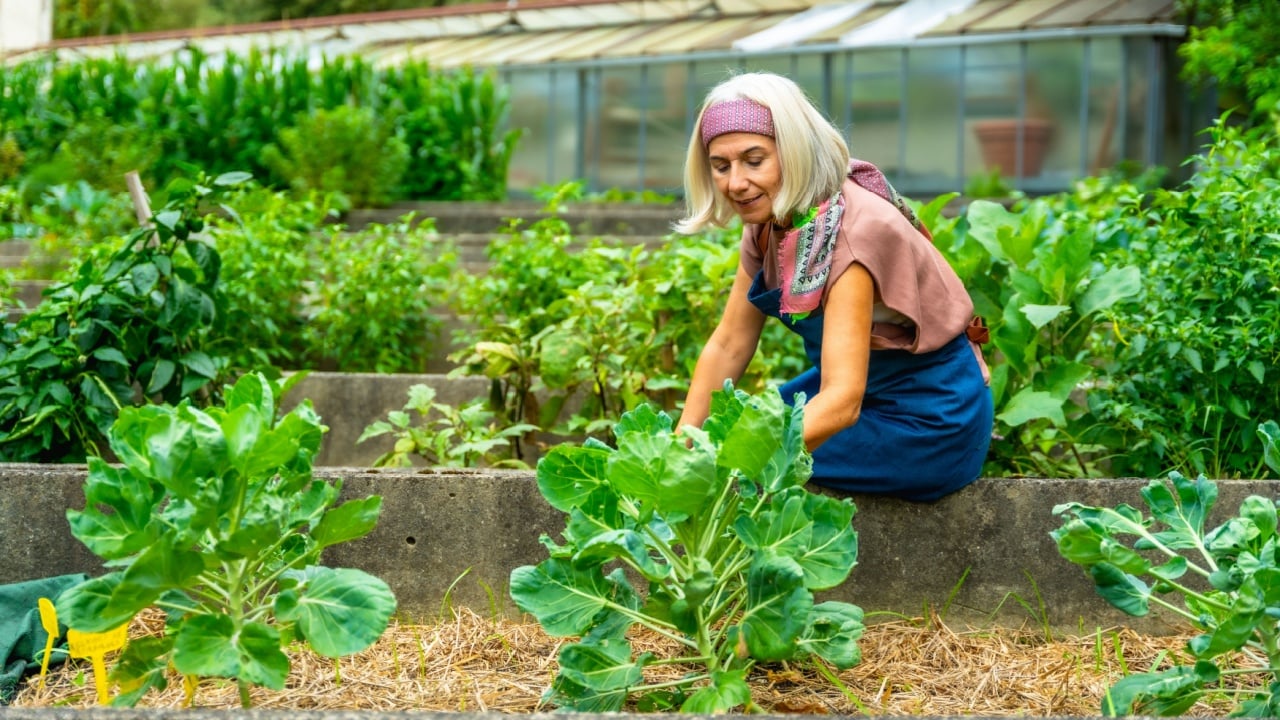
Your grandmother never rushed the parsnips, and the Old Farmer’s Almanac has long advised leaving them in the ground until a couple of frosts sweeten them. Science agrees: cold weather turns stored starch into sugar, and Michigan State University Extension says some late crops “actually taste better afterward.” Cabbage and Brussels sprouts shrug off light frosts; just peel away damaged outer leaves. At the Institute of Culinary Education, chef Hervé Guillard favors small, firm sprouts because they tend to taste sweeter than large ones.
6. Toss the Jack O’Lantern Plan for Pumpkin Pie

Turning the porch pumpkin into pie feels thrifty, but it rarely pays off. Utah State University Extension puts it plainly: “Their flesh is fibrous, stringy, and watery, and the flavor is mild.” Small pie pumpkins and butternut squash make a smoother, sweeter filling. Seasoned home bakers also drain fresh puree overnight in a sieve lined with cheesecloth, and after a rainy summer, they’re often shocked by how much water drips out.
7. Never Leave Homemade Garlic or Herb Oil on the Counter
Garden garlic and fresh rosemary steeped in olive oil make a gorgeous turkey baste, but the University of Idaho Extension links improperly stored homemade garlic and herb oils to botulism, “a debilitating and potentially fatal form of food poisoning.” Low-acid garlic and herbs sealed under oil create exactly the airless conditions the bacteria love. Oregon State University Extension says to refrigerate these oils and use them within four days, or freeze them. Make it Wednesday, chill it, and finish it by the weekend.
8. Stop Cooking Your Garden Stuffing Inside the Turkey
Homegrown sage, celery, and onions belong in the stuffing, just not inside the bird. Ohio State University’s Chow Line says “it’s best not to cook your stuffing inside your turkey,” because the center may not reach the 165 degrees needed to destroy bacteria, even when the meat is done. Bake it in a separate dish, then spoon a little into the cooked turkey if you want those drippings.
9. Stop Sharing Garden Onions, Garlic, and Leeks With Your Pets

Alliums from the garden end up in nearly every Thanksgiving side, and the ASPCA warns they “can be toxic to pets.” Cats are especially vulnerable; ASPCA Poison Control says it takes roughly half as much garlic to damage a cat’s red blood cells as a dog’s. If you want to share, a little plain turkey, sweet potato, or green beans mixed into their usual dinner is the safer treat. Keep the ASPCA Poison Control number, (888) 426-4435, on the fridge through the long weekend.
Plan Next Year’s Thanksgiving Dinner From the Garden Backward

The smartest holiday gardeners plan from the fourth Thursday of November and work backward. Grow storage crops that peak after harvest, like butternut, pie pumpkins, and sweet potatoes dug by early October, and sow cold lovers like parsnips, kale, and Brussels sprouts in summer so frost can do its sweetening. As you get older, these crops are a gift: they ask for one harvest and then wait patiently in a cool closet until you need them. The payoff adds up, too. The National Gardening Association estimates a typical garden can yield “more than 300 pounds of produce worth more than $600.” Compare that with last year’s $55.18 average feast reported by The National Provisioner, and the American Farm Bureau Federation releases this year’s figure on November 18.
“Fresher is always better” served you beautifully all summer. This month, it’s the myth to retire. In July, the garden rewards speed; in November, it rewards patience. Taste before you serve, give your storage crops their weeks, keep the stuffing in its own dish, and your Thanksgiving dinner from the garden will be the safest and sweetest you’ve ever put on the table.
Read More
The 7 Best Garden Items to Thrift This Fall
9 Smart Ways to Save Money in the Garden Before Fall Ends