6 Ways to Keep the Sneaky Cat Out of Your Houseplants
Bringing home a new fern or fiddle leaf fig feels like opening a battleground between your love for plants and your cat’s unstoppable curiosity. For some reason, cats can’t resist the allure of leafy textures and that oh-so-diggable potting soil. It’s not personal; they’re just bored or wired to snack on greens.
Luckily, you don’t have to choose between a thriving plant collection and a happy kitty. With a few clever tricks, you can keep your plants intact and your feline entertained. Everyone wins (except maybe the soil).
1. Suspend Plants in the Air
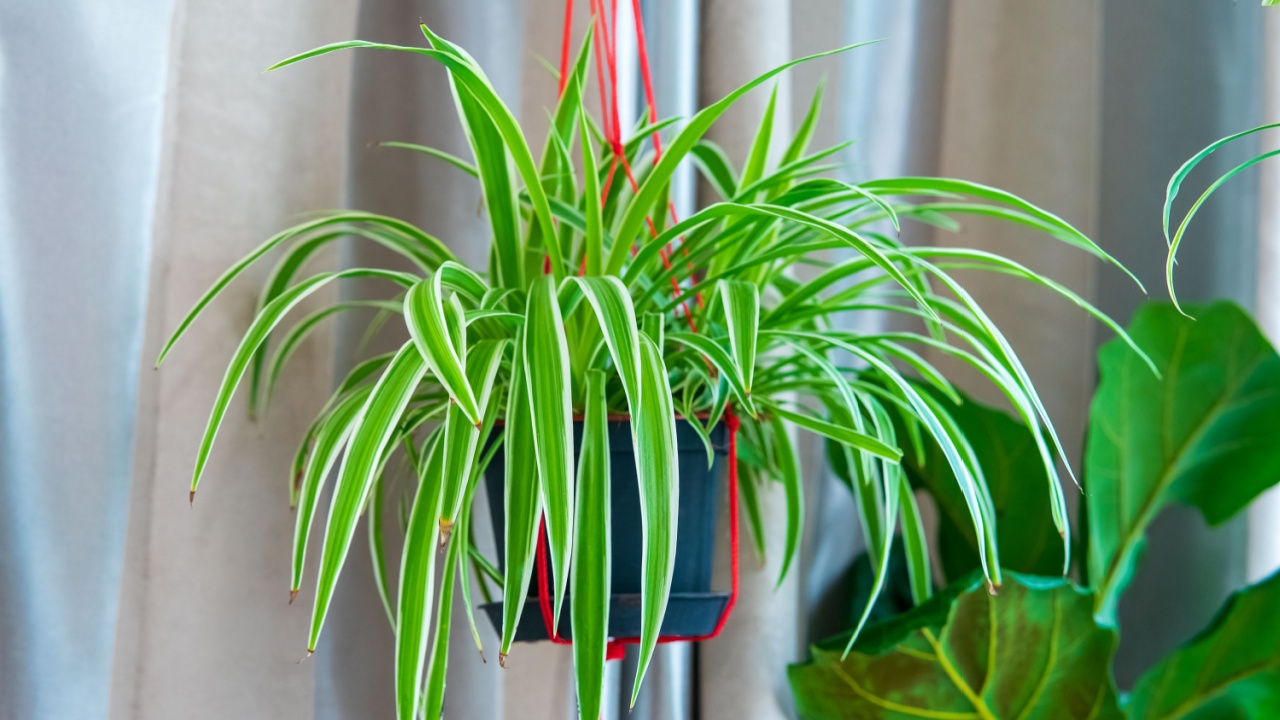
Cats might be agile, but they’re still bound by gravity. The best way to protect your plants, especially trailing ones that look like toys, is to use vertical space. Hang macrame planters from the ceiling or mount sturdy brackets high on the walls, make sure there’s no furniture nearby for your cat to jump from.
This works great for plants like orchids or spider plants with tempting, dangly leaves. Keeping plants off the ground means less temptation and no more knocked-over pots!
2. Add a Layer of Decorative Rocks to the Soil

Soft potting mix is basically an invitation for cats to dig or use your plants as a backup litter box. To stop this, just change the texture of the soil. Try covering the dirt with smooth river stones, large seashells, or even prickly pine cones. These don’t feel great on sensitive paws and make digging a real chore.
It looks pretty stylish and also helps the soil stay moist. If you’re looking for a quick DIY fix, try sticking plastic forks in the soil with the tines facing up. It creates a little “obstacle course” that most cats won’t want to mess with.
3. Harness the Power of Citrus Scents

Cats have super-sensitive noses, and most of them can’t stand the smell of citrus. You can use this to your advantage by tossing some fresh orange or lemon peels right onto the dirt. The strong scent acts like an invisible “no-go” zone for your kitty.
Just keep in mind that once the peels dry out, the smell disappears, so you’ll need to swap them out pretty often. If you want an easier fix, soak a cotton ball in lemon juice and tuck it near the edge of the pot. It works just as well and keeps things looking a bit cleaner.
4. Grow a Designated Garden for Your Pet

Sometimes the best defense involves a good offense. If your cat craves vegetation, provide a safe and satisfying alternative meant specifically for them. Wheatgrass, oat grass, and barley are easy to grow and safe for consumption.
Place this designated “cat grass” in an accessible spot far away from your other houseplants. When your pet realizes they have their own delicious patch to nibble on, they often lose interest in chewing on your toxic or delicate ornamental varieties. This strategy satisfies their grazing instinct in a controlled manner.
5. Utilize Unpleasant Textures Like Foil and Tape

Cats rely heavily on tactile feedback, and certain textures repulse them. Aluminum foil is a classic deterrent because the slick feel and loud crinkling sound startle most animals.
Wrapping the pot in foil or placing sheets of it around the plant base creates a no-go zone. For a stealthier approach, apply double-sided sticky tape to the rim of the pot or the surface where the plant sits. The sticky sensation annoys cats without causing harm and typically trains them to avoid the area after just a few encounters.
6. Enclose delicate greens in glass
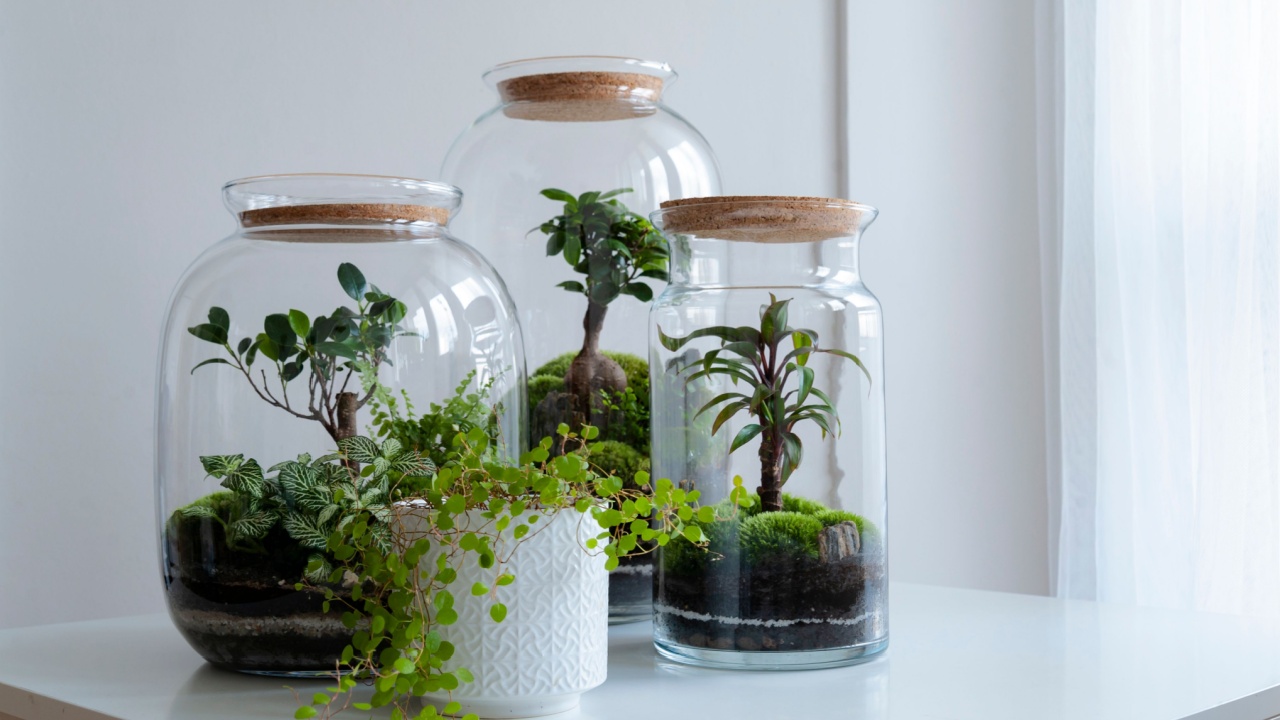
If you’ve got high-humidity plants or fragile ones, a physical barrier is the best way to keep them safe. Try using terrariums, old aquariums with mesh lids, or glass cloches; they let light in while keeping paws and teeth out.
Plus, they create a mini greenhouse, which is perfect for tropical plants like ferns and mosses. You can even use a glass cabinet or a display case to show off your whole collection. It’s like turning your plants into a cool art display that your furry friend can’t mess with!
Paws-itive Cohabitation
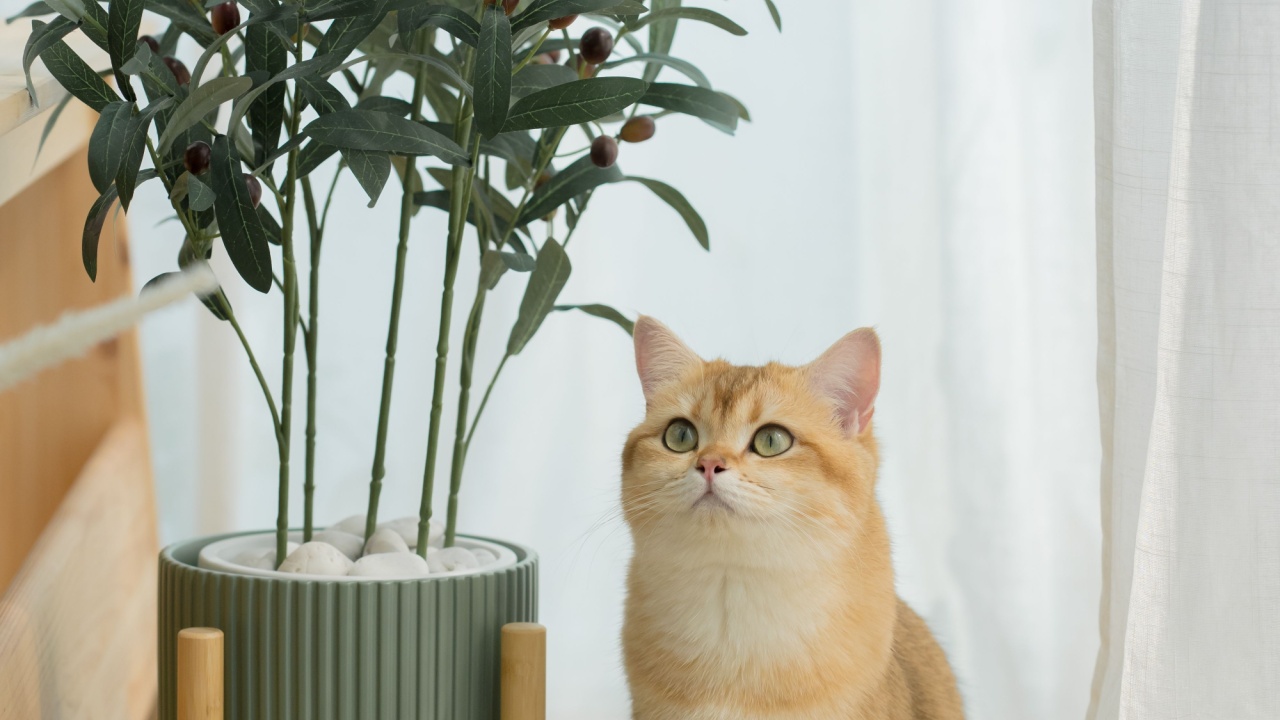
Coexisting with both pets and plants requires patience and a bit of creativity. By understanding what motivates your cat to investigate your greenery, you can implement these barriers and distractions to create a harmonious home. Test a few different methods to see which one your specific pet responds to best.