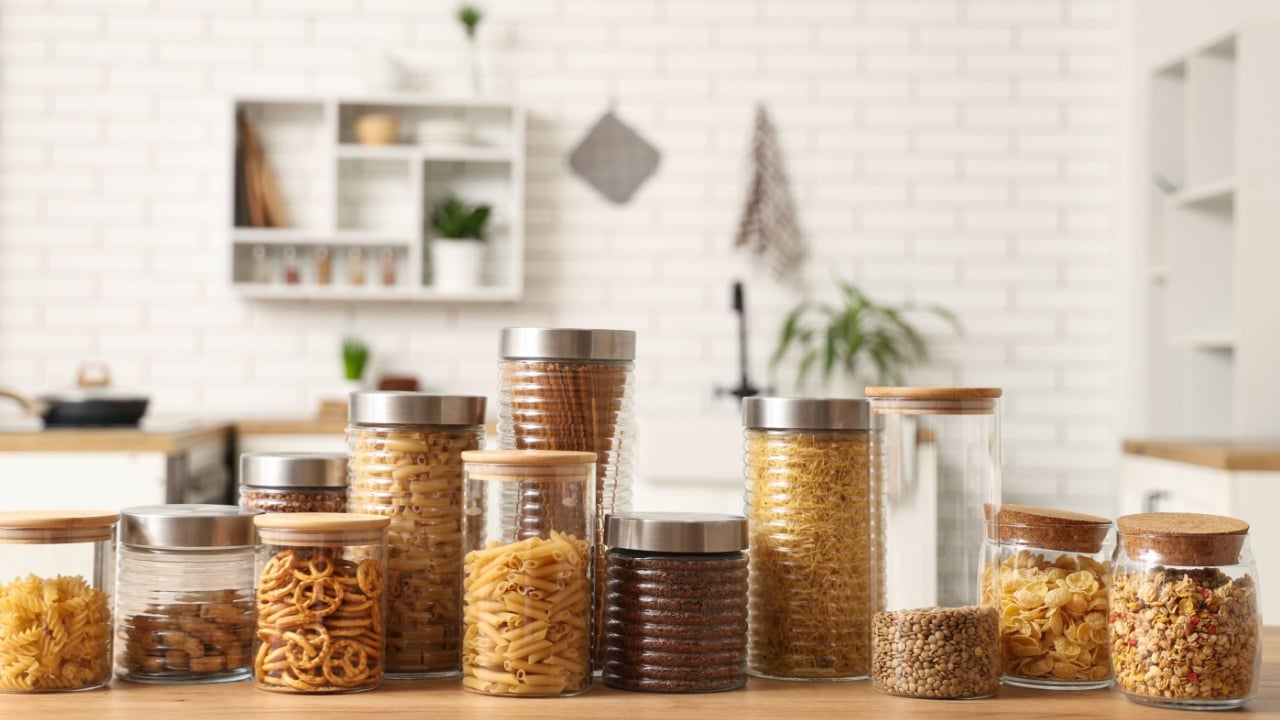
6 Times Decanting Saves Space, Time, or Sanity
Transferring your groceries from their original packaging into pristine, matching containers can look like a chore reserved for people with too much time on their hands. It’s easy to scroll through pictures of perfectly organized pantries and wonder if it’s all for show.
Is decanting just an extra step in an already long list of household tasks? Sometimes, yes. But other times, it’s a practical move that saves you money, reduces food waste, and makes your life simpler. This article will explore six specific situations where decanting is genuinely essential.
1. For Your Baking Supplies
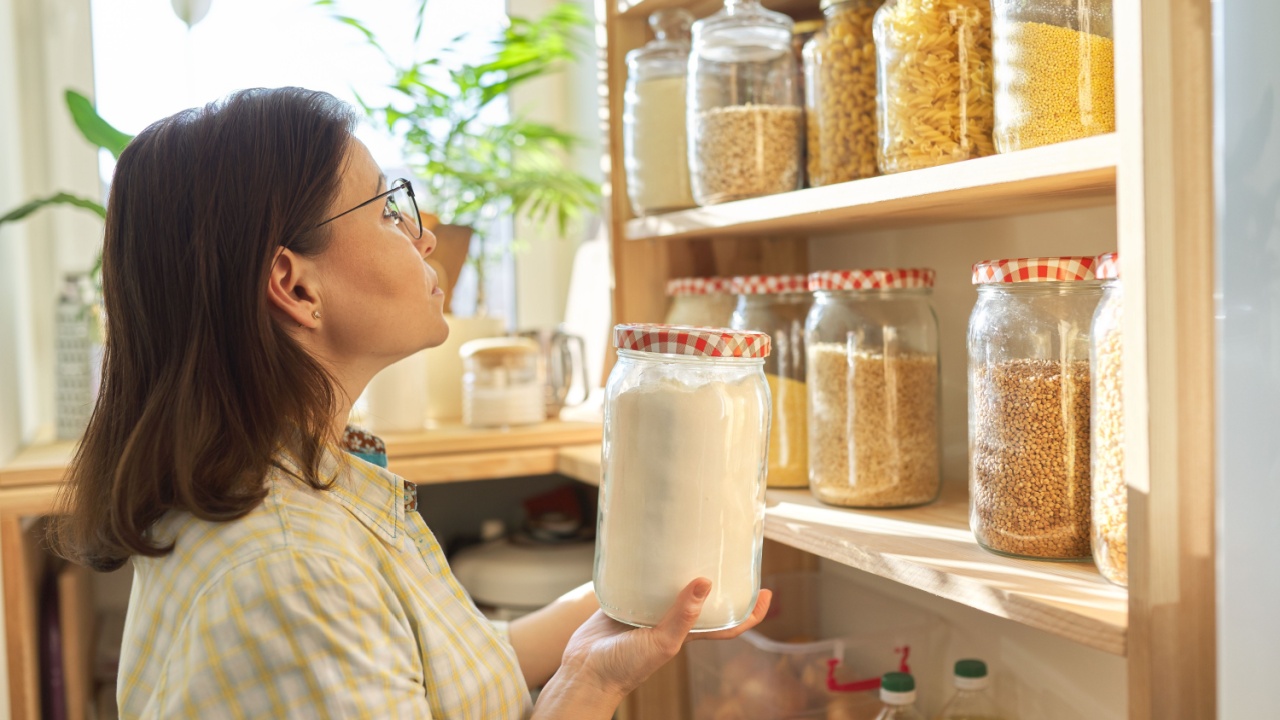
Baking is a science, and that science can get messy. Flour, sugar, cocoa powder, and other fine ingredients often come in paper bags that are prone to tearing and spilling. Once opened, they are difficult to seal properly, leaving your precious supplies vulnerable to moisture, pests, and staleness. Just imagine reaching for that bag of flour only to create a white cloud that settles on every surface of your kitchen.
Decanting these items into dedicated containers is a practical solution. Moving flour and sugar into large, clear canisters with secure lids keeps them fresh and contained. You eliminate the risk of surprise spills and make measuring much easier. Instead of wrestling with a floppy bag, you can scoop directly from a wide-mouthed container, leading to more accurate measurements and a cleaner countertop. It’s a simple change that transforms the baking process from potentially chaotic to streamlined and enjoyable.
2. To Tame the Pasta Chaos
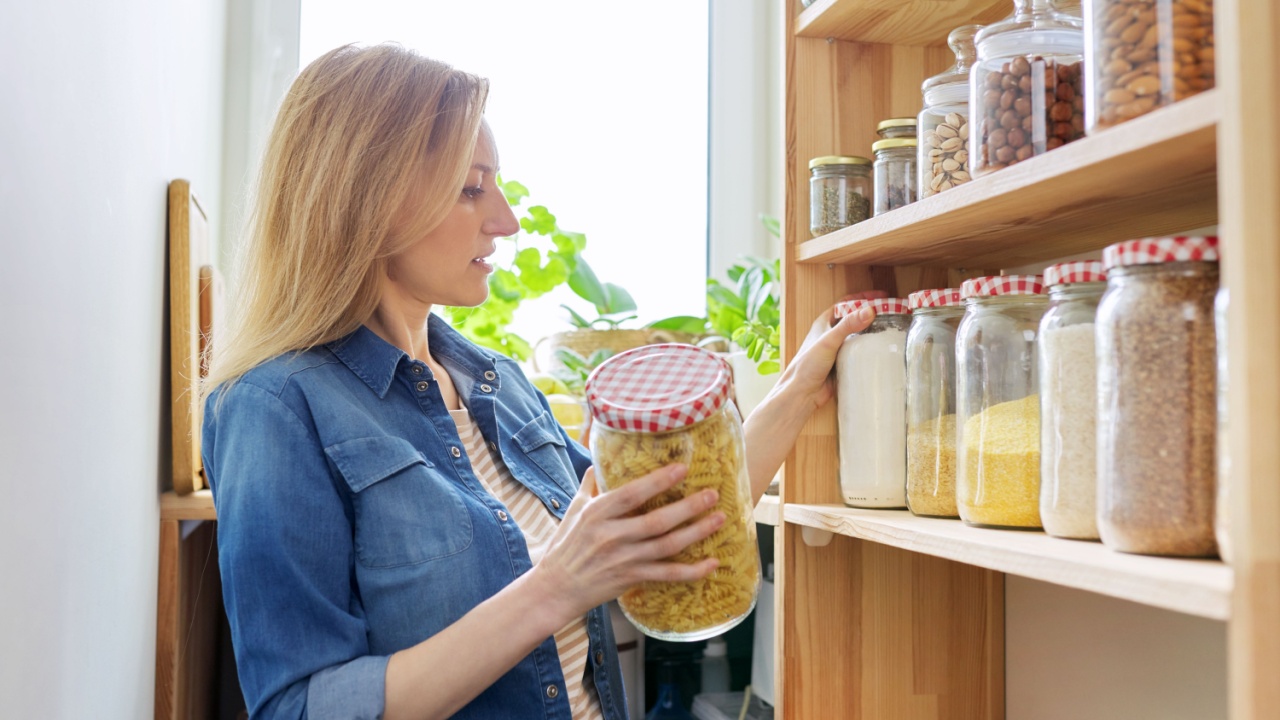
Pasta comes in a dizzying array of shapes and sizes, and its packaging is rarely cooperative. Boxes of spaghetti are too long for many cabinets, and bags of penne or rotini have a habit of tipping over and spilling their contents. Before you know it, you have a collection of half-empty boxes and bags creating a jumble in your pantry, with stray noodles making a break for it.
Transferring different types of pasta into tall, airtight containers solves several problems at once. You can easily see what you have, preventing you from buying a third box of linguine you did not need. Storing pasta in uniform containers also maximizes vertical space in your pantry, creating a much tidier and more organized appearance. Keeping it in a sealed environment protects it from humidity and pantry pests, preserving its quality until you are ready to cook.
3. To Manage Your Spices
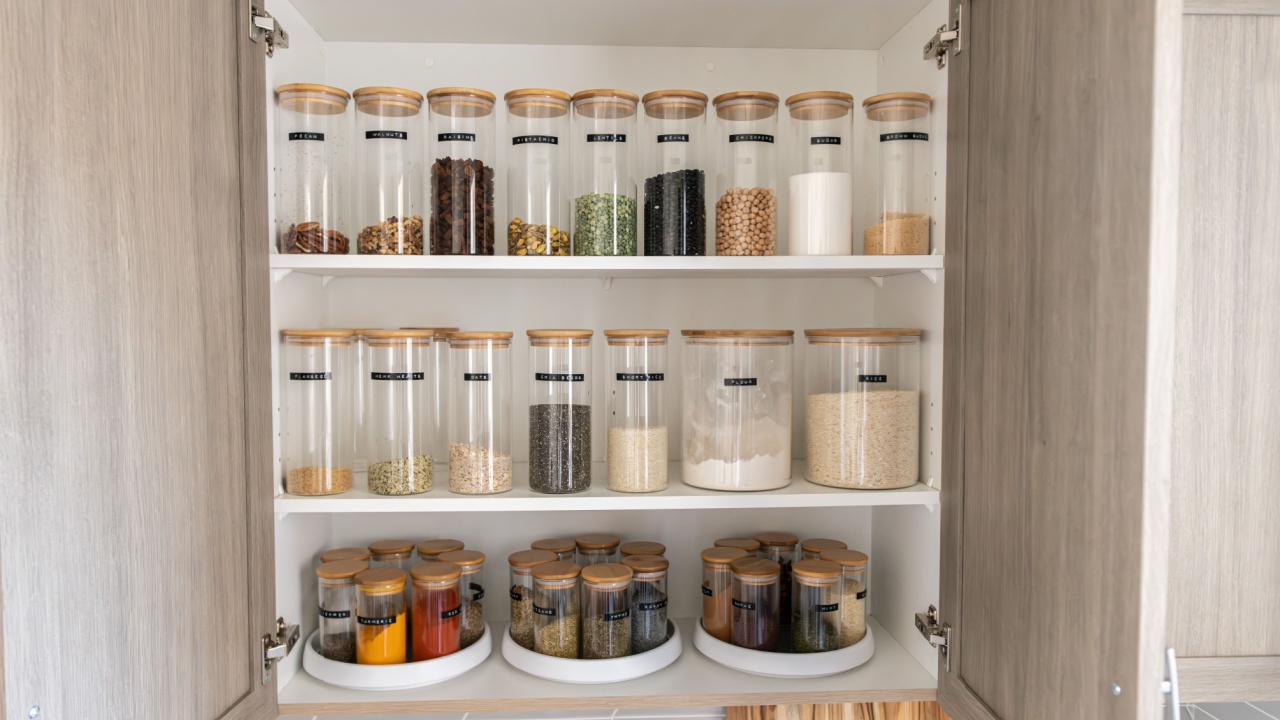
A disorganized spice collection is a common kitchen headache. You might find yourself digging through a crowd of tiny jars and bags, searching for the cumin while your onions are burning. Many spices are sold in flimsy bags or containers that are not ideal for long-term storage or easy access. This disarray can make cooking feel more stressful than it needs to be.
Decanting spices into a uniform set of jars is a powerful organizational move. It allows you to create a system that works for you, whether that is alphabetical, by frequency of use, or by cuisine type. Using clear jars lets you see the contents and current levels at a glance. Labeling them clearly ends the frantic search for a specific herb. This small effort brings order to your spice cabinet, making it easier to find what you need and inspiring you to use the spices you already own.
4. For Grab-and-Go Snacks
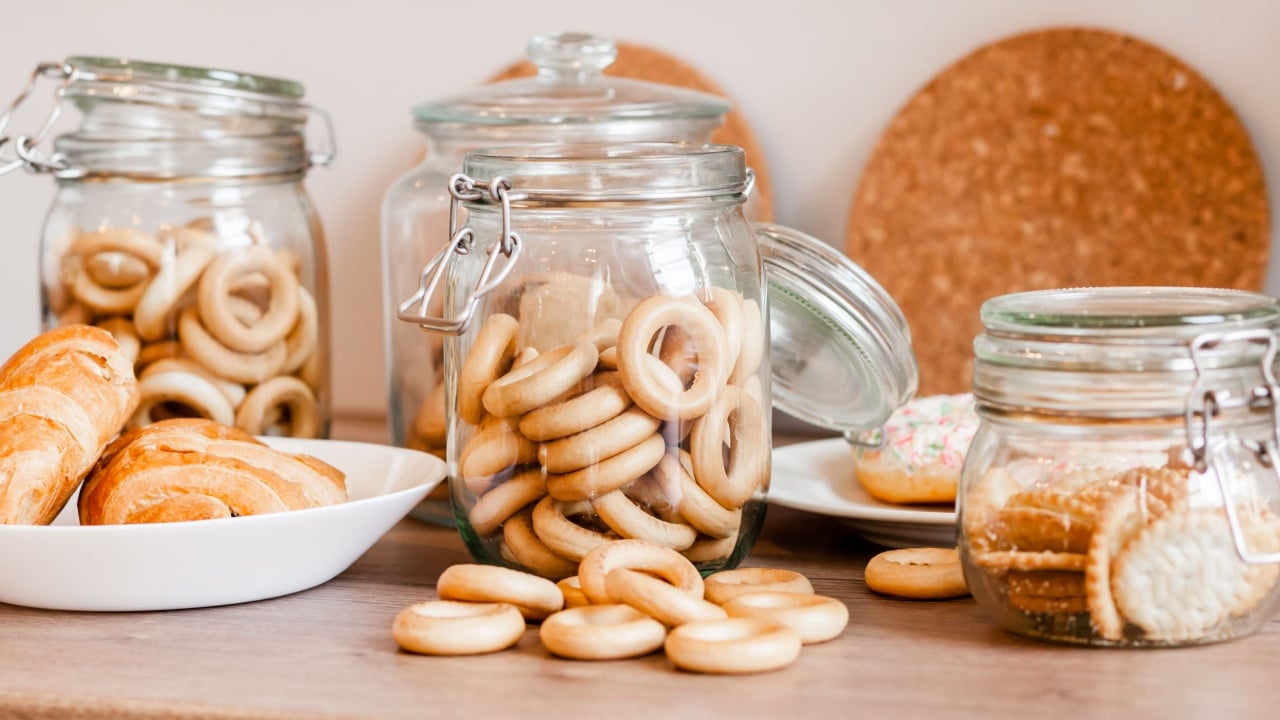
Buying snacks in bulk is a great way to save money, but the large boxes and bags can be cumbersome. They take up significant pantry space and can lead to a free-for-all where portion control goes out the window. If you have kids, you know the struggle of opened bags of crackers going stale or half-eaten chip bags cluttering the shelves.
Decanting individual serving snacks is a smart strategy for managing your pantry and your portions. Transferring items like crackers, pretzels, nuts, and granola bars from their bulky original packaging into smaller, accessible bins or baskets makes life easier. This creates a designated “snack station” where family members can easily grab a single portion. It keeps your pantry tidy and helps you monitor your snack inventory, so you know exactly when it’s time to restock.
5. When You Need Airtight Storage
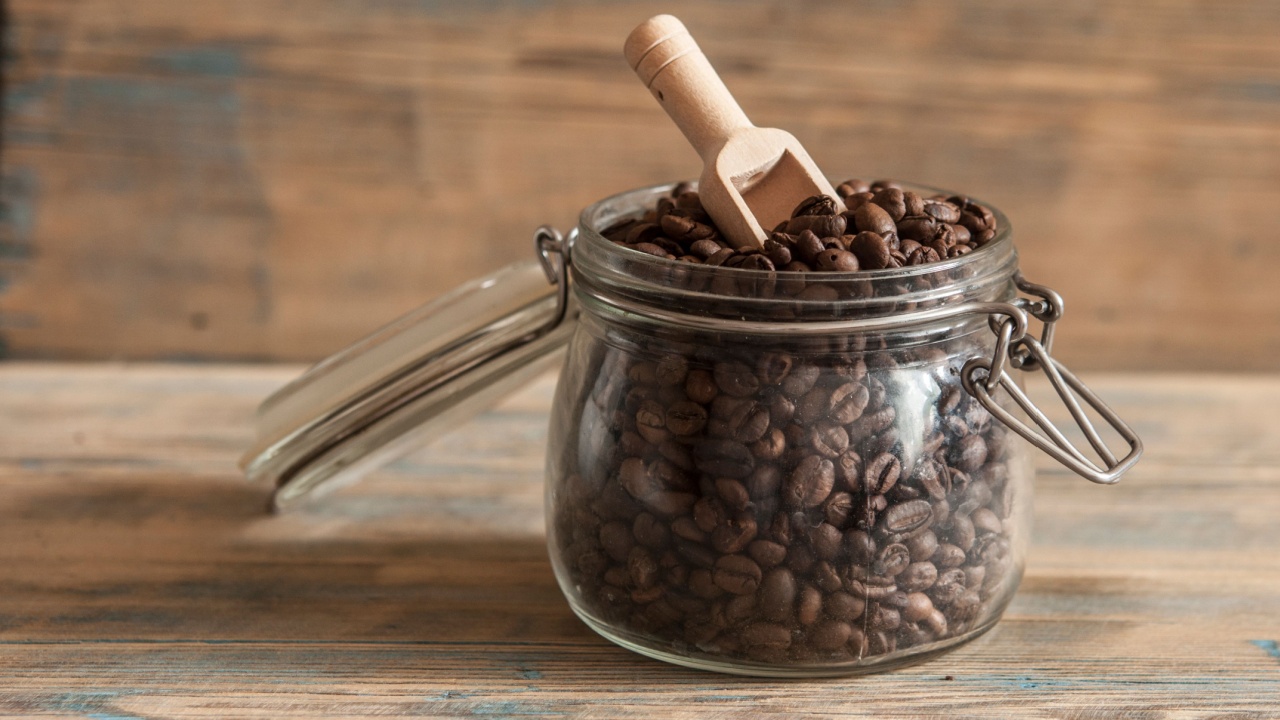
Certain foods are highly susceptible to losing their freshness when exposed to air. Items like coffee, brown sugar, nuts, and whole-grain flours can go stale, clump together, or lose their flavor quickly if not stored properly. The original packaging, once opened, often fails to provide the airtight seal needed to protect these sensitive ingredients.
This is where decanting into airtight containers becomes a necessity for food preservation. These containers are designed with silicone gaskets or locking mechanisms that create a seal, protecting the contents from oxygen, moisture, and pests. Brown sugar stays soft and scoopable, coffee beans retain their aromatic oils, and crackers keep their crunch.
6. To Easily See Your Inventory
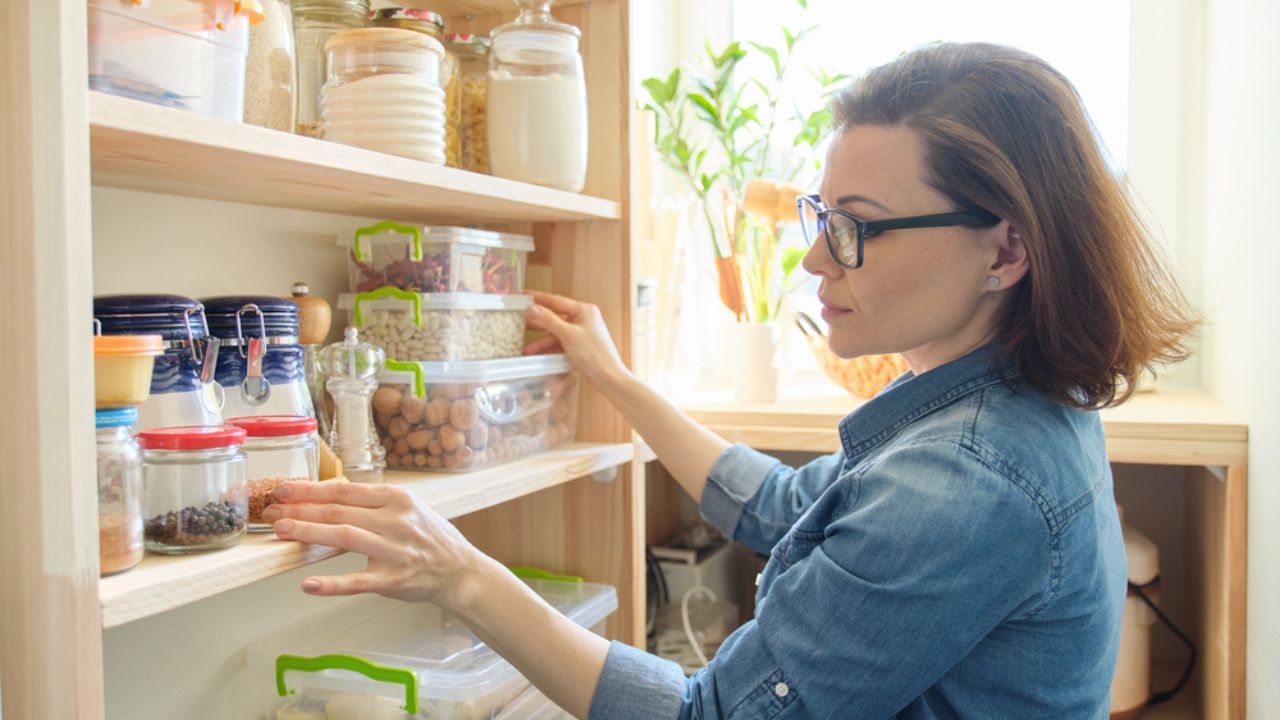
Have you ever bought an ingredient only to get home and discover you already had two? A cluttered pantry where you cannot see what you own is a common source of accidental overbuying and food waste. When items are hidden in opaque boxes or pushed to the back of a deep shelf, it is nearly impossible to keep an accurate mental inventory.
Decanting food into clear containers provides an immediate visual cue of your inventory levels. You can see exactly how much rice, oatmeal, or cereal you have left with a quick look. This visual clarity helps with meal planning and makes creating a grocery list much more efficient. It stops the cycle of guessing and buying duplicates, ultimately saving you money and ensuring you use the food you have before it expires.
Why Decanting Matters
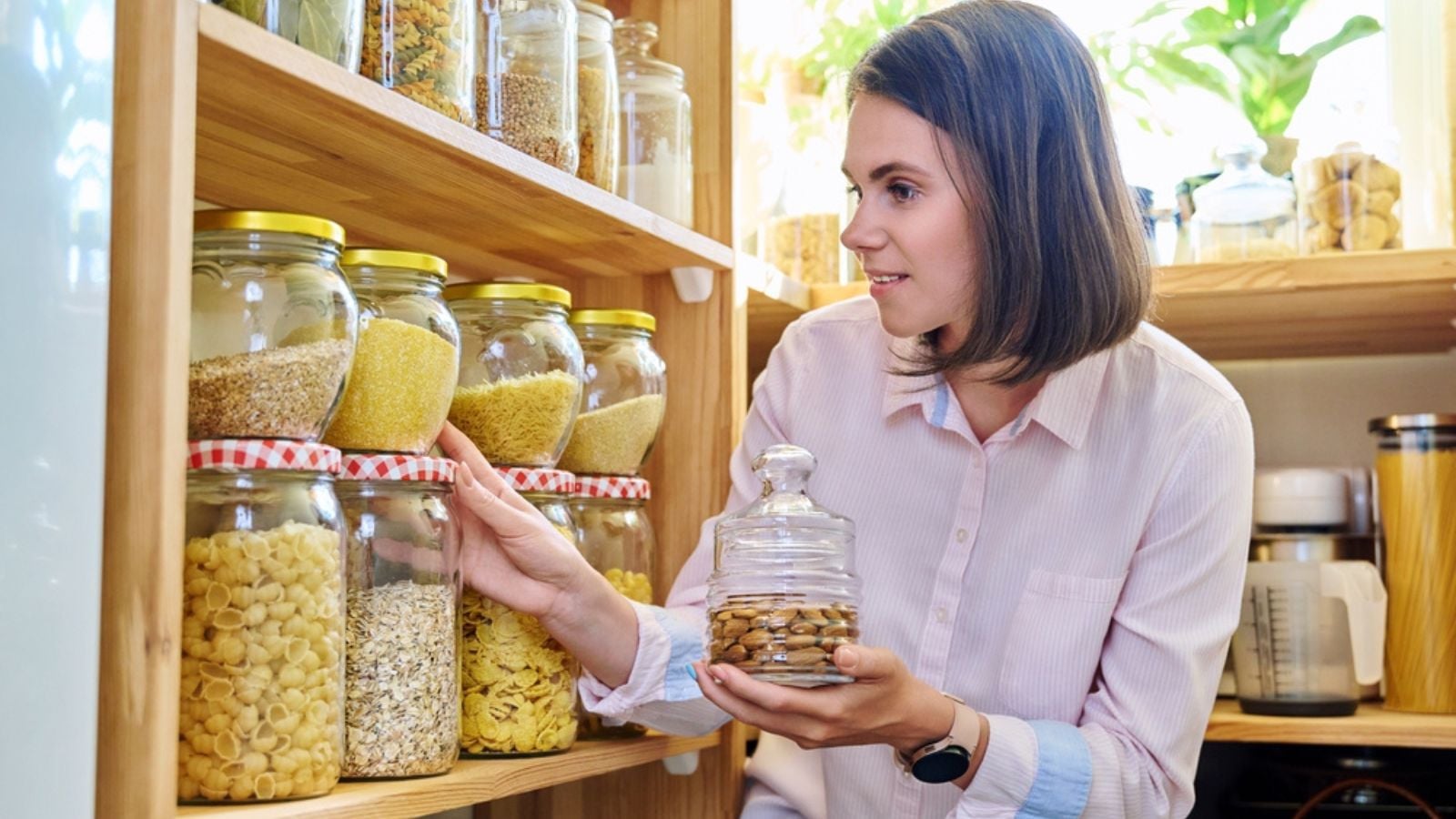
Decanting goes far beyond keeping up appearances or showing off a coordinated pantry. It’s a low-pressure way to cut down on waste, keep food fresher, and make things a bit easier on busy days. Even without fancy containers or perfect rows, those simple switches offer up some unexpected peace and make grabbing the right ingredient less of a treasure hunt. Turns out, a little order behind those cupboard doors brings a lot more satisfaction than anyone lets on.