6 Rug Styles That Feel Outdated in Modern Homes
Rugs do more work in a room than most people give them credit for. They anchor furniture, absorb sound, add warmth underfoot, and set the tone for everything above them.
So when a rug style ages badly, it does not fade quietly. It sits in the middle of the room and pulls the whole space back in time with it.
Trends in rugs tend to move slowly. While a sofa style goes out of fashion in a few years, a rug can hold its ground for a decade (or more) before it starts to feel dated. That slow burn is what makes it easy to miss. Many people are still living with rug choices made in 2012 or 2015 without realizing those choices are now working against the room (that is, if you care about these things).
Interior designers have been fairly consistent in recent years about which rug styles have run their course. This article covers six rug styles that have aged out of relevance, what made them popular in the first place, and what to reach for instead.
Note: If you love your current rugs and they’re on this list, no worries. We all have different preferences and styles!
1. Gray and Bright Color Combinations
Gray dominated interiors for the better part of a decade. It felt modern, clean, and easy to pair.
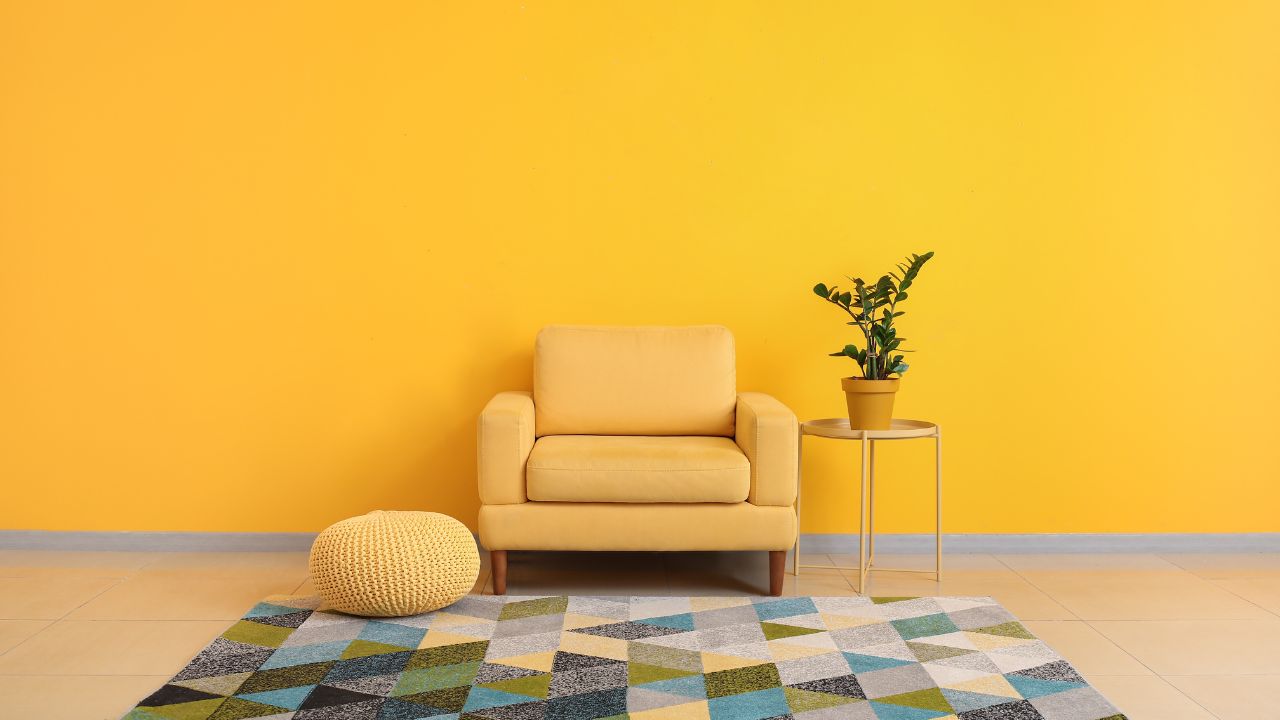
Rug designers ran with it, and for a while, gray backgrounds with bright accent colors like teal, yellow, or coral were everywhere. The problem is that the combination now reads as a specific moment in time rather than a timeless choice.
The pairing has also come to feel cold. Gray pulls warmth out of a room, and a bright color on top of it tends to look artificial rather than bold.
Designers have moved decisively toward warm neutrals like cream, beige, and soft terracotta. Earthy bolds like forest green, maroon, and rust work far better as accent colors because they feel grounded rather than clinical.
2. Synthetic Fiber Rugs
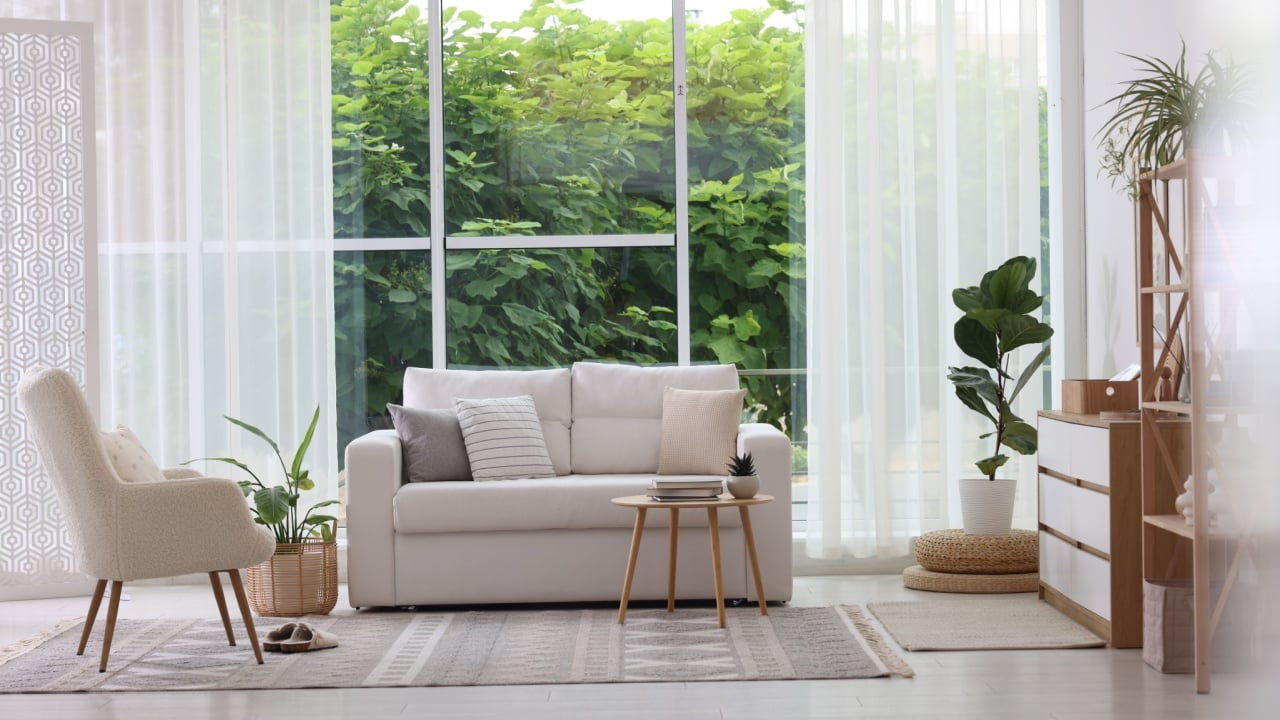
Polyester and nylon rugs filled a gap in the market by offering low prices and a wide range of colors. They were practical, widely available, and easy to replace.
But they have attracted increasing criticism from both designers and environmental advocates, and for good reason.
Synthetic rugs wear out faster than natural fiber options, shed microplastics with regular use, and are difficult to recycle at the end of their life.
They also tend to flatten and pill quickly underfoot, which makes a room look tired faster than almost any other furnishing choice. Wool, jute, and cotton rugs cost more upfront but last significantly longer and age in a way that actually improves their character rather than diminishing it.
3. Faux Vintage Rugs With Printed Distressing
The appeal of a worn, aged rug is real. A genuinely vintage rug carries visual depth, texture variation, and a warmth that a new rug rarely replicates.
Authentic wear tells a story of the weaver, the original buyer, and everyone who has walked across it. That patina of age is earned, and designers know it adds something to a room that a manufactured shortcut cannot.
Manufacturers picked up on that demand and started producing thin, machine-made rugs with printed distressing meant to mimic the look. Artificially distressed rugs are designed to look worn from the start, but that process comes at a real cost.
The intentional wear techniques used to achieve an aged look can significantly reduce their lifespan and structural integrity. High-quality reproductions from artisan weavers are also a far better option than the mass-produced faux-vintage category.
4. High-Contrast Geometric Patterns
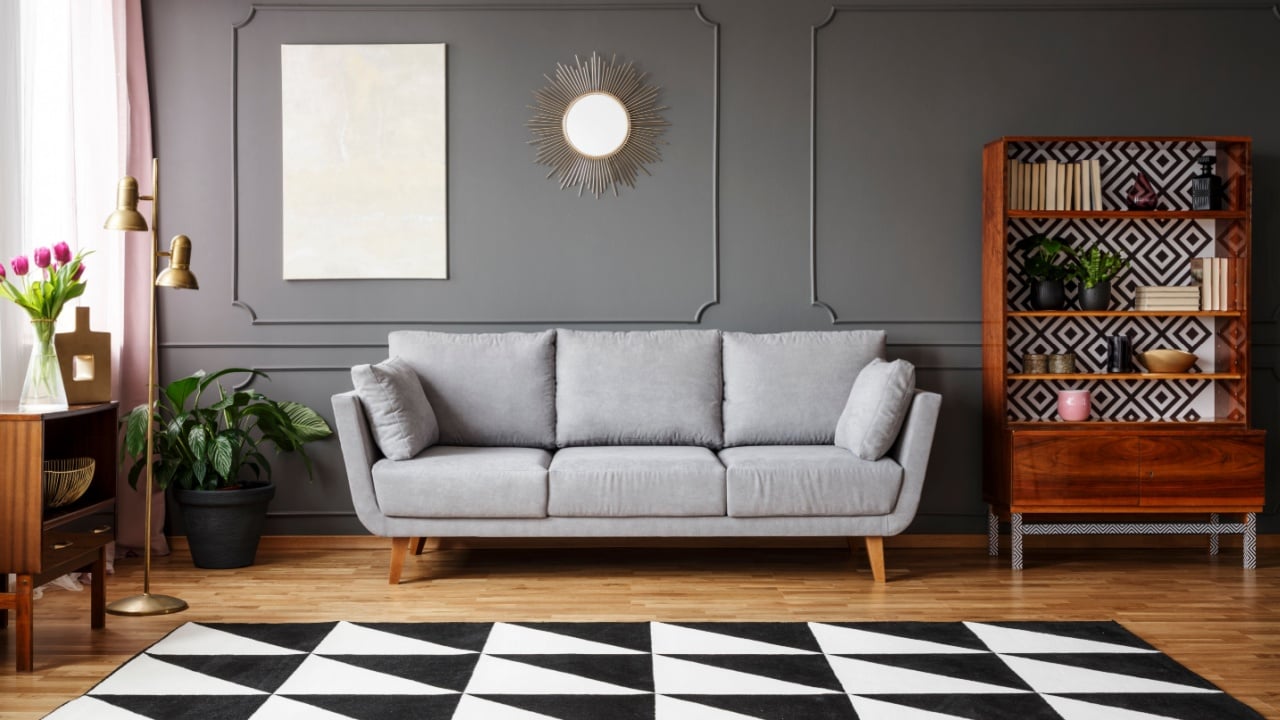
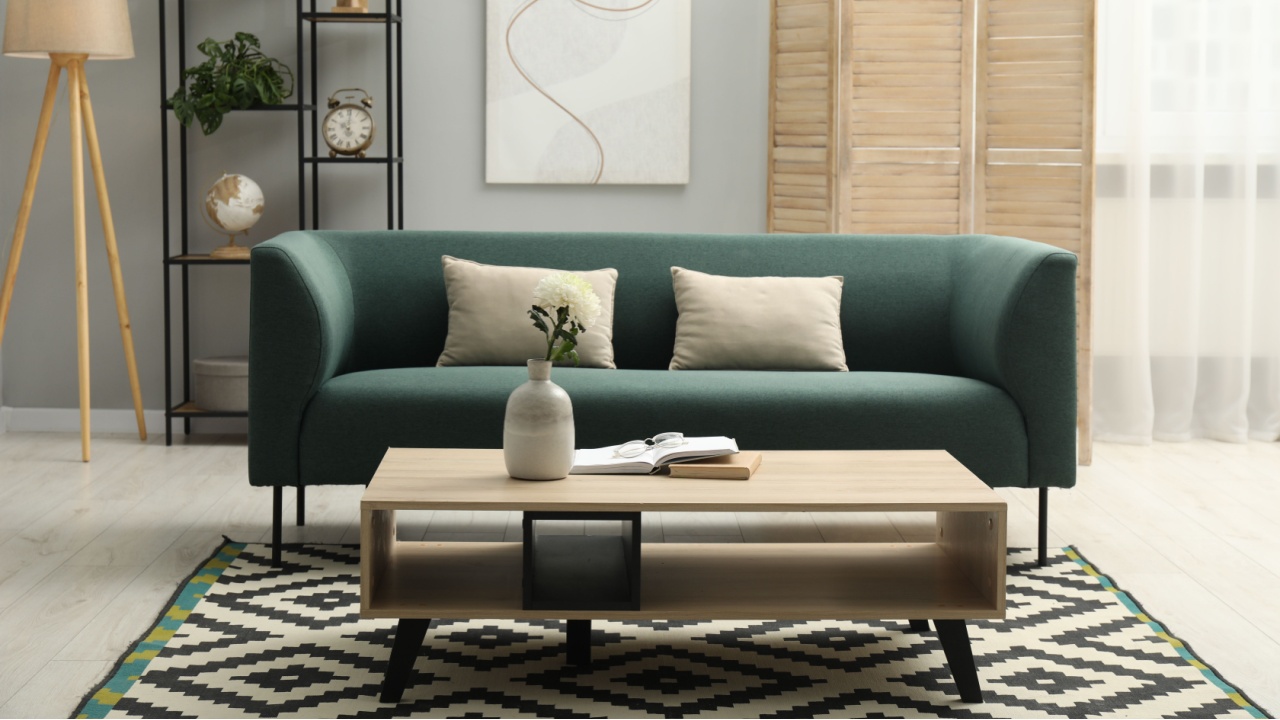
Black-and-white chevron, trellis, and quatrefoil rugs had a long run. They photographed well, worked in rented spaces that could not be painted, and felt graphic and modern.
In practice, they tend to be exhausting to live with because the high contrast pulls the eye constantly and competes with everything else in the room.
A chevron rug signals a very specific era, the same way a shag carpet signaled the 1970s.
Designers now favor small-scale prints, organic shapes, soft geometrics with some irregularity, and vintage-inspired motifs that carry visual interest without the harshness. The shift is toward patterns that feel considered rather than reactive.
5. Hyper-Realistic Floral Rugs
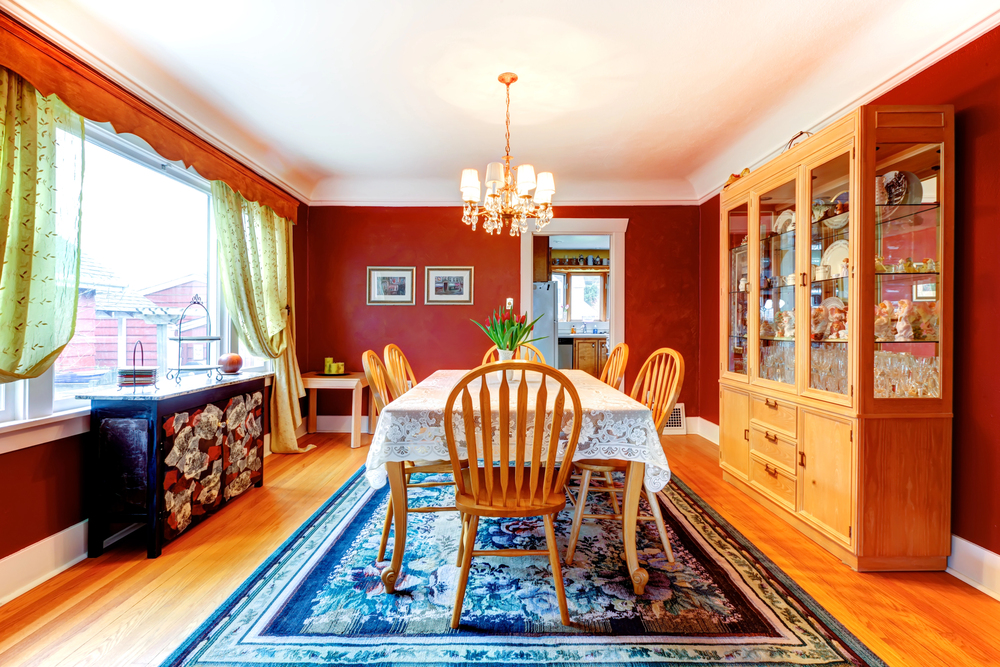
Oversized, detailed floral rugs were a hallmark of 1990s and early 2000s interiors. They were designed to bring nature indoors, but the effect often felt overly polished and artificial.
Highly detailed roses and peonies in slightly off shades, set against cream or dark backgrounds, now come across as heavy and dated. A space does not need a photo‑realistic flower on the floor to feel warm and organic.
Florals that are more abstract, loosely rendered, or woven with a nod to traditional craft feel much fresher. Authentic vintage rugs, especially Persian or Turkish pieces with stylized patterns, deliver the same botanical energy while offering a timeless character that avoids the dated look.
6. Matchy-Matchy Rug Sets
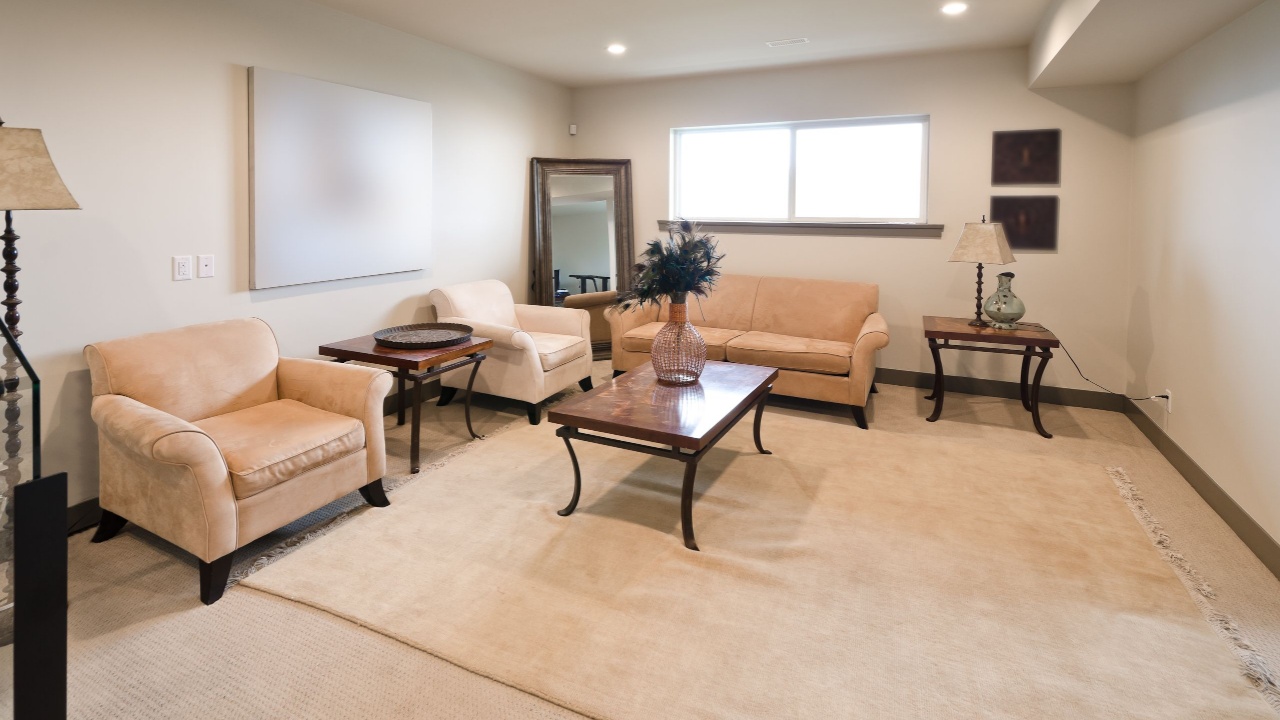
Coordinated rug sets were popular because they made a room look unified. The downside is that they often end up feeling more like a showroom than a home with character.
A more current approach is to layer rugs instead of matching them. For example, you might use a wool rug in the living room and a flatweave runner in the hallway. They can share similar tones without being identical. This mix of textures in the same color family adds depth and warmth that a matched set simply cannot achieve.
When everything matches perfectly, it removes the sense that a room has been thoughtfully collected over time. What makes a home feel inviting is the balance of pieces that work together without being carbon copies.
Fresh Foundations
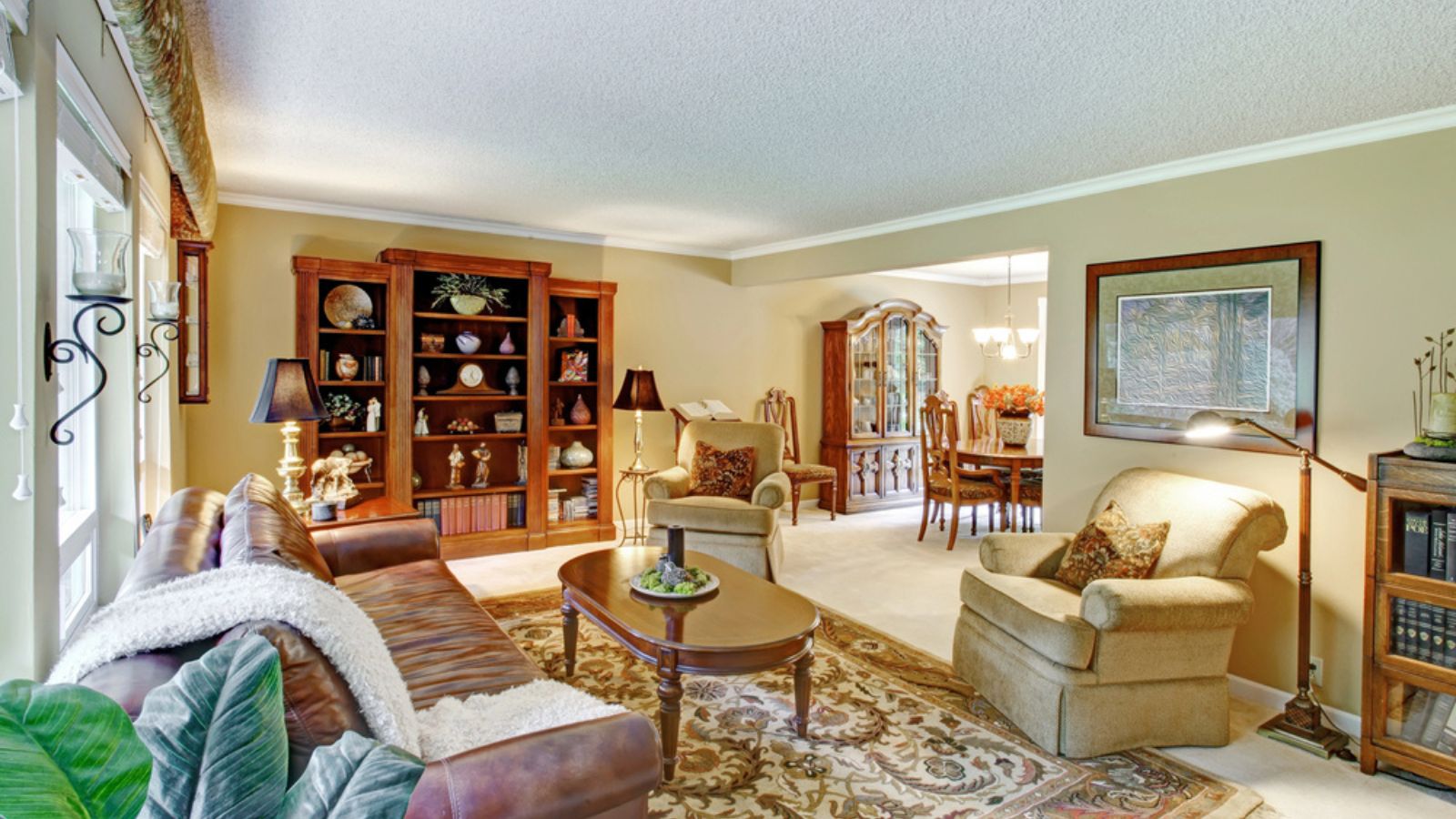
Rugs are not a small decision. They cover a lot of floor space, cost a meaningful amount of money, and shape how a room feels to anyone who walks into it.
An outdated rug style is not a crisis, but it is worth paying attention to when a room is not quite working, and the reason is not immediately obvious.
The styles covered here share a common thread. They were adopted quickly, widely, and with little thought for how long they would last. What replaces them follows a different logic built on natural materials, genuine craft, warmth instead of stark contrast, and patterns with real history behind them.
A rug chosen with those qualities tends to grow more beautiful as it ages, rather than revealing its age in a negative way.
Read More:
Hidden In the Fibers: How to Reduce Allergens in Your Rugs
14 Smart Fixes for the Problems You’ve Been Avoiding at Home