6 Random Thrift Store Items Worth a Surprising Amount
A dusty thrift store shelf can hold far more than old household clutter. In some cases, a small, overlooked item can carry serious resale value and collector appeal.
That price jump usually comes from age, rarity, maker marks, and strong demand from buyers who know what they want. A piece that looks ordinary to one shopper can stand out to a collector in seconds.
Many of these valuable finds were made for everyday use, which is part of what makes them easy to miss. Utility items often blend in with common stock, even when they come from sought-after brands, periods, or design styles.
Here are six random thrift store items that can be worth a surprising amount.
1. Ceramic Match Strikers
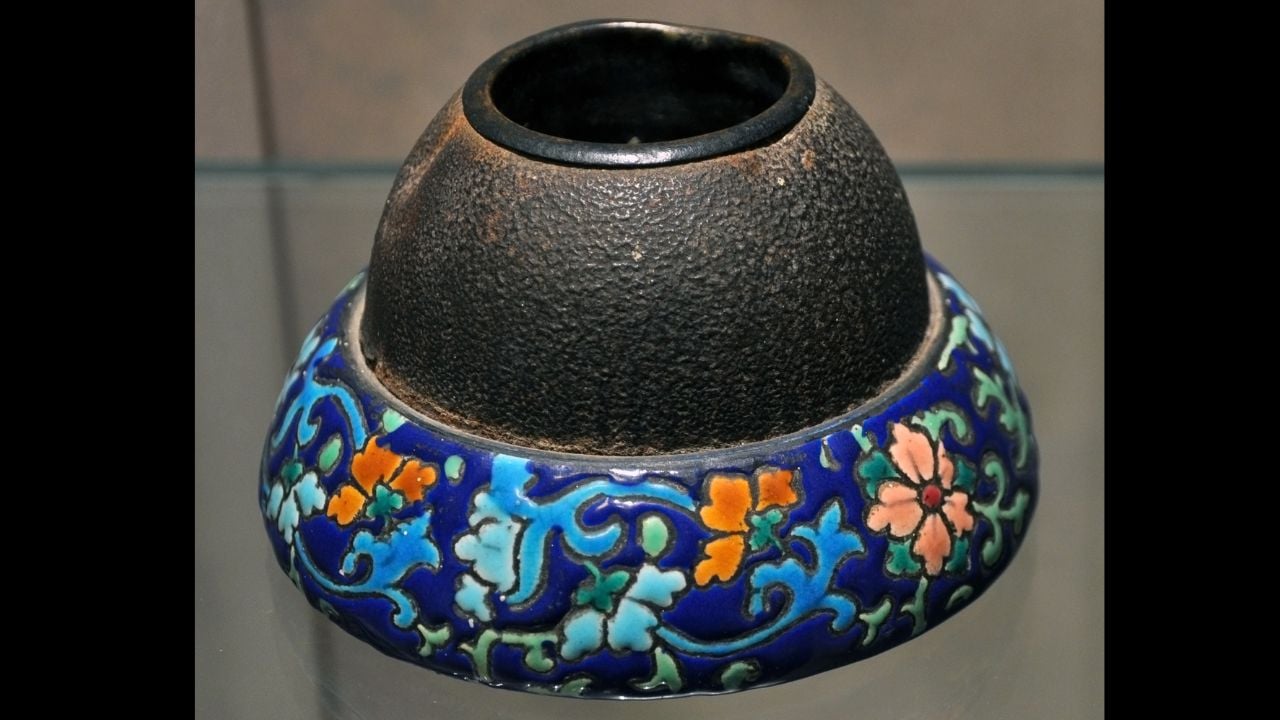
Ceramic match strikers, often called pyrogenes, were once common in French cafes and homes in the late 19th and early 20th centuries. These wall-mounted or tabletop pieces held matches and included a rough surface for lighting them, often paired with painted ads for liquor, tobacco, or household goods.
Collectors value them for their age, artwork, and link to French advertising history, and rare examples can reach several hundred dollars. Strong prices usually go to pieces with clean lettering, bright glaze, and little damage around the striker surface.
Shoppers can look for hand-painted details, French wording, and signs of true age on the ceramic body. Chips, cracks, and repairs can cut value sharply, though a scarce ad design may still draw interest.
Candle collectors and antique advertising buyers have helped keep demand strong, which has lifted prices for authentic pieces. A small ceramic holder in a thrift store cabinet may deserve far more attention than its size suggests.
2. Fishing Creels
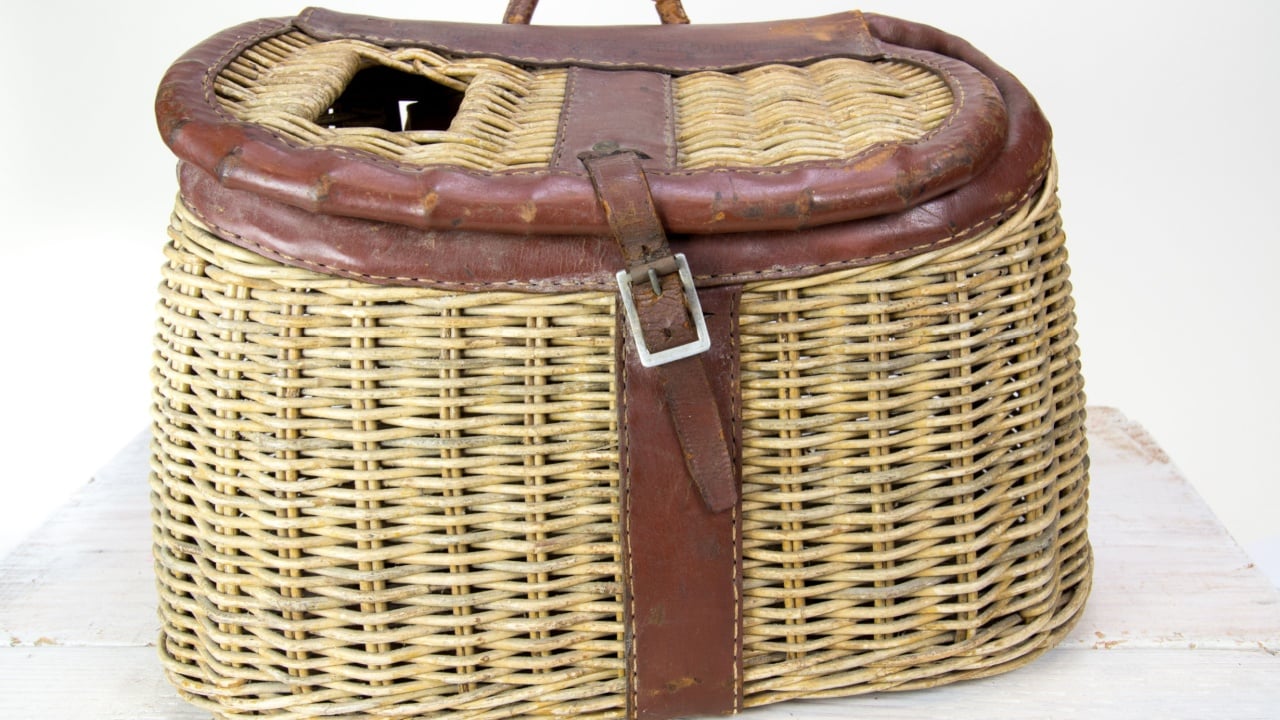
Fishing creels are woven baskets once used to carry freshly caught fish, and older examples can bring impressive prices.
The most valuable ones often date from the late 1800s through the early 1900s and feature strong leather trim, tight handwoven construction, and hardware that has survived intact.
Named makers and leatherworkers can raise value even more, especially when the creel still has its shoulder strap and original closure. High-end examples tied to respected makers have sold for thousands, while simpler vintage creels often land in a more modest but still solid range.
Dry, cracked leather and broken wicker can hurt value, yet good age and original parts still make many pieces desirable to sporting collectors and cabin decor buyers.
3. L.L. Bean Tote Bags
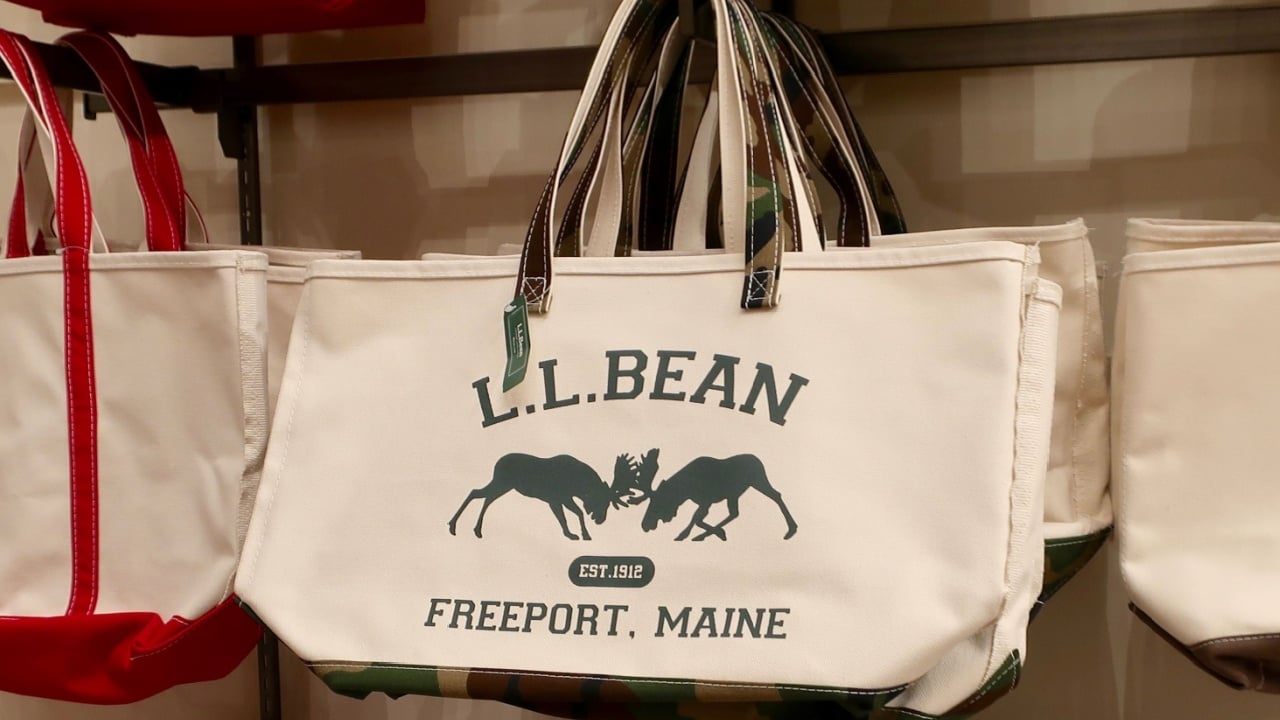
The L.L. Bean Boat and Tote started as a durable utility bag, first made to haul heavy blocks of ice. Decades later, older versions from the 1970s and 1980s have become popular in the vintage market, especially when they show classic canvas, contrast trim, and older label styles.
Certain color combinations, monograms, and well-aged fabric can push prices much higher than many thrift shoppers would guess. Some sought-after bags have sold for hundreds, especially when they fit current fashion tastes and remain in sturdy shape.
Collectors usually look closely at the tag, handle style, stitching, and canvas weight. Earlier bags often have details that differ from newer retail versions, and those small changes can matter a lot in resale value.
Wear does not always ruin the appeal, since some buyers like a broken-in look that still feels usable.
4. Spirit Levels
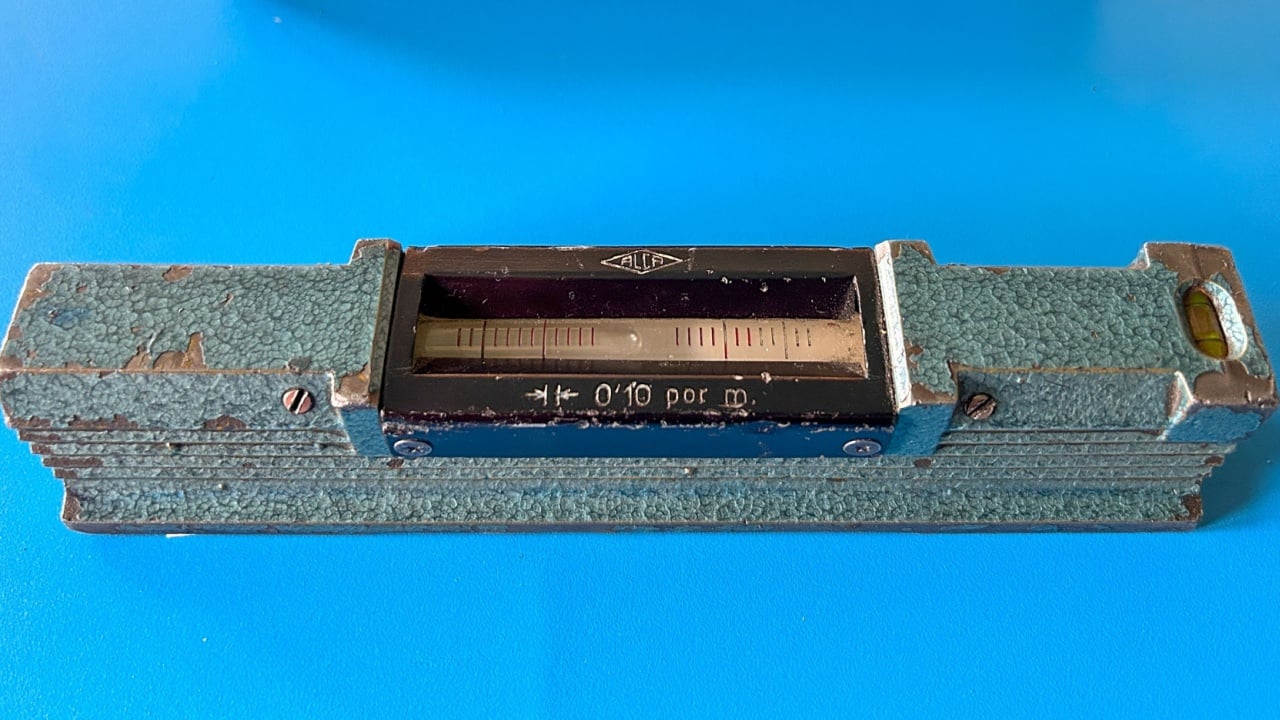
Old spirit levels may seem like common workshop leftovers, but certain models are prized by tool collectors. Vintage examples made from rosewood, brass, and glass can attract strong prices, especially when they come from respected names such as Stanley or Stratton Brothers.
Some were built with fine craftsmanship that is hard to find in modern mass-market tools, and that quality helps support the resale market. Rare or well-preserved levels with brass butt caps and clear vial housings can sell for hundreds or even more than a thousand dollars.
The best thrift store clues include maker stamps, solid wood bodies, brass fittings, and a design that feels older than standard hardware-store stock.
Collectors often prefer pieces with readable markings and minimal warping, since heavy wear can affect both beauty and function. Even so, age alone can make an unusual level worth a closer look, especially if it comes from a known toolmaker.
5. Perpetual Calendars
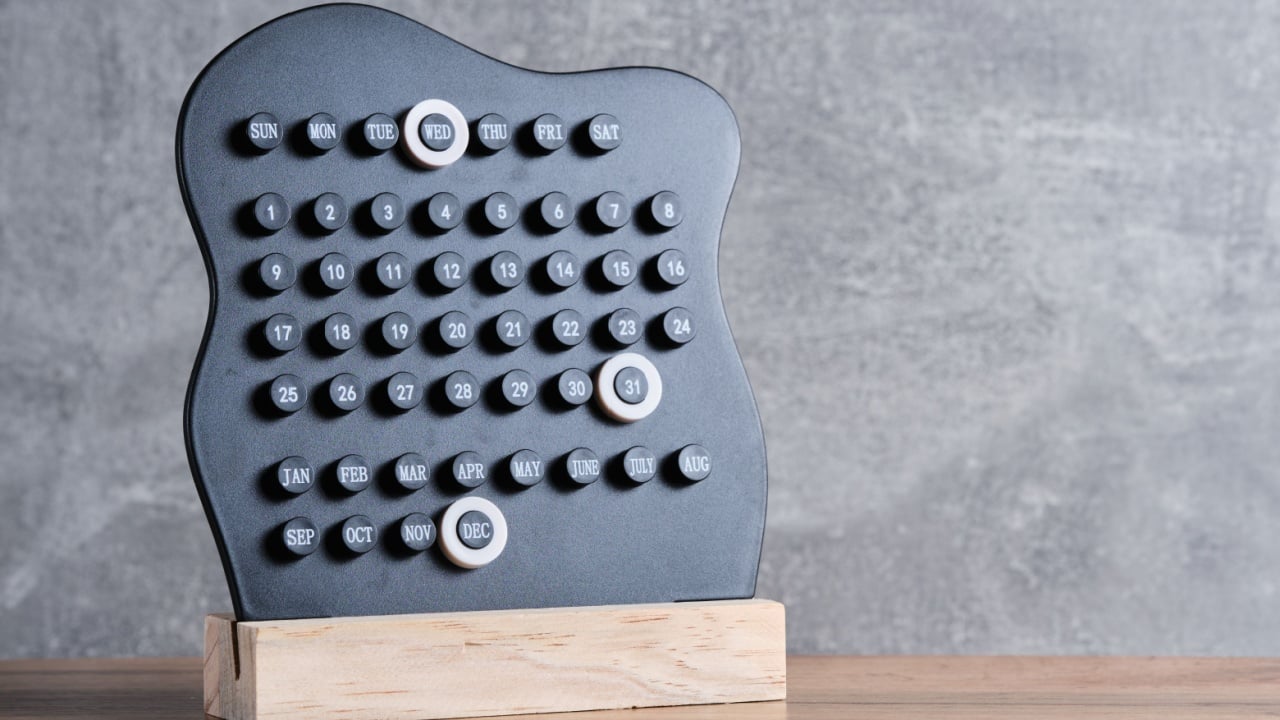
Perpetual calendars were designed to display the date year after year without becoming obsolete, and that lasting function still draws buyers today. Older models made from wood, brass, or cast metal often appeal to collectors who like desk accessories with mechanical charm and clean design.
Edwardian and early 20th-century examples can bring high prices, while midcentury versions still sell well when they have strong visual appeal and complete parts. Their value rises when knobs turn smoothly, lettering remains easy to read, and the housing shows little damage.
These calendars often cross into several markets at once, which helps support demand. Antique collectors, office decor shoppers, and fans of vintage industrial or midcentury design may all want the same item for different reasons.
6. Pyrex Butter Dishes
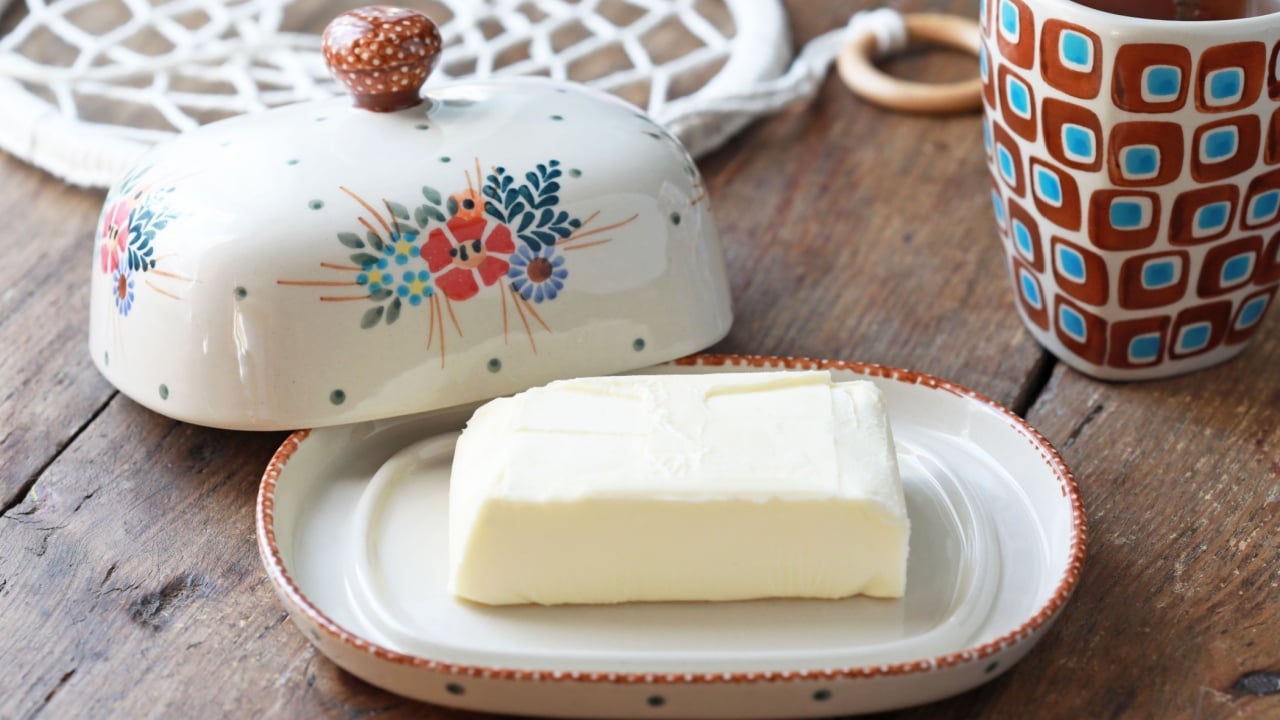
Vintage Pyrex remains popular, and butter dishes are one of the smaller categories that can still bring strong money. Common midcentury covered dishes often sell in a modest range, yet rarer patterns and colors can fetch much higher prices, especially in clean, complete condition.
The brown ivy leaf Sandalwood version is one of the best-known examples, with top sales reaching several hundred dollars. Since many butter dishes were chipped, scratched, or separated from their lids, intact sets are much harder to find now.
Shoppers should check the pattern, color, backstamp, and fit between the base and lid. Pyrex collectors usually care a great deal about surface gloss, missing paint, and flea-bite chips around the edges, since even small flaws can affect price.
Still, a thrift store may price a rare butter dish like any other old kitchen item if staff members miss the pattern.
A Little Knowledge Changes the Hunt
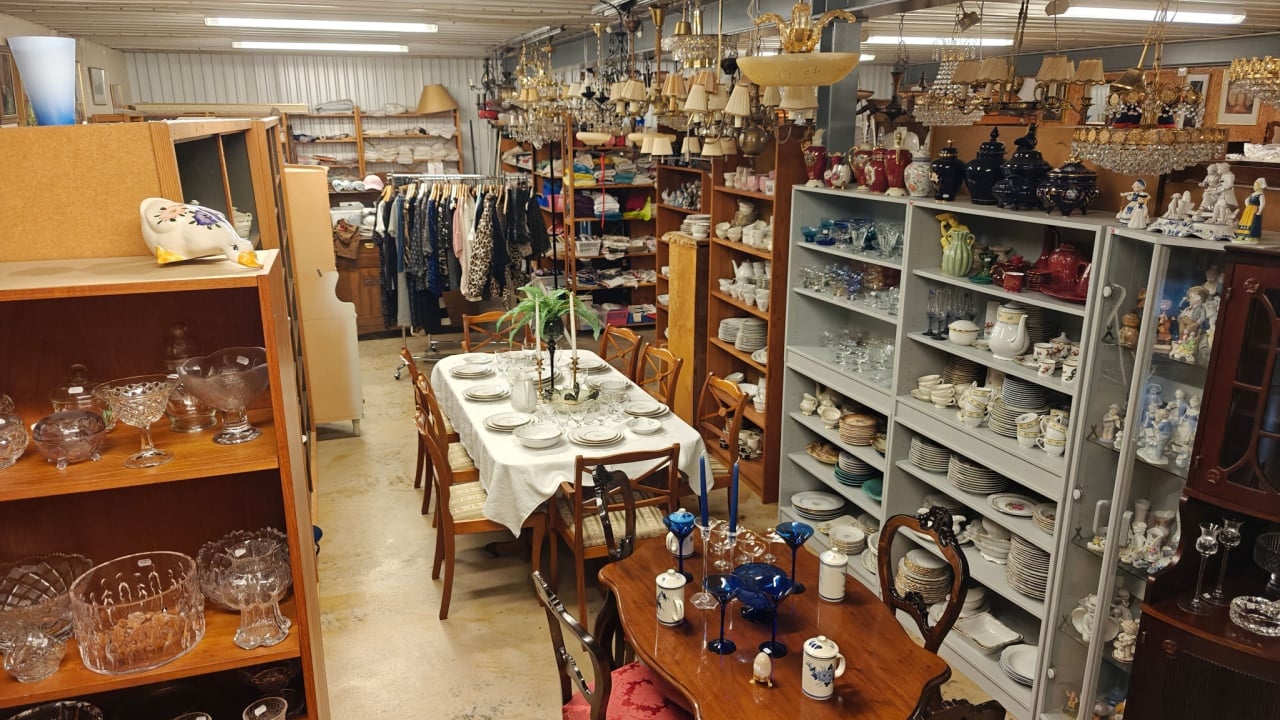
The most valuable thrift store finds are often small, useful, and easy to dismiss. Ceramic match strikers, fishing creels, L.L. Bean tote bags, spirit levels, perpetual calendars, and Pyrex butter dishes all show how ordinary objects can carry collector demand far beyond their thrift price.
A closer look at condition, maker marks, age, and rarity can reveal which pieces deserve a second glance. For anyone browsing secondhand shelves, a bit of product knowledge can turn a routine stop into a very profitable one.