6 of Grandma’s Cleaning Hacks That Aren’t Worth Keeping
Nostalgia is a powerful thing. It makes us hold onto old recipes, vintage sweaters, and apparently, cleaning advice that hasn’t been updated since the color television was a novelty.
While we love Grandma and her infinite wisdom, some of the household tricks passed down through generations have expiration dates that passed decades ago. Science and technology have evolved, giving us better tools and an understanding of how materials react to certain substances.
Clinging to these old methods often means working harder for worse results, or even accidentally damaging the very things we are trying to protect. This article takes a gentle look at six specific cleaning traditions that many of us still perform out of habit. From the way we treat our windows to how we handle laundry, we are swapping out folklore for facts.
1. Using a Newspaper to Clean Windows

Generations of homeowners swore by the Sunday paper for achieving streak-free glass. The logic was sound at the time: newsprint was absorbent, cheap, and readily available. The rough texture of the paper acted as a mild abrasive, scrubbing away bird droppings and grime without scratching the glass. It was the ultimate recycling hack before recycling was even a mainstream concept.
However, modern printing methods have changed the game entirely. Today’s newspapers often use different types of ink and paper stock that can leave behind a gummy residue or dark streaks on your frames and sills. Furthermore, the paper fibers can degrade quickly when wet, leaving lint and pulp stuck to the glass corners. Microfiber cloths are vastly superior tools for this job. They grab dust and hold onto liquid without disintegrating or transferring dye onto your white window trim.
2. Mixing Vinegar and Baking Soda for Everything
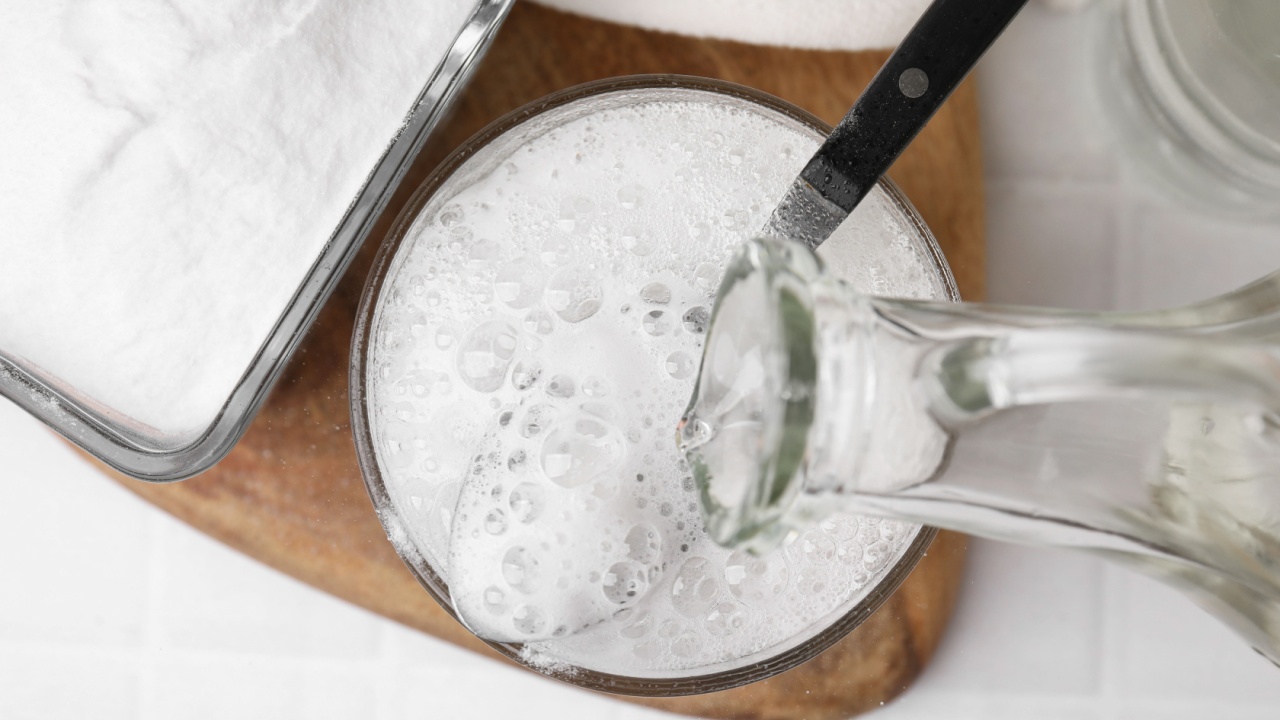
This is perhaps the most famous science experiment happening in kitchens across the world. The fizzing reaction looks impressive, leading many to believe that the bubbling action is scrubbing away dirt deep in the pores of surfaces. It feels like active cleaning is happening right before your eyes. Individually, these two ingredients are powerhouses: vinegar is acidic and cuts grease, while baking soda is basic and acts as a gentle abrasive. It makes sense why people assume combining them creates a super-cleaner.
Unfortunately, basic chemistry tells a different story. When you mix an acid (vinegar) and a base (baking soda), they react violently for a moment and then neutralize each other. The result is essentially salty water. The bubbling might dislodge some loose debris physically, but the chemical cleaning power is mostly nullified once the reaction settles. You are better off using them separately.
3. Cleaning Carpet Stains with Club Soda

The idea that club soda is the miracle cure for red wine spills is a staple of old movies and household lore. The theory suggests that the carbonation lifts the stain particles to the surface, while the weak acidity prevents the color from setting into the fibers. It is often the first thing people reach for when a dinner party goes wrong, frantically dabbing at the rug while guests watch. It feels proactive and uses something safe and edible, which is comforting when dealing with expensive flooring.
While club soda won’t necessarily hurt your carpet, it rarely solves the problem completely. The fizzing action is weak and short-lived, and adding excess liquid to a stain can often cause it to spread outward or seep deeper into the padding. Modern carpet fibers are often treated with stain-resistant coatings that react better to blotting with a dry cloth followed by a dedicated enzymatic cleaner.
4. Using Feather Dusters on Surfaces
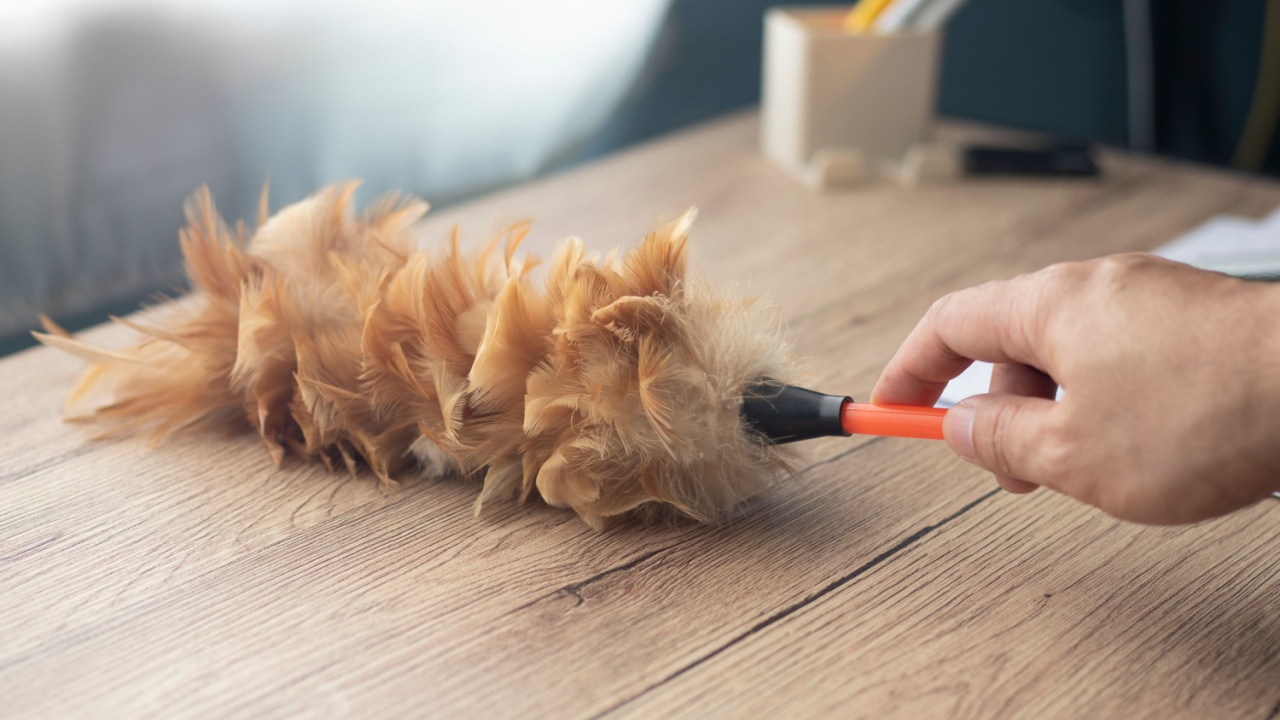
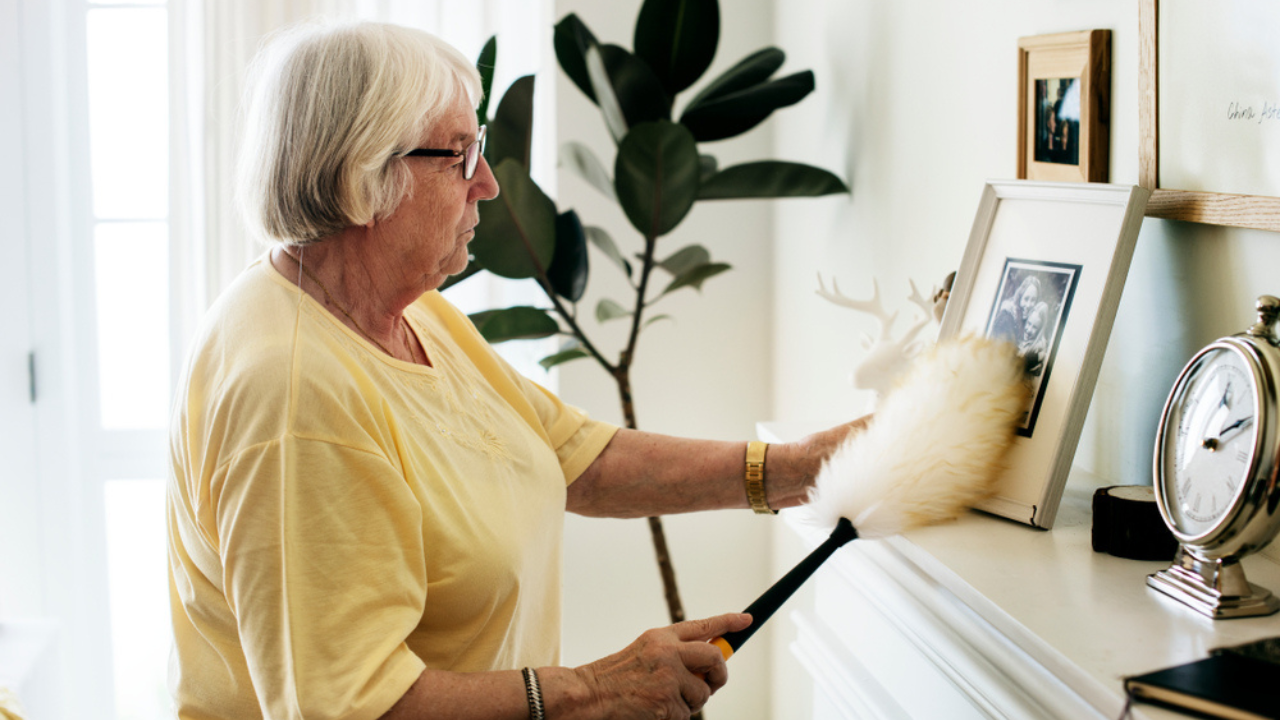
The image of a housekeeper breezing through a room with a feather duster is iconic. It looks elegant and seems to make quick work of shelves and knick-knacks. Historically, ostrich feathers were prized for their ability to attract dust due to static electricity, and they were delicate enough not to knock over fragile figurines. It was a tool of convenience for daily maintenance, intended to keep a home looking presentable with a few quick flicks of the wrist.
In reality, most feather dusters, especially the cheap synthetic ones, do not remove dust; they merely displace it. You flick the dust off the bookshelf, and it floats into the air, only to settle on the coffee table or the floor ten minutes later. It creates a cycle where you are constantly moving dirt around rather than eliminating it. A damp microfiber cloth or an electrostatic duster that actually traps particles is far more effective.
5. Overdoing Laundry Detergent
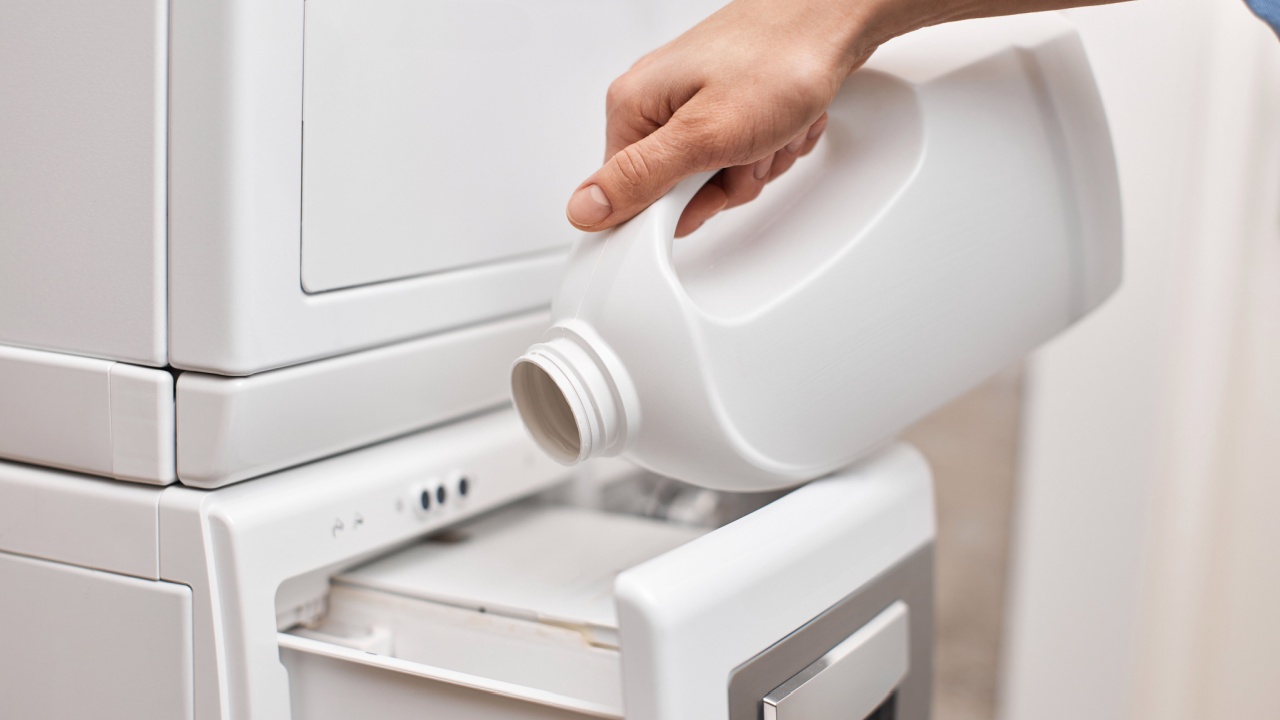
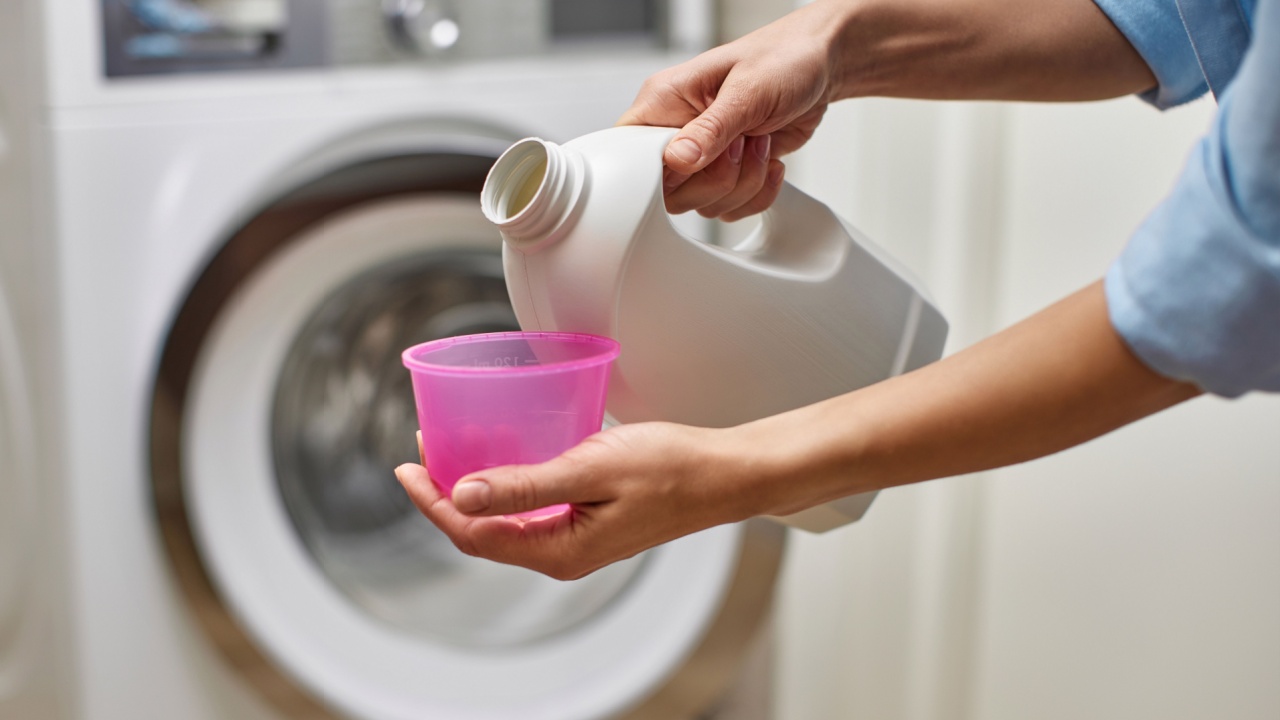
There is a common misconception that if a little soap cleans well, a lot of soap cleans even better. When faced with muddy soccer uniforms or gym clothes, the instinct is to fill the cap to the brim to attack the grime. Grandma might have used weaker, homemade soaps that required larger quantities to be effective. The bubbles and the strong scent of detergent are associated with cleanliness, so seeing a sudsy washing machine window feels reassuring.
Modern high-efficiency washing machines and concentrated detergents are designed to work with very specific, small amounts of product. Using too much detergent creates an excess of suds that the machine cannot rinse away completely. This leaves a sticky residue on your clothes that actually attracts more dirt and traps odors, leading to that funky smell towels get over time. It can also build up inside the machine itself, leading to mold growth and mechanical issues. You generally only need two tablespoons of detergent for a standard load.
6. Polishing Wood Floors with Furniture Polish

It seems logical to treat wood floors with the same product you use on your wooden dining table. Furniture polish promises shine and nourishment, and who doesn’t want gleaming hardwood floors that look brand new? For a long time, waxes and oils were the primary way to seal and protect raw wood floors. Applying a fresh coat of polish was a way to hydrate the timber and keep it looking rich and dark.
However, almost all modern wood flooring comes pre-sealed with a durable polyurethane finish. When you apply furniture polish or oil soaps to these floors, the product sits on top of the finish rather than soaking into the wood. This creates a dangerously slippery surface that is a fall hazard for anyone in socks. The best way to clean sealed hardwood is usually just a damp mop with a pH-neutral floor cleaner designed specifically for polyurethane finishes.
A Fresh Take on Clean
Letting go of these habits doesn’t mean disrespecting the past; it just means we are getting smarter about how we maintain our homes. We have access to microfiber technology, enzymatic cleaners, and high-efficiency appliances that our grandmothers could only dream of. By swapping out these outdated techniques for modern alternatives, you save time, protect your investments, and achieve a deeper level of cleanliness.