10 Seeds to Direct Sow Right Now in May (And Stop Buying Transplants)
Every May, home gardeners hand their local nursery $8, $12, sometimes $15 for a single six-pack of plants they could have grown better, faster, and for a fraction of the cost by pressing a seed directly into the ground.
Many of the most productive plants in your summer garden perform worse when transplanted. Beans, cucumbers, squash, peas, and sunflowers all resent having their roots disturbed. Buy them as transplants, and you are paying a premium to slow them down. The transplant shock that follows a nursery purchase can cost a plant days or weeks of productive growth, during a season where every week counts.
May is the primary window for direct-sowing warm-season crops. According to Sandia Seed, May and June offer the longest daylight hours of the gardening year, giving newly sown seeds a natural energy advantage that simply is not available in April. Soil temperatures across most of the country have finally reached the 60°F threshold that warm-season seeds need to germinate reliably, rather than sitting in cold soil and rotting. This is the moment every serious seed packet has been waiting for.
Below are 10 seeds to drop into the ground right now in May, along with exactly why each one belongs in the direct-sow column rather than the nursery cart. A single afternoon with these packets can replace $100 or more in transplant purchases and deliver a stronger, more abundant harvest.
1. Beans: The Fastest Return on Investment in the Garden
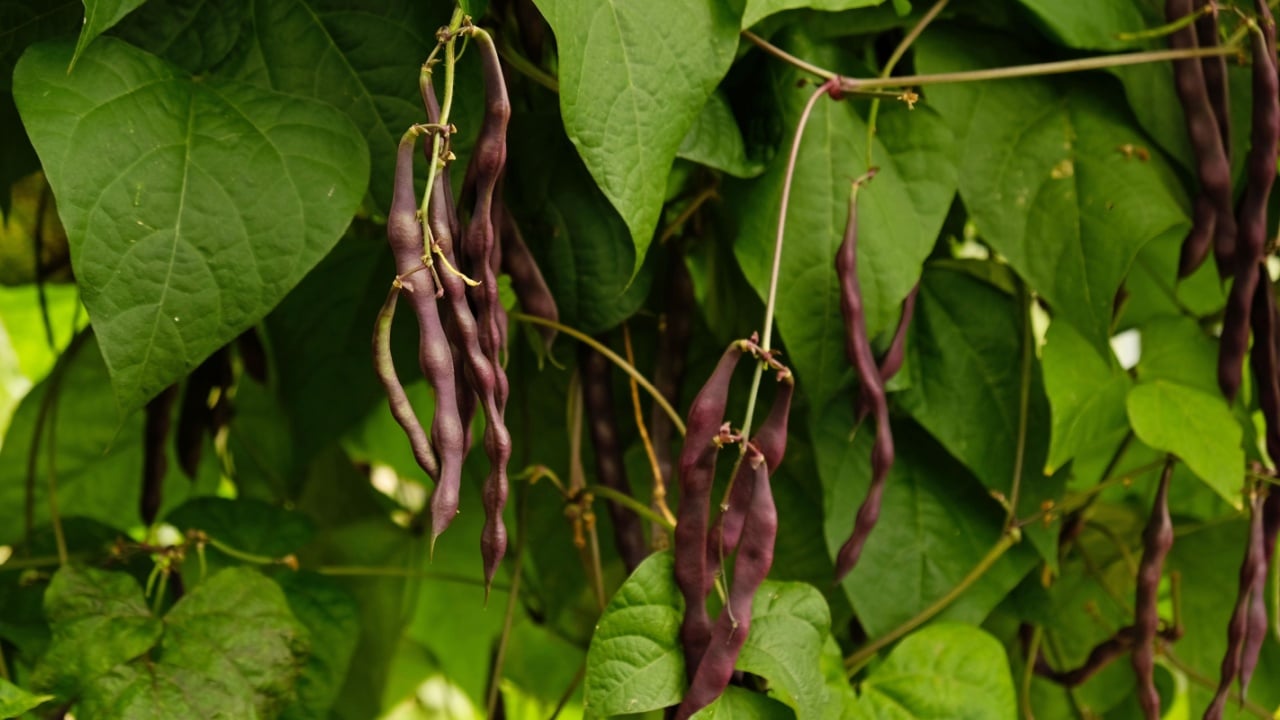
Beans are one of the most compelling arguments for skipping the nursery entirely. According to Botanical Interests, most bush bean varieties are ready to harvest just 55 to 60 days after sowing, and they germinate readily in warm May soil within 7 to 10 days. One seed packet costs roughly $3 to $5 and can fill a 4×8 raised bed; the equivalent of $25 or more in nursery transplants, which beans do not need and do not tolerate.
The reason nursery bean transplants exist at all is something of a mystery to experienced growers. Beans resent root disturbance so strongly that transplanted seedlings often stall for two weeks adjusting, while a directly sown seed planted the same day catches up and frequently overtakes them. Plant bush bean seeds about 1 inch deep and 3 to 4 inches apart once soil temperatures consistently reach 60°F.
2. Zucchini and Summer Squash: The One Crop That Pays for Itself in a Week
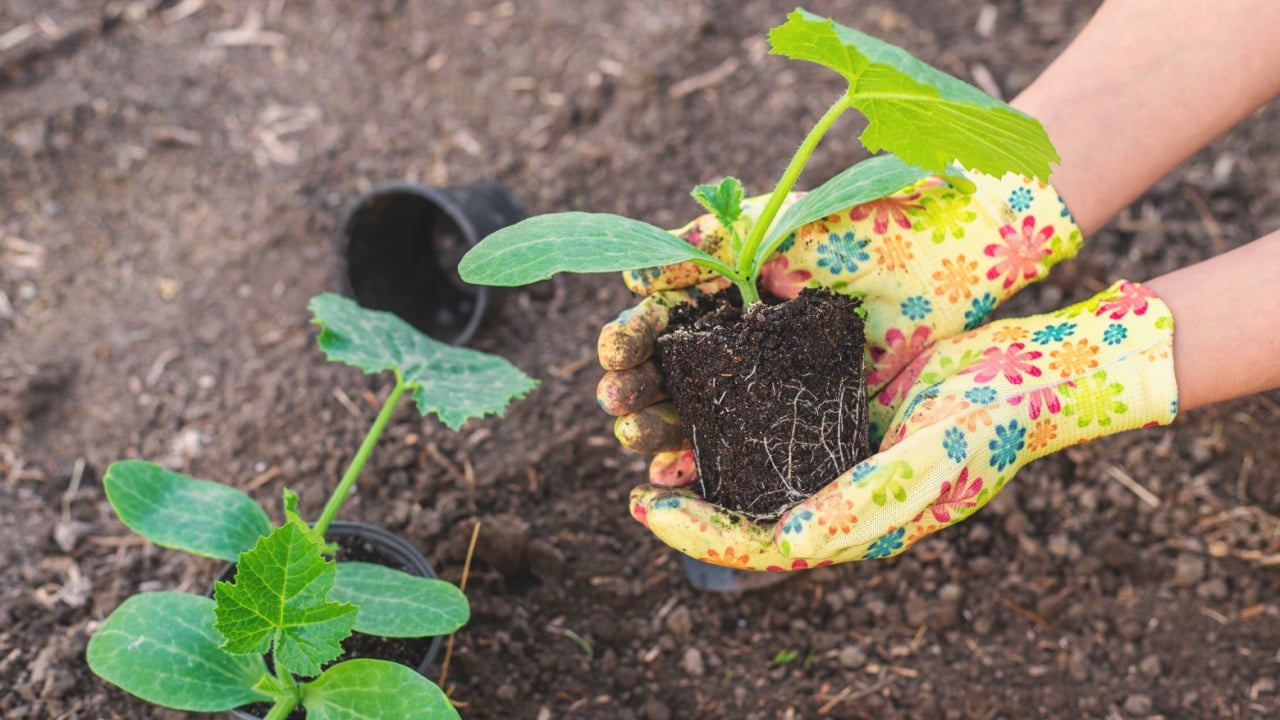
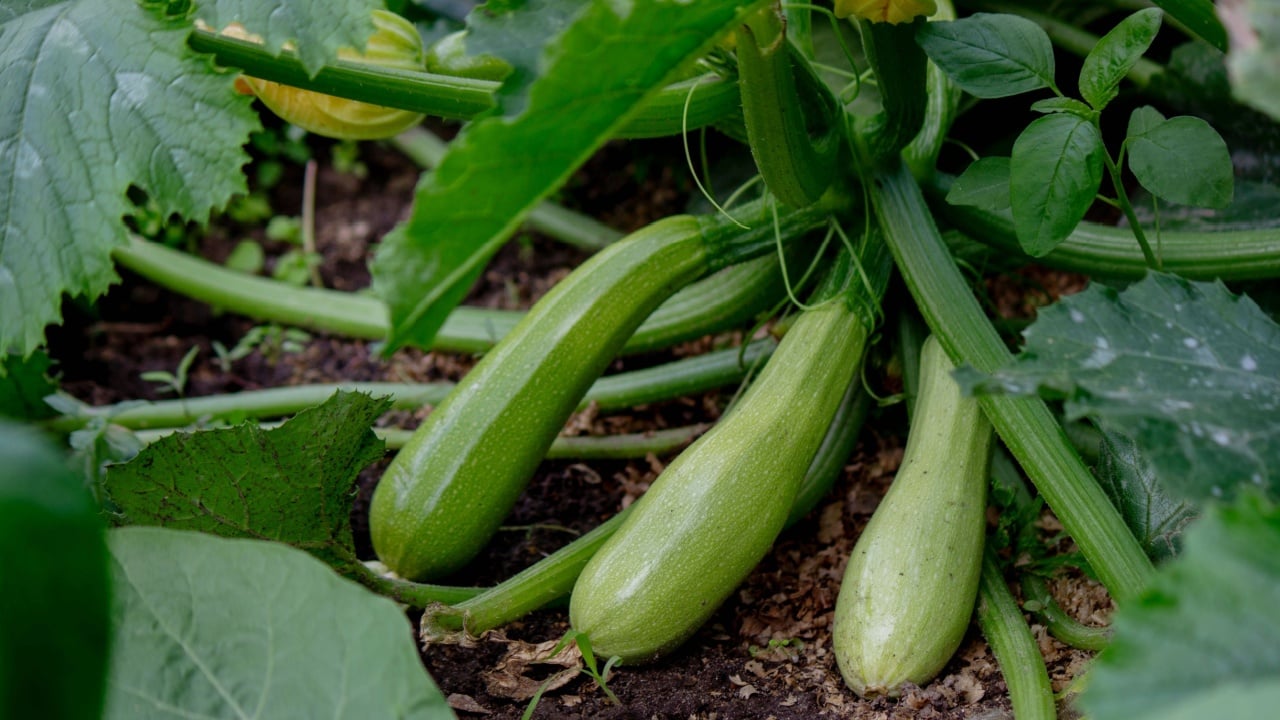
Squash is one of the few garden plants that can make a gardener feel genuinely rich by midsummer. According to Sandia Seed, summer squash is best direct-sown in mounds in May. The reason is simple: squash roots hate being disturbed, and plants started in pots often sulk through June, recovering from the move, while a direct-sown seed planted in May catches full summer sun from its first true leaf.
One healthy zucchini plant can produce more than 10 pounds of fruit in a season, easily replacing $50 or more in grocery store produce from a single packet that costs about $3. Sow two or three seeds per mound, thin to the strongest plant, and water deeply but infrequently. Your neighbors will be grateful for the harvest, and your grocery bill will not miss it.
3. Cucumbers: The Transplant Mistake That Stunts Your Harvest
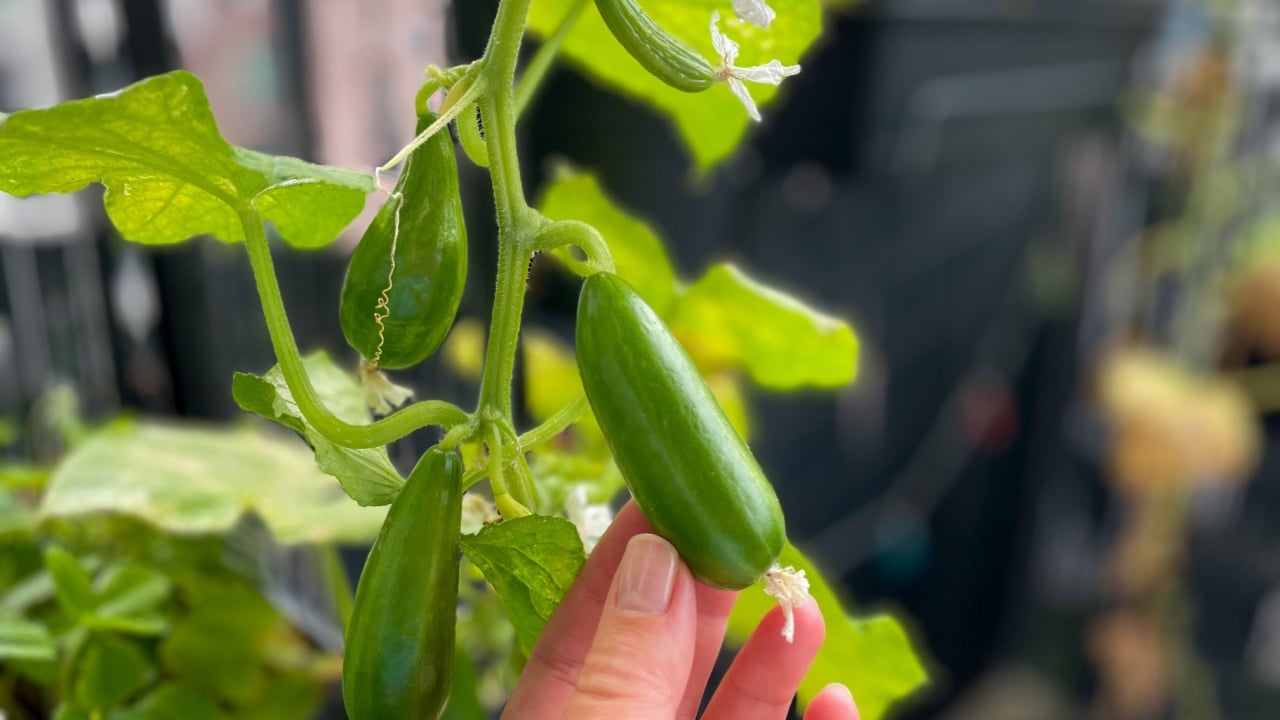
Of all the plants on this list, cucumbers are the ones where buying transplants does the most measurable damage. According to Park Seed, cucumbers are among the crops that do not tolerate transplanting and grow best when sown directly, because roots disturbed during the move never quite recover their original vigor. The result is a shorter, less productive harvest from plants that cost more at the nursery.
Wait until soil temperatures reach 60°F (typically mid-May in most zones), and sow seeds about 1 inch deep in hills or rows. Cucumbers mature in 50 to 65 days from direct sowing, meaning a May planting puts fresh cucumbers on your table in July. That is the same timeline as a transplanted nursery start, without the sticker shock or the transplant stall.
4. Zinnias: The Cut Flower That Costs Almost Nothing to Grow
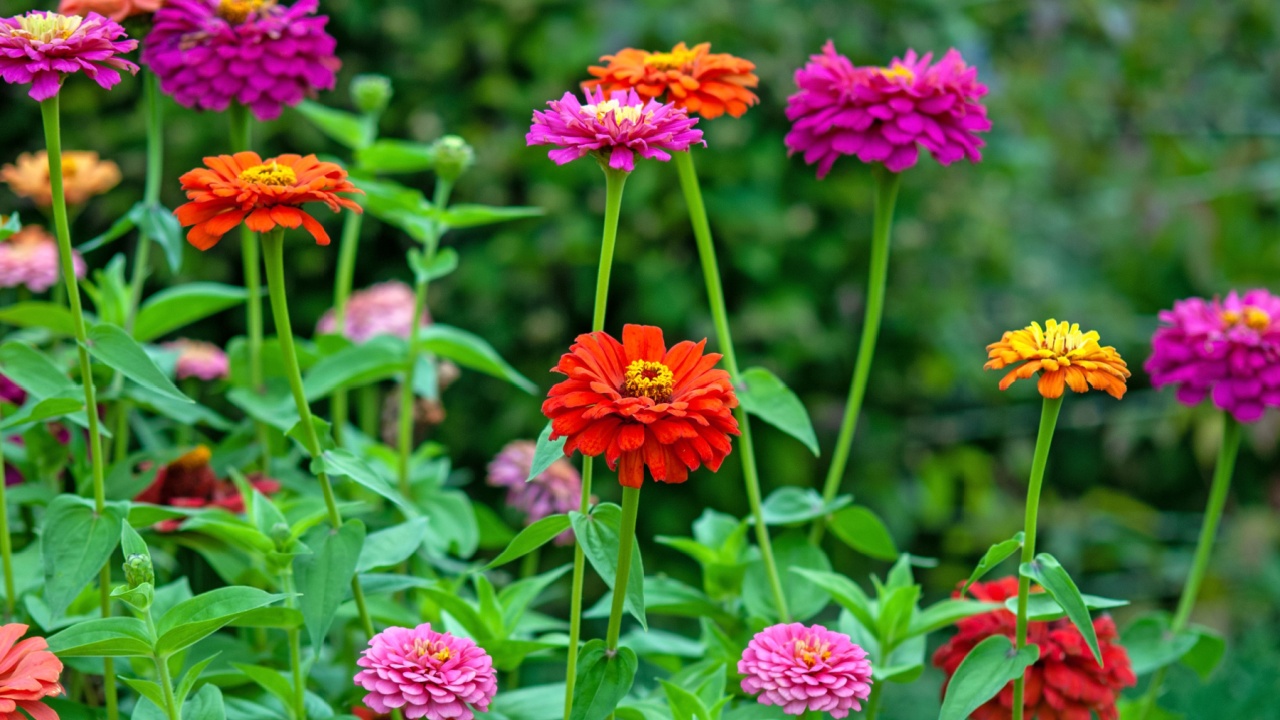
If there is one seed every gardener should be dropping into warm May soil this weekend, it is the zinnia.
According to Gardening Know How, zinnias germinate in days in warm conditions and begin blooming weeks later, producing vivid flowers in pinks, oranges, and reds that continue nonstop until frost. The more you cut them, the more they bloom; a genuine cut-and-come-again flower that rewards attention rather than just tolerating it.
A single packet of mixed zinnias can fill an entire bed and provide months of bouquets. They are also non-toxic to dogs and cats, making them one of the safest choices for households with pets. Sow directly in full sun after your last frost date; no thinning anxiety required for these cheerful, forgiving bloomers.
5. Nasturtiums: The Edible Pest-Repeller Most Gardeners Overlook
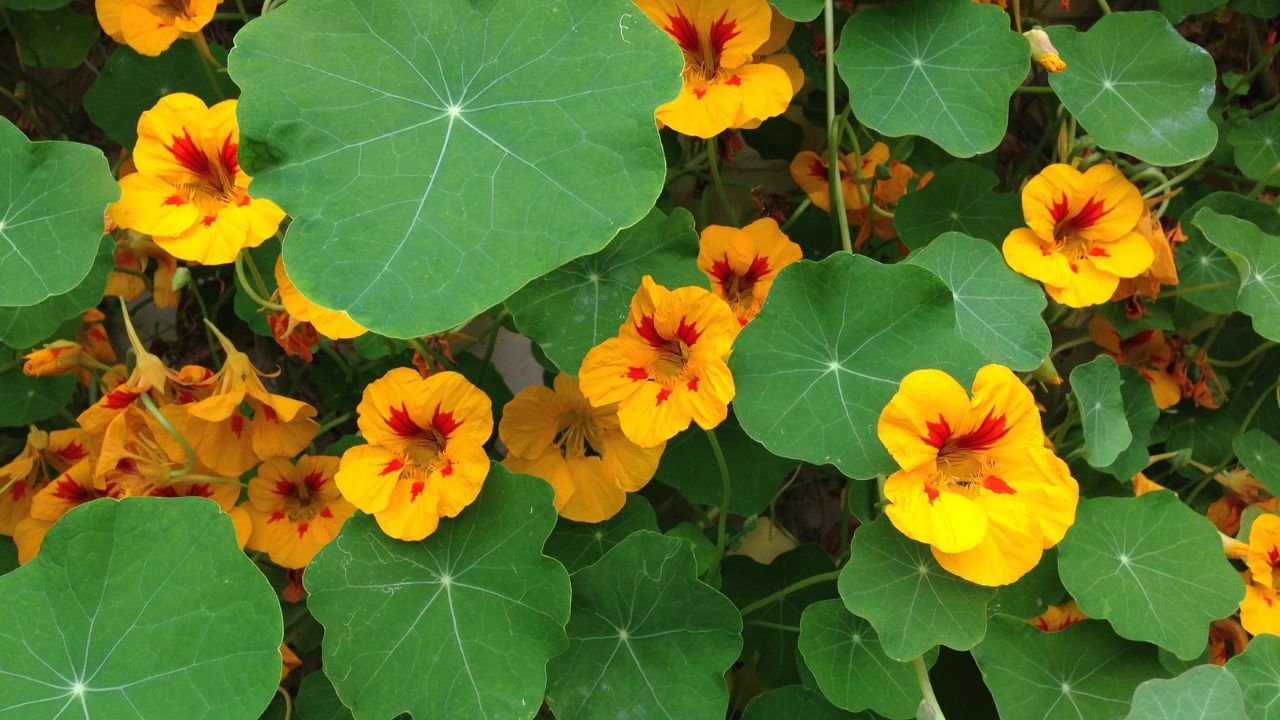
Most gardeners with truly spectacular yards share a secret: they plant nasturtiums everywhere, and they do it from seed rather than transplants. According to Homes and Gardens, nasturtiums can be sown directly into their growing position in May and are among the most reliable performers in the direct-sow category. What the nursery display rarely tells you is that nasturtiums also repel aphids naturally, attract beneficial pollinators, and produce fully edible flowers with a peppery flavor that brightens salads.
They also cost almost nothing to maintain. Nasturtiums actively thrive in poor soil and require no fertilizer. Sow seeds about an inch deep in full sun to part shade, and then leave them alone.
6. Sunflowers: The Fastest Way to a Garden Everyone Notices
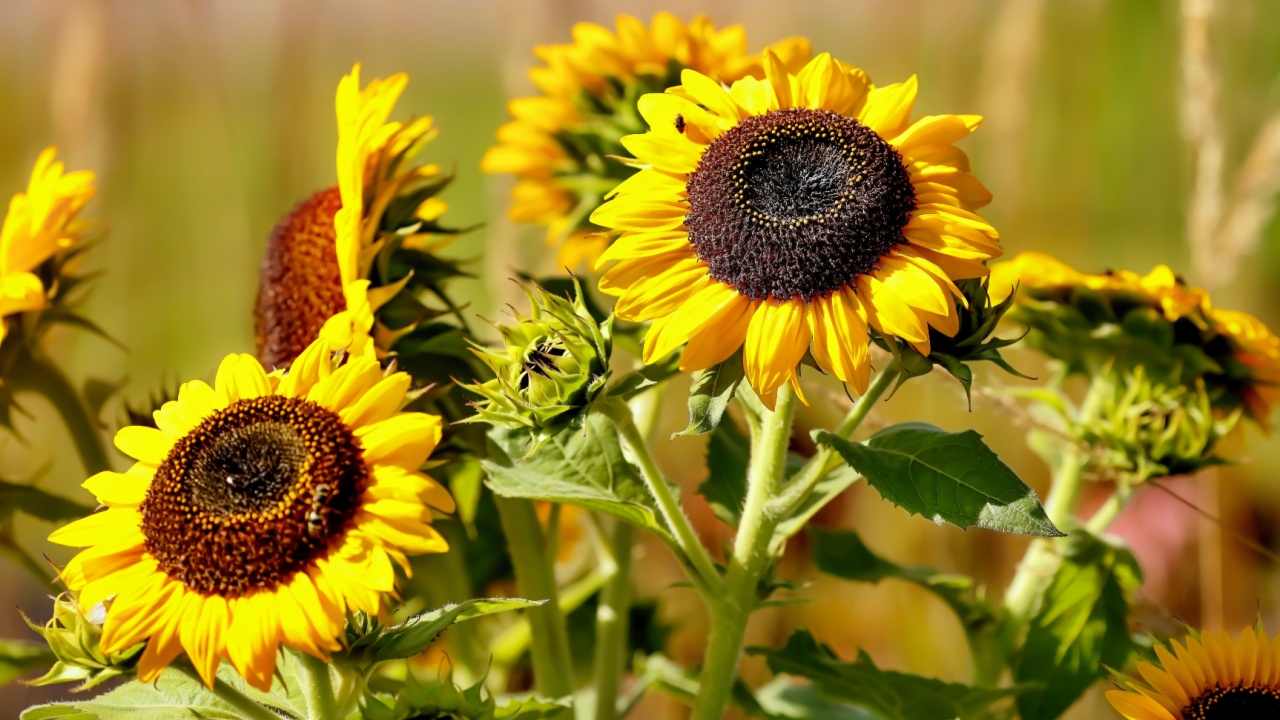
Sunflowers are among the few plants that genuinely should never be bought as transplants. Their taproot develops so quickly and so specifically to the spot where the seed was sown that moving a seedling even once disrupts the architecture of the root system. According to Johnny’s Selected Seeds, sunflowers are among the crops where direct seeding is the best practice, with germination happening in just 7 to 10 days in warm May soil.
Beyond the obvious visual reward, sunflowers attract pollinators that benefit every other plant in your garden, produce seeds that feed birds through fall and winter, and make exceptional cut flowers. One packet costing $3 to $4 can produce a full row of 10 to 15 plants. Sow seeds 1 inch deep, 6 inches apart in full sun, right now in May, while the soil is primed for fast germination.
7. Radishes: The Crop That Proves You Can Grow Food in 30 Days
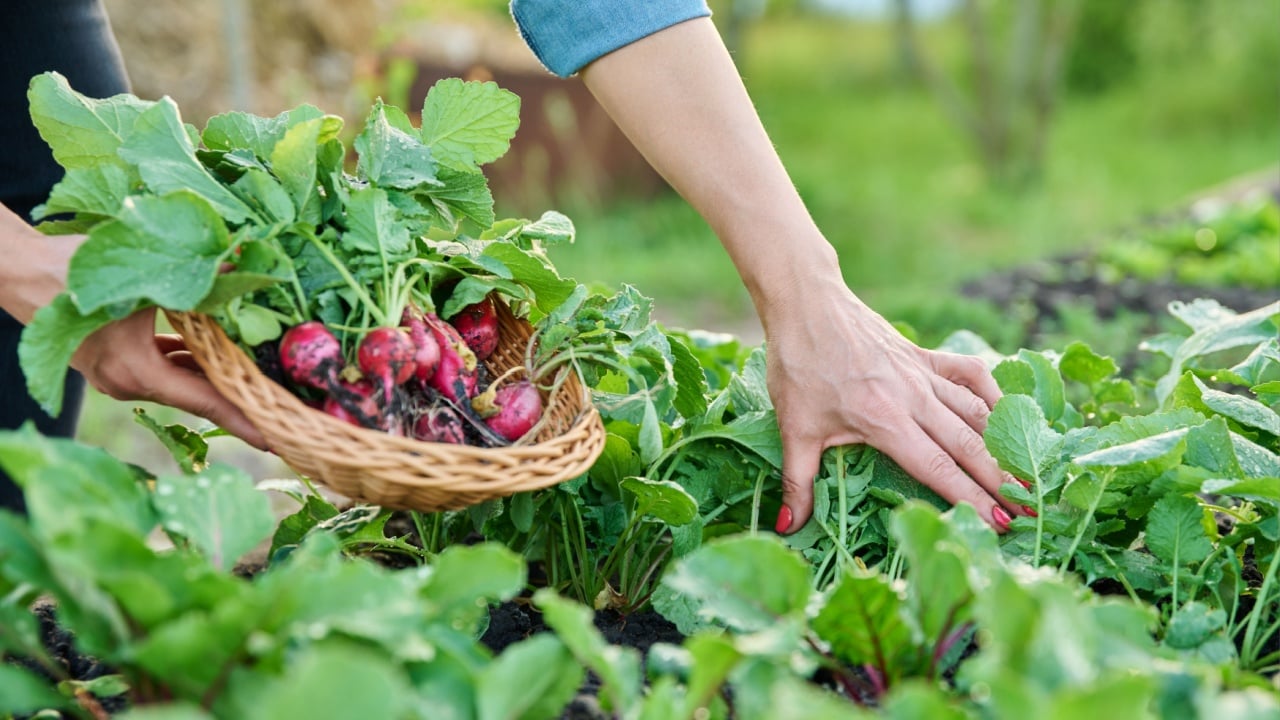
Radishes exist to remind impatient gardeners that gardening can, in fact, be fast. According to The Spruce, smaller radish varieties mature in just 30 days after planting, making them the quickest path from seed to table in the entire vegetable garden. There is, however, a closing window: radishes bolt and turn fibrous once air temperatures climb above 70°F, which means a May sowing is one of your last opportunities before summer shuts this door.
Sow seeds half an inch deep, thin to 2 inches apart, and keep the soil consistently moist. Tuck them between slower-growing crops like squash or cucumbers; they will be harvested and out of the way before their neighbors need the space. It is one of the cleverest uses of garden real estate available, and it costs about $2 a packet.
8. Cosmos: The Low-Maintenance Flower That Blooms Better When You Ignore It
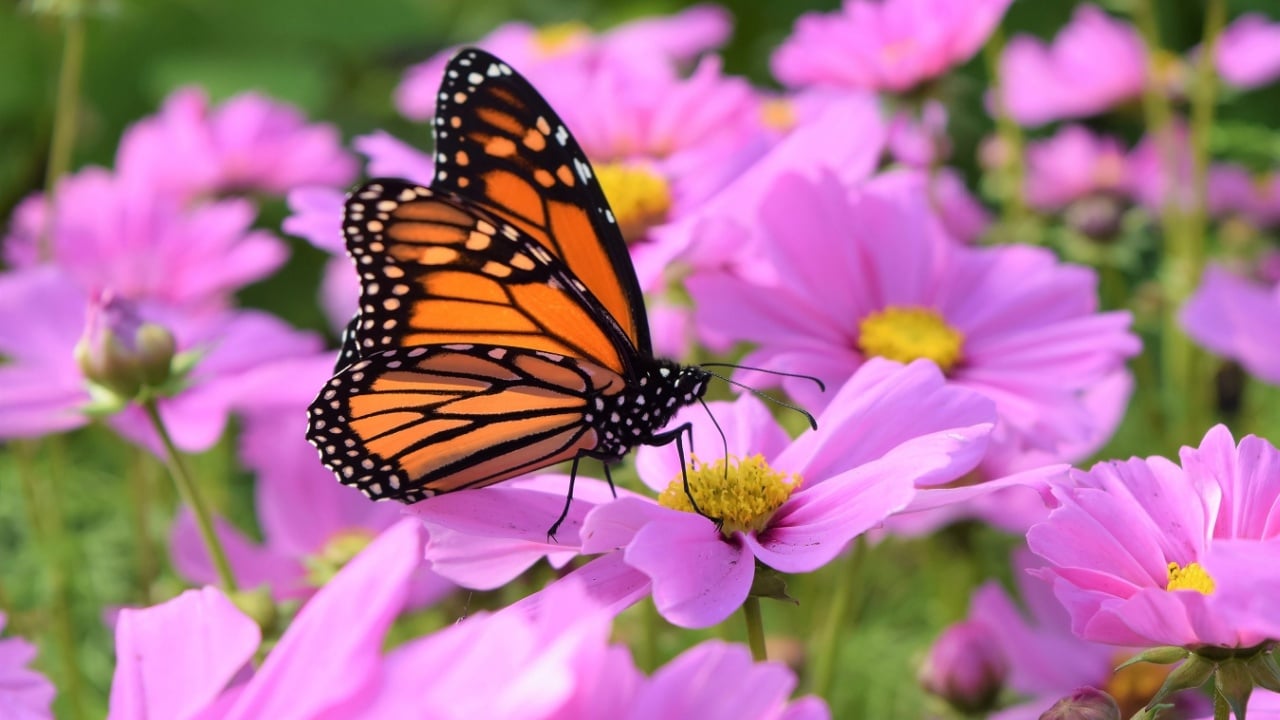
Cosmos actually bloom more prolifically in poor soil.
According to Gardening Know How, overwatering or overfertilizing cosmos produces lush foliage and dramatically fewer flowers. These are the plants that punish gardeners for caring too much, and they reward those who back off with cascading blooms from midsummer through first frost.
Direct sow cosmos seeds in May in a sunny spot with average or even sandy soil, and then resist the urge to fuss. They germinate quickly, grow fast, and self-seed in warmer zones, returning the following year without any intervention. For gardeners who are rethinking how much effort their garden demands, cosmos are the permission slip to step back and let something beautiful happen on its own.
9. Peas: The Sweet Crop That Hates Being Moved
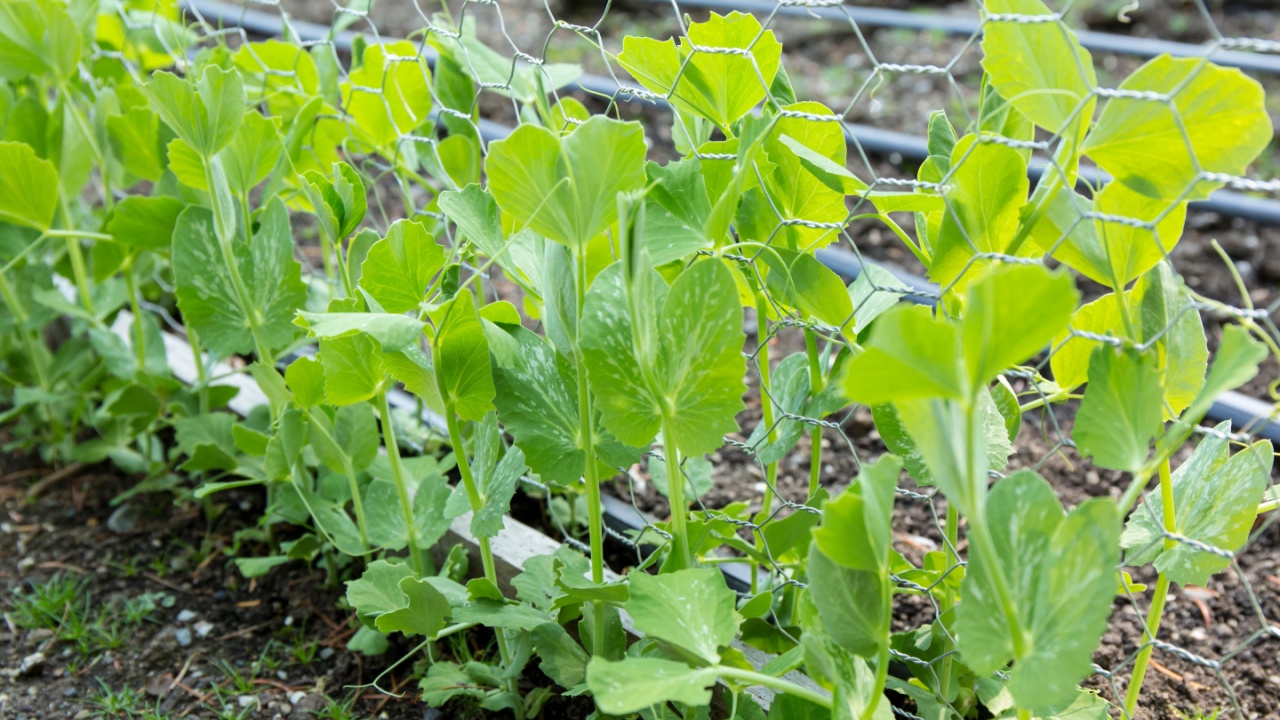
Peas belong in the direct-sow column for one unambiguous reason. According to Fruition Seeds, peas absolutely despise having their sensitive root systems uprooted, and experienced growers will not start them any other way. Transplanted peas stall; direct-sown peas climb. The flavor difference also matters: peas developing in the cooler temperatures of a May sowing produce sweeter, more tender pods than those grown in summer heat.
Sow peas 1 inch deep near a trellis or fence, as their tendrils grab onto support structures almost immediately. For a naturally staggered harvest, sow dwarf and full-size varieties on the same day: the dwarf types mature first, followed by the full-size varieties weeks later, extending your harvest window without any extra work.
10. Lettuce: The Grocery Store Replacement That Starts Paying Back in 30 Days
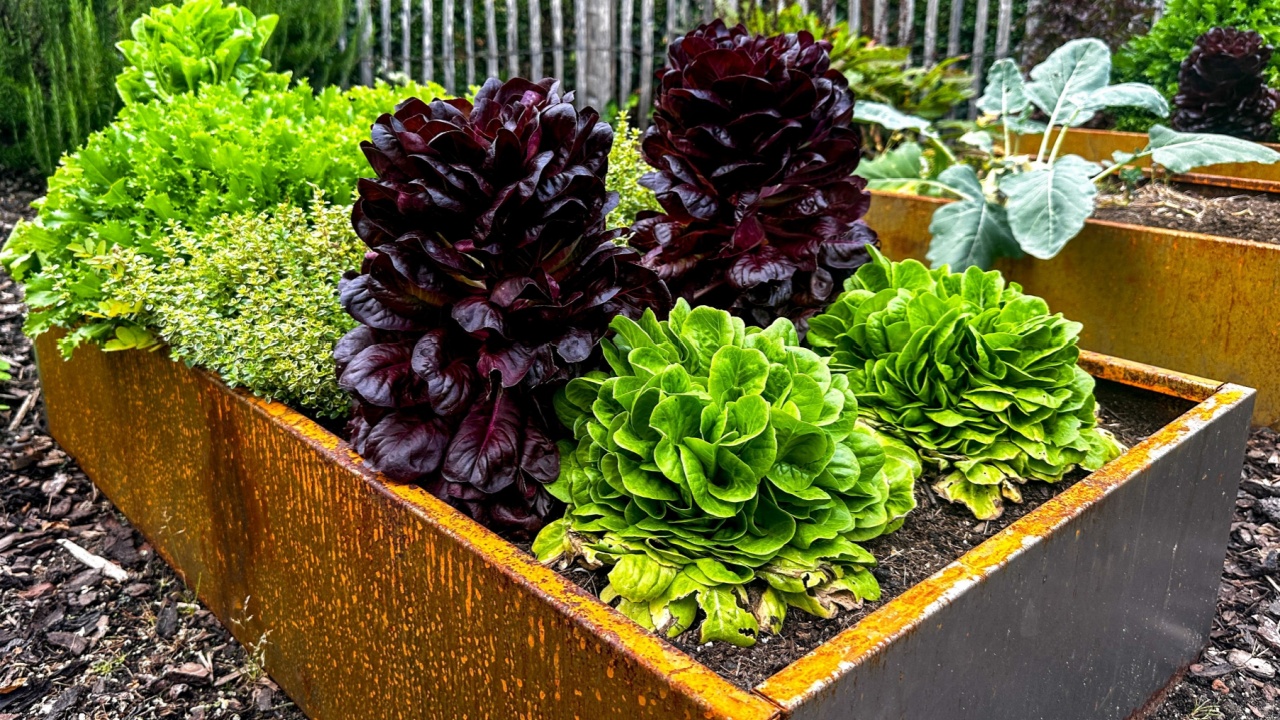
Leaf lettuce is the most straightforward financial argument for direct sowing in this entire list. According to The Spruce, leaf lettuce can be ready to harvest in just 30 days from direct sowing. A single seed packet costs roughly $2 to $3 and contains enough seed to produce what a household might spend $4 to $6 a week buying at the grocery store, for months. The math is not subtle.
Sow seeds shallowly, just an eighth to a quarter inch deep, in a location with afternoon shade to slow bolting. Succession sow every two weeks through early June for a continuous supply of fresh greens. Most gardeners who try this once stop buying bagged salad entirely, which, depending on how often they shopped for it, can save $200 or more across the growing season.
Is Your Soil Ready? Here Is How to Check Right Now in May
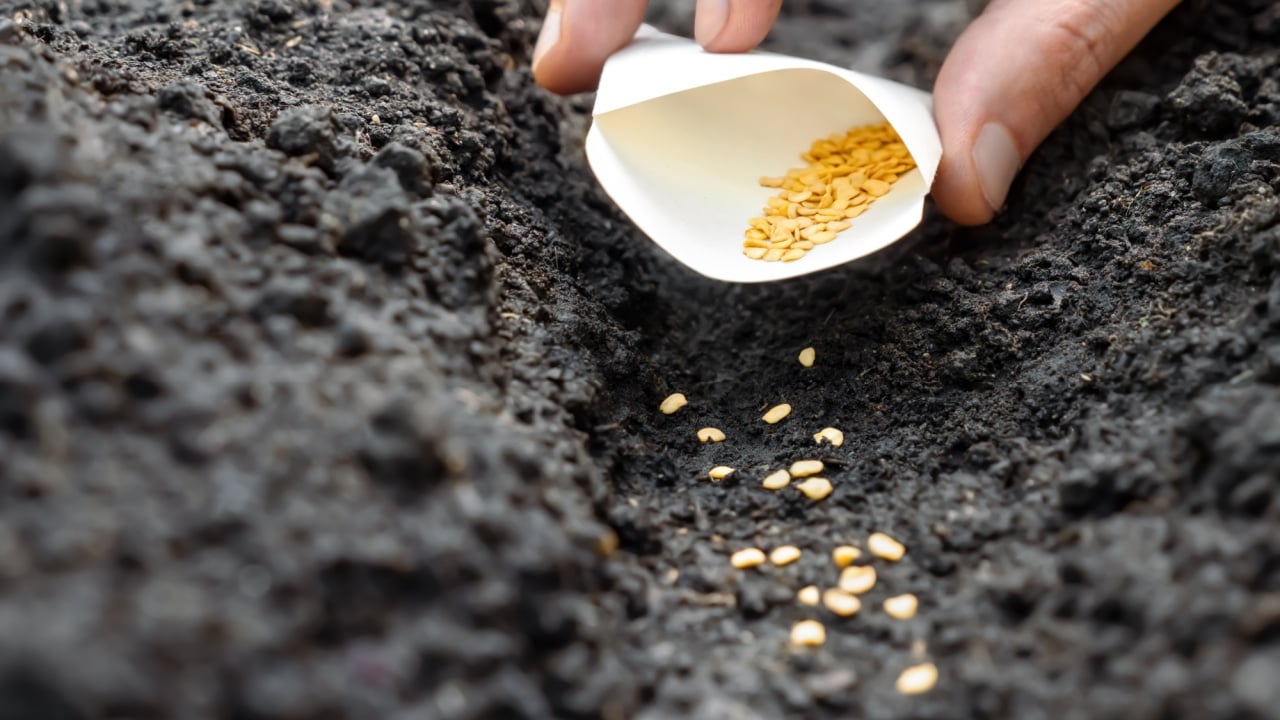
Warm-season crops need soil temperatures of at least 60°F to germinate reliably. A soil thermometer is the most accurate tool, but experienced gardeners also use the hand test: if you can press your palm flat against bare soil and it feels noticeably warm rather than cool, you are likely in the right range. According to Botanical Interests, raised beds warm up faster than in-ground beds and are often ready a week or two earlier in May, giving raised-bed gardeners a meaningful head start.
If your soil still feels cold in early May, lay black plastic sheeting over the bed for five to seven days before sowing. This accelerates warming significantly, particularly for heat-loving crops like cucumbers and beans.
Now Is Exactly the Right Time
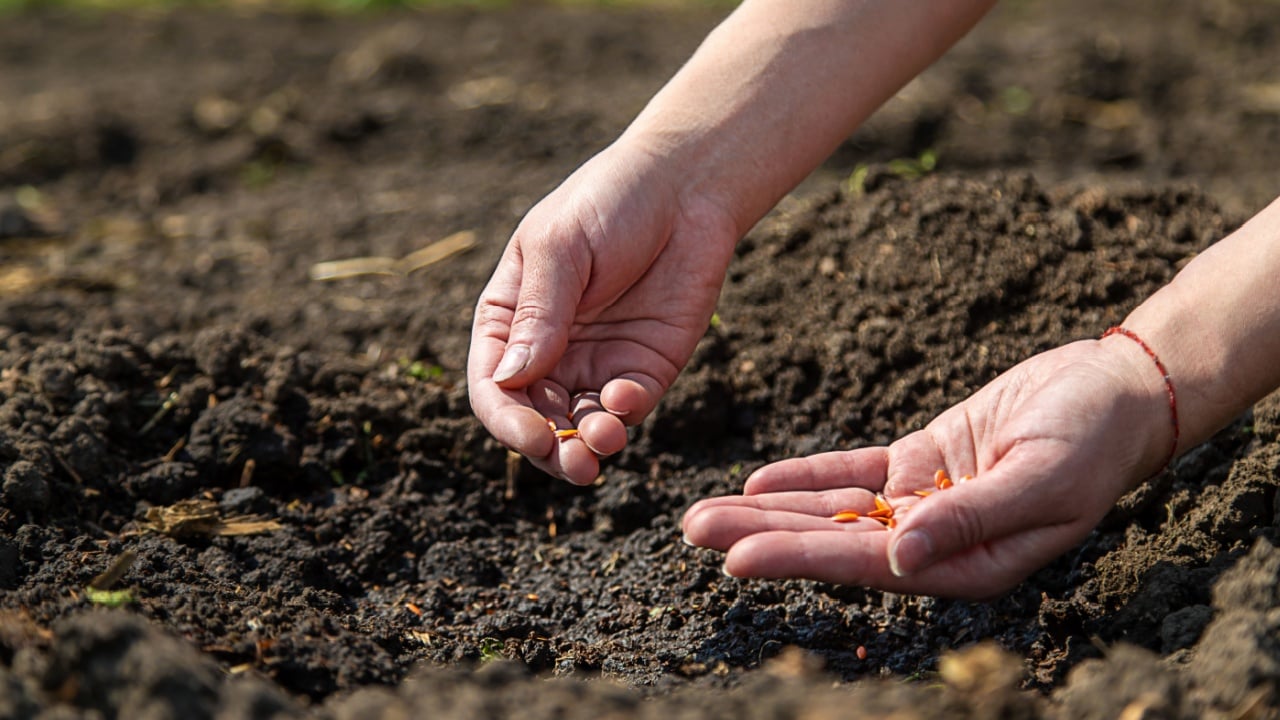
May is not the consolation prize for gardeners who missed planting in April. It is the primary planting window for the most productive crops of the summer: the beans that feed a family, the zucchini that outlasts everyone’s enthusiasm, the zinnias that turn a corner of the yard into something extraordinary. Every one of these seeds can be in the ground this weekend, for less than $30 total, with a harvest that starts in 30 days and keeps coming until frost.
Your nursery cart will still be there in June if you need it. This month, try the ground instead.
Read more:
Why wildlife experts are telling people to take down their bird feeders
Plant these 10 companion plants with your tomatoes — and stop planting these 4