6 Intriguing Benefits of Installing a Natural Swimming Pool
Swimming pools are often associated with chlorine, strong odors, and irritated skin. While they provide relief from summer heat, the chemicals used to keep them clean can be harsh on both people and the environment.
On a trending Facebook reel, Sam Bentley revealed that a growing alternative is the natural swimming pool, which relies on plants and beneficial bacteria to filter water instead of chemicals.
The benefits extend beyond water quality. Natural pools provide a unique experience, allowing people to swim in water that feels fresh and balanced.
In this article, we will look at the main advantages of installing a natural swimming pool. Read on to see why this option is gaining popularity among homeowners who value both health and sustainability.
What Is a Natural Swimming Pool?
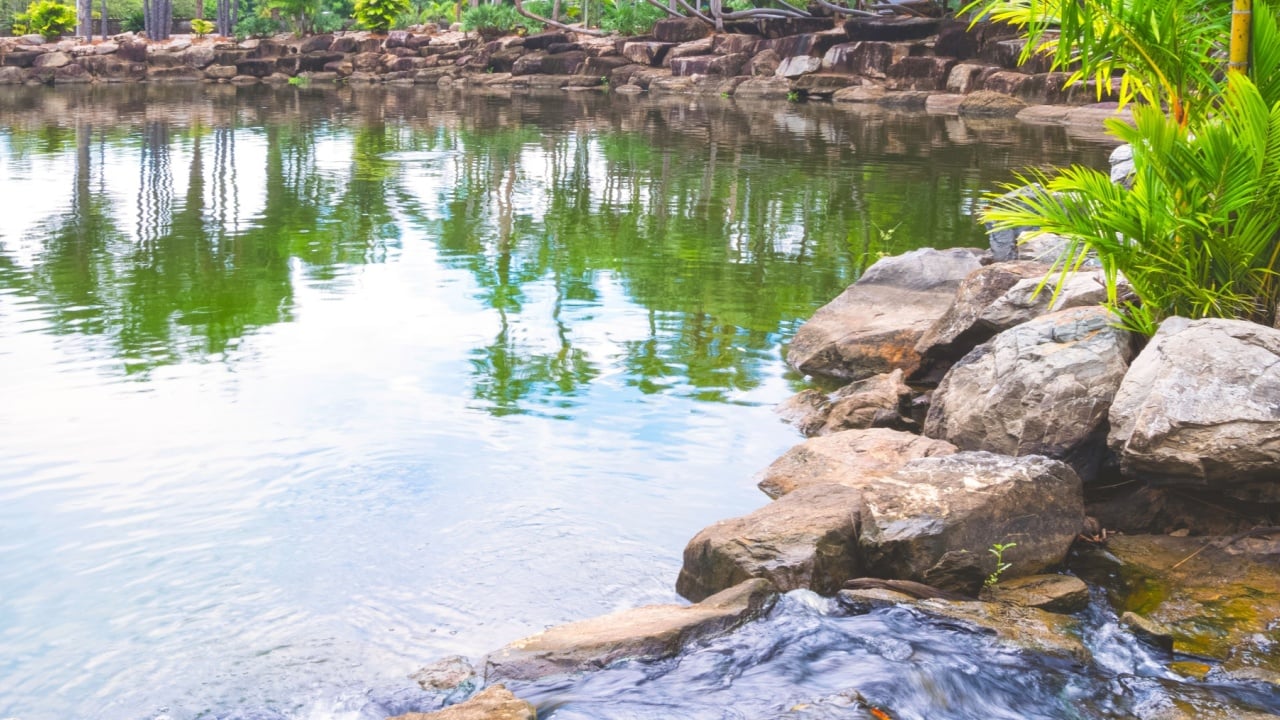
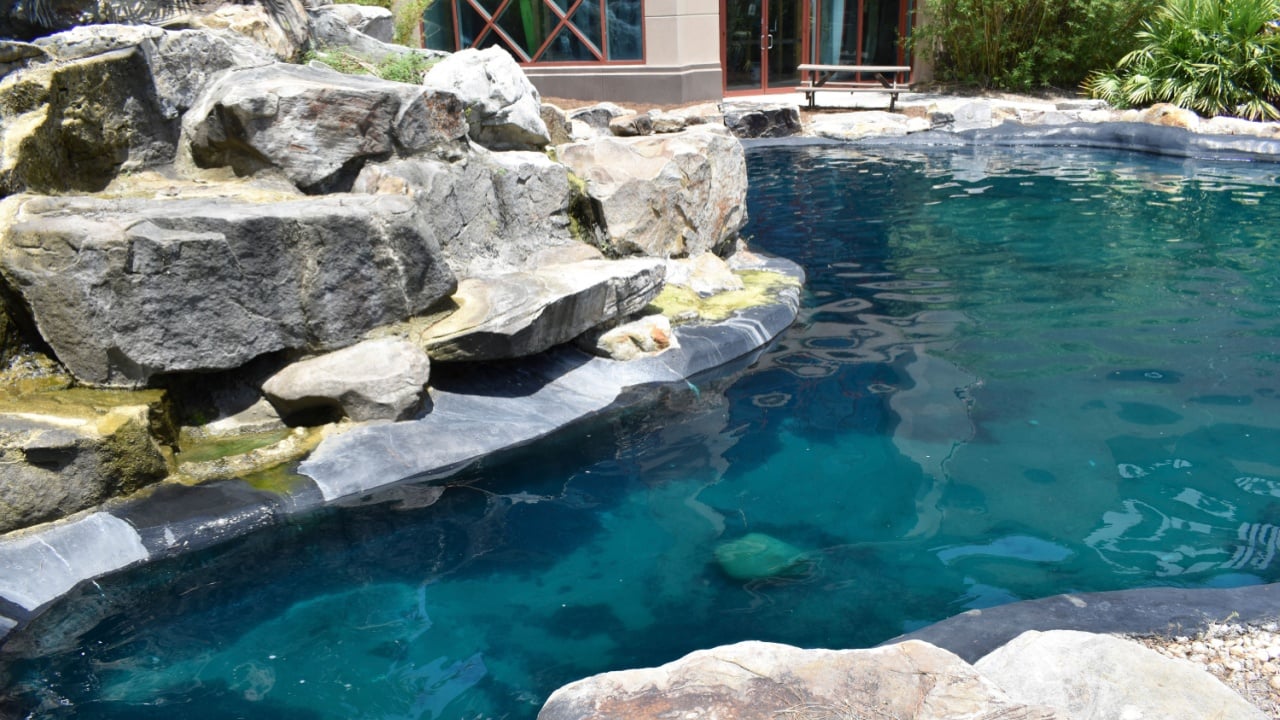
A natural swimming pool uses plants, gravel, and beneficial microbes instead of chemicals to keep the water clean. It is divided into two zones, a swimming area and an adjacent wetland section, where water circulates continuously, passing through natural materials that filter out pathogens and nutrients.
The result is a self-sustaining body of water that mirrors the biology of a healthy lake, safe for swimmers while also supporting local wildlife.
1. Chemical-Free Swimming

Natural pools eliminate chlorine and other harsh chemicals, leaving water that feels softer and keeps eyes comfortable. Swimmers avoid the dryness and irritation that often follow a session in a traditional pool.
Studies show that chlorine byproducts can irritate the lungs and trigger asthma-like symptoms, particularly in indoor pools. Removing them creates cleaner air around the water and a safer environment for sensitive swimmers.
This makes natural pools a healthier choice for both children and adults. Families can swim more often without worrying about the cumulative effects of chemical exposure.
2. Built-In Wetland Filtration

A dedicated wetland zone filters water through gravel, plants, and beneficial microbes. Together, they remove nutrients and pathogens, preventing algae growth and keeping harmful bacteria in check.
This process mirrors how lakes and ponds stay balanced in nature. The result is a self-sustaining cycle that needs far less intervention than chemical treatment.
Homeowners benefit from a pool that cleans itself through ecological methods. Maintenance becomes simpler, and the water stays consistently clear throughout the season.
3. Continuous Water Circulation
A small pump keeps water moving through the pool at all times. This prevents stagnation and carries debris into the filtration zone, where it breaks down naturally.
Circulation also maintains healthy oxygen levels in the water. This supports the plants and microbes that form the backbone of the filtration system.
A well-oxygenated pool is more effective at staying clean and balanced. The pump works quietly in the background, requiring minimal attention from the homeowner.
4. Support for Local Wildlife
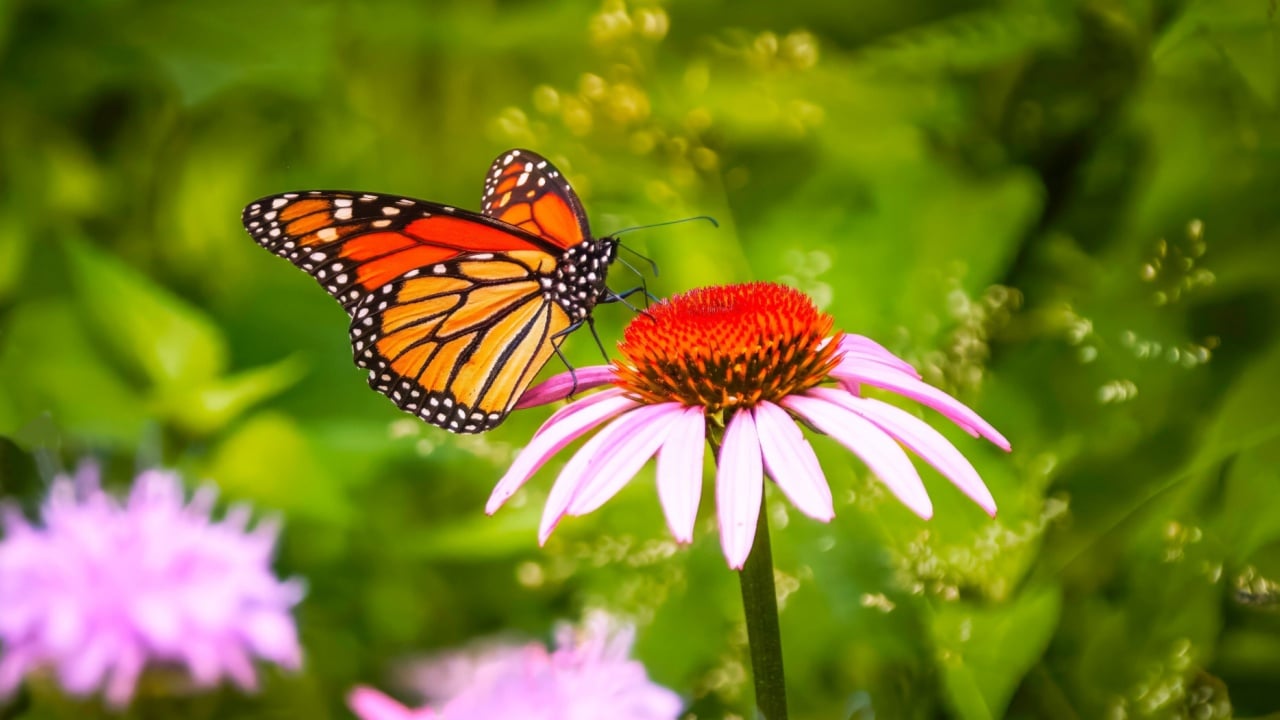
The wetland zone serves as a habitat for wildlife, including insects, birds, frogs, and other species. By creating a small ecosystem, natural pools attract biodiversity into the backyard.
This adds life and movement around the pool, making it feel connected to the surrounding environment. Wildlife benefits from clean water and safe spaces to thrive.
For gardeners and nature enthusiasts, this is an added reward. A natural pool becomes more than a swimming spot; it becomes part of a larger ecological network. Supporting local species strengthens the environment and brings more balance to outdoor spaces.
5. Lower Costs Compared to Traditional Pools
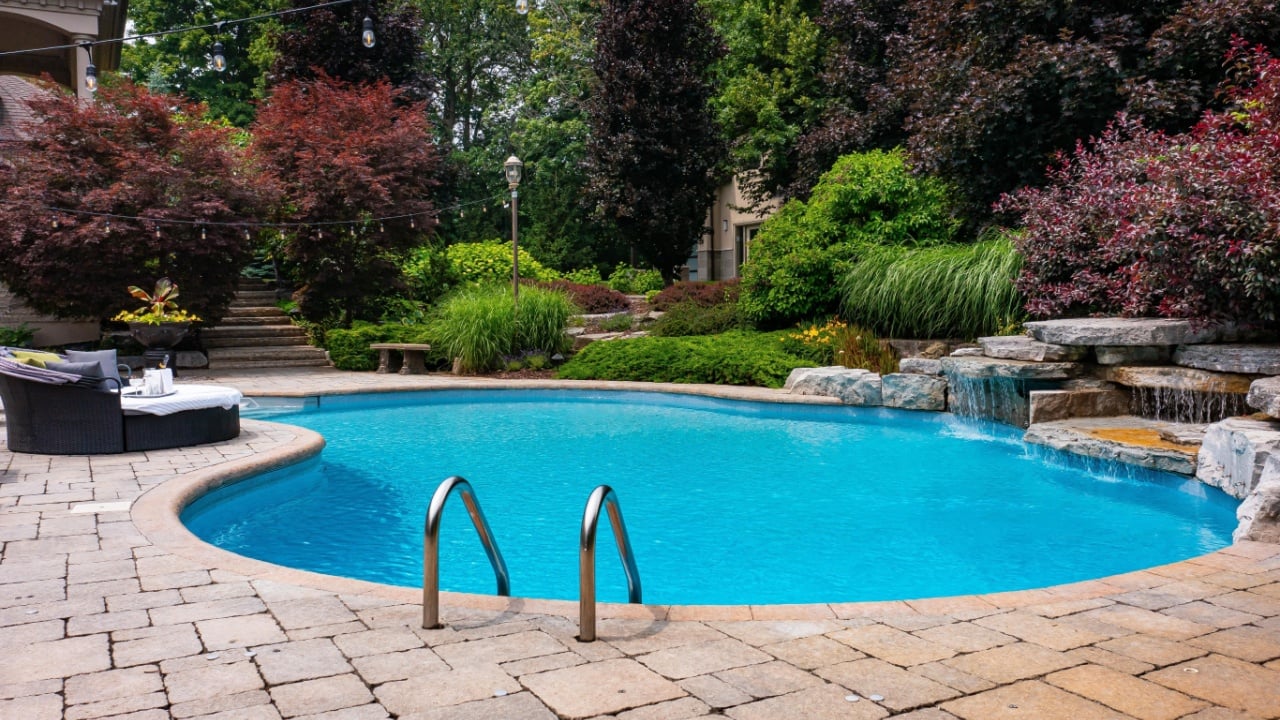
With natural swimming pools, families save money by relying on plants and microbes to filter the water instead of purchasing costly supplies. Maintenance is simplified, reducing recurring costs that often make traditional pools expensive to manage.
Installation can also be more affordable than conventional green roofs or chemical pool systems. By using recycled materials and hardy plants, the setup avoids the heavy infrastructure and specialized equipment that drive up costs.
This makes natural pools accessible to more homeowners who want a healthier swimming option without the financial burden.
6. Year-Round Visual Appeal
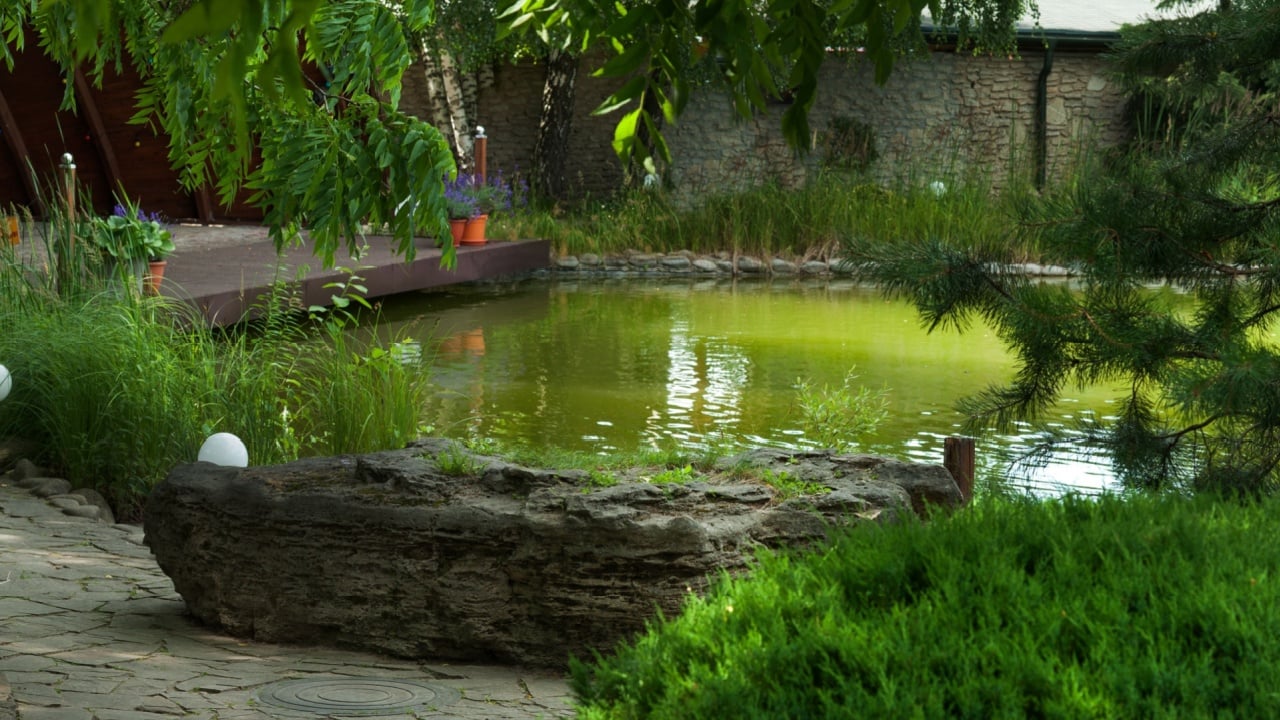
Unlike traditional pools, which often look bare and uninviting when not in use, natural pools remain visually attractive throughout the year. The surrounding plants, grasses, and water features create a living landscape that changes with the seasons.
In spring and summer, flowering aquatic plants add color and texture to the water’s edge. In autumn, the foliage shifts tone, giving the pool area a warm, natural aesthetic even outside swimming season.
This makes the pool a permanent feature of the garden rather than a seasonal installation. Homeowners gain an outdoor space that is beautiful to look at and enjoyable to spend time around all year long.
Dive into a Cleaner Future

Natural swimming pools provide a refreshing alternative to traditional chlorine pools. By using plants, gravel, and beneficial microbes, they create clean water that is safe for swimmers and supportive of local wildlife. The system is simple, sustainable, and designed to work in harmony with nature.
For homeowners, the benefits are clear. Healthier swimming conditions, reduced maintenance, and added biodiversity make natural pools a valuable addition to outdoor living spaces. They show how thoughtful design can improve daily life while protecting the environment.
Read More:
Breathing Around The Pool: How Water Chemistry Can Affect Lung Comfort At Home