
6 Household Items You Didn’t Realize Are Polluting Your Home
Home is where you kick back, relax, and escape the chaos of the outside world. But what if your cozy haven is sneaking in some unwelcome guests, like indoor air pollutants? From that “fresh lemon” cleaner to your favorite mood-setting candle, many household staples release gnarly particles and chemicals.
Indoor air quality often gets ignored, but it has a big impact on your health and comfort. Figuring out the culprits is the first step to breathing easier.
Here are seven everyday items that could be messing with your air and what you can do about it.
1. Scented Candles and Incense

Lighting a candle or burning incense is an instant mood-setter. But while you’re enjoying those cozy vibes, you might be breathing in more than you bargained for.
Many candles are made from paraffin wax (a petroleum product), which can release nasty compounds like benzene and toluene when burned, the same stuff found in diesel fumes. Even “natural” soy or beeswax candles can produce soot if you don’t trim the wick. Incense is also a culprit, releasing fine particles that can irritate your lungs.
Breathe easier:
- Choose candles made from 100% beeswax or soy.
- Keep the wick trimmed to about 1/8 inch.
- Crack a window to keep the air flowing while it burns.
2. Gas Stoves

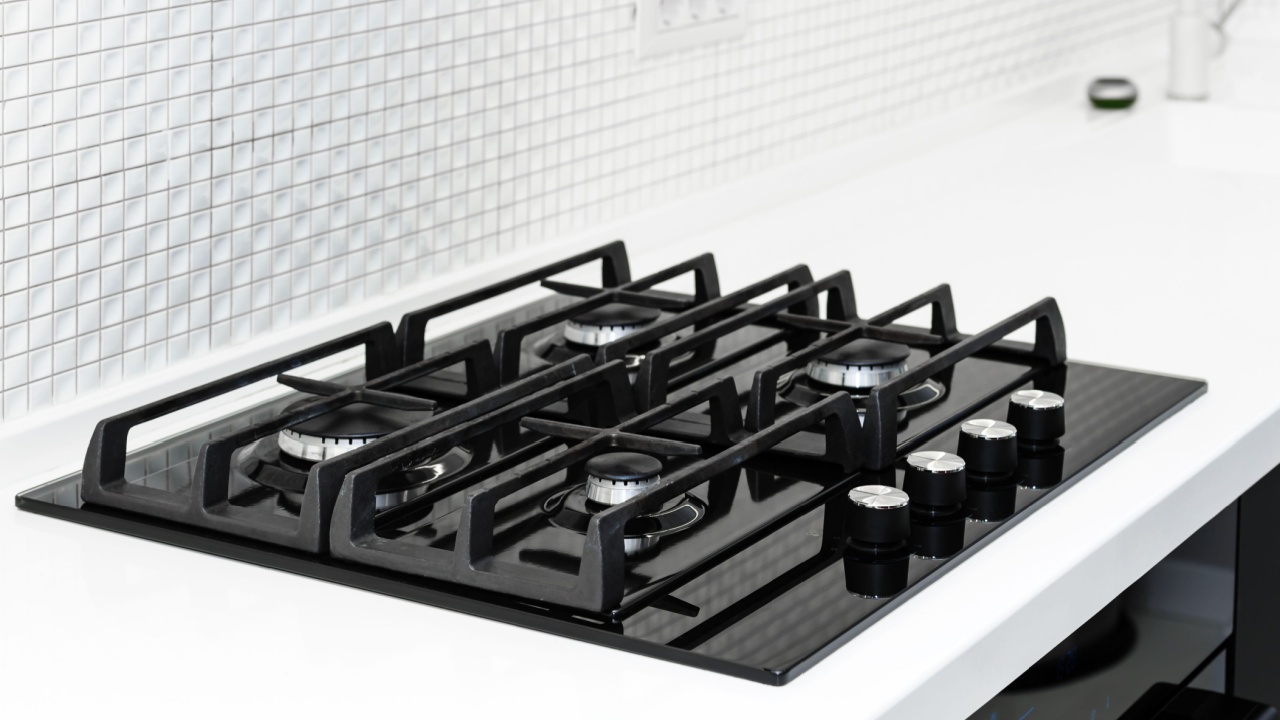
That cozy blue flame on your gas stove might not be so friendly. Cooking with gas releases pollutants like nitrogen dioxide and carbon monoxide, which can irritate your lungs and even increase asthma risk, especially for kids.
Breathe easier:
- Always use your range hood when cooking. Leave it on for a few minutes after you’re done, too.
- Open a window to get fresh air moving.
- If you can, consider switching to an electric or induction cooktop.
3. Cleaning Products
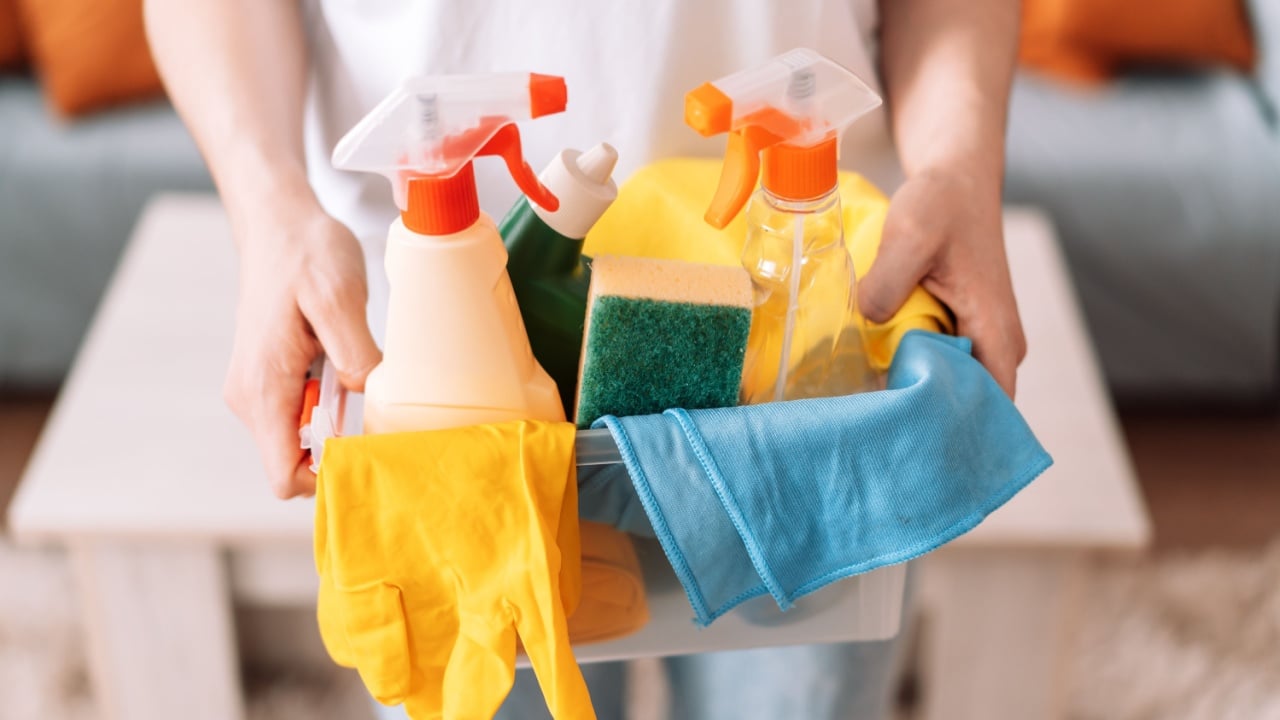
Ever thought your cleaning supplies could actually be making your air dirtier? It sounds odd, but many common cleaners release harsh chemicals like bleach and ammonia into the air. These can cause headaches and irritate your lungs. Mixing cleaners can be even more dangerous.
Clean smarter:
- Switch to natural cleaners like vinegar and baking soda.
- If you need a strong cleaner, open windows to air out the room.
- Look for plant-based or fragrance-free cleaning products.
4. Non-Stick Cookware

Teflon pans make cleanup a breeze, but they come with a hidden cost. When overheated (above 500°F), that non-stick coating can release toxic fumes called PFAS, or “forever chemicals,” which can build up in your body and the environment.
A better way to cook:
- Avoid using high heat with non-stick pans.
- Toss out any non-stick cookware that’s scratched or peeling.
- Switch to safer alternatives like cast iron, stainless steel, or ceramic. They’re durable and won’t release harmful chemicals.
5. Paints and Solvents
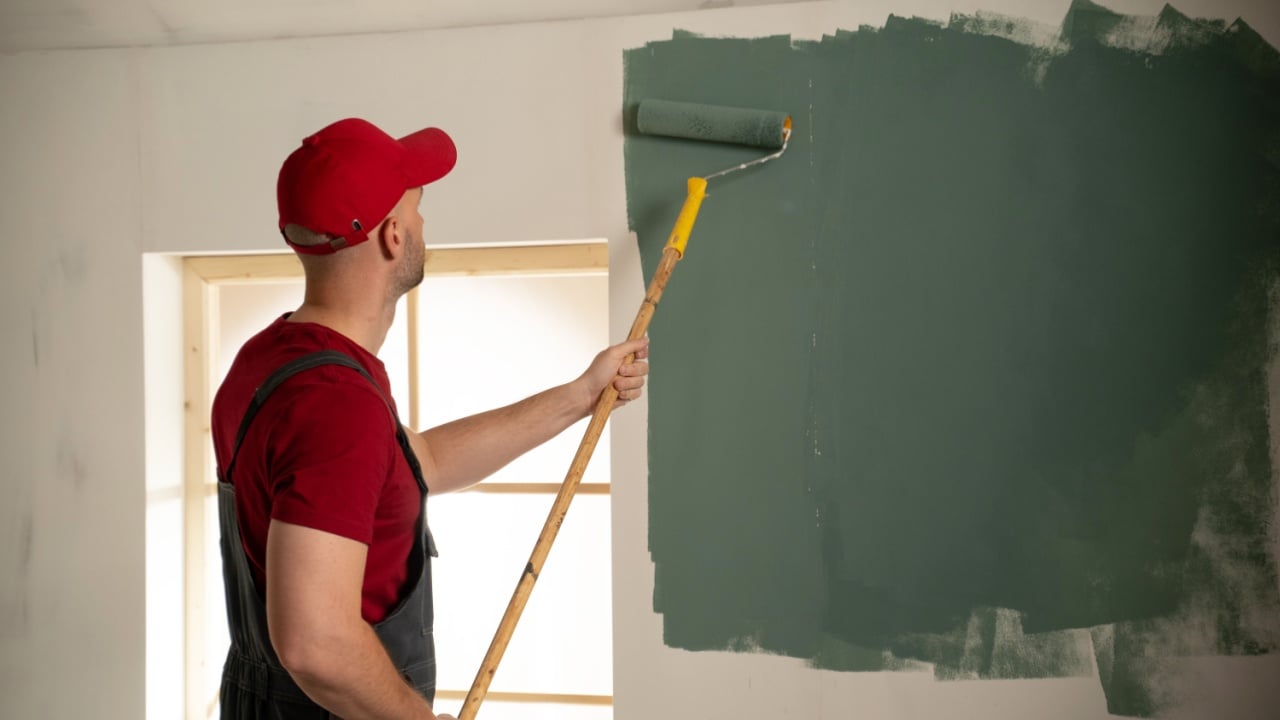
A fresh coat of paint can do wonders for a room, but that “new paint smell” isn’t as harmless as it seems. It’s actually a cloud of VOCs (volatile organic compounds) evaporating into your air.
Oil-based paints and solvents are the biggest culprits, often containing more VOCs than their water-based latex counterparts. These fumes can stick around for weeks or even months after the paint dries, causing headaches and dizziness.
What to do:
- When starting a home project, choose paints and primers labeled “Low-VOC” or “Zero-VOC.”
- Make sure to keep your windows open while you paint and for a few days after to let the fumes clear out.
6. Carpets and Pressed Wood Furniture
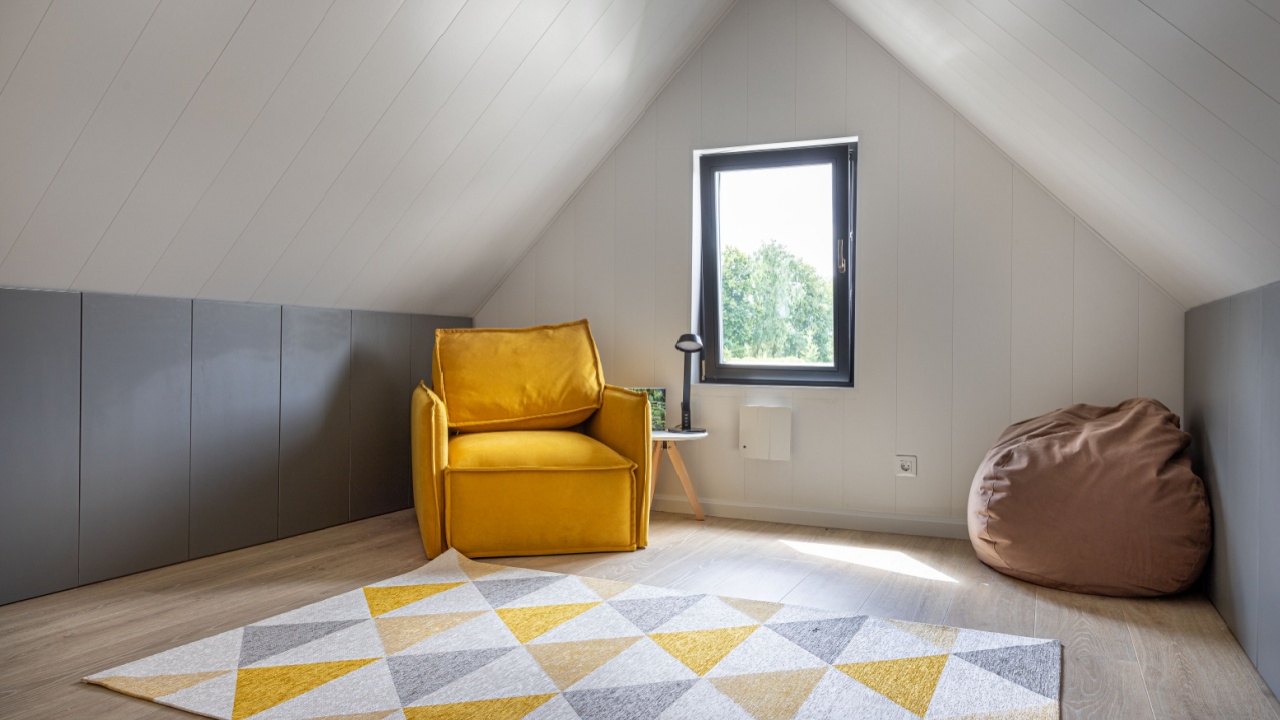
That new carpet smell or brand-new bookshelf might be hiding a chemical called formaldehyde. It’s often found in the glues used for pressed-wood furniture (like particleboard) and some carpets. The smell is strongest when items are new, but the chemical can be released for years, especially in heat and humidity.
What to do:
- Look for formaldehyde-free furniture and flooring, or products with low-emission certifications.
- Let new items air out in a well-ventilated space (like a garage) for a few days before bringing them inside.
Cleaning Up Your Air
Improving indoor air quality doesn’t require throwing out everything in the house. Awareness leads to better choices.
Open windows regularly to encourage air exchange, use exhaust fans, and consider an air purifier with a HEPA filter to capture particulate matter. Small changes can create a healthier, more breathable environment for everyone inside.