6 Fruits That Are Cheaper to Grow Than Buy (Plus, the Taste is Unmatched)
Fruits are great for your body, but not always for your wallet, especially when you want the kind that actually tastes sweet, ripe, and full of flavor. Store prices often climb just as quality slips, which makes homegrown fruit look a lot more appealing.
Many fruits lose flavor soon after picking. Others bruise easily, spoil fast, or cost more in stores because they need careful packing and quick shipping. When you grow them at home, you skip those added costs and get fruit at its best.
That price gap gets even wider with plants that return for years or produce heavily in a small space. A few smart choices can give you bowls of fruit for far less than repeated trips to the produce aisle.
Here are six fruits that are often cheaper to grow than buy, and much better when you eat them fresh from your own yard or patio.
1. Strawberries

Strawberries are one of the clearest money-savers for home growers. A single pack at the store can cost several dollars, and the berries often turn soft or bland within a day or two (if they even have any flavor to begin with).
By contrast, a small bed or a few containers can produce wave after wave of fruit during the season, especially if you grow everbearing types. Since plants send out runners and create new plants, your harvest can grow larger with little added cost.
They do best in full sun and loose, rich soil with good drainage. Keep the berries off wet soil with straw or mulch to cut rot and keep the fruit cleaner. Replace older plants every few years for better yields, and trim some runners to encourage larger berries on the main plants.
2. Figs
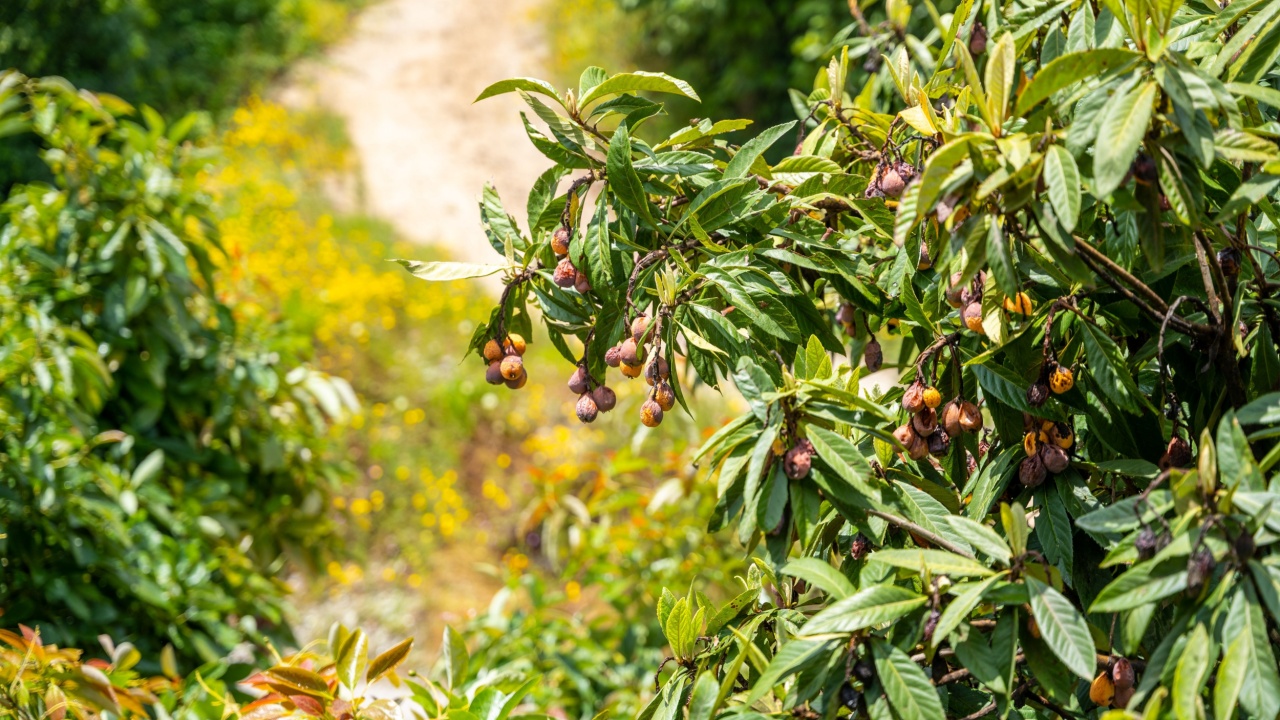
Fresh figs are one of the priciest fruits in many stores, mostly because they spoil so fast and bruise with very little pressure. That short shelf life raises the price, and it also means many shoppers never get to taste a truly ripe fig.
A mature fig tree can produce a heavy crop each year, which makes the cost per fruit very low after the plant is established. The flavor is richer, softer, and sweeter when figs ripen on the tree instead of in transit.
Fig trees like full sun, warm conditions, and well-draining soil. In colder areas, many gardeners grow them in large pots so they can move them to a sheltered spot in winter.
Prune lightly to shape the tree, water during dry spells, and harvest as soon as the fruit softens and droops slightly at the stem.
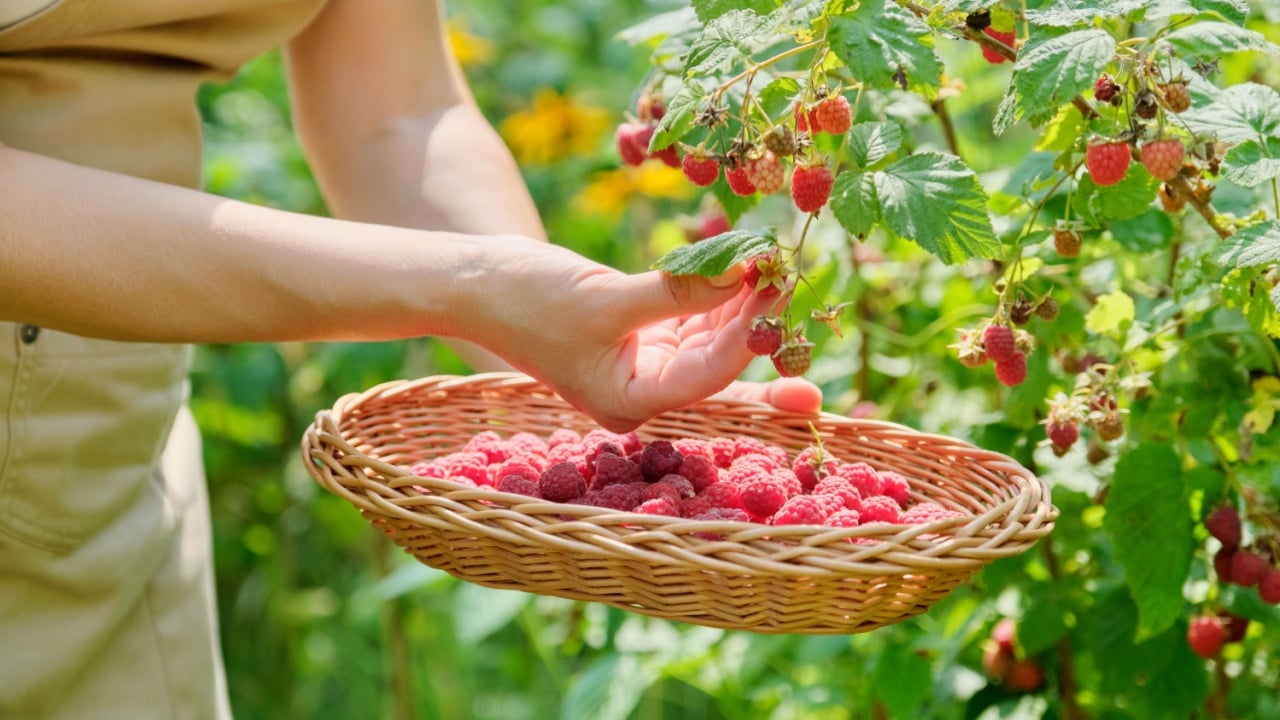
3. Raspberries
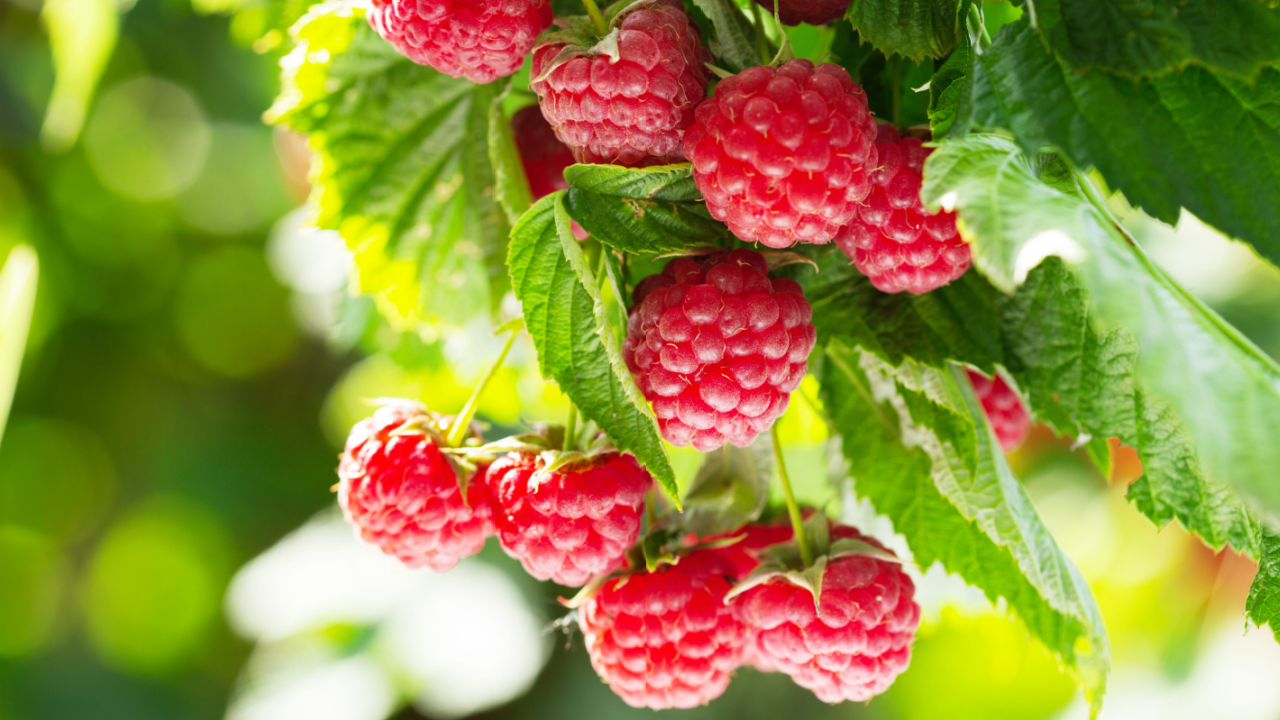
Raspberries often come in small packages with a high price tag, and they rarely last long in the fridge. They are delicate, so growers and stores charge more to cover handling losses and short shelf life.
At home, even a short row can produce enough berries for snacks, baking, and freezing, which lowers your cost per pint by a wide margin. Fresh-picked raspberries also taste fuller and sweeter than most store-bought ones.
These plants need sun, decent airflow, and support from a trellis or wires. Summer-bearing varieties give one large crop, while everbearing kinds can give fruit twice in a season in many areas.
Cut out old canes after they finish fruiting, and keep the patch from getting too crowded so plants stay healthy and productive.
4. Blueberries
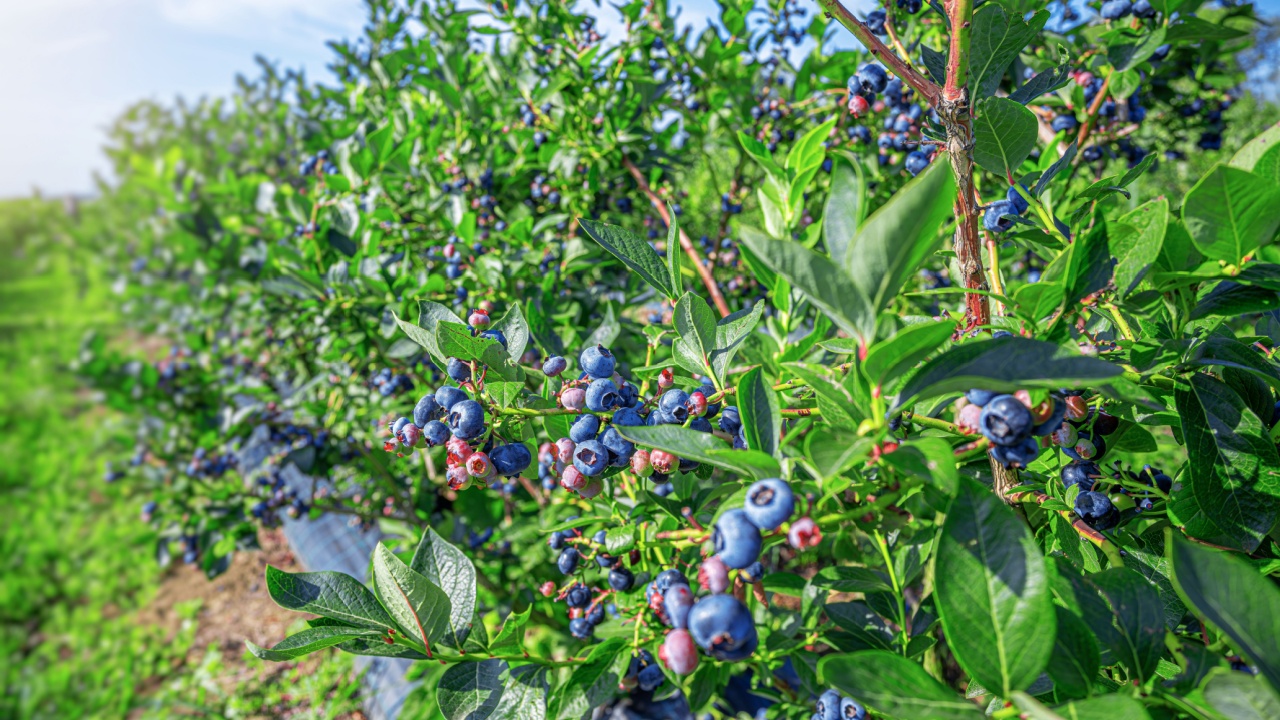
Blueberries can be expensive at the store, especially out of season or in larger containers. A healthy bush can produce pounds of fruit each year, which adds up quickly if your family eats them often.
Since blueberry bushes live for many years, the long-term savings can be strong once they are settled in. The berries also taste better when fully ripe on the bush, with more sweetness and less of the tart bite common in early-picked fruit.
The main thing blueberries need is acidic soil, so it helps to test your soil before planting. Many gardeners improve their success by adding soil sulfur, pine bark, or planting in raised beds with the right mix.
Grow at least two compatible varieties for better pollination and a larger crop, and keep the roots moist with mulch and regular watering.
5. Apples
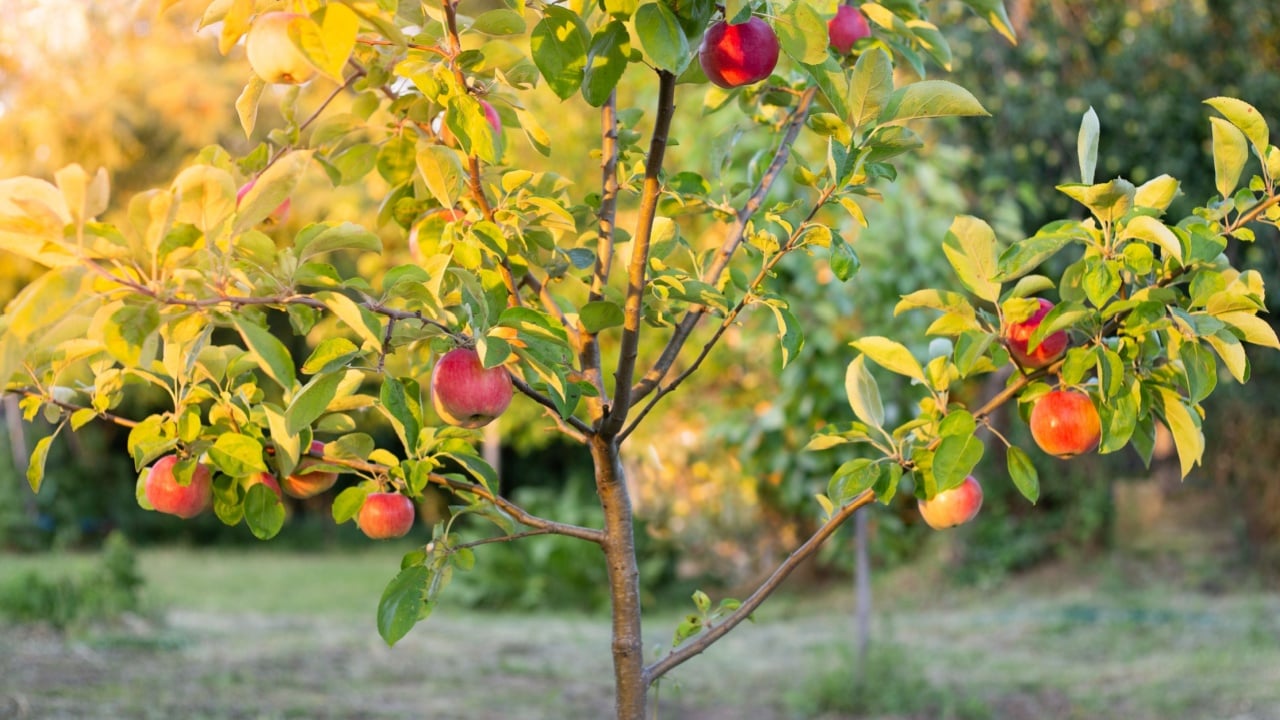
Apples take patience, yet they can save a lot of money once the trees begin producing well. Grocery store apples may seem cheap by the pound during peak season, but specialty kinds, local organic fruit, and good fresh-picked apples often cost much more.
A productive tree can give you enough fruit for fresh eating, baking, sauce, and storage, which spreads the value across many uses. The flavor can be far better too, especially when you pick apples fully ripe instead of buying fruit that was stored for months.
Most apple trees need another variety nearby for cross-pollination, so planting two compatible trees is often the best plan. Dwarf and semi-dwarf trees fit smaller yards and usually fruit sooner than full-size trees.
Good pruning, steady watering during dry periods, and basic pest management make a big difference in fruit quality and yield.
6. Tomatoes
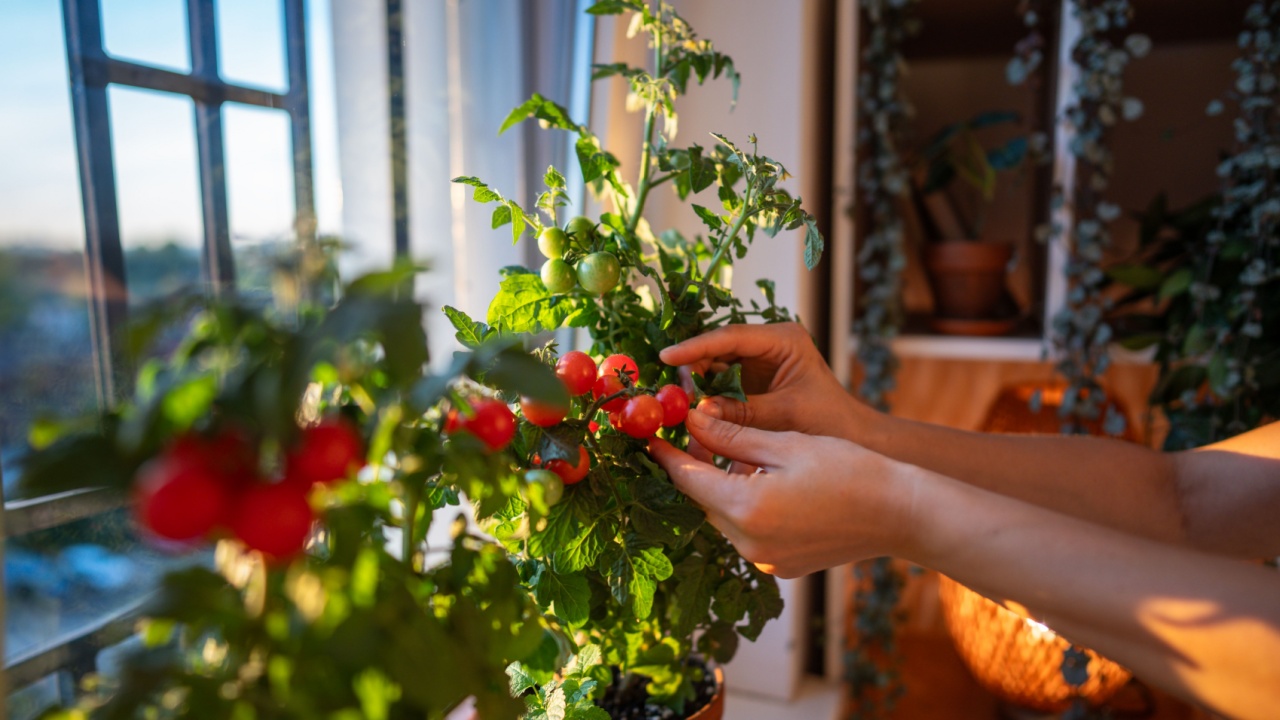
Tomatoes are technically a fruit, and they may be the most rewarding one on this list. Store tomatoes, especially standard slicing types, are often picked early so they can survive shipping, which leaves them watery and low on flavor.
A single healthy plant can produce many pounds of fruit, making homegrown tomatoes far cheaper than buying premium heirlooms or cherry tomatoes all summer. The taste gap is huge when you harvest them fully ripe and warm from the vine.
Give tomato plants full sun, rich soil, and steady moisture to prevent problems like cracking or blossom end rot. Support them with cages or stakes early so the stems stay off the ground and the fruit stays cleaner.
If you want the best value, grow a mix of cherry, slicer, and paste types, so you have fruit for salads, sandwiches, and sauces.
A Better Bowl of Fruit
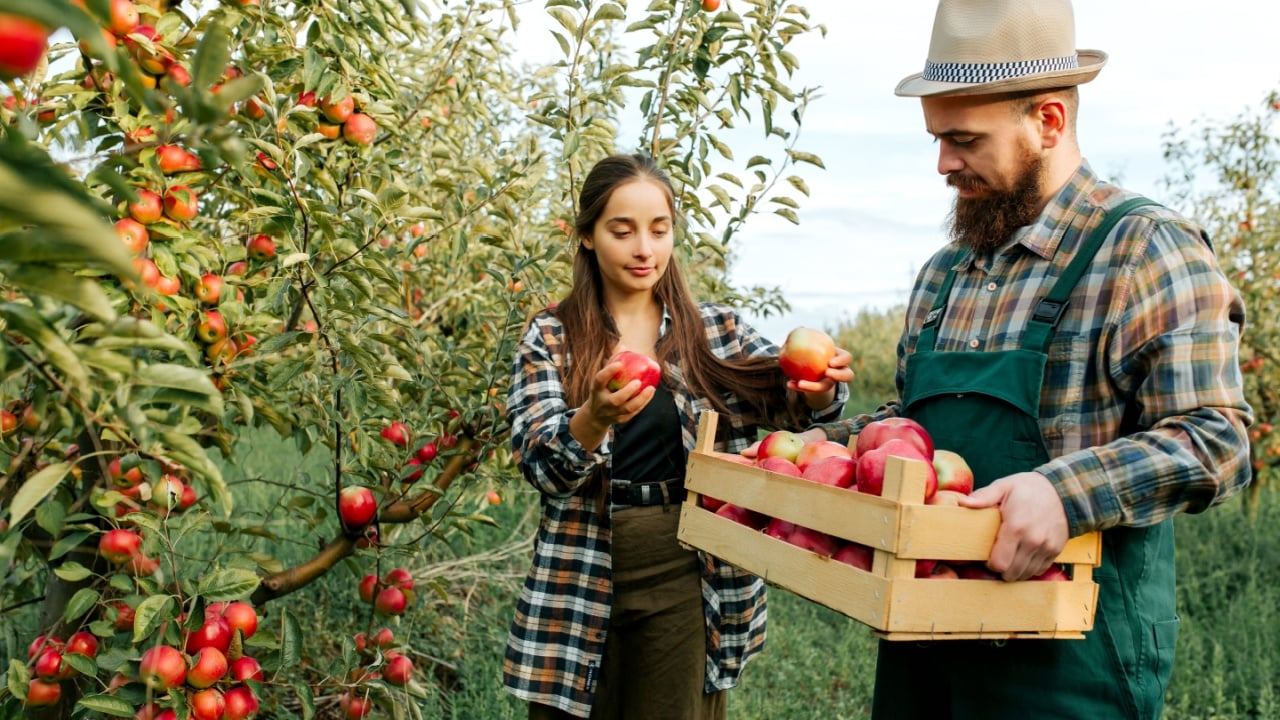
Growing fruit and vegetables at home can cut grocery costs, yet the bigger reward is flavor. Strawberries, figs, raspberries, blueberries, apples, and tomatoes all show how much better fresh-picked fruit can be when it ripens close to where you eat it.
If you have limited space, containers, raised beds, and dwarf fruit varieties still give you good options. A small planting can produce more than you may guess, and the first truly ripe harvest often changes how you shop for fruit after that. And if you grow more than you can manage, it’s easy to freeze, can, or dehydrate them for later in the season when you’re craving a pop of flavor.
Read More:
17 Vegetables You Should Try Fermenting at Home (They Taste So Good)