

Your entryway is the first thing guests see when they visit your home. It sets the stage for everything else. It’s the handshake, the opening line, the first impression that can be hard to shake.
A well-designed entryway welcomes people in and gives a glimpse of your personality. A neglected one communicates a message you didn’t intend, from “we’re still unpacking from 2008” to “abandon all hope, ye who enter here.”
Here are some common entryway missteps that might be giving people the wrong idea about your home.
1. Relying Only on Recessed Lighting

Image Credit: Shutterstock.
Overhead recessed lighting is practical, but it can cast harsh shadows and make a space feel like an operating room. Relying solely on it can make your entryway feel cold and unwelcoming. It flattens the room, removing depth and warmth. You want your entry to feel like a warm hug, not an interrogation.
A better approach is to layer your lighting. This means using multiple light sources to create a balanced, inviting atmosphere. Keep the recessed lights for general illumination, but add other fixtures. A statement chandelier or a stylish pendant light can serve as a focal point and an immediate style statement. Table lamps on a console or wall sconces flanking a mirror add softer, warmer light at eye level. This mix creates a rich, welcoming glow that makes the space feel more dynamic and lived-in.
2. Inviting Clutter to Move In
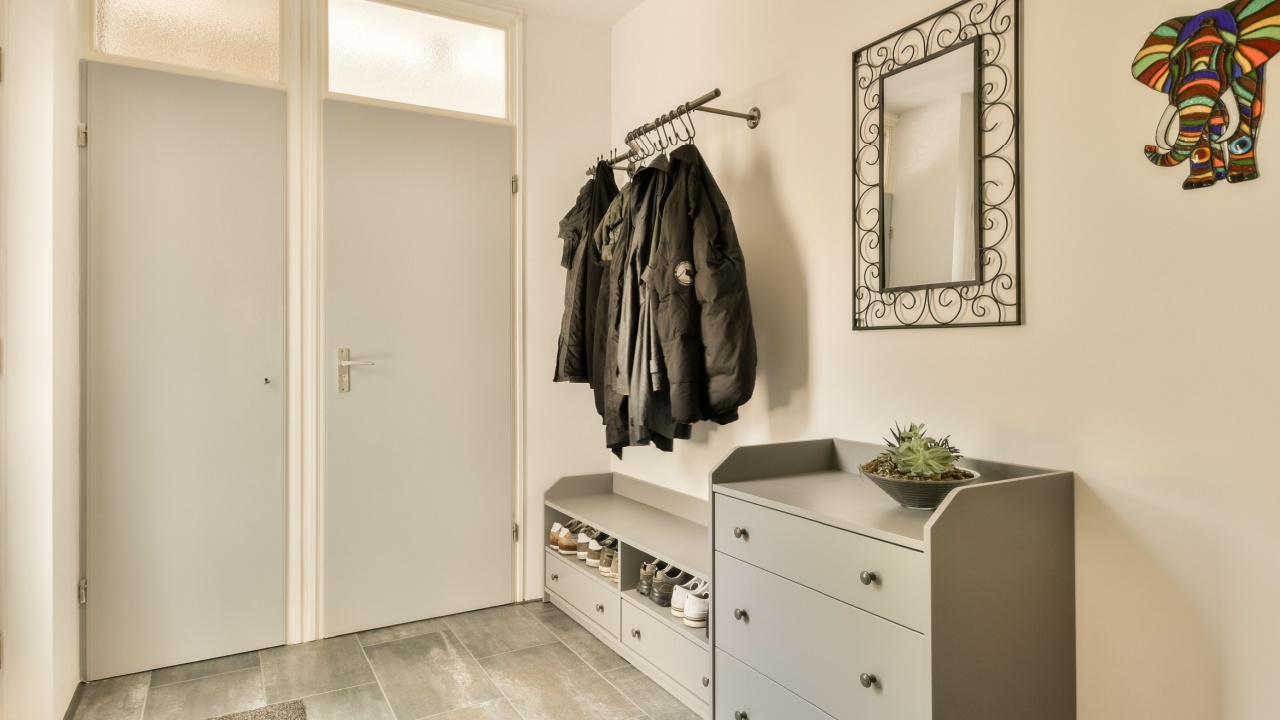
Image Credit: Shutterstock.
The entryway often becomes the designated dumping ground for everything we carry inside. Keys, mail, bags, shoes, and that half-empty water bottle all land here. When this pile-up becomes a permanent resident, it sends a message of chaos. It suggests the rest of the home is just as disorganized and can be stressful for both you and your guests to navigate.
The solution is strategic storage. This doesn’t mean you need a massive mudroom. A simple console table with drawers can hide mail and keys. A decorative bowl or tray can act as a “catch-all” for smaller items, keeping them contained. A stylish basket or a shoe cabinet can keep footwear from becoming a trip hazard. The trick is to give every item a designated home, making it easy to put things away instead of just putting them down.
3. Ignoring the Power of the Walls
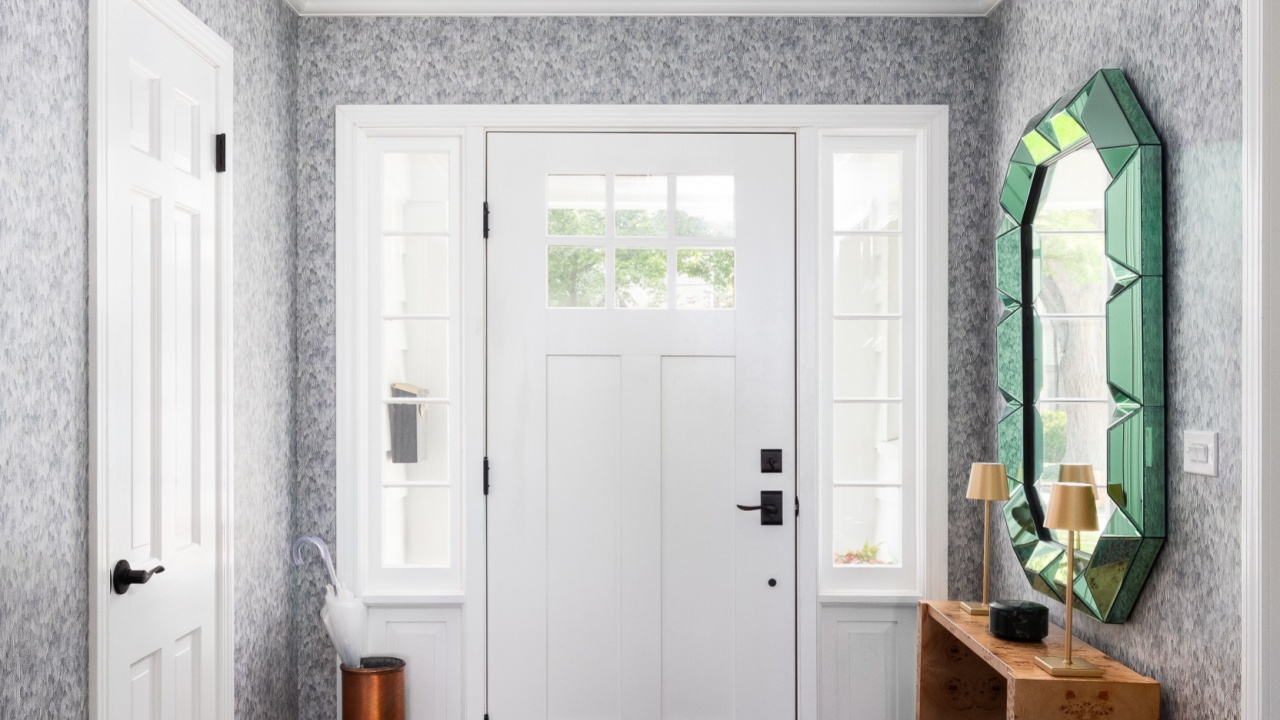
Image Credit: Shutterstock.
Blank entryway walls are a missed opportunity. They can make a space feel sterile, unfinished, and impersonal. Your entryway walls are a prime space to introduce your home’s personality and style. Don’t leave them blank; you can liven them up without a major renovation. A large piece of art or a gallery wall of family photos makes an immediate personal statement.
A beautifully framed mirror is another excellent choice; it reflects light, making the space feel larger and brighter, and gives everyone a chance for a quick appearance check before heading out. Even a fresh coat of paint in a welcoming color or a tasteful wallpaper accent wall can completely transform the feel of the entry.
4. Forgetting About Floor Decor
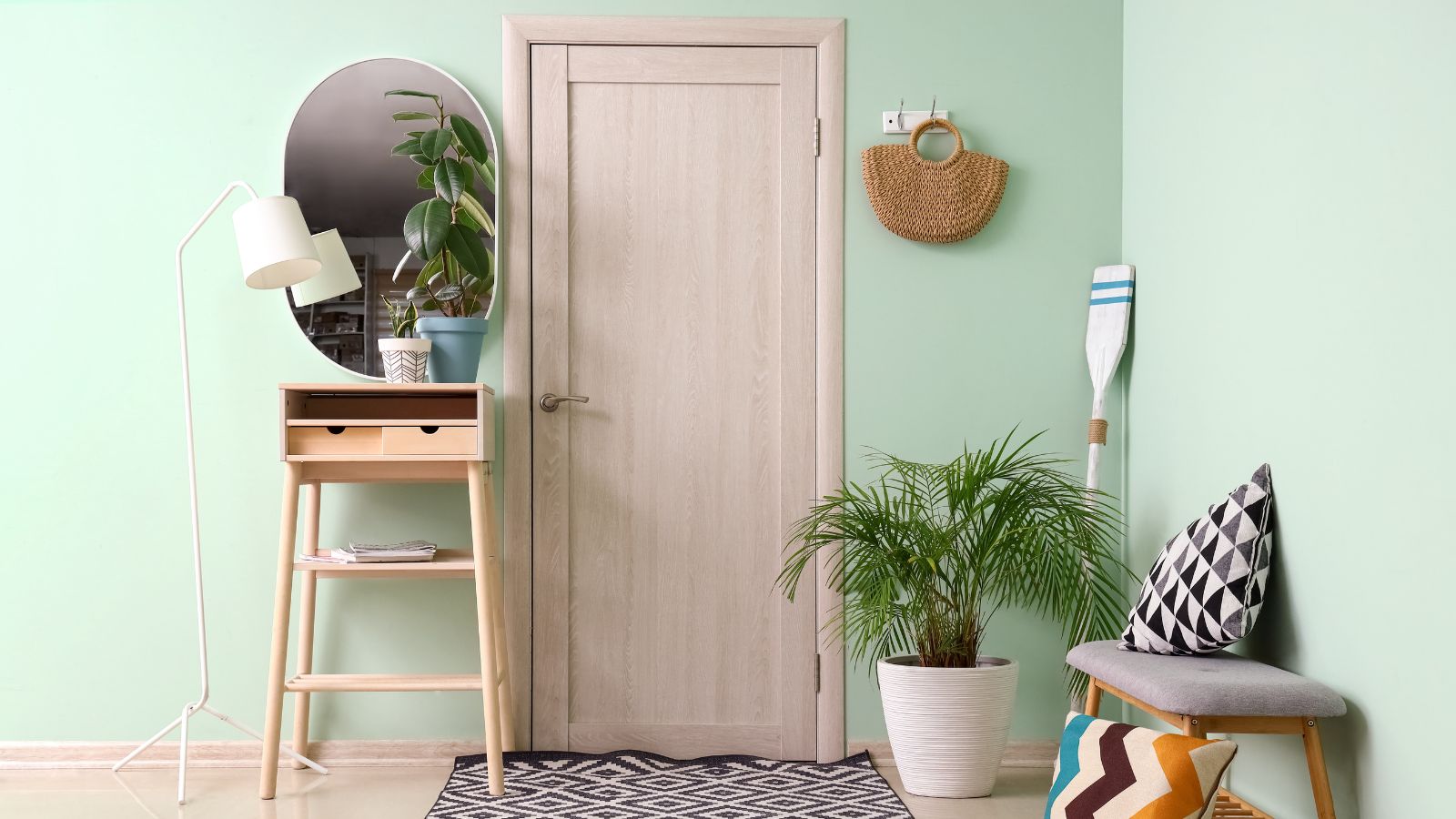
Image Credit: Deposit Photos.
The floor is often the most overlooked surface in an entryway, yet it’s one of the first things people interact with. A bare floor can feel cold and echoey. More practically, it does nothing to stop dirt, mud, and water from being tracked throughout the rest of your house.
A well-chosen rug or runner is the answer. It adds color, texture, and pattern, instantly warming up the space. Functionally, it serves as a barrier, trapping debris from outside. When selecting a rug, consider durability. Your entryway sees a lot of foot traffic, so you need something that can handle it. Materials like wool or durable synthetics are good choices. Make sure the size is right for the space; a rug that is too small will look out of place, while one that is too large can overwhelm the area.
5. Missing Social and Practical Cues

Image Credit: Shutterstock.
An entryway should be functional for the people who use it every day. Are you constantly looking for a place to drop your purse? Is there nowhere for guests to hang their coats? An entryway that lacks these basic storage considerations can feel awkward and ill-equipped. It fails to meet the fundamental need for a transition space between the outside world and the comfort of home.
Think about how you and your guests use the space. A few well-placed hooks for coats and bags are essential. If you have the room, a small bench is a wonderful addition. It provides a spot to sit down and take off shoes, and it can also offer extra storage underneath. Providing these simple amenities shows thoughtfulness and makes the experience of entering your home smoother and more pleasant for everyone.
6. Lacking a Clear Focal Point

Image Credit: Shutterstock.
When you walk into a room with no clear focal point, your eyes don’t know where to land. The space can feel jumbled and unfocused. An entryway without a central element to draw the eye can feel underwhelming and forgettable. It’s the visual anchor that ties the entire space together.
Creating a focal point is about making a deliberate design choice. This could be a striking piece of furniture, like a uniquely shaped console table. It might be a large, dramatic mirror or a bold piece of artwork. Even a vase of fresh flowers or an interesting sculpture can serve this purpose. Whatever you choose, it should be the star of the show, the first thing that captures attention and sets a positive tone for the rest of the home.
Creating a Better Welcome
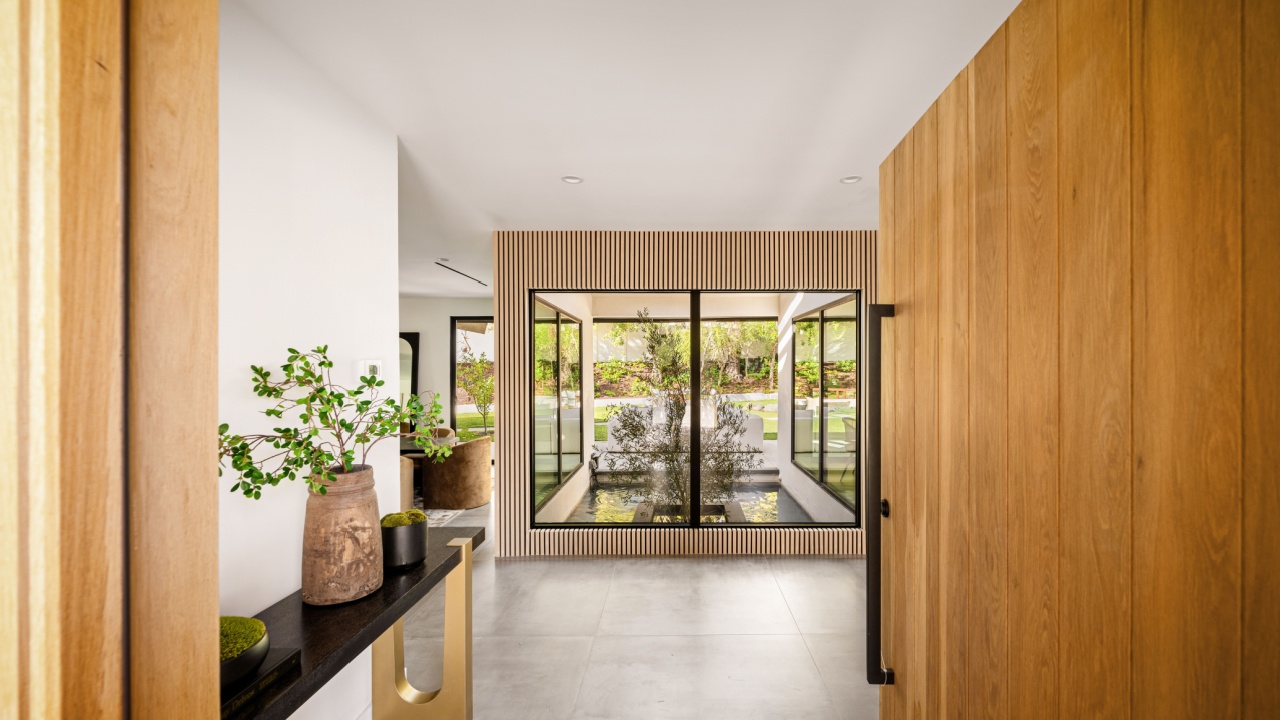
Image Credit: Shutterstock.
Your entryway is more than just a path into your house; it’s the beginning of your home’s story. By addressing these common issues, you can craft a space that is functional and genuinely reflects your style and warmth. Start by looking at your own entryway with fresh eyes. Identify what’s working and what isn’t. You don’t need to tackle everything at once. Adding a new rug this weekend or hanging a mirror next month can make a significant difference. Your goal is to create a transition that feels organized, welcoming, and authentically you.