
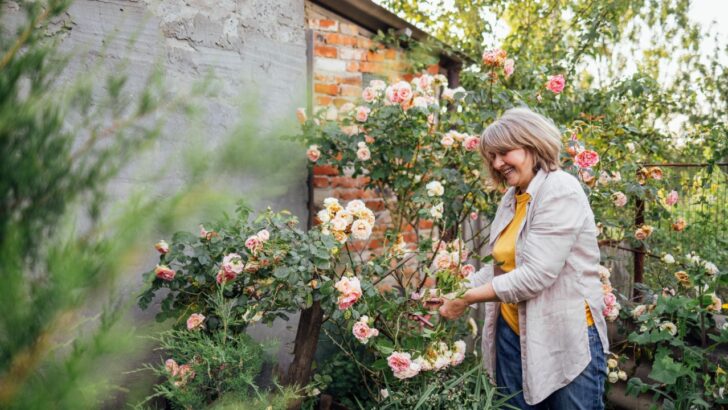
For centuries, people have looked to nature for clues about the seasons ahead. While modern meteorology relies on satellites and climate models, folklore traditions suggest that plants themselves can signal what kind of winter is coming. From thicker husks to heavier acorn drops, these natural signs are part of a long‑standing belief system that connects everyday gardening with weather prediction.
Recent studies show that plant responses to environmental stress, such as thicker skins or altered bloom times, often reflect real changes in temperature, rainfall, and seasonal cycles.
1. Heavy Fall Drop of Acorns
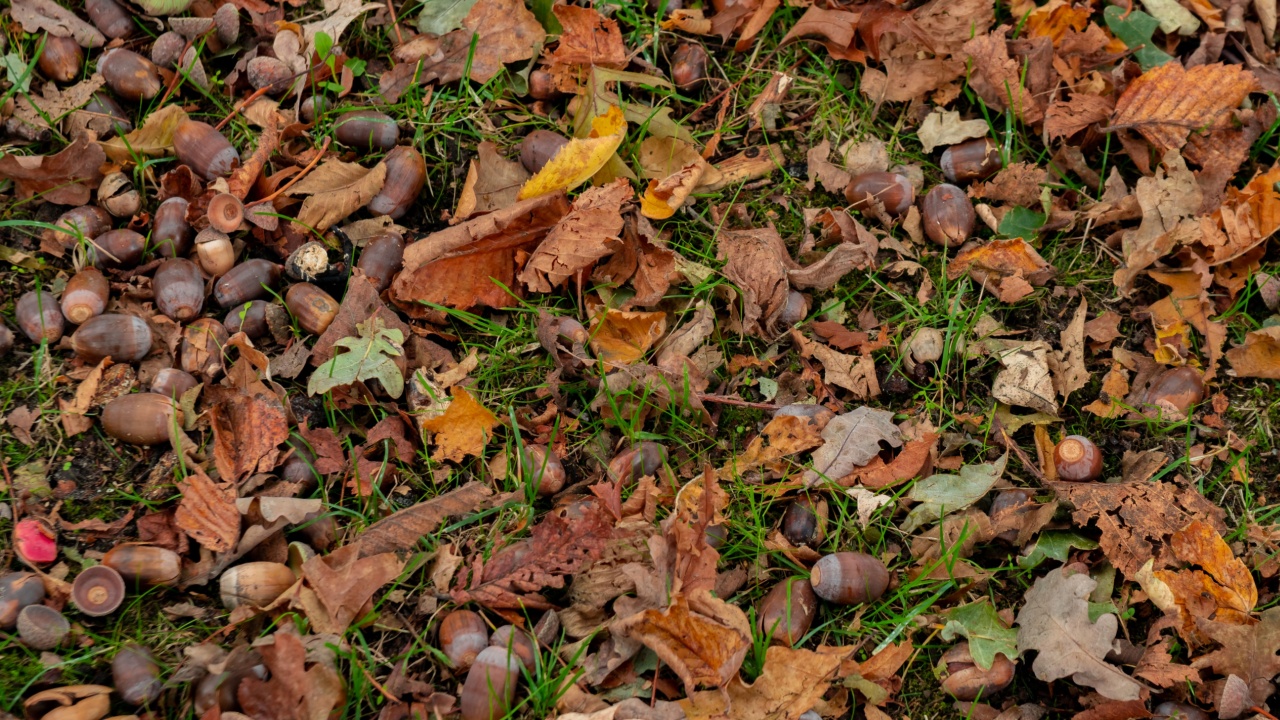
Image Credit: Shutterstock.
If oak trees around you seem to drop acorns by the dozen this autumn, that’s considered a sign of a cold, potentially snowy winter ahead. The logic behind this is that trees may put extra energy into producing more seeds, a kind of “over-prepare” mode when they sense a challenging winter coming.
The idea behind masting is that by producing more nuts than animals can consume, some seeds will be left to germinate and grow into new trees. It’s a natural strategy to ensure the survival of the species.
2. A Big Walnut Crop, Especially with Thick Shells

Image Credit: Shutterstock.
When trees invest extra energy into producing tougher shells, it may be a response to environmental stress such as fluctuating temperatures, drought, or pest pressure. In folklore, this “extra protection” is interpreted as nature’s way of preparing for severe cold and snow.
Nut development is closely tied to temperature and moisture conditions. Walnut trees reinforce shells during unpredictable weather to better protect seeds that germinate successfully when the growing season returns.
3. Abundant Fall Berries on Shrubs and Trees
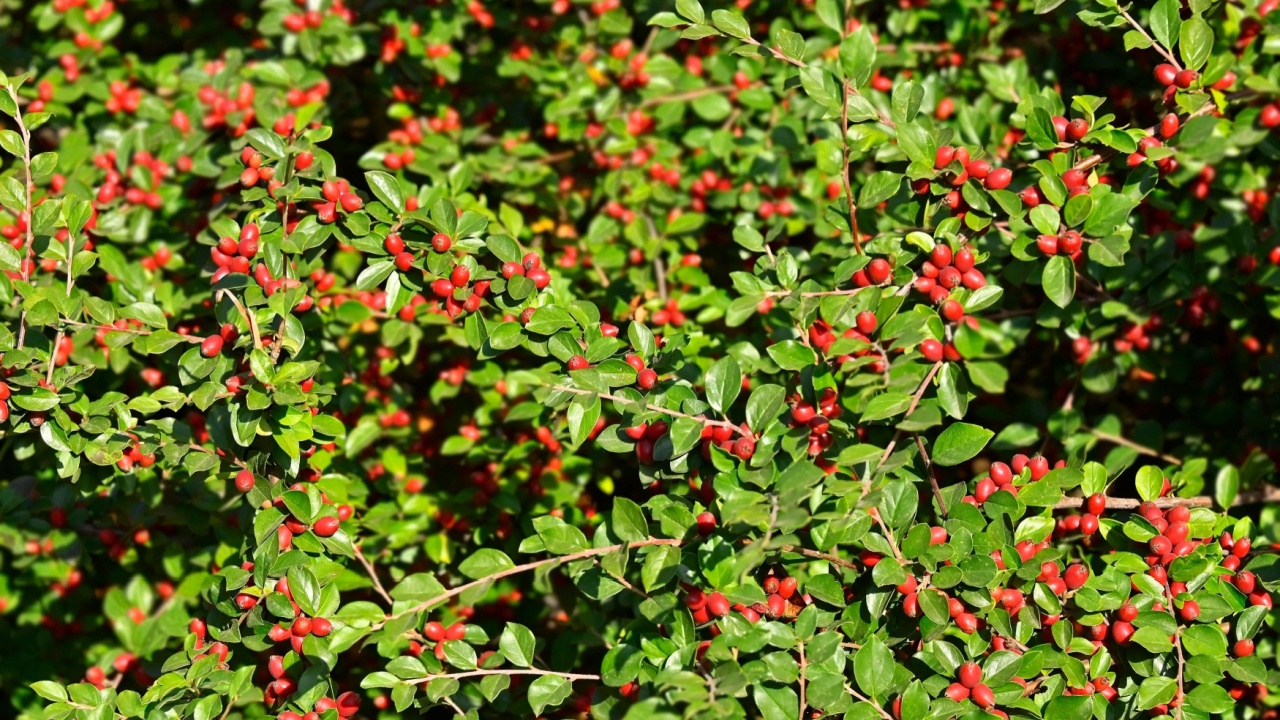
Image Credit: Shutterstock.
An unusually heavy berry crop from holly, juniper, or wild shrubs is often linked to a brisk winter. This is nature’s thing to provide food for birds and wildlife, and abundance may reflect plants preparing for colder months.
Folklore views these heavy berry years as nature preparing wildlife for a rough season and using that as an early signal to winterize your garden. Leaving some berries on the plants supports birds, which are natural pest-control allies during early winter.
4. Persimmon Seed Shapes
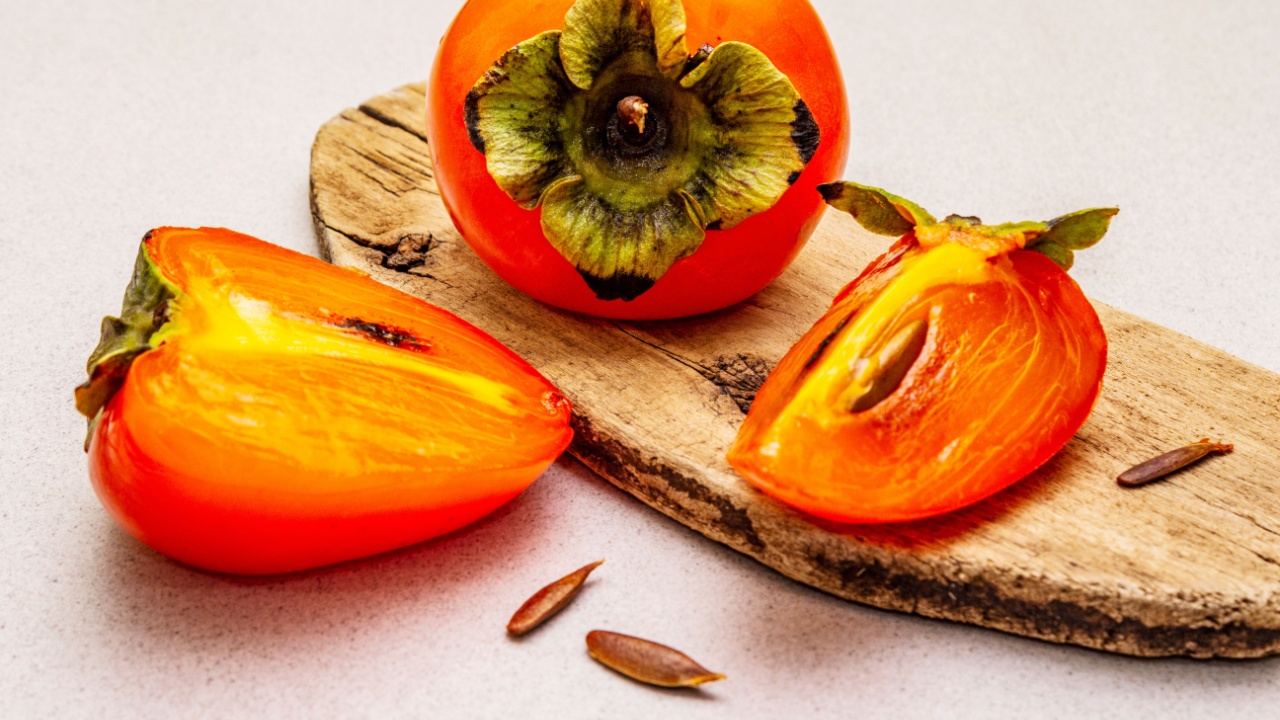
Image Credit: Shutterstock.
Cutting into persimmon seeds is a long-standing folk tradition for predicting winter. The shape inside the seed supposedly reveals the season ahead: a spoon means heavy snow, a knife symbolizes biting winds, and a fork suggests a mild winter.
If your persimmon seeds “predict” a snowy winter, start preparing tender plants earlier, move container plants indoors, or gather frost covers before the first cold front. The simple act of checking your garden closely strengthens your awareness of seasonal changes.
5. Flowers Blooming Late or Twice
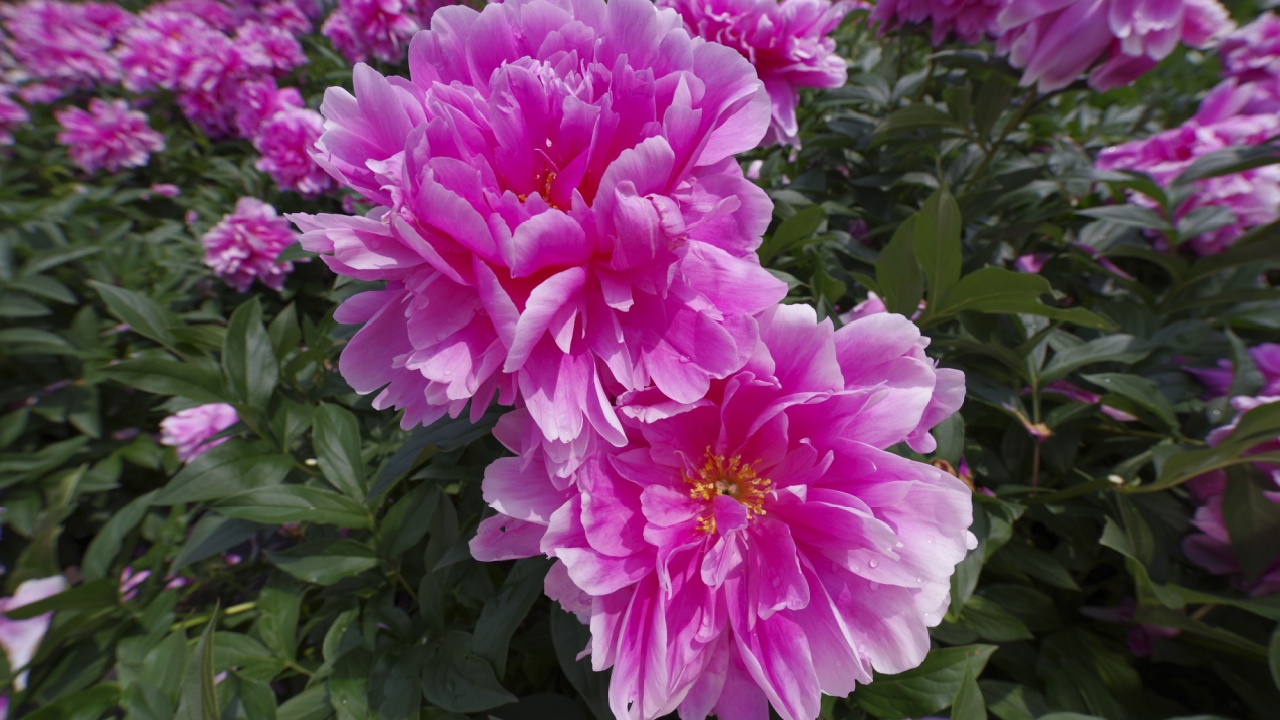
Image Credit: Shutterstock.
When flowers continue blooming long after their usual seasonal window or when perennials rebloom unexpectedly in fall as many consider it a sign that winter will be cold or prolonged. Plants can rebloom when temperature swings confuse their internal timing systems.
If your flowers are blooming late, enjoy the extra color, but also get ready. Late blooms may help feed pollinators, so avoid cutting everything back too early. However, frost-sensitive species should be covered at night to prevent damage when temperatures dip.
6. Onion Skins Growing Thick
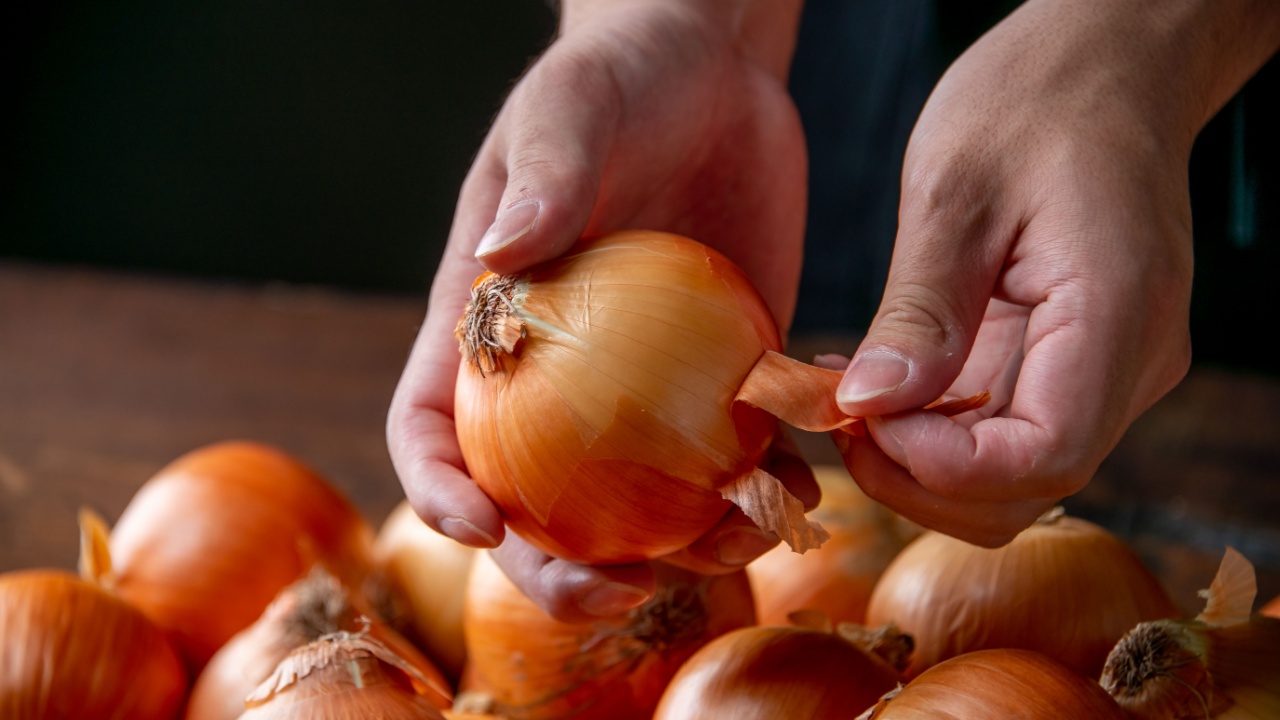
Image Credit: Shutterstock.
Gardeners have long said that the tougher the onion skin, the harsher the winter ahead. Thick skins often form during seasons with temperature swings or dry periods, both of which can precede colder winters.
If your onions have thick skins this year, plan for a properly insulated garden. Cure your onions thoroughly for long-term storage, since the thick skins can trap moisture if not dried well. Even if winter is mild, your root crops will be well protected.
When the Garden Whispers, It’s Worth Listening
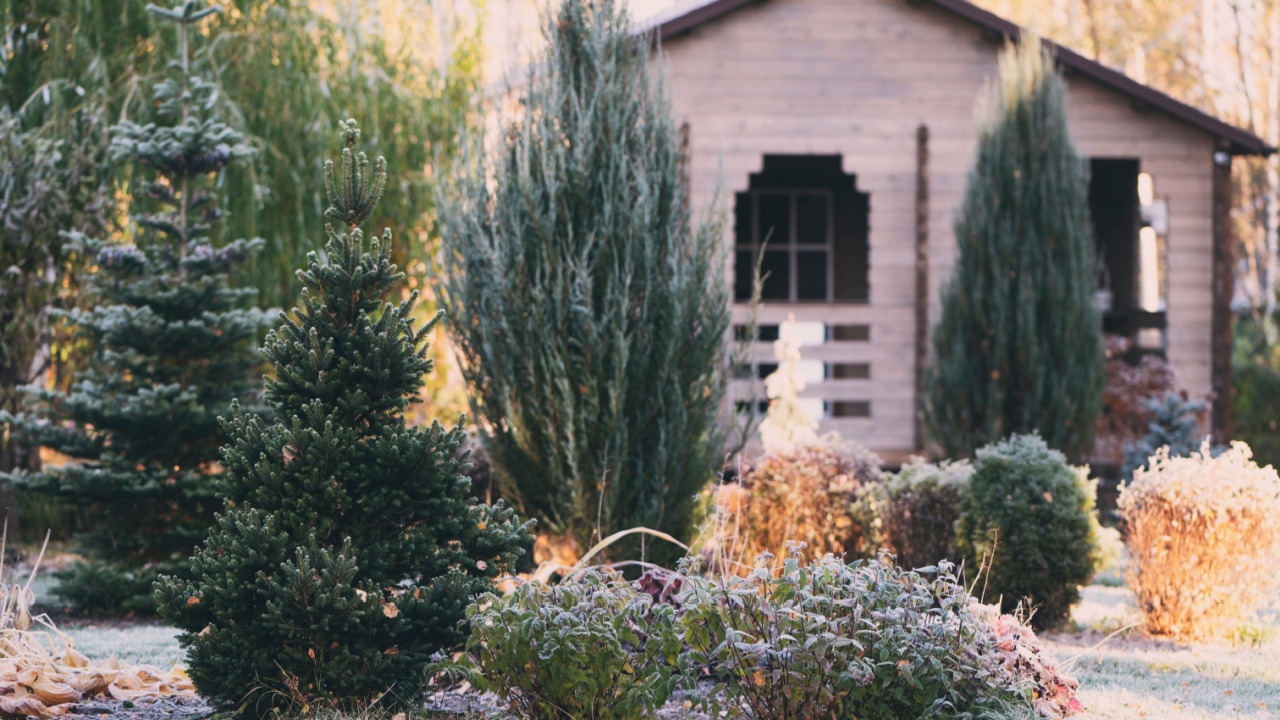
Image Credit: Shutterstock.
Plants may not truly “predict” winter, but their reactions to the environment can reveal more than we realize. When acorn piles grow, fruit skins toughen, or flowers bloom out of season, these changes tell a story about the climate patterns shaping the months ahead. Whether you lean on folklore or prefer scientific explanations, observing these signs builds a stronger connection with your garden and helps you prepare for whatever winter brings.
Use these clues as gentle nudges rather than absolute forecasts, and pair them with local weather predictions. The more attention you pay now, the better protected your surroundings will be when cold winds arrive.