

If there were a dust-collecting tournament, the kitchen cabinets would be the guys to beat. They silently stand guard through every cooking adventure, from simmering sauces to sizzling bacon. This daily exposure results in a sticky film of grease that seems to mock every attempt to wipe it away.
Restoring the cabinets to their former glory is the goal of anyone who owns a once-near-perfect kitchen. Here are a few ways you can cut through that stubborn layer and reveal the clean, smooth surfaces underneath.
1. Dish Soap and Water

Image Credit: Shutterstock,
The same soap that lifts grease from your dinner plates can work wonders on your cabinets. A simple solution of dish soap and warm water is a gentle and effective starting point for tackling everyday grime. This method is particularly effective for regular cleaning and maintenance, as it prevents heavy buildup from forming in the first place.
Dish soap is a surfactant. Its molecules have one end that attracts water and another that attracts oil. When you wipe down a greasy surface, the soap molecules break up the grease, surround the tiny droplets, and allow them to be easily washed away with water. It is a reliable method that is safe for most cabinet finishes, including paint, laminate, and wood.
2. Diluted Vinegar
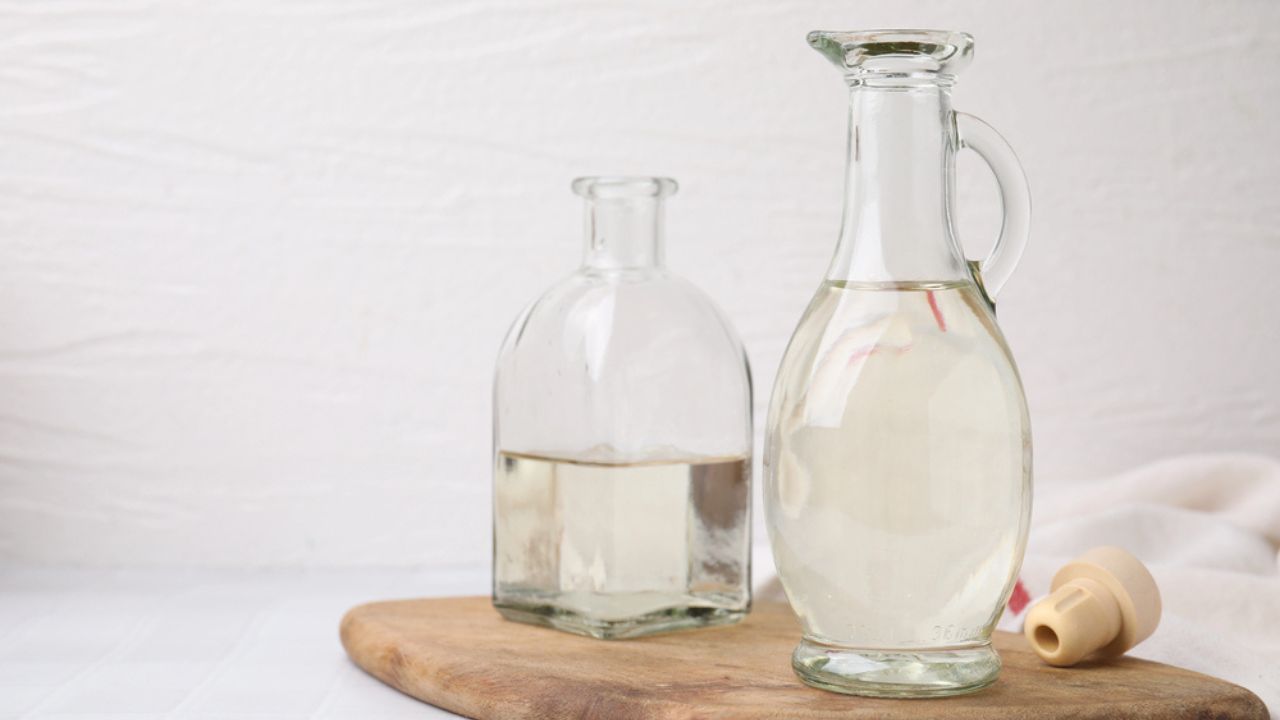
Image Credit: Deposit Photos.
For a bit more cleaning power without resorting to harsh chemicals, diluted white vinegar is a fantastic choice. The acidic nature of vinegar makes it a natural degreaser, capable of dissolving sticky residue that soap and water might leave behind. It is an inexpensive and readily available option for many households.
Vinegar’s effectiveness comes from acetic acid, which cuts through grease and grime. When mixed with warm water, it creates a powerful cleaning spray that can be used on a variety of non-porous surfaces. It is important to dilute the vinegar properly, as a solution that is too strong could potentially damage delicate cabinet finishes. A one-to-one ratio of vinegar to warm water is a good starting point, but you can use more water for sensitive surfaces.
3. Oil Soap
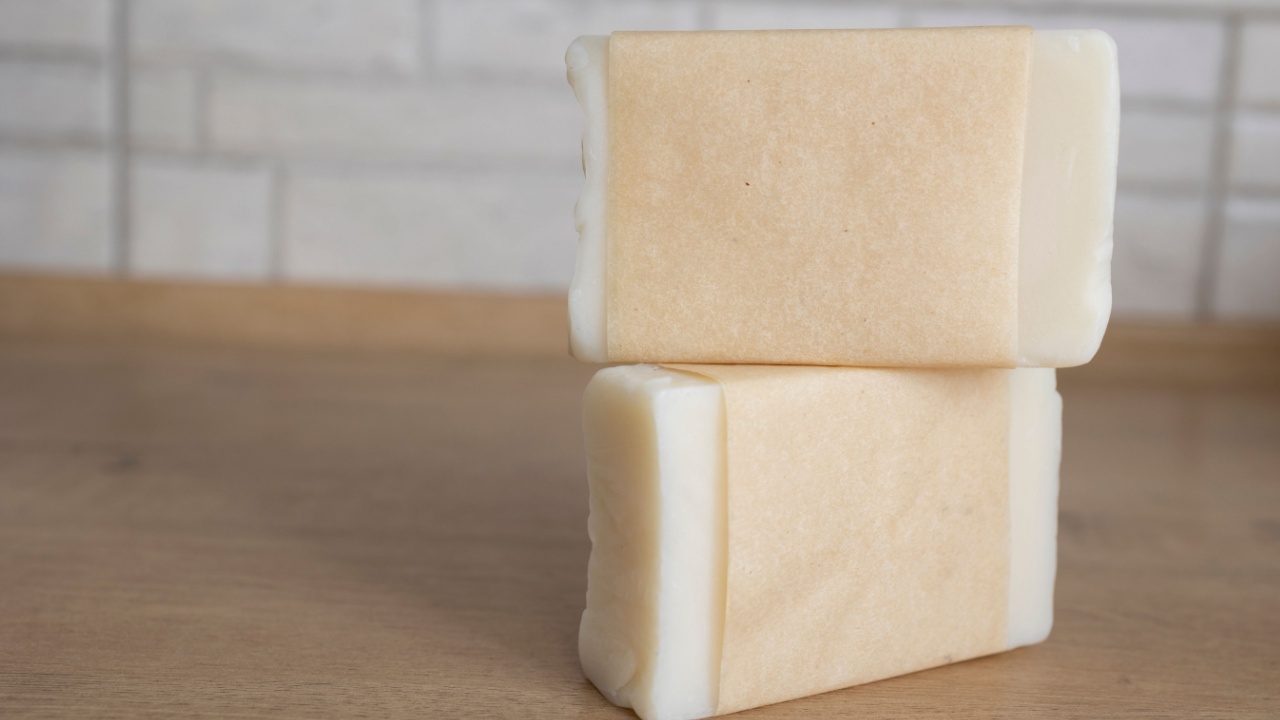
Image Credit: Shutterstock.
If you have wood cabinets, oil-based soap is an excellent cleaning option. It is specifically designed to clean and condition wood, helping to lift grime while restoring moisture and shine. Unlike some other cleaners that can strip wood of its natural oils, this type of soap nourishes the surface, leaving it clean and protected.
Oil soap works by combining a gentle cleaning agent with conditioning oils. As you clean, it lifts away the layers of grease and dirt. At the same time, it replenishes some of the natural oils in the wood, which helps prevent it from drying out or looking dull. This dual-action process makes it a go-to for maintaining the beauty and longevity of your wooden cabinetry.
4. Baking Soda
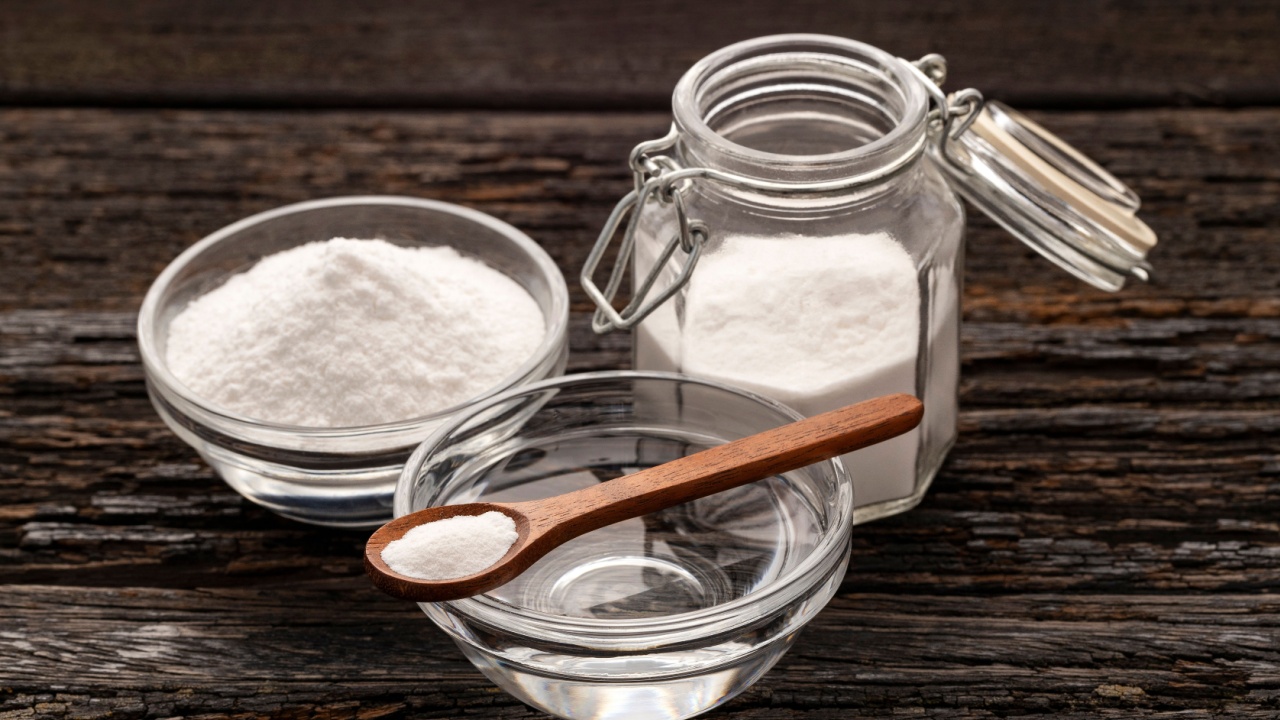
Image Credit: Shutterstock.
For those really stubborn, caked-on spots of grease, baking soda provides the gentle abrasive power you need. It acts as a mild scouring agent that can lift tough grime without scratching most cabinet surfaces. You can use it as a paste for concentrated cleaning power or sprinkle it on a cloth for broader application.
Baking soda, or sodium bicarbonate, is a mild alkali that reacts with grease to form a substance similar to soap, making it easier to wipe away. When mixed into a paste with water, it creates a slightly gritty texture that physically scrubs away stuck-on residue. This makes it particularly useful for cleaning around cabinet handles and knobs, where grease and dirt tend to accumulate most.
5. All-Purpose Cleaner
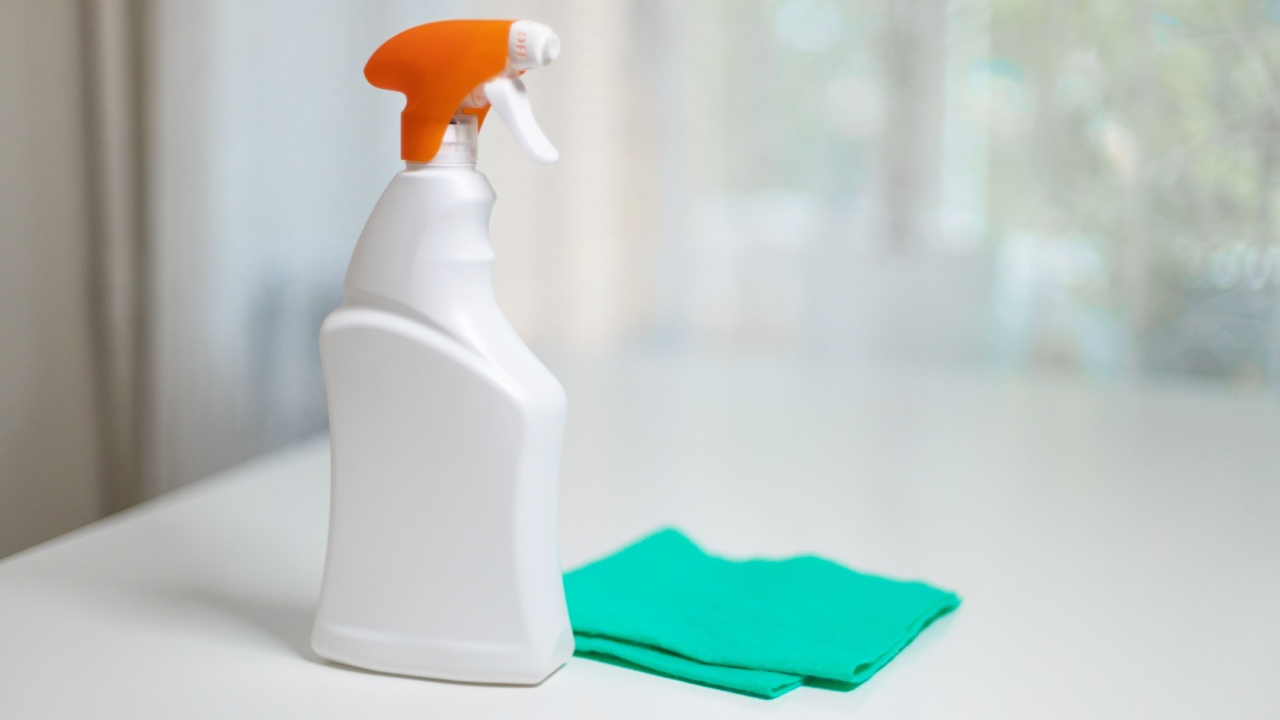
Image Credit: Shutterstock.
Store-bought or homemade, an all-purpose cleaner is handy for cutting through greasy buildup. Many products are designed to tackle kitchen messes without scratching or damaging surfaces. Pick one labeled safe for your cabinet’s material for best results; do not use glass cleaners, as they may ruin the cabinets.
These cleaners usually have surfactants and solvents that break down grease and grime efficiently. When using a commercial product, test it on a small, hidden spot first to avoid discoloration or damage. Spraying the cleaner onto a cloth, not straight onto the cabinet, helps control moisture and protect the surface.
Moving Forward

Image Credit: Shutterstock.
Once your cabinets are sparkling clean, the best way to keep them that way is through regular maintenance. A quick wipe-down with a damp cloth every week or so can prevent grease from building up into a formidable foe. Pay close attention to the cabinets nearest your stove, as they are the primary targets for splatters and steam. Establishing this simple habit will make deep cleaning a much rarer and less daunting task. Now you can stand back and appreciate a kitchen that feels fresh, clean, and ready for your next culinary creation.