5 Garden Items to Thrift Before Spring (Money-Saving Secrets Smart Gardeners Swear By)
Spring planting season has a way of emptying your wallet fast. Between compost, seeds, tools, and containers, even a modest garden refresh can feel expensive.
The good news is that thrifting and buying secondhand can help to lighten the load on your wallet. Many thrifted garden items are sturdier, more unique, and often cheaper than anything sitting on a big-box shelf.
If you know what to look for, a quick thrift store stop can upgrade your garden at an affordable price without sacrificing quality or charm.
1. Tools That Are Built to Last
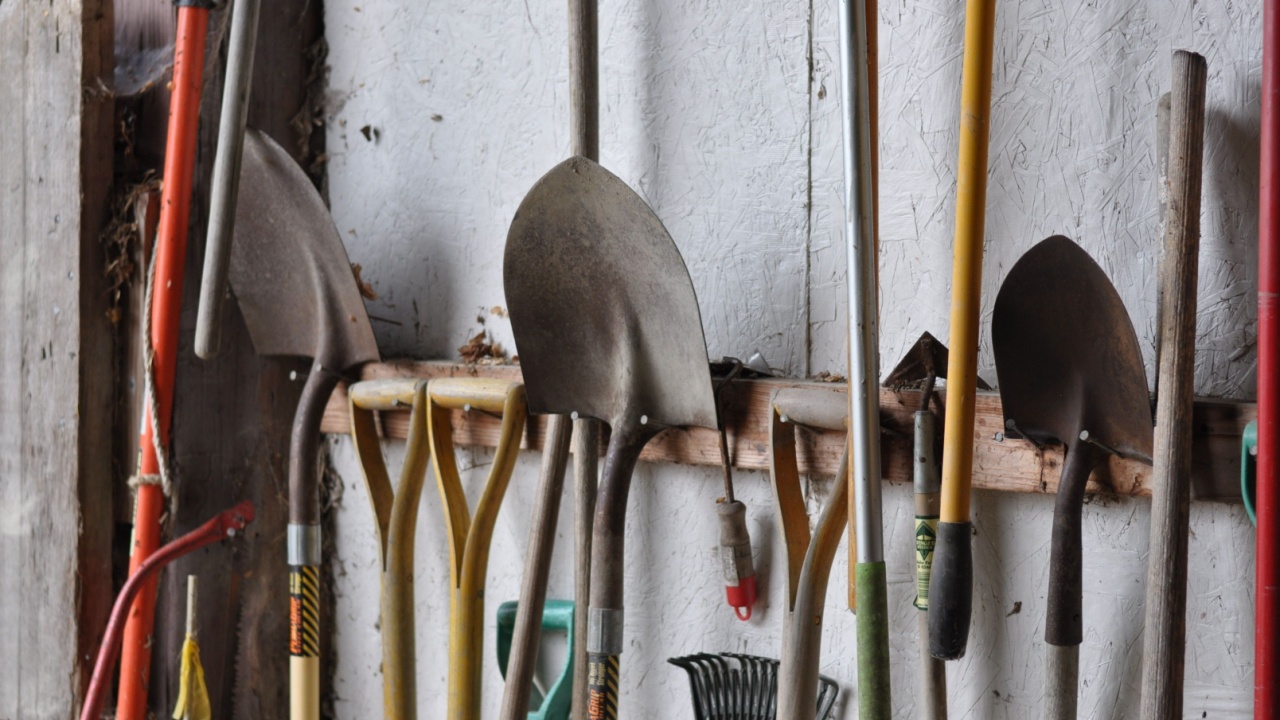
Start with the basics: shovels, spades, hoes, rakes, and trowels. These essentials are often nearly indestructible. Surface rust can usually be cleaned off with steel wool or vinegar, and solid handles can last decades.
When buying secondhand tools:
- Check that the handle is sturdy and not splintering.
- Avoid deeply pitted metal.
- For pruners, test the hinge and blade alignment carefully.
Heavy-duty hand tools are almost always worth it, and older versions often outperform modern lightweight models.
2. Planters, Pots & Unexpected Containers
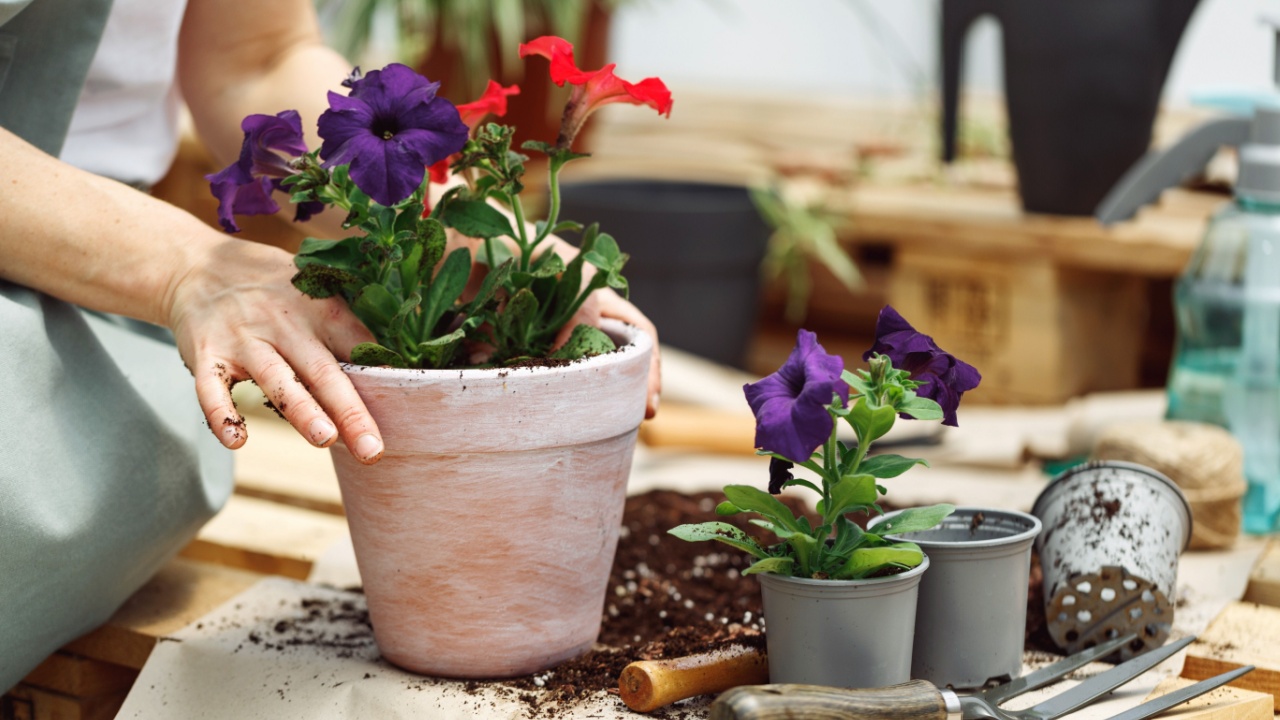
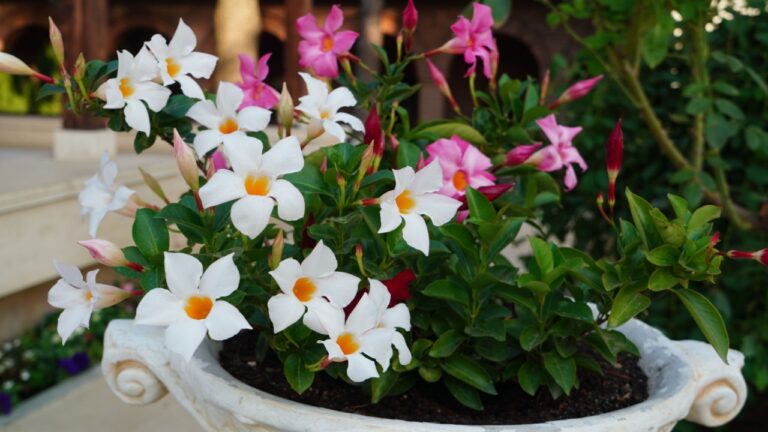
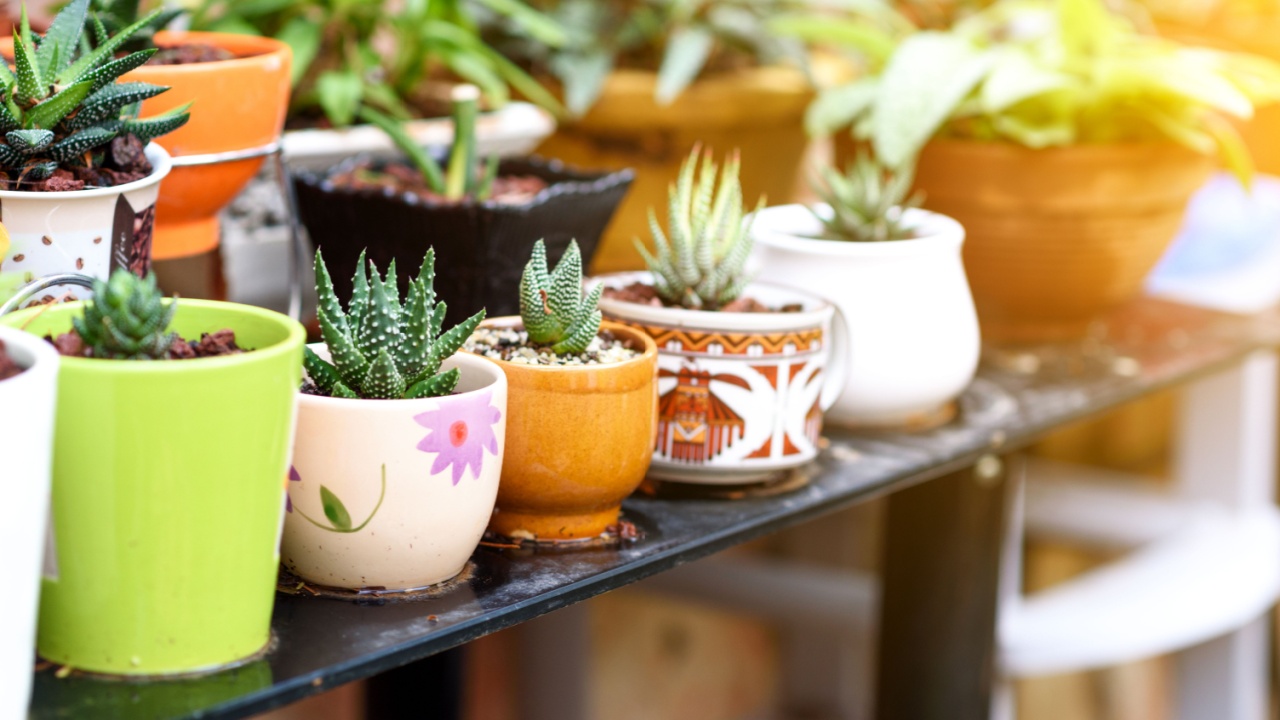
Large ceramic planters can be shockingly expensive new. Sourcing containers second-hand can score you a great deal, and give you some variety in style.
When thrifting for planters and pots, keep a lookout for:
- Ceramic or stoneware pots without cracks
- Galvanized buckets or metal pails
- Vintage crocks and bread boxes
- Wooden crates for elevation and storage
If the container doesn’t have a drainage hole, consider how you might add one. You should be able to drill a hole, use a liner, or treat the piece as a cache pot. Improper drainage is one of the fastest ways to lose container plants.
Avoid cracked terracotta in colder climates, as freeze-thaw cycles will worsen the damage.
3. Watering Cans & Irrigation Helpers
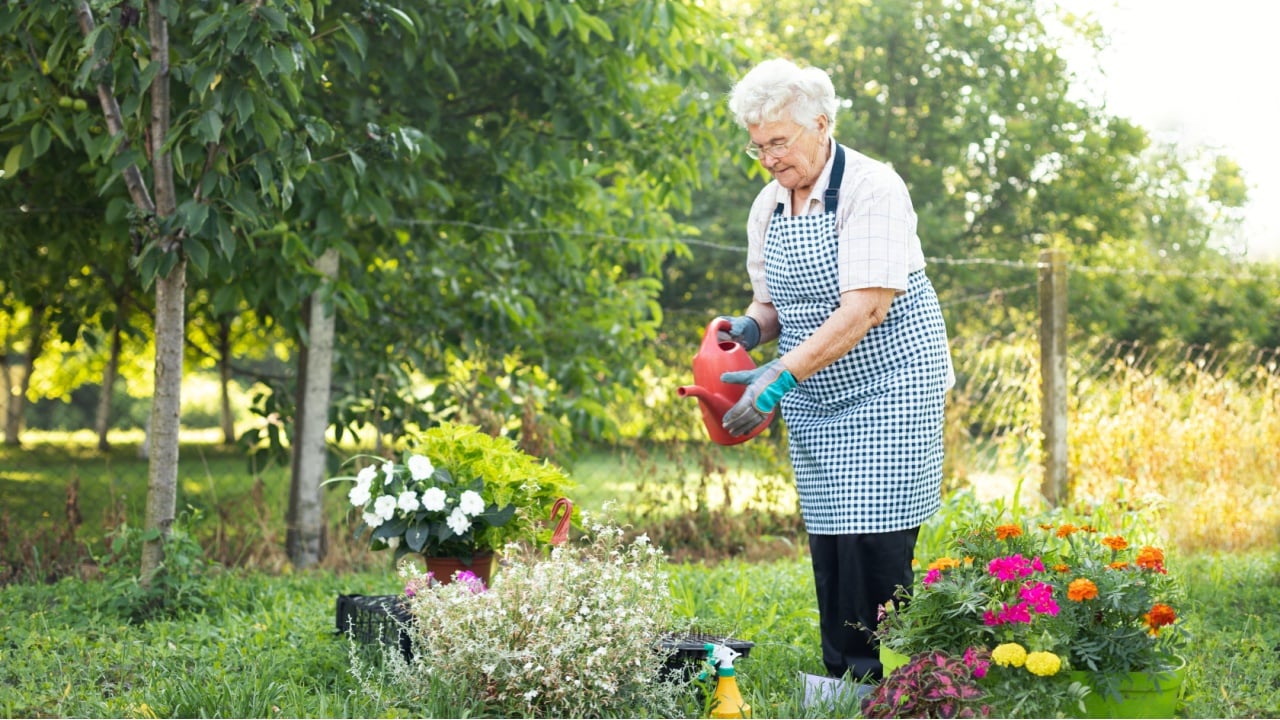
Watering cans are one of the most satisfying thrift finds. Copper, zinc, or galvanized versions often develop a beautiful patina over time.
Before buying:
- Check that the spout isn’t clogged.
- Inspect seams for leaks.
- Make sure the handle feels secure.
Simple irrigation timers and kits will occasionally show up secondhand, too. If you find one, inspect the housing for cracks and test moving parts. You’ll also want to avoid electronic tools that appear water-damaged.
4. Patio Furniture & Garden Tables
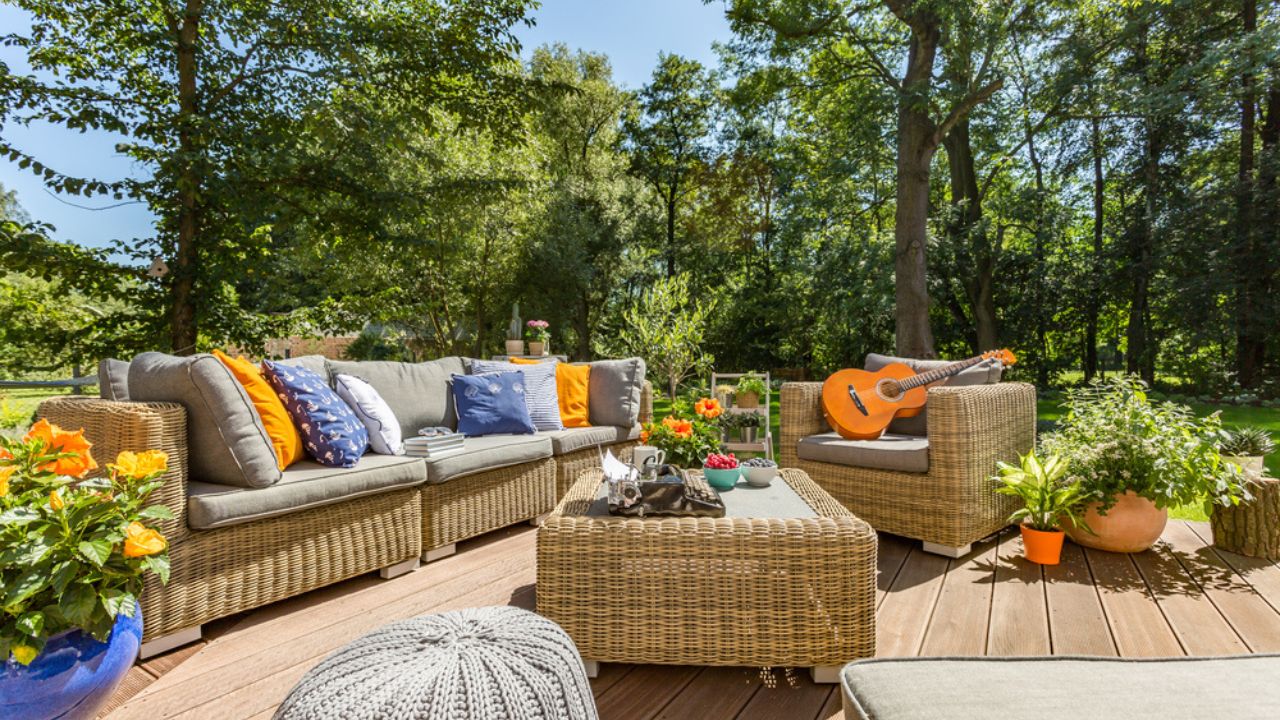
Secondhand patio furniture can be a major win. Iron sets, in particular, age beautifully outdoors.
Keep an eye out for:
- Iron tables and chairs
- Garden stools (great as side tables or plant stands)
- Small tables that can double as potting stations
- Benches with solid frames
Some thrift stores partner with retailers to offload overstock or display models, including patio furniture. That means you may find near-new pieces at steep discounts.
5. Garden Accents That Add Height & Charm
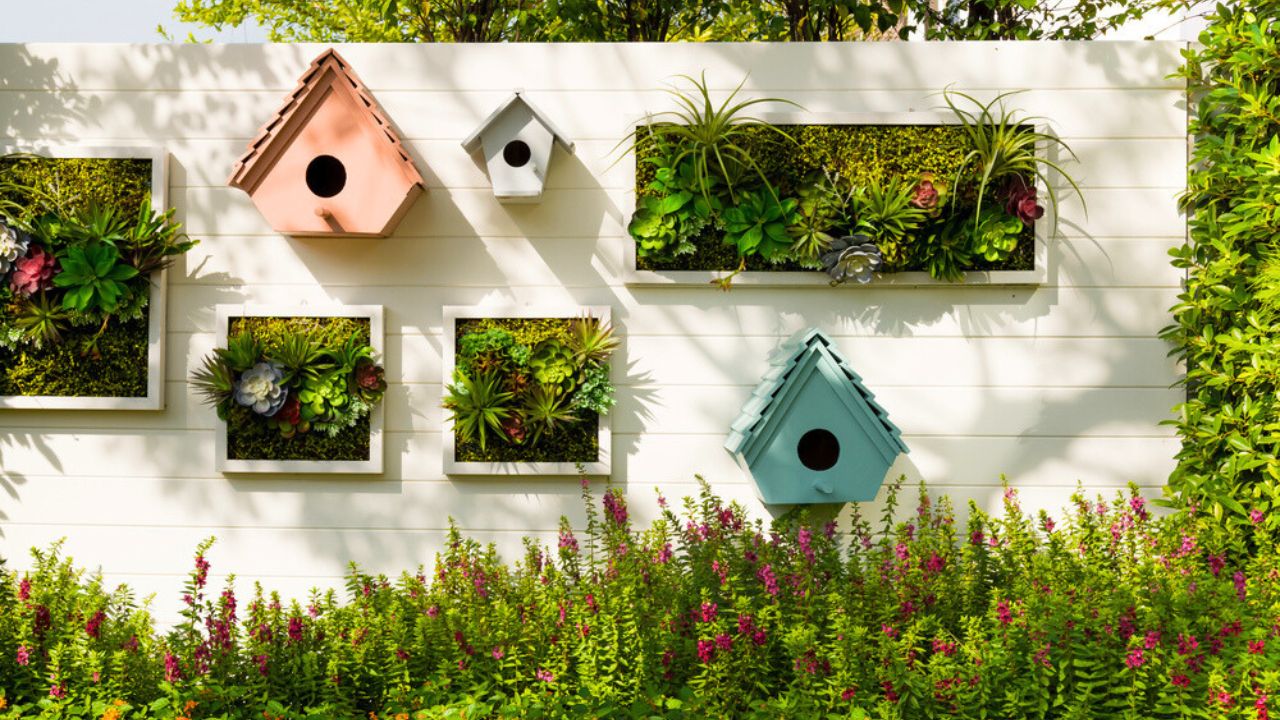
Once your functional garden basics are covered, you can look for pieces that add structure and personality to your space:
- Garden stools for height variation
- Wooden shutters as plant backdrops
- Metal buckets for casual container displays
- Herb markers for small, useful details
- Birdbaths to attract pollinators and birds
- Garden decor or wind chimes
Even unexpected finds, like old chairs with damaged seats, can be converted into charming planter stands with a simple insert. Get creative!
What Not to Thrift (And Why)

Not everything is worth bringing home.
Skip:
- Severely rusted pruners with loose hinges
- Power tools that can’t be tested
- Containers with unknown coatings, if planting edibles
- Items with peeling lead-based paint
- Heavily cracked pottery
If you’re unsure about contamination, use thrifted containers as decorative cache pots rather than planting directly into them.
A Garden That Feels Collected, Not Purchased
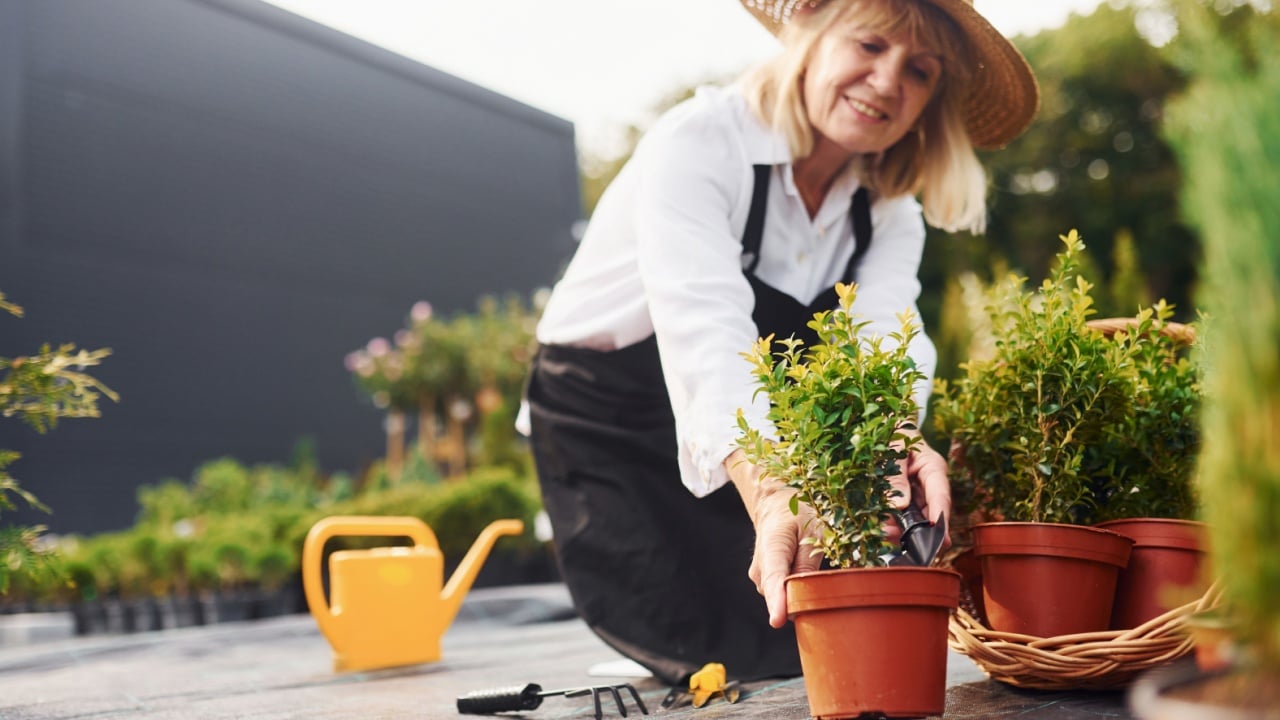
The best gardens rarely look like they were ordered from a catalog in one afternoon. They feel layered, personal, and gathered over time.
By focusing on the right garden items to thrift, like tools, planters, watering cans, furniture, and structural accents, you’ll save money while building a space that feels uniquely yours.
Start small. Pick up one solid tool or one character-filled planter. Over time, those thoughtful secondhand finds add up to a garden that’s both practical and full of story.