18 Things to Avoid Saying to Military Members to Be Respectful
Most of us want to show respect and appreciation to those who serve or have served in the military. We admire their sacrifices, their commitment, and feel grateful for all they do. But sometimes, even with the best intentions, conversations can get awkward or even unintentionally hurtful.
There are nearly 1.3 million Americans actively serving in the military today, according to the Council on Foreign Relations. Add in the millions of veterans who have returned to civilian life, and chances are you know someone who has worn the uniform. A simple “thank you for your service” is usually appreciated, but other common remarks can come across as intrusive, offensive, or just plain tone-deaf.
Here’s a list of phrases and questions to avoid when talking to military members or veterans. Some are too personal, others trivialize their experiences, and a few just make the wrong assumptions. Knowing what not to say is an easy way to show genuine respect.
1. “How many people have you killed?”
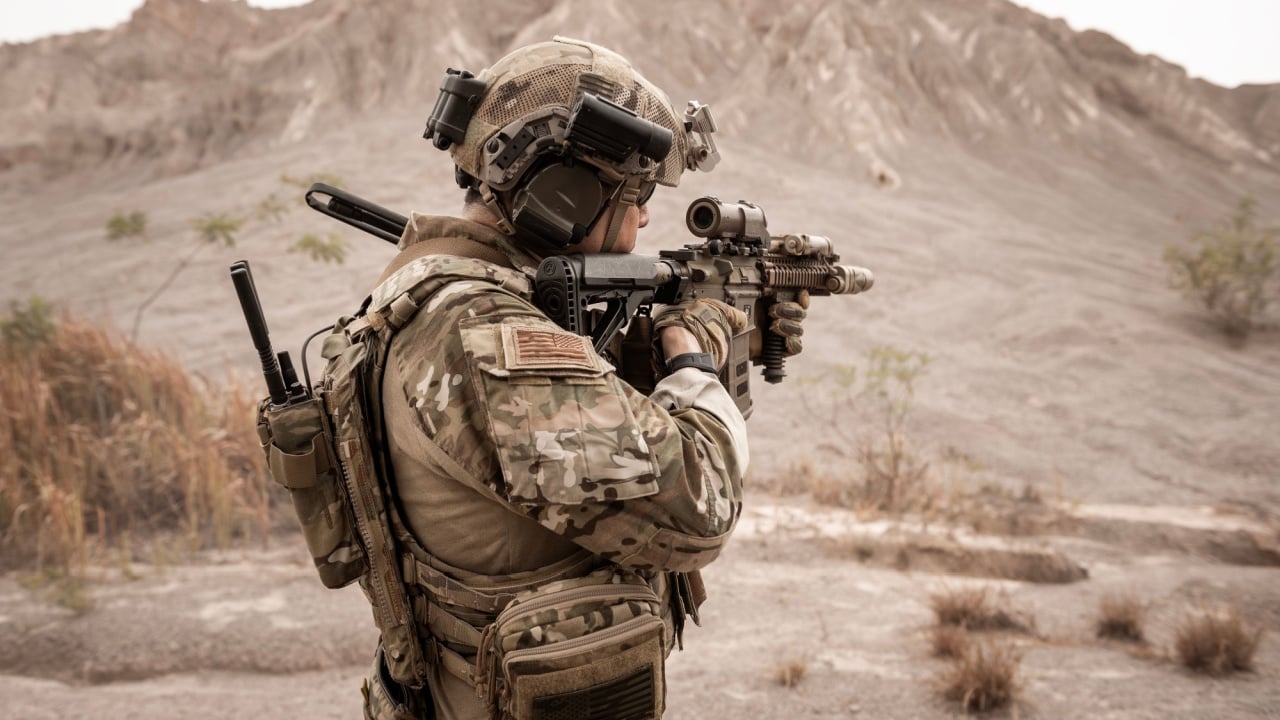
This question is highly inappropriate. Combat is a traumatic experience, and for many service members, it carries significant emotional weight that lasts a lifetime. It’s often civilians with no military connection who ask such intrusive questions. For veterans dealing with PTSD, being pressed for details about combat can be a genuine trigger.
If a service member wants to share details from their service, they will. Prying into something so personal and potentially painful shows a lack of understanding of what combat really means. It’s better to save that kind of curiosity for a documentary, not for a real person processing real trauma.
2. “What kind of action did you see in combat?”

Asking about kill counts or combat specifics can make service members feel uncomfortable. Most people who have been in combat don’t want to relive those moments for someone else’s curiosity. While some veterans are okay talking about their experiences, civilians shouldn’t be the ones to bring it up.
Let the service member decide if and when they want to share. Respect their boundaries and understand that staying quiet about these topics isn’t avoidance, it’s about self-preservation.
3. “When are you done?”
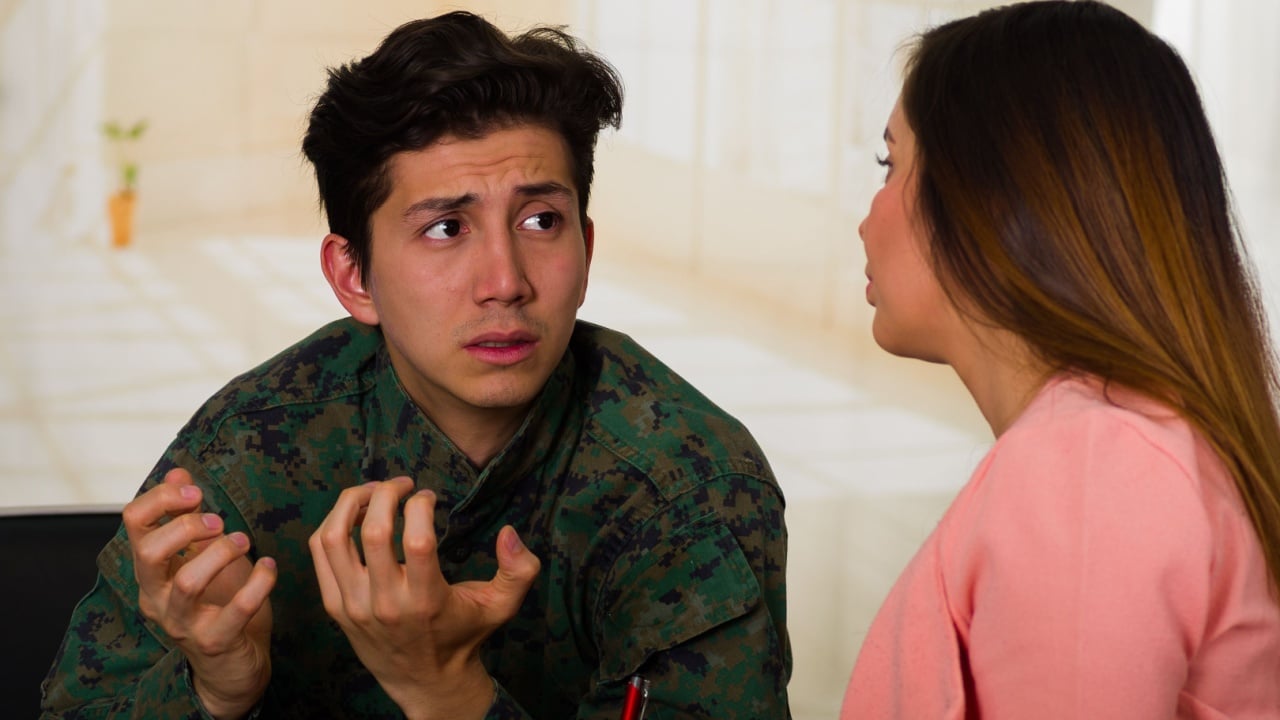
Asking when someone plans to leave the military is a lot like asking someone when they plan to quit their job. For many service members, this isn’t just a job. It’s a calling, an identity, and a career path they are proud to follow. Treating military service as something to just “get through” can downplay the dedication and purpose many find in their work.
Even service members who do plan to leave eventually might not want to talk about it. Deployment schedules, contract obligations, and personal goals are complicated and usually private. Unless they bring it up themselves, it’s best to assume they’re right where they want to be.
4. “I’m glad you made it back in one piece.”

On the surface, this sounds like a relief. But not all wounds are visible. Many veterans return home carrying emotional scars, struggling with PTSD, traumatic brain injuries, or the psychological toll of what they witnessed or experienced. Telling someone they’re “in one piece” can feel dismissive of the internal battles they’re fighting.
Even if someone appears physically unharmed, that doesn’t mean they’re unscathed. This comment, though well-meaning, can unintentionally minimize a veteran’s experience and make them feel unseen.
5. “How could you leave your family for so long?”

Deployments are tough on families. But it’s unfair and offensive to suggest a service member abandoned them. Military members don’t choose when or where they deploy. Most do everything they can to stay connected with loved ones. Acting like they’ve ignored their family responsibilities dismisses what their service requires.
Military families make sacrifices together. Implying that a service member is selfish for doing their duty disrespects both them and the people who support them.
6. “What do you think about what’s going on in the news?”

Just because someone serves in the military doesn’t mean they want to be your go-to political analyst. Service members may have firsthand knowledge of what’s happening in certain regions, but they’re not obligated to share their opinions on every headline or policy debate. Treating them as a walking news source is reductive and exhausting.
If someone wants to discuss current events, they will. Otherwise, find another topic that doesn’t put them on the spot or force them to relive difficult situations.
7. “What’s it really like over there?”
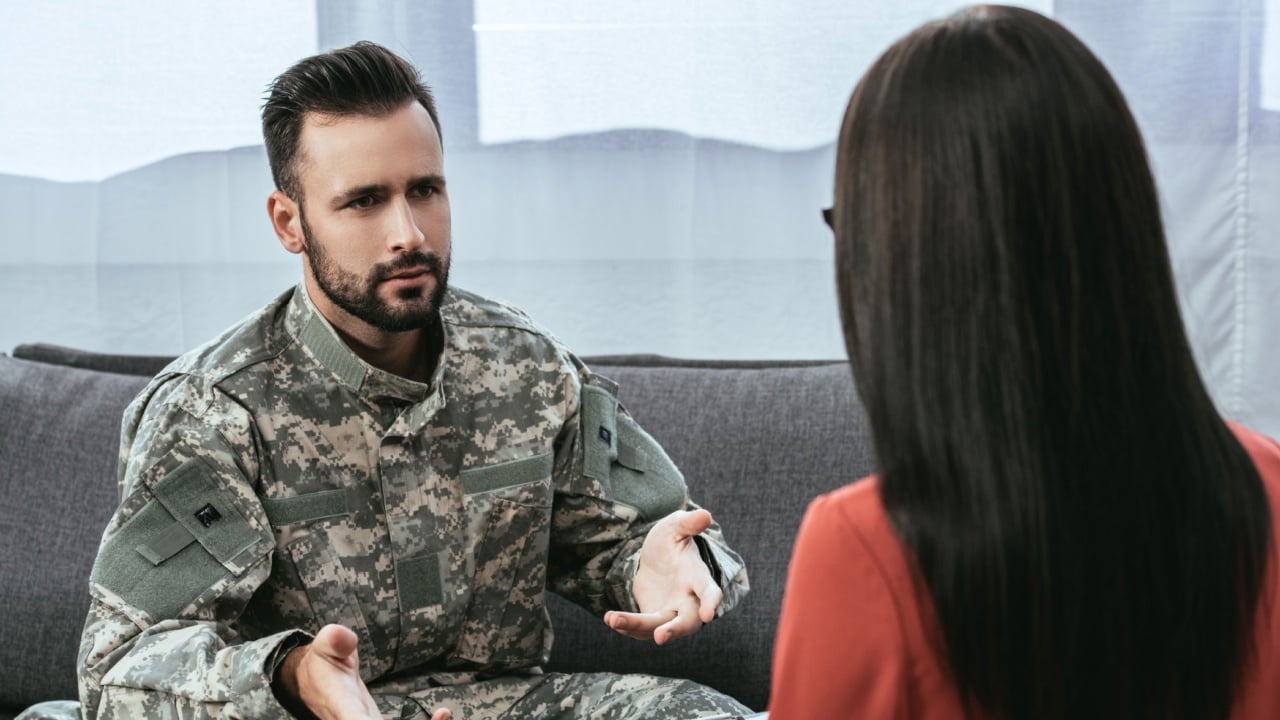
This vague question might seem harmless, but it’s loaded. Describing a deployment experience to someone who has never been in the military is incredibly difficult, especially when trauma is involved. Add to that the fact that every deployment is different, and you’re asking someone to condense a complex, often painful chapter of their life into a tidy sound bite.
If someone wants to share their experiences, they’ll find a way to do so without being prompted. Otherwise, this question can feel more like prying than genuine interest.
8. “Did anyone you know die?”

While death is a reality of military service, and many veterans have lost colleagues, mentors, or close friends, asking about it directly is invasive and insensitive. You wouldn’t ask a new acquaintance if they’ve lost a loved one recently, and this is no different.
Grief is a personal journey. If a veteran wishes to talk about the people they’ve lost, they will do so when they feel ready. Pressing them for details is disrespectful to the weight of that loss.
9. “It must be hard to be gone for that long.”

Deployments can be really different for everyone. Some service members find a sense of purpose and build strong bonds, while others have a harder time dealing with the separation. Assuming every deployment is the same or just “hard” oversimplifies things and can feel dismissive.
If you’re wondering how someone felt about their time away, it’s best to let them share when they’re ready. Making assumptions only takes away from the unique aspects of their experience.
10. “You seem so normal.”

This backhanded compliment suggests that military service should make someone weird, damaged, or “abnormal,” which is pretty offensive. Service members are regular people with a job that requires a lot of commitment. Acting surprised that they seem well-adjusted comes off as insulting and alienating.
Military service is just one part of a person’s identity, and treating it like it defines everything about them is both dismissive and rude.
11. “I don’t agree with what you did over there.”

Service members don’t create government policies; they follow orders, often in situations more complicated than most civilians realize. Sharing your political disagreements with a veteran or active-duty member won’t change anything, and it definitely won’t make them feel appreciated.
People in the military come from all kinds of backgrounds and have a variety of political beliefs. Criticizing their service because you don’t agree with certain policies is unfair and hurtful.
12. “Do you feel guilty?”

Some service members do grapple with guilt over things they’ve seen or done during their service. Others feel proud of the work they’ve accomplished and the people they’ve helped. Asking if someone feels guilty implies that they should, which is presumptuous and unfair.
Moral and emotional processing after deployment is deeply personal. Unless someone brings up feelings of guilt or conflict on their own, this question is off-limits.
13. “You must miss a lot while you’re away.”

Deployment can mean missing birthdays, holidays, and major life events. But not everyone experiences absence the same way, and for some, being deployed means being surrounded by a close-knit community of people who become like family. Assuming that someone is constantly pining for home ignores the meaningful relationships and purpose they may find during their service.
If someone wants to talk about what they missed, they will. Otherwise, comments like this can feel like unnecessary reminders of what they’ve sacrificed.
14. “Let me buy you a drink.”
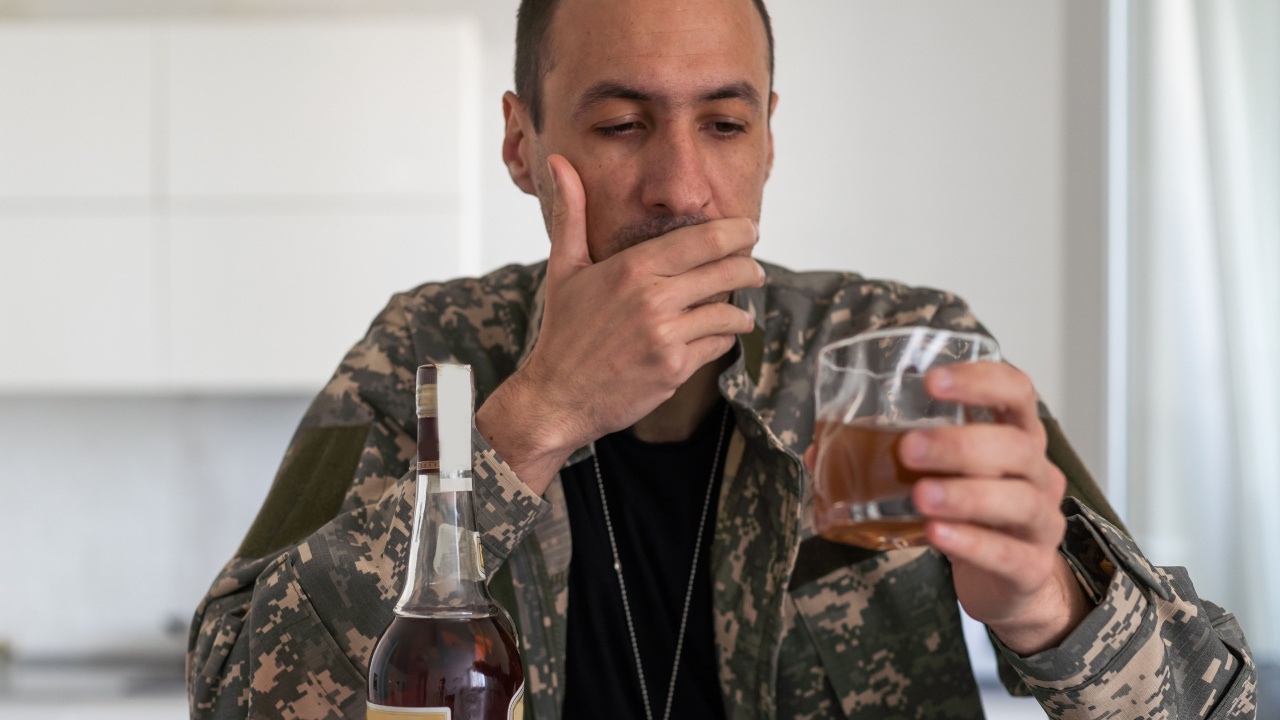
This gesture comes from a good place, but it can put service members in an awkward position. According to the National Institute on Drug Abuse, nearly half of service members report binge drinking, and many veterans are actively working to avoid alcohol. Offering a drink might seem generous, but it can also pressure someone into accepting something they’d rather decline.
If you want to show appreciation, consider offering to buy a meal instead, or simply saying thank you.
15. “I know someone who died in combat.”

Sharing a story of loss might feel like a way to connect, but it often does the opposite. Telling a service member or veteran that someone you knew died in uniform can come across as insensitive or self-centered, especially if they’re dealing with their own grief or trauma.
If someone wants to discuss loss, let them lead the conversation. Otherwise, this comment can feel more like a burden than a shared moment of understanding.
16. “Do you have PTSD?”
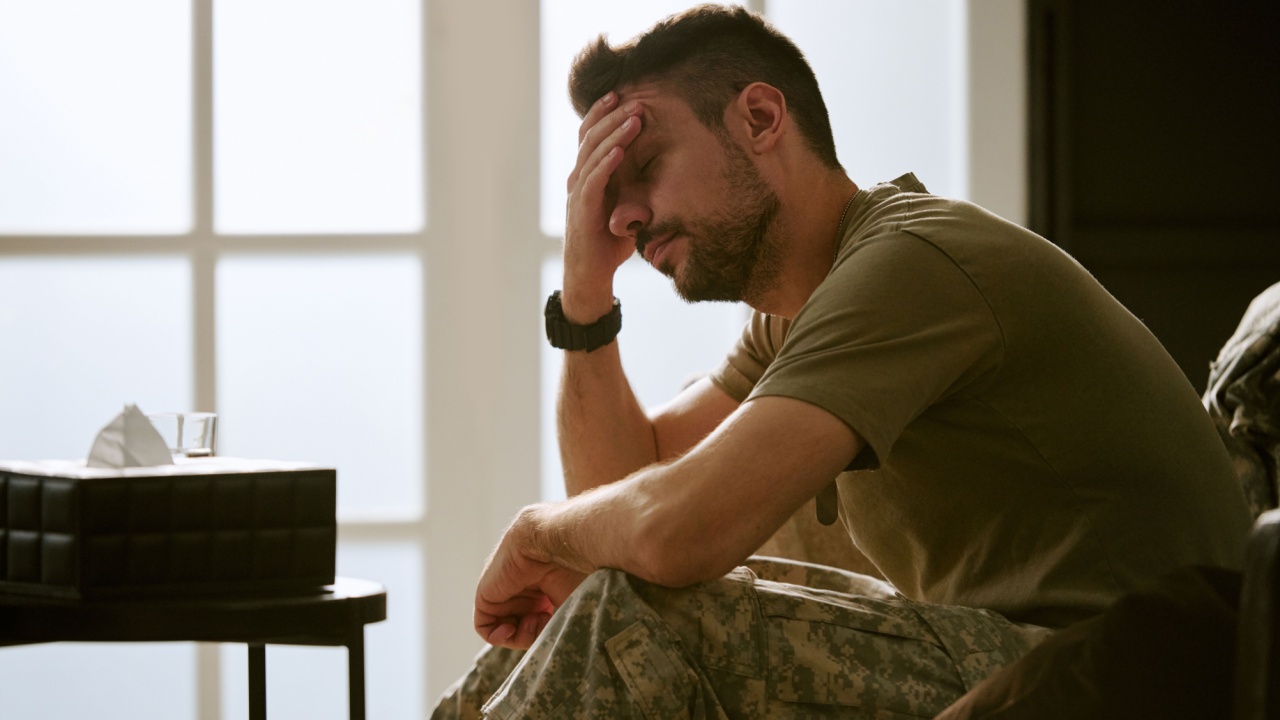
PTSD affects a lot of veterans. In fact, the U.S. Department of Veterans Affairs says up to 30% of Vietnam veterans are diagnosed with it at some point in their lives. But asking someone directly if they have PTSD is invasive and could even be triggering. Mental health is personal, and bringing it up without being invited isn’t okay.
It’s also important to remember that PTSD isn’t just caused by combat. Service members can experience trauma from things like se***l assault, accidents, or other non-battlefield events. Assuming anything about someone’s mental health is never a good idea.
17. “I know how you feel.”

Unless you’ve served in the military yourself, you don’t know how a service member feels. Even if you’ve experienced hardship or trauma in your own life, equating your experience with theirs dismisses what makes military service distinct. This phrase shifts the focus away from the person you’re speaking with and centers the conversation on yourself.
If you want to show empathy, listen more than you talk. Let the other person share their story without feeling the need to match it with one of your own.
18. “You signed up for this.”

Yes, service members volunteer to enlist, but that doesn’t mean they give up the right to struggle, vent, or need support. Military life is unpredictable, and no one can fully prepare for what their service will bring. Saying they “signed up for this” dismisses their challenges and minimizes what they’re going through.
Everyone deserves compassion, no matter the choices they’ve made. Using someone’s enlistment as a reason to withhold empathy is just unkind and unhelpful.
Honoring Service: Listen, Respect, Connect

Talking to someone who has served in the military doesn’t have to be complicated. The simplest approach is to listen, respect boundaries, and avoid making assumptions.
A genuine “thank you” goes a long way, and when in doubt, follow their lead. If they want to share, they will. If they don’t, that’s their right. Showing respect means meeting people where they are, not where you think they should be.