4 Steps to Bringing a Dying Pothos Back to Life
Has your once-glorious pothos started to look a bit sad? Perhaps its leaves are yellowing, or it has stopped producing those beautiful, vining stems.
A struggling pothos can feel like a personal failure, but it happens to even the most attentive plant parents. The good news is that these plants are incredibly resilient.
This guide will walk you through four simple steps to help you diagnose the problem and nurse your pothos back to its former leafy glory.
1. Get the Watering Right
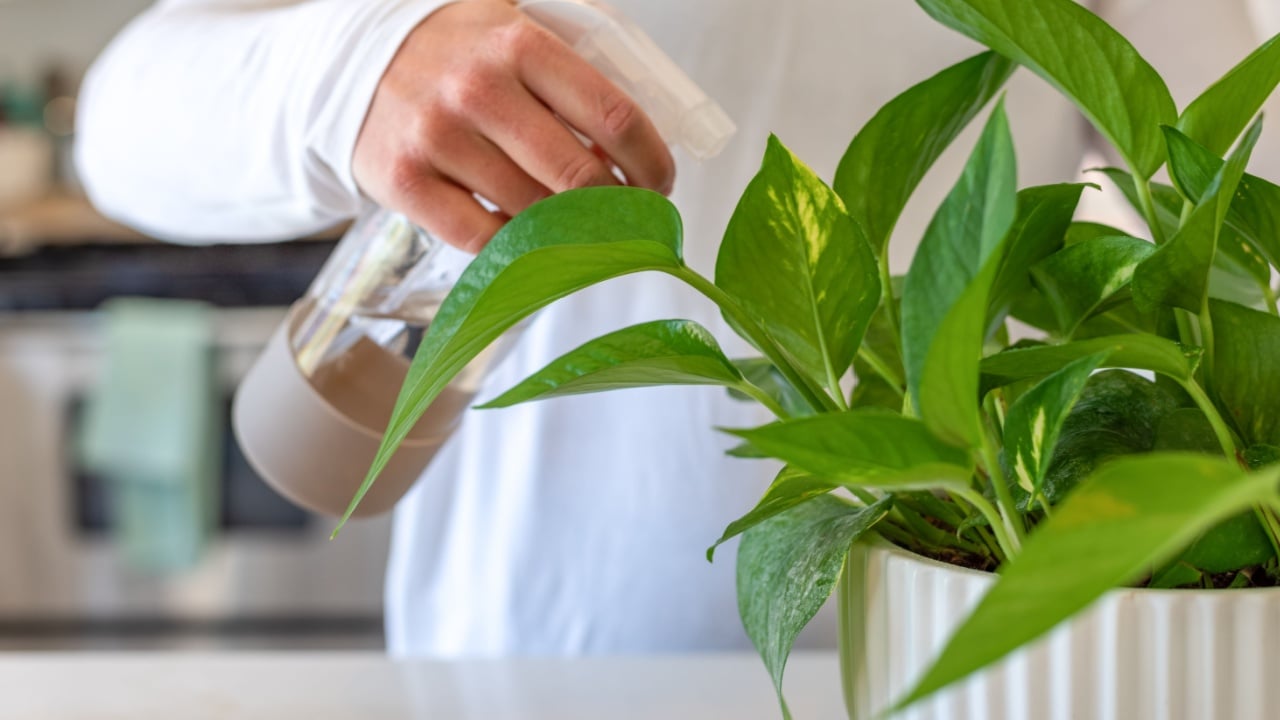
The most common reason a pothos looks unwell is related to its watering schedule. These plants dislike having “wet feet,” which means their roots should not sit in soggy soil. Overwatering can lead to root rot, a condition where the roots begin to decay from a lack of oxygen. A good rule of thumb is to let the top inch or two of soil dry out completely between waterings. You can check this by simply sticking your finger into the soil. If it feels damp, wait a few more days before giving it a drink.
Underwatering, while less common for this plant, can also cause issues like brown, crispy leaf edges and drooping. When you water, do so thoroughly until water flows out of the drainage holes at the bottom of the pot. This process, known as flushing, helps remove any salt buildup from the soil and ensures all the roots get access to moisture. After a deep watering, discard any excess water from the saucer so the plant is never left sitting in a puddle.
2. Adjust the Light and Location

Pothos are known for their ability to tolerate low light, but that does not mean they thrive in it. To truly flourish, a pothos needs bright, indirect sunlight. Placing it too close to a window that gets intense afternoon sun can scorch its leaves, causing them to turn pale or develop brown spots. A spot a few feet away from an east-facing window or in a room with bright, filtered light is often ideal.
If your plant is looking sparse and leggy, with long sections of stem between the leaves, it is probably stretching to find more light. Move it to a brighter location to encourage fuller growth. Rotating the plant a quarter turn every week or so also helps all sides of the plant get even light exposure. This prevents one side from becoming full and lush while the other remains thin and underdeveloped.
3. Prune and Clean the Plant
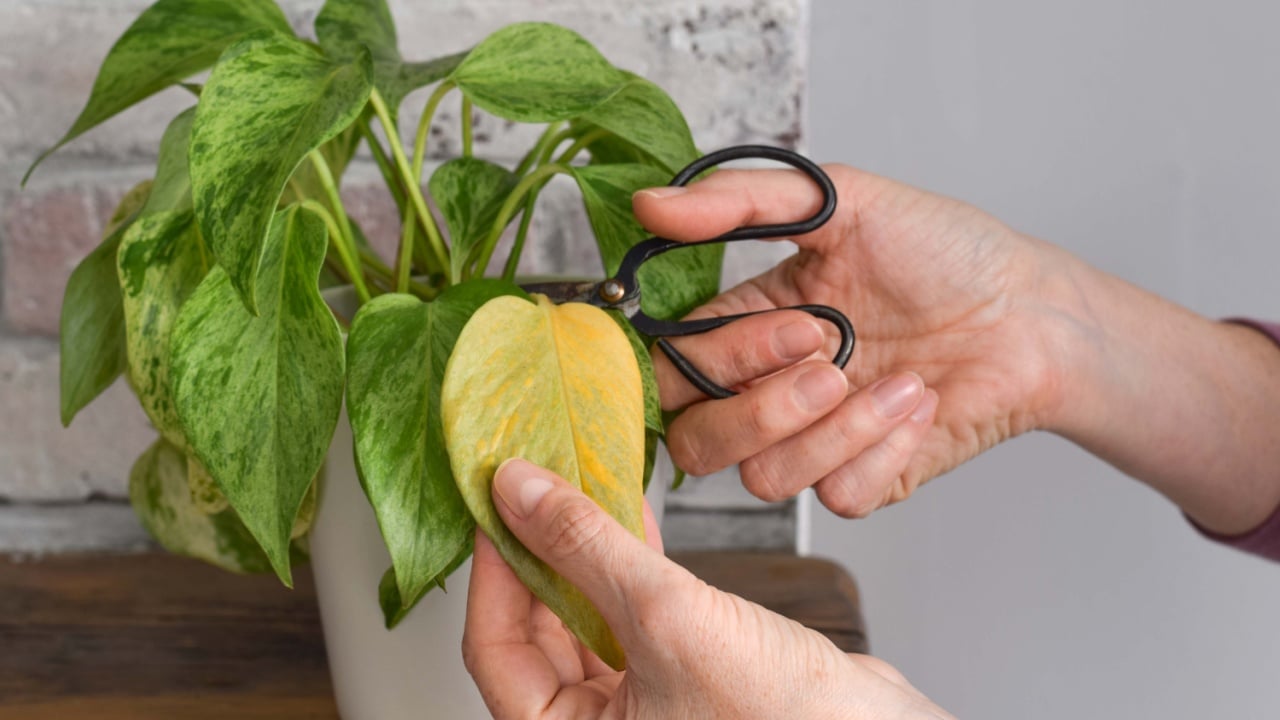
Giving your pothos a haircut can improve its health and appearance. Start by trimming away any yellow, brown, or completely dead leaves. Use a clean, sharp pair of scissors or pruning shears to make clean cuts. Removing damaged foliage allows the plant to redirect its energy toward producing new, healthy growth instead of trying to sustain dying leaves. This also improves air circulation around the plant, which can help prevent pests and disease.
This is also an excellent time to give the leaves a gentle cleaning. Dust can accumulate on the foliage, blocking sunlight and hindering the plant’s ability to photosynthesize effectively. Wipe down each leaf with a soft, damp cloth. For a very sad-looking plant, you can prune back some of the longer, leggy vines. This will encourage the plant to branch out and become bushier and more compact.
4. Evaluate the Pot and Soil
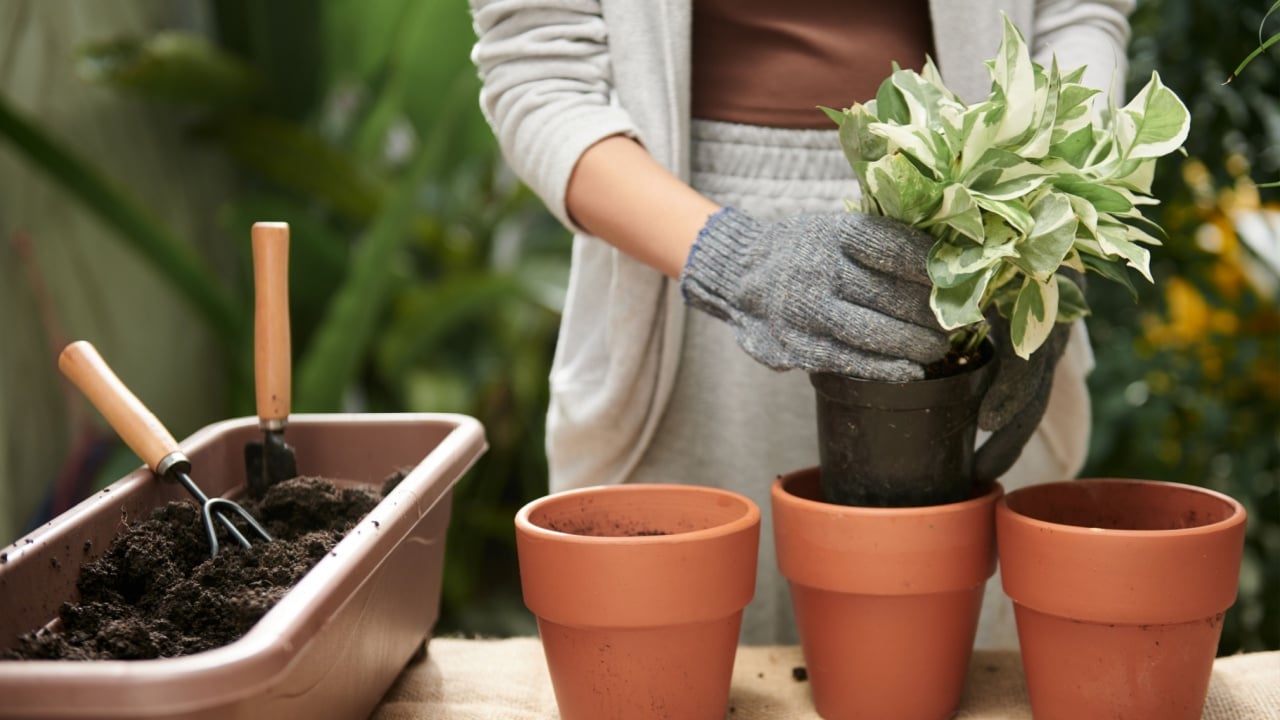
If you have addressed water, light, and pruning without seeing improvement, it might be time to look at the plant’s home. A pothos that has been in the same pot for years may have become root-bound, meaning its roots have filled the entire container and have no room to grow. You can check this by gently sliding the plant out of its pot. If you see a dense mat of roots circling the bottom, it needs a new home.
Choose a new pot that is only one or two inches larger in diameter than the current one and has drainage holes. Use a fresh, well-draining potting mix designed for houseplants. When repotting, carefully loosen the root ball and trim away any mushy, brown, or dead roots. Placing it in a new container with fresh soil gives the roots space to expand and provides the plant with a new supply of nutrients, setting it up for a successful recovery.
A Fresh Start
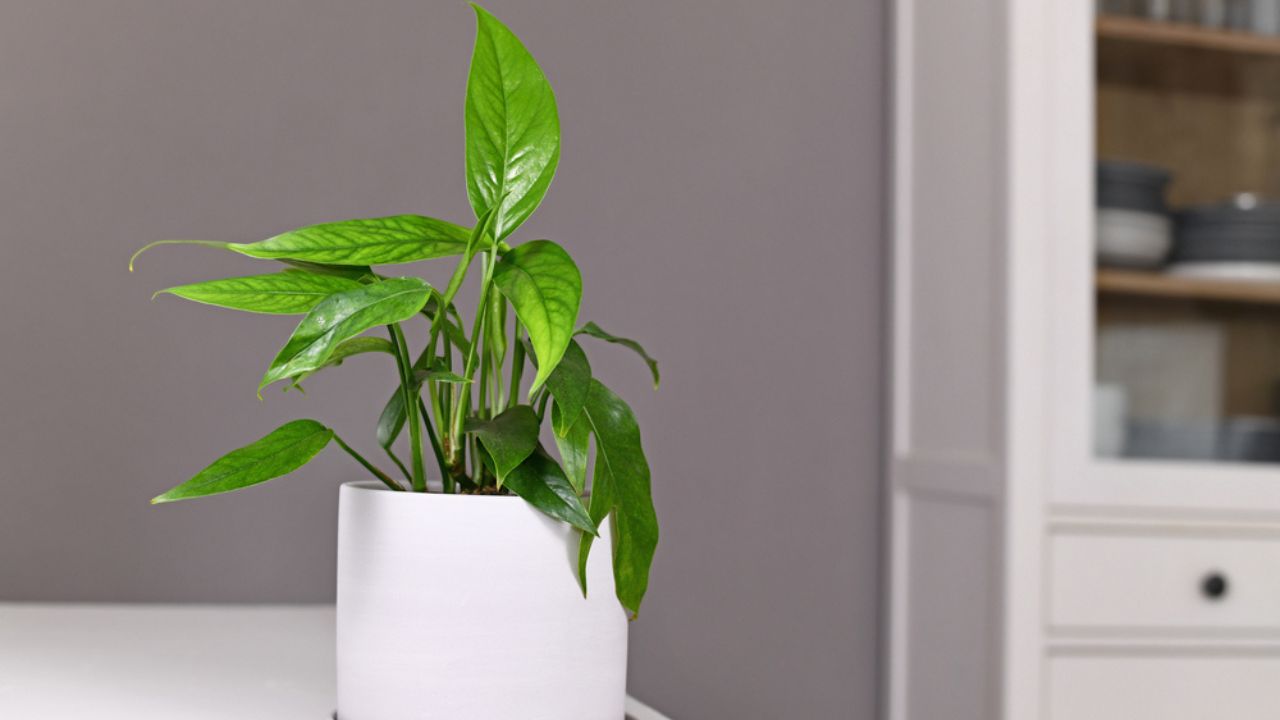
Once you have followed these steps, give your pothos some time to recover. Plant care is more about consistency than grand gestures. Continue to monitor its water needs, keep it in a spot with appropriate light, and dust its leaves periodically. Avoid fertilizing for at least a month after repotting or significant pruning to prevent shocking the sensitive roots.
By paying close attention to its basic requirements, you will provide a stable environment that supports strong, new growth. Soon enough, your plant will reward your efforts with the vibrant, cascading leaves you love.