
3 Simple Steps to Get Rid of Stale Winter Air
When the temperatures drop, we tend to seal our homes like airtight vaults to keep the warmth in. While this saves on heating bills, it creates a “stagnant box” effect where carbon dioxide, humidity, and volatile organic compounds (VOCs) from cleaning products and furniture accumulate. This “stale winter air” isn’t just an unpleasant smell; it may contribute to grogginess, headaches, and the growth of hidden mold (continuing the cycle of fogginess).
By taking a few intentional steps to refresh your indoor environment, you can boost your energy levels and ensure your sanctuary remains healthy until spring.
1. Practice the Art of Shock Ventilation

The primary method for clearing stale air is the German practice of Lüften, specifically Stoßlüften (shock ventilation). Instead of leaving a window cracked for hours, which chills your walls and wastes energy, you fling every window in the house wide open for a brief, intense burst of 5 to 10 minutes.
This method replaces the entire volume of air in your home quickly without allowing the “thermal mass” (your furniture and walls) to lose its heat. Once you shut the windows, the fresh, dry air warms up almost instantly using the residual heat in the room.
2. Master Cross-Ventilation

This involves opening windows on opposite sides of your home or apartment to create a powerful through-draft.
Standard ventilation can sometimes leave “dead zones” of air in corners. A cross-breeze improves airflow and pollutant removal compared to single-sided ventilation, depending on layout and conditions.
3. Introduce “Air-Purifying” Greenery
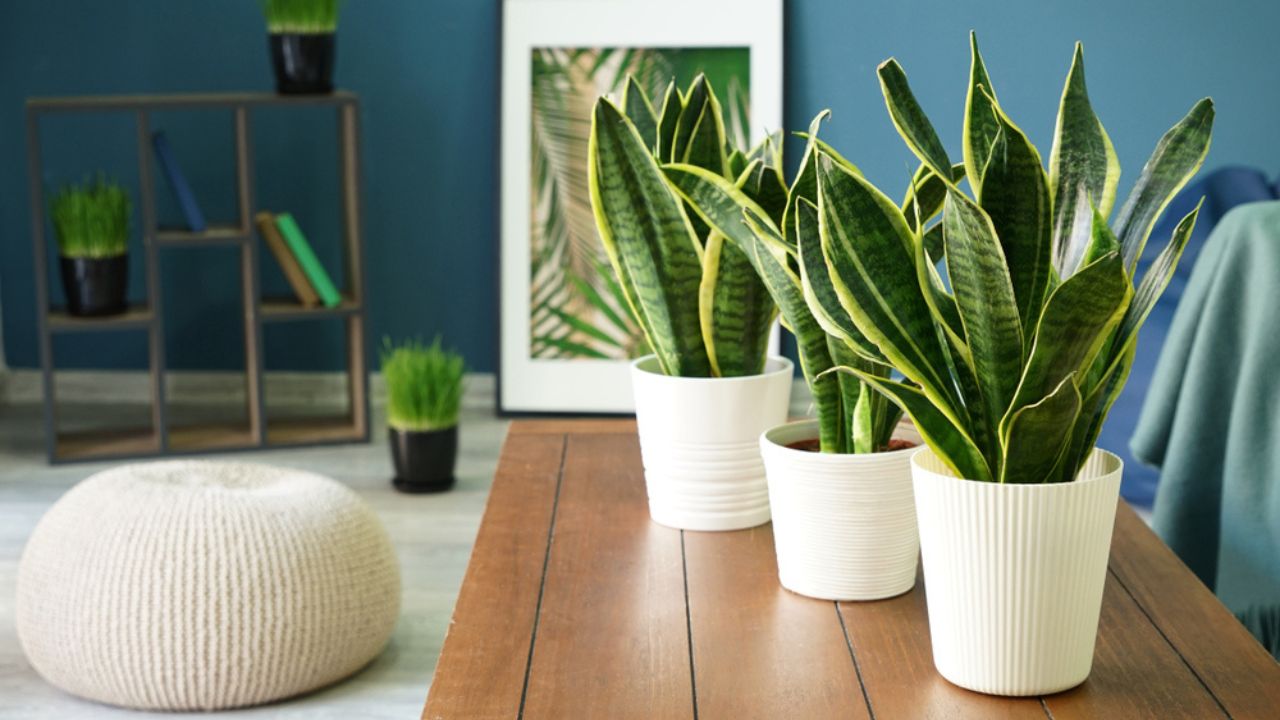
While ventilation is the fastest fix, houseplants provide a slow, steady “scrubbing” effect for your indoor air. Varieties like Snake Plants, Pothos, and Peace Lilies are resilient in lower winter light and are known to absorb trace amounts of toxins like formaldehyde.
Beyond air quality, plants increase humidity levels naturally through transpiration. This counteracts the bone-dry air caused by furnaces, which can irritate your nasal passages and skin.
Breathe Better All Winter Long

Refreshing your home’s air is a simple habit that pays dividends in sleep quality and mental clarity. As a next step, try implementing one “shock ventilation” session tomorrow morning as soon as you wake up. You’ll likely find that the crisp, cold air provides a better “wake-up call” than your second cup of coffee.