18 Gardening Mistakes That Are Costing You Hours Every Week
Every weekend you spend mowing, staking, deadheading, and watering plants that don’t deserve your time is a weekend that you’re not getting back. However, most experienced gardeners won’t tell you that most of that work isn’t required by nature.
It’s required because of the choices you made in your garden. Every high-maintenance garden is a collection of small decisions that could have gone differently, and June is the perfect month to start making better ones.
Whether you are newly retired and ready to simplify, or exhausted by a yard that demands more than it gives back, these 18 changes can dramatically reduce how much time and money you spend keeping things looking good.
Some require an afternoon of work this spring, while others require permission to stop doing something you never needed to do in the first place.
1. Stop Letting Your Lawn Run the Show
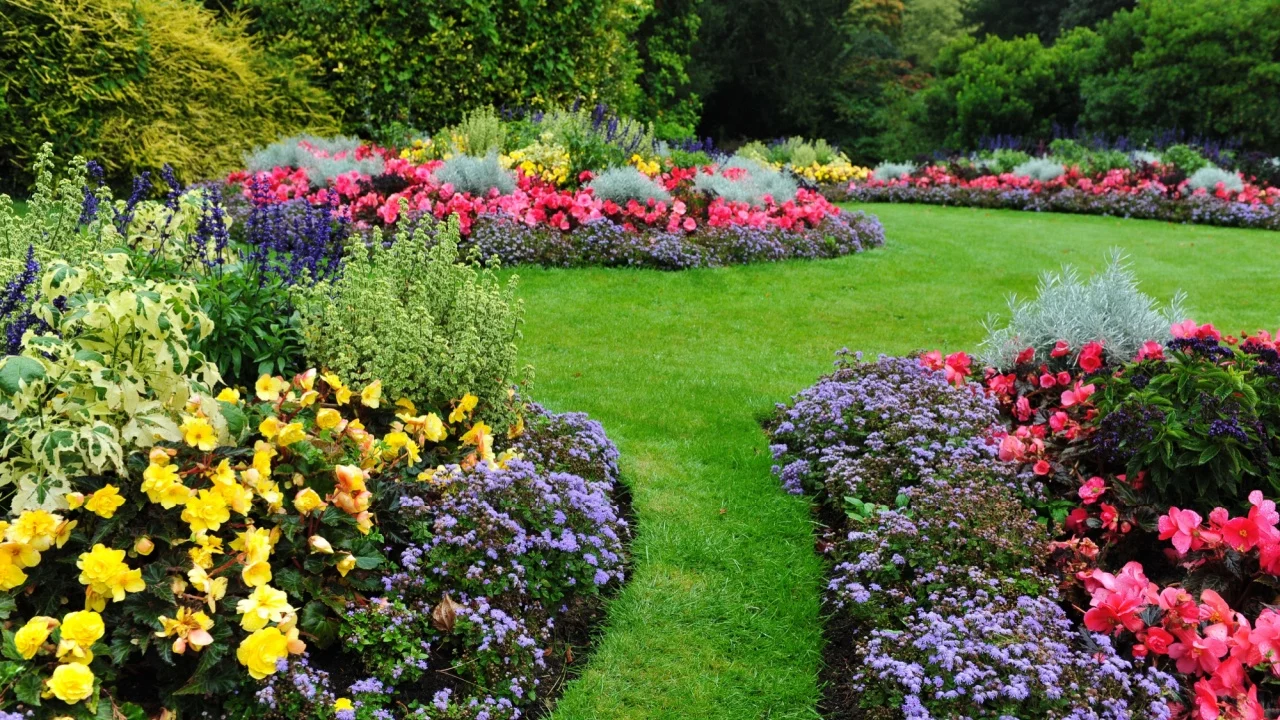
The traditional lawn is the single highest-maintenance element in most yards. It requires regular mowing, edging, watering, fertilizing, and seasonal repair. According to the Old Farmer’s Almanac, replacing even a portion of your lawn with groundcovers, wildflowers, mulched beds, or a patio dramatically reduces weekly workload.
The Royal Horticultural Society goes further, recommending that for small gardens without children, ditching the lawn entirely means you no longer need to store or maintain a lawnmower at all. Replacing 500 square feet of lawn with a gravel or groundcover bed can save up to 60 gallons of water per week during summer months.
2. Never Plant Without Knowing Your Soil First

Most struggling, high-maintenance gardens trace their problems back to a soil mismatch that could have been caught with a simple test. Garden Design’s expert Heather Blackmore recommends soil testing before any new planting: “A soil analysis will tell you what your soil pH is, what amendments you’re lacking, or things you don’t need.”
Spending just $15–$25 on a soil test from your local cooperative extension office can prevent years of feeding, rescuing, and replacing plants that were fighting their environment from day one.
3. Avoid the Plants That Work Against You (Roses, in Particular)
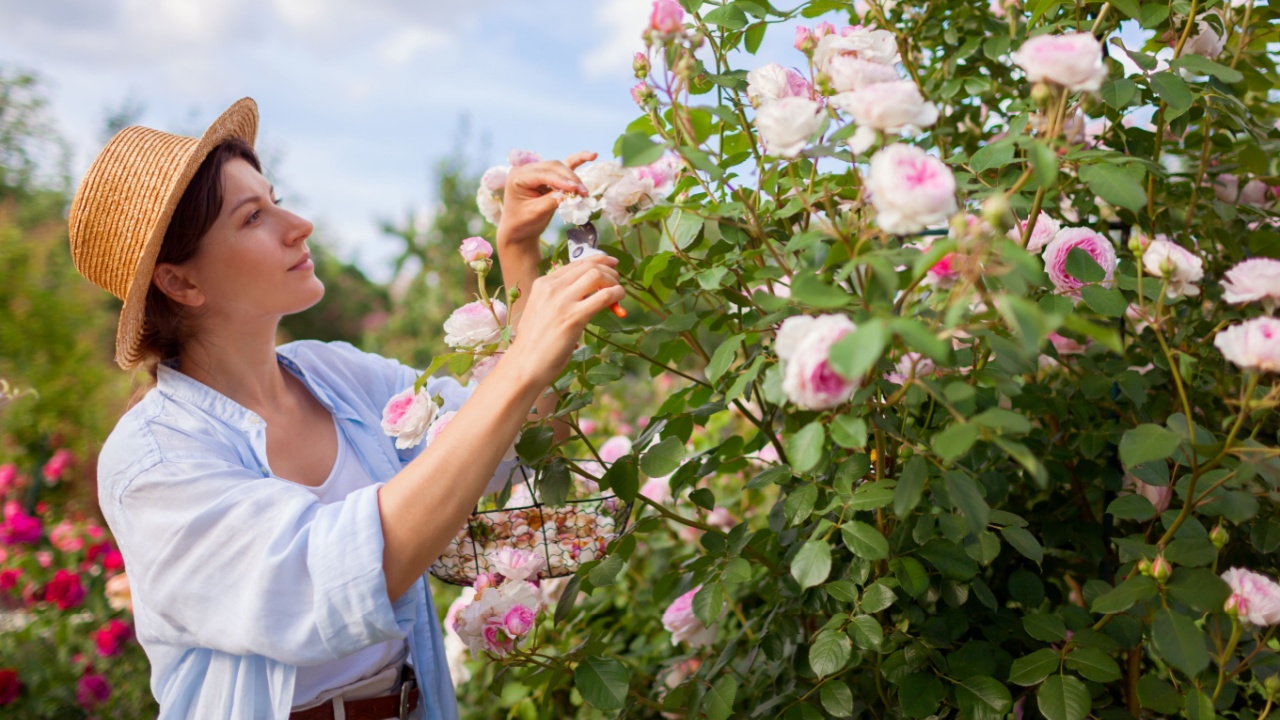
Some plants are simply not worth the labor they demand. Experienced garden designer Jora Dahl is direct: no plant in her garden has ever had five problems at once, except her roses. Cultivated roses are susceptible to aphids, black spot, rust, powdery mildew, and Japanese beetles, often simultaneously. They require regular spraying, pruning, and monitoring that can consume entire weekends.
Similarly, fast-spreading perennials like bee balm look beautiful in catalogs but require annual clump reduction to prevent them from overtaking neighboring plants. GardenMyths founder Robert Pavlis, who maintains a six-acre garden largely alone, recommends removing any plant that needs staking, aggressive containment, or pest management every single season.
4. Choose Native Plants
Your grandmother’s kitchen garden wasn’t low-maintenance by accident. The plants her generation favored were largely regional workhorses: tough, well-adapted, and able to survive without coddling.
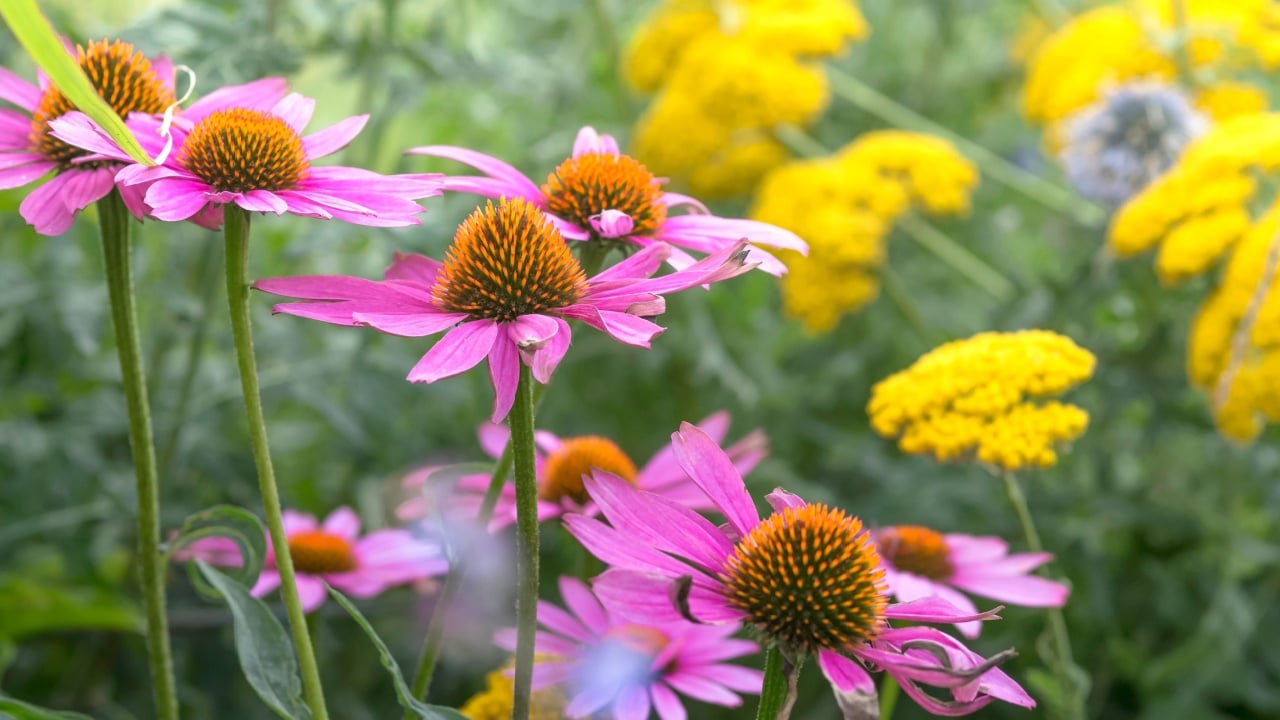
Native plants carry that same self-reliance. They have evolved to thrive in local soil, rainfall patterns, and temperatures, meaning they rarely need supplemental watering once established and naturally resist regional pests. The Old Farmer’s Almanac calls natives “always a good choice for the landscape because they adapt more easily than exotic species.”
Master gardener Stacy Ling, writing at Bricks ’n Blooms, adds that coneflowers, black-eyed Susans, and coreopsis are all drought-tolerant, pollinator-friendly, and nearly self-sufficient once in the ground.
5. Mulch Like Your Garden Depends on It
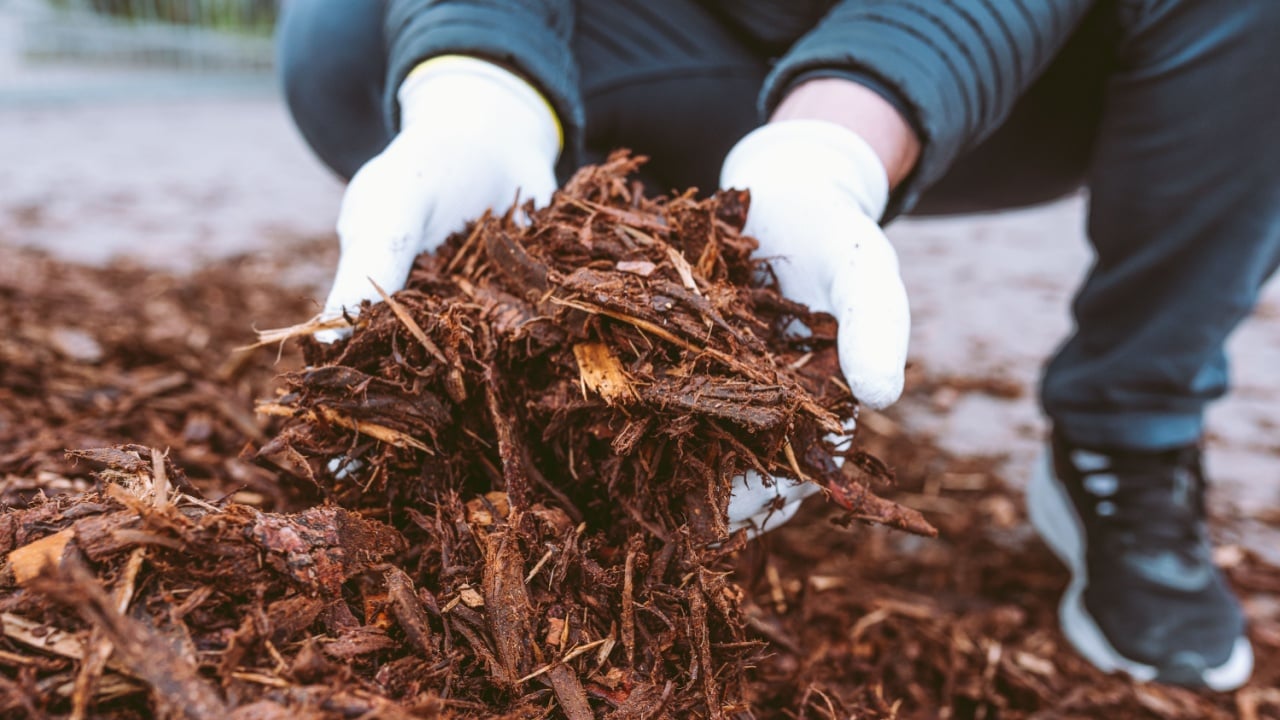
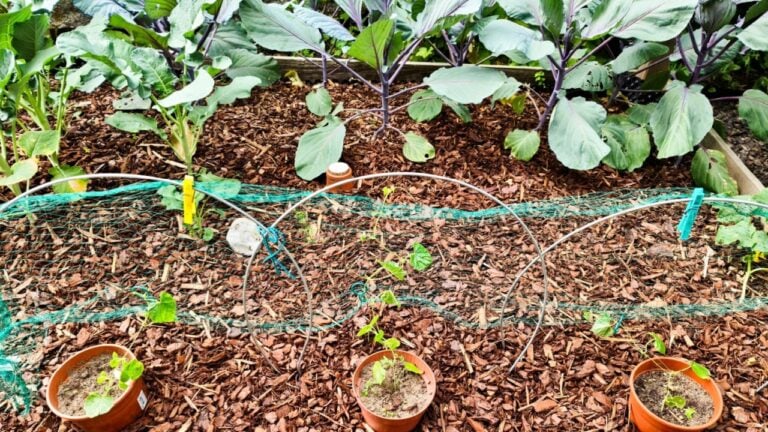
Mulch is the single most impactful low-cost change any gardener can make. A 2–3 inch layer of organic mulch, applied around plants each spring, suppresses weeds, retains moisture, regulates soil temperature, and feeds the soil as it breaks down.
Fine Gardening contributor Linda Yang maintained an acre-and-a-half garden largely on her own for decades, crediting organic mulch applied every spring as the habit that made it possible.
However, it’s important to note that cocoa shell mulch, while popular, contains theobromine, which is lethal for dogs and cats. The Old Farmer’s Almanac specifically warns pet owners to avoid it entirely. Bark mulch, shredded leaves, wood chips, and pine needles are all safe alternatives.
6. Stop Watering the Wrong Way
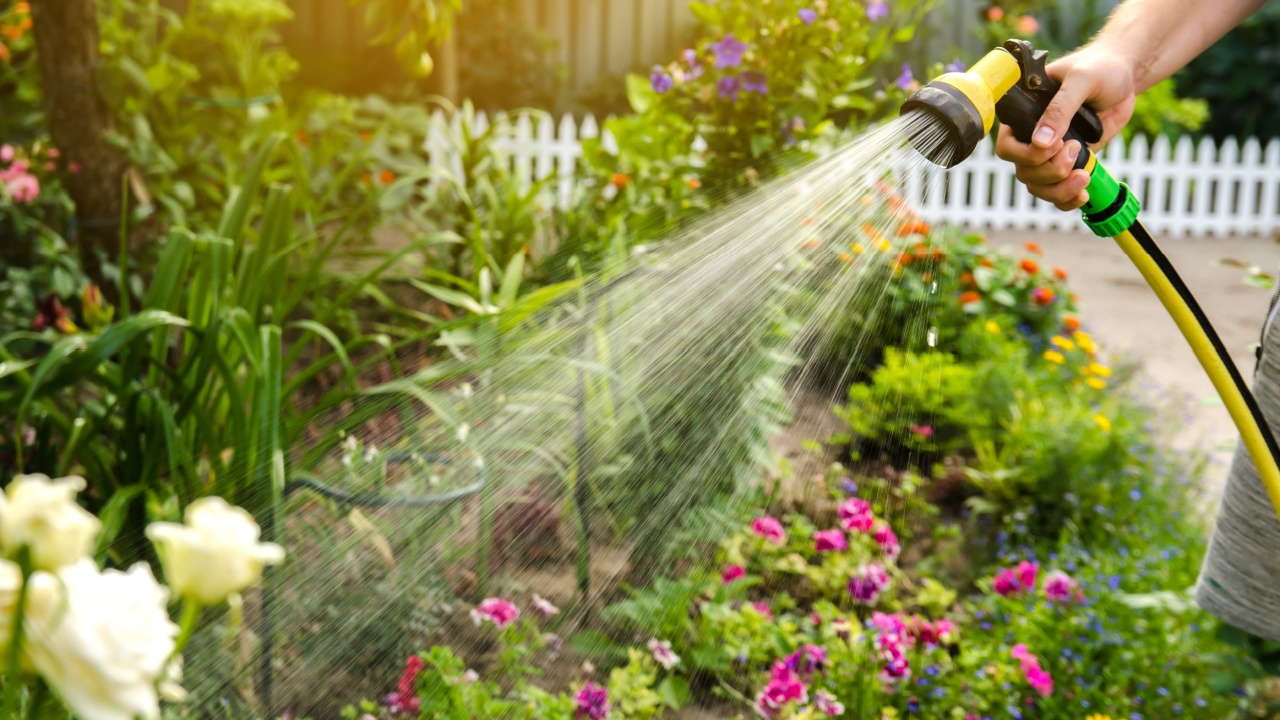
Most gardeners water too frequently and too shallowly, which produces shallow roots and plants that cannot survive a dry week without intervention. The solution is counterintuitive: water less often, but more deeply.
Deep, infrequent watering encourages roots to grow down toward stable moisture reserves, building genuine drought resilience. House Beautiful’s expert Marcus Eyles also notes that rainwater collected in butts is better for plants than tap water because of its lower pH.
Automating irrigation through drip systems or timers eliminates the daily task; Watters Garden Center’s Ken Lain notes that an automatic irrigation system means “your plants will never go thirsty when you’re out of town.”
7. Let Groundcovers Do the Jobs You Are Doing by Hand
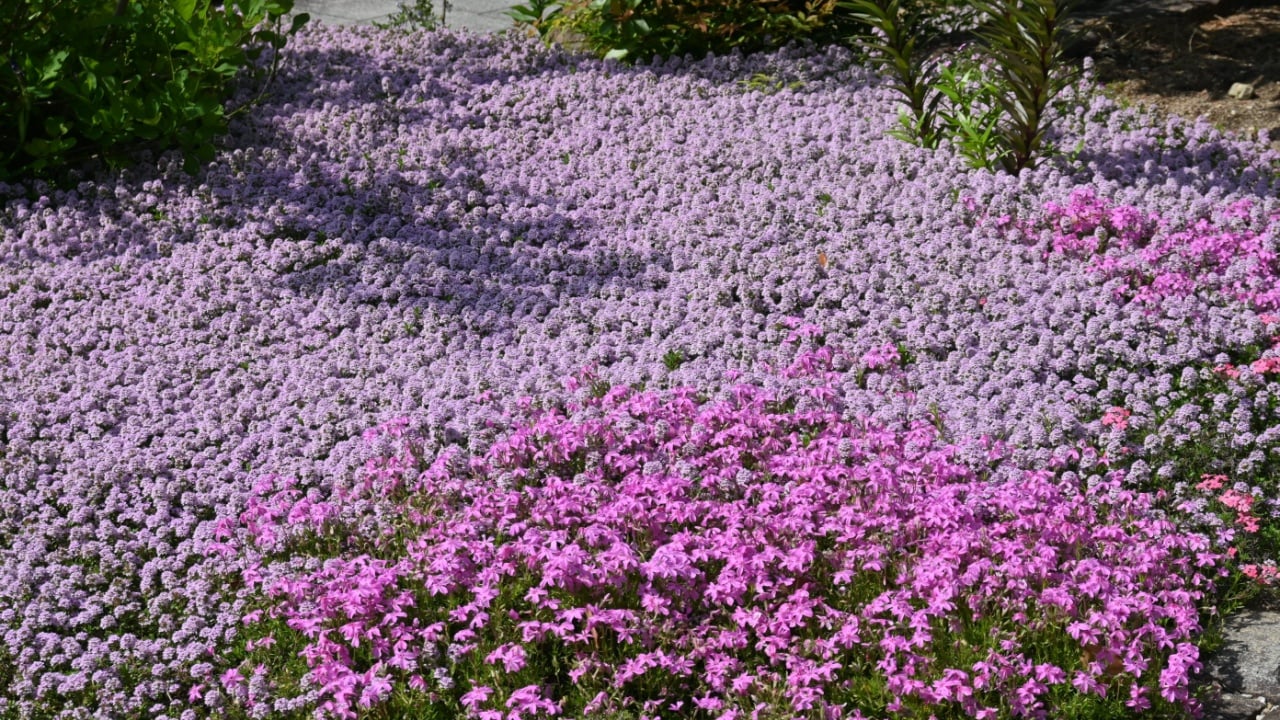
Bare soil is a weed invitation. Every patch of exposed ground in your garden will fill with something; the only question is whether you choose what fills it. Low-growing groundcover plants like Persicaria bistorta, Ajuga reptans, and creeping thyme knit together to close off bare soil, suppress weeds, and reduce evaporation simultaneously.
According to BBC Gardeners’ World, Persicaria bistorta flowers reliably from April through August with no deadheading required. One planting replaces years of hand-weeding.
8. Add Hardscaping and Stop Replacing What Doesn’t Last

Patios, gravel beds, stone paths, and pergolas require no watering, no feeding, and no replanting. Garden Design notes that while hardscaping involves an initial investment, these features reduce the amount of maintenance over time and cost less in the long run than materials that need seasonal replacement.
Trading a high-maintenance corner of the garden for a paved seating area also adds usable outdoor living space. Choose permeable pavers where possible; they allow rainwater to drain naturally, reducing runoff management.
9. Do Your Garden Cleanup in Spring, Not Fall
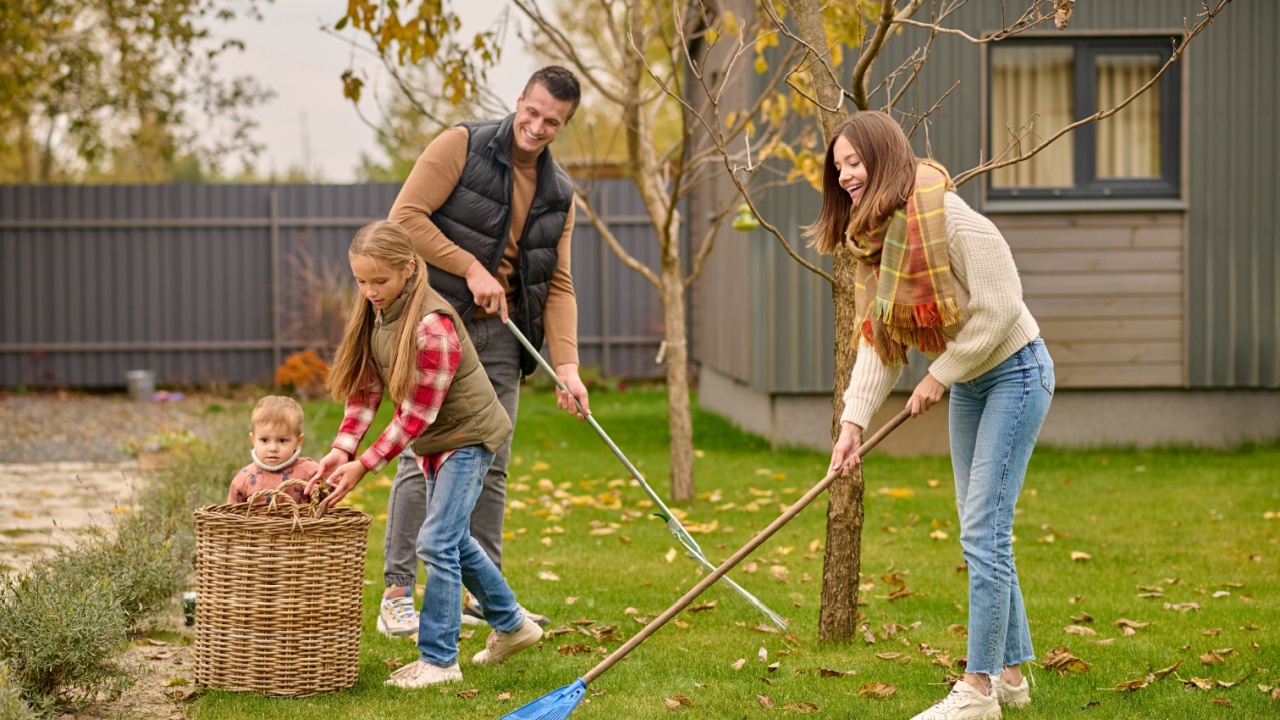
This is one of the most counterintuitive changes experienced gardeners make, and one of the most liberating. Clearing beds in the fall means cutting back every perennial at its most upright. Waiting until spring means most of those stems have already fallen flat on their own, requiring far less cutting.
GardenMyths’ Robert Pavlis also notes that leaving seedheads and stems standing through winter provides food and shelter for birds and beneficial insects. There is no aesthetic downside; naturalistic winter gardens are increasingly celebrated. Simply rake or press down whatever remains in early spring before new growth emerges.
10. Stop Staking Plants

Staking is one of the most labor-intensive recurring tasks in a perennial garden, and it is entirely optional if you choose the right plants. Any perennial that consistently needs staking is telling you it is in the wrong location or is the wrong plant for your conditions.
Replacing floppy, top-heavy plants with self-supporting varieties immediately removes that chore from your seasonal list. GardenMyths recommends checking whether a plant needs staking before buying it, not after it falls over for the third consecutive summer.
11. Group Plants by Need, Not by Color
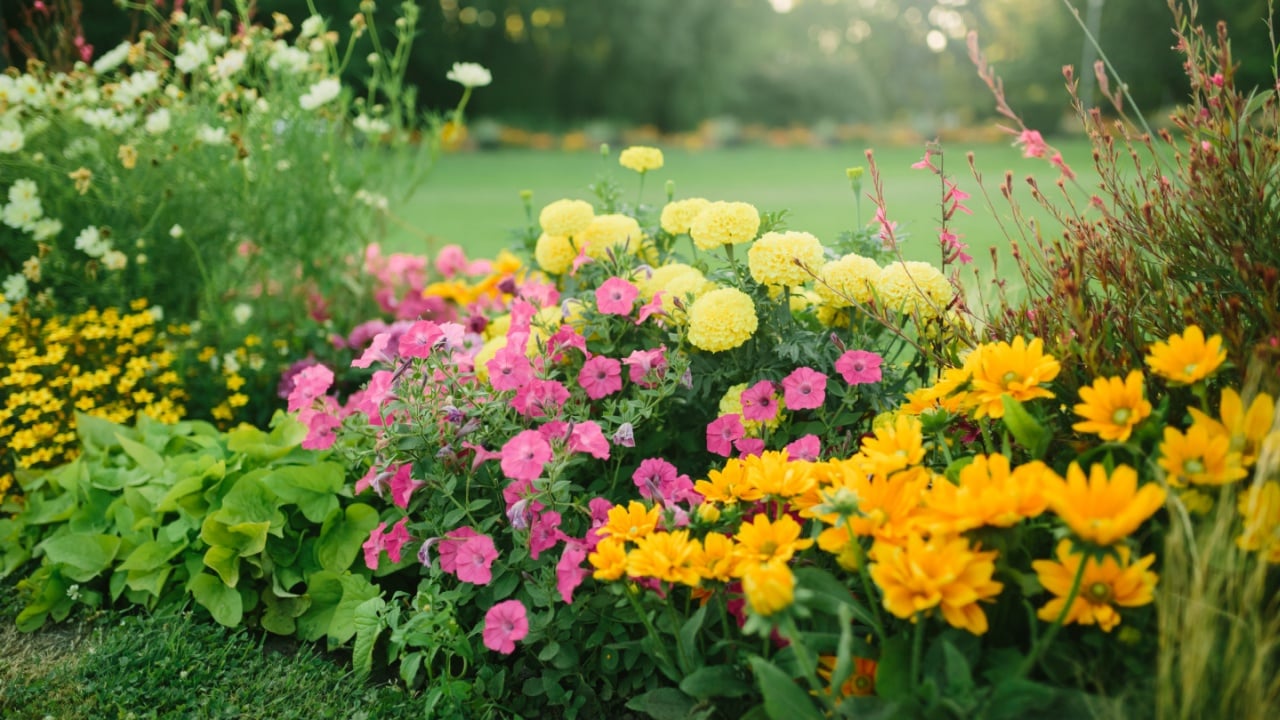
A border planted for visual effect, with no regard for water or nutrient compatibility, requires individualized care for every plant in it. Grouping plants with the same sun, soil, and water requirements means a single watering or fertilizing pass serves the entire bed.
The Old Farmer’s Almanac recommends this as a foundational time-saving strategy. Ornamental grasses paired with drought-tolerant perennials like sedum, catmint, and rudbeckia create beds that thrive on the same minimal schedule.
12. Let Climbers Carry Their Weight
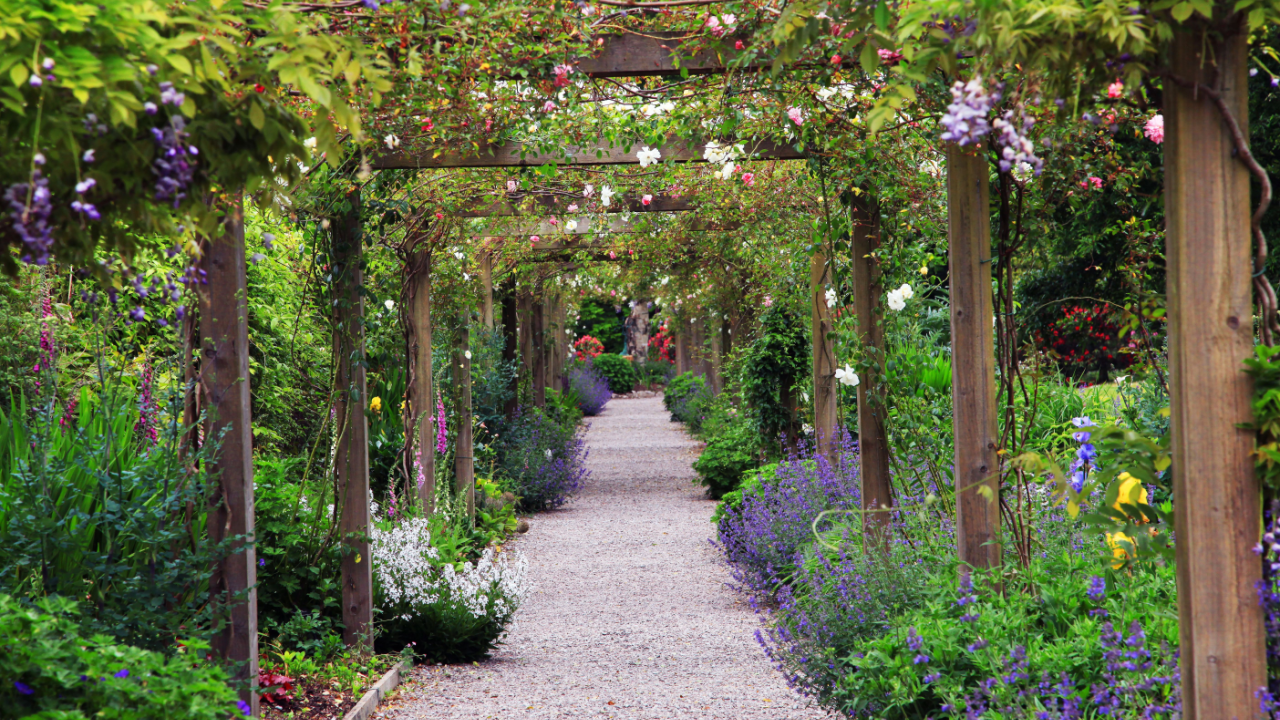
Walls and fences covered in self-clinging climbers require almost nothing from the gardener once established. The RHS highlights ivy, Virginia creeper, and climbing hydrangea as examples of climbers that attach directly to surfaces without wires or trellis.
The only setup tip: paint or stain the surface before planting, since the climber will make access difficult afterward. These plants extend your growing space vertically and provide year-round structure with minimal intervention.
13. Trade Small Pots for Large Ones
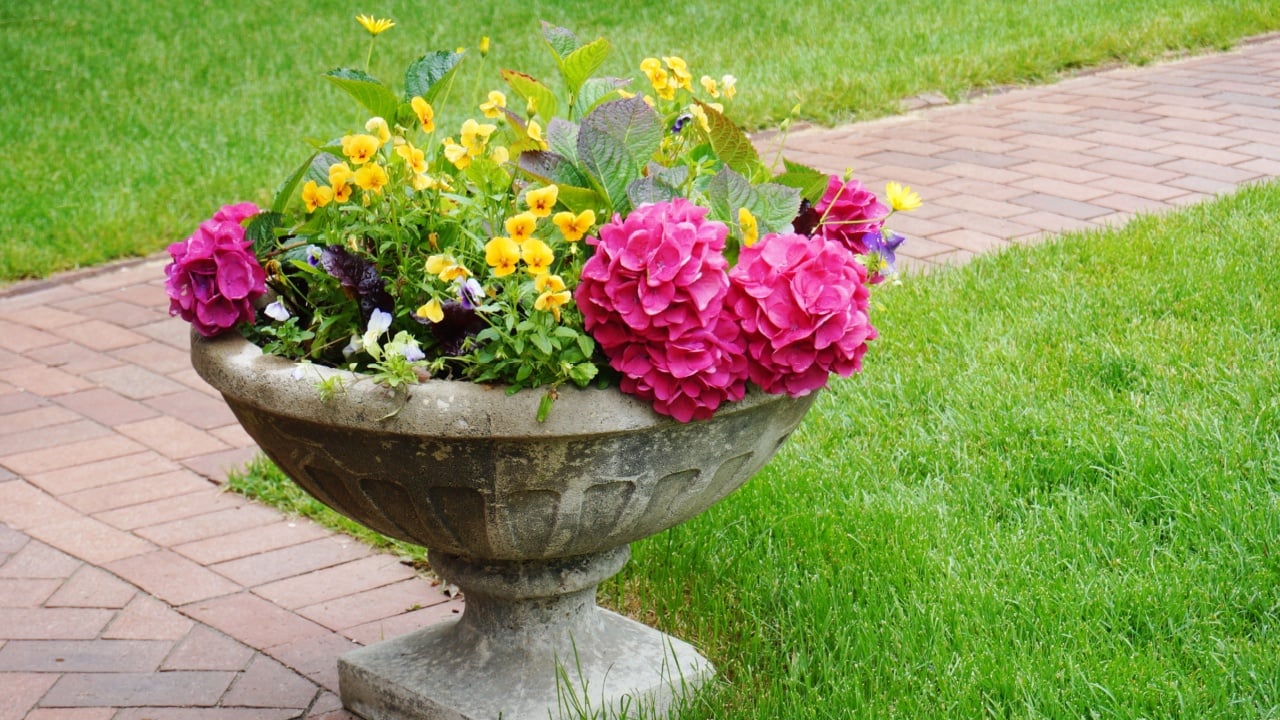
A collection of small containers requires daily watering in warm weather; a few large ones need attention only every few days. The Royal Horticultural Society describes this as a general rule: the smaller the pot, the faster it dries out.
Grouping several plants in one large planter not only reduces watering frequency but also creates a more visually impactful display. For gardeners with mobility limitations, large raised planters also bring soil to a more accessible height.
14. Swap Annuals for Perennials and Save Hundreds Every Year
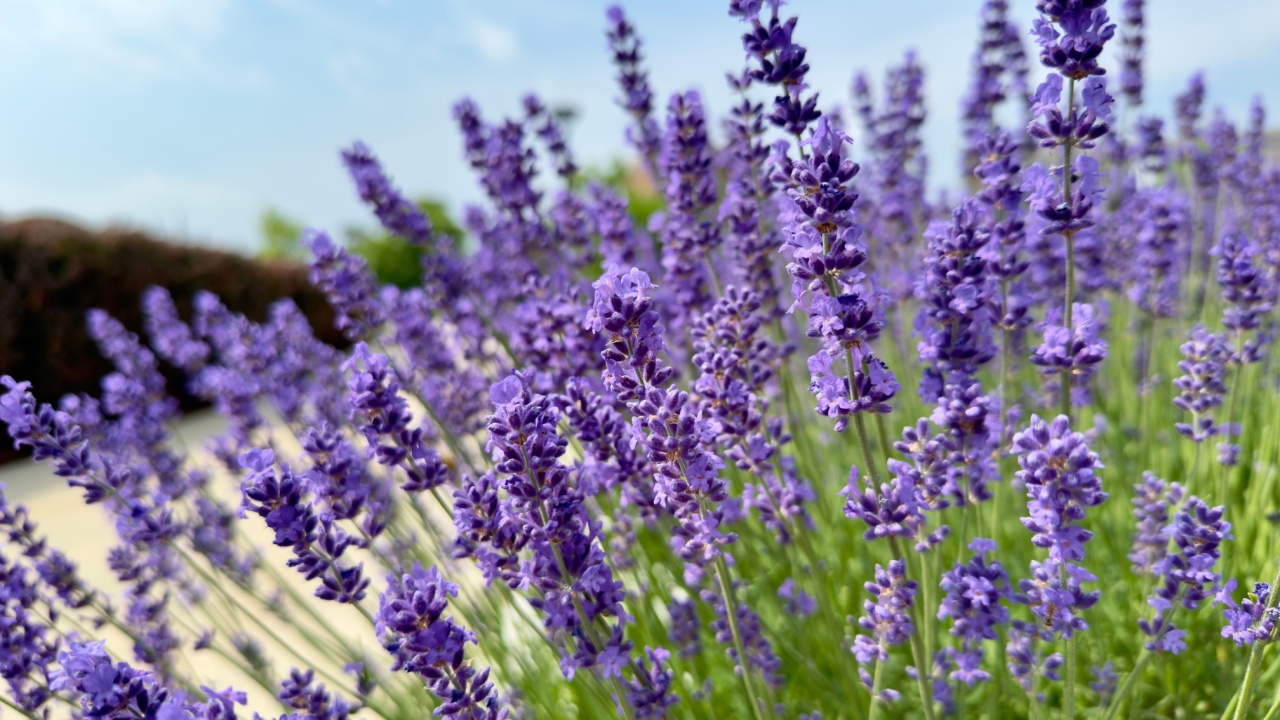
Annuals are expensive, labor-intensive, and temporary. Replacing even a portion of your annual plantings with well-chosen perennials eliminates the cost of buying new plants each spring, the labor of replanting, and the seasonal gaps that follow.
BBC Gardeners’ World notes that strawberries, gooseberries, rhubarb, and currants all produce reliable harvests with almost no attention after establishment. Ornamental perennials like hardy geraniums, erigeron, and hellebores perform year after year. For gardeners who are re-evaluating how they spend time outdoors, this single swap can reclaim entire weekends every spring.
15. Install Permanent Edging Once and Never Trim Again
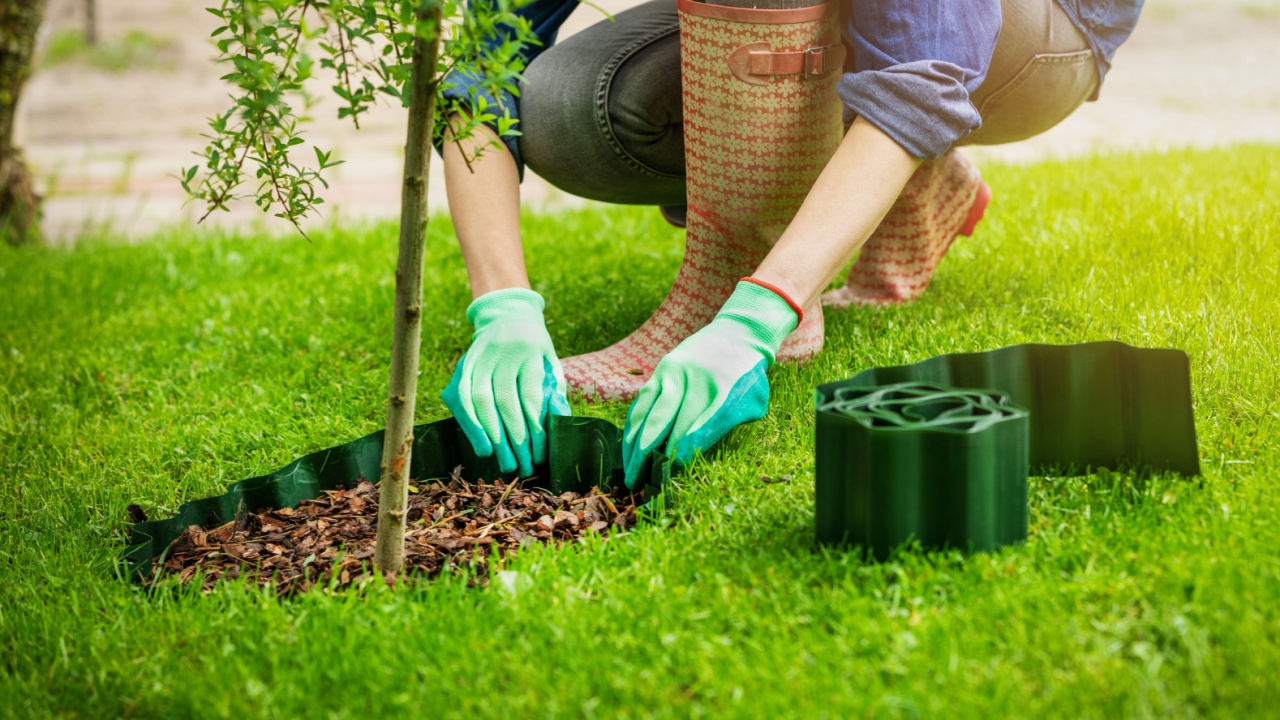
Clean lawn edges require repeated trimming after every mowing; a permanent edging solution eliminates that task. The Royal Horticultural Society recommends a run of bricks or paving stones set at lawn level. Garden designer Jora Dahl installed Corten steel edging in her Hamburg garden: invisible once settled, and completely effective at separating beds from lawn without any ongoing maintenance. A one-time afternoon installation saves hours of trimming every single season for years to come.
16. Place High-Effort Plants Close to the House
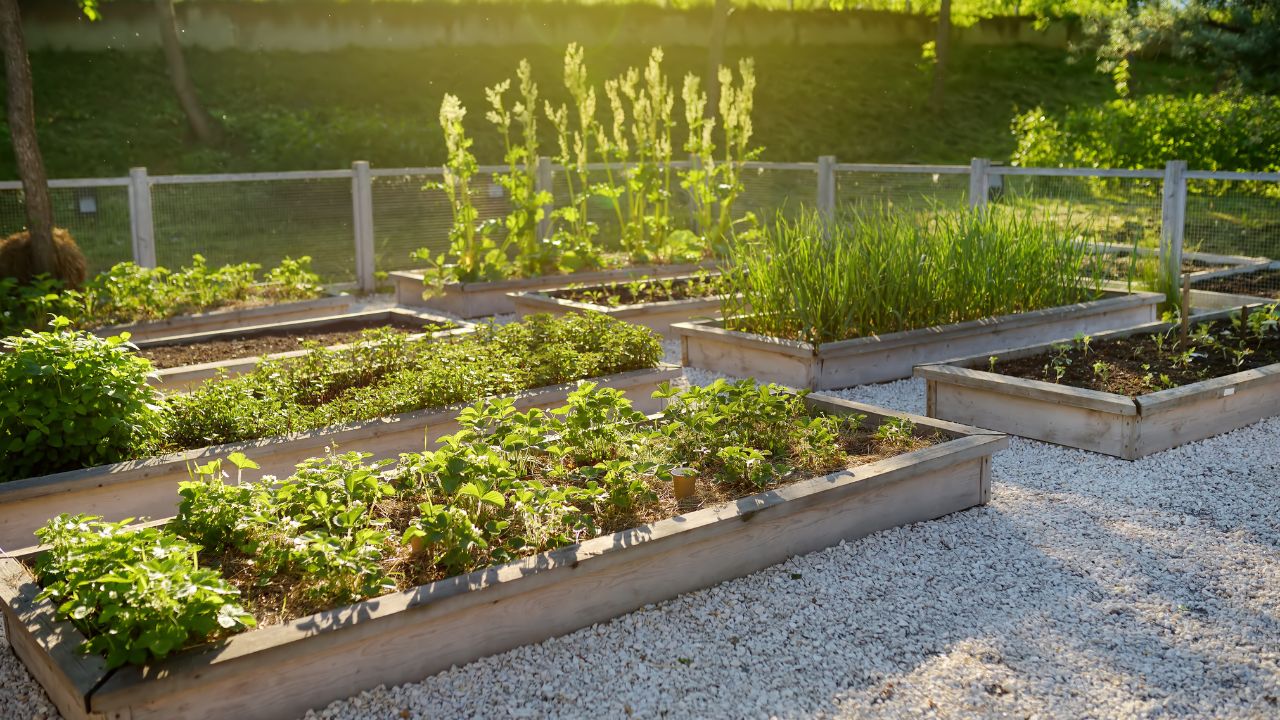
This is a professional design principle rarely shared in mainstream gardening advice. Garden designer Jora Dahl learned it from studying historic stately gardens, where the most elaborate plantings were kept near the house or terrace, visible from where people actually sat and walked. Everything further away was planted with low-maintenance perennials and shrubs.
Apply the same logic at home: keep dahlias, annuals, or any plant that needs frequent attention within easy reach of the back door. Remote beds get the self-sufficient plants. The effort stays where you actually spend time.
17. Try the “Chop and Drop” Method Used at Sissinghurst
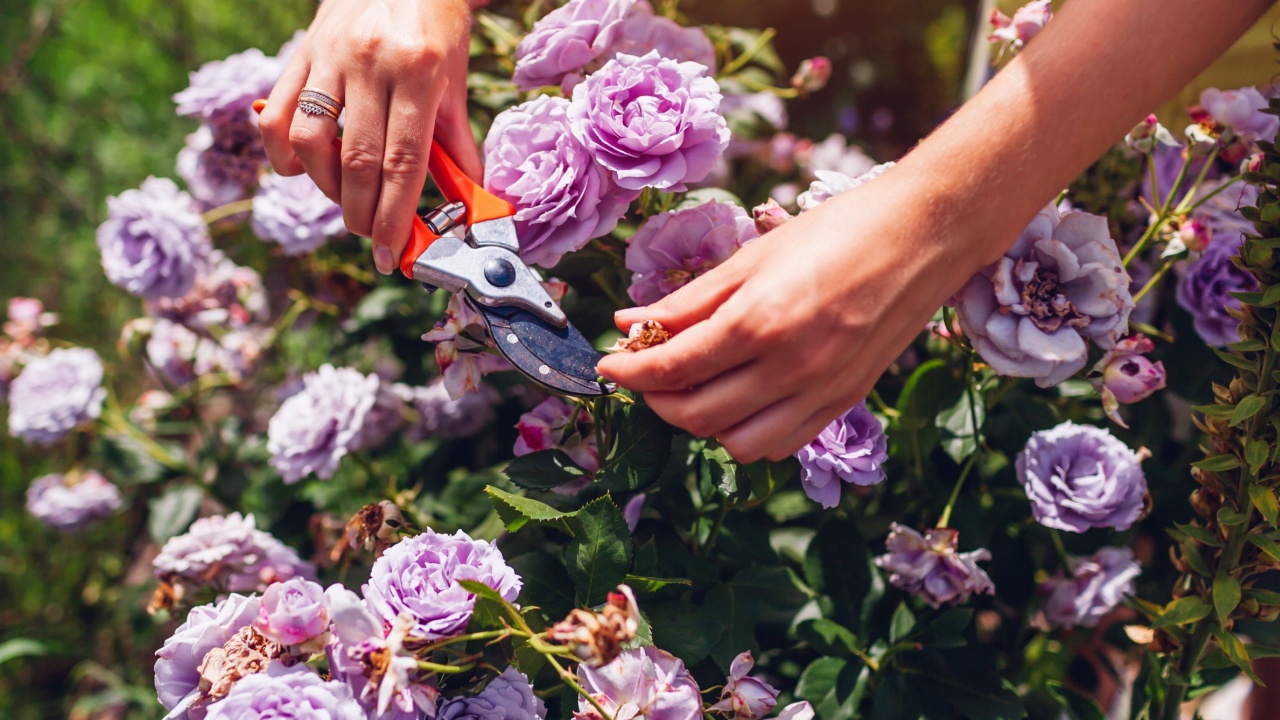
The head gardener at Sissinghurst Castle in Kent, one of England’s most celebrated gardens, uses a technique called “chop and drop,” where deadheaded flowers and cut perennial stems are simply left in the border to decompose.
According to Gardens Illustrated, this practice saves the garden team significant time and energy while simultaneously feeding the soil and protecting it from temperature extremes. The instinct to bag and remove every clipping is a habit, not a requirement; abandoning it is one of the highest-impact low-effort changes available.
18. Accept Imperfection and Let the Garden Breathe

The image of the perfectly manicured garden is a professional production. As the Royal Horticultural Society notes, learning to love a degree of wildness is not just permitted; it is part of how a genuinely low-maintenance garden is designed. Cracks in paving colonized by low-growing plants, seedheads left for birds, a fallen leaf left where it lands: these are signs of a garden that is working with nature rather than against it.
There is deep satisfaction in a space that asks little and gives much. Your grandmother knew this. The best gardeners alive today know it too. June is a fine month to start remembering it.
Read more:
Direct Sow These 9 Seeds in June Before the Window Closes for Good
June Is National Pollinator Month. Are You Accidentally Harming the Bees You Want to Help?