17 Gardening Lessons from Experts Who Learned the Hard Way (So You Don’t Have To)
Most gardeners don’t fail because they have a bad green thumb. They fail because no one ever told them the things experienced gardeners treat as non-negotiable before a single plant goes in the ground.
What beginners often don’t realize is that gardening isn’t just about plants — it’s about understanding patterns, timing, and the natural systems happening right under your feet. The gardeners who seem effortlessly successful aren’t lucky; they’ve simply learned, often through painful trial and error, what truly matters long before choosing a plant or digging a hole. These foundational lessons are rarely included on seed packets or plant tags, yet they determine whether your garden thrives or fails.
And while it’s easy to blame a “bad green thumb,” most failures come from missing information, not missing talent. Once you know what experienced gardeners pay attention to — light, soil, timing, spacing, wildlife, and the realities of your climate — everything becomes easier. Your confidence grows, your plants grow, and your garden starts to feel less like guesswork and more like a partnership with nature.
After years of costly mistakes, expensive do-overs, and hard-won wisdom, here are 17 gardening lessons learned the hard way so that you can skip straight to the good part.
1. Never Trust Your Eyes. Map Your Light Conditions First
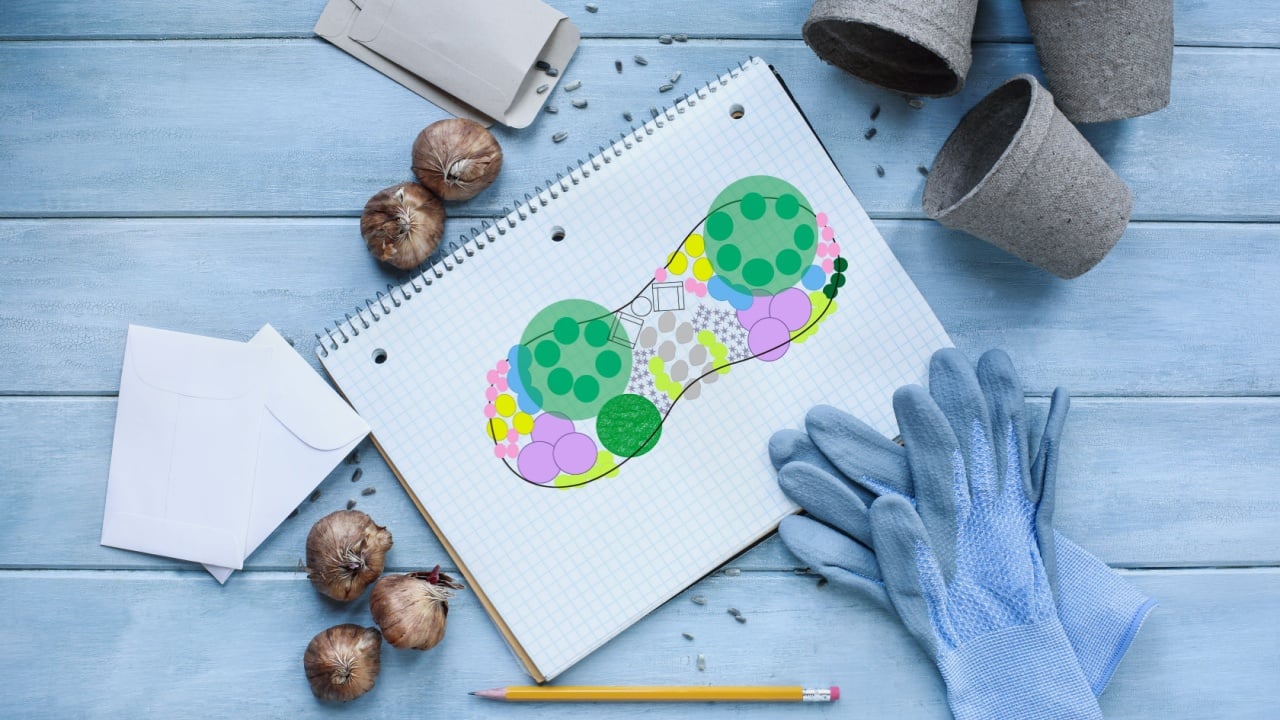
The shadow patterns in your yard change dramatically between seasons, and what looks like a sunny bed in October can become deeply shaded by May once nearby trees fully leaf out.
For exactly this reason, experienced gardeners consistently recommend living in a new yard for at least one full growing season before making major planting decisions. Planting a sun-loving shrub under a bare deciduous tree in fall and discovering it is smothered in shade by June is an easy, avoidable, and expensive mistake.
As master gardener Jodi Cahillane of Ward’s Nursery notes in The Spruce, gardening success begins with placing the right plants in the right place, and you cannot know the right place until you know where your light actually falls, month by month.
2. Stop Treating Soil Like Dirt (It’s a Living Ecosystem)
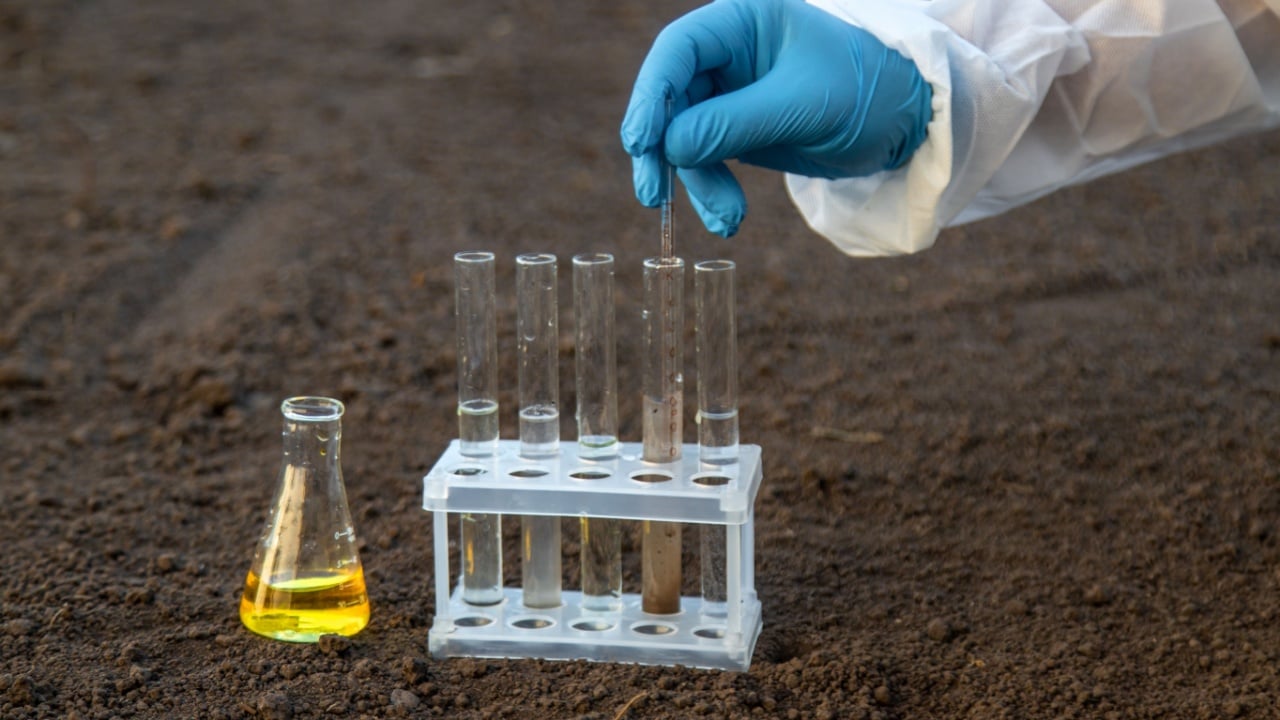
Soil is not inert dirt. It is a complex, living ecosystem full of microorganisms, nutrients, and biological processes that determine whether plants thrive or struggle. “Test your soil,” urges gardener Stephanie Nicole, featured by Gardening Know How. “You can do everything right and still fail if you don’t know what’s going on in your soil.”
Inexpensive soil testing kits are available through county cooperative extension offices across the country. A test costs less than $20 and can save hundreds in failed plants. Joe Lamp’l of Joe Gardener puts the principle plainly: “If I had 10 hours to devote to planting a garden, I’d spend nine of them preparing the soil.”
3. Never Plant Bamboo in the Ground
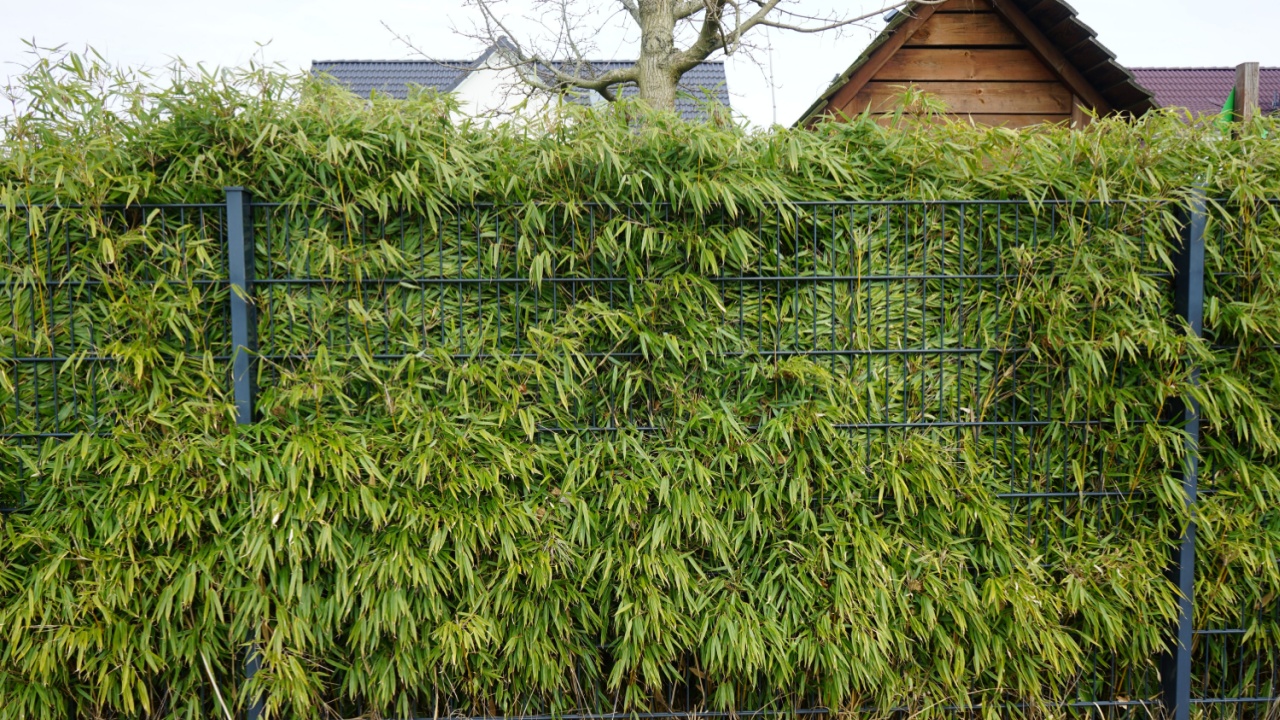
This is the single most regretted planting decision in gardening communities, and the consequences can reach $20,000 or more.
Bamboo spreads via underground rhizomes that travel far beyond the original plant and can invade neighboring properties, requiring professional removal that is neither cheap nor fast.
Always contain bamboo in a buried pot or reinforced barrier, or choose a non-invasive ornamental grass instead.
4. Avoid These Other Invasive Plants Before They Cost You Thousands
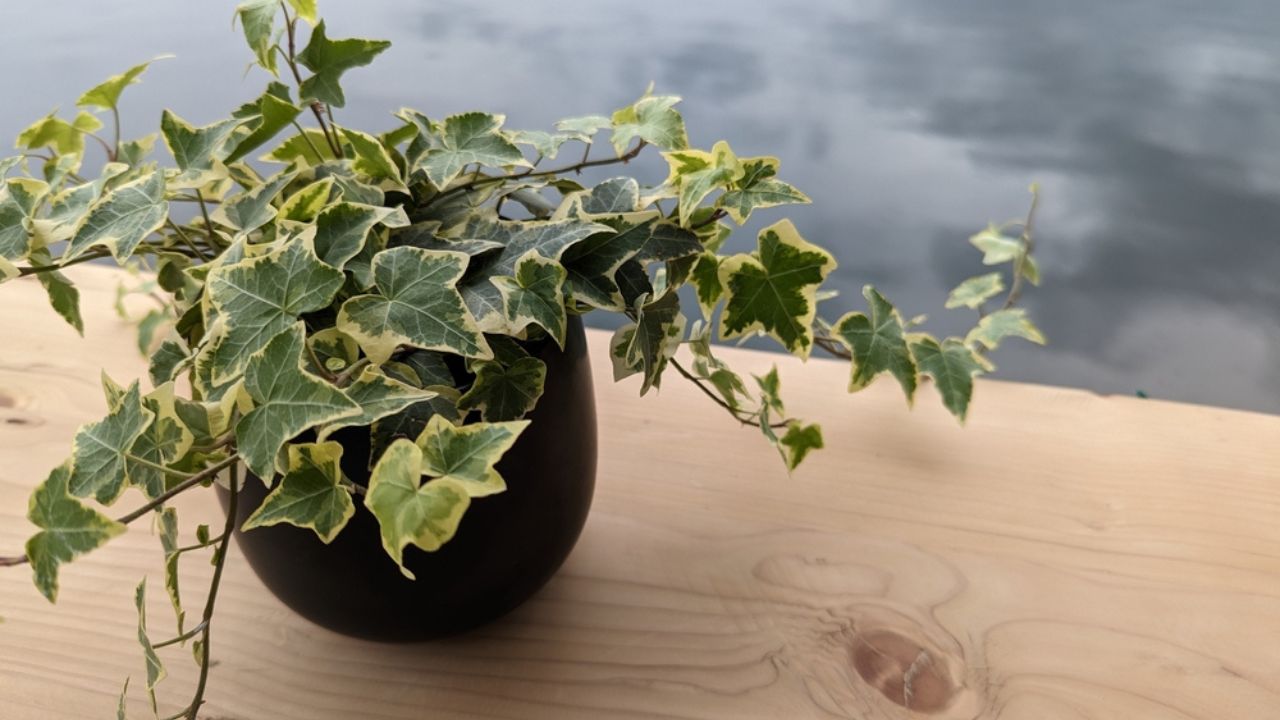
Bamboo gets the most attention, but mint, English ivy, and toadflax are nearly as difficult to control once established. The worst invasive plants spread through underground root systems that must be removed entirely; leaving even a small fragment behind means the plant regrows.
The UC Master Gardener Program advises gardeners to always search “Is [plant name] invasive in [your location]?” before purchasing any plant that promises rapid coverage or growth.
5. Don’t Plant Before Your Last Frost Date, No Matter How Warm It Feels
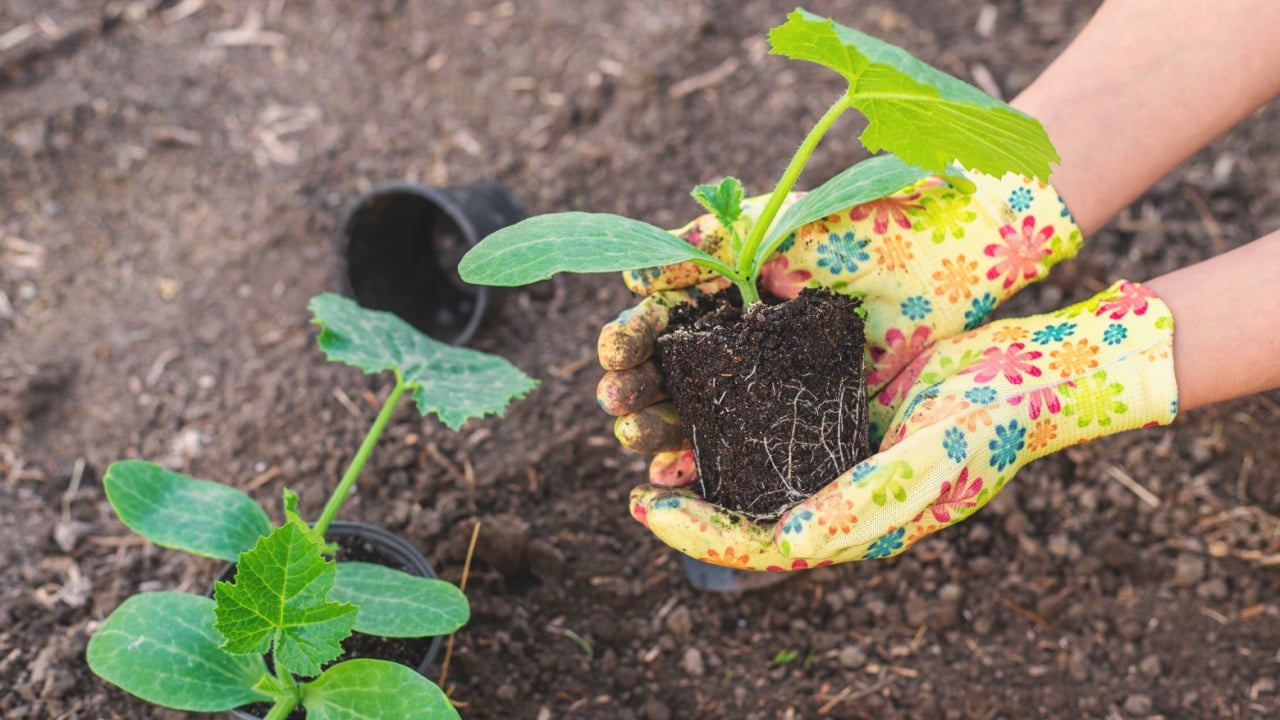
April is the month that fools the most gardeners into planting too early. After a run of warm, sunny days, the temptation to get seedlings in the ground is overwhelming, but “there will always be one more frost,” as gardener Emma Thompson states in Gardening Know How.
Average last frost dates are averages, not guarantees; a hard frost two weeks after the “safe” date can wipe out an entire season’s seedlings overnight. When in doubt, wait an extra week or two.
6. Stop Overwatering. It’s Killing Your Plants

More garden plants are killed by too much water than by too little.
Tomatoes watered erratically in excess develop blossom end rot; lavender, succulents, and other drought-tolerant plants develop root rot in consistently wet soil. The simple rule is to push a finger two inches into the soil before watering containers; if it still feels moist, wait.
BBC Gardeners World Magazine identified overwatering as one of the ten most common gardening mistakes of 2024.
7. Never Buy a Plant Without Reading the Tag First
The plant tag is the most important piece of paper in a garden center, and it is the most commonly ignored. Buying a climbing rose for a compact border bed, or a full-sun perennial for a shaded corner, because the flower was beautiful in the moment, is a mistake gardeners make again and again.
In the 1960s, world-renowned gardener Beth Chatto coined the phrase “right plant, right place”, and it remains the single most universally cited lesson by experienced gardeners today.
8. Rip Out Plants That Don’t Belong (And Stop Feeling Guilty About It)
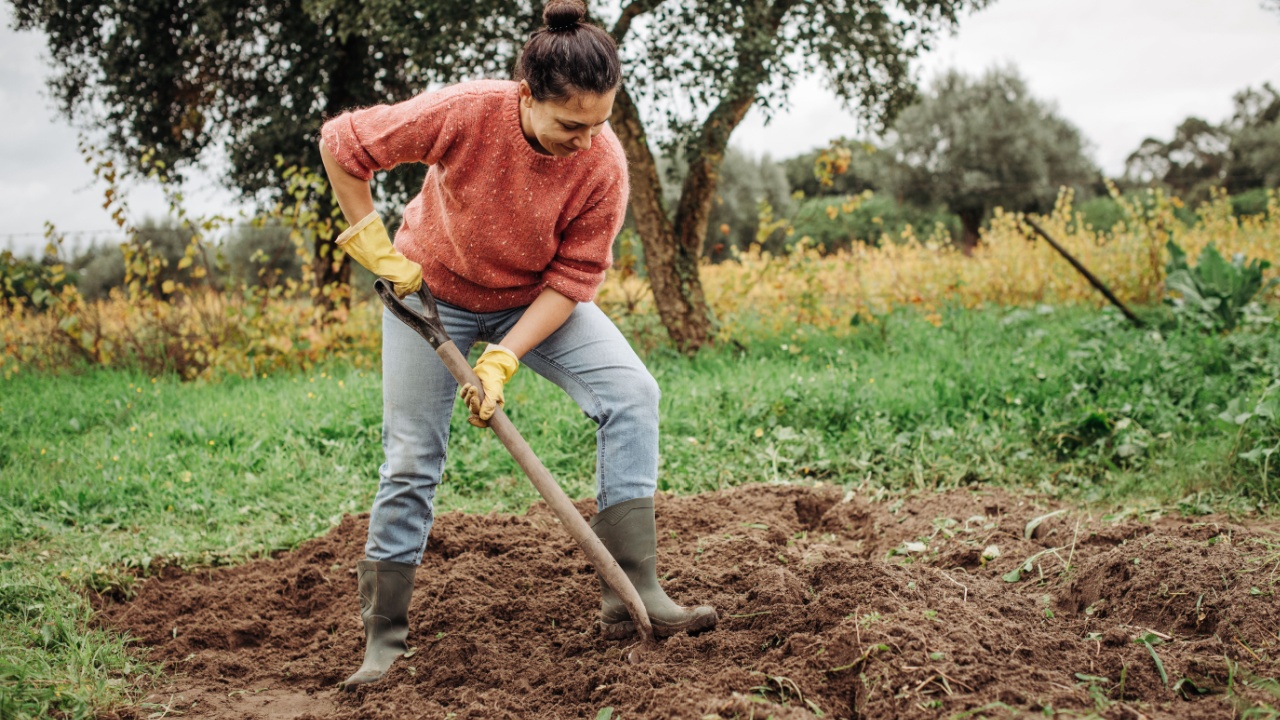
One of the most liberating realizations in gardening is that removing a plant that isn’t working is not failure; it is smart stewardship. Whether it’s hollyhocks that attract Japanese beetles every year, an overgrown shrub in the wrong spot, or an ornamental that has simply stopped bringing joy, pulling it out creates space for something that actually thrives in your conditions.
As Morgan of Wyoming put it in Garden Design: “I learned that it is okay to replace the old and underperforming with new plants that I hope will flourish.”
9. Never Let Weeds Go to Seed
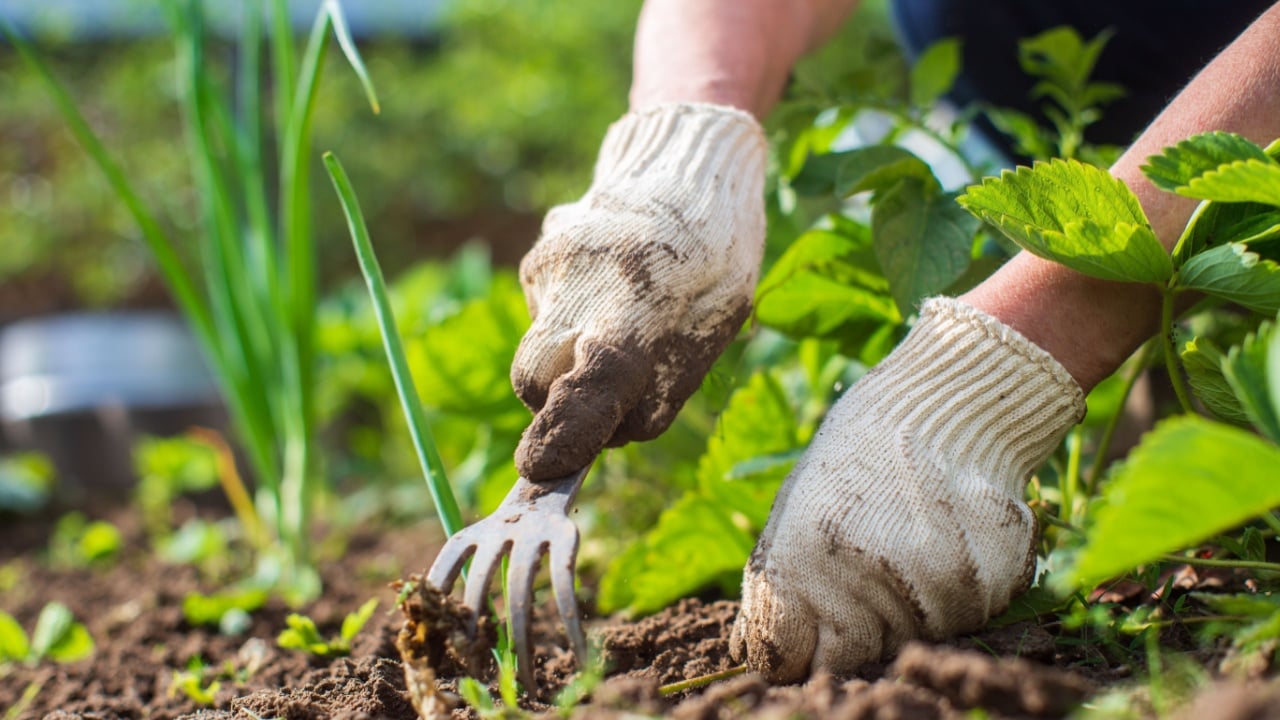
One weeding session skipped at the wrong moment can create years of follow-up work. The old gardening proverb says it best: “One year seeding, seven years weeding.”
Weed seeds remain viable in soil for years before germinating, which means a single plant that goes to seed distributes hundreds of future problems across your entire yard. Experienced gardeners treat weeding before seed set as a non-negotiable task.
10. Stop Digging. No-Till Is Better for Your Soil and Your Back
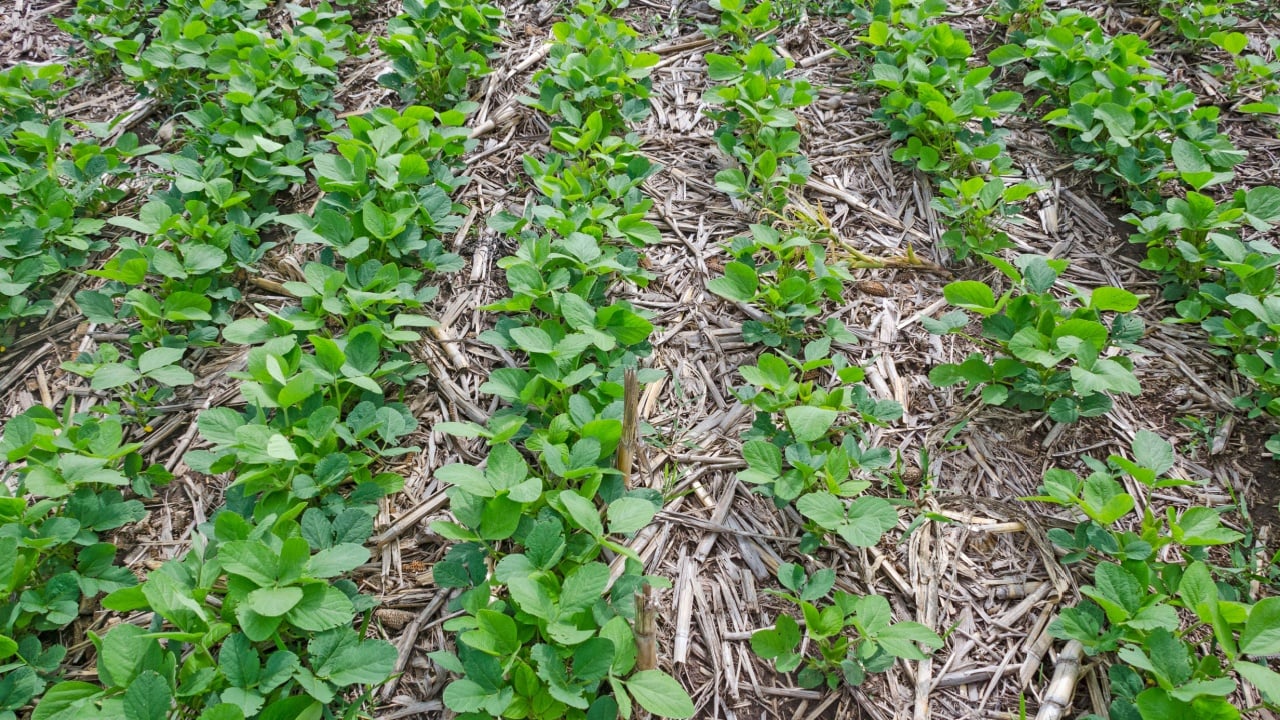
This is one lesson that surprises even experienced gardeners: digging is not neutral. It disrupts soil structure, destroys beneficial fungal networks, brings buried weed seeds to the surface, and — particularly relevant for gardeners over 50 — it is hard on the body.
No-till gardening, which involves layering organic material on top of undisturbed soil year after year, improves soil health, suppresses weeds, and saves significant physical labor. Free wood chips from local arborists and cardboard from moving boxes are all the materials needed to start.
11. Avoid Transplanting in the Heat of the Day
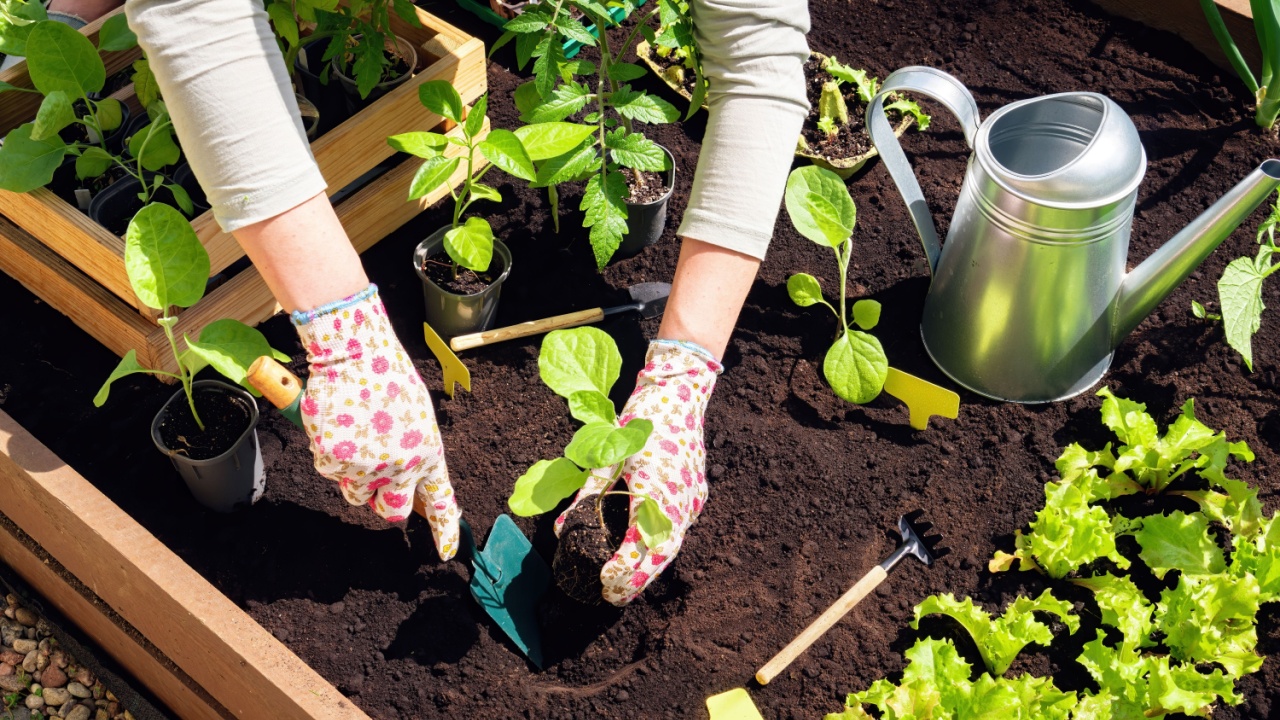
Hydrangeas planted on an 85-degree afternoon will wilt dramatically by evening and may not recover.
Transplanting on overcast days, in early morning, or after 5 p.m. dramatically reduces transplant shock because plants lose far less moisture through their leaves when temperatures are moderate, according to Southern Living. Providing temporary shade cloth for the first two weeks after transplanting gives new arrivals the recovery time they need without the stress of full sun on a compromised root system.
12. Don’t Place Showstopper Plants in High-Visibility Spots
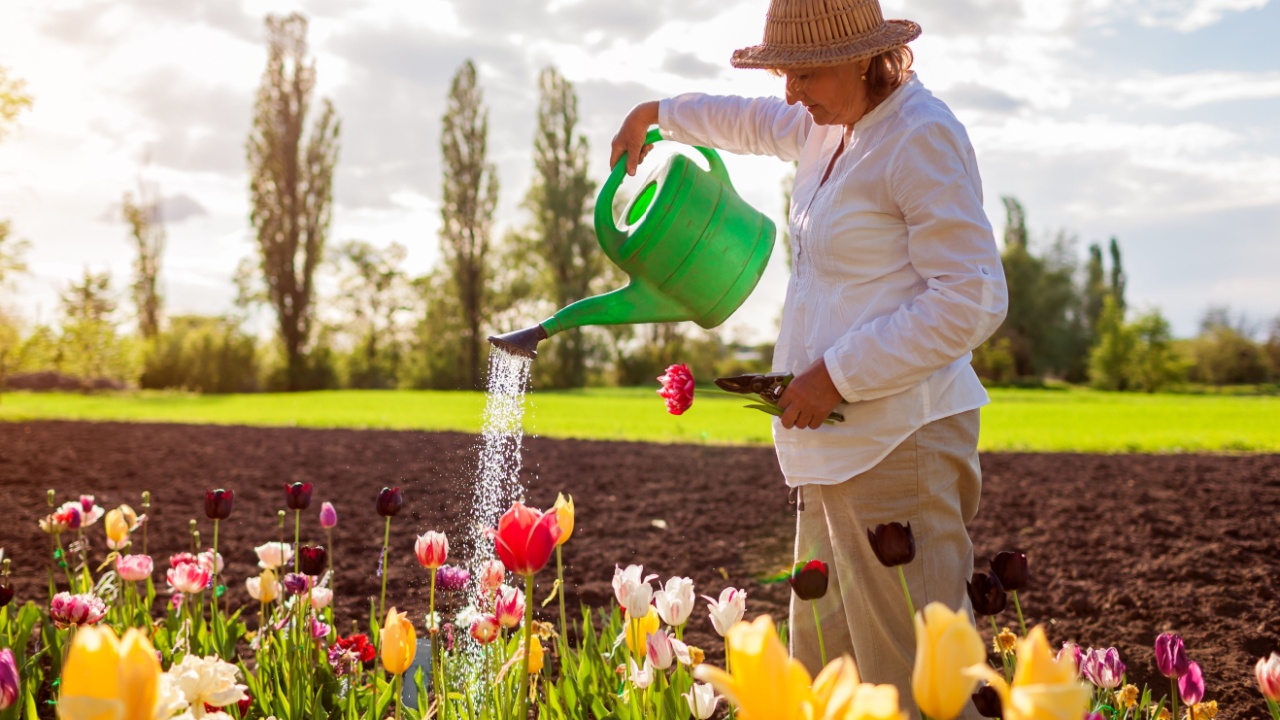
Peonies bloom for two to three weeks. Tulips bloom for one. Placing a once-a-year showstopper at the center of a front garden bed means months of unremarkable foliage in the most visible spot in the yard.
Experienced garden designers place short-bloom plants toward the back or middle of beds, surrounded by longer-interest plants that carry the space through the rest of the season. A cut-flower garden tucked at the side or rear of the property is often the better home for beloved but brief bloomers.
13. Never Skip Wildlife Protection (They Will Find Your Garden)
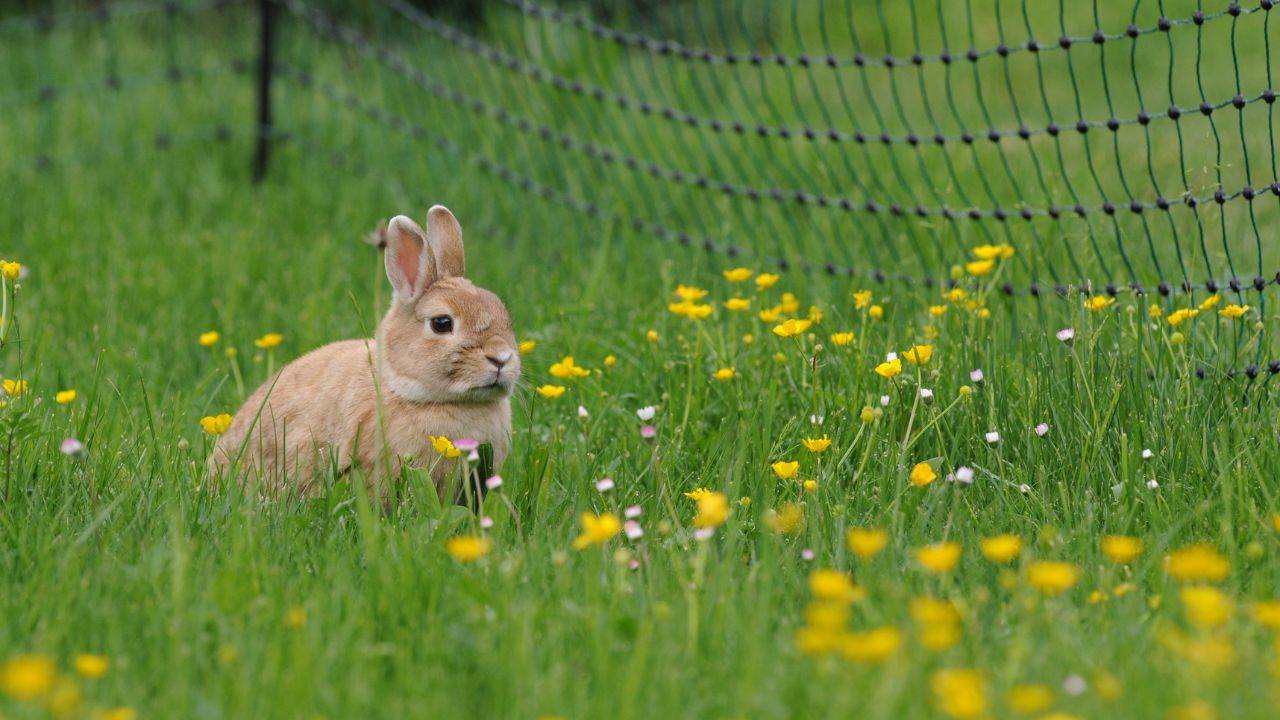
Deer, rabbits, squirrels, and birds are not occasional visitors to a well-planted garden. They are regulars, and they are efficient in their destruction.
New gardeners are consistently caught off guard by how completely and quickly wildlife can decimate a vegetable garden or flower bed overnight. Hardware cloth with openings no larger than one inch is the reliable standard for rabbit exclusion; many standard fence panels sold at home improvement stores have gaps large enough for young rabbits to squeeze through easily.
14. Stop Starting Too Big
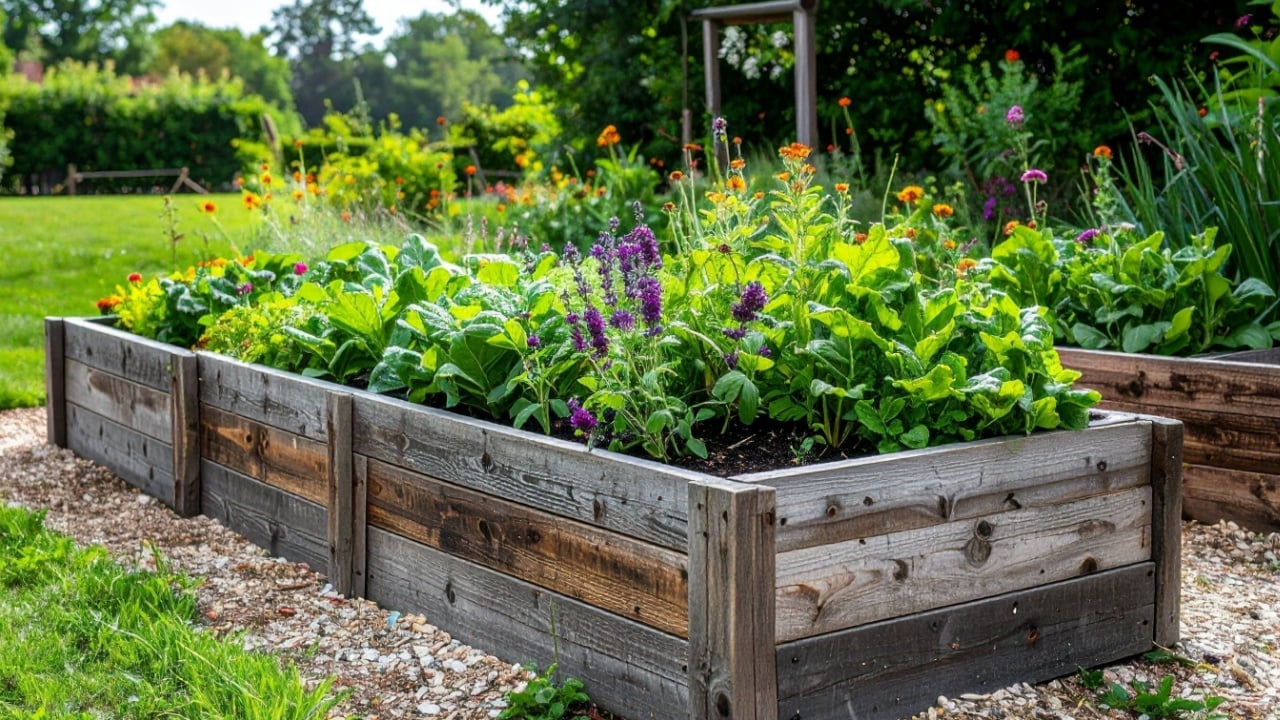
The single most common first-year gardening story is an ambitious vegetable garden that became an unmanageable weed field by July.
A garden of 100 square feet or less, well-maintained and well-fed, will consistently outperform a sprawling plot that outgrows available time and energy. Penn State Extension recommends starting with manageable raised beds that allow complete control over soil conditions, and expanding only after one successful season.
15. Don’t Ignore Your Garden Journal

Memory is not a reliable garden tool.
The Chicago Botanic Garden calls documentation “a key part of gardening that green thumbs often overlook,” noting that the hundreds of details that make for a successful garden each year simply cannot be retained without a record. Thomas Jefferson kept meticulous garden journals at Monticello from 1766 to 1824, tracking every planting, harvest, and observation. A dated smartphone photo album is enough to start, and it will be invaluable next season.
16. Never Assume “Natural” Means Safe
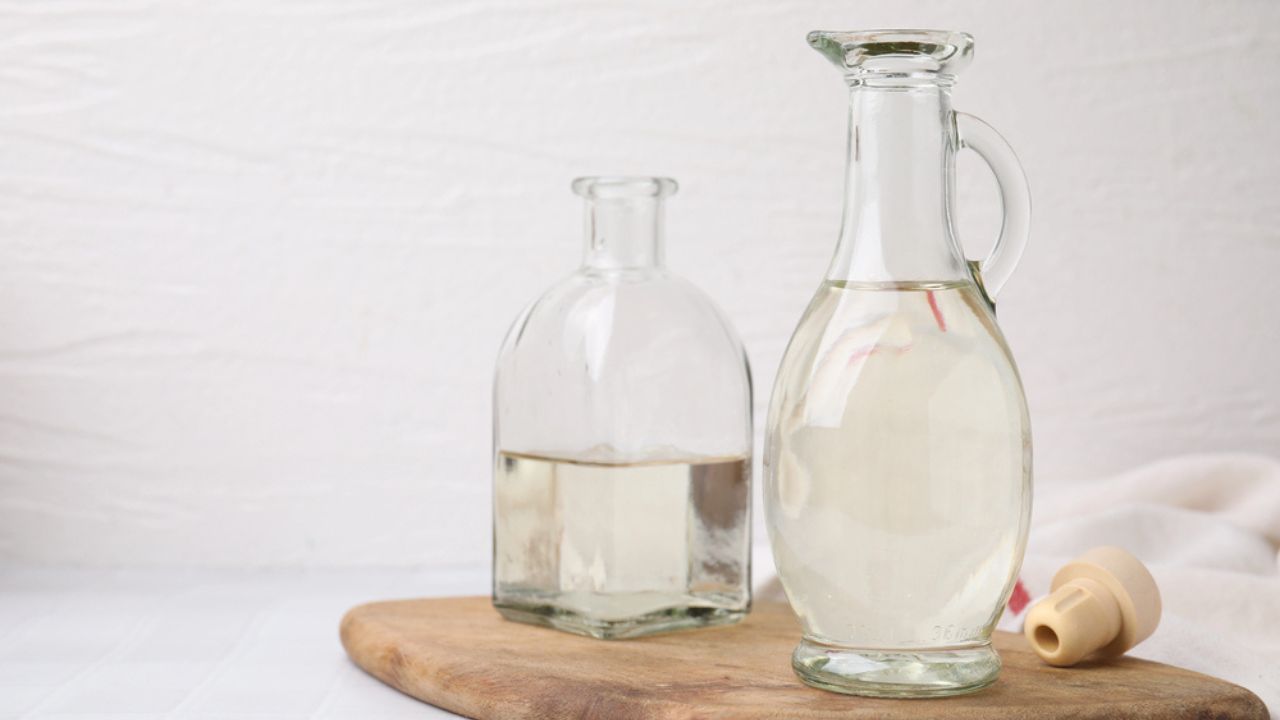
Horticultural vinegar, which is often sold as a “natural” weed killer near bird feeders and butterfly attractants at garden centers, carries a DANGER label, the most severe safety classification on chemical products. At 30% acetic acid, it is six times more concentrated than kitchen vinegar and can cause blindness and lung damage without proper protective gear.
Margaret Roach, gardening columnist for The New York Times, warns in Joe Gardener: “This can blind you. This can damage your lungs. This is an extremely dangerous chemical.” Always read the full label on any product, no matter how natural or benign it appears.
17. Stop Fighting Plants That Don’t Want to Grow in Your Garden
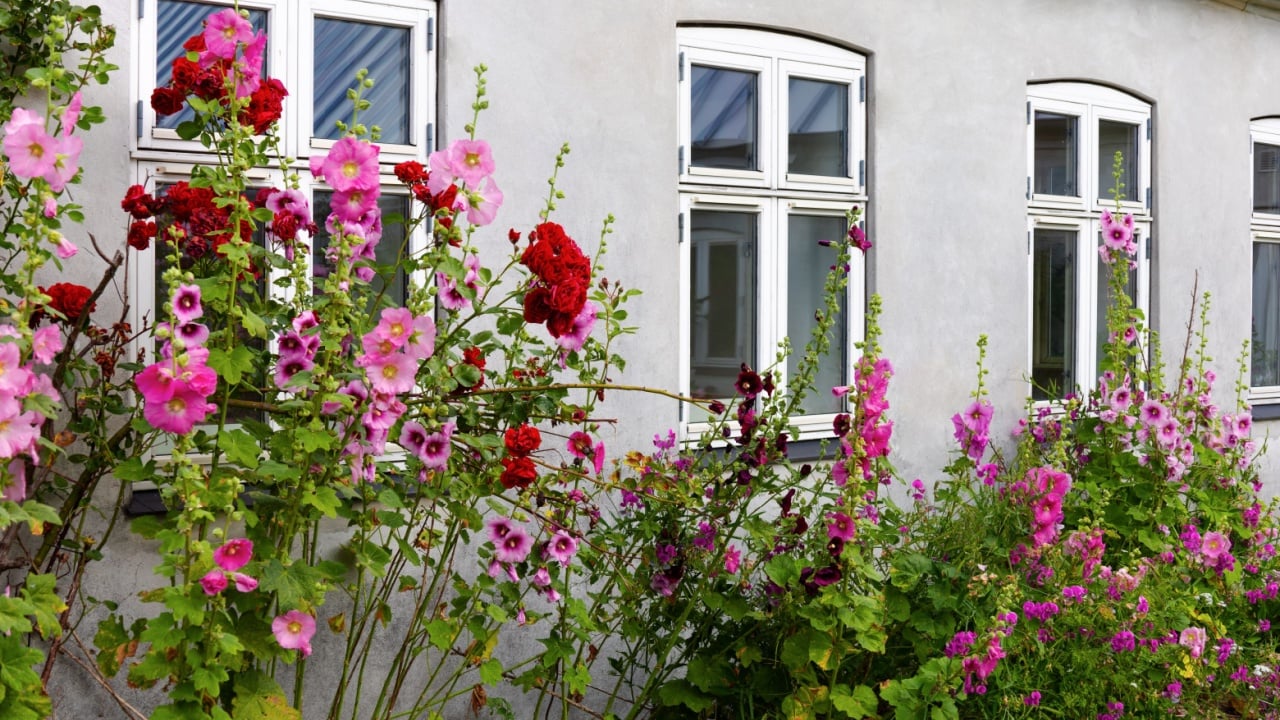
Every gardener has a plant they love and cannot grow. Hollyhocks struck by rust every summer, rhododendrons that sulk in alkaline soil, or blueberries that simply refuse to fruit. Gardeners learn eventually that some battles are not worth fighting, and that accepting a plant’s incompatibility with your specific conditions is not defeat, but wisdom.
The energy and money spent trying to force the wrong plant into the wrong spot is almost always better invested in plants that genuinely thrive where you garden. As Tracy in Garden Design put it: “A garden should be enjoyed, and fighting with flowers that just aren’t a good fit is not enjoyable, no matter how much I love them.”
Learn from These Lessons
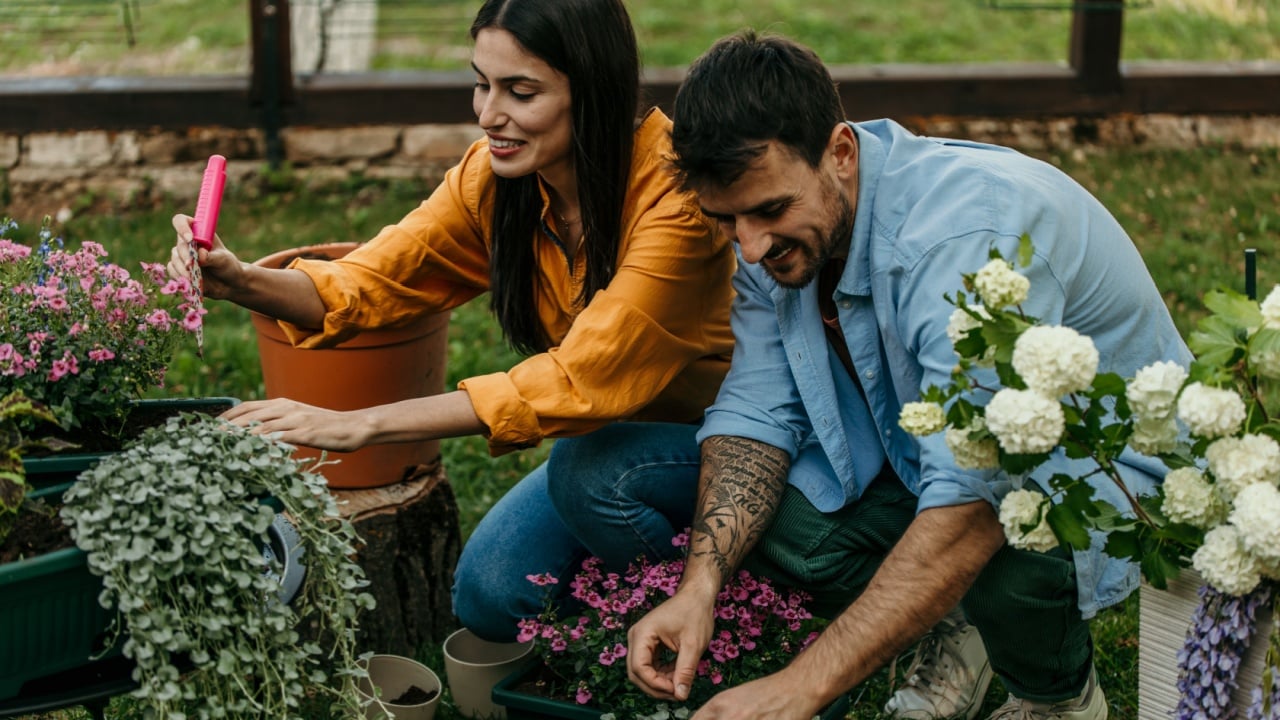
Gardening is one long, joyful education, and the best teachers are your own mistakes, but no rule says you have to make all of them yourself.
Start with healthy soil, match your plants to your actual conditions, and permit yourself to rip out what isn’t working. This April is a perfect time to put these lessons to work. Your future garden will thank you.
Read more:
Plant these 10 companion plants with your tomatoes — and stop planting these 4
12 set it and forget it perennials that thrive on neglect