
16 Reasons Why Meal Planning Isn’t Always the Best Option
While meal planning is often applauded as a time-saving, money-saving, and stress-reducing solution, the reality for many is far less glamorous. Despite the abundance of articles and social media posts promoting meal planning, a significant portion of individuals find it challenging to adhere to a pre-determined menu.
Only 44% of Americans regularly engage in meal planning, suggesting that it might not be the universal answer it’s often touted to be.
Although meal planning promises efficiency and organization, it often falls short of delivering on these promises. It can quickly transform into a monotonous chore, stifling the joy of spontaneous cooking and leading to food waste when plans inevitably change. Plus, the rigid nature of meal plans can make it difficult to accommodate dietary needs and preferences, potentially resulting in nutritional imbalances and dissatisfaction.
Let’s take a look at why meal planning isn’t a one-size-fits-all approach to eating healthier or on a budget. It truly depends on personal factors and preferences that we’ll explore below.
1. The Monotony Trap

Repeating the same meals week after week can lead to a culinary rut, stripping away the excitement of discovering new recipes and flavors. A predictable menu can quickly become uninspiring and make mealtime feel like a chore.
Research suggests that variety in food choices is linked to increased enjoyment and satisfaction with meals. When meals become repetitive, the joy of eating diminishes, potentially leading to a strained relationship with food.
2. Unforeseen Changes

Life is full of unexpected twists and turns, and meal plans rarely account for these spontaneous events. Whether it’s a last-minute work dinner, a sudden craving for something different, or simply a change of heart, adhering to a rigid meal plan can be frustrating and impractical.
The need for flexibility and adaptability in our approach to meal preparation is essential to accommodate the ever-changing nature of our lives.
3. Dietary Restrictions and Preferences

Meal planning can be a daunting task for those with dietary restrictions or preferences. Finding suitable recipes and ensuring they fit into a pre-planned menu can be time-consuming and limit flexibility when cravings or needs change.
The importance of a flexible and adaptable approach to meal planning cannot be overstated for individuals with dietary restrictions or preferences. This ensures that their nutritional needs are met without sacrificing enjoyment or variety.
4. Limited Spontaneity

Meal planning can feel restrictive, hindering your ability to be spontaneous with your food choices. Deviating from the plan, even when faced with tempting new ingredients or recipes, can feel like a setback.
The joy of culinary exploration and the freedom to indulge in spontaneous cravings can be stifled by the rigid structure of a meal plan.
5. The Time Commitment

Meal planning, grocery shopping, and prepping can be time-consuming activities, especially for busy individuals or families. Finding the time to dedicate to these tasks can be a significant challenge in an already packed schedule.
The time investment required for meal planning can be substantial, and for some, the perceived benefits may not outweigh the time commitment involved.
6. The Cost Factor

While meal planning is often presented as a cost-saving strategy, it can sometimes backfire. Impulse buys and the allure of pre-portioned ingredients can lead to overspending, negating the intended savings.
It’s crucial to be mindful of potential pitfalls in grocery shopping while meal planning, as these can quickly offset any potential cost benefits.
7. The Pressure to Perform

Meal planning can inadvertently create a sense of pressure to execute the plan flawlessly, leading to stress and anxiety if things don’t go according to schedule. The expectation to cook elaborate meals can be overwhelming and unsustainable.
The pressure to adhere to a strict meal plan and prepare complex, nutritious meals regularly can take a toll on mental well-being, leading to feelings of stress and inadequacy.
8. Loss of Culinary Creativity
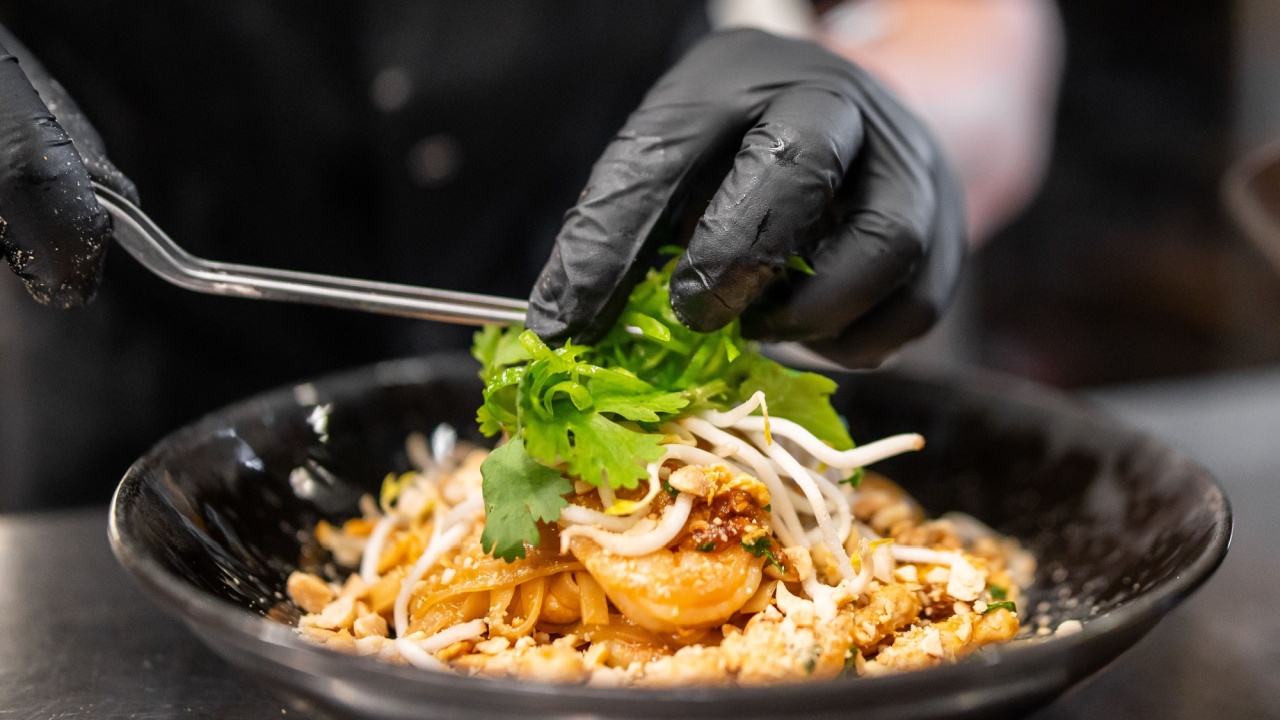
Meal planning can sometimes hinder culinary creativity and limit experimentation in the kitchen. Sticking to a pre-determined menu can discourage trying new recipes or improvising with available ingredients.
The joy of cooking often lies in the freedom to experiment and create. Meal planning can inadvertently obstruct this creative process.
9. The Social Aspect

Meal planning can pose challenges when it comes to accommodating spontaneous social gatherings or impromptu dinners with friends. The rigidity of a pre-planned menu can make it difficult to be flexible and adapt to social situations.
Spontaneous shared meals and social gatherings play a significant role in fostering connections. Meal planning can sometimes hinder these valuable opportunities for social interaction.
10. Soggy Salads and Wilted Greens

The sad reality of prepped salads is that they often turn soggy and unappetizing after a few days in the refrigerator. Despite your best efforts to keep them fresh, the ingredients inevitably lose their crispness and vibrancy.
The disappointment of opening a container of wilted greens or a soggy salad can be a major deterrent to sticking with a meal plan. It’s a reminder that some foods are best prepared fresh to ensure optimal taste and texture.
11. Limited Restaurant Experiences

Meal planning can discourage dining out or ordering takeout, even when you crave a specific cuisine or want to enjoy a meal prepared by someone else. This can lead to feeling deprived and missing out on social experiences.
The occasional restaurant meal or takeout can be a welcome break from cooking and an opportunity to explore different culinary traditions. Meal planning can sometimes make it difficult to indulge in these experiences.
12. The Guilt Factor

Deviating from a meal plan can sometimes trigger feelings of guilt or failure. You might feel like you’ve wasted food or money if you don’t follow the plan to a T.
This guilt can create unnecessary stress and pressure around mealtime, turning what should be a pleasurable experience into a source of anxiety.
13. The Illusion of Control

Meal planning can create a false sense of control over your eating habits and food choices. While it might feel empowering to have everything planned out, life’s unpredictability can quickly shatter this illusion.
Embracing spontaneity and flexibility in your approach to food can be liberating and allow for a more intuitive and enjoyable relationship with eating.
14. The “Perfect” Meal Myth

Meal planning often promotes the idea of the “perfect” meal, where every dish is meticulously planned and executed. However, this ideal can be unrealistic and set unattainable expectations.
It’s important to remember that meals don’t have to be perfect to be enjoyable and nourishing. Embracing imperfection can lead to a more relaxed and enjoyable cooking experience.
15. The Seasonal Disconnect

Meal planning can sometimes lead to a disconnect from seasonal produce and ingredients. Generalized, pre-planned menus you source online might not take advantage of the freshest and most flavorful foods available at different times of the year.
Embracing seasonal eating can enhance the flavor and nutritional value of your meals. It also supports local farmers and promotes sustainable food practices.
16. The “One-Size-Fits-All” Fallacy

Meal planning often assumes a one-size-fits-all approach, but the reality is that everyone’s dietary needs, preferences, and lifestyles are different. A meal plan that works for one person might not be suitable for another.
Tailoring your meal preparation approach to your individual needs and preferences is crucial for long-term success and satisfaction.
Read more
How to Meal Plan Smartly When You’re Watching Every Dollar
Saving Time and Money: Why Frozen Foods Are Taking Over the Weekly Meal Plan