7 U.S. Cities Finally Seeing a Drop in Rent Prices
After what feels like an eternity of rent prices climbing ever higher, a bit of relief is finally trickling into the housing market. For renters who have been stretching their budgets thin, this news couldn’t come at a better time.
A nationwide surge in new apartment construction is starting to shift the balance, giving tenants a little more breathing room and bargaining power.
This article will explore seven major U.S. cities where rent prices are seeing a downward trend. We will investigate the reasons behind the drop in each location and offer practical advice for navigating this new, more renter-friendly environment.
As rents ease in select markets, it’s a reminder that housing trends can shift quickly—and renters who stay informed can take advantage of those changes. Whether it’s negotiating a better lease, exploring new neighborhoods, or timing a move strategically, understanding why prices are falling gives you more control in a landscape that has felt unpredictable for far too long.
1. Austin–Round Rock–San Marcos, Texas
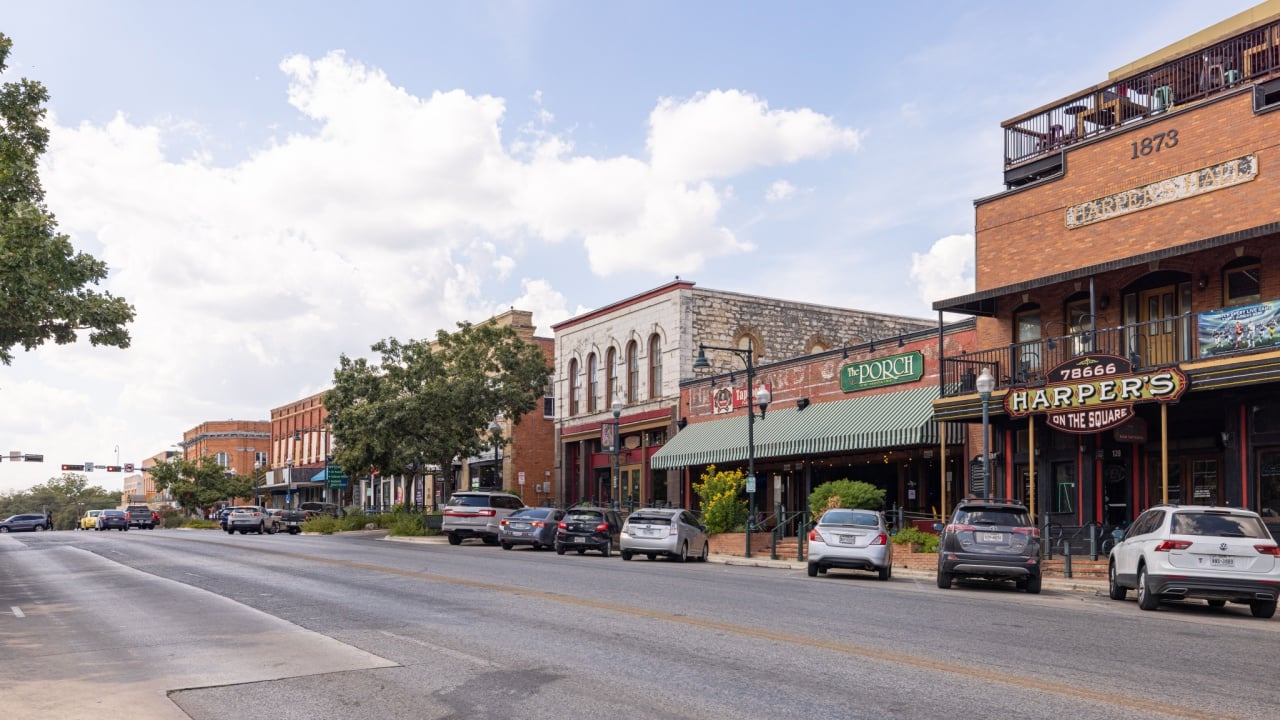
The Austin metro area, a magnet for growth over the past decade, is now experiencing the most significant rent decline in the country, with a 6.6% drop year-over-year. The very building boom that accommodated its population explosion is now creating an oversupply of housing.
With a flood of new multifamily units hitting the market, landlords find themselves in a position where they must compete for tenants. This environment creates an opening for renters to find better deals than they have seen in years.
2. Jacksonville, Florida
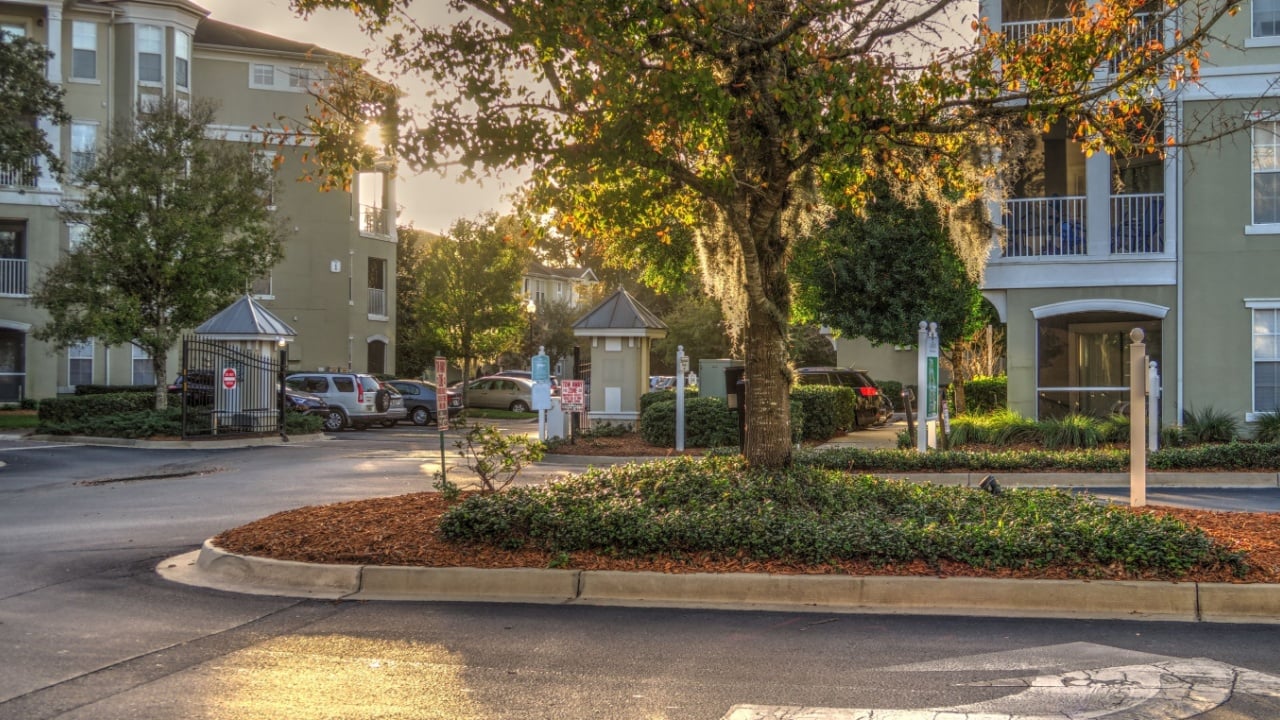
Renters in Jacksonville are seeing prices fall by 4.2% compared to last year. Like many other Sun Belt cities, Jacksonville experienced rapid growth, which spurred a wave of new apartment construction. As these new buildings open their doors, the increased supply is outpacing immediate demand.
Recent data shows Jacksonville’s median rent declined as vacancy rates rose due to the completion of numerous multifamily developments. Real estate experts note that competition among landlords has intensified, resulting in more frequent price reductions and shorter lease terms to attract tenants.
3. Denver–Aurora–Centennial, Colorado
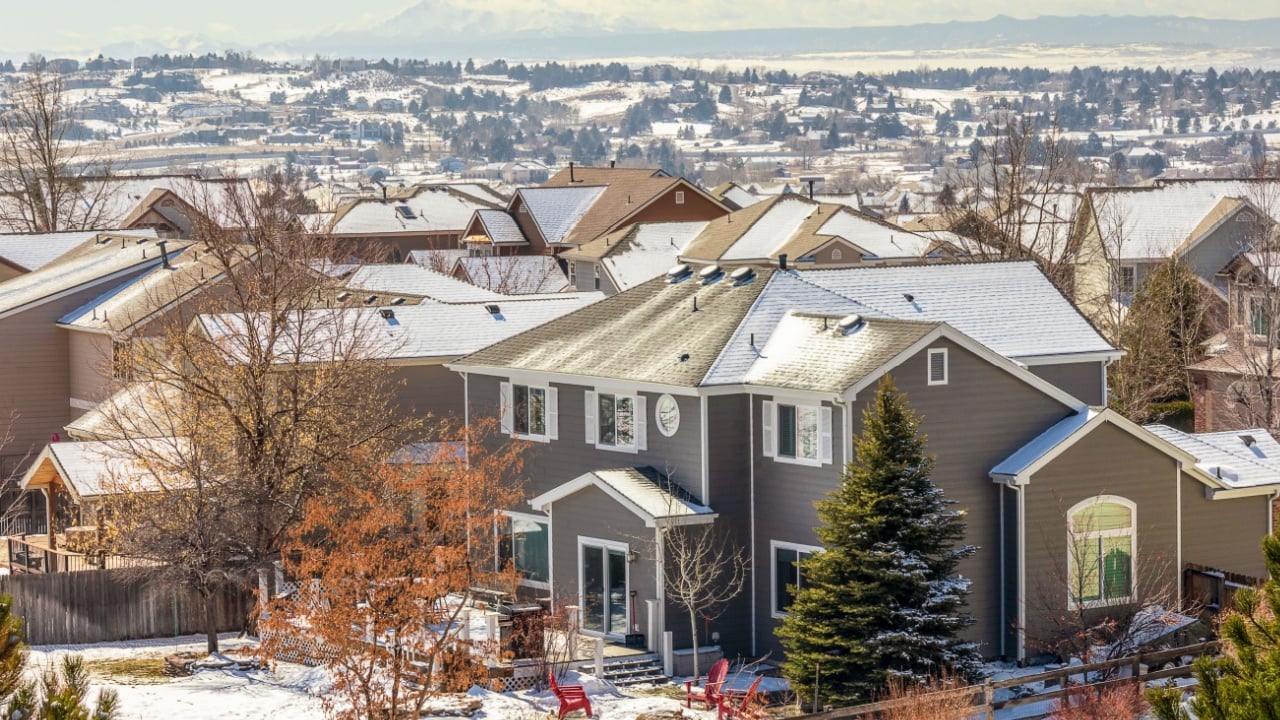
The Denver metro area is another region where a construction surge is leading to tangible relief for renters. With prices down 4.8% from the previous year, the market is adjusting to a surplus of new apartment units. The high volume of available rentals means landlords are more willing to negotiate to avoid empty properties.
For anyone considering a move to the Mile High City, now might be the perfect time to secure a more affordable lease. With the right timing and a bit of research, you could take advantage of current market conditions to find a place that fits both your budget and your lifestyle.
4. Phoenix–Mesa–Chandler, Arizona
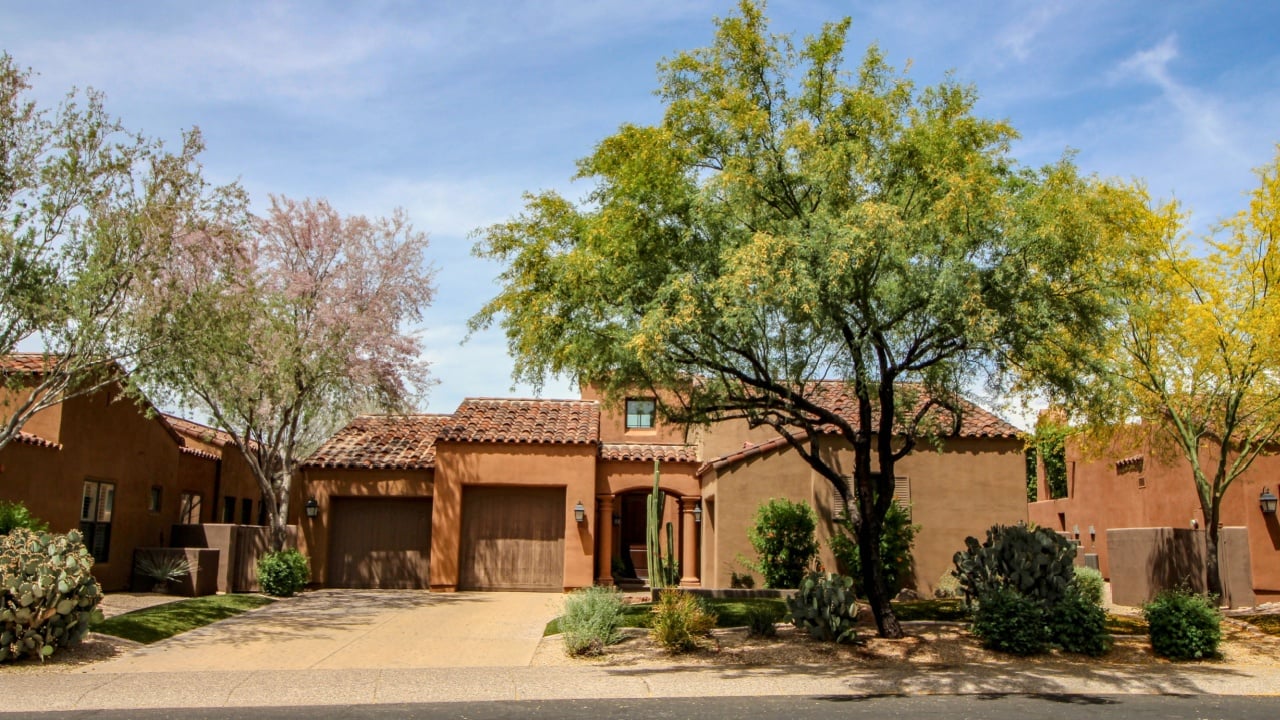
The Phoenix metropolitan area has long been a hotspot for new residents, and developers built accordingly. Now, that building frenzy has led to an almost 4.0% decrease in median asking rents. The sheer number of new apartments has created what some experts call “price wars” within buildings, as landlords vie for a limited pool of tenants.
This fierce competition among landlords is fantastic news for anyone currently searching for an apartment in the Valley of the Sun. It gives you more negotiating power and a better chance of finding a great deal.
5. Las Vegas–Henderson–North Las Vegas, Nevada
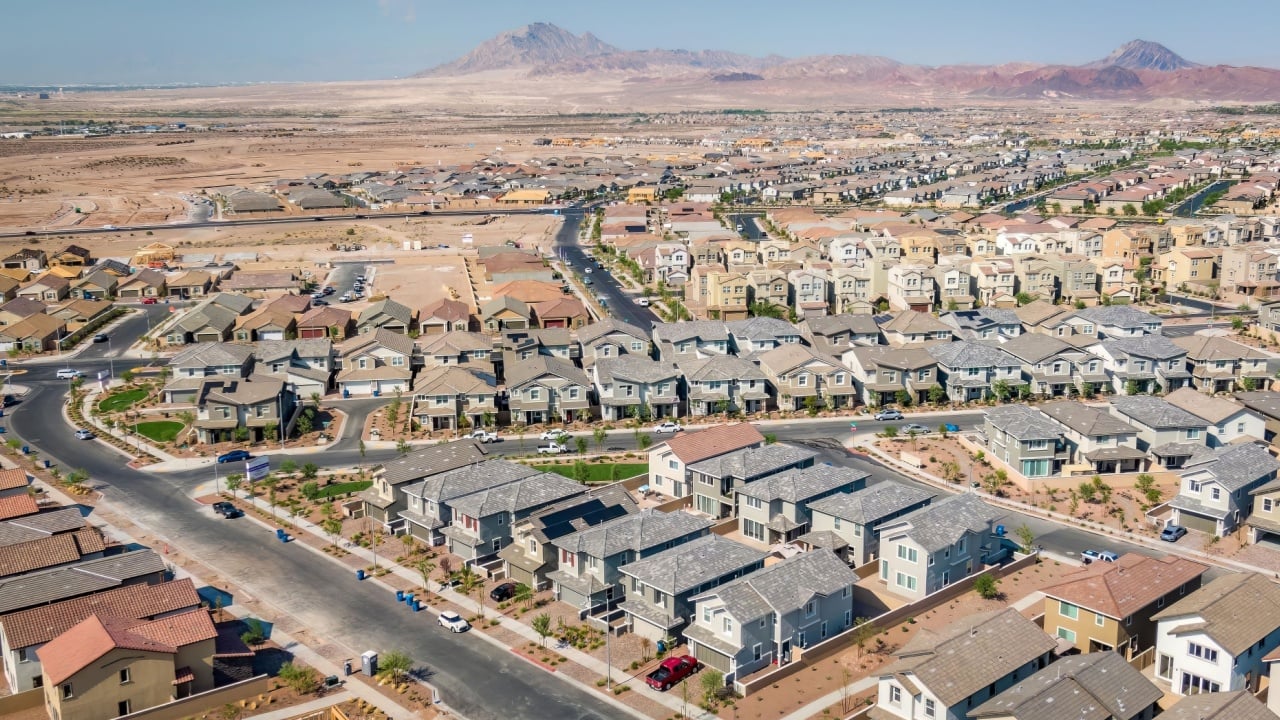
The Las Vegas area is seeing a modest but welcome rent decrease of 3.0%. The city’s growth has been fueled by people seeking a lower cost of living compared to neighboring states, which prompted a significant amount of new construction.
With more apartment complexes completed, the supply is starting to catch up with and even exceed demand. This is compelling property owners to reduce their asking prices to attract renters.
6. Miami–Fort Lauderdale–West Palm Beach, Florida

In South Florida, the Miami–Fort Lauderdale–West Palm Beach metro has seen rents dip by 2.7% over the past year. The region, often associated with high housing costs, has benefited from a surge of new apartment buildings opening up across its urban core and suburban neighborhoods.
According to Realtor.com data, property managers are offering more incentives, like rent discounts and flexible lease terms, as they compete for tenants in a cooler market. Increased vacancies have prompted more negotiation, giving families more breathing room when searching for their next home.
7. San Diego–Chula Vista–Carlsbad, California
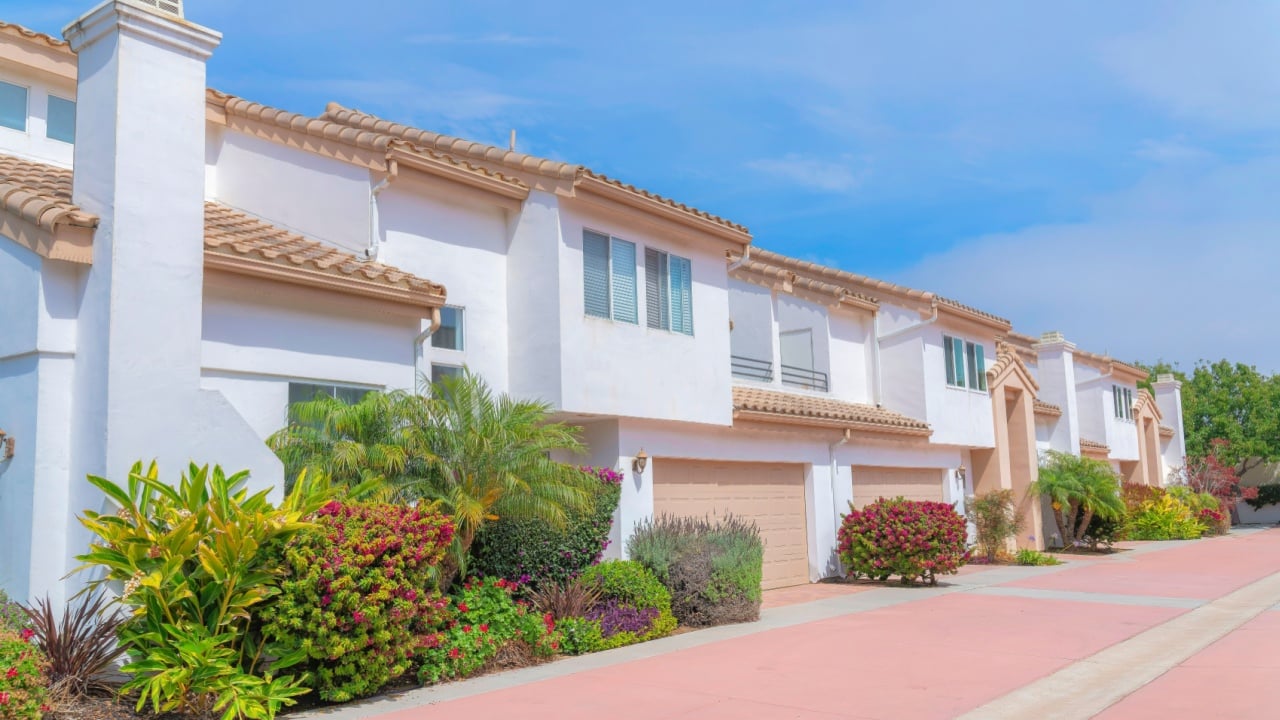
The San Diego metro area, which includes Chula Vista and Carlsbad, has seen a 3.5% drop in median asking rents over the past year. Despite its reputation for high housing costs, this corner of Southern California is experiencing a wave of new apartment construction, especially in suburban pockets.
The influx of newly built units has provided renters with more options, sparking greater competition among landlords. As a result, incentives like discounted first-month rent, flexible lease terms, and even free parking are becoming more common as property managers aim to fill vacancies. California is one of the happiest states to live in; maybe this is your cue.
What This Means for Tenants
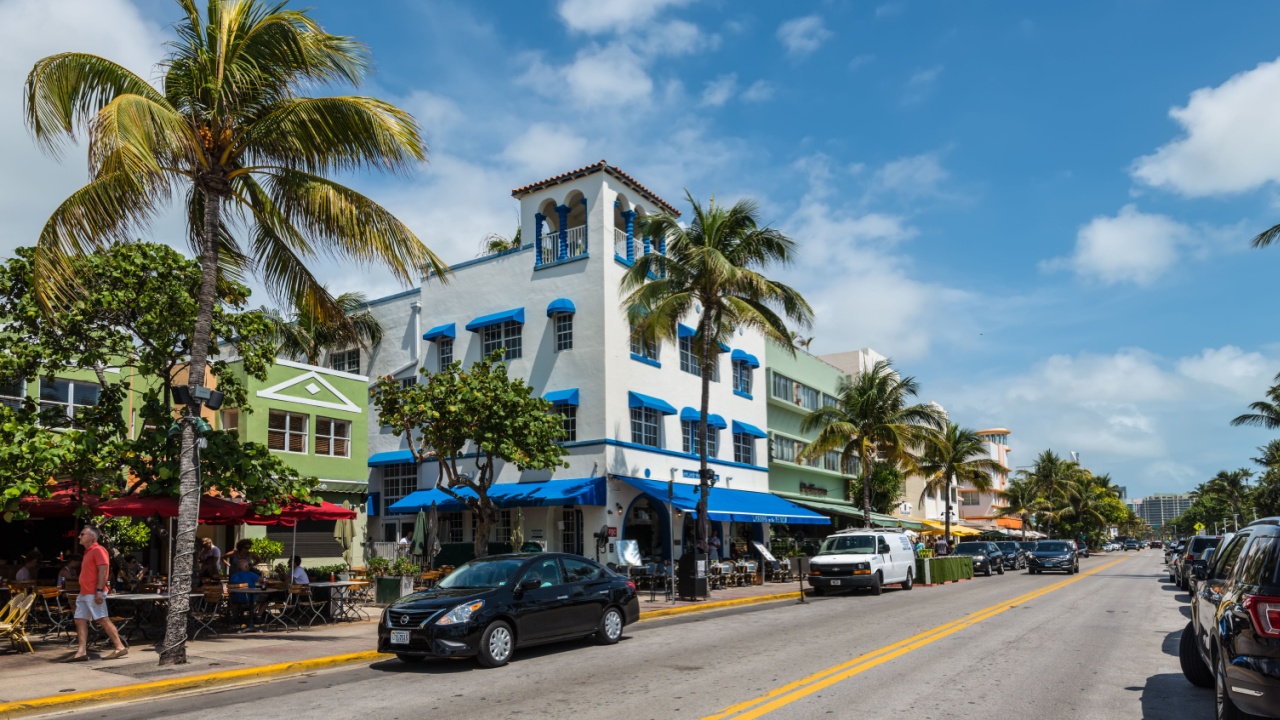
This shift in the rental market puts power back into the hands of tenants. With landlords more motivated to fill units, your position is stronger than it has been in years. Instead of simply accepting the advertised price, consider this a prime opportunity to negotiate.
Don’t be hesitant to ask for a modest reduction in the monthly rent or inquire about concessions like a free month’s rent or waived parking fees. Landlords are often more open to these discussions when facing higher vacancy rates. Timing your move can also work in your favor. Leasing activity is typically slower in the late fall and winter months, which can give you an additional edge.
Read more:
10 Small Cities People Are Considering Making Home
Want Your Social Security Check to Stretch Further? Consider These 12 Cities as Your New Home