15 Things Minimalists Never Buy (And What They Do Instead)
Decluttering often begins with a trash bag and a burst of motivation to get things out of the house, yet the real turning point shows up at the checkout counter. This keeps the clutter from even entering the house in the first place, saving space and cash from the get-go.
This is the beauty of minimalism. It works like a quiet bouncer, deciding what gets in and what stays out. A small pause before buying can save a lot of shelf space later, and the endless loop of tidying starts to lose its grip.
Seasoned organizers tend to favor function over quantity, and their advice usually circles back to the same habits. Specialty gadgets and quick fixes look tempting in the moment, then sit untouched in a drawer. Those tiny decisions stack up, filling homes with items that sounded useful but rarely earn their keep.
A closer look at what minimalists skip can be surprisingly eye-opening. It comes down to choosing items that can handle more than one task and skipping anything that solves a problem that barely exists. The result feels lighter, more organized, and far easier to keep that way without constant cleanups.
1. Single-use Kitchen Gadgets
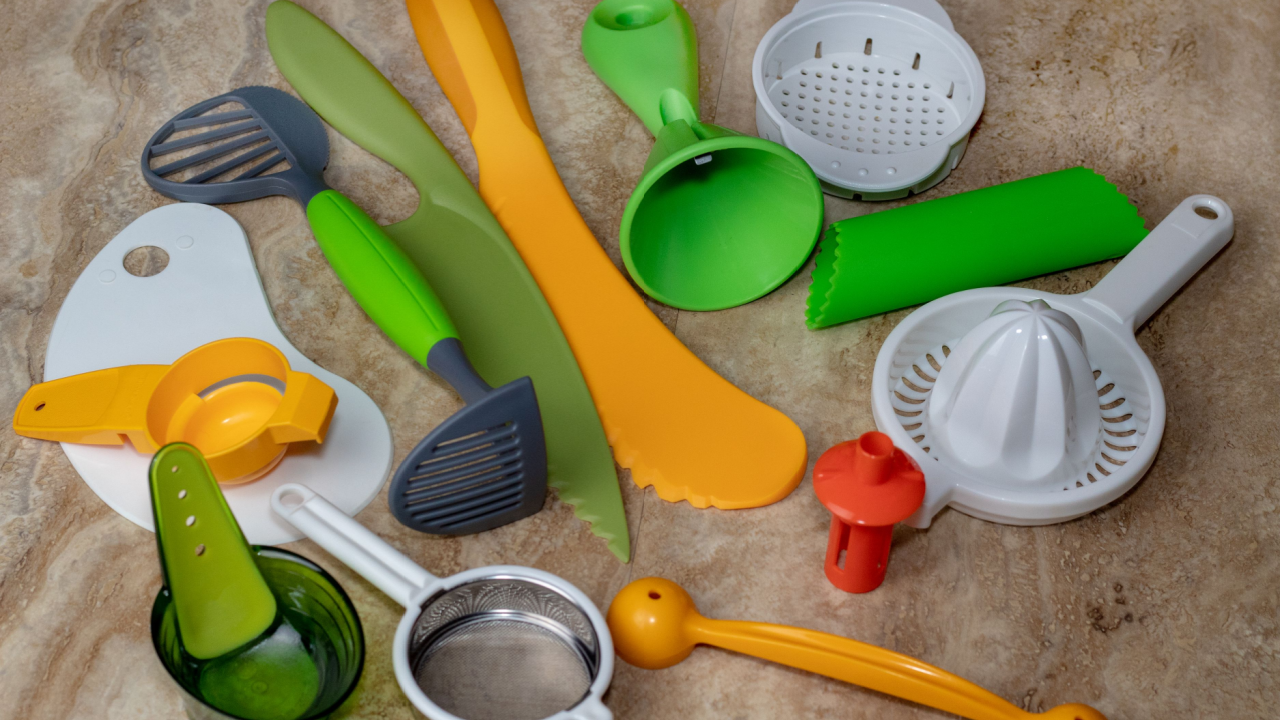
Specialized tools like avocado slicers or strawberry hullers often sit dormant in drawers for months. These items take up valuable real estate and rarely perform better than a standard chef knife. Relying on high-quality basics reduces drawer chaos and makes cleaning up after a meal much faster.
Invest in a few professional-grade knives and learn basic cutting techniques to handle any produce. Maintaining these blades with a whetstone keeps them effective for decades. A well-sharpened knife handles everything from garlic to large melons, rendering a cabinet full of plastic gadgets obsolete.
2. Seasonal Home Decor
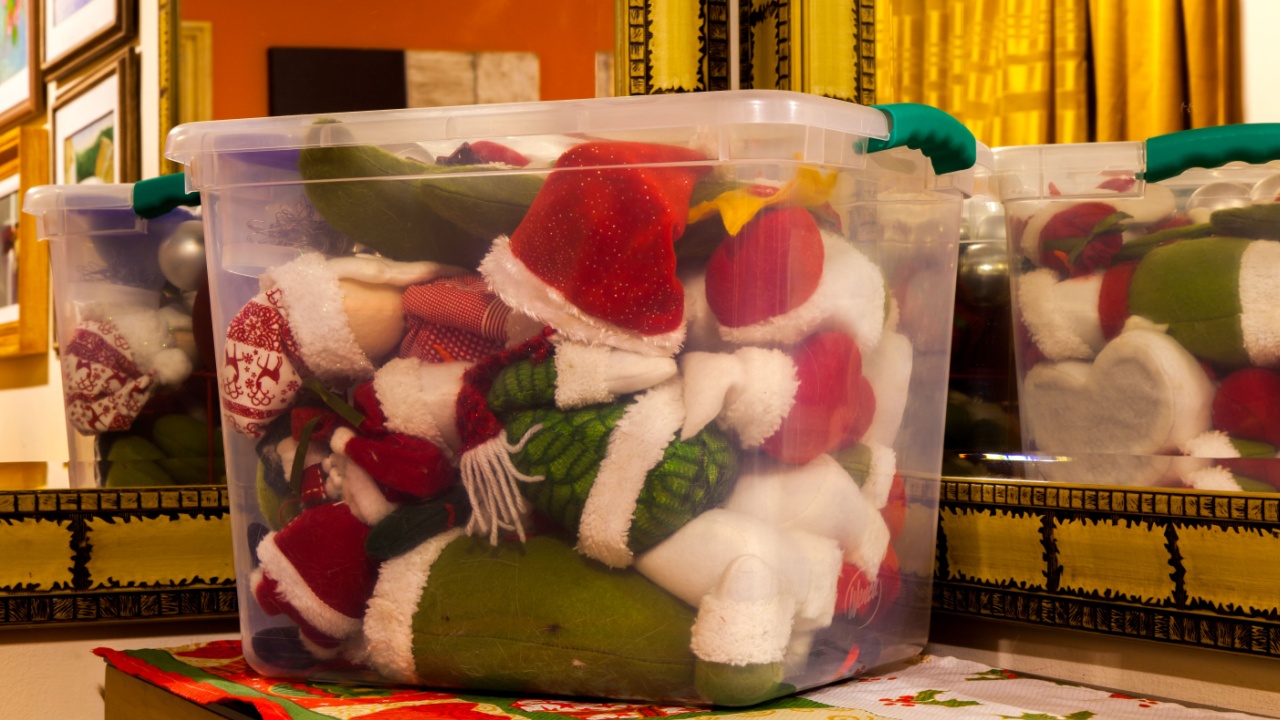
Holiday-specific decor requires massive amounts of storage for items that only see daylight for a few weeks. These plastic bins often become a burden during moves or seasonal transitions. Shifting toward a more natural approach allows the home to feel current without the need for a basement full of tubs.
Utilize organic elements like fresh greenery, bowls of seasonal fruit, or unscented candles to mark the passing months. These choices provide a sensory experience that feels sophisticated and intentional. Once the season ends, these items are consumed or composted, leaving no permanent footprint in the closets.
3. Bulk Cleaning Supplies

Large jugs of specialized cleaners for every possible surface create a chemical warehouse under the sink. Most of these products contain similar ingredients packaged in different bottles. Minimalists opt for a few powerful concentrates that work across multiple rooms and surfaces.
Keep a bottle of castile soap or a high-quality multi-surface concentrate to handle floors, counters, and windows. This approach saves money and reduces plastic waste. Microfiber cloths and a sturdy scrub brush complete the kit, proving that a sparkling home does not require an aisle’s worth of inventory.
4. Trendy Fast Fashion

Affordable clothing items designed for a single season often fail after just a few washes. These garments contribute to a cluttered wardrobe where nothing seems to match or fit quite right. Choosing a different path involves looking for classic silhouettes and durable fabrics that withstand the test of time.
Build a capsule collection of neutral basics that can be layered and rotated throughout the year. High-quality wool, linen, and cotton pieces might cost more upfront but last significantly longer. Focus on tailoring and fit to create a signature look that remains relevant regardless of current fads.
5. Paper Towels and Napkins

Single-use paper products represent a continuous cycle of purchasing and discarding. These items are bulky to store and represent a significant recurring expense for many households. Switching to cloth alternatives creates a more elevated dining experience while reducing weekly waste.
Stock a drawer with cotton rags for spills and linen napkins for meals. Tossing these into the regular laundry cycle is a simple habit that eliminates the need for paper replacements. For tough messes, old t-shirts can be cut into smaller squares and used as disposable wipes before being recycled.
6. Excessive Throw Pillows
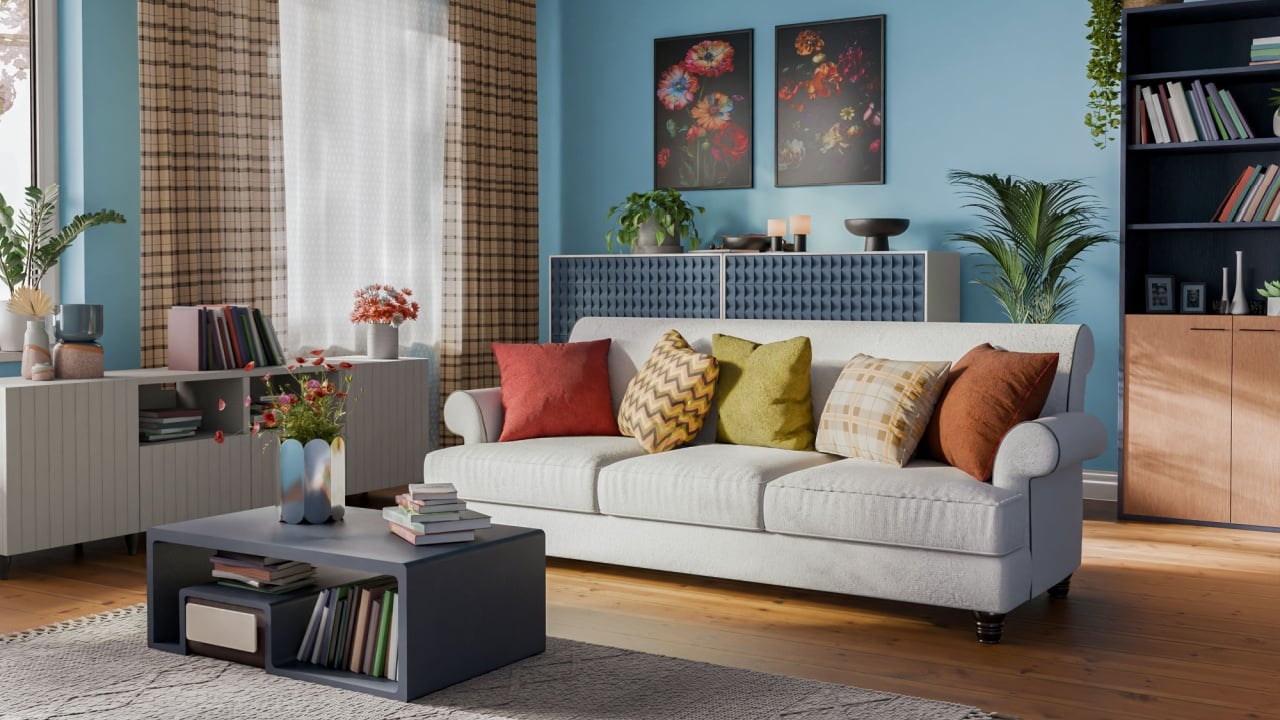
An overabundance of cushions makes a sofa or bed feel crowded rather than comfortable. Moving a mountain of pillows every night becomes a tedious chore that adds no real value to a person’s rest. A few well-chosen accents provide enough support without overwhelming the furniture.
Select two or three high-quality pillows with removable, washable covers. This allows for a fresh look through simple textile changes rather than buying entirely new inserts. Focus on textures like velvet or heavy linen to add visual depth without requiring physical volume.
7. Formal Dinnerware Sets
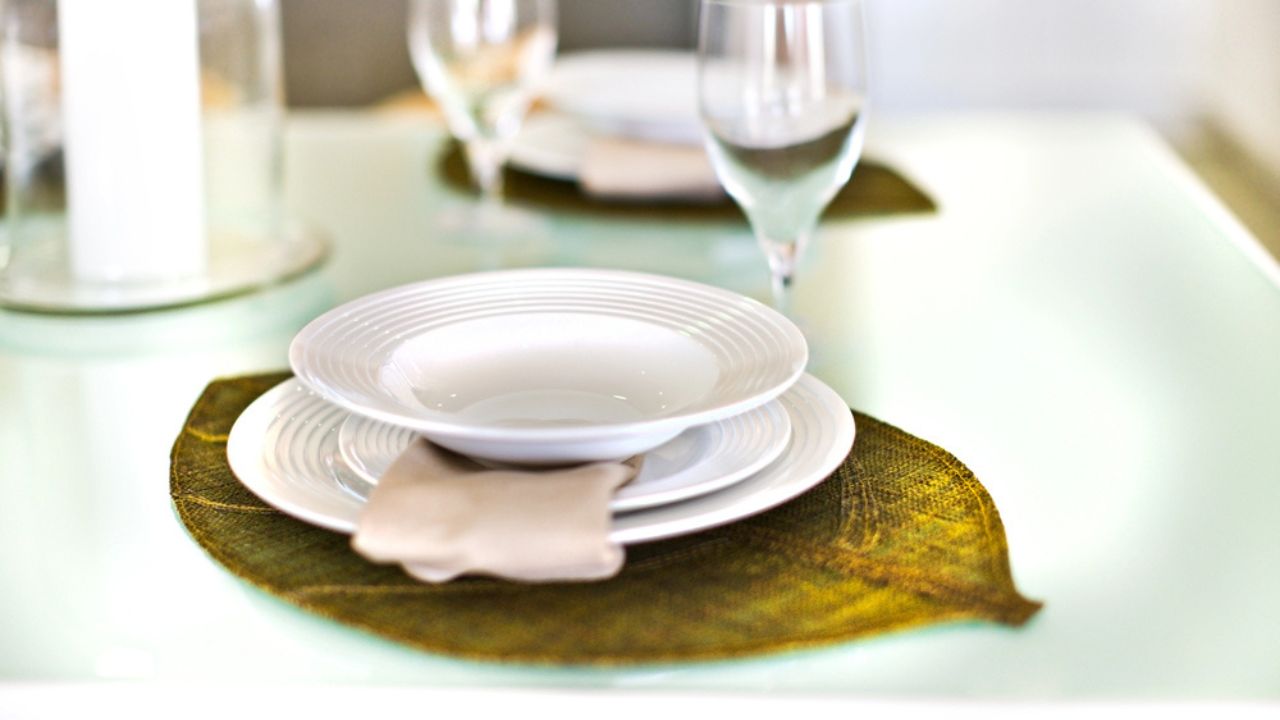
Sets of china intended only for special occasions often collect dust in a hutch for years. This takes up massive amounts of kitchen storage for items used perhaps twice a year. Using beautiful, durable plates for every meal makes daily life feel more special.
Choose a set of high-quality white porcelain or stoneware that works for both a Tuesday breakfast and a holiday dinner. These pieces are typically dishwasher safe and easy to replace if one breaks. Neutral dishes allow food to be the focus and match any table setting or floral arrangement.
8. Souvenirs and Trinkets
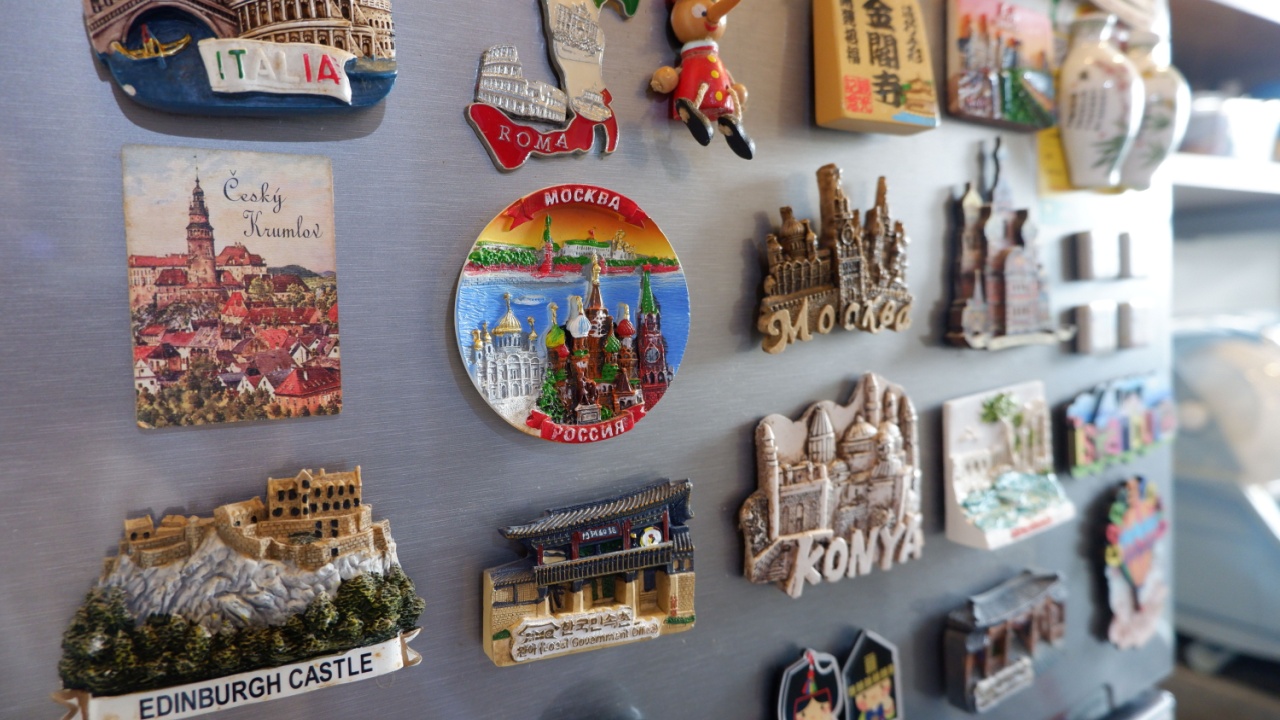
Vacation mementos like shot glasses or plastic figurines often turn into clutter once the trip ends. These items rarely fit the aesthetic of a home and eventually end up in a donation bin. Capturing the essence of a trip does not require a physical object from a gift shop.
Focus on digital photography or collecting a small, flat item like a postcard that can be kept in a dedicated journal. Experiences and memories remain the most valuable takeaway from any journey. If a physical item is necessary, look for something functional like a local spice or a handmade textile.
9. Physical Media

DVDs, CDs, and bulky book collections require significant shelving and regular dusting. As technology shifts, many of these formats become obsolete and difficult to use. Digital libraries provide instant access to entertainment without occupying any physical square footage in the living room.
Keep only the most meaningful books and utilize local libraries or digital readers for everything else. Streaming services and cloud storage handle music and movies with ease. This creates a more open floor plan and reduces the visual noise of crowded bookshelves.
10. Duplicate Tools and Hardware
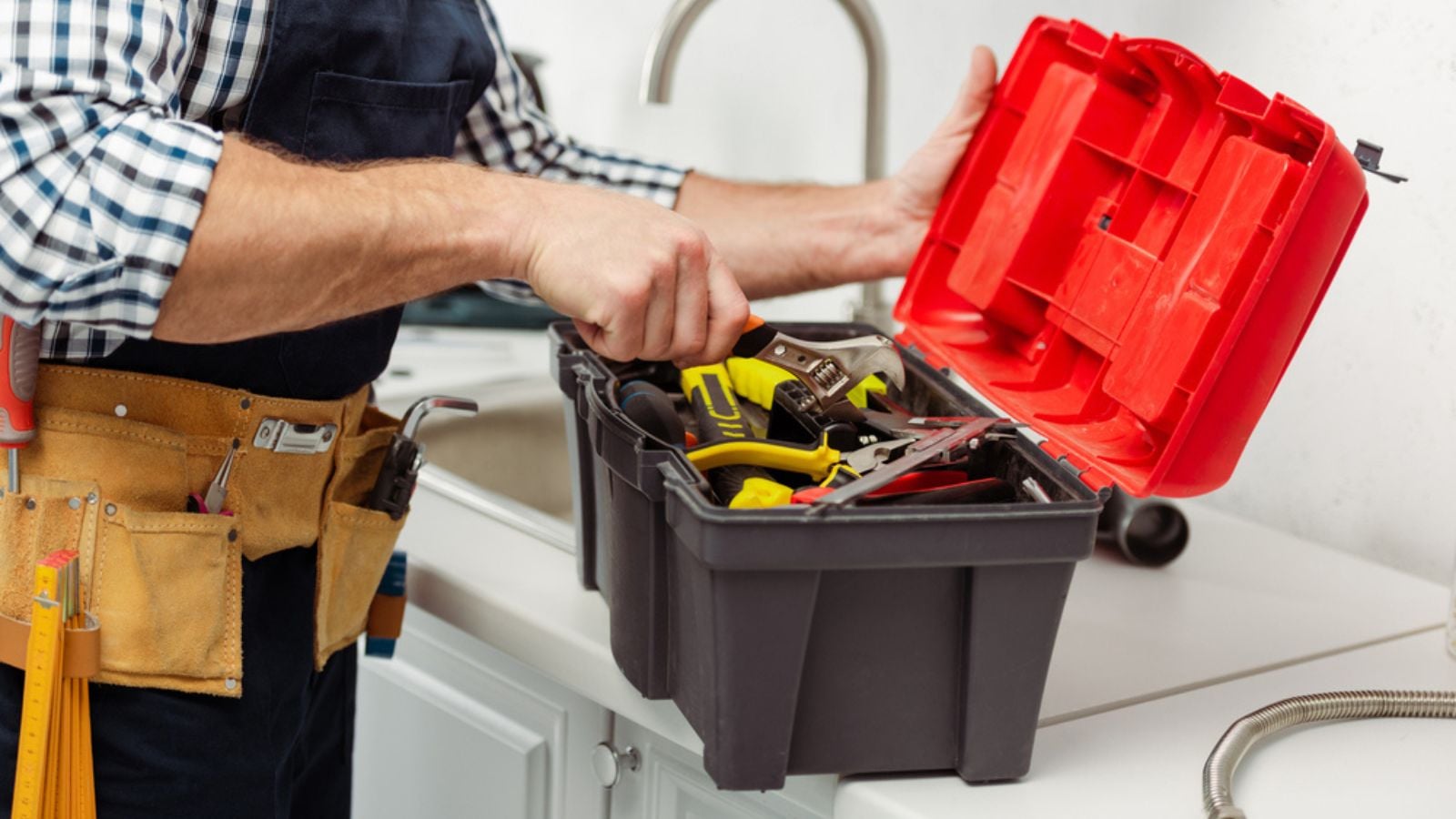
Owning three different hammers or multiple sets of screwdrivers often happens when a workspace is disorganized. These duplicates hide in various corners of the garage or junk drawer. A single, well-organized toolbox is more effective than a scattered collection of repeats.
Perform a full audit of the current tool collection and donate any extras to a local community center. Invest in a sturdy chest where every item has a specific silhouette or spot. Keeping tools clean and lightly oiled ensures they stay in working order for a lifetime of repairs.
11. Specialized Workout Equipment
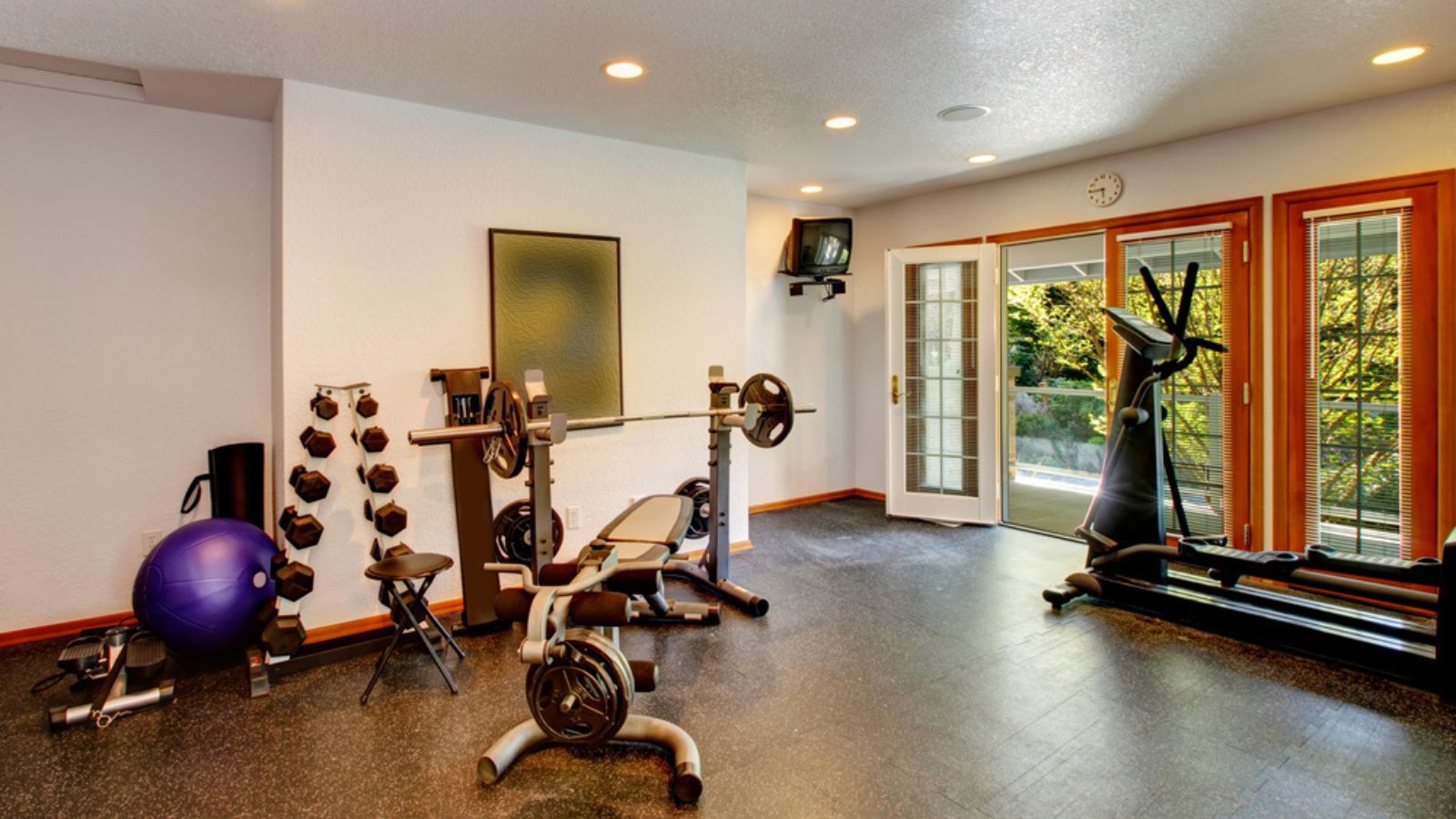
Large machines like treadmills or stationary bikes often end up serving as expensive clothes racks. These items take up massive amounts of space and are difficult to move. Bodyweight exercises and outdoor activities provide effective fitness results without the bulky hardware.
Utilize a simple yoga mat and a few resistance bands for a versatile home workout. These items tuck away under a bed or in a closet when the session ends. Walking, running, or cycling outdoors provides a change of scenery that no indoor machine can replicate.
12. Gift Wrap and Bags
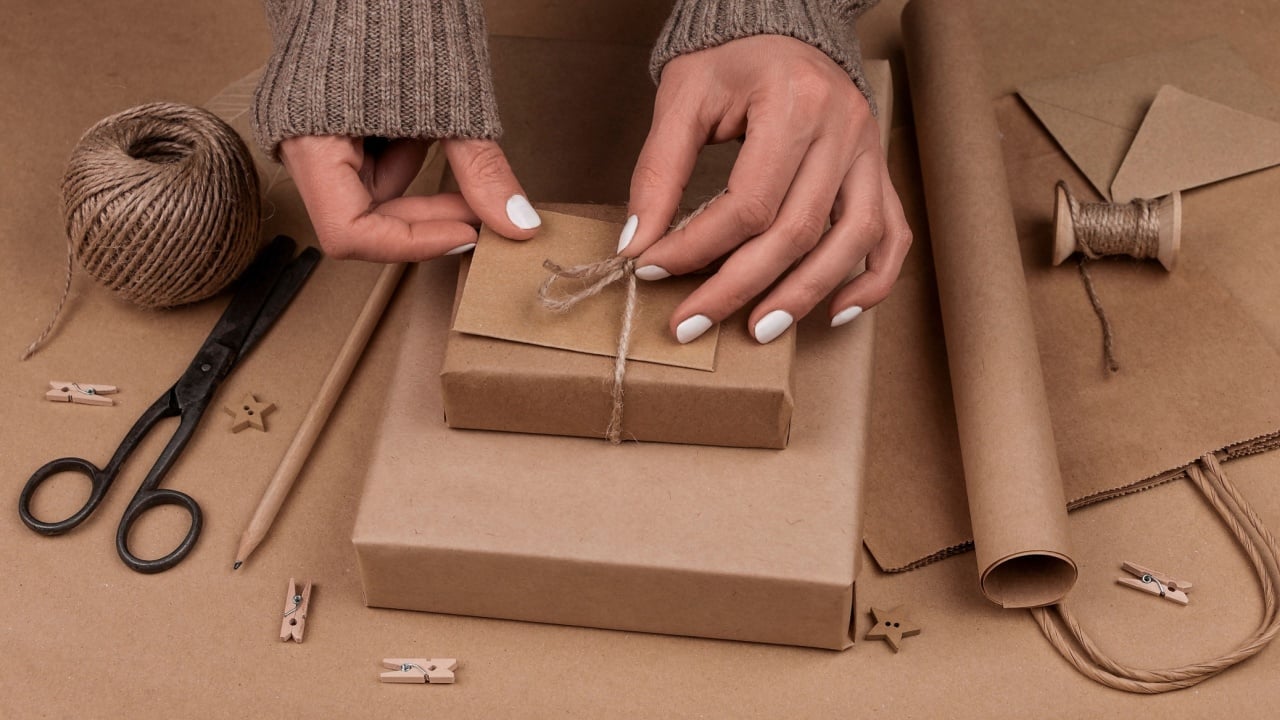
A closet filled with rolls of paper and various-sized gift bags is a common source of hidden clutter. These items are easily crushed and often forgotten until the next event. Simplify the process by using a more cohesive and sustainable approach to giving.
Keep a single roll of plain brown kraft paper and some twine for all occasions. This look is timeless and can be customized with a fresh sprig of greenery or a handwritten note. Recipients often appreciate the thoughtful, artisanal look more than flashy store-bought patterns.
13. Multiple Sets of Bed Linens
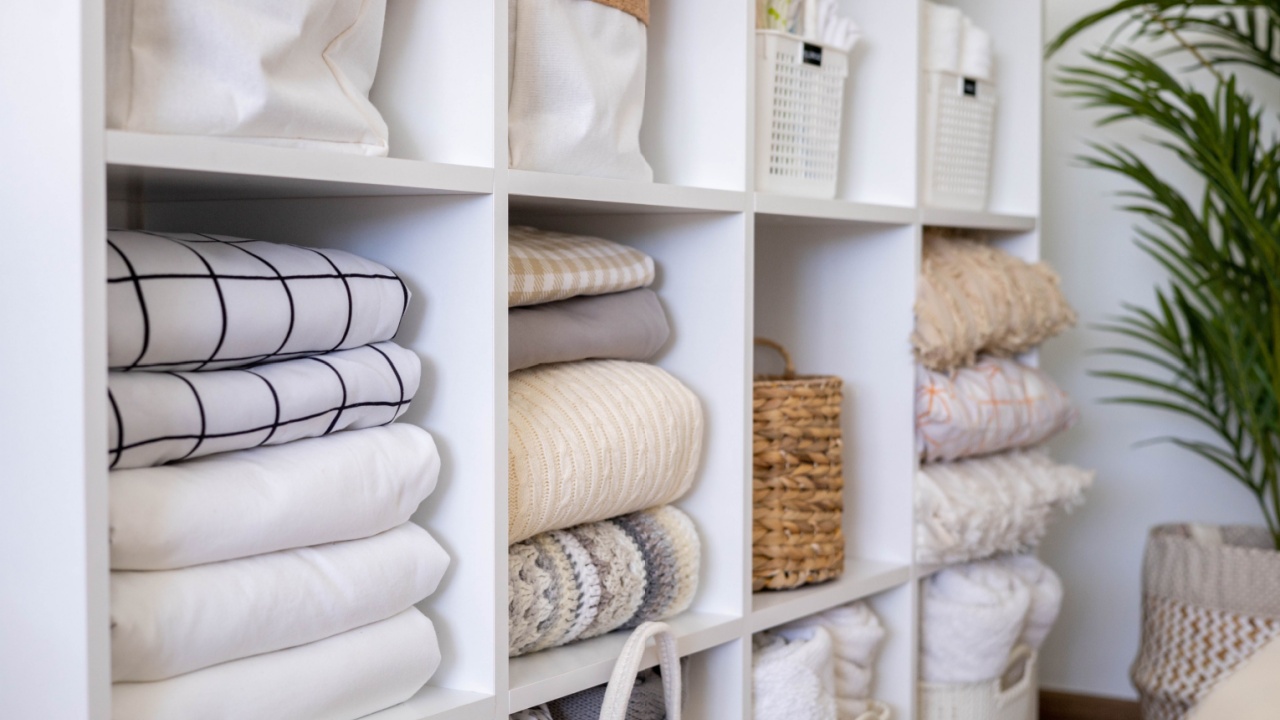
Storage closets overflow with old sheets and mismatched pillowcases. Having five sets of linens for a single bed is unnecessary and makes finding a matching set difficult. Most households only need two sets per bed to account for laundry days.
Rotate between two high-quality sets of linen or organic cotton sheets. When one set is on the bed, the other is in the wash or neatly folded in the closet. This ensures the fabric gets used and laundered regularly, which actually helps soften fibers.
14. Plastic Food Storage Containers
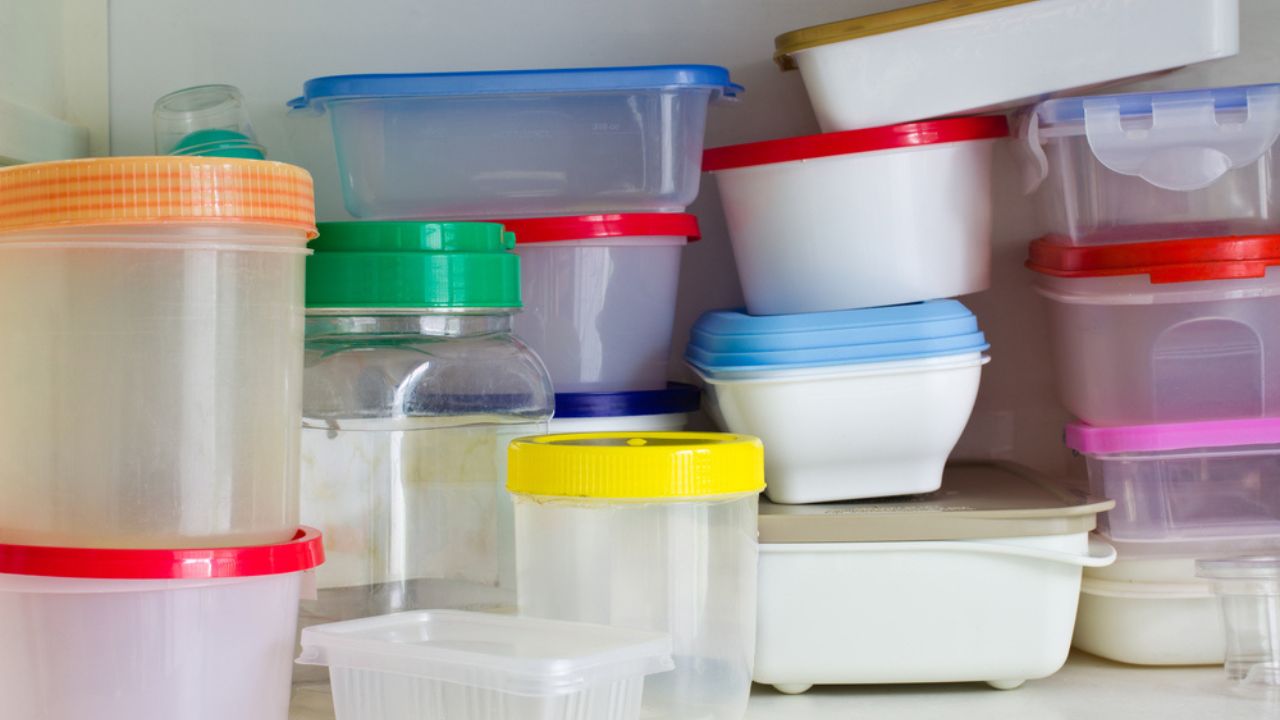
A cabinet full of mismatched plastic lids and stained containers is a major kitchen stressor. These items often warp in the dishwasher and take on the odors of past meals. Switching to a unified glass system improves organization and food safety.
Select a set of glass containers with locking lids that stack neatly. Glass goes from the fridge to the oven or microwave without leaching chemicals. These containers last much longer than plastic and allow for a clear view of what leftovers are available.
15. Trial-size Toiletries
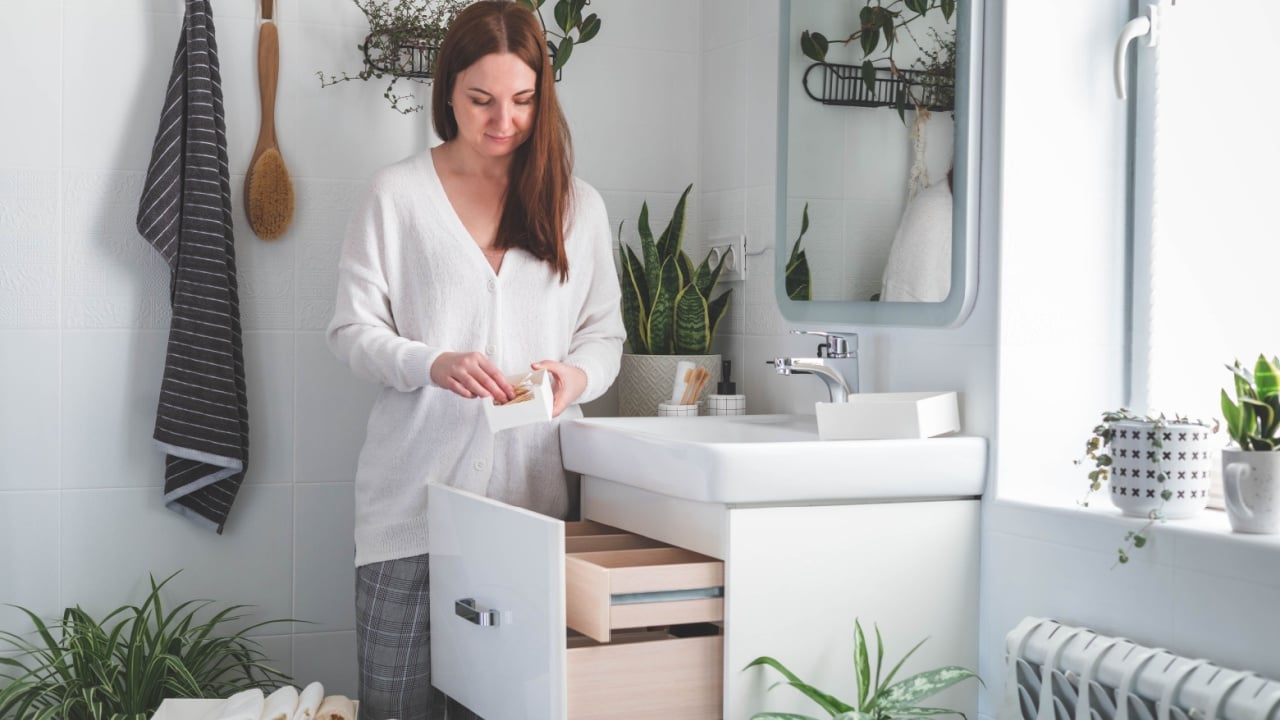
Small bottles from hotels or travel sections often accumulate in bathroom cabinets. These tiny containers rarely provide enough product for a full routine and create a lot of plastic waste. Minimalists stick to their preferred full-size products to keep the vanity clear.
Purchase a set of high-quality, refillable silicone travel bottles for trips. Fill them with the usual shampoo and soap to maintain a consistent routine while away from home. This eliminates the clutter of random samples and ensures the skin and hair receive familiar care.
Designing a Home That Works for You

Adopting these habits creates a home that feels light and manageable. Focus on the items that truly add value and let go of the obligation to own “just in case” objects. Building a space around utility and quality leads to a more peaceful daily life.