6 Things Minimalists Purge Every Single Day
Living with less is about more than just a big spring clean once a year. True minimalism means staying on top of things so clutter doesn’t quietly take over your space. The difference between a calm, tidy home and one that feels chaotic often comes down to how you handle the little stuff that shows up every day. Deal with things as they come, and you’ll avoid those overwhelming piles.
Making decluttering a daily habit turns cleaning from a dreaded weekend task into quick, easy wins. It’s a great way to keep your home feeling peaceful without the stress of a huge cleanup.
Here are seven things minimalists get rid of every day to keep their spaces calm and clutter-free.
1. Aggressive Paper Clutter and Junk Mail
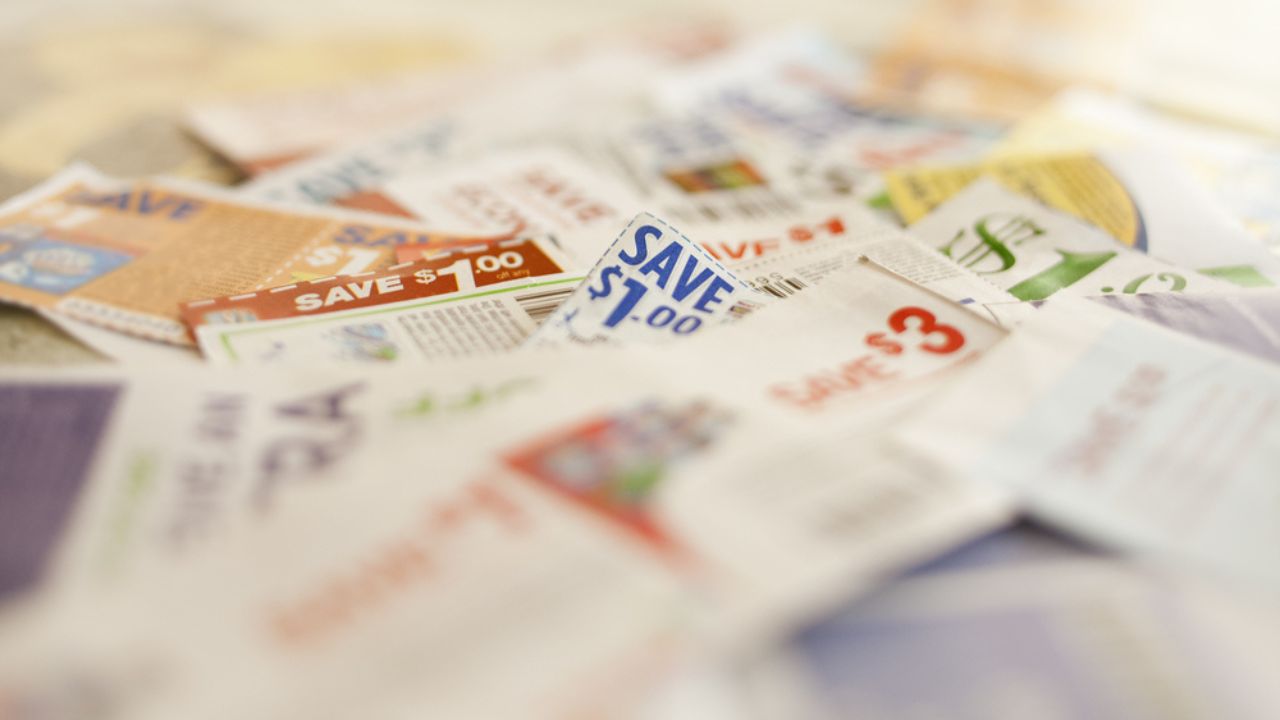
Paper enters the home at an alarming rate. Flyers, coupons, and envelopes seem to multiply on countertops the moment you turn your back. Minimalists treat the mailbox as a filtration system rather than a storage unit. Bringing mail inside and leaving it in a pile creates a visual to-do list that induces anxiety.
Deal with incoming paper immediately upon entry. Place a recycling bin near the front door or in the garage. Sort the mail before you even take your shoes off. If an item is junk, it goes straight into the bin. If it is a bill or an invitation, it moves to a designated administrative spot. This habit prevents the dreaded paper mountain from forming on the kitchen island.
2. Packaging and Shipping Materials
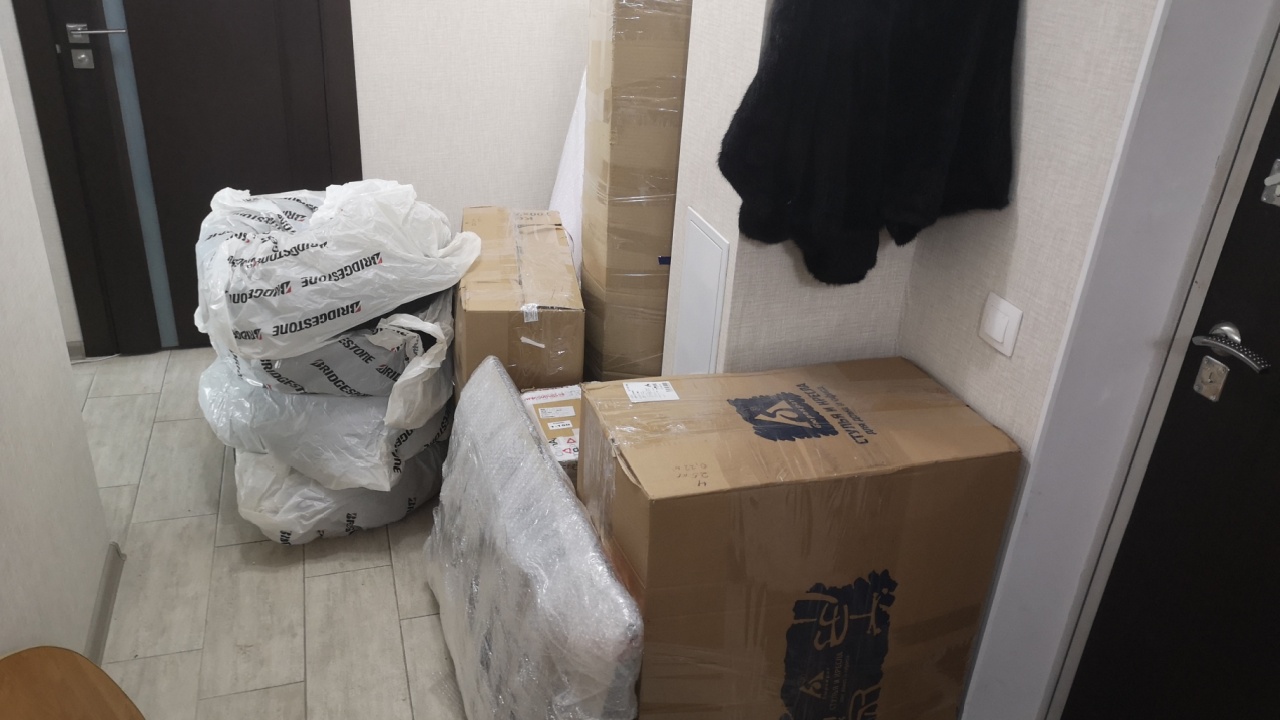
Online shopping delivers convenience alongside a significant amount of cardboard, plastic wrap, and air pillows. Leaving a box by the door “to deal with later” invites clutter to settle in permanently. Minimalists recognize that the item inside is the only thing of value; the vessel it arrived in is immediate trash.
Break down boxes the moment you open them. Flatten the cardboard and move it to the recycling area. Discard the plastic fillers and hang tags immediately. This practice keeps entryways clear and prevents pests that love nesting in cardboard stacks.
3. Pocket Receipts and Wallet Debris
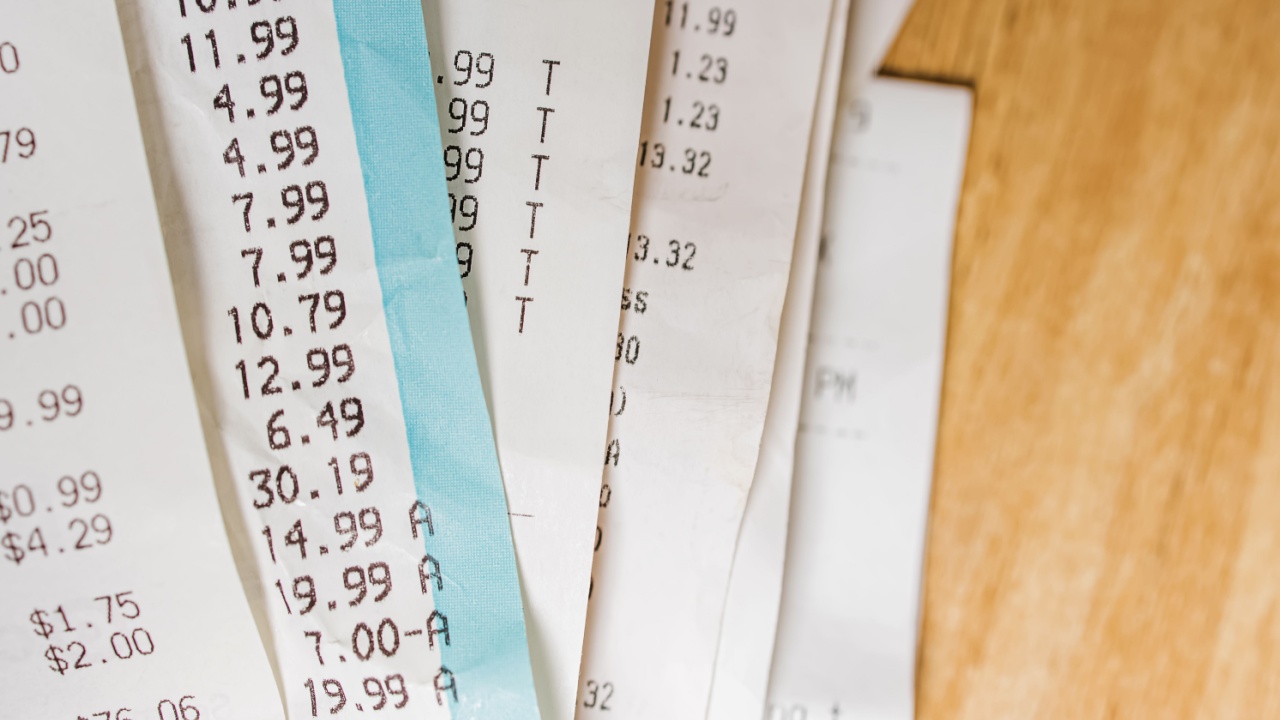
Wallets and purses often become graveyards for thermal paper slips. While some receipts are necessary for taxes or returns, most serve no purpose after the transaction ends. A bulging wallet filled with old coffee receipts makes finding essential cards difficult and adds unnecessary weight to your bag.
Take thirty seconds at the end of the day to clear out your pockets and wallet. If a receipt is needed for a specific reason, file it or scan it immediately. If it serves no purpose, toss it. This daily reset keeps your bag organized and prevents that frantic search for a debit card at the checkout line.
4. Expired Food and Fridge Leftovers

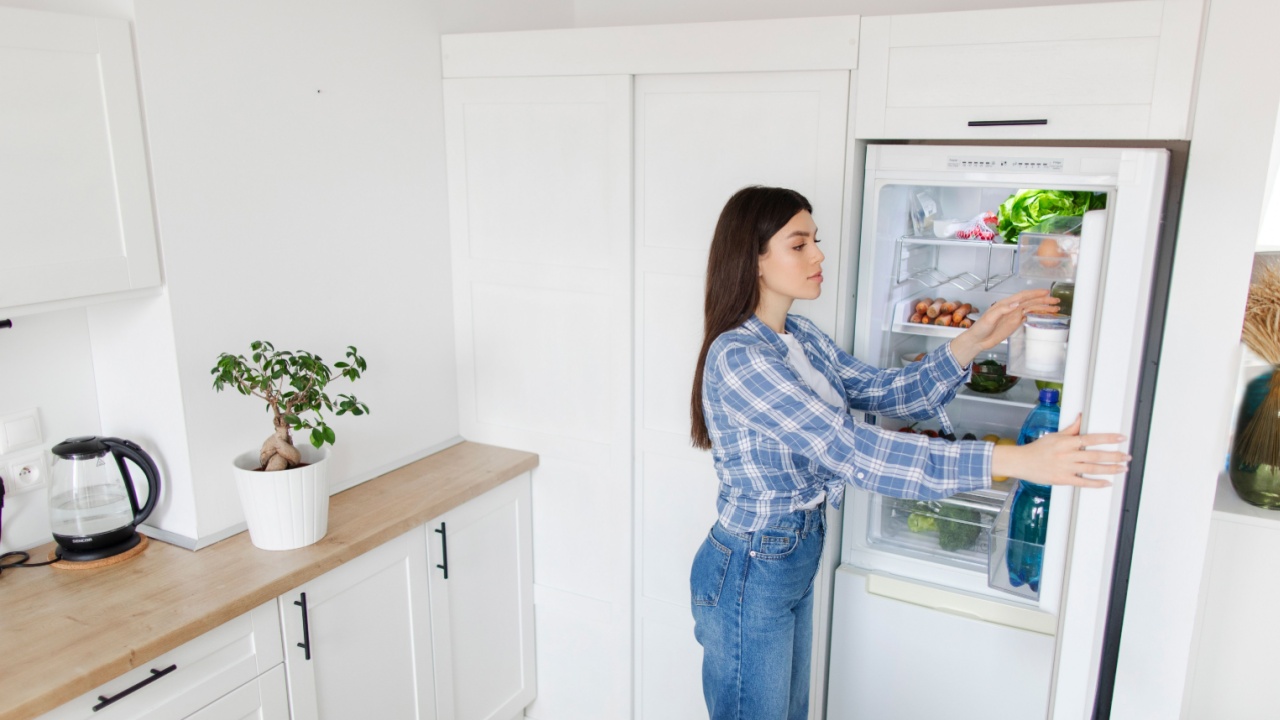
The refrigerator is a prime location for clutter because it is hidden behind a closed door. However, ignoring it leads to food waste and unpleasant odors. Minimalists scan their fridge shelves daily, often while grabbing ingredients for dinner or a snack. They look for wilted produce, empty condiment jars, or leftovers that have passed their prime.
Compost or discard anything that is no longer edible. This constant rotation keeps the fridge clean and makes meal planning easier because you can clearly see what fresh ingredients you actually have. It also stops the accumulation of half-empty jars that tend to get pushed to the back and forgotten for months.
5. Empty Toiletries and Grooming Products

Bathroom counters and showers collect “almost empty” bottles. People often leave a shampoo bottle with a single drop left or a toothpaste tube that is impossible to squeeze, promising to finish it tomorrow. These items clutter the shower ledge and make the bathroom feel messy.
When a product runs out, rinse the container and put it in the recycling bin immediately. Do not leave it in the shower. If you have multiple half-used bottles of the same product, combine them into one container to save space. This keeps the bathroom feeling like a spa rather than a storage locker for plastic bottles.
6. Dried-Out Pens and Office Supplies
Few things are more annoying than reaching for a pen to jot down a note only to find it has no ink. Yet, many people toss the dead pen back into the cup out of habit. Minimalists refuse to give space to tools that do not work.
Test your writing instruments regularly. If a pen skips or a highlighter is dry, throw it away instantly. Do not put it back in the drawer. The same applies to bent paperclips or sticky notes that have lost their adhesive. Keeping only functional supplies on your desk streamlines your work process and removes minor daily frustrations.
Master Your Space
Clearing these items daily prevents the overwhelm that leads to messy homes. It is a proactive approach to living that prioritizes peace over accumulation. If you’re unsure about what to keep and what to let go, take time to reflect and focus on creating a space that truly aligns with your needs and style.