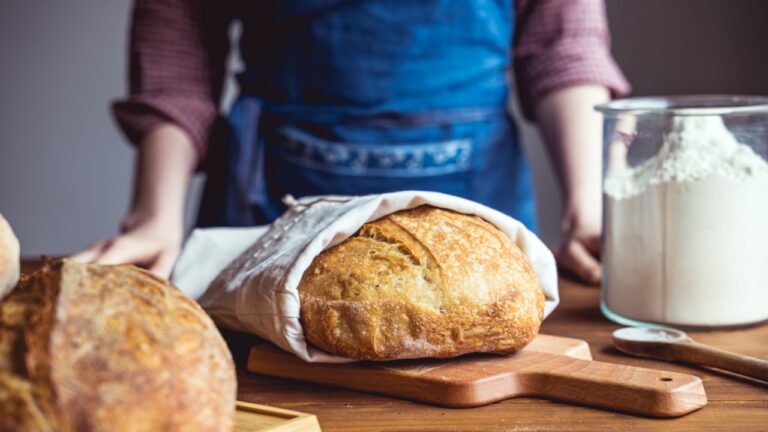
15 Foods That Stay Safely Edible Long Past Their Expiration Dates
The dates stamped on grocery boxes and jars often cause a lot of worry in the kitchen. Many people throw away perfectly good food simply because a printed calendar day has passed. This everyday habit comes from not knowing what those stamps really mean. In reality, these dates typically indicate a manufacturer’s best estimate of when food tastes freshest, rather than a safety deadline.
Government rules for these labels are surprisingly loose, letting food companies decide their own dates. Because of this, phrases like “sell by” or “best if used by” are just helpful tips for stores and shoppers.
They point out that when a product tastes its absolute best, not when it suddenly gets dangerous to eat. Learning this difference can cut down on kitchen waste and save a lot of money on grocery bills.
Reports from food safety groups prove that many pantry and fridge items stay completely fine long past their labels. The reasons why they last so long come down to basic facts like low water levels, high acid levels, or special ways the food is cooked or packed to stop germs.
The list below shows fifteen everyday foods that easily last past their stamped deadlines.
1. Raw Honey
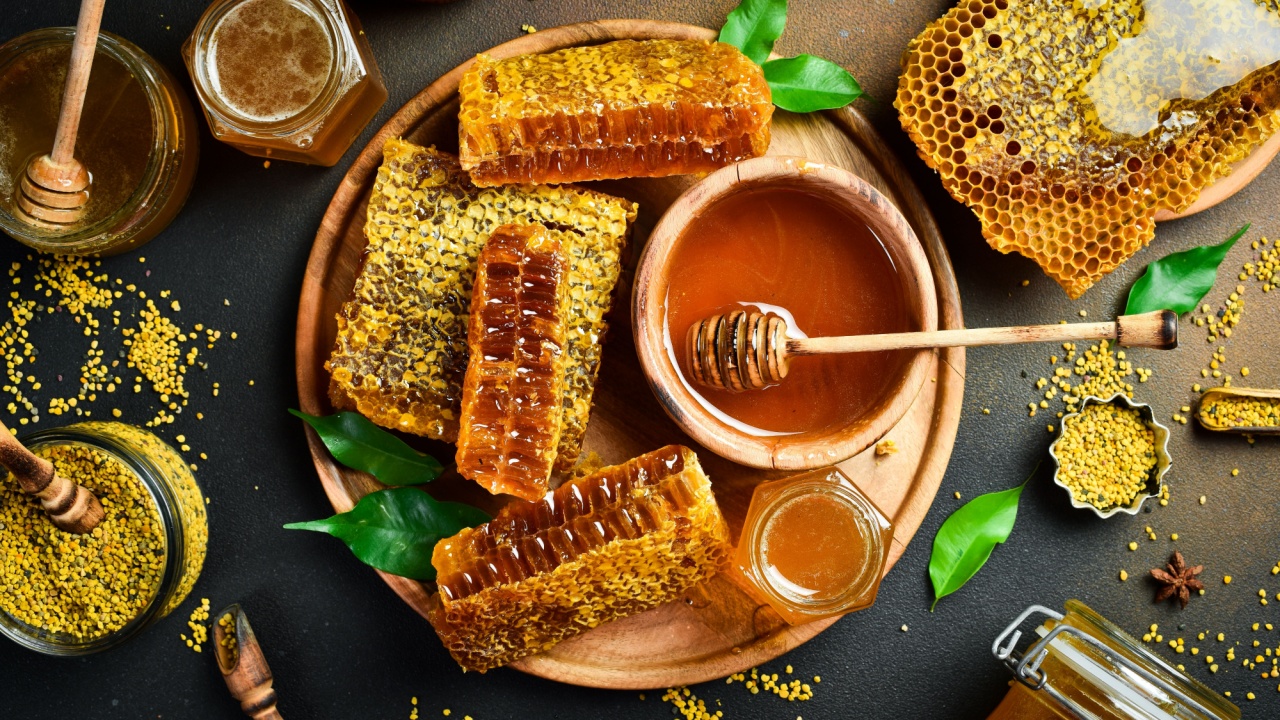
Raw honey has a natural makeup that makes it almost impossible to spoil. It has little water inside, which keeps bacteria and germs from growing. Bees also add a special natural element when making honey that works like a shield against mold. Because of these built-in traits, honey can stay good for hundreds of years.
To keep honey fresh for a lifetime, keep the lid screwed on tight and put the jar in a dry cabinet. Gradually, honey might turn solid, get cloudy, or change color, which is a normal shift when natural sugars separate from water. This does not mean the honey is bad, and it turns back into a smooth liquid if you place the closed jar in warm water.
Try to keep wet spoons and dirty knives out of the jar to stop outside water or crumbs from getting inside. If the honey gets too thick or chunky, let the sealed jar sit in a bowl of hot water for a few minutes. This gentle warmth fixes the texture without changing the sweet taste.
2. White Rice
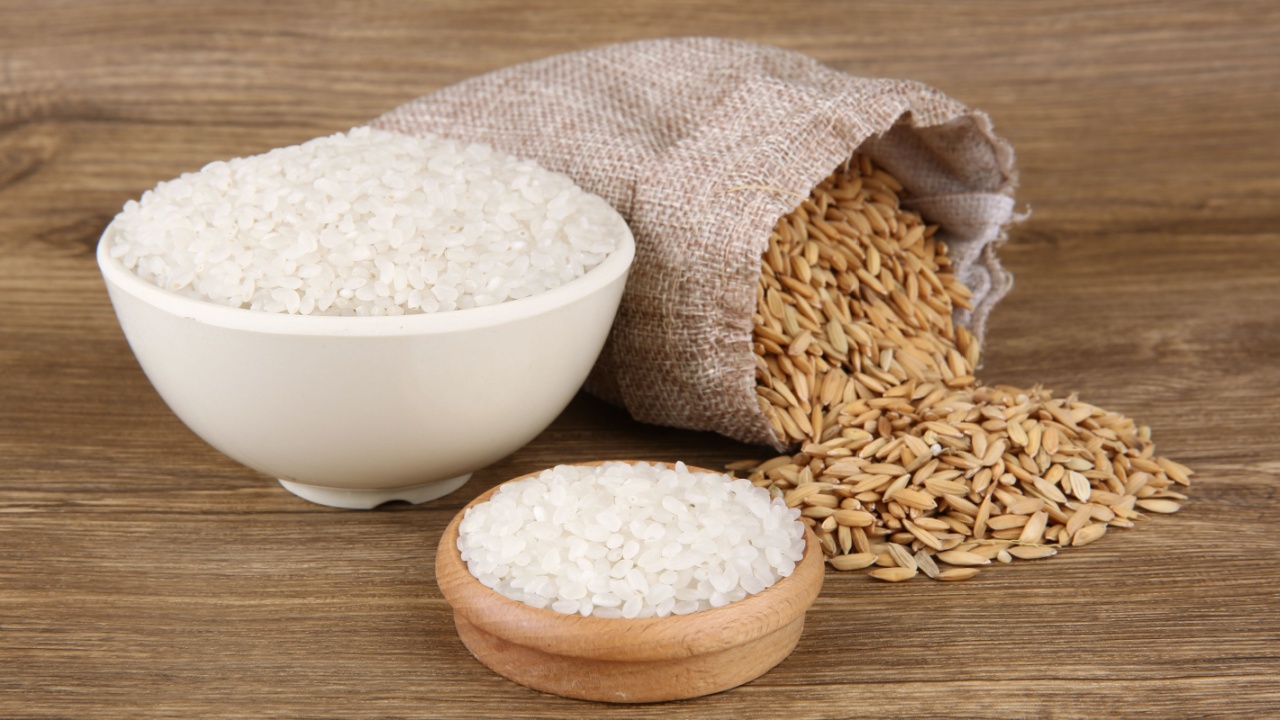
Making white rice involves removing the outer skins and layers, which takes away the natural oils found in brown rice. Since white rice does not have these oils, it avoids the natural breakdown that makes grains spoil and smell bad. Standard types like long-grain, basmati, and jasmine rice can keep their food value and taste for up to thirty years.
Keeping rice fresh for decades depends on keeping the grains away from water and pests. It is best to take the rice out of its original bags and pour it into tough glass or plastic containers with tight lids. Storing these jars in a cool, dark cupboard stops temperature shifts and keeps out little bugs like weevils.
If you plan to keep huge buckets of rice for many years, you can add small packets that absorb air to keep the grains extra safe. Always look inside the container before cooking to make sure no damp air got in to cause mold. If the grains are dry, hard, and clean, the rice is completely ready to boil.
3. Eggs
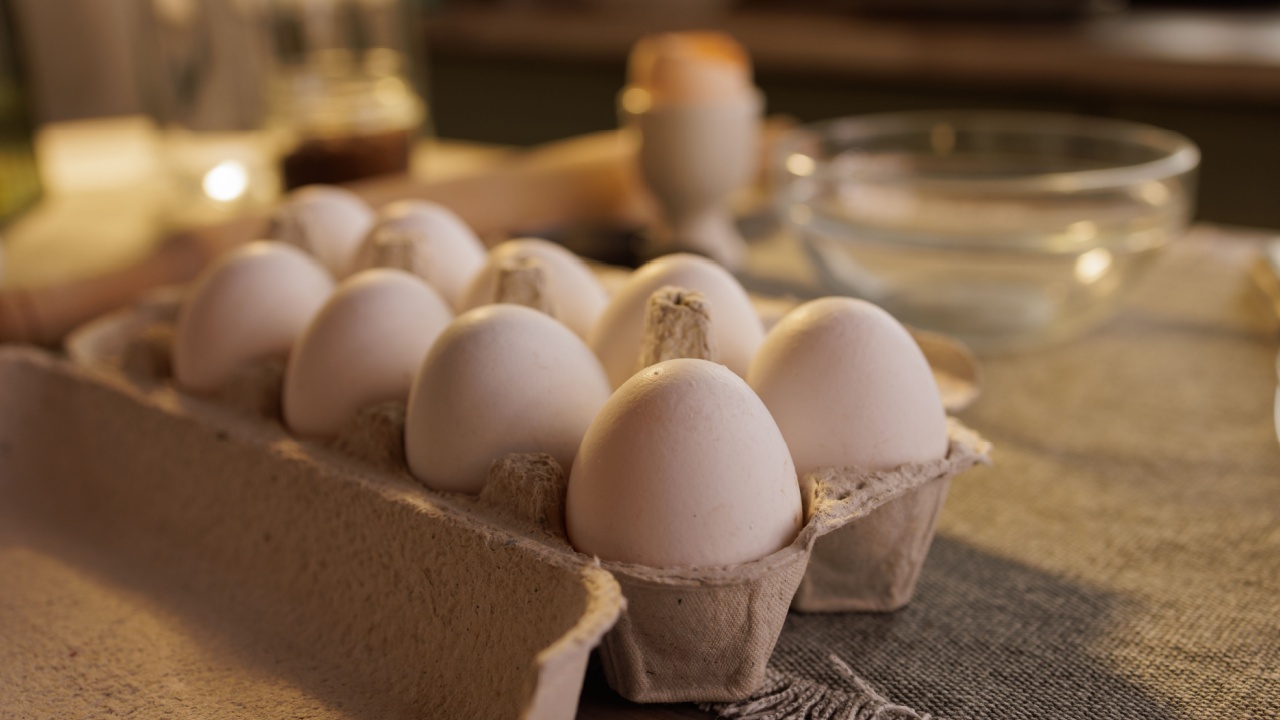
Eggs in the fridge usually stay safe and good to use for three to five weeks past the date on the carton. The cleaning process at the factory takes away an egg’s natural outer coating, but keeping them cold slows down any potential germ growth. The dates on the box are mostly there to help grocery stores move older boxes off shelves first.
A great way to test an old egg is to place it into a bowl of cold water. Fresh eggs sit completely flat on the bottom of the bowl, while older eggs stand straight up on one end because an air bubble grows inside the shell over time. If an egg floats all the way to the top of the water, the air bubble is too big, and the egg should go in the trash.
When using older eggs that pass the water test, crack them into a small bowl by themselves before mixing them into a pan or recipe. This step lets you look at the yolk and smell the egg to be sure it is fine. Older eggs are also much easier to peel after you boil them, making them perfect for hard-boiled snacks.
4. Hard Cheese

Types of cheese like Parmesan, Romano, and sharp Cheddar are made specifically to have little water and high amounts of salt. This hard texture stops mold and bacteria from digging deep into the block, which is why soft cheeses like Brie spoil so much faster. Because of this tough build, hard cheeses often stay safe in the fridge for up to four months past their date.
If you see a little spot of mold on the outside of a hard cheese block, you do not need to throw the whole piece away. Cutting off the moldy spot, along with an extra inch around and under it, clears away the problem and leaves the rest of the cheese clean. Always use a fresh knife for this, so you do not spread mold spores to the clean parts.
To store the rest of the block safely, wrap it tightly in wax paper or parchment paper instead of plastic wrap. This step lets the cheese breathe just enough so it does not sweat or trap damp air. Keep the wrapped cheese in the vegetable drawer of the fridge to keep the temperature steady.
5. Pasteurized Milk

Store-bought milk goes through a quick heating process called pasteurization to kill off bad germs before it is sold. When kept cold at the back of the fridge, an unopened jug of milk often stays completely fresh for up to a week past its date. Keeping the milk at a steady, cold temperature is what makes it last.
Your nose is the best tool for checking if dairy is still safe to use. A sour smell, a bitter taste, or small chunks in the liquid show that harmless bacteria have grown, meaning it is time to dump the milk. These signs show the milk has turned sour, even if the calendar date says it should be fine.
To get the most life out of a gallon of milk, do not keep the jug in the refrigerator door shelves. The door gets warm every single time you open the fridge, which makes milk spoil much faster. Keeping the jug on a middle or bottom shelf near the back wall keeps it consistently cold.
6. Yogurt
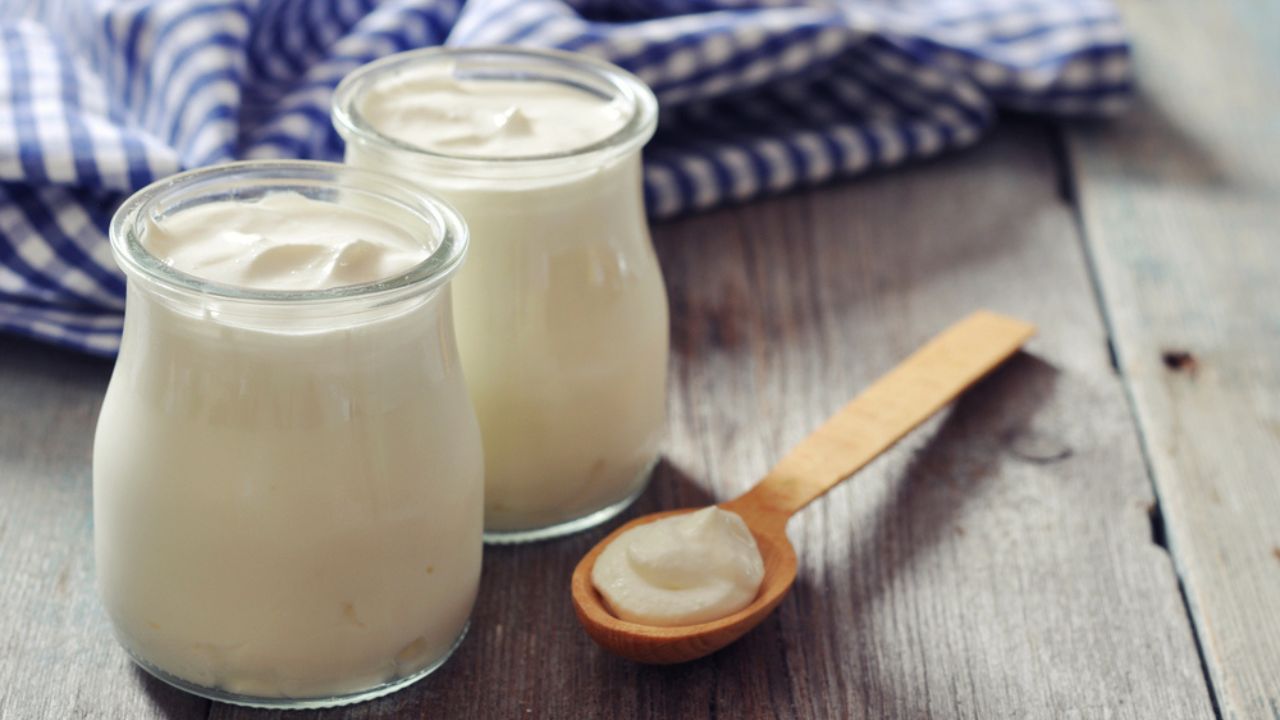
Unopened yogurt can stay safe and tasty for one to two weeks past its expiration date if it stays cold in the fridge. The way yogurt is made creates a lot of natural acid, which acts like a protective wall against bad bacteria. This high acid level gives yogurt a much longer safety window than regular liquid milk.
A little bit of clear liquid pooling on top of the yogurt is totally normal and safe to stir right back in. But if you see fuzzy mold, big clumps, or notice a sharp, bad smell, the natural acid protection has failed. Check the edges of the tub carefully, since mold usually starts growing around the rim of the lid first.
Once you open a container of yogurt, try to eat the rest within a week for the best taste. Always use a clean spoon to scoop it out, because introducing dirty spoons or food crumbs can bring in germs. Press the plastic lid down firmly after every use to keep out air.
7. Butter
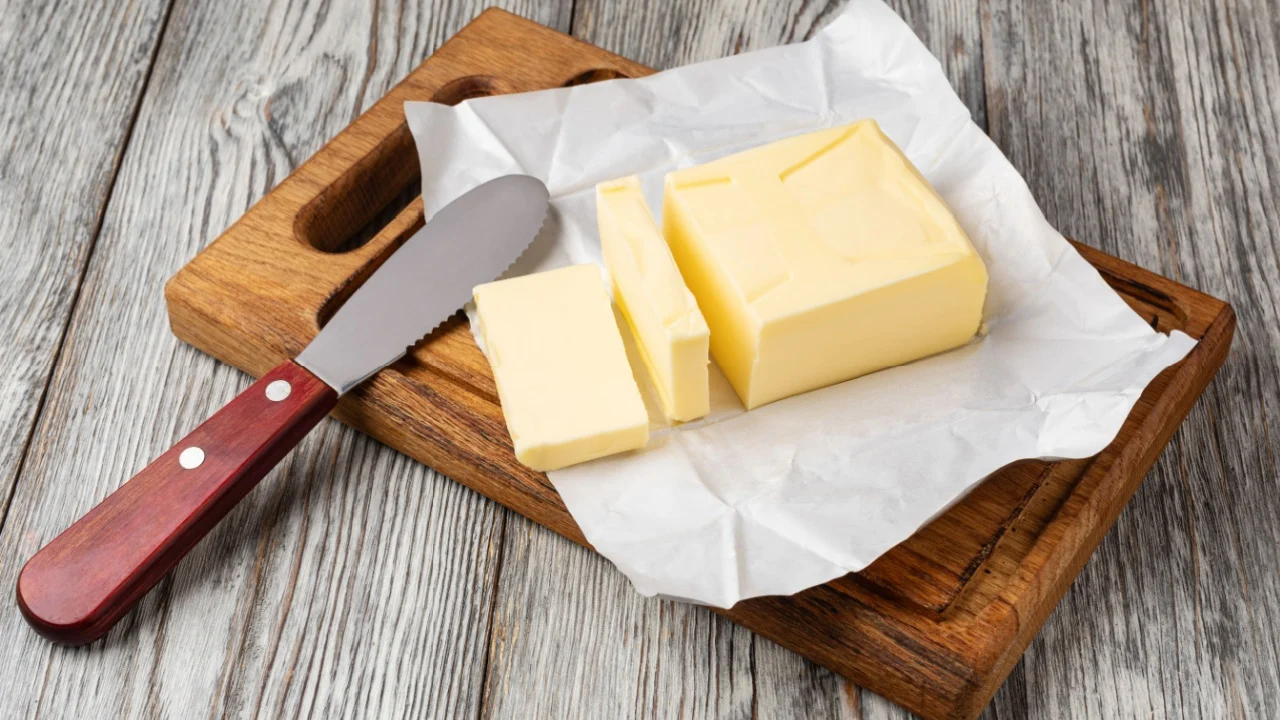
A high amount of fat mixed with very little water makes butter tough enough to resist spoiling quickly. Salted butter lasts even longer because salt is a traditional way to stop bacteria from growing. Wrapped tightly in the fridge, sticks of butter last for several months past their date, and they can last for a whole year in the freezer.
Leaving butter open to the air causes the fats to break down, which eventually ruins the taste and turns it a dark color. Signs of this issue include a dark yellow shade on the outside, a sour smell, or a stale flavor. Keeping the butter covered stops this air damage and keeps it useful.
Keep your extra sticks of butter in their original wrappers inside a sealed container in the main part of the fridge. If you like to keep a stick on the counter so it stays soft for spreading, only leave out what you can use up in a few days. Keeping the counter dish covered and away from sunny windows helps it stay fresh.
8. Mayonnaise

Store-bought mayonnaise is a blend of oil, egg yolks, and vinegar or lemon juice. The heavy amount of acid drops the pH level, making an environment where food germs cannot live. Unopened jars can sit safely in a dark pantry for over a year without losing any quality.
Once the factory seal is broken, keeping the jar in the fridge keeps the mix stable for up to three months. Do not dip dirty knives or spoons into the jar, since introducing outside food crumbs breaks down the natural defenses of the spread. If the oil separates or turns a deep yellow color, the quality is gone.
To keep the jar clean, use a fresh spoon every time you need some mayo. Wipe away any smears left around the top rim of the jar before twisting the lid back on. This quick step stops dried bits on the rim from spoiling and affecting the fresh mayonnaise inside.
9. Ketchup and Mustard

Ketchup uses high levels of natural acid from tomatoes and vinegar to stop bacteria, which lets opened bottles last for six months in the fridge. Mustard goes even further by using mustard seeds, which have natural germ-fighting traits that preserve the sauce for a year after opening. Both items rely on acid to stay safe.
A clear liquid settling at the top of the bottle is completely normal and just means the bottle needs a quick shake. True spoilage shows up as a dark color change, a strong sour smell, or gas buildup that makes the plastic bottle puff up. Storing the bottles upside down helps keep air from sneaking in through the cap.
Wipe the squeeze tips clean after each use so a crust does not form. If an open bottle sits out on the counter for a long time, check the smell before squeezing it onto your food. Putting these sauces in the fridge right after opening keeps their bright flavors alive much longer.
10. Jams and Jellies
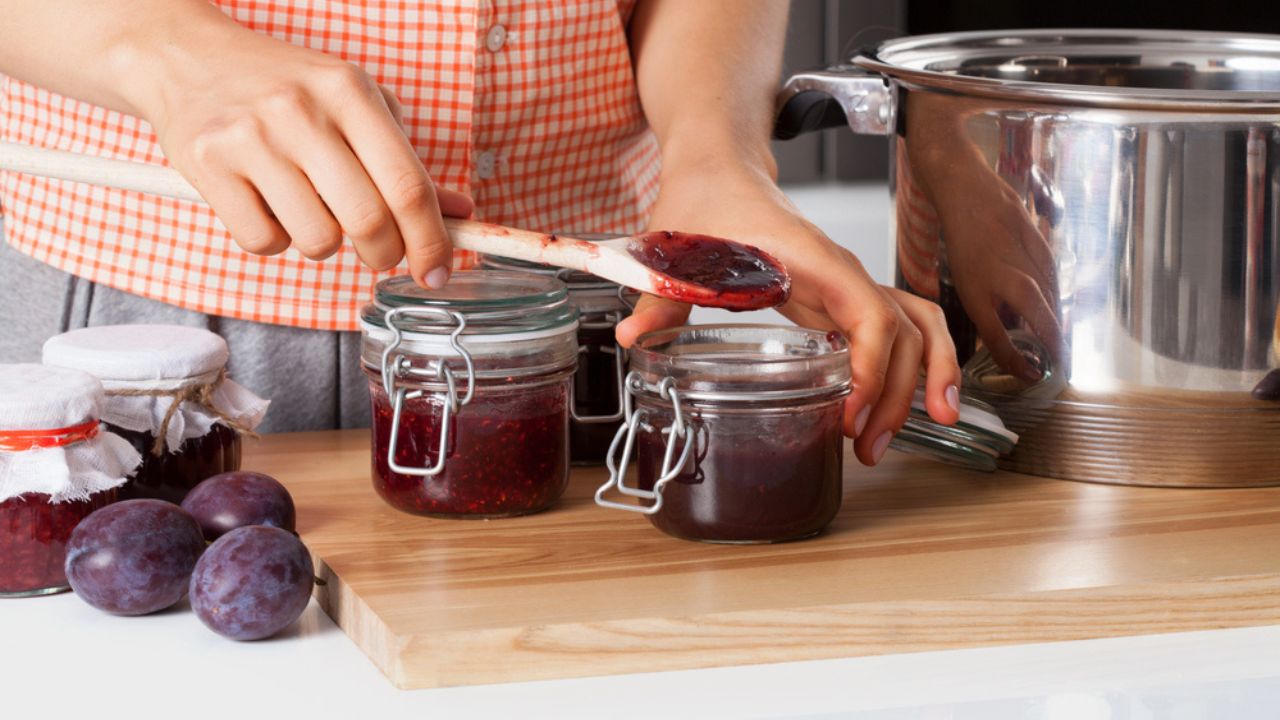
Fruit spreads use a mix of boiling heat, fruit acids, and lots of sugar to stay safe for a long time. The heavy amount of sugar locks up the water inside, leaving no moisture for mold or bacterial cells to feed on. Because of this setup, an unopened jar stays perfectly fine in the pantry for one to two years.
After you open the jar, the sweet jam lasts for at least six months if it is closed tightly and kept in the fridge. Always use clean spoons to scoop it out to avoid spreading breadcrumbs or butter into the jar. If yeast starts to grow, it will create bubbles and an alcohol smell, which means the jar is bad.
Watch out for low-sugar or sugar-free jams, because they do not have the same staying power as regular types. Without a full amount of sugar to lock up the water, these alternative spreads will mold much faster after opening. Check the labels on diet brands since they usually need to be eaten quickly.
11. Dried Pasta

Dry pasta shapes like spaghetti, penne, and box noodles contain almost no water at all, which removes the main thing germs need to grow. This total dryness lets factory boxes of pasta stay perfectly good to eat for two years past the printed date. The noodles stay good as long as the air around them stays completely dry.
Moving opened boxes of pasta into glass jars or plastic containers stops damp air from ruining the dry starch. This storage method also forms a hard wall against bugs like pantry moths that look for grains. Egg-based or gluten-free pastas tend to break down a bit faster, so check those types more closely.
When cooking older pasta, test a noodle a minute or two before the box directions say it should be done. Older pasta can sometimes take a little longer to get soft, or it might get brittle if it was stored in a damp place. As long as the dry noodles look clean and have no bugs, they are totally safe to boil.
12. Dried Beans

Pinto, black, and kidney beans go through a heavy drying process before they are bagged, which keeps them good for ten years or more. Underneath the tough outer skin, the inside stays safe from rotting as long as your storage spot blocks out dampness. This long life makes dry beans an excellent choice for emergency food stocks.
While old beans stay perfectly safe to eat, they lose their tiny bit of internal water over the years and take much longer to cook. Adding a small pinch of baking soda to the soaking water helps break down the hard walls of older beans. Look at the storage bags once in a while to check for fine dust or tiny holes, which point to bug activity.
To make old beans easier to cook and digest, soak them overnight in water before boiling them on low heat for a long time. Do not add acidic ingredients like tomatoes or lemon juice until the beans are completely soft, because acid keeps old beans tough. Properly stored beans provide great nutrition, no matter how old they are.
13. Pure Vanilla Extract
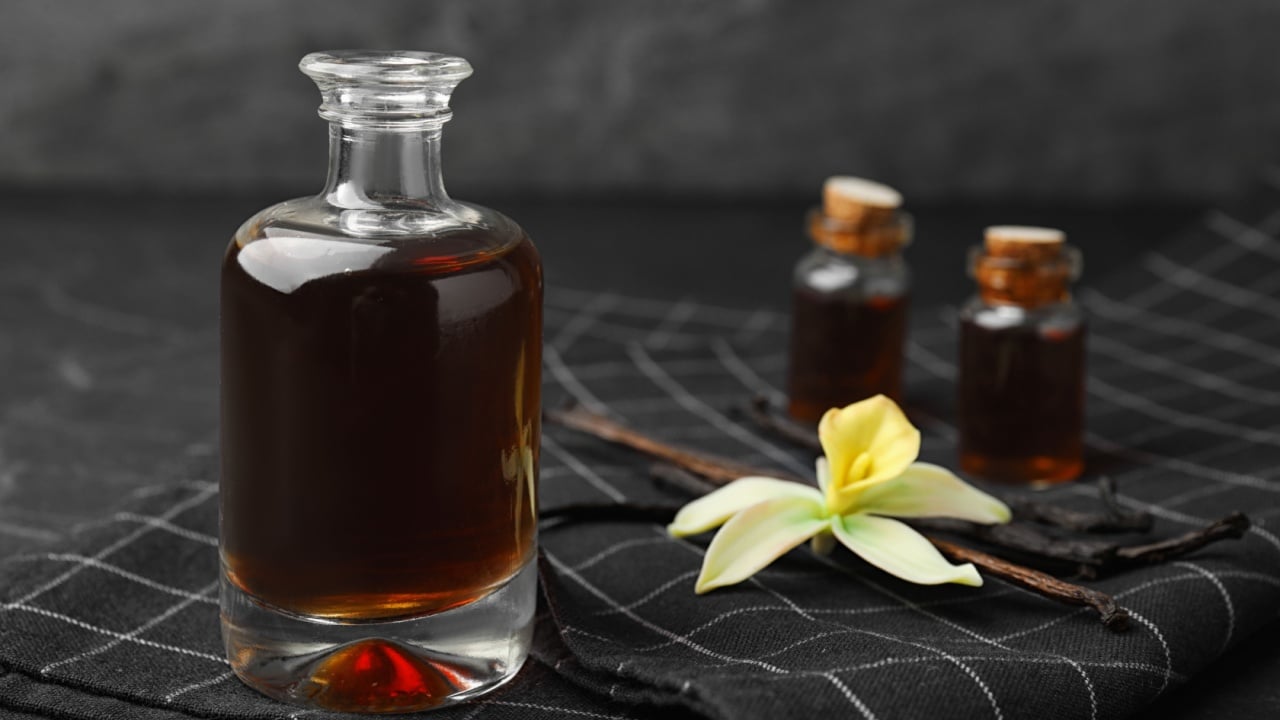
Pure vanilla extract uses a strong alcohol base to pull flavor out of real vanilla beans. The alcohol works as a permanent guard that stops any bacteria or mold from growing in the bottle. Instead of going bad, the flavor actually gets better and deeper over time, matching the way fine drinks age.
Imitation vanilla options often have added water and fake ingredients that do not share this endless lifespan. Guard your pure extract by keeping the cap twisted tight so the alcohol base cannot evaporate into the air. Store the glass bottle away from bright sunlight and stove heat to protect the flavor.
Check the ingredient list to make sure you have pure extract instead of a flavored sugar syrup. If you see dark specks at the bottom of a pure vanilla bottle, it is just natural bean bits settling out and is completely harmless. A quick shake mixes the flavor right back up before you measure it out for baking.
14. Cornstarch
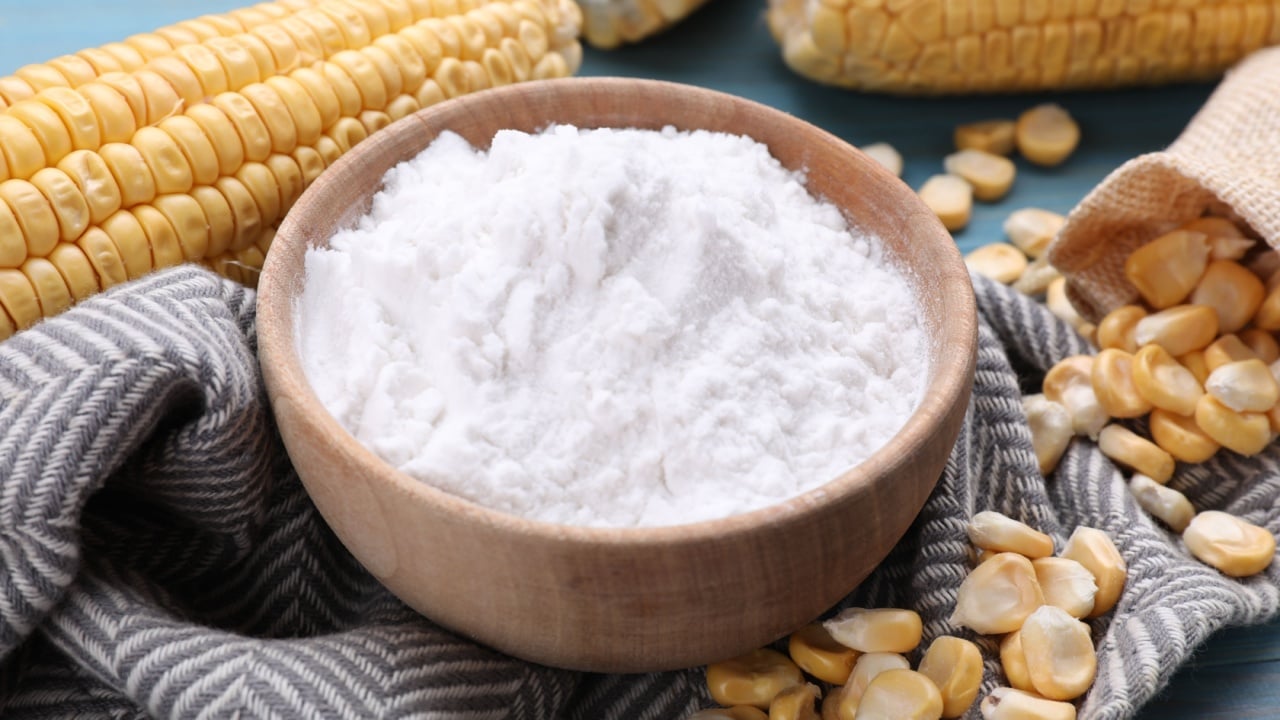
Cornstarch is a dry powder made entirely from the inside of corn kernels. Since it has no proteins or fats to go bad, the basic structure stays completely the same over the years. It can stay useful forever, as long as it never touches water or liquid spills.
When left in damp air, the fine powder quickly drinks up water, which leads to lumps, mold growth, and bugs. Keeping the powder in a tightly closed jar inside a cool, dark cabinet keeps it perfectly dry. If the powder pours out smoothly without damp lumps or dark streaks, it is completely safe to use.
To see if old cornstarch can still thicken your food, mix a spoonful into a cup of warm water or broth. If it turns the liquid into a smooth paste as it heats up on the stove, the starch is fully active and ready for your recipes. Always use a dry spoon to scoop it out of the main box.
15. Soy Sauce

The traditional way to make soy sauce involves fermenting soybeans and wheat in a heavy mix of water and lots of salt. This high salt level, combined with natural fermentation acids, creates a double wall that stops germs from living in the liquid. An unopened bottle can easily sit in a kitchen cabinet for several years without any safety risks.
Once the bottle is open, keeping it in the fridge protects the bright taste and deep color for up to three years. Leaving the sauce out at room temperature does not make it dangerous, but air exposure makes the flavor turn a bit bitter over time. Check the cap for little salt crystals, which are normal and do not mean the sauce has spoiled.
If you do not use soy sauce very often, buying smaller bottles helps you finish them while the flavor is best. Wipe down the pouring spout after use so a sticky crust does not form around the lid. This simple step keeps the seal tight and makes the bottle much easier to open the next time you cook.
Trust Your Senses Over the Stamp
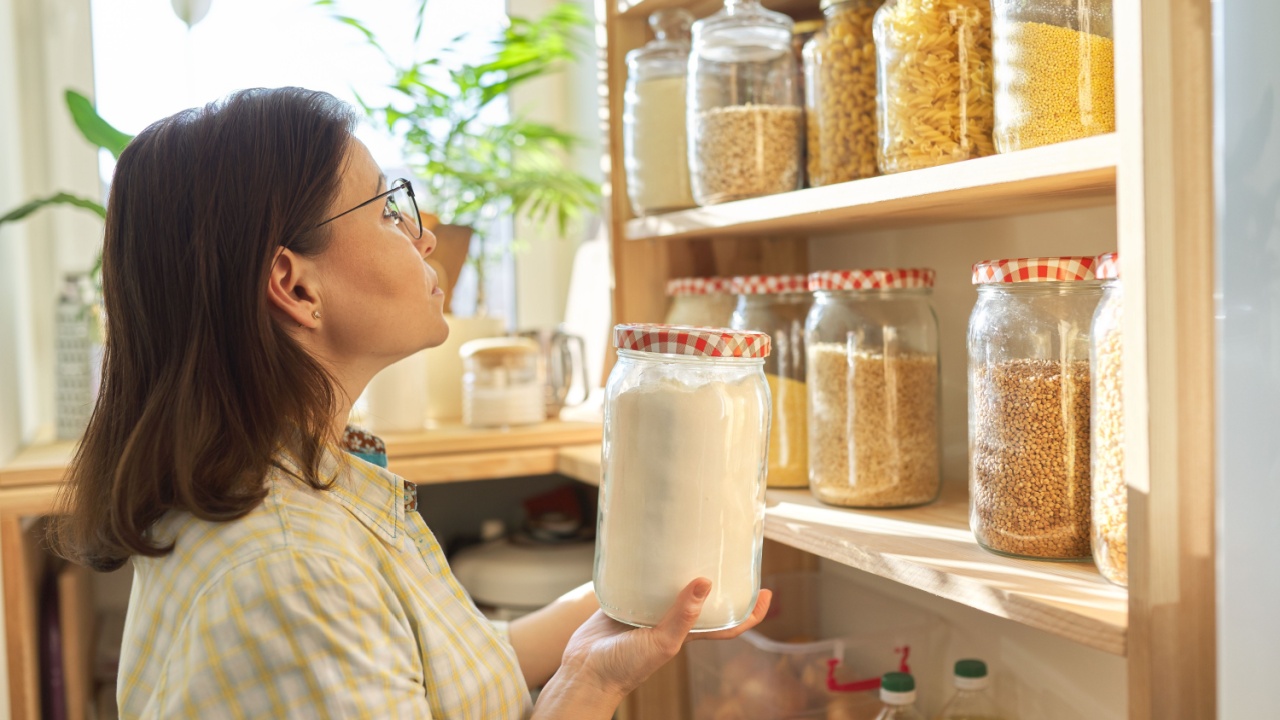
Checking your pantry with these simple rules helps you take a smart, practical approach to managing your kitchen. Testing food with your own eyes, nose, and hands gives a much better safety check than relying only on stamped dates. This habit directly stops waste and keeps good food on your table instead of sending it to the garbage.