14 Most Dangerous States That Go Beyond Crime Rates
When you think about how safe a state is, what comes to mind? For many, it’s all about crime and property theft. But there’s a lot more to the story when it comes to how safe and livable a place is. A whole range of factors can affect your daily life and overall well-being.
The injury law firm Bader Scott recently took a deep dive into this, evaluating all fifty states to find out which ones are the most dangerous to live in. Besides crime stats, they also pulled information from reliable sources like the EPA, CDC, and the FBI’s Crime Data Explorer.
Each state was scored on a scale from zero to one hundred across forty-nine different categories. A higher score means the state is less habitable, taking into account everything from natural disasters and bad traffic to pollution and economic stability.
The findings might just surprise you. Some states ranked high on the danger scale because of severe weather or poor air quality. Let’s dive in and explore which fourteen states topped the list for these combined risks, plus some tips on how to handle them.
1. Louisiana
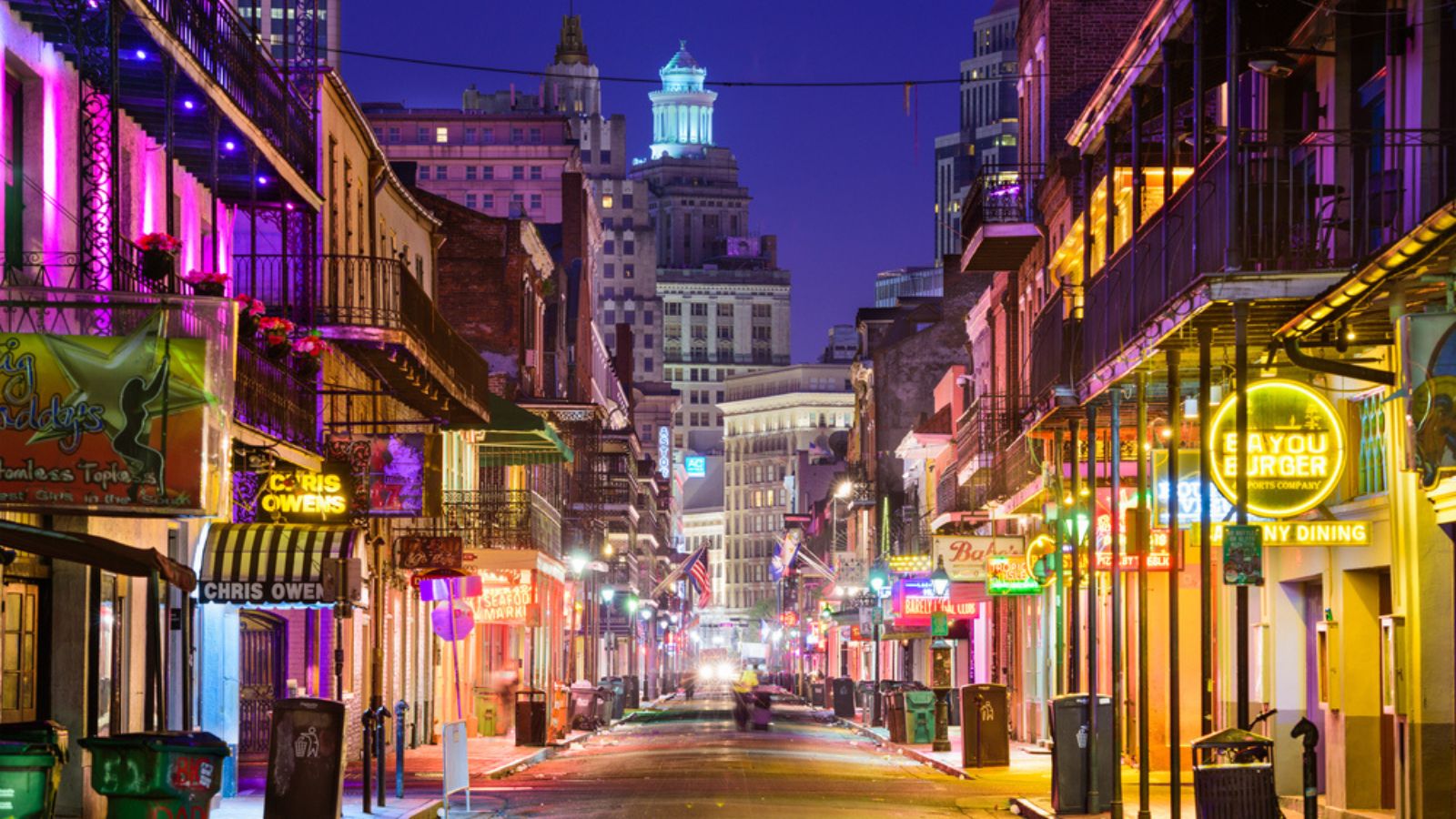
Louisiana tops the list as the most dangerous state because of its mix of social issues and wild weather. The area gets hit by big storms and floods all the time, which makes existing social and economic problems even worse for the people living there.
To keep safe, anyone living in Louisiana needs a good emergency plan. They should have an emergency kit ready to go, stocked with things like clean water, food that won’t spoil, and a power bank for when disaster strikes.
Staying in the loop is also super important, such as tuning into local weather reports and joining community safety groups. It’ll give an extra bit of security and help you handle whatever comes a resident’s way.
2. Mississippi

Coming in at number two is Mississippi. The state sees its fair share of natural disasters like storms and accidents, and also struggles with poor air quality and pollution.
If you live in Mississippi, good home insurance is a must. It’s also a good idea to strengthen your home against strong winds and rain. To keep the air inside your home clean, consider using high-efficiency air filters.
A little prep work can go a long way in creating a safer home and managing the risks of extreme weather and pollution.
3. Alaska
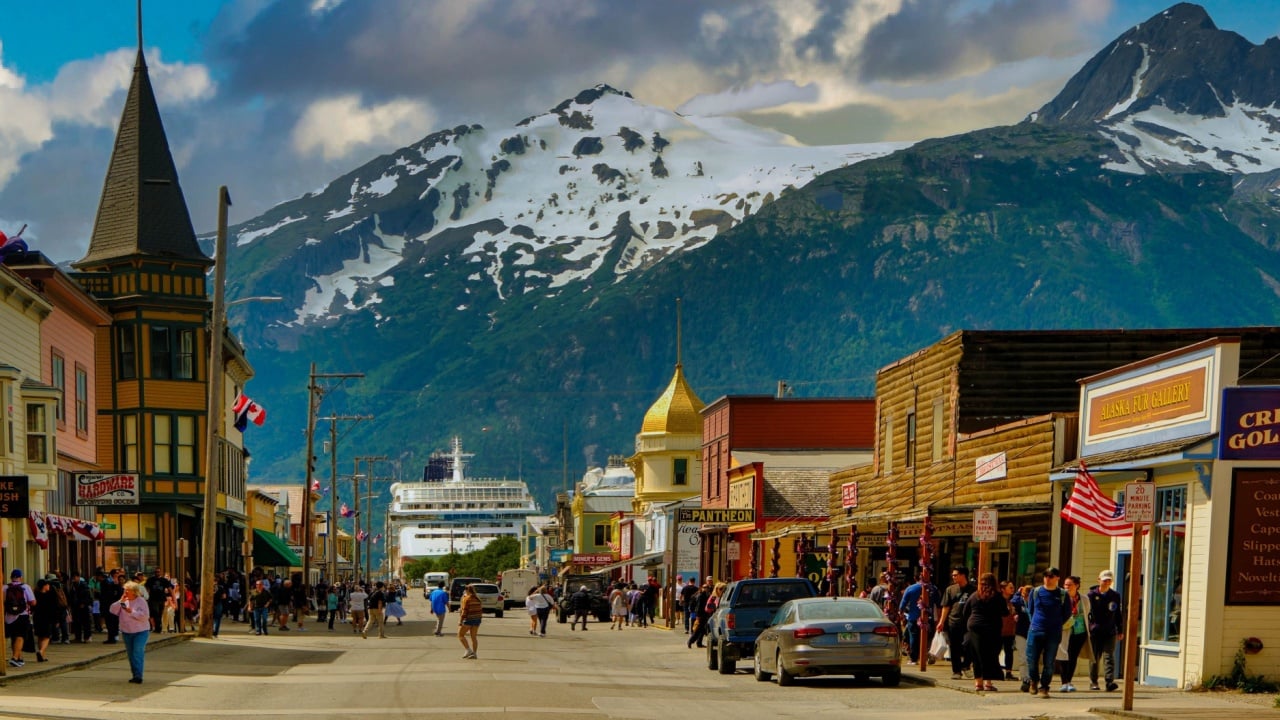
Coming in at number three is Alaska, which has the worst climate score in the whole country. The state’s super cold weather creates some unique challenges for staying safe, and there’s a high risk of other natural disasters, too.
If you’re an Alaskan and going to make it through the tough conditions, you’ll need to do some special prep. Such as heavy-duty insulation for your house, a reliable backup heating system, and always keeping emergency supplies in your car for those sketchy road conditions.
It’s also super important to know that local services might have their limits during a deep freeze. Winterizing your home doesn’t only mean being cozy; it can save your life and protect your property from the brutal cold.
4. Wisconsin
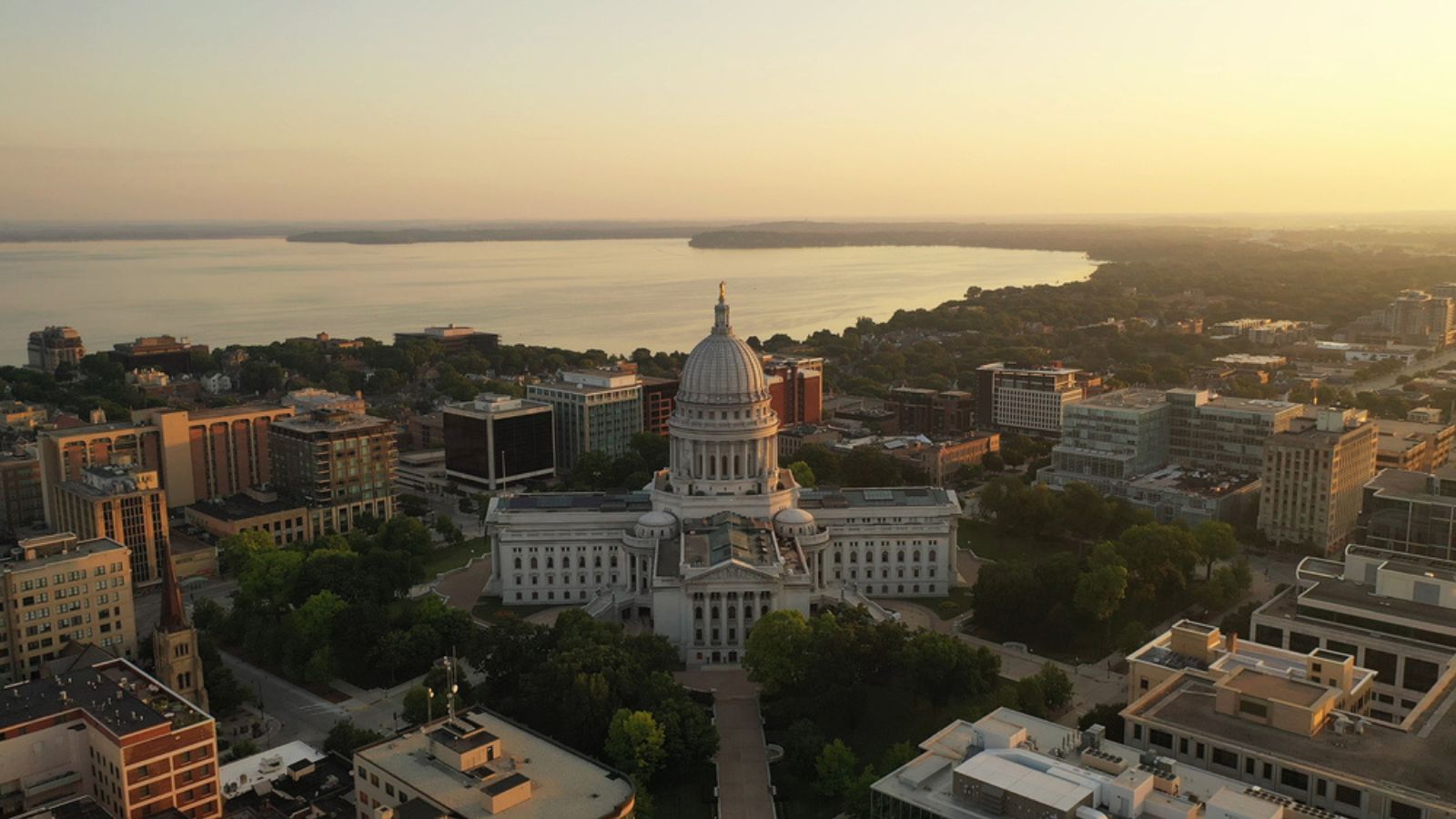
Wisconsin has the unlucky title of being the worst for air quality and pollution in the country. This bad environmental rating is a serious daily health risk, especially if you have breathing problems.
To deal with this as a local resident, you should check the local air quality index every day to plan your time outside safely. Using air purifiers with HEPA filters can also make a huge difference in the air quality at home and work.
By focusing on your indoor air quality, you can push back against the negative health impacts of high pollution. These simple changes are a key defense against all those environmental toxins.
5. Missouri
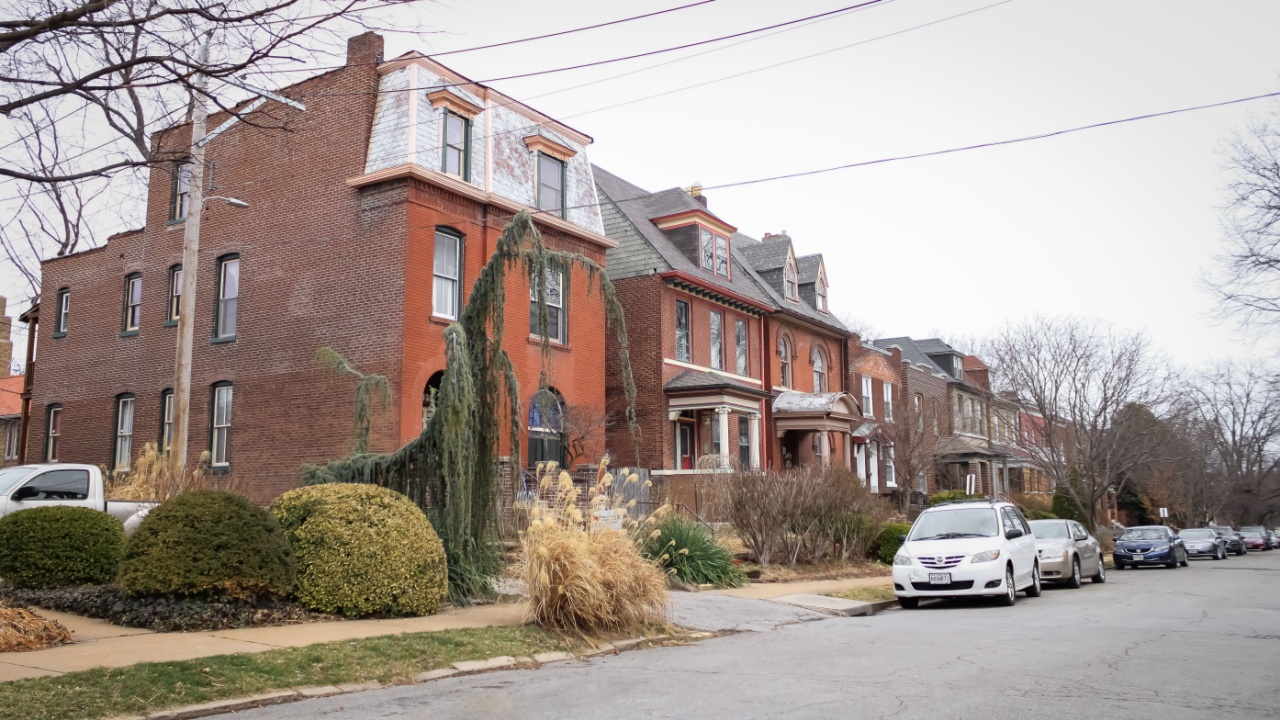
Missouri is right behind Wisconsin with the worst air quality in the U.S. The state also experiences severe weather, which creates a mix of dangers for the people who live there.
To protect your lungs in the long run as a Missouri resident, try to avoid outdoor workouts on days when pollution levels are high. It’s also a good idea to upgrade your home’s HVAC system with better filtration to catch tiny pollutants before they spread through your house.
Making your home a clean-air sanctuary can help reduce the risks that come with Missouri’s environmental issues. Keeping an eye on both weather forecasts and air quality reports is the best way to keep your family safe and healthy.
6. New Mexico
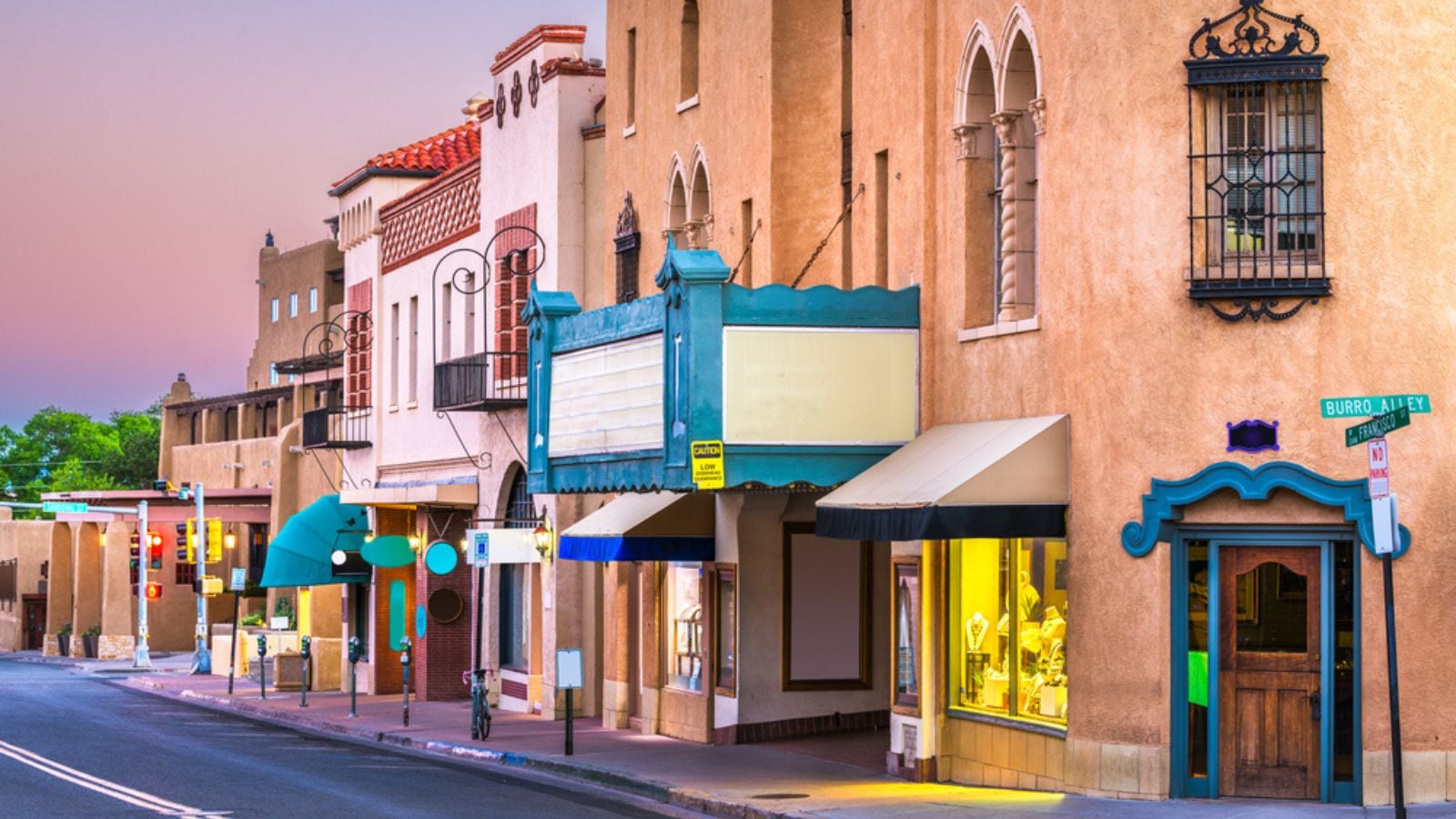
New Mexico is high on the danger list mainly because of its serious air quality problems, putting it in the top three for pollution. The dry climate also means frequent dust storms and dangerous summer heatwaves.
If you live in New Mexico, make sure you drink lots of water and stay out of the sun during the hottest parts of the day to avoid heat-related sickness. You can also stop dust and pollutants from getting into your home by sealing up windows and doors with weatherstripping.
Mixing heat safety habits with good indoor air management is a solid plan for living in this dry climate. These practices can make your day-to-day life much more comfortable and improve your health in the long run.
7. Kentucky
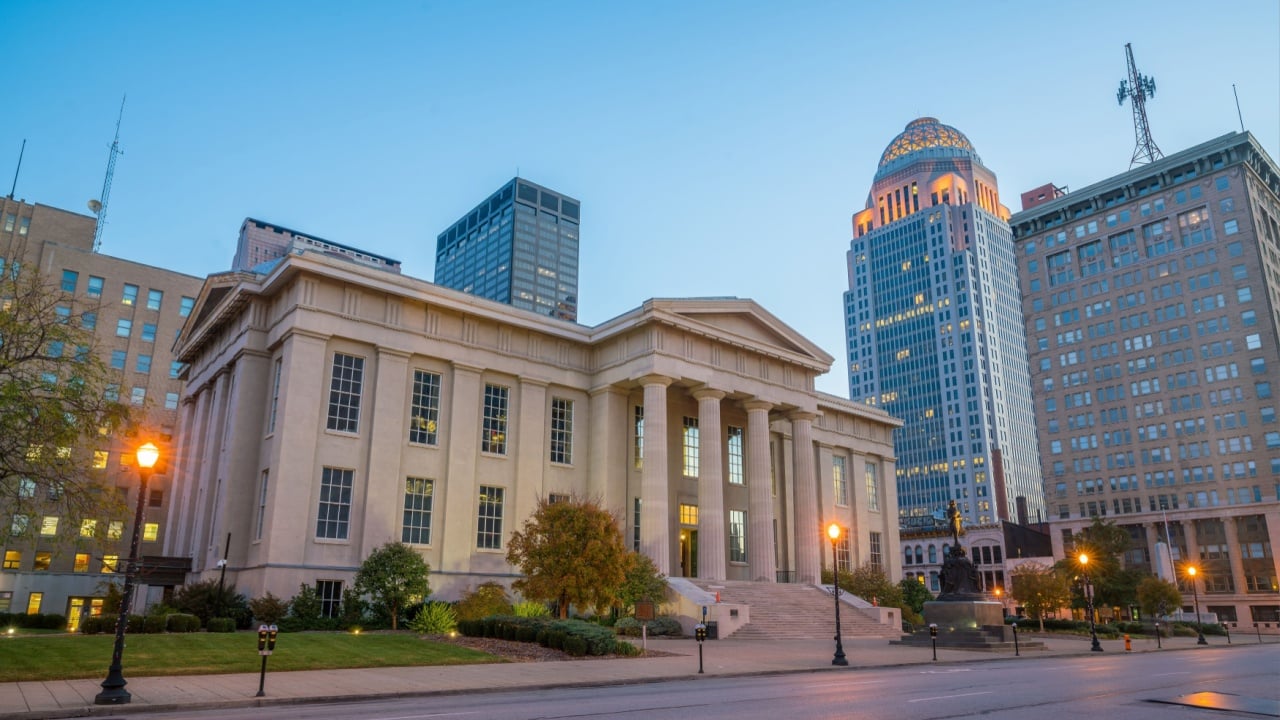
Kentucky is in the top ten for both bad air quality and tough climate conditions. Folks there deal with a combination of high humidity, bad storms, and industrial pollution that can make daily life tricky.
During humid months, a good dehumidifier can help stop mold from growing in the house. Swapping out HVAC filters regularly will also keep indoor air clean and help heating and cooling systems run better.
By keeping the indoor climate healthy, it can balance out the negative effects of what’s happening outside. A little proactive home maintenance is key to handling the specific dangers in this area.
8. Arizona
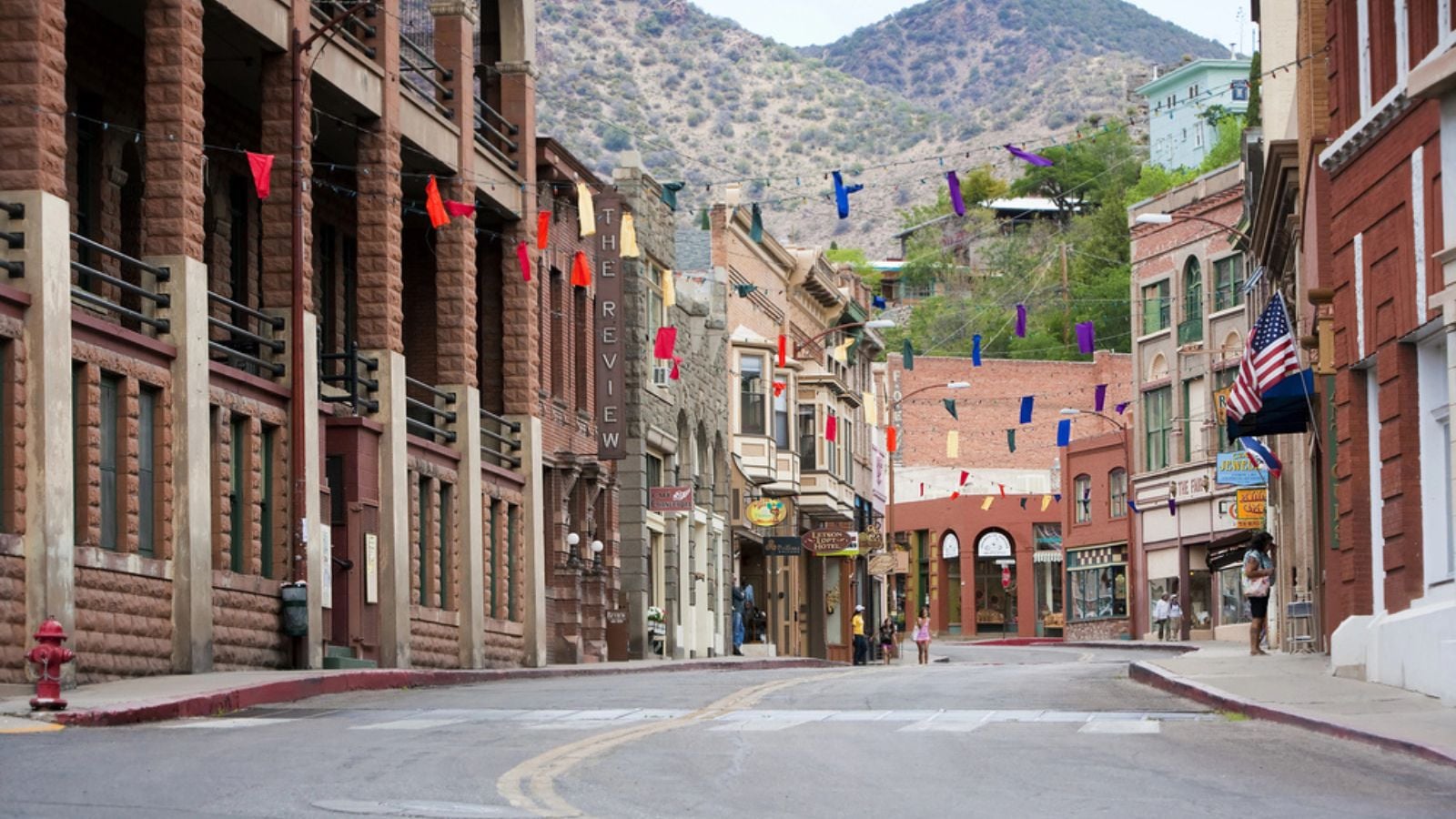
Arizona is consistently ranked high for air pollution and extreme heat, which creates big health risks. The mix of still air and record-breaking summer temperatures means you always have to be on your toes.
Do you live in Arizona? Protect yourself from serious heat exhaustion by doing outdoor chores in the early morning or late evening. Putting reflective films on your windows can also cool down your house and lower your energy bills.
For anyone living in Arizona, changing your daily routine to fit the extreme climate is a must. Making smart changes to your home can offer lasting relief from the intense desert sun.
9. South Carolina
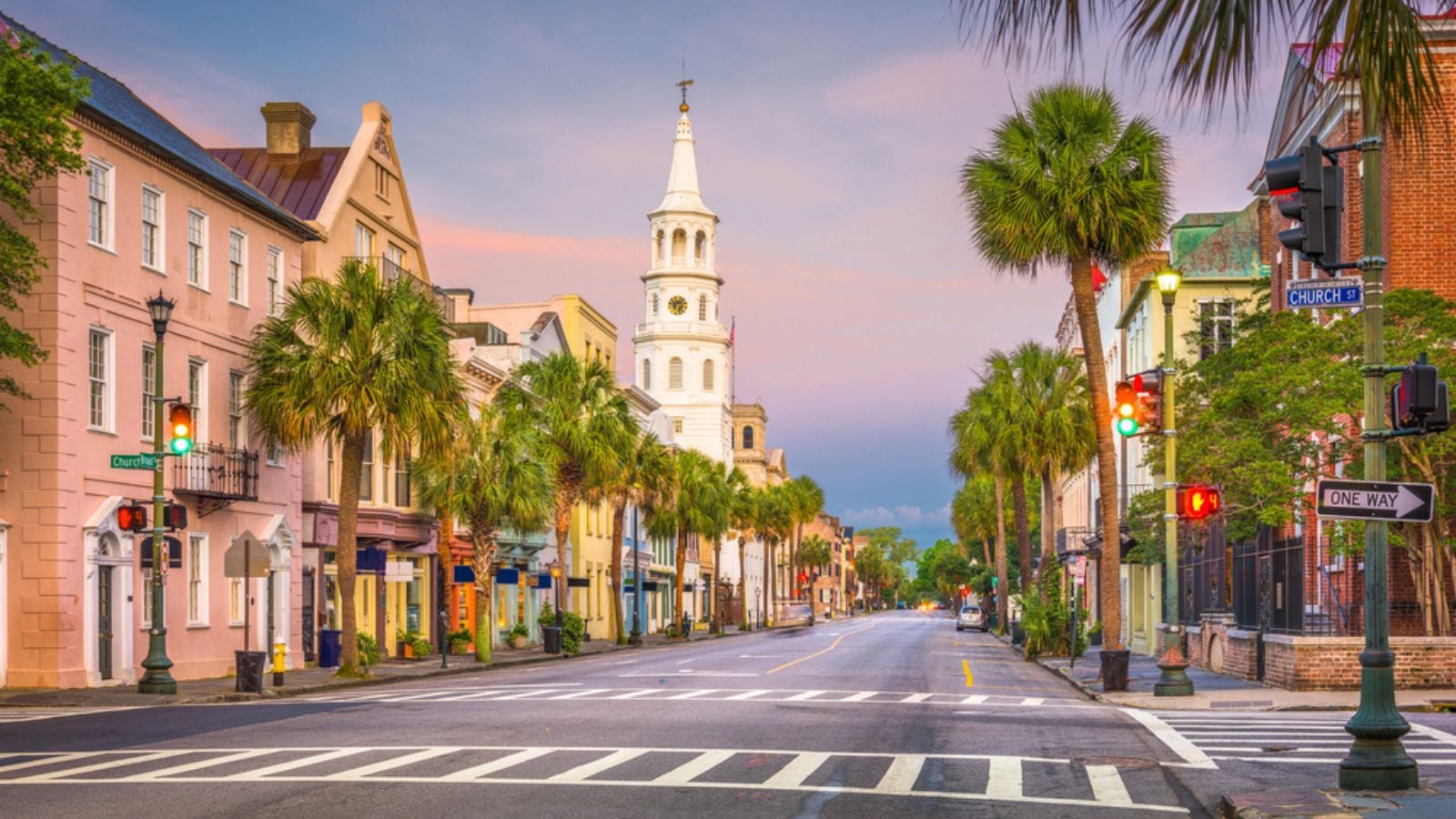
South Carolina has a double whammy of bad air quality and frequent natural disasters, like tropical storms. Being on the coast makes the state especially prone to flooding and sudden weather changes.
To get ready for major floods, it’s a good idea to raise important appliances and utilities to keep them from getting damaged. Residents should also figure out an evacuation route ahead of time to save precious moments when a storm is coming.
Prepping for water damage and having a clear escape plan will give locals some peace of mind. These specific actions can seriously reduce the physical and financial headaches of living on the coast.
10. Arkansas
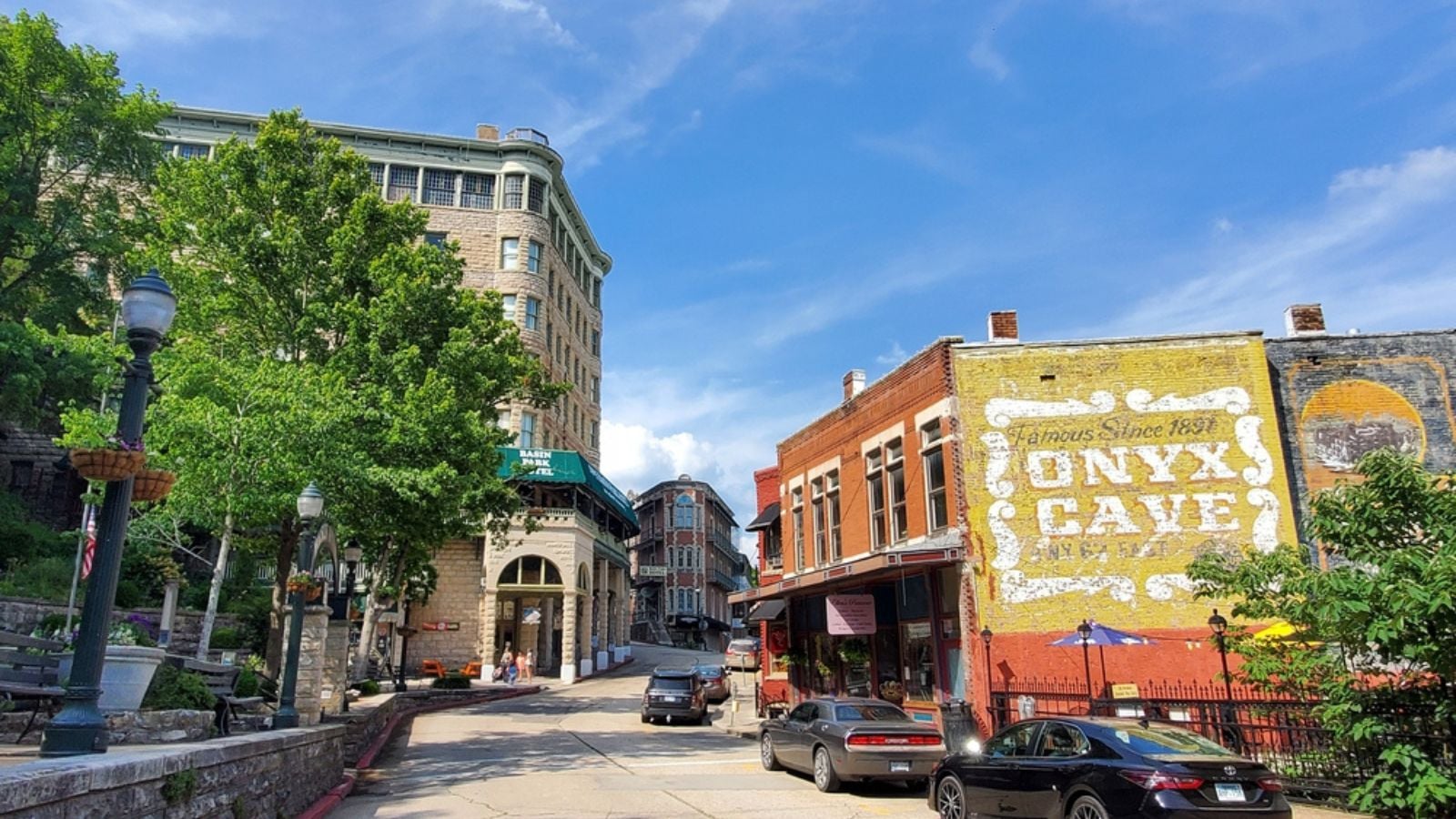
Arkansas has a tough mix of poor climate ratings and high pollution. The state often gets heavy storms and wild temperature swings that can put a lot of pressure on local services.
During bad storms, locals can prevent wind damage by tying down loose stuff outside and reinforcing their roof. Building a support system in the neighborhood can also help everyone recover faster after extreme weather blows through.
By building strong community connections and beefing up a property, residents can create a safer place to live. These efforts together build up defenses against whatever the weather throws at them.
11. Florida
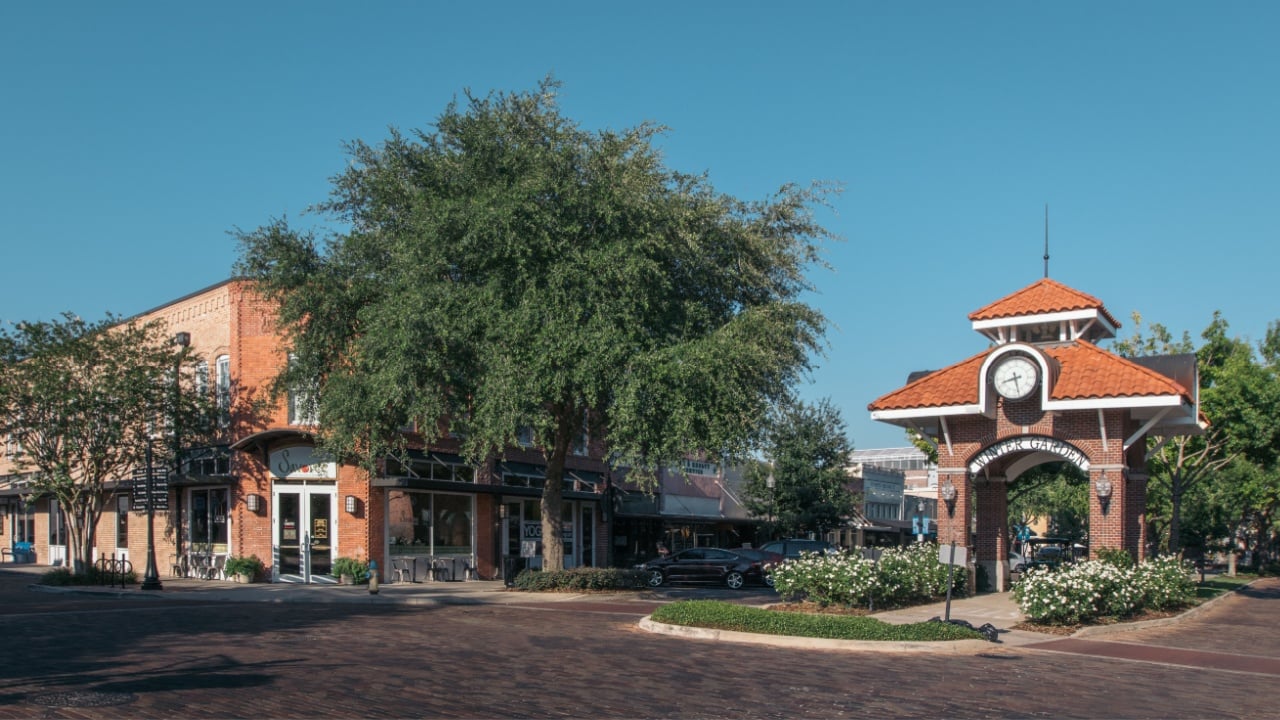
Florida is in major danger from frequent hurricanes and bad coastal storms. The strong winds and storm surges from these events are a constant threat to both property and people.
For the best protection against flying junk, install storm shutters and impact-resistant windows. If you’re near the coast, getting good flood insurance is also a no-brainer.
Knowing the specific weak spots of your coastal home lets you prepare the right way. Getting both your finances and your house ready is crucial for getting through hurricane season.
12. Texas
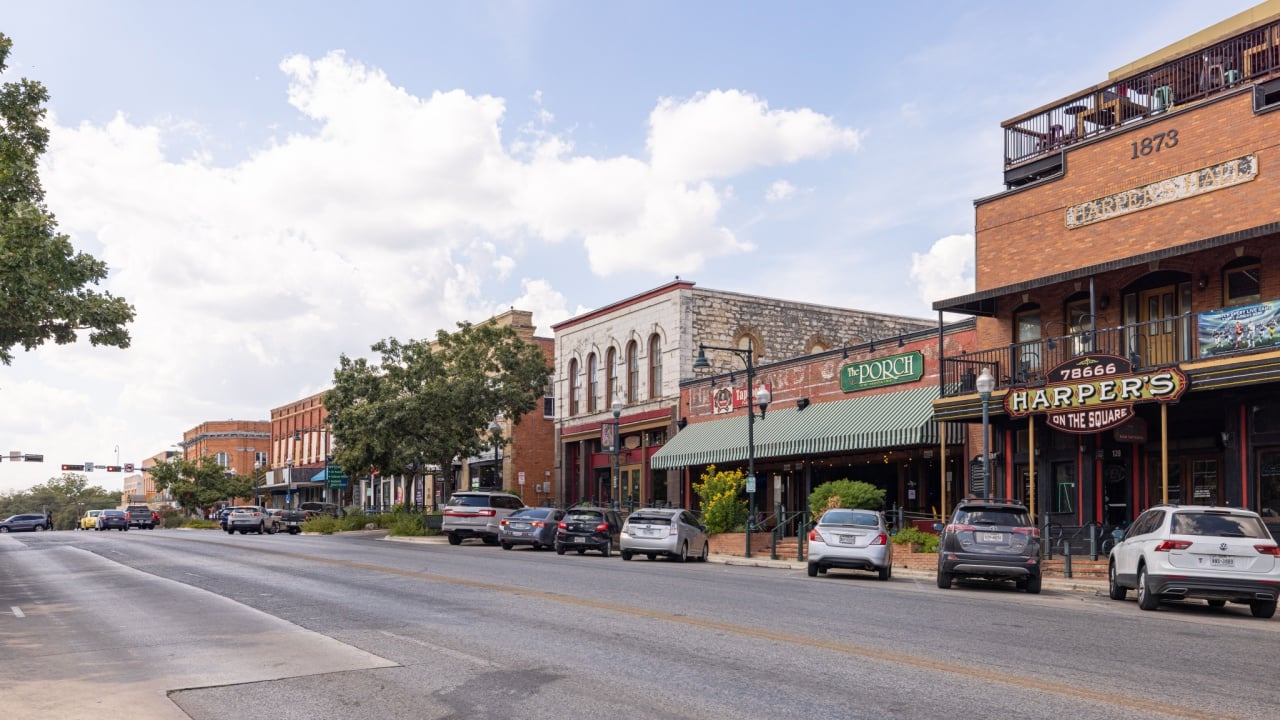
Texas has to deal with a whole bunch of dangers, from huge hurricanes on the Gulf Coast to extreme heat and power grid problems further inland. The state is so big that the dangers you face depend on where you are.
To be as safe as possible, come up with a local emergency plan that’s specific to the threats in your area. Having a generator and some extra fuel handy can also be a lifesaver during unexpected power outages.
Tailoring your emergency plans to your local area keeps you from being caught by surprise. In a place with such a dynamic climate, having reliable backup systems is a must.
13. California
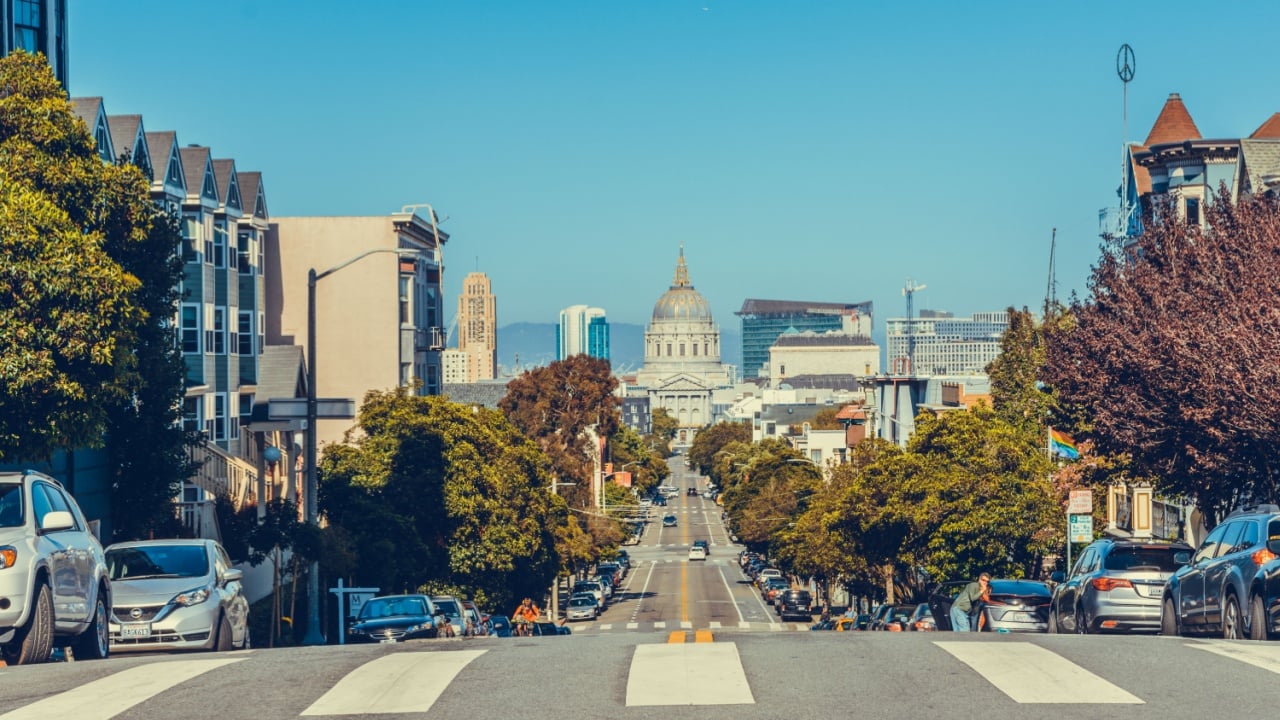
California is on the list because of its constant struggle with bad air pollution, which is often made worse by frequent wildfires. Smoke from these fires can travel for hundreds of miles, making it dangerous to breathe for millions of people.
During fire season in California, set up a “clean room” in your house with an air purifier to have a safe space to breathe. Keeping N95 masks handy will also let you travel more safely when the outdoor air quality is bad.
Getting used to the reality of longer wildfire seasons means making some permanent changes to your daily habits. Focusing on protecting your lungs is key to staying healthy in the long run.
14. Michigan
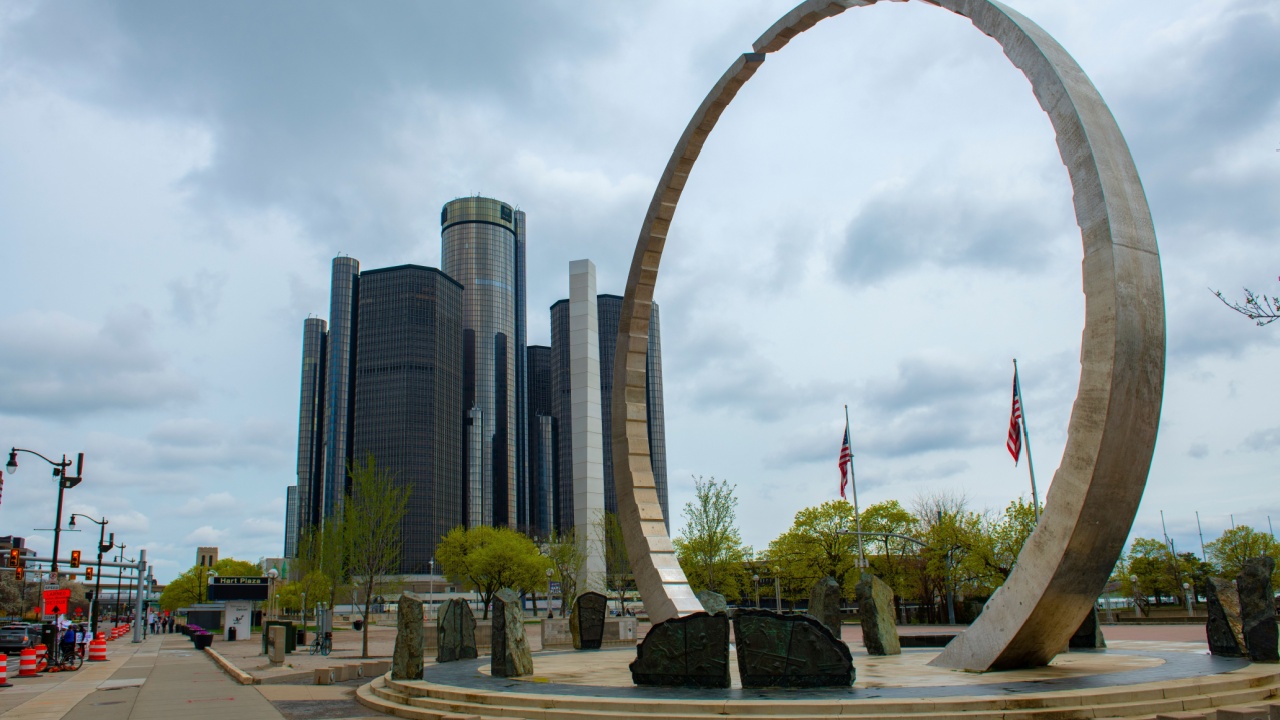
Michigan has its own set of problems that come from past and present water contamination issues. While the weather is usually pretty mild, the risk of drinking polluted water is still a major worry in some places.
To make sure your drinking water is safe as a Michigan resident, install certified water filters on your kitchen taps. It’s also a good idea to test your home’s water regularly for lead and other heavy metals to catch any problems early.
Taking control of your own water quality means you don’t have to just trust the city’s tests. These simple filter strategies can protect your family from hidden dangers in the environment.
Weathering the Storm
This study reminds us that the dangers we face are more than just what we see on the news. Things like pollution, wild weather, and a changing climate all play a part in how safe a state really is. But knowing about these risks is the first step to dealing with them.
Whether you’re putting together an emergency kit, cleaning up your air and water, or making your home stronger against storms, there are real things you can do. By getting ready for the specific problems in your area, you can make life safer for you and your family, no matter where you live.