14 Items That Are Never Worth Selling at a Garage Sale
Garage sales are a great way to clear out some clutter and make a little extra money on a weekend morning. Shoppers show up early, hoping to find hidden treasures and useful items for a bargain. When sellers fill their tables with clean, working items, everyone wins. But when shoppers find tables piled high with junk, it can be a real letdown for everyone involved.
Shoppers often make stay-or-leave decisions rapidly, influenced by first impressions of layout, product quality, and pricing. A messy table with dirty or broken things will likely make them leave right away.
Choosing your items carefully is key to making more sales because it keeps people interested longer. Ultimately, buyers are looking for good deals on useful things, not someone else’s garbage.
So, what should be left out of a yard sale? Here are fourteen items that should either be thrown away or taken to a specialty shop instead of being placed on a folding table in the driveway. This will help ensure the sale is a success.
1. Used Intimate Apparel
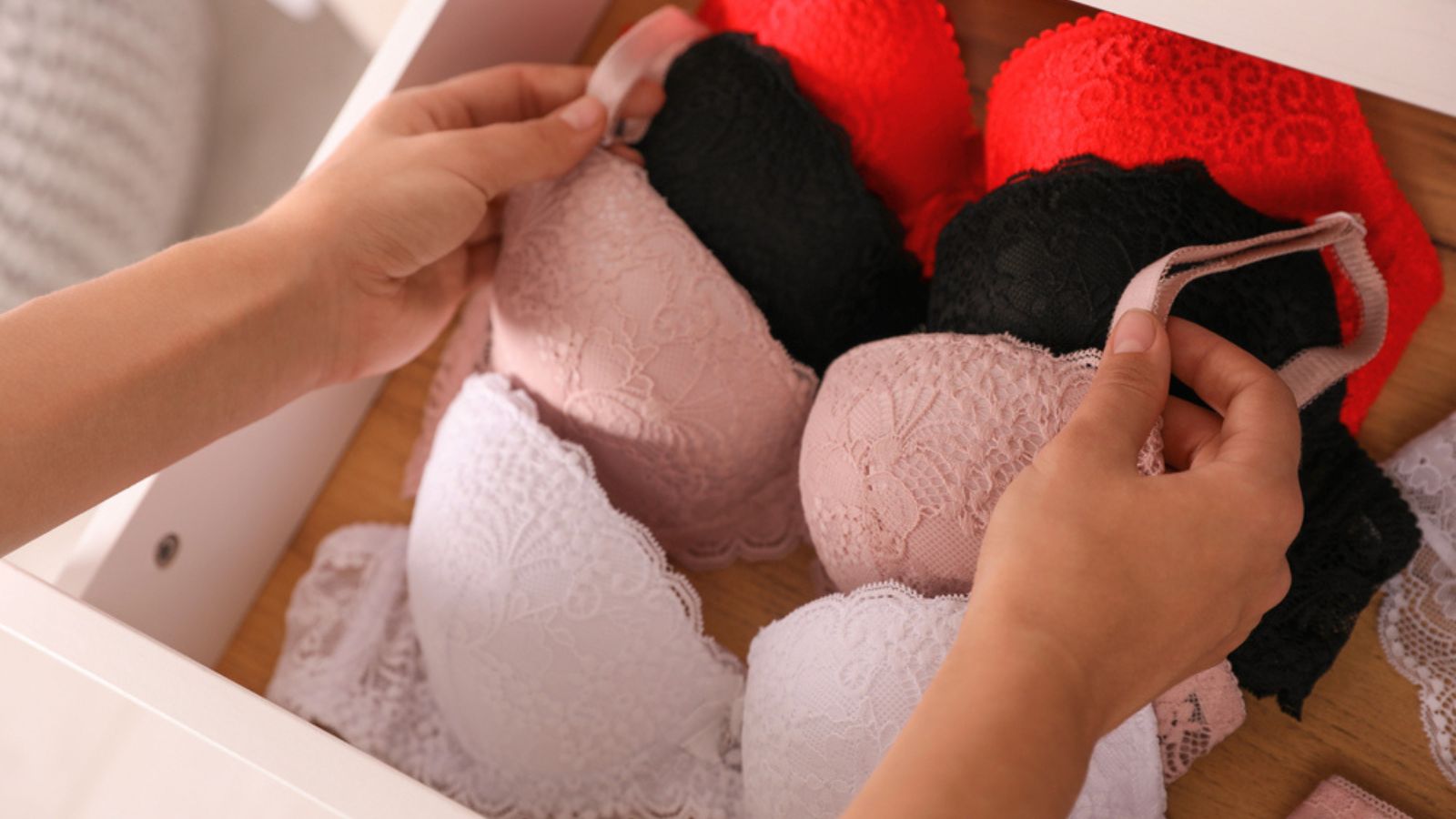
Selling worn undergarments often makes shoppers incredibly uncomfortable and drives them away from a yard sale. Items worn closely to the body carry a high risk of transferring bacteria and skin irritations. Shoppers expect second-hand clothes to be clean and sanitary for everyday wear.
People browsing a neighborhood sale do not want to encounter used underwear or clearly used bathing suits. Displaying these garments creates a negative impression and makes buyers question the cleanliness of everything else at the sale. A buyer seeing a pile of used intimate apparel will often walk away immediately.
Throw used underwear and heavily worn swimsuits straight into the garbage. Gently used bras can sometimes be donated to specialized women’s charities. Check local donation guidelines to see if a nearby shelter accepts clean and gently used undergarments.
2. Half-Empty Beauty Products

Open cosmetics and lotions present a significant hygiene risk for anyone who uses them. Bacteria multiply quickly in open jars of face cream and tubes of mascara. Sharing beauty products leads to skin infections and other unwanted health issues.
Shoppers at a yard sale generally avoid open cosmetics because they have no way to verify how old the products are or how they were handled. Seeing an open tube of lipstick or a half-used bottle of shampoo looks messy and unappealing. Buyers prefer spending their money on sealed and safe products from a drugstore.
Discard any open cosmetics and lotions during the decluttering process. Unopened and completely sealed beauty products can remain on sale or go to a local shelter. Safely dispose of old nail polish and perfume according to local hazardous waste guidelines.
3. Broken Household Appliances

Non-functional appliances take up valuable table space and frustrate eager shoppers. A buyer looking for a toaster or blender expects the item to work immediately upon plugging it in. Selling broken appliances leads to unhappy customers returning later in the day to demand a refund.
If a coffee maker or microwave no longer works for the original owner, it will not work for a buyer either. Shoppers feel cheated when they take a heavy item home only to discover it requires expensive repairs. People visit yard sales to find ready-to-use bargains.
Either fix the appliance before the sale or drop it off at an electronics recycling center. Some scrap metal buyers will pick up broken appliances for free. Keeping broken items off the tables makes the functional items look much more appealing.
4. Outdated Media Players
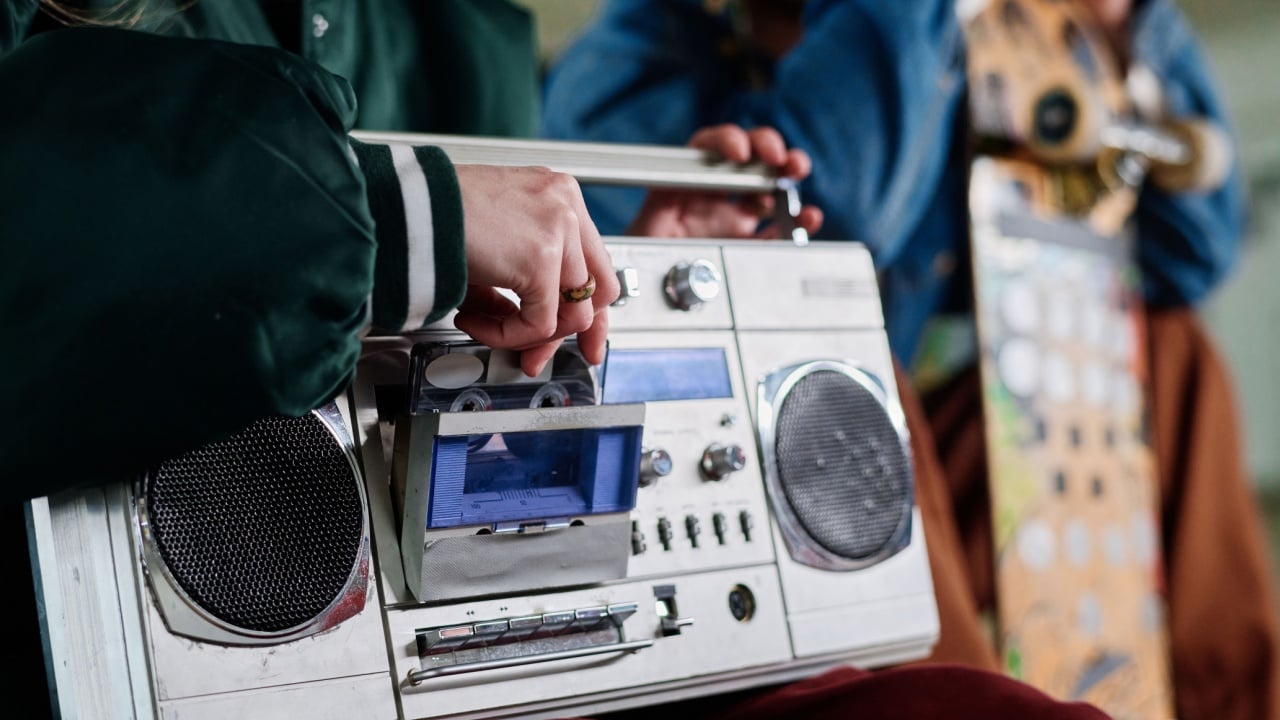
Technology moves quickly and leaves bulky analog devices behind. Huge VHS players and old cassette decks gather dust in basements and garages across the country. Buyers today stream movies and music on small digital devices instead of using physical tapes.
Offering heavy and outdated electronics usually results in those items sitting unsold all weekend. Very few people still own the tapes required to use these older machines. Unless a rare collector happens to drive by, these devices simply waste space on the lawn.
Donate working analog players to a thrift store that accepts older electronics. Broken or very old units should go straight to a community e-waste recycling bin. Freeing up this table space allows more room for items that people actually want to buy.
5. Personal Vacation Souvenirs
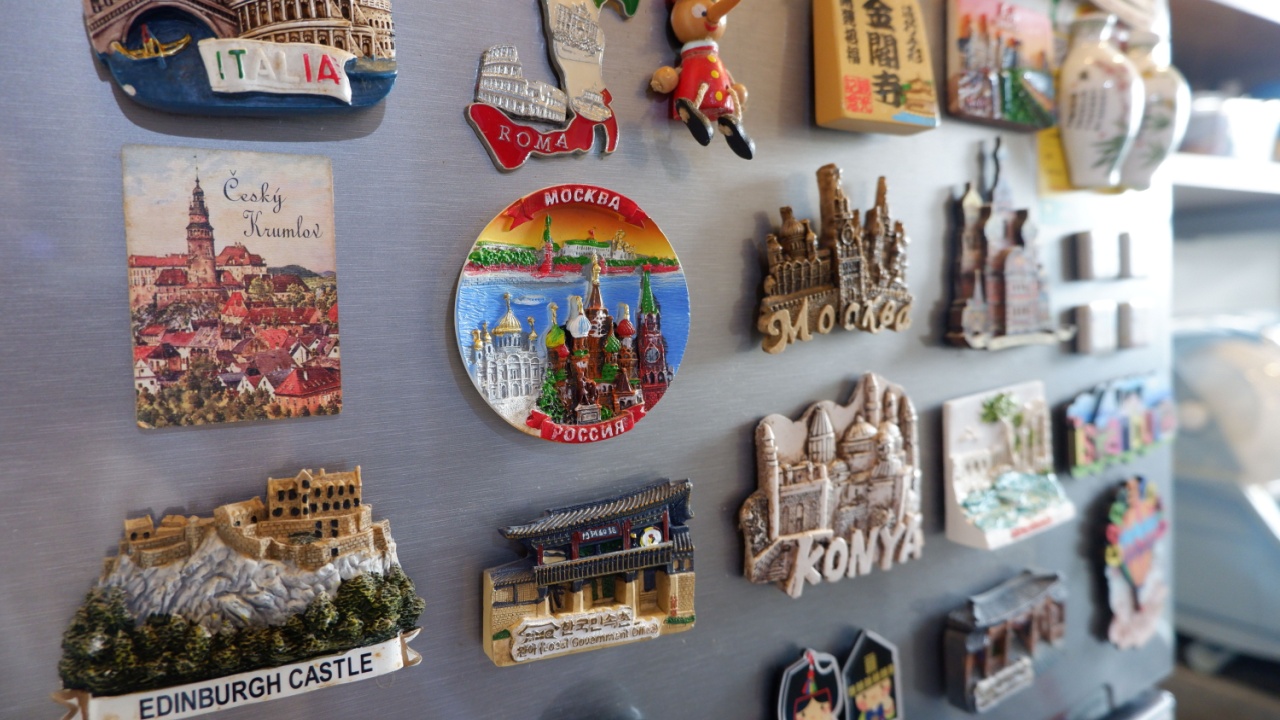
A commemorative plate from a random family trip holds zero value to a stranger passing through a neighborhood. Souvenirs carry personal memories and sentimental attachments for the people who bought them originally. Shoppers have no emotional connection to a plastic keychain from a specific beach town.
Tables cluttered with old vacation trinkets look like a junk drawer emptied onto the lawn. Buyers skip right over these items because they serve no practical purpose in a new home. Souvenirs rarely sell and end up getting packed right back into storage boxes.
Keep meaningful souvenirs in a memory box and throw the rest away. Giving away small trinkets to children in the family is another good way to clear them out. Focus the sale on useful household goods that appeal to a broad audience.
6. Genuine Antiques and Valuables
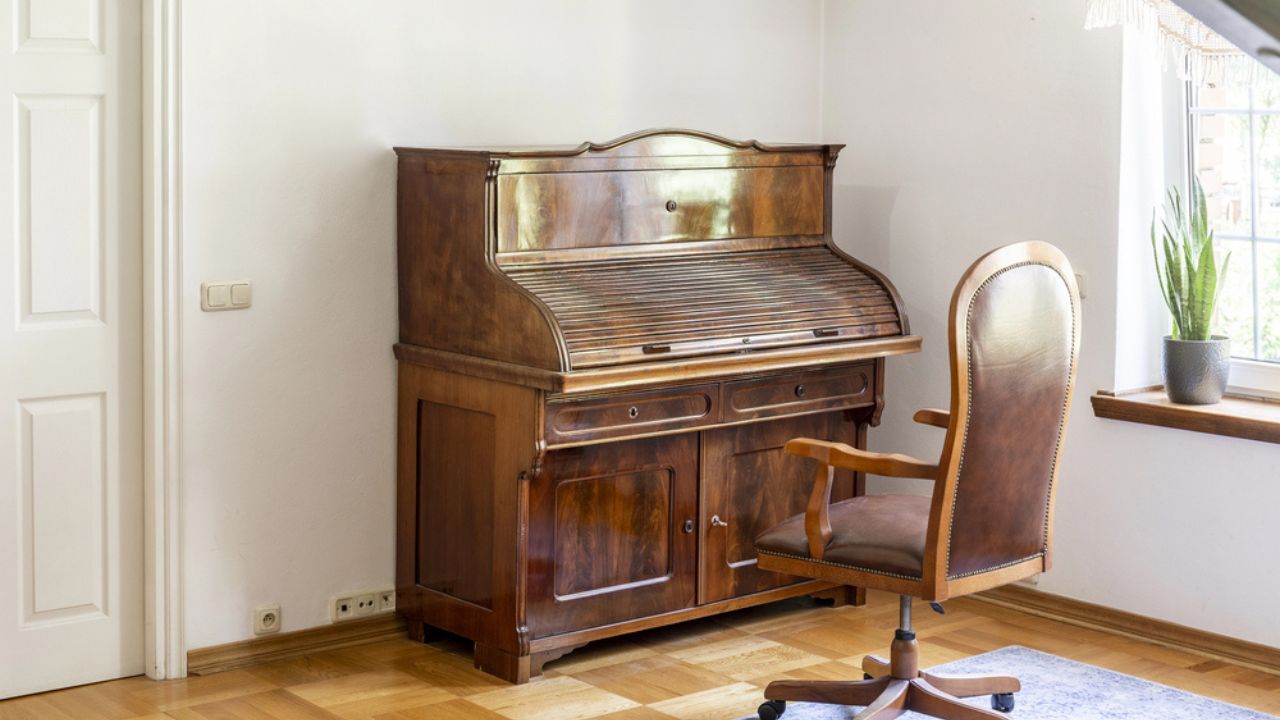
A yard sale is the absolute worst place to get a fair price for a valuable piece of art or real silver jewelry. Shoppers arrive at neighborhood sales looking for steep discounts and cheap bargains. They will expect to pay two dollars for a painting that might actually be worth two hundred.
Sellers experience deep disappointment when they let a valuable antique go for pennies. Attempting to charge antique store prices at a driveway sale only leads to arguments and haggling. Buyers refuse to pay retail prices at a weekend yard sale.
Take genuine antiques and valuable metals to a professional appraiser. Sell high-end items through specialized online auctions or local antique dealers. Moving valuable items to the proper market guarantees a fair and realistic financial return.
7. Bulky Entertainment Centers
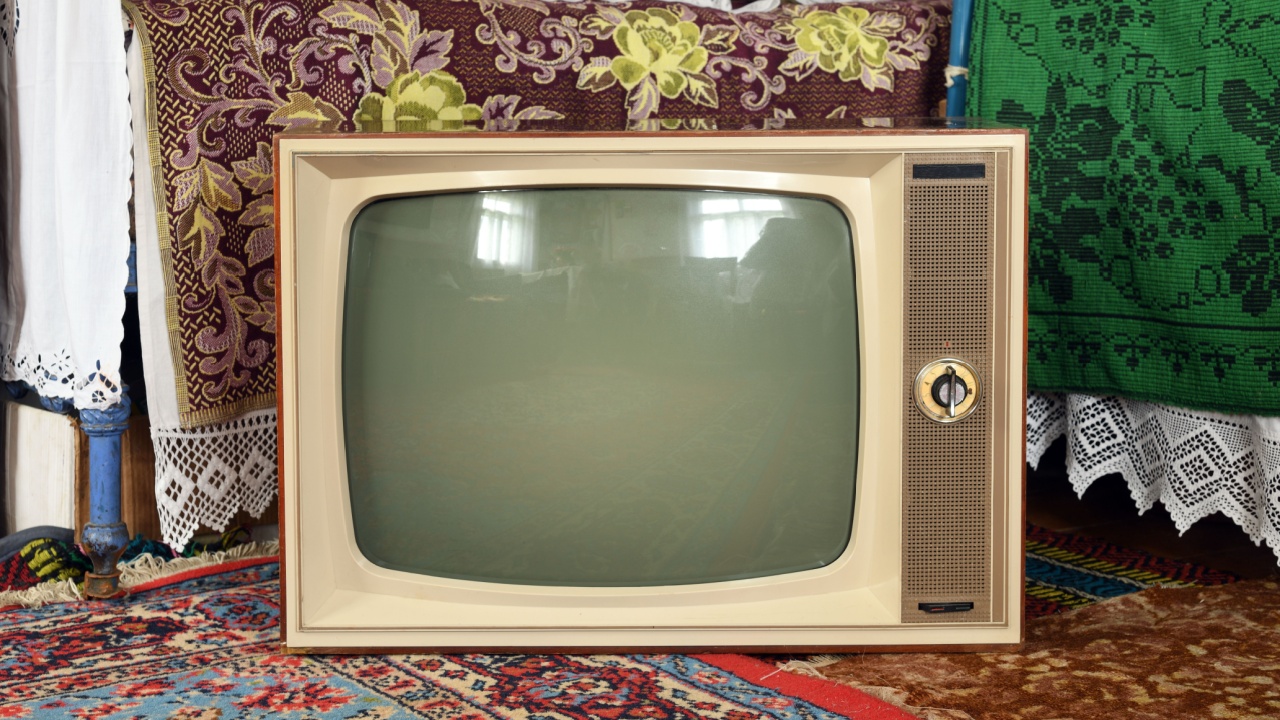
Modern televisions are flat and mount directly to the wall. The massive wooden entertainment centers built in the early two thousand era are incredibly heavy and completely obsolete. Most modern homes simply lack the floor space to accommodate these giant furniture pieces.
Shoppers physically cannot fit a heavy particle board cabinet into a standard car. Seeing a giant piece of obsolete furniture on the lawn makes the entire sale look dated. These items rarely sell and cause major headaches when it is time to pack up.
List large furniture pieces for free on local community boards before the sale begins. Someone with a truck might come haul it away for use as garage shelving. Taking it to the local dump is often the only way to get rid of a massive entertainment center.
8. Outdated Encyclopedias and Textbooks

Information changes rapidly, and heavy reference books become obsolete in just a few years. A physical encyclopedia set from twenty years ago contains severely outdated facts and maps. The internet provides free and instant access to accurate information for everyone.
Buyers ignore heavy stacks of reference books because they take up too much shelf space. College textbooks lose their value the moment a new edition hits the campus bookstore. Selling heavy books at a yard sale requires a lot of heavy lifting for absolutely zero profit.
Check if a local library accepts encyclopedia sets for recycling or craft projects. Sell recent textbooks to online textbook buyers who pay shipping costs. Recycle the older books in the municipal paper recycling bin.
9. Heavily Used Coffee Mugs
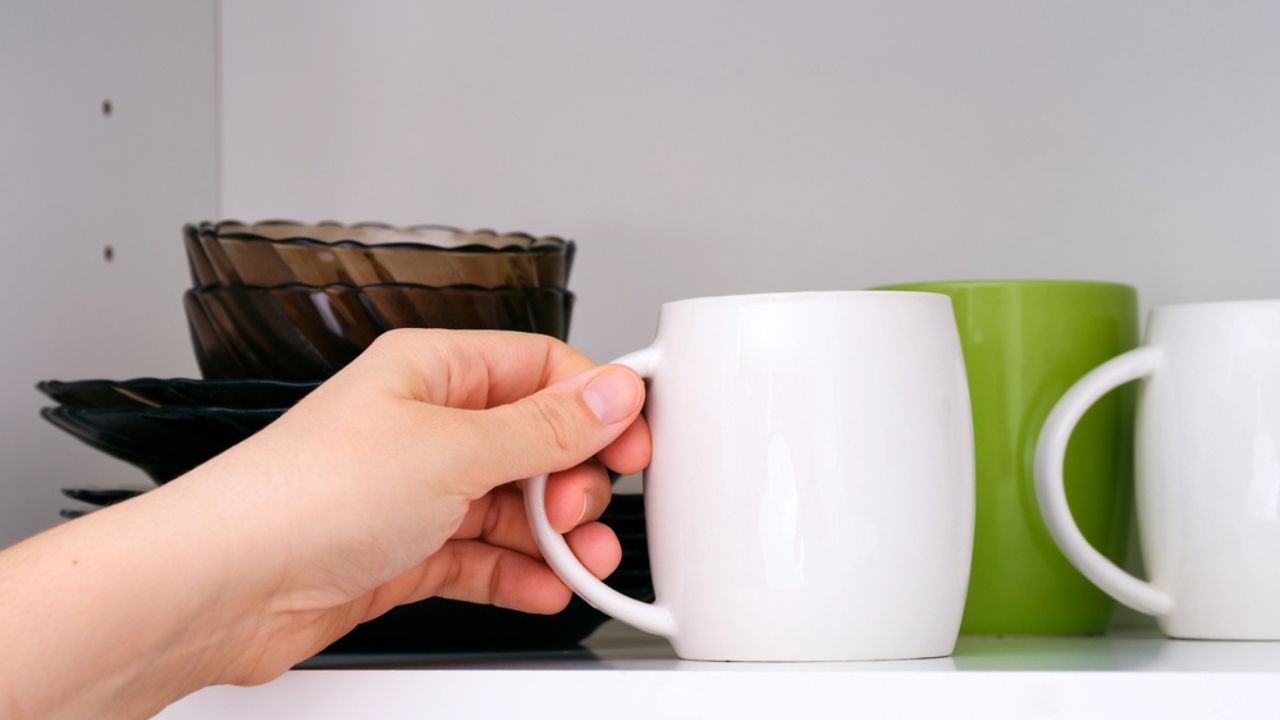
Kitchen cabinets often overflow with mismatched promotional mugs and chipped teacups. People accumulate these cups for free from corporate events and holiday gift exchanges. A stained coffee mug holds little appeal for a person looking for clean kitchenware.
Shoppers hesitate to drink from a cup that clearly shows signs of heavy use by a stranger. Used mugs are incredibly common at thrift stores and command almost no money. Setting out rows of dirty cups makes the entire kitchen section look unappealing.
Toss out any cups with chips, cracks, or visible stains inside the ceramic. Donate clean and matching sets of glasses to a local charity shop. Only display high-quality or highly collectible glassware on the yard sale tables.
10. Recalled Consumer Goods

Selling products that a manufacturer recalled for safety reasons poses a massive risk. Products are recalled because they have a flaw that causes injury or property damage. Passing a dangerous item onto an unsuspecting buyer is incredibly irresponsible.
Shoppers trust that the items they purchase will not explode or cause a fire in their home. Selling a recalled item leaves the seller open to legal liabilities if an accident occurs. Buyers feel completely betrayed if they discover they purchased a known hazard.
Always run a quick internet search on older electronics and appliances to check for active safety recalls. Destroy and discard any item that appears on a national recall list. Following safety guidelines protects buyers and keeps the neighborhood safe.
11. Used Safety Helmets

Protective gear degrades and loses structural integrity after a few years of use. A bicycle or hockey helmet might look perfectly fine on the outside while hiding microscopic cracks in the internal foam. Safety standards change frequently, and older helmets rarely meet modern requirements.
Parents refuse to buy used safety equipment because they cannot guarantee the item will protect their child in a crash. A helmet that sustained a previous impact is completely useless in a subsequent accident. Attempting to sell compromised safety gear puts buyers in actual physical danger.
Cut the straps off old helmets before throwing them in the trash. Destroying the helmet prevents someone else from pulling it out of the garbage and using it. Direct buyers to purchase brand-new safety gear from reputable sporting goods stores.
12. Older Baby Equipment

Drop-side cribs and expired car seats fill up landfills because they no longer meet current safety laws. Baby equipment regulations are updated constantly to protect infants from entrapment and injury. Older strollers and high chairs often feature mechanisms that can pinch tiny fingers.
New parents read safety blogs and actively avoid purchasing outdated baby gear from yard sales. Selling an old crib might violate current consumer safety laws, depending on the specific model. Buyers want peace of mind when shopping for their newborn children.
Check the expiration dates printed on the bottom of all infant car seats and discard them if they have expired. Look up the specific safety regulations for any baby furniture before deciding to sell it. Dismantle and recycle outdated baby gear to keep infants out of harm.
13. Stained or Worn-Out Shoes
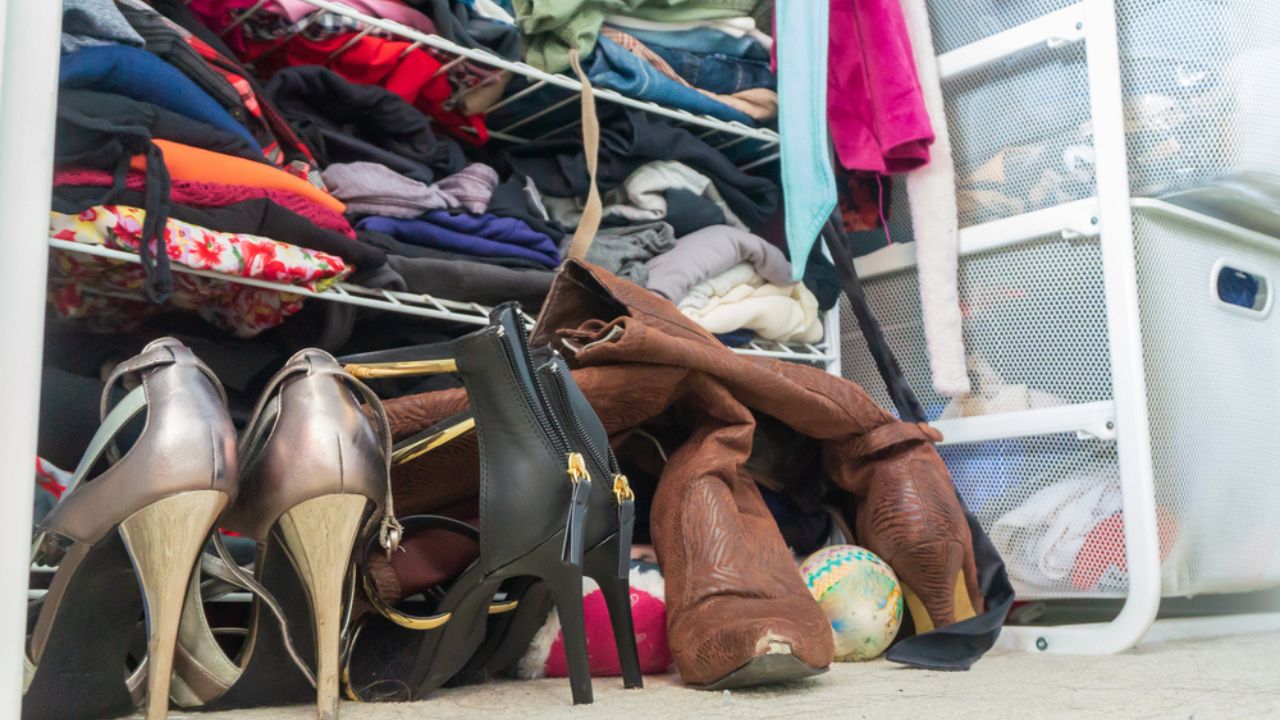
Footwear molds to the shape of the original owner and absorbs a significant amount of sweat. Worn-out sneakers often carry unpleasant odors and lack proper arch support. A shoe with holes in the sole provides no value to a new wearer.
Shoppers immediately notice bad smells coming from a box of used shoes. Presenting dirty and stained footwear makes buyers question the cleanliness of the clothing items hanging nearby. Unattractive shoes just take up valuable space on a tarp or table.
Clean and polish gently used shoes before putting them out for sale. Throw away any footwear that features worn-down heels, holes, or permanent odors. Presenting only clean and lightly worn shoes increases the chances of a successful sale.
14. Used Mattresses
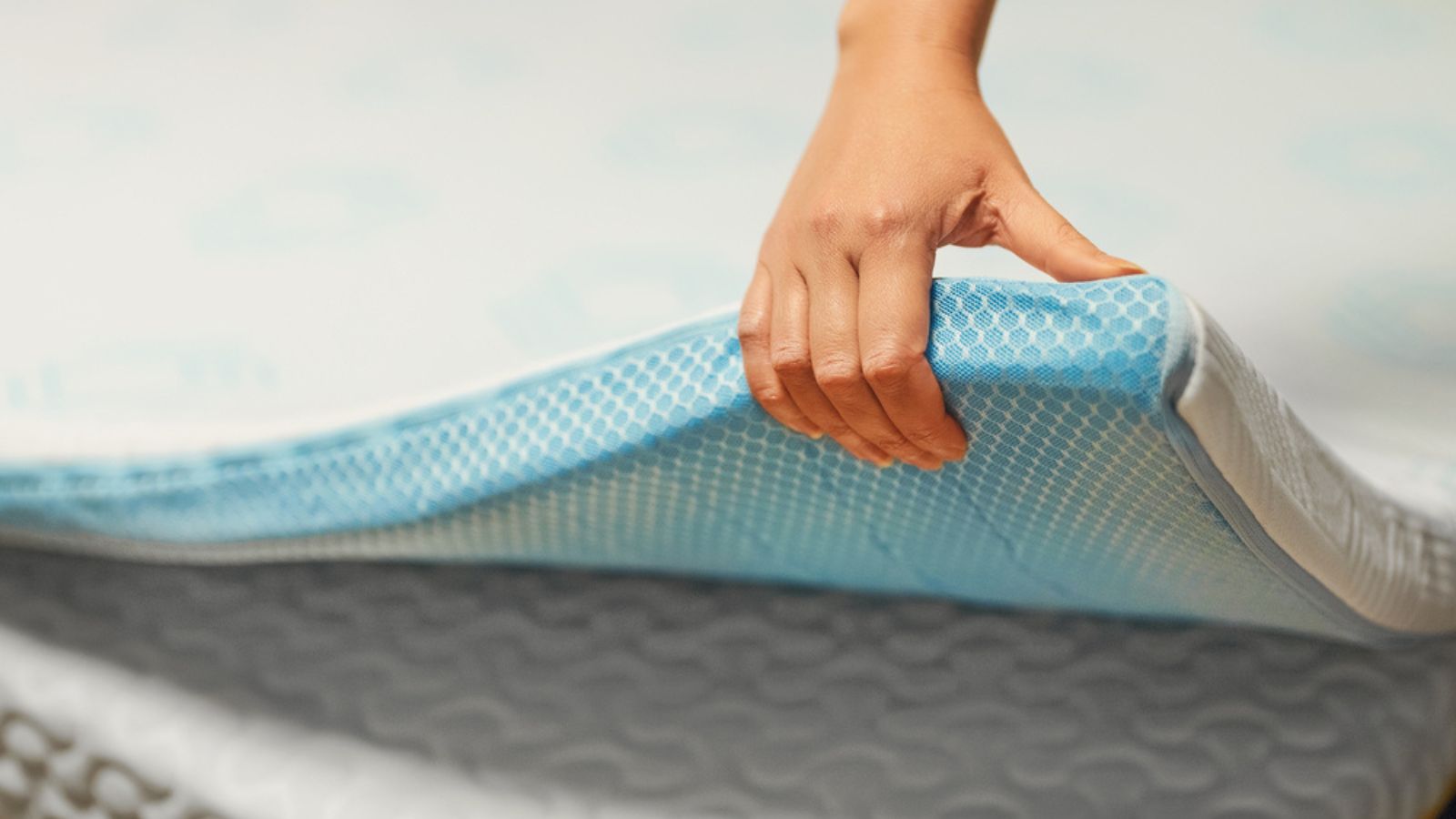
Selling a used mattress from a garage creates a massive red flag for neighborhood shoppers. Mattresses absorb dust mites, dead skin cells, and bodily fluids throughout their lifespan. The risk of transferring bedbugs makes buyers incredibly wary of second-hand bedding.
Seeing a stained mattress leaning against a tree instantly lowers the perceived quality of the entire yard sale. Buyers actively cross the street to avoid sales that look like a garbage dump. Mattresses rarely sell and end up sitting outside until the garbage truck arrives.
Schedule a bulk pickup with the local sanitation department to remove old mattresses safely. Some cities offer specific mattress recycling programs to break down the metal springs and foam. Keeping large and unsanitary items out of the yard creates a welcoming environment for eager shoppers.
Prepping for a Profitable Yard Sale

Preparing for a successful weekend sale requires sorting out the trash from the treasure. Throw away the broken items, recycle the obsolete technology, and take the valuables to a professional appraiser. Plan your upcoming yard sale today by gathering clean and functional household goods that will actually attract happy buyers.
Read More:
11 Garage Sale Items No One Actually Wants This Spring (And Some They Do Want)