
14 Home Maintenance Tasks That Pay Off Big Time When Done Regularly
Keeping up with small homeowner tasks can save you the heartache (and wallet ache) of considerable costs later. Taking a proactive approach to maintaining your living space allows you to enjoy a safer, more efficient home while protecting your investment.
Having a regular preventative maintenance schedule helps you avoid the expensive and unexpected replacement of major appliances and housing fixtures. According to real estate experts, homeowners should set aside 1% to 4% of their home’s value each year for maintenance and repairs.
So if you are wondering about the last time you did home maintenance and hoping you haven’t missed something important, don’t worry. Establishing a routine now is the best way to get back on track and safeguard your property.
These are the 14 regular home maintenance habits that will save you hassles, headaches, and major money in the long run.
1. Vacuum the Refrigerator Coils

You may not pull your fridge out often, but if you do, you might be surprised at how dirty the condenser coils on the back have gotten. These coils are responsible for releasing the heat absorbed from inside the refrigerator. When they are covered in dust and pet hair, the compressor has to work much harder and longer to keep your food cold.
Once a year, pull your refrigerator out and vacuum the coils. Remove all dust and debris to keep the fridge running efficiently. A clean condenser can significantly reduce the energy consumption of the appliance, lowering your monthly utility bill and extending the life of the refrigerator.
To do this effectively, use the brush attachment on your vacuum cleaner. Gently brush the coils to loosen the dust while the vacuum sucks it away. If your coils are located at the bottom of the fridge, you may need a specialized coil cleaning brush to reach all the crevices.
2. Clean Your Dishwasher Filter
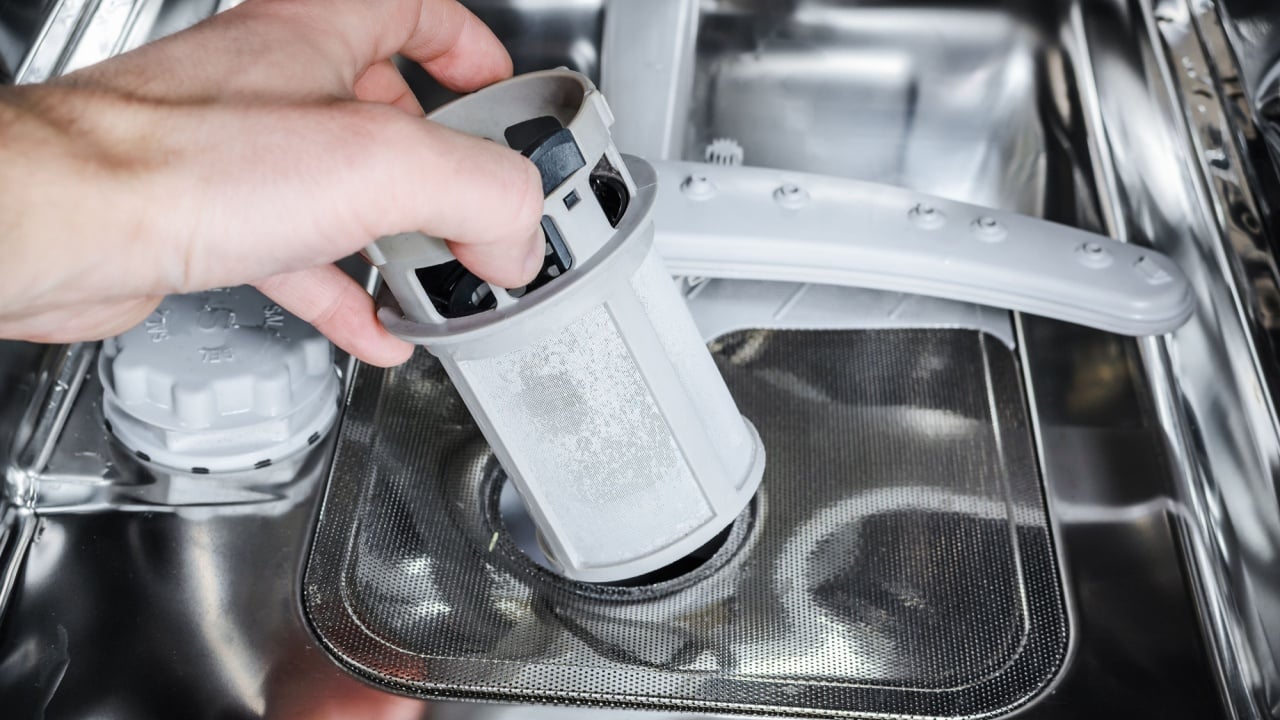
If you do not rinse your dishes before you put them in the dishwasher, what do you assume happens to the food? The pieces that are too big to be drained will go into the filter. Over a few weeks, this debris can build up, leading to unpleasant odors, poor drainage, and spotty dishes.
This filter should be cleaned out monthly to keep your dishwasher in top working order. A clogged filter forces the dishwasher’s pump to work harder, which can lead to premature failure and a costly repair bill. Keeping it clear allows the water to circulate properly, giving you cleaner dishes every cycle.
To clean the filter, simply remove the bottom rack, locate the filter (usually a cylindrical piece at the bottom), and twist it to unlock. Rinse it thoroughly under hot water, using a soft brush and mild dish soap to scrub away any stubborn grime. Replace it, lock it in securely, and your dishwasher is good to go.
3. Re-Stain Your Deck
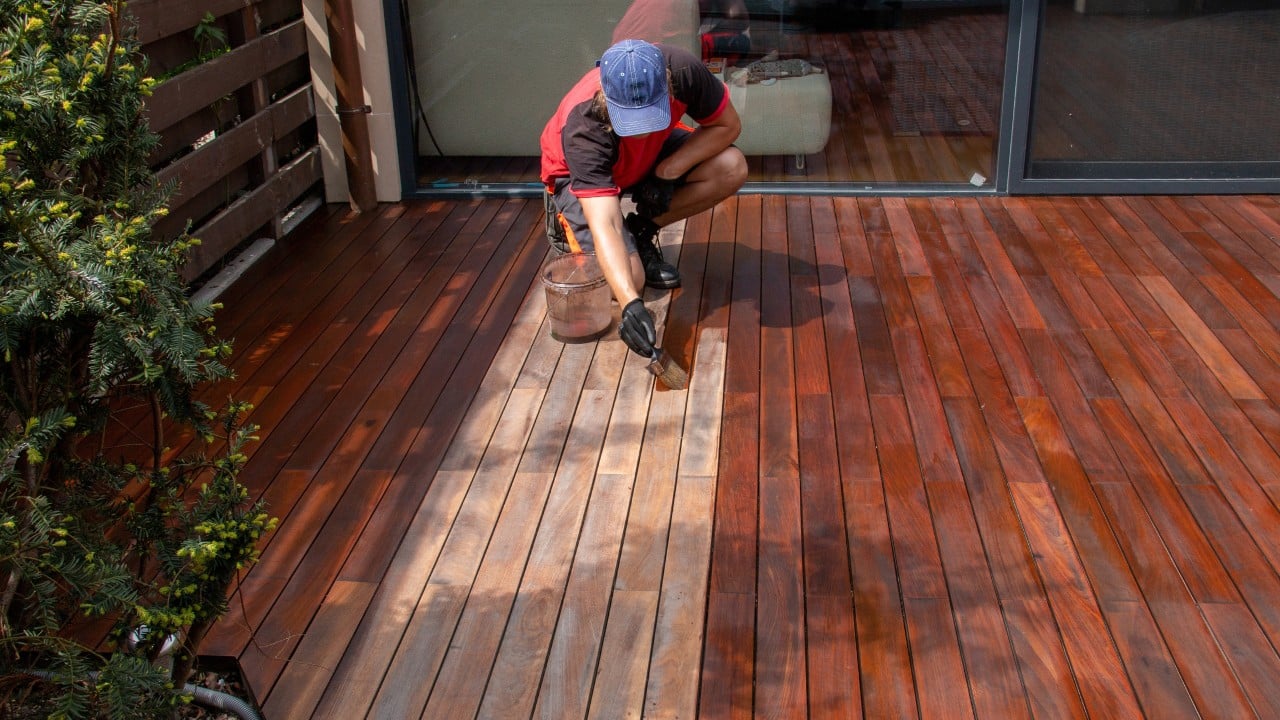
Deck stain does not just make your outdoor space look aesthetically pleasing; it also serves to protect the wood from the elements. If you let the deck go too long between staining, the wood can lose its waterproofing. Sunlight and moisture will cause the boards to warp, crack, and eventually rot.
Re-stain your deck every two to three years. Regular staining acts as a barrier against UV rays and water damage. Replacing an entire deck due to wood rot is an incredibly expensive project, making this simple maintenance task a highly valuable one.
Before applying a new stain, thoroughly sweep the deck and wash it with a specialized wood cleaner to remove dirt and mildew. Allow the wood to dry completely for at least 48 hours. Apply the stain evenly using a roller or brush, working along the grain of the wood for the best protection and appearance.
4. Power Wash Your Patio

Power washing your patio will prevent algae and mildew from taking hold on the stone and discoloring the surface. Beyond aesthetics, algae and moss can make your patio incredibly slippery and dangerous when wet. Leaving this organic growth unchecked can also slowly degrade certain types of patio materials.
Using a pressure washer is a highly effective way to blast away years of grime in a single afternoon. Regular cleaning extends the lifespan of your patio pavers or concrete. By removing the built-up dirt, you prevent it from settling into the porous surfaces and causing permanent staining or structural weakening.
Just make sure that you do not use a too strong power washer, or you will run the risk of eroding the grout or pitting the concrete. Hold the wand at an angle and keep it moving constantly to avoid concentrating too much pressure in one spot.
5. Repair Your Driveway and Sidewalk
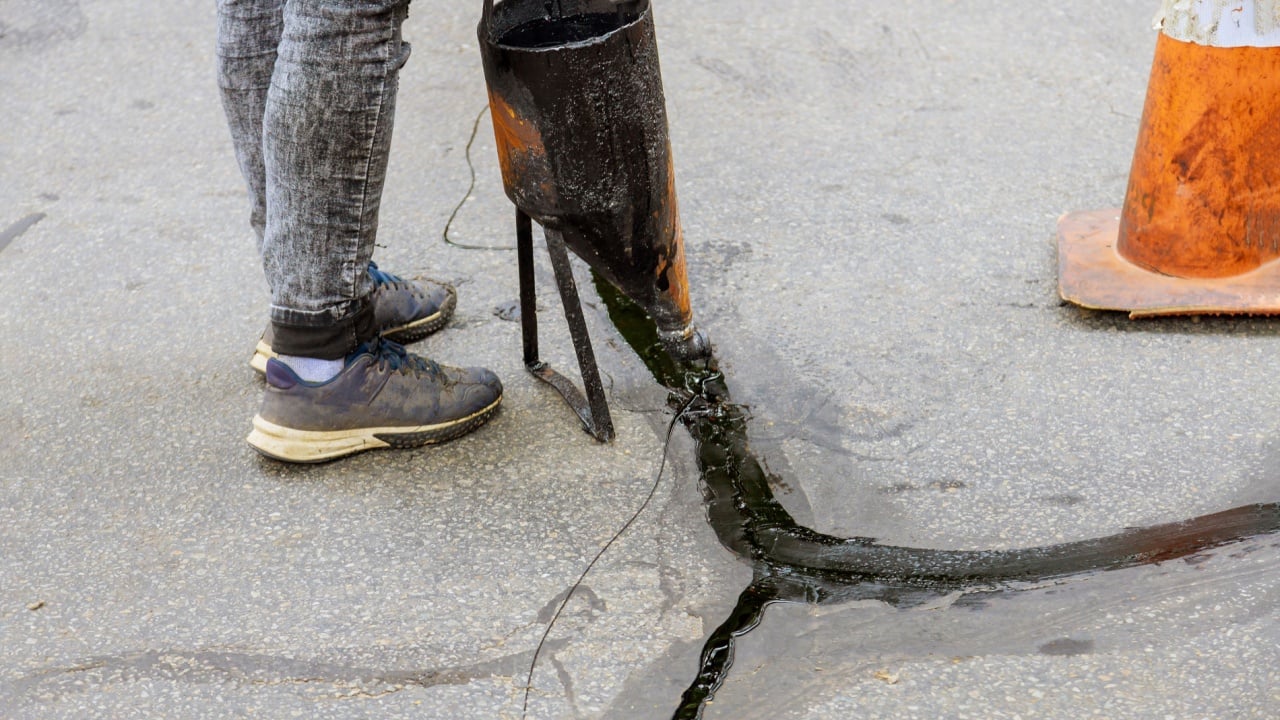
Winter weather and summer storms can damage the integrity of your driveway and sidewalk, causing cracks and potholes. Water seeps into tiny fissures, expands when it freezes, and creates larger cracks. Over a few seasons, a small hairline fracture can turn into a massive, crumbling crater.
Inspect your concrete and asphalt at least annually and address any issues that have come up before they spread. Filling small cracks with a masonry filler or driveway patch compound prevents water infiltration. Repaving an entire driveway can cost thousands of dollars, whereas a tube of crack filler costs only a few bucks.
For asphalt driveways, applying a seal coat every few years helps protect the surface from oil spills, UV rays, and water damage. Before patching any area, clean out any loose debris, weeds, or dirt from the cracks using a wire brush or an air compressor to help the patching material adhere properly.
6. Clean Your Gutters Regularly

You will know when your gutters are clogged because water will start pouring over the top of them rather than draining neatly through the spout. If that happens, you could already be facing major problems, like water pooling around your foundation and causing basement leaks. Overflowing water can also rot your roof fascia and ruin your exterior siding.
Make sure your gutters stay clean and tidy to keep water flowing away from your home. Clogged gutters can also become a breeding ground for pests, including mosquitoes and carpenter ants. By clearing them out twice a year (typically in the spring and fall), you protect your home’s structural integrity.
Grab a sturdy ladder, a pair of thick work gloves, and a small trowel to scoop out the leaves and muck. Once the bulk of the debris is removed, use a garden hose to flush the remaining dirt down the downspouts. This also allows you to check for any leaks or clogs within the downspouts themselves.
7. Make Sure the Roof Stays Clean
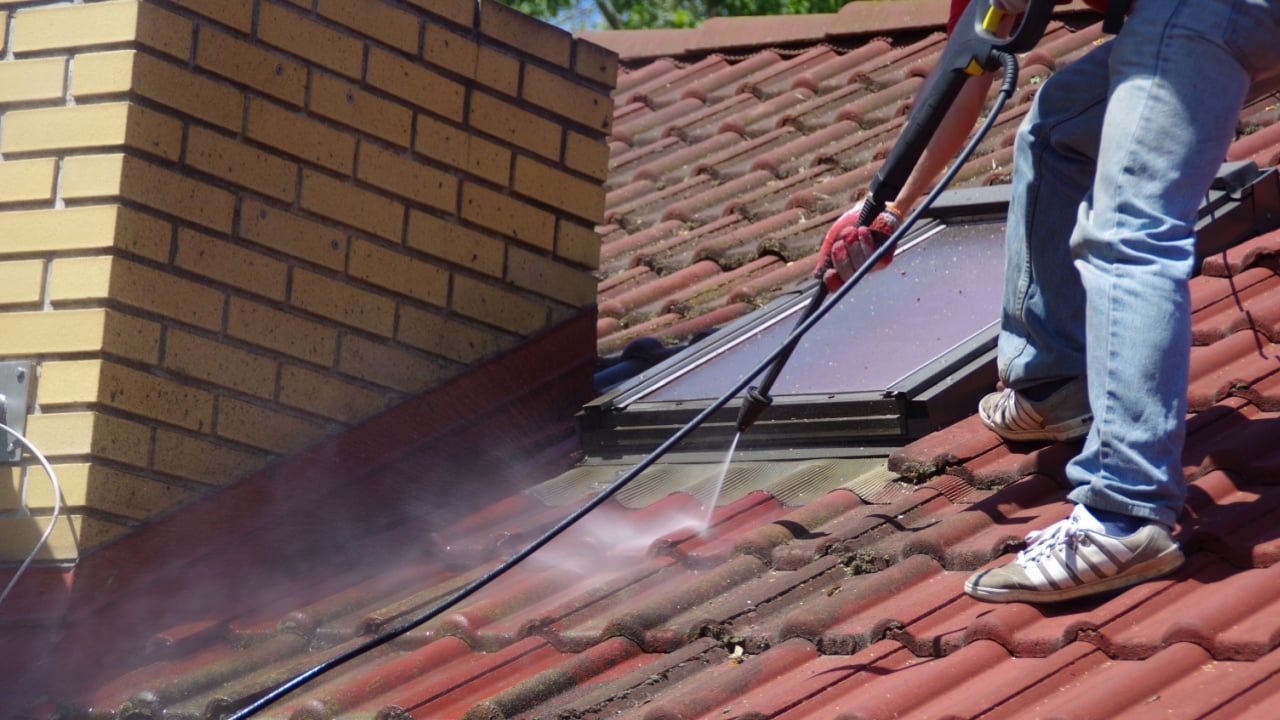
To extend the life of your roof, make sure it does not get covered in leaves, debris, mold, or algae. Piles of leaves trap moisture against the shingles, accelerating deterioration and leading to roof leaks. Also, make sure no tree branches are touching or scraping against the roof surface.
You want to keep it as clean as possible to help it last for decades. A new roof is one of the most expensive investments a homeowner will make. Simple maintenance, like sweeping off debris and treating moss spots, can push a roof replacement back by several years.
If you have a steep roof, it is safest to hire a professional roof cleaning service. However, for easily accessible areas, a long-handled broom or leaf blower can gently remove debris. For moss and algae, apply a dedicated roof-cleaning solution, letting it sit and rinse away with rain, rather than using a high-pressure washer that can damage shingles.
8. Flush the Hot Water Heater
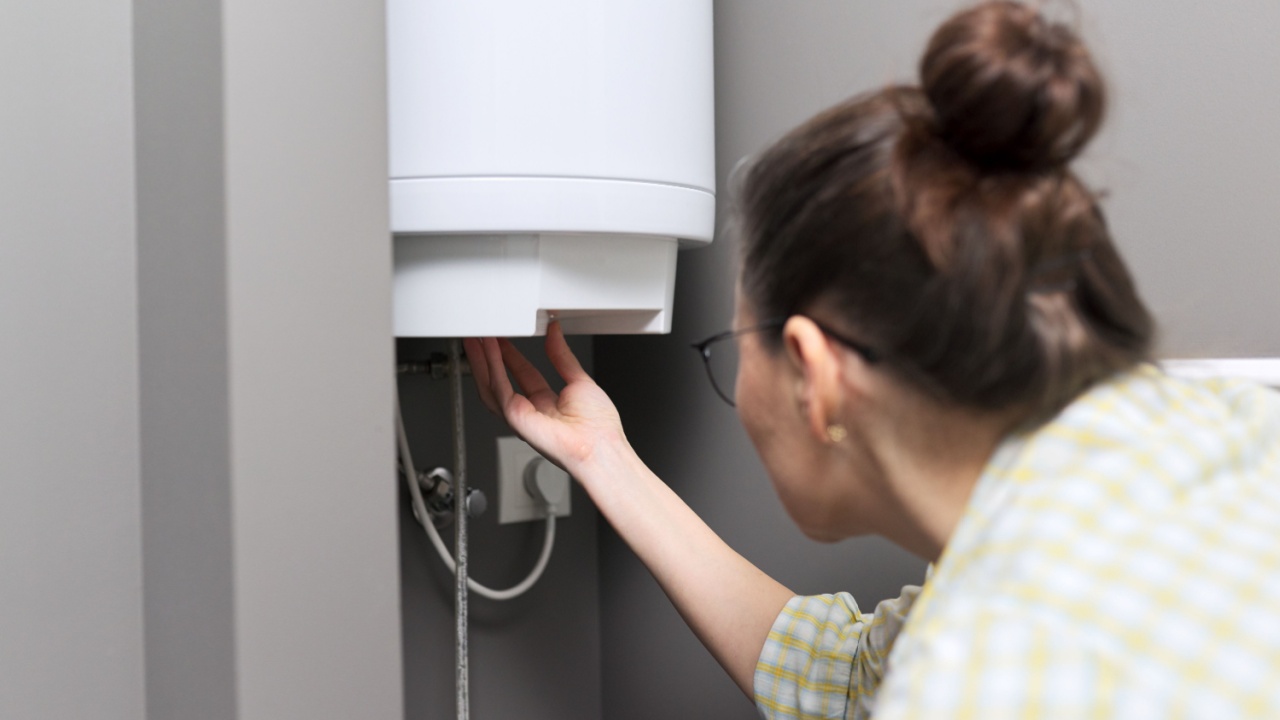
Sediment can build up in your water heater throughout the year, settling at the bottom of the tank. This buildup insulates the water from the heating element, forcing the appliance to use more energy to heat your water. It can also cause the tank to overheat and deteriorate the metal from the inside out.
It is a great idea to flush it annually to keep it running efficiently and extend its lifespan. If you ignore this maintenance task, you could be facing an expensive replacement down the line, or worse, a ruptured tank that floods your garage or basement.
To flush the tank, turn off the power or gas supply to the heater. Connect a garden hose to the drain valve at the bottom of the tank, and route the other end to a floor drain or outside. Open the valve and let the water flow until it runs clear, then close the valve and turn the power back on.
9. Get Trees Trimmed Regularly
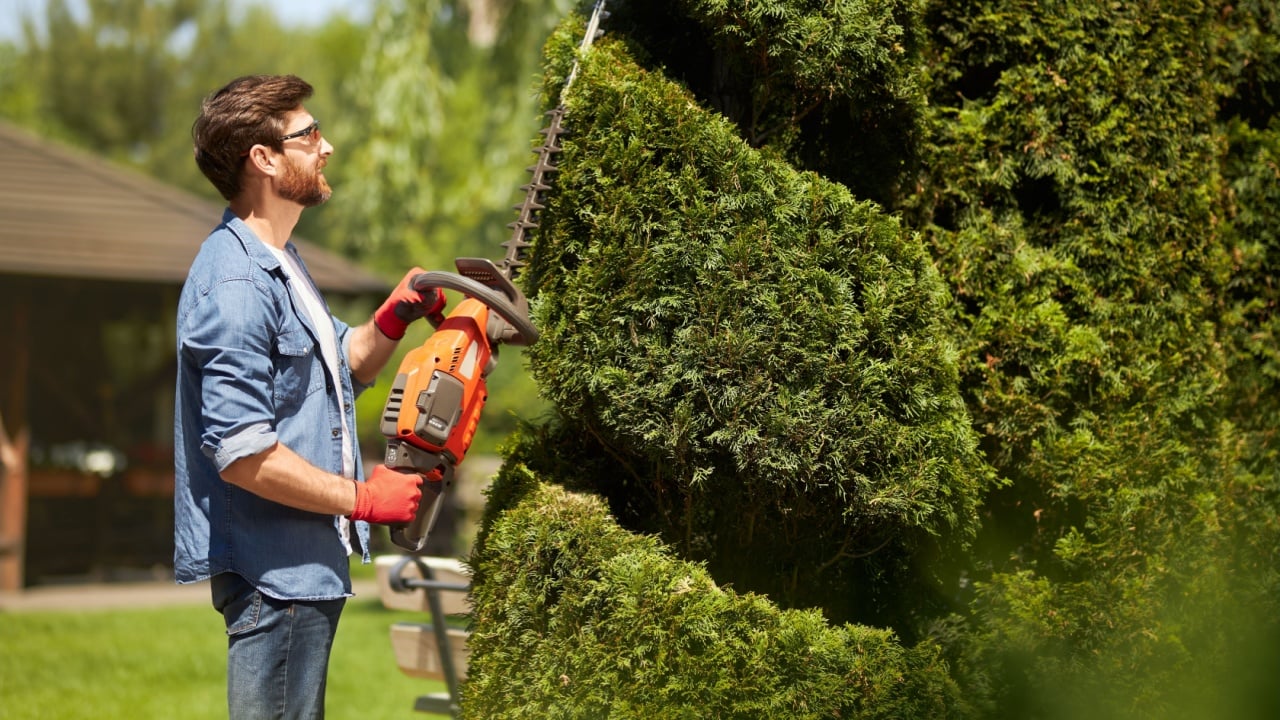
Not only do overgrown trees threaten the integrity of your home, but they also can prove to be a hazard in the event of a storm. Heavy winds or ice can snap large branches, sending them crashing through your roof or windows. Tree roots can also infiltrate your plumbing lines or damage your foundation if left unchecked.
As soon as you notice branches that look problematic or are growing too close to your house, reach out to a tree service about getting them trimmed. That is going to be far cheaper than dealing with homeowner’s insurance and a massive repair bill if one falls on your house.
Regular pruning also keeps the trees healthier, promoting strong growth and preventing disease from spreading through the canopy. While you can trim small, easily reachable branches with loppers, always hire a certified arborist for large branches or trees located near power lines.
10. Maintain Your HVAC Unit
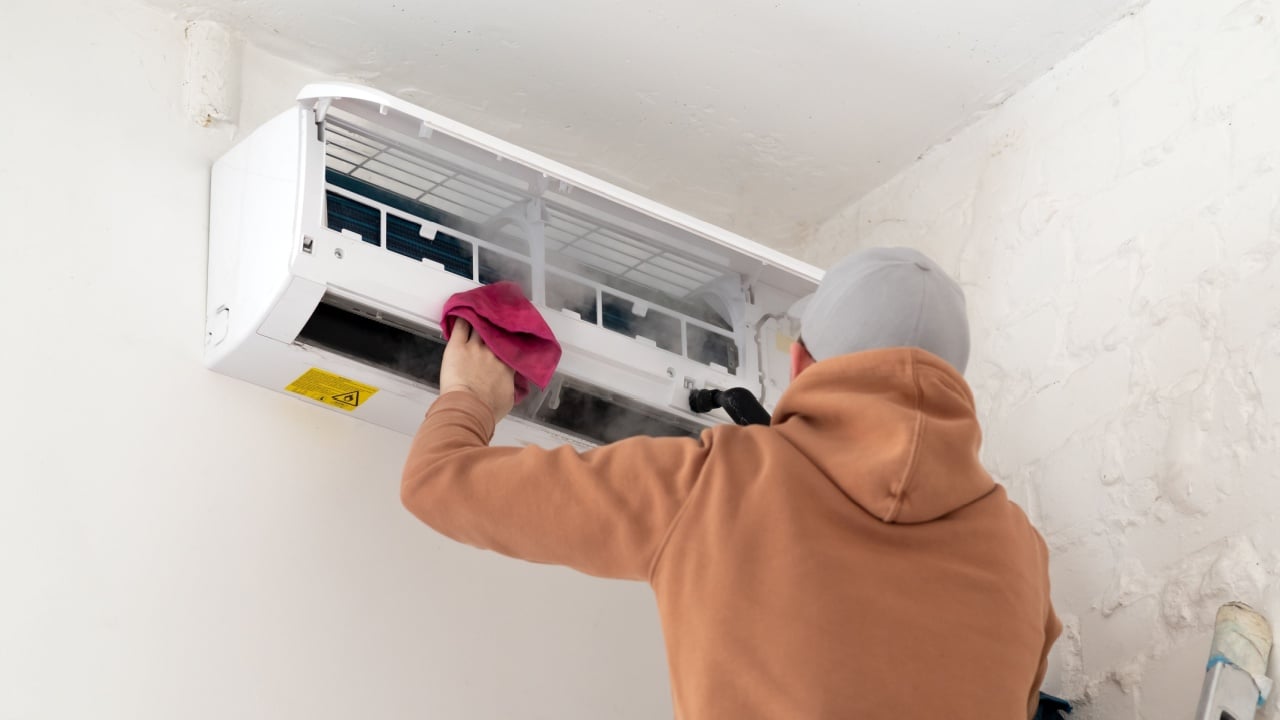
Replacing an HVAC unit is pricey, and if it happens unexpectedly in the middle of summer, you are going to be in a difficult situation. Regular use takes a toll on the system’s motors, belts, and coils. Without proper lubrication and cleaning, the system has to work harder to maintain your desired temperature.
Have your unit serviced twice a year by a professional to make sure everything is functioning properly. A technician will check the refrigerant levels, inspect electrical connections, and clean the blower components. This professional check-up can identify failing parts before they cause a complete system breakdown.
Scheduling these maintenance visits in the spring (for the AC) and the fall (for the furnace) prepares your system for the heavy-usage seasons. An efficient HVAC system uses less electricity and natural gas, dropping your monthly utility costs significantly.
11. Do a DIY Tune-Up on Your HVAC
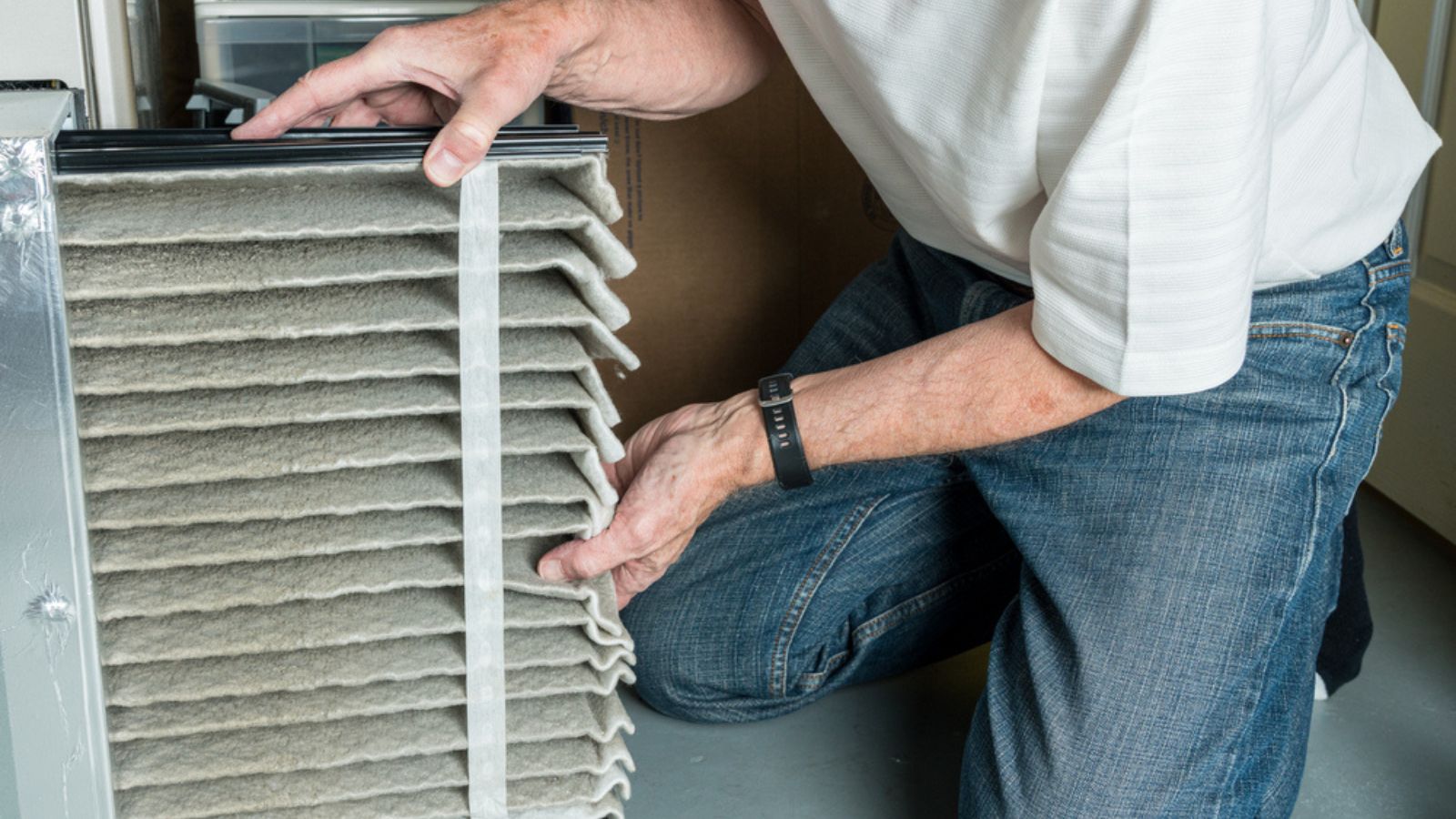
You can also keep your HVAC unit in great shape with a few DIY maintenance habits in between professional visits. One of the simplest and most impactful things you can do is change the air filters regularly. A dirty filter restricts airflow, forcing the system to run longer and increasing wear and tear.
Make sure you are changing the filters every one to three months, depending on whether you have pets or allergies. Additionally, flush the condensation drain lines at least quarterly. A clogged drain line can cause water to back up and overflow into your home, causing significant water damage to floors and ceilings.
To clear the drain line, locate the access pipe near the indoor unit and pour a cup of white vinegar down the line to kill algae and mold. Go outside to the condenser unit and make sure there is at least a two-foot clearance of leaves, tall grass, and debris around the unit so it can pull in air freely.
12. Get Your Sump Pump Serviced
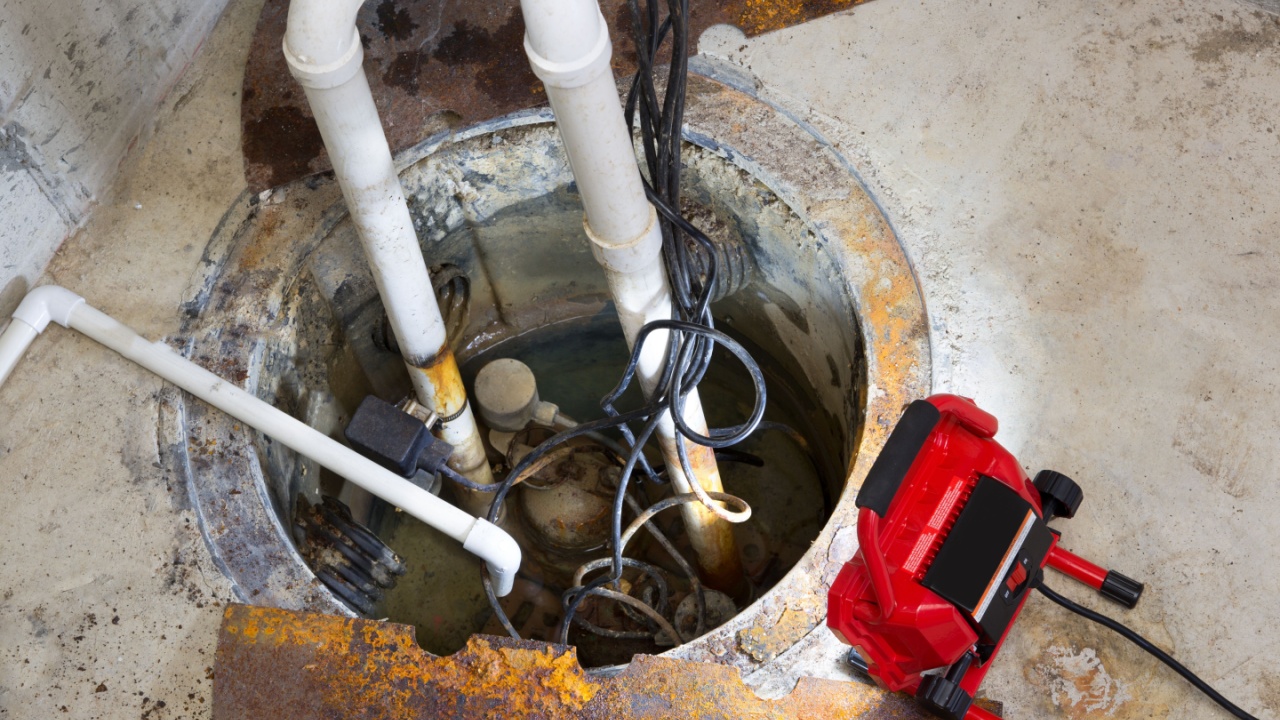
To mitigate the risk of flooding in your basement, look into getting your sump pump serviced annually by a professional. A sump pump is designed to collect excess groundwater and pump it away from your foundation. If it fails during a heavy rainstorm, you could wake up to a basement full of standing water.
While the sump pump is not something you frequently interact with, you will want it working perfectly in the event of a major storm. A professional can check the float switch, clean the intake screen, and test the check valve to confirm water is not flowing back into the pit.
You can do a quick DIY test every few months by slowly pouring a bucket of water into the sump pit. Watch to see if the float rises and triggers the pump to turn on. The water should drain quickly, and the pump should shut off smoothly once the pit is empty.
13. Clean Out the Dryer Vent

While you probably clean out the lint from the lint screen after every load you run through your dryer, have you ever cleaned the actual dryer vent? That is the piece of ductwork that leads from the back of the machine to the outside of your home. Over months of use, lint bypasses the trap and accumulates in this hose.
This buildup can become a severe fire risk if it becomes heavily clogged, as the heat from the dryer can ignite the highly flammable lint. Furthermore, a clogged vent restricts airflow, meaning your clothes take twice as long to dry, wasting a significant amount of electricity.
Ideally, this vent should be cleaned out annually. You can purchase a dryer vent cleaning kit that attaches to a power drill, allowing you to snake a brush through the entire length of the duct. Make sure to also check the exterior vent flap to confirm it opens freely and is not blocked by debris or bird nests.
14. Fix Siding Issues
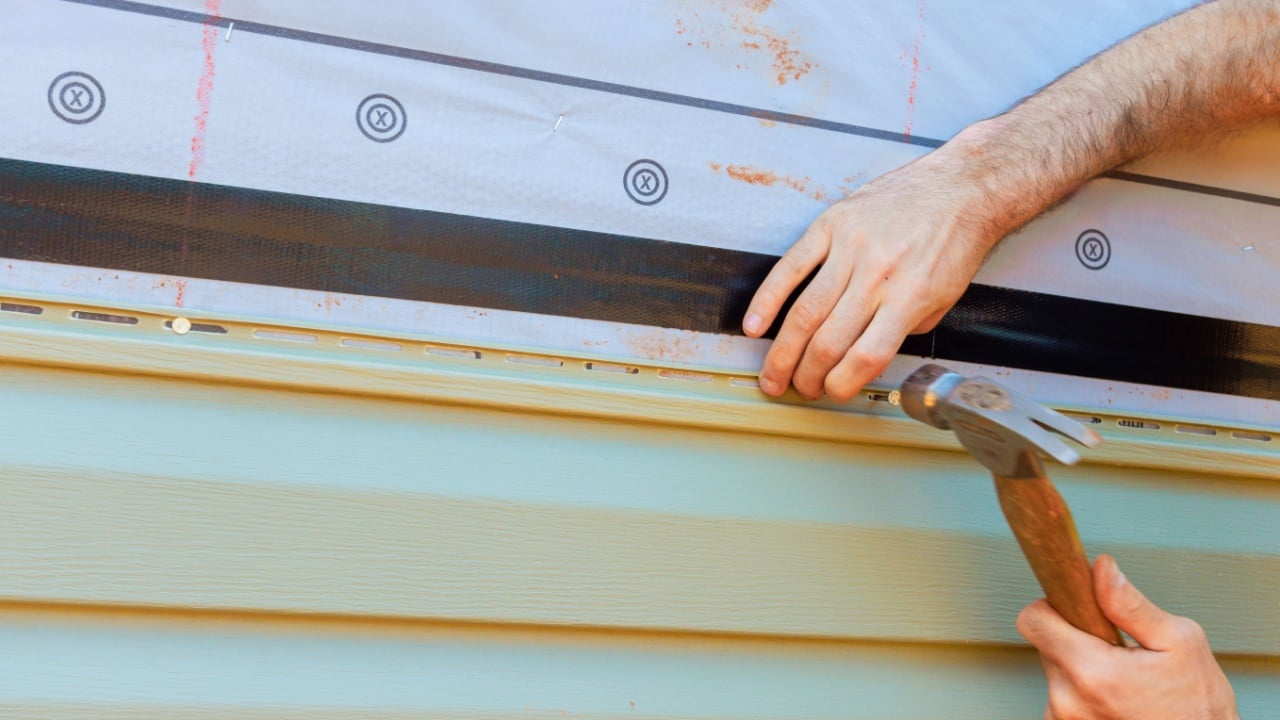
If issues with your home’s exterior siding are allowed to linger, you could end up with leaks or siding that needs to be replaced before the end of its usual life expectancy. Damaged siding provides an entry point for water, which can rot the wood framing underneath and lead to structural issues and toxic mold growth.
Do a lap around your house annually and address any issues as soon as they arise. Look for cracks, warped panels, or areas where the caulking has dried out and separated. Catching these problems early allows you to replace a single panel or apply a bead of caulk rather than re-siding an entire wall.
For vinyl or fiber cement siding, a gentle wash with a hose and a soft-bristle brush can remove dirt and prevent staining. If you find small holes or cracks, use a color-matched siding repair kit or an exterior-grade caulk to seal the damage and keep moisture out.
Take Charge of Your Home’s Health

Taking the time to do preventative maintenance is one of the smartest money moves for homeowners. Consistent care protects the value of your property and provides peace of mind knowing your house is in excellent condition.
It is almost always more expensive to fix or replace something later than it is to take care of it now. By setting aside a little time each month to complete these tasks, you can avoid catastrophic breakdowns and keep your monthly utility bills manageable.
Read More:
12 Home Maintenance Tasks to Always Stay on Top Of
16 Home Maintenance You Can Do in Minutes to Avoid Major Problems Later