
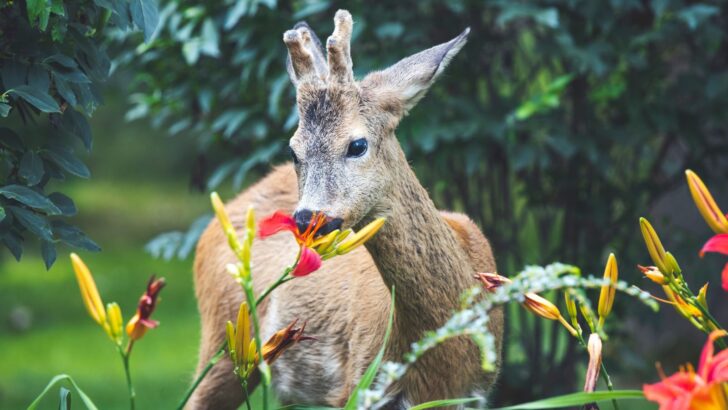
You’ve spent weeks planting, pruning, and nurturing your garden, only to wake up and find half your hostas devoured or your tomatoes riddled with bite marks. Sound familiar? Whether it’s deer trampling your flower beds, chipmunks sampling your veggies, or slugs turning your leaves into lace, pests can quickly undo all your efforts.
But here’s the good news: you don’t have to wage war with chemicals or expensive traps. With the right know-how and a few simple strategies, you can protect your plants and outsmart even the most persistent pests—naturally. From stealthy voles to stubborn Japanese beetles, here are the top offenders and exactly how to deal with them (without losing your sanity—or your harvest).
1. Aphids
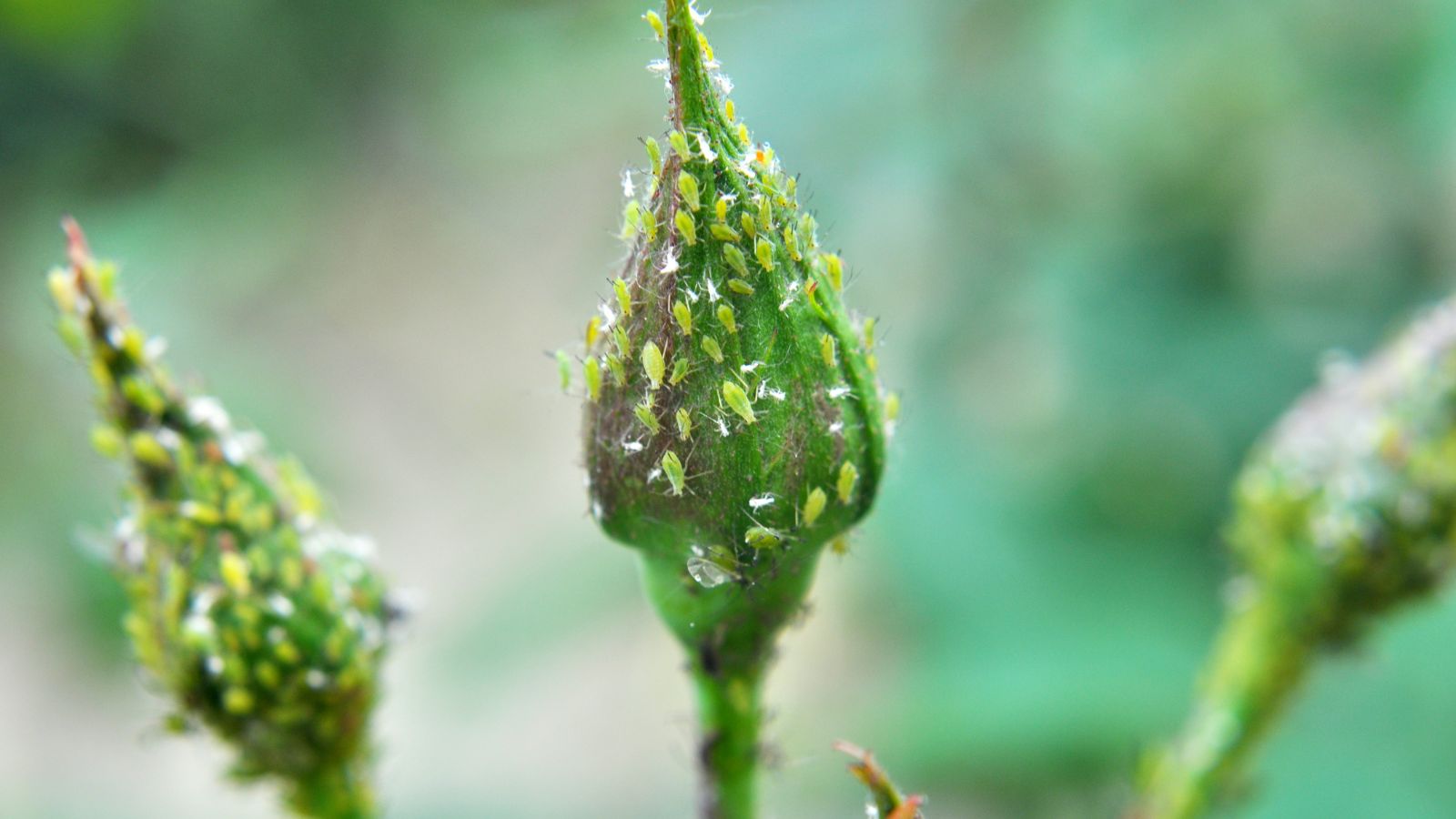
Image Credit: Depositphotos.com.
Tiny but mighty, aphids cluster on new growth and the undersides of leaves, sucking plant juices and spreading viruses. A small infestation quickly becomes a colony, leaving behind curled leaves, sticky honeydew, and a trail of ants.
Next Steps:
- Blast them off with a strong stream of water from the hose.
- Release ladybugs or lacewings (or attract them to the garden), which are natural predators.
- Spray affected plants with a homemade mix of water, dish soap, and a few drops of neem oil.
2. Cabbage Worms
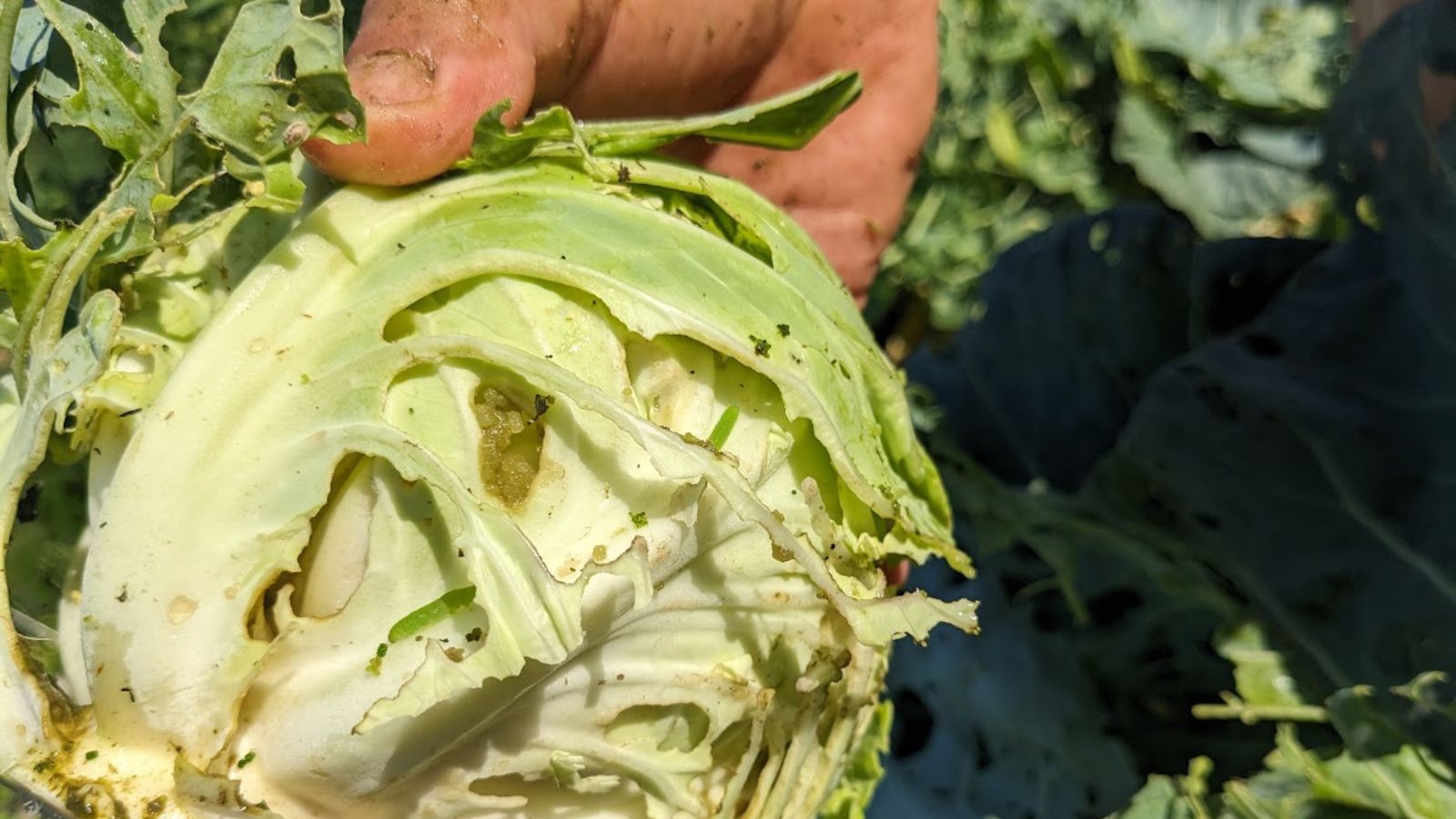
Image credit: Backyard Garden Lover.
These green caterpillars munch through broccoli, kale, cabbage, and other brassicas, leaving gaping holes and frass (caterpillar poop) behind. They’re hard to spot and can devastate crops quickly if left unchecked.
Next Steps:
- Handpick worms daily, especially early morning or late afternoon.
- Cover young plants with row covers to prevent moths from laying eggs.
- Use Bacillus thuringiensis (Bt), an organic caterpillar-targeting treatment safe for beneficial insects.
3. Squash Vine Borers

Image Credit: Shutterstock.
If your once-thriving squash plants suddenly wilt and die at the base, squash vine borers might be to blame. These larvae tunnel into stems, cutting off water flow and causing plants to collapse.
Next Steps:
- Look for tiny holes and sawdust-like frass at the base of vines.
- Use floating row covers early in the season to block moths from laying eggs.
- Slice the stem lengthwise with a clean knife, remove the borer, and mound soil over the wound to encourage rerooting.
See more tips for naturally getting rid of squash bugs.
4. Voles
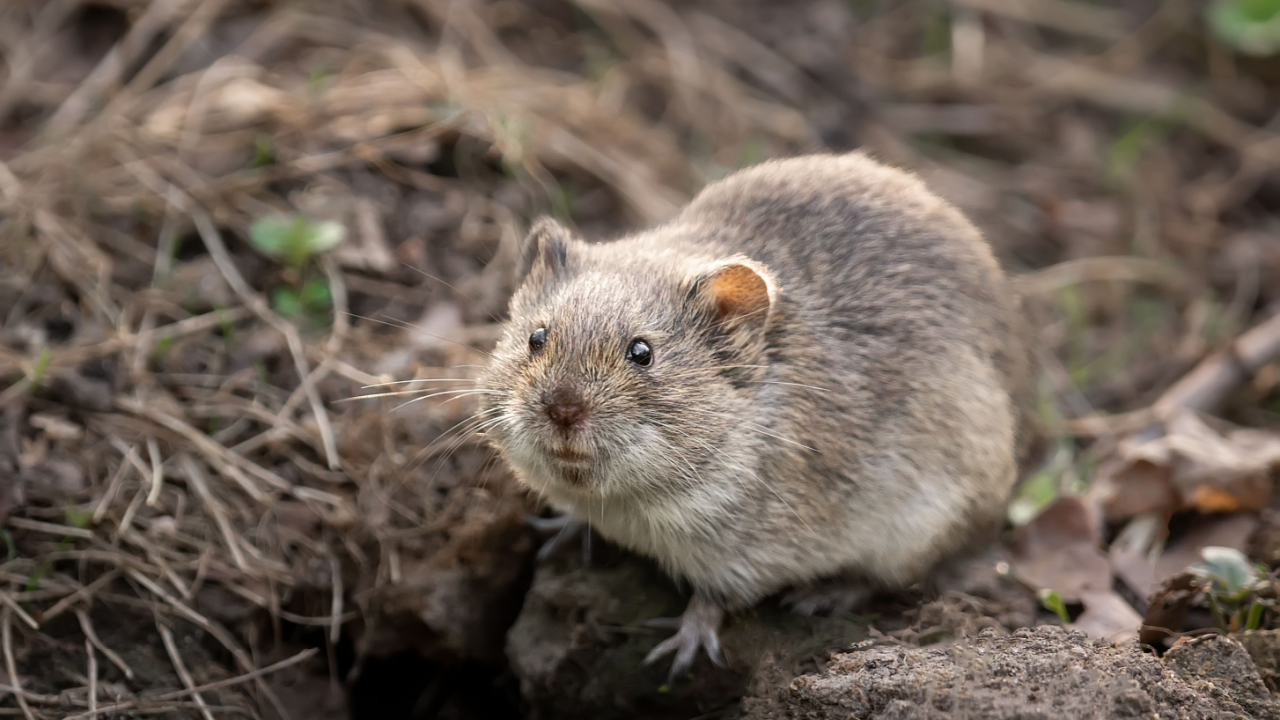
Image Credit: Shutterstock.
Voles may be small, but their impact is mighty. These mouse-like rodents tunnel just beneath the surface, targeting bulbs, tubers, and tender plant roots. You’ll know they’ve struck when plants suddenly wilt or collapse, and shallow runway paths crisscross your lawn.
Next Steps:
- Install underground barriers like hardware cloth cages beneath vulnerable plants or garden beds.
- Keep mulch and tall grass away from garden edges to reduce hiding spots.
- For more tips, visit our detailed guide: How to Get Rid of Voles in the Garden
5. Slugs and Snails

Image Credit: Depositphotos.com
These nighttime grazers are notorious for chewing irregular holes in hostas, lettuces, strawberries, and soft-stemmed plants. Slugs thrive in damp, shady areas and leave shiny trails on leaves and soil.
Next Steps:
- Handpick slugs early morning or late evening.
- Use crushed eggshells, diatomaceous earth, or copper tape around garden beds as deterrents.
- Set beer traps (shallow containers filled with beer) flush with the soil to lure and drown them.
- Tidy up debris and trim back dense ground covers to reduce damp hiding places.
- Read up on How to Get Rid of Slugs and Snails in the Garden
6. Woodpeckers
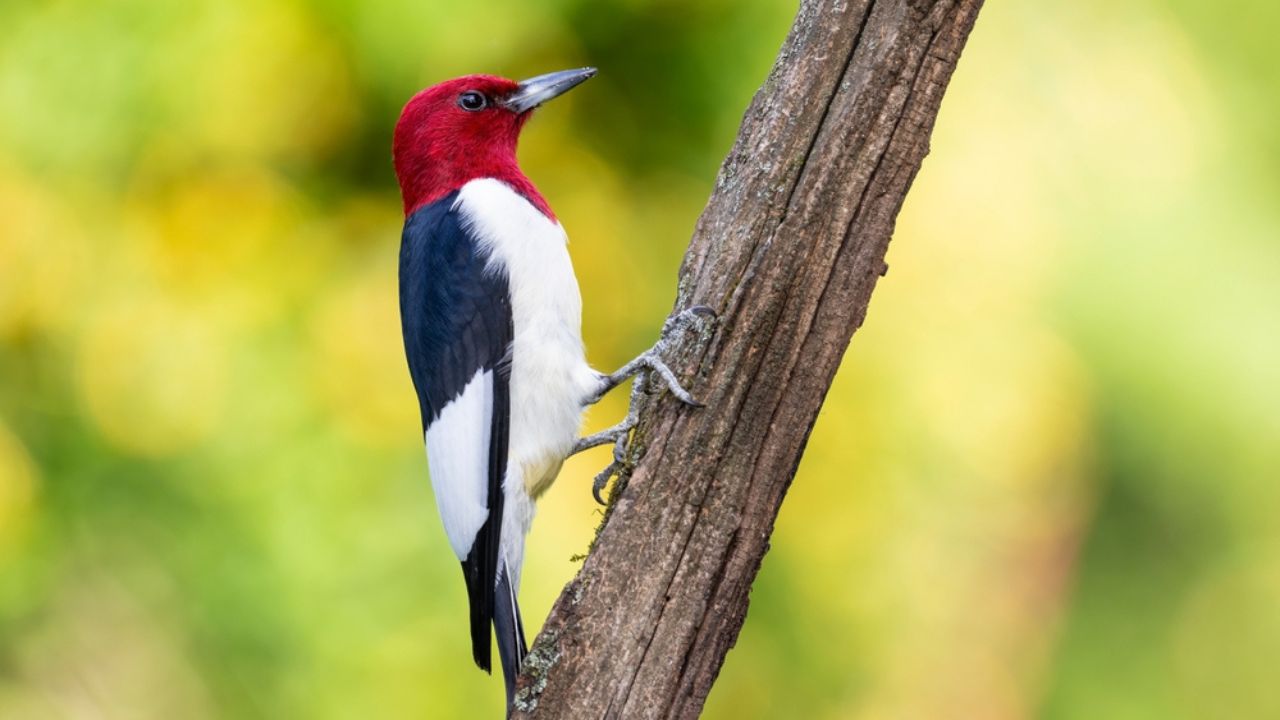
Image Credit: Shutterstock.
While helpful for eating insects, woodpeckers can damage trees by pecking through bark in search of larvae. Their hammering creates unsightly holes, and repeated pecking can weaken trees.
Next Steps:
- If they’re targeting a specific tree, check for underlying insect infestations or disease.
- Offer suet feeders in a different area of your yard to draw them away from trees.
- Avoid wrapping trees in foil or insulation—it can do more harm than good.
- If a tree is beyond saving, consider removing it to deter repeat visits.
7. Chipmunks

Image Credit: Paul Harrison – Own work, CC BY-SA 4.0/Wiki Commons.
Cute but crafty, chipmunks love sampling tomatoes and digging in planters. They tend to take a bite or two, then abandon the fruit, especially frustrating for veggie gardeners.
Next Steps:
- Cover raised beds or containers with fine mesh netting or row covers.
- Place hardware cloth over the soil in containers to prevent digging.
- Seal access to garages, sheds, and basements where they may nest.
- Avoid leaving birdseed out unless it’s secured in pest-proof feeders.
8. Rabbits
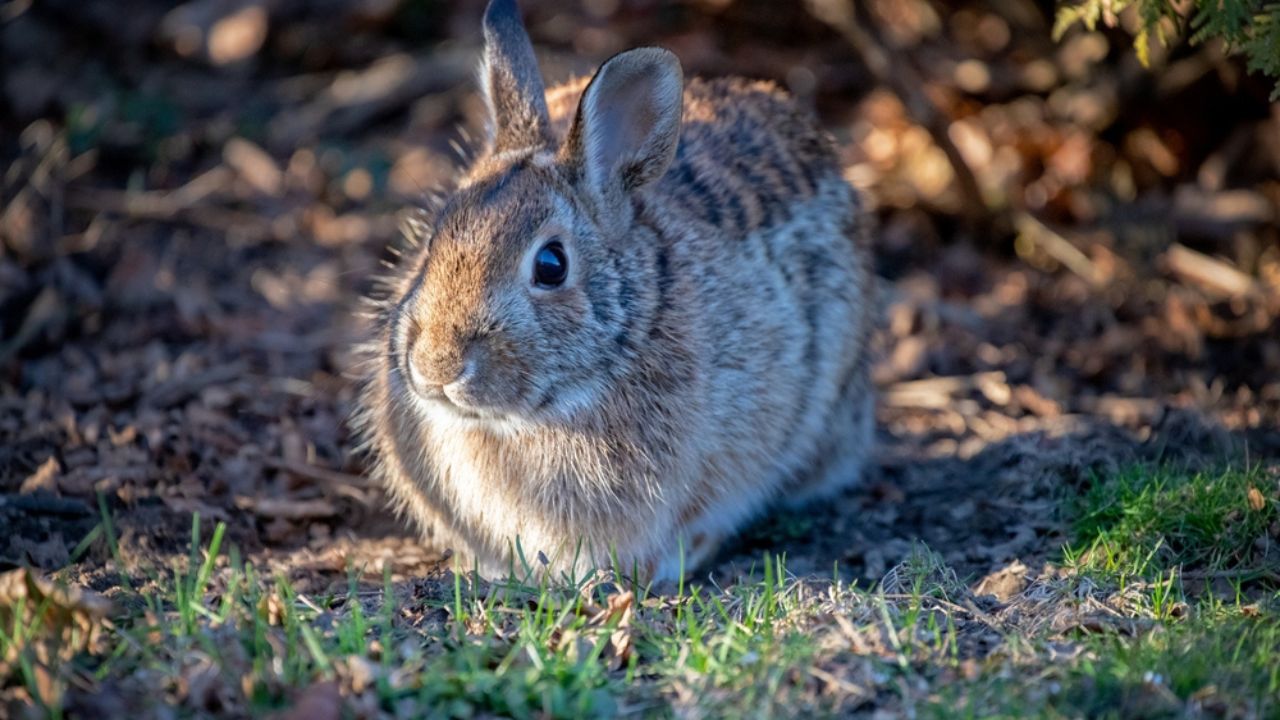
Image Credit: Shutterstock.
Rabbits can decimate entire plant beds overnight, leaving just chewed stems or stubby nubs. Tender greens, herbs, and flowering plants are all fair game.
Next Steps:
- Install a 2-3 foot fence made of chicken wire or hardware cloth, with the bottom edge buried 6 inches deep.
- Use sacrificial plants like clover or inexpensive hostas at the garden border to distract them.
- Let your dog patrol the yard regularly—rabbit activity usually declines when they sense predators nearby.
- Paint your fence black or tuck it behind shrubs to make it less visible.
- Learn other options for keeping rabbits out of the garden
9. Squirrels
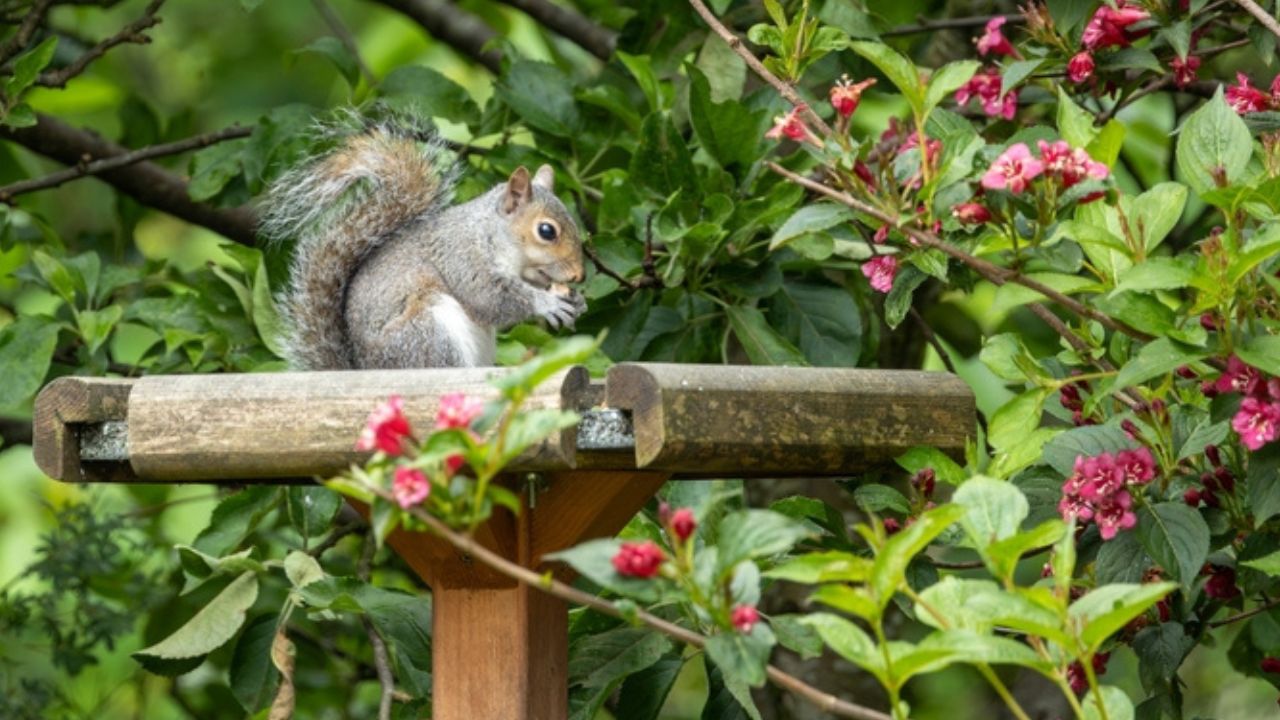
Image Credit: Shutterstock.
Squirrels can be both a nuisance and a challenge. They love chewing bark, digging up bulbs, and raiding planters—especially in early spring or fall.
Next Steps:
- Add hardware cloth to container tops to deter digging.
- Clean up fallen fruit or acorns that attract them.
- Seal attic vents and garage gaps—squirrels are known to stash food indoors.
- Avoid feeding them, as it encourages more visitors and long-term damage.
- Read other tips for getting rid of squirrels
10. Deer
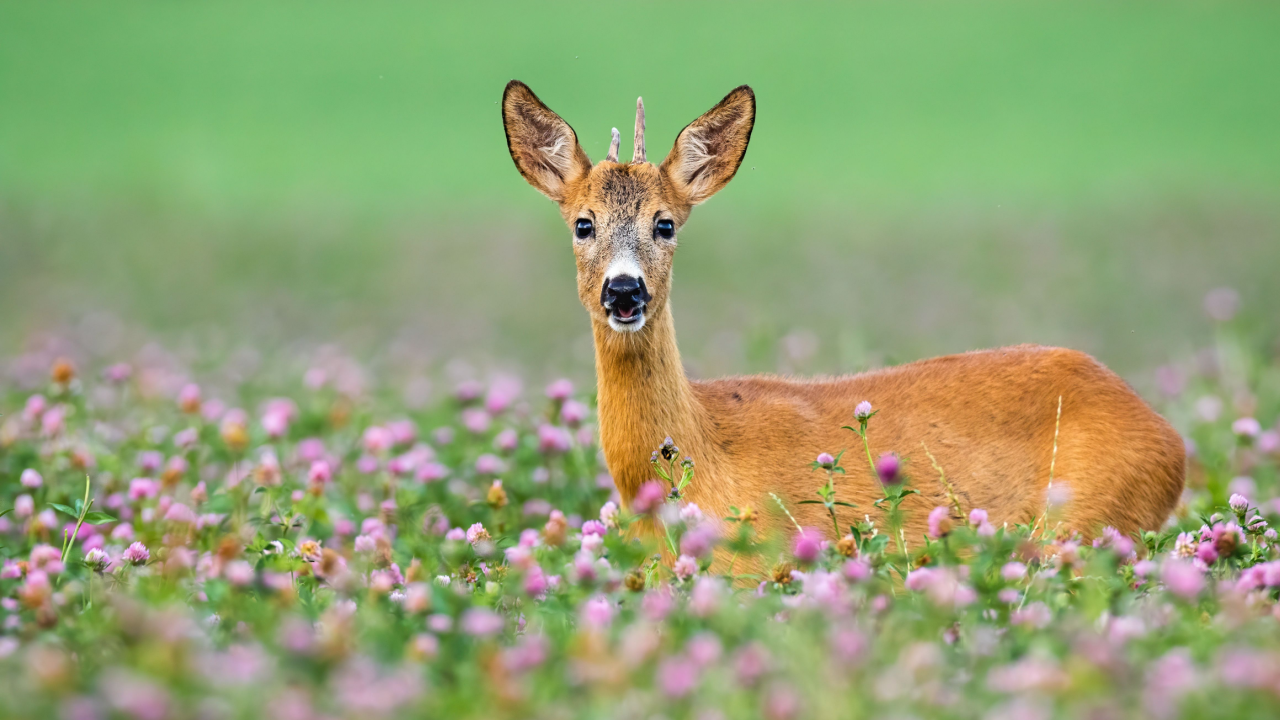
Image Credit: Shutterstock.
Deer can cause major damage by rubbing antlers on young trees or devouring shrubs and buds overnight. Their seasonal habits mean damage can vary, but their impact is always noticeable.
Next Steps:
- Wrap saplings with corrugated plastic trunk guards in fall to prevent bark stripping.
- Create a perimeter of 2×2 stakes or fencing to physically block access.
- Use deer-resistant plants like lavender, rosemary, and ornamental grasses along the outer garden edge.
- Rotate scare devices (motion sprinklers, reflective tape) to reduce acclimation.
- Plant deer-resistant annuals and perennials
11. Moles

Image Credit: Shutterstock.
Unlike voles, moles aren’t after your plants, but their tunneling wreaks havoc on lawns and garden beds. They hunt grubs and worms underground, pushing up soil as they go.
Next Steps:
- Treat your lawn with beneficial nematodes or milky spore to reduce grub populations.
- For active infestations, use mole traps placed directly in tunnels (watch for fresh soil to identify them).
- Avoid poisons—they’re rarely effective and may harm other wildlife.
12. Japanese Beetles
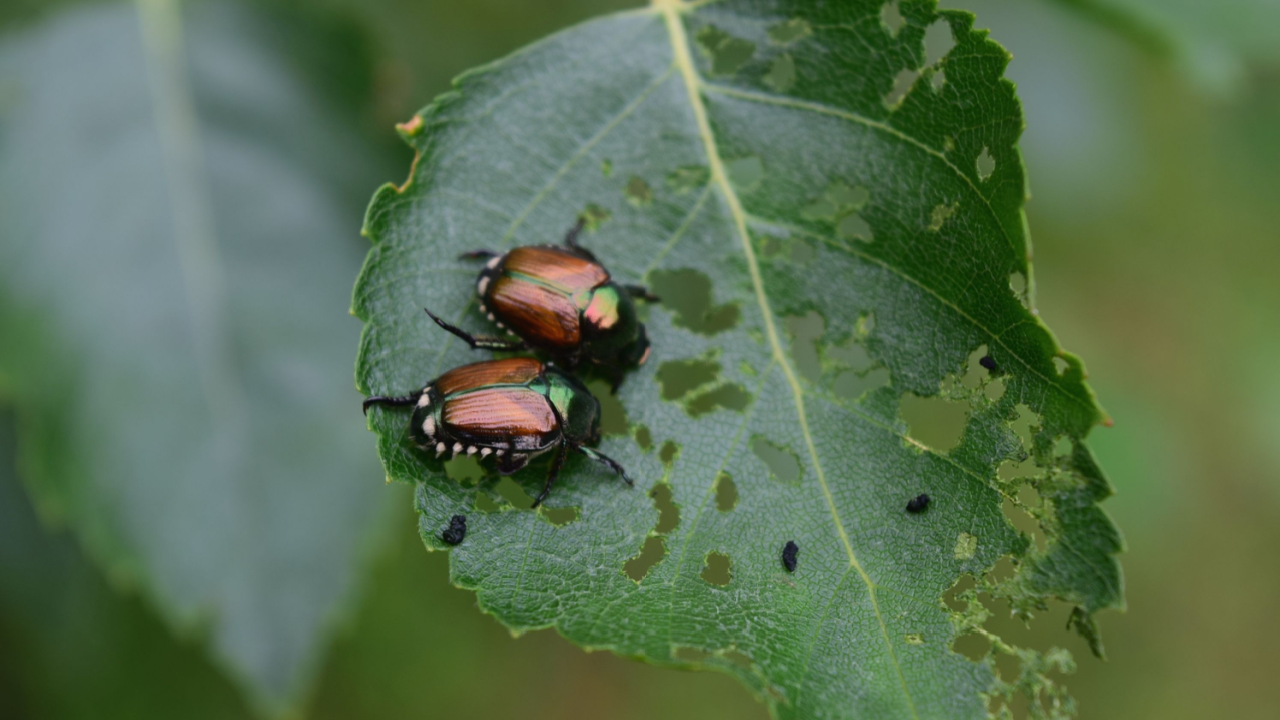
Image Credit: Shutterstock.
Japanese beetles chew through leaves, flowers, and fruit quickly. You’ll spot skeletonized foliage or swarms on roses, beans, or grapes. Their larvae (grubs) damage turf grass from below.
Next Steps:
- Skip pheromone traps—they attract more beetles.
- Apply beneficial nematodes in late July to target grub populations.
- Handpick beetles in the early morning and drop them into soapy water.
- Spot-treat plants with neem oil or insecticidal soap, following label instructions.
Learning to Roll with the Punches
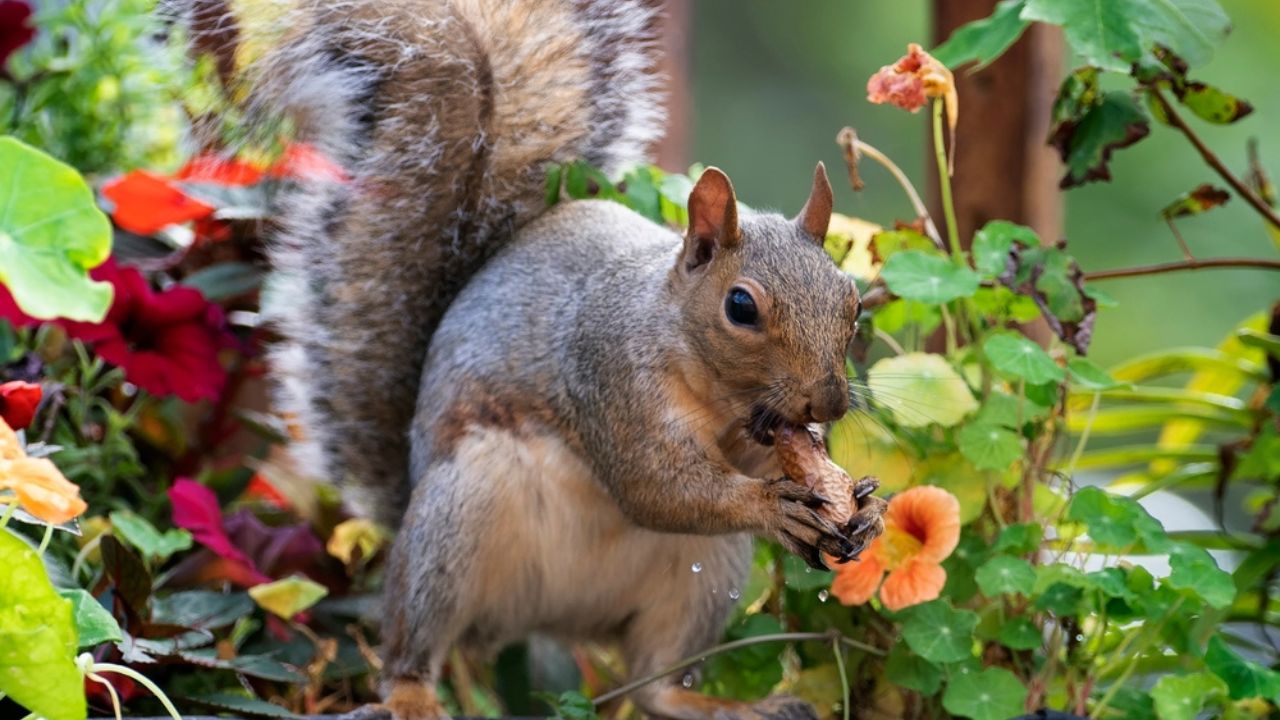
Image Credit: Shutterstock.
Dealing with pests is simply part of being a gardener—when you create a space for life to thrive, some uninvited guests are bound to show up. But with a little patience and observation, you can manage most problems naturally and sustainably.
Focus on building a healthy garden ecosystem, one that encourages beneficial insects, supports biodiversity, and minimizes harsh chemicals. Not every leaf needs to be perfect—sometimes, a few nibbles just mean you’re doing something right.