12 Ways to Easily Expand Closet Space (Even When It’s Full to the Brim)
Staring at a packed closet can be immensely frustrating in any morning routine. Finding an outfit quickly becomes impossible when shirts overlap, and shoes sit in chaotic piles covering the entire floor. You waste valuable minutes hunting for specific items hidden behind bulky winter coats or misplaced garments.
Limited storage happens rapidly as wardrobes grow through different seasons and changing personal styles. Standard homes feature basic designs with a single rod and a lone top shelf, leaving vast amounts of vertical and horizontal areas completely unused. People often accept these default layouts instead of modifying the structure to fit their actual possessions (accepting defeat and adding a walk-in closet to their future wish list).
The list below provides practical techniques to multiply your available storage capacity without knocking down walls. We gathered simple adjustments you can use today to create an organized arrangement for your entire wardrobe. You will discover exact methods to maximize your space efficiently and easily.
1. Utilize Back-of-Door Storage
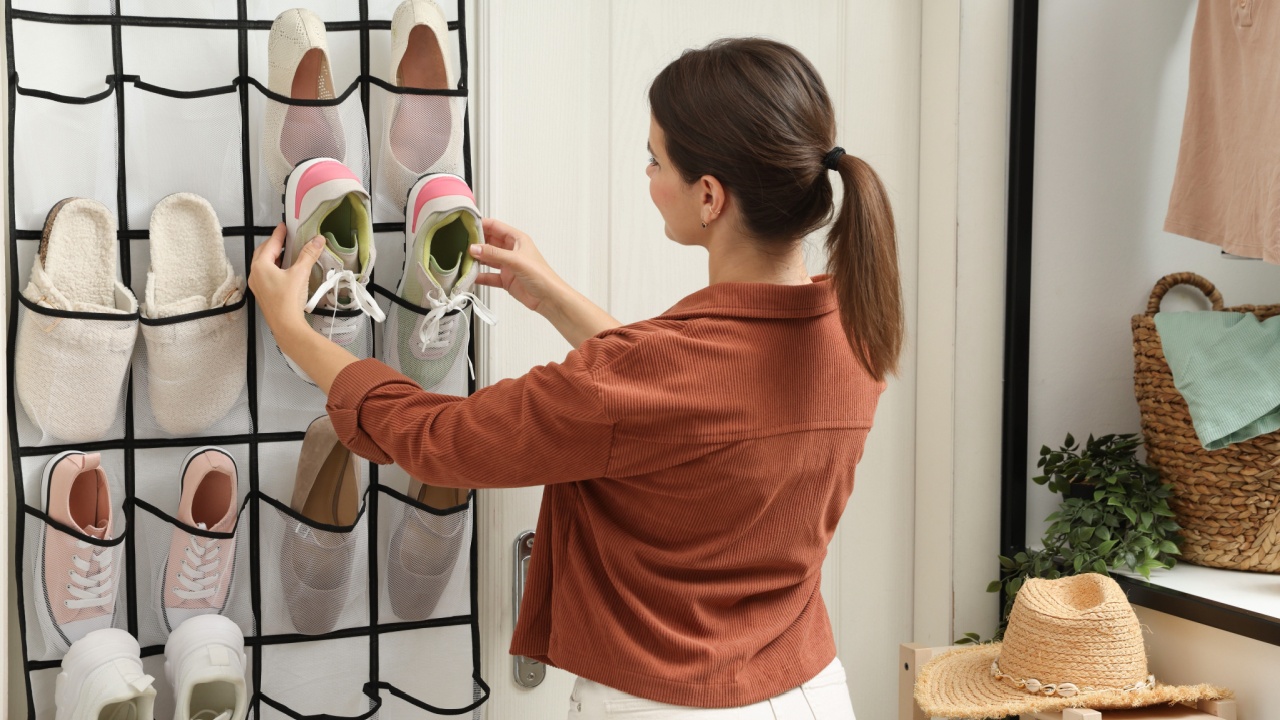
The back of your closet door offers valuable vertical space that often goes entirely ignored. By attaching hanging racks or over-the-door organizers, you immediately create new room for shoes, belts, and smaller accessories. This method keeps frequently used items visible and easily accessible during your morning routine.
Installing these organizers requires minimal effort and requires no heavy tools or permanent modifications to your door. You can group similar items together in clear pockets to maintain order and stop spending time searching through dark corners. Moving smaller accessories to the door instantly frees up your main shelves for bulkier folded clothing.
2. Add a Double-Decker Closet Rod
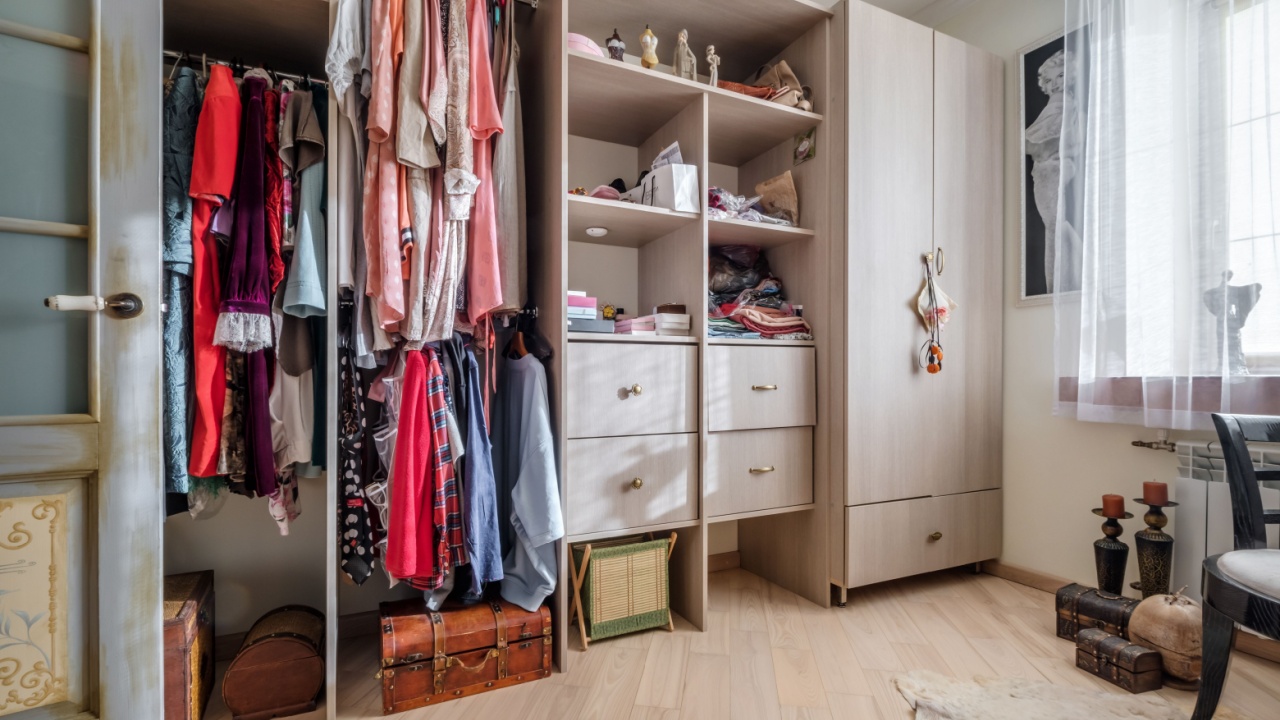
A single rod wastes an enormous amount of vertical room below your hanging shirts and jackets. Hanging a second rod directly beneath the main one instantly doubles your capacity for shorter items like pants, skirts, and blouses. This simple addition completely transforms the layout by utilizing the empty void hovering above your shoes.
You can purchase adjustable rods that hook directly onto your existing setup without requiring a drill or hardware. Adjust the height to fit your specific clothing lengths perfectly, giving your pants enough clearance so they avoid touching the floor. This adjustment completely changes how much clothing fits comfortably inside the same exact footprint.
3. Install Closet Nook Shelves
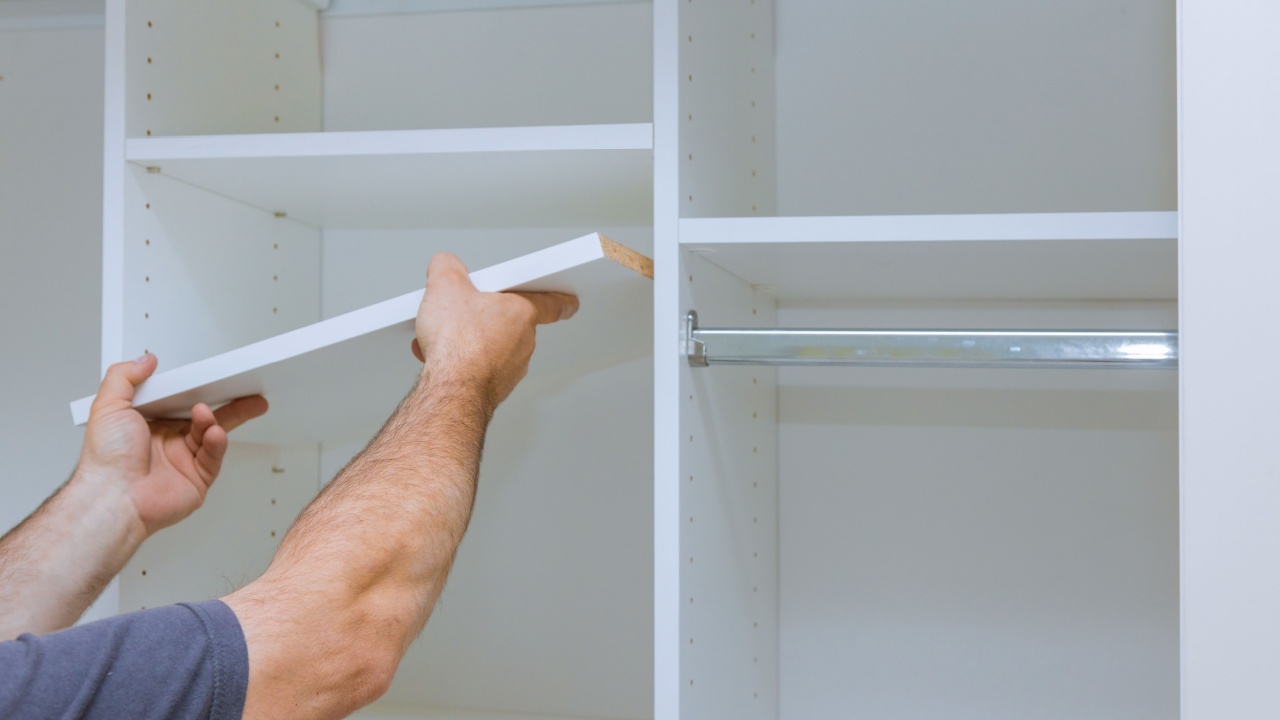
Many closets feature awkward recessed corners or deep sides completely hidden by the door frame. Installing custom-cut floating shelves into these unused nooks provides the perfect spot for storing folded sweaters, handbags, or small storage bins. Turning these dead zones into functional shelving maximizes every available inch of your storage area.
Measure the exact dimensions of your side walls and purchase basic brackets and wooden planks from a local hardware store. Paint the shelves to match your interior walls, creating a seamless look that appears completely built-in and professional. These tucked-away shelves keep bulky items neatly stacked and completely out of the way from your main hanging garments.
4. Remove Clutter First

Adding new storage solutions will fail if you continue to hold onto garments you no longer wear. Taking time to sort through your entire wardrobe allows you to identify pieces that no longer fit or match your current style. Decluttering these unneeded items creates immediate breathing room and drastically reduces the pressure on your current storage setup.
Create separate piles for donating, selling, and discarding items as you evaluate each piece of clothing individually. Keep only the garments that make you feel confident and comfortable, putting the rest into bags for immediate removal. A lighter wardrobe naturally requires fewer hangers and fewer bins, instantly solving a large portion of your space issues.
5. Use Hangers with Hooks for Accessories

Standard hangers take up horizontal room while holding only a single shirt or jacket at a time. Upgrading to specialty hangers with multiple built-in hooks lets you store several belts, scarves, or ties on a single hook. This vertical grouping technique condenses your scattered accessories into a tightly organized and highly visible system.
You can group your accessories with multiple built-in hooks, which let you store several belts, scarves, or ties in assortments by color or style, making outfit coordination incredibly fast and simple. These multi-hook hangers slide smoothly alongside your regular clothing, blending right into your existing row of garments. Keeping accessories hanging vertically prevents them from tangling in messy drawers or falling off standard wire hangers.
6. Label Your Bins with Tape
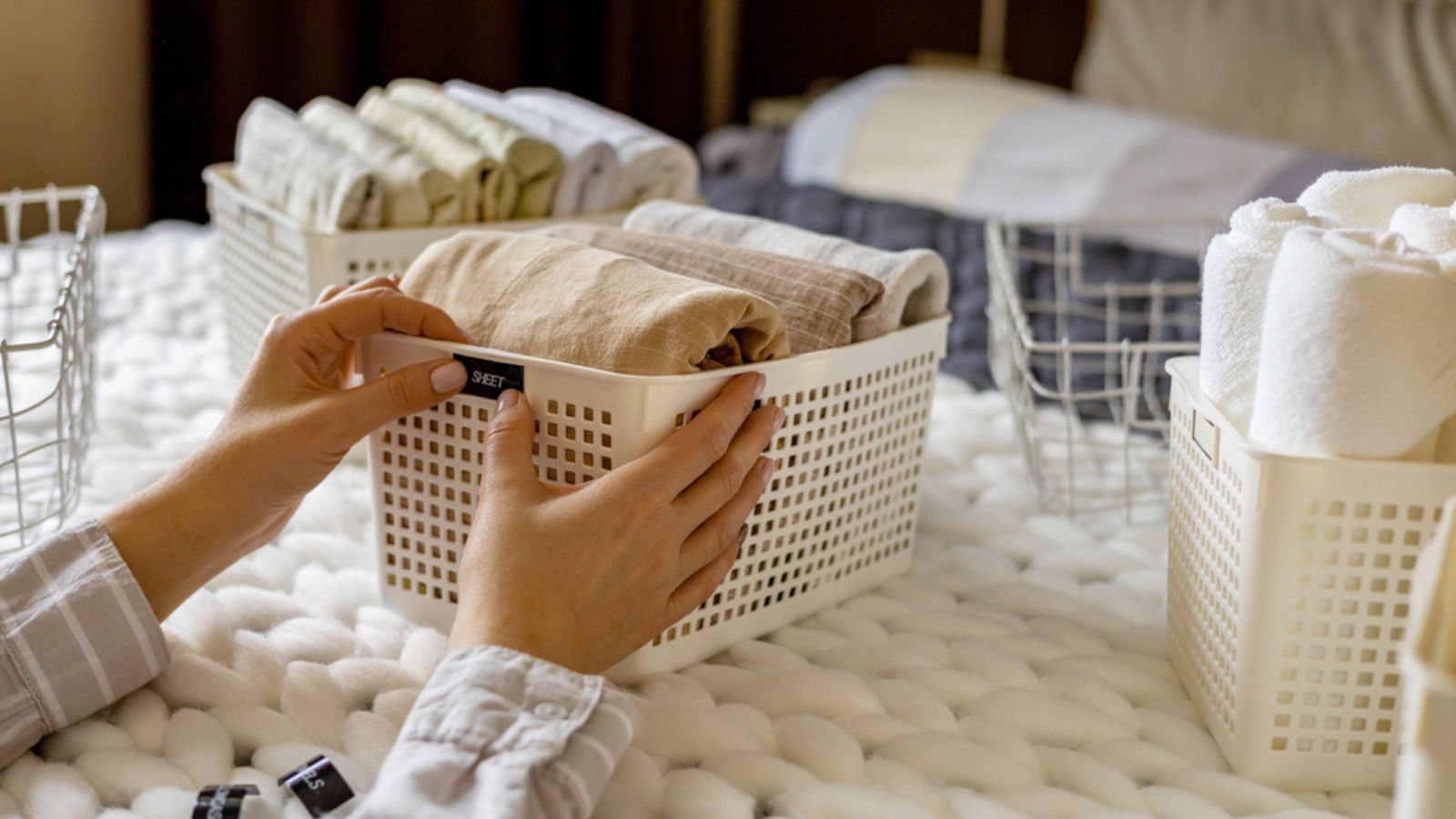
Using storage bins helps contain loose items, but forgetting what sits inside those bins leads to destroyed organization. Labeling your storage containers lets you know what’s inside at a glance. You can see exactly where your winter hats or summer swimsuits live without pulling down heavy bins from the top shelf.
Erasable tape offers incredible flexibility because you can easily change the label whenever you rotate your seasonal clothing. Use a dry-erase marker to update the categories, wiping the tape clean when you move different items into the container. This simple labeling habit maintains order and stops you from ripping through neatly folded piles to find one specific item.
7. Build Two-Story Closet Shelves
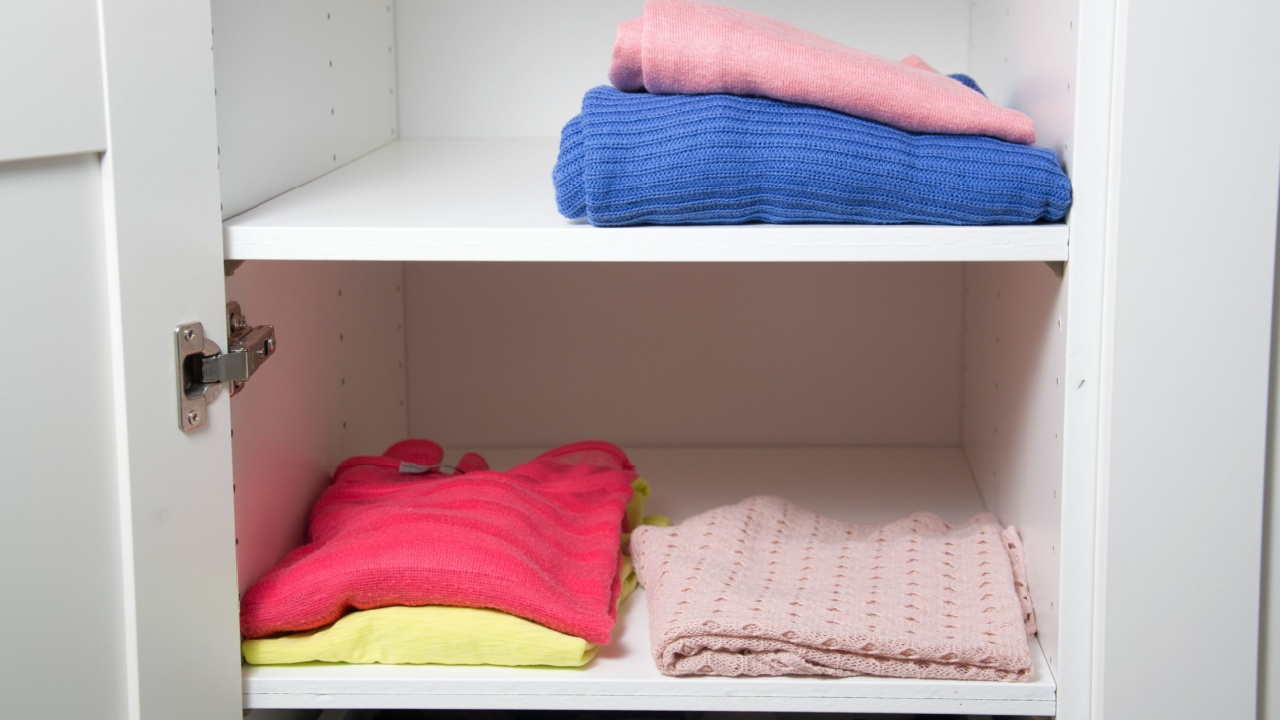
The single top shelf found in most homes rarely accommodates the massive amount of folded clothing people own. Building a shelf directly above the first one uses the empty space that reaches up toward the ceiling. This creates a dedicated second tier for storing items you use less frequently, keeping the lower shelf strictly for everyday essentials.
You can use simple shelf dividers to support the upper plank, creating cubbies that naturally organize your folded jeans and thick sweaters. Store lightweight items like extra blankets or seasonal hats on the very top tier so you avoid pulling heavy objects down from above your head. This vertical expansion instantly solves the problem of overflowing towers of folded clothing falling over.
8. Hang Items with S-Hooks
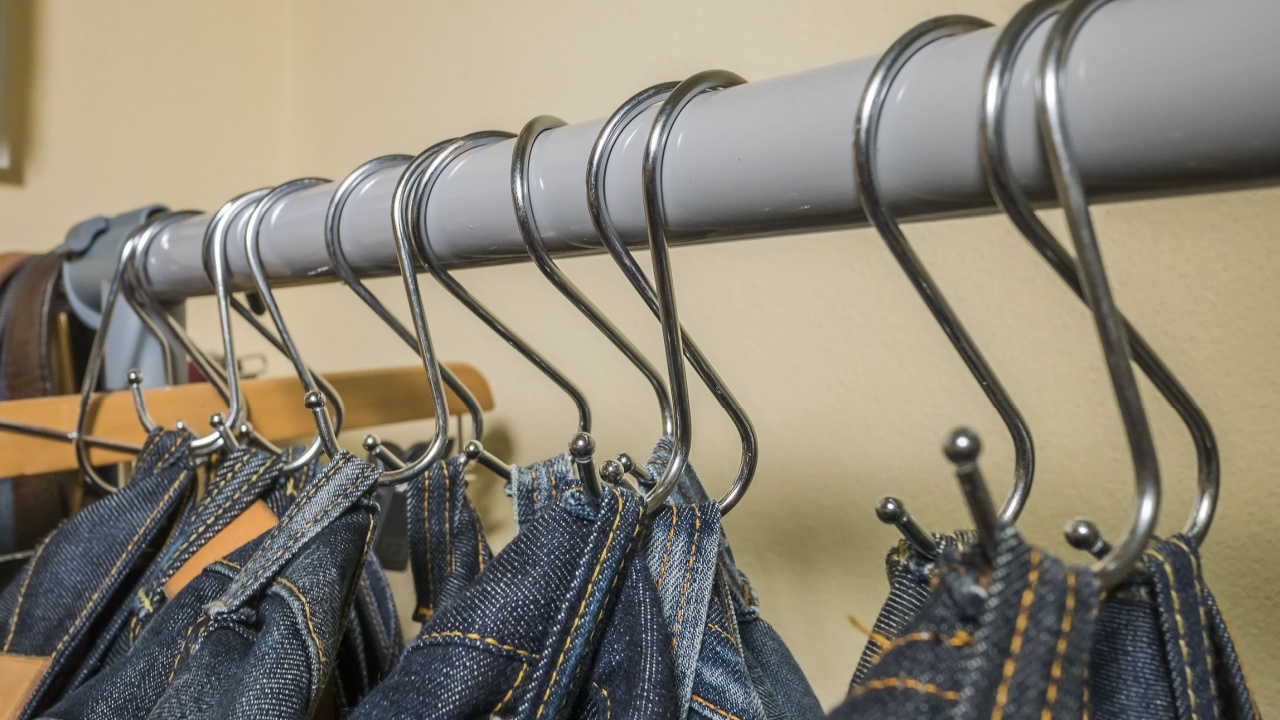
Bulky items like heavy denim jeans and thick winter coats take up a massive amount of space on standard hangers. Using heavy-duty S-hooks lets you hang jeans by their belt loops directly on the clothing rod. This method condenses the items tightly together, freeing up horizontal space for other important garments.
You can also use S-hooks to hold handbags by their straps, keeping them upright and preventing them from losing their shape. These inexpensive metal hooks slide easily along the rod and cost practically nothing to implement into your current setup. The metal construction can handle significant weight, making it perfect for leather jackets or dense winter gear.
9. Repurpose Bookcases Inside
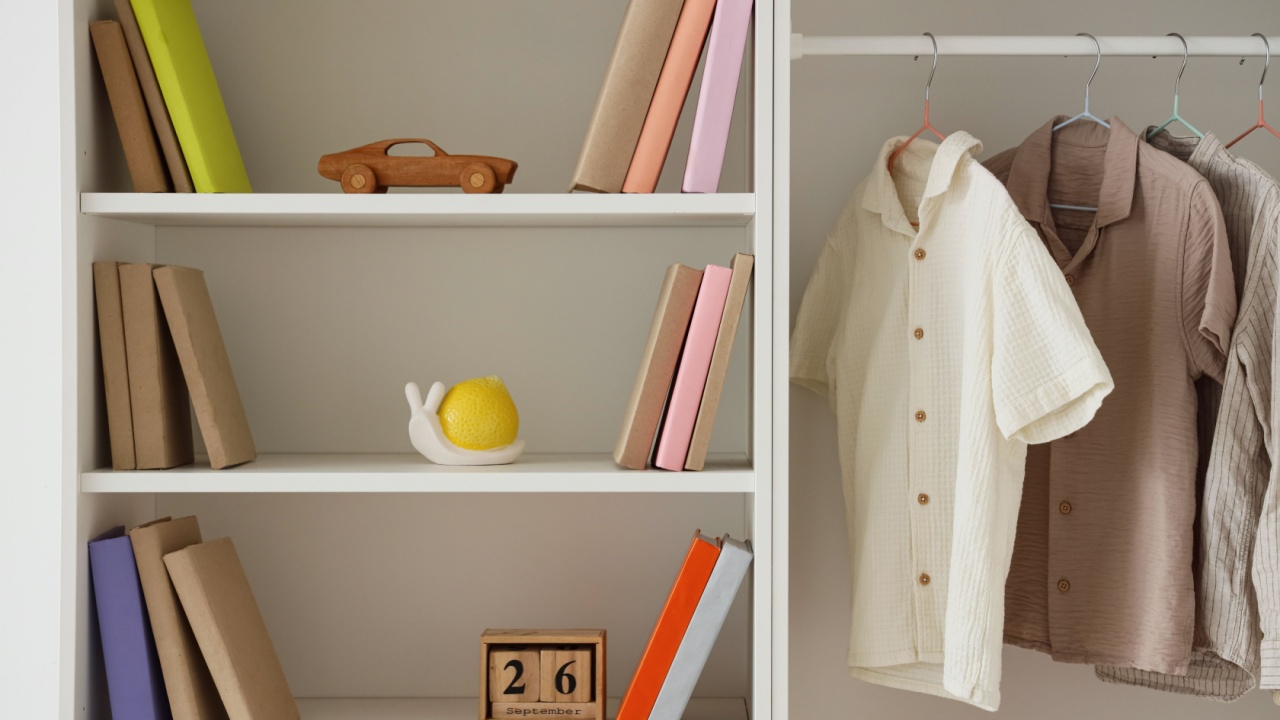
Empty floor space often becomes a dumping ground for shoes and laundry baskets that lack a specific home. Sliding a narrow bookcase directly into the center or side of your wardrobe provides instant, pre-built shelving for your possessions. You completely bypass the need to drill holes or construct elaborate shelving units from scratch.
Fill the bookcase shelves with neat rows of shoes, folded t-shirts, or decorative fabric bins to hide smaller items. Adjust the internal shelves to accommodate tall boots on the bottom and flat sandals near the top. This freestanding furniture addition instantly brings structure and organization to the previously messy floor area.
10. Store Out-of-Season Clothing Elsewhere
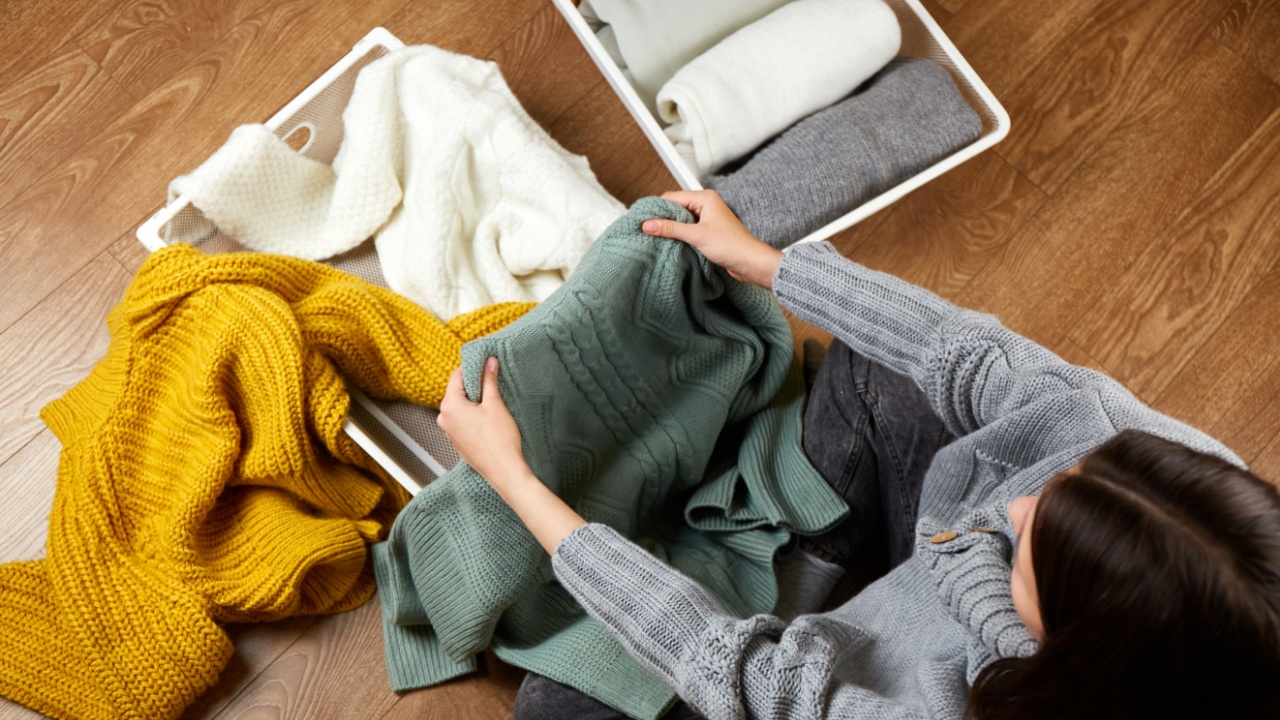
Keeping heavy winter coats hanging next to lightweight summer tank tops wastes space all year long. Moving your out-of-season clothing to under-bed storage boxes or a secondary wardrobe instantly lightens the load in your primary area. Your daily routine goes much faster when you focus only on clothing appropriate for the current weather.
Pack away your heavy sweaters and thick jackets inside protective bins during the warmer months to keep them completely dust-free. Rotate your wardrobe twice a year to keep your main storage area strictly dedicated to garments you actually wear right now. This simple rotation method guarantees your current favorite items always remain front and center.
11. Implement Vacuum Storage Bags

Bulky items like spare comforters, thick ski jackets, and extra pillows consume massive amounts of precious shelf space. Packing these oversized items into vacuum storage bags flattens them, reducing their total volume by a large percentage. You can stack these flattened bags neatly on the very top shelf, reclaiming space for your everyday clothing.
Attach your standard household vacuum to the bag valve to suck out all the excess air within seconds. The airtight seal also protects your valuable garments from moisture, dust, and insects while they sit unused for months. This incredibly efficient packing method turns a massive pile of winter gear into a thin, easily manageable stack.
12. Use Slim Velvet Hangers
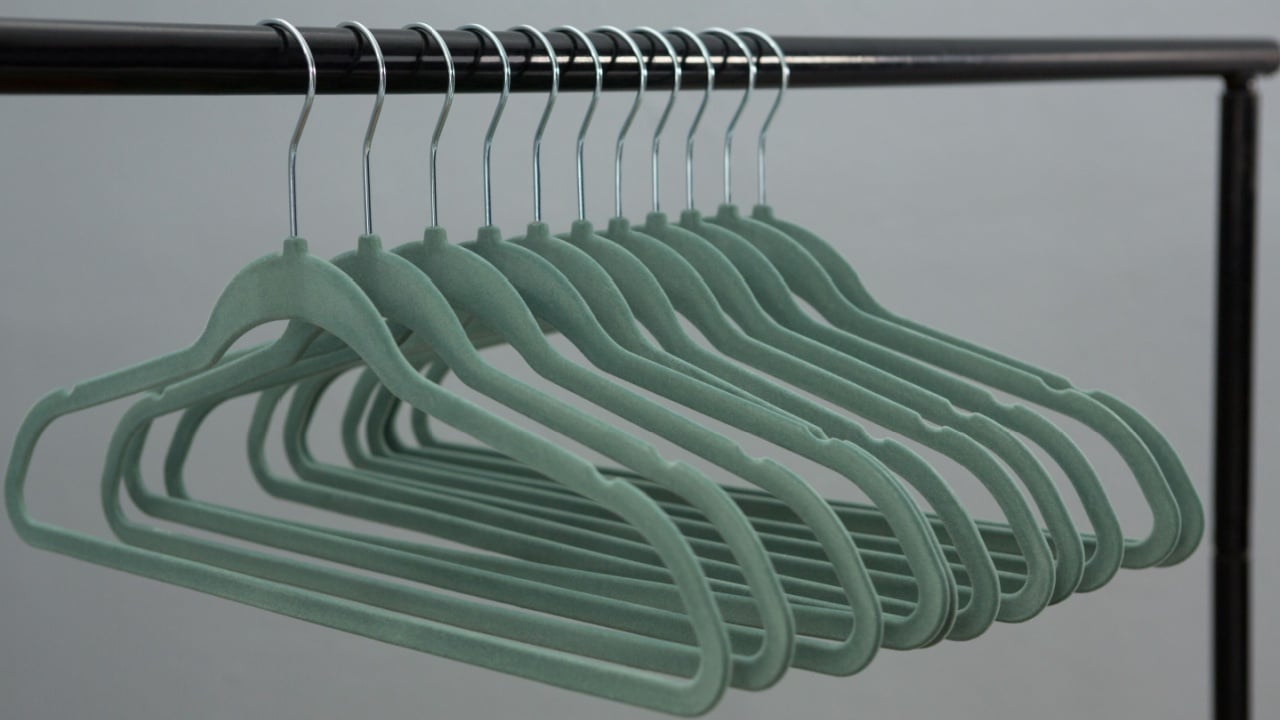
Mismatched plastic and thick wooden hangers create unnecessary bulk and a highly disorganized visual appearance across your clothing rod. Swapping every hanger for a slim velvet alternative immediately reclaims horizontal inches across your entire hanging section. The ultra-thin profile allows you to slide garments closely together, drastically increasing the number of items you can hang.
The velvet material features a textured grip that stops delicate blouses and wide-neck dresses from slipping onto the floor. Creating a uniform look with identical hangers immediately makes the space look custom-designed and visually pleasing. This single inexpensive upgrade completely transforms the function and aesthetic of your entire wardrobe arrangement.
Maximizing Your Closet Space
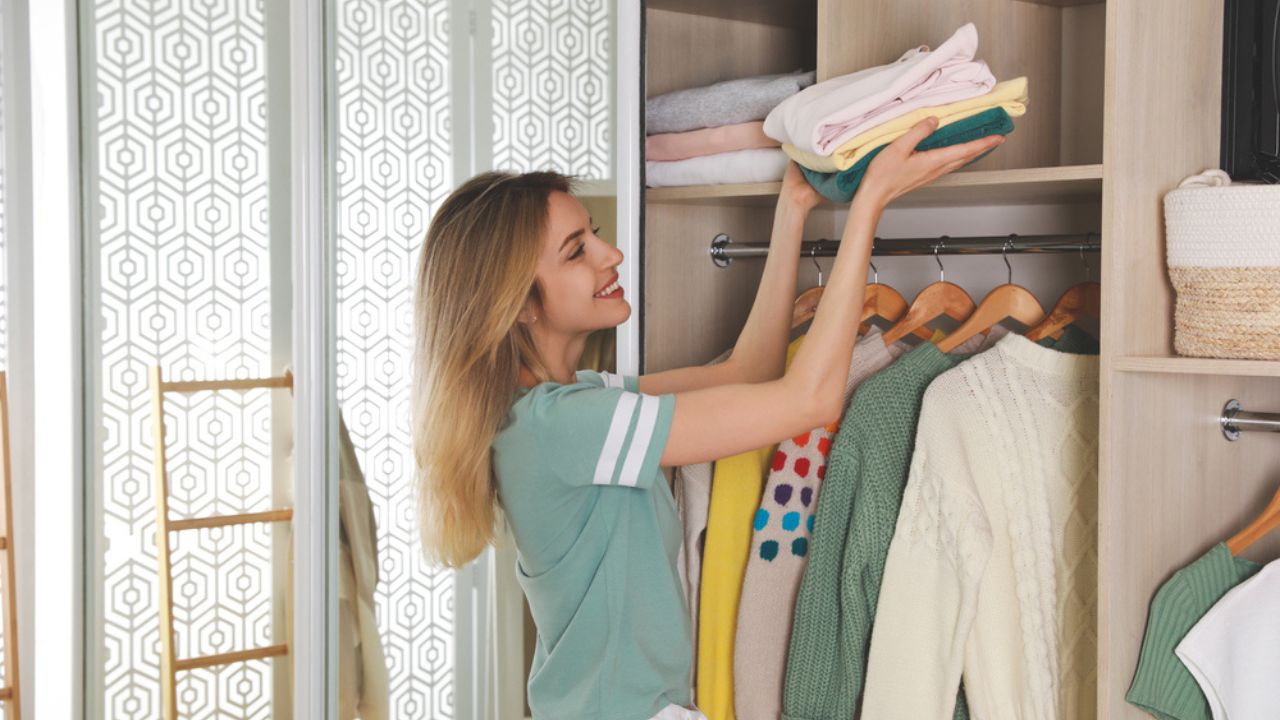
Maximizing simply requires looking at new hacks to tackle your overflowing closet. Applying these functional methods allows you to fit all your favorite garments securely without feeling overwhelmed by clutter every morning. Your daily routine improves drastically when every shirt, shoe, and accessory has a designated and easily accessible home.
Read More:
20 Things Hiding in Your Closet You Don’t Need Anymore
3 Beginner Closet Decluttering Steps You Need to Try This Week