12 Warning Signs Your Plumbing Needs Replacing Immediately
Plumbing problems rarely announce themselves politely. They start with a drip, a stain, or a faint smell; suddenly, you’re staring at warped floors and a repair bill that feels like a second mortgage. The key is catching the red flags before your home turns into a cautionary tale.
These warning signs are more than minor annoyances: they’re often signals that your plumbing system is past its prime. Ignore them, and you’re gambling with structural damage, mold, and serious expense.
We have scoured the depths of plumbing expertise and uncovered a number of symptoms that show your plumbing needs an overhaul. Of course, there are sometimes preventative measures one can take to delay or mitigate these costly issues. In any event, you know what to search for.
1. Frequent Leaks That Keep Coming Back
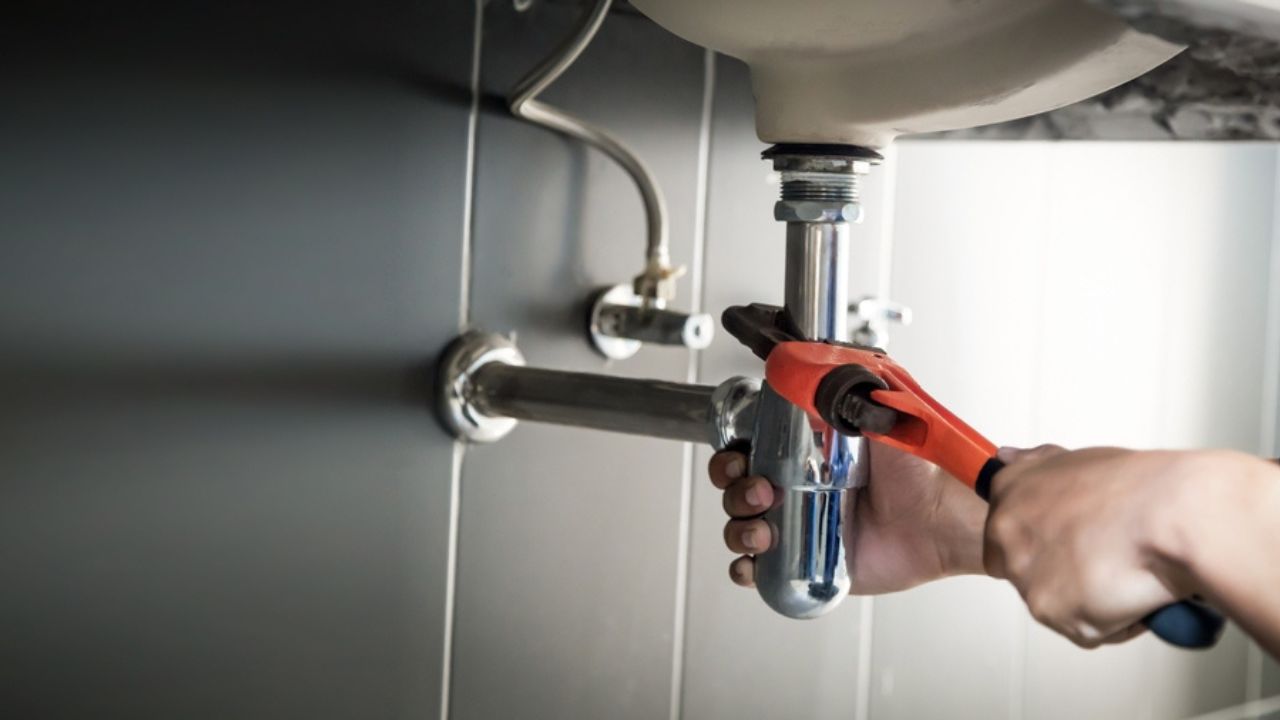
“One leak fine. Maybe it’s a loose fitting or a cracked joint. That’s a quick fix,” states an ACR Plumbers guide. “But when leaks happen again in other parts of the house? That points to something bigger.”
Recurring leaks are one of the clearest signs that pipes have deteriorated internally. Even if you patch one section, the surrounding piping is likely just as fragile. Moreover, it turns your plumbing into a game of whack-a-mole: one fix after another, with no real resolution.
2. Discolored or Rusty Water
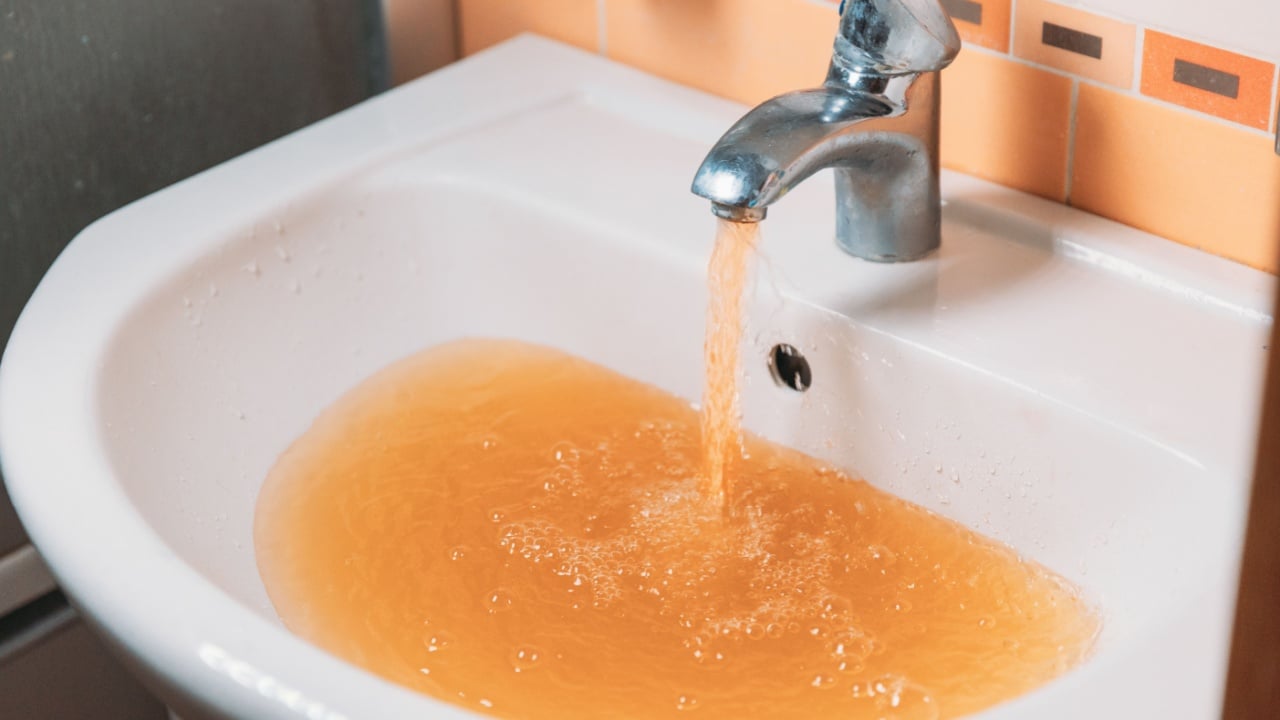
If your tap water suddenly looks like weak tea, your pipes may be rusting from the inside out. That discoloration is a pipe’s plea for help, and it should be changed right away. This situation can be deadly with old lead piping. The Environmental Protection Agency (EPA) teaches how corroded pipes can introduce contaminants and affect water quality. In older homes with galvanized steel piping, this issue is especially common.
Lead in the water is also a potential threat. “Testing your drinking water is the only way to confirm if lead is present,” reads an EPA info guide. “Since each home has different plumbing, pipes, and materials, test results are likely to be different for each home.”
3. Low Water Pressure Throughout the House
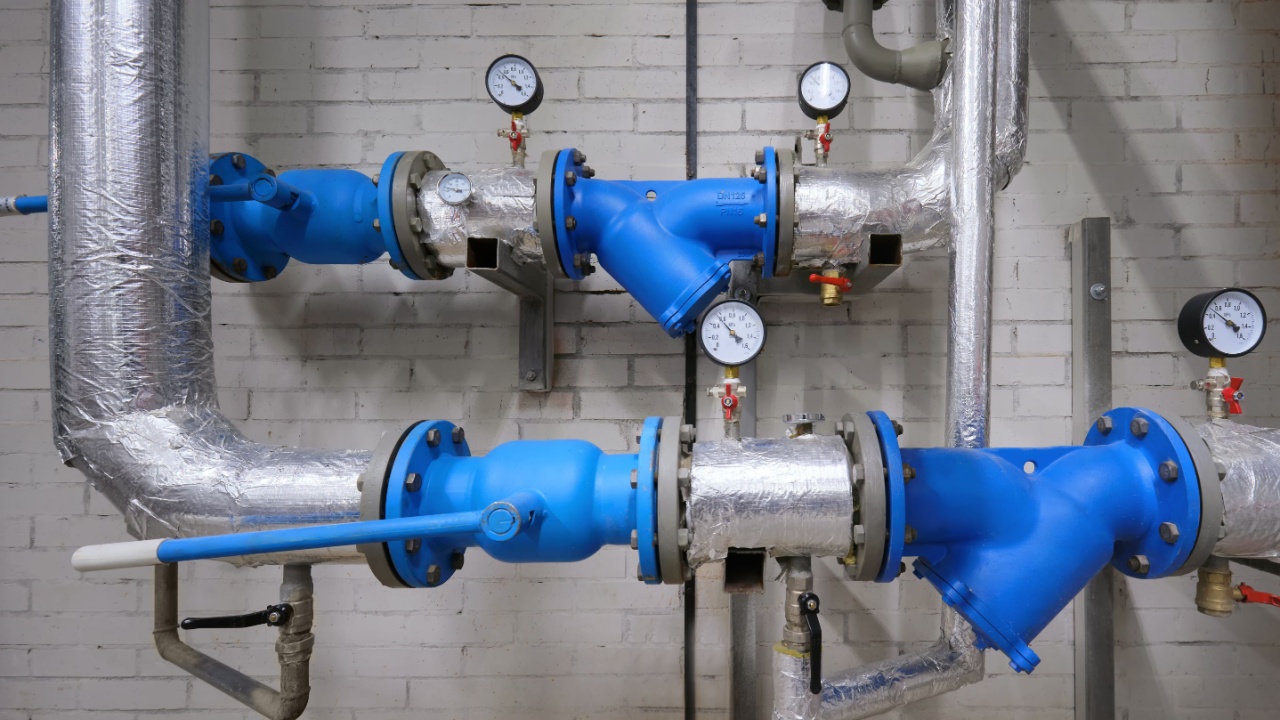
A weak shower might seem like a minor frustration, but when low pressure affects multiple fixtures, it’s often a sign of deeper issues. A single blockage rarely causes widespread pressure loss. Instead, it usually reflects systemic pipe narrowing or damage. When your entire home feels like it’s running on half power, your plumbing system may be nearing the end of its lifespan.
Home renovation site Bob Vila lists the many reasons there could be low pressure in your home, so all is not lost. For instance, it could be your water supplier at fault. “Before assuming the problem is yours to fix, check with neighbors to see if they’re experiencing the same issue,” Tom Scalisi writes. “You can also look for local utility alerts or community app discussions about water service disruptions.”
4. Strange Noises Coming From Pipes
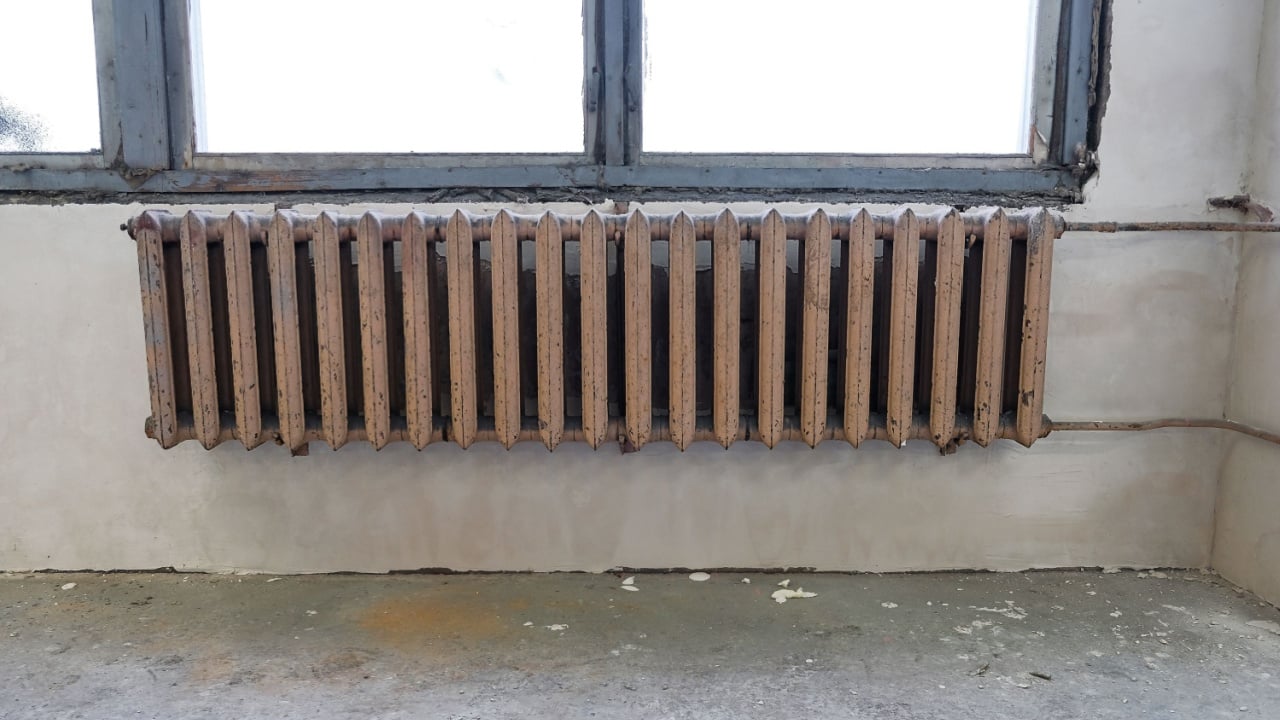
Pipes aren’t supposed to sound like an industrial metal band. Banging, rattling, or whistling noises, known as “water hammer,” can indicate pressure imbalances or loose, aging pipes. Plumbing experts at NCR Plumbing & Heating Specialists outline five main causes of pipe noise on their information page.
Factors like high water pressure, central heating issues, and loose pipework can all play a big or supporting role in this problem. Each one comes with a fix. For instance, the latter can be helped by using “cushioned clips or foam lagging to reduce vibrations,” according to the post.
5. Visible Corrosion or Damage on Pipes
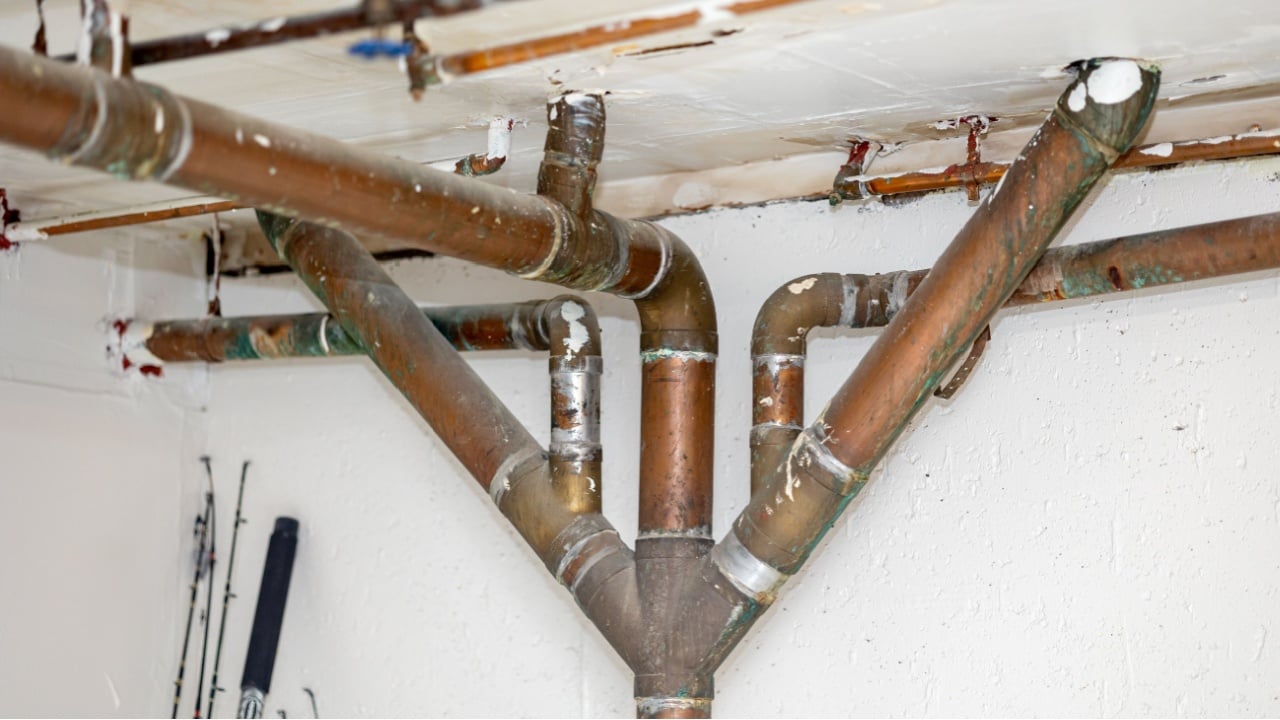
If you can see flaking, discoloration, or dimpling on exposed pipes, that’s not cosmetic; it’s usually a sign of decay. Visible corrosion usually means the internal condition is even worse. The International Association of Certified Home Inspectors (NACHI) warns that external damage is often just the tip of the iceberg.
Its guide on the common home-plumbing plastic, polybutylene (PB), explains how any pipes made with this plastic should be replaced. This instruction is pertinent because “certain disinfectants can react with the polybutylene and cause it to flake apart at any location within the PB piping system.”
6. Constantly Clogged Drains
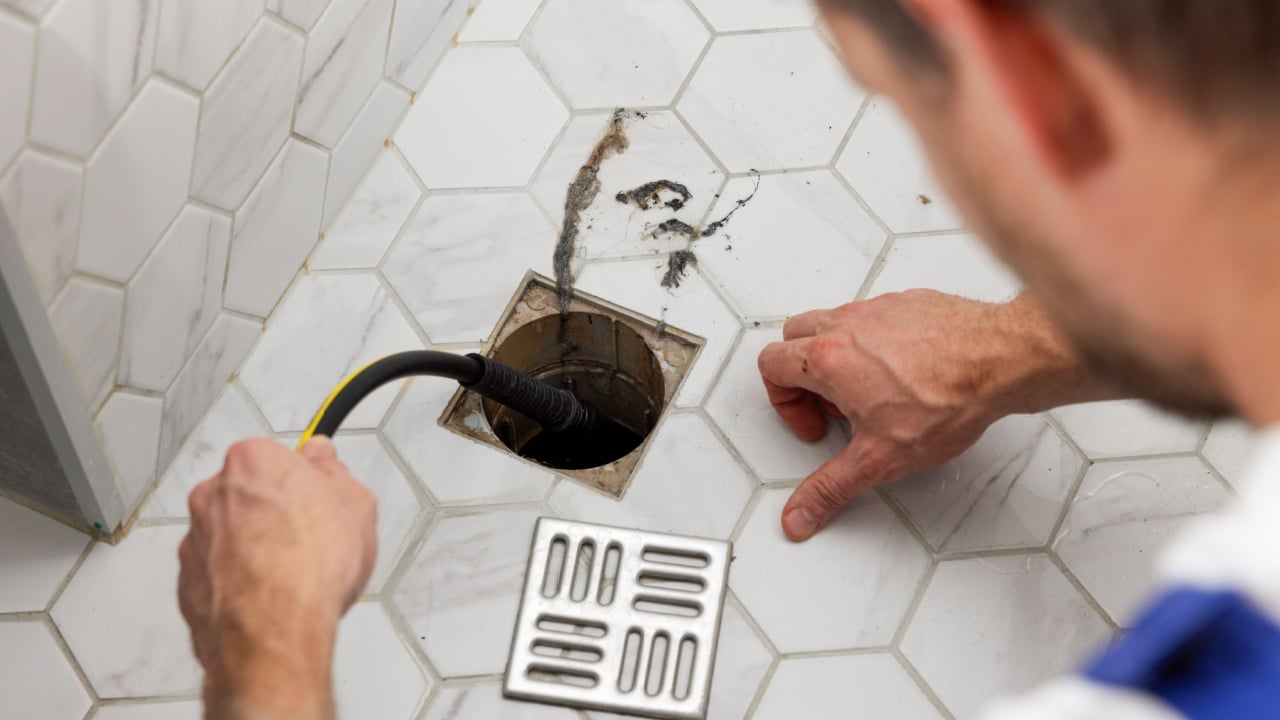
One slow drain is annoying. Multiple clogged drains across your home suggest something more serious than a simple blockage. It may indicate pipe collapse, buildup, or systemic failure. Jason Peavy of PV HVAC outlines why knowing the difference is essential.
“When you’ve got more than one slow or clogged drain, it almost always means there’s an obstruction farther down the drain line,” he says. “If you keep on running water and flushing toilets despite the clogs, all of your plumbing fixtures will eventually stop draining.” Fixes involve using a sewer camera inspection to identify whether it’s just a clog or more serious line damage.
7. Unpleasant Odors From Drains or Water
Bad smells coming from your plumbing can signal trapped waste, sewer line issues, or pipe damage. Sadly, these odors can indicate hazardous conditions. Persistent odors often mean there’s a breach somewhere in your plumbing network, and patchwork fixes won’t address the root problem. According to the Agency for Toxic Substances and Disease Registry (ATSDR), it can get serious. Moreover, such sewer gas exposure can pose health risks in poorly ventilated or damaged systems.
The main culprit is hydrogen sulfide. “You might be exposed to hydrogen sulfide from breathing contaminated air or drinking contaminated water,” reads the website entry on this gas. “Because the gas is heavier than air, risk of exposure is greater at ground level and in enclosed spaces when there are releases into the environment.”
8. Your Plumbing Is Simply Too Old
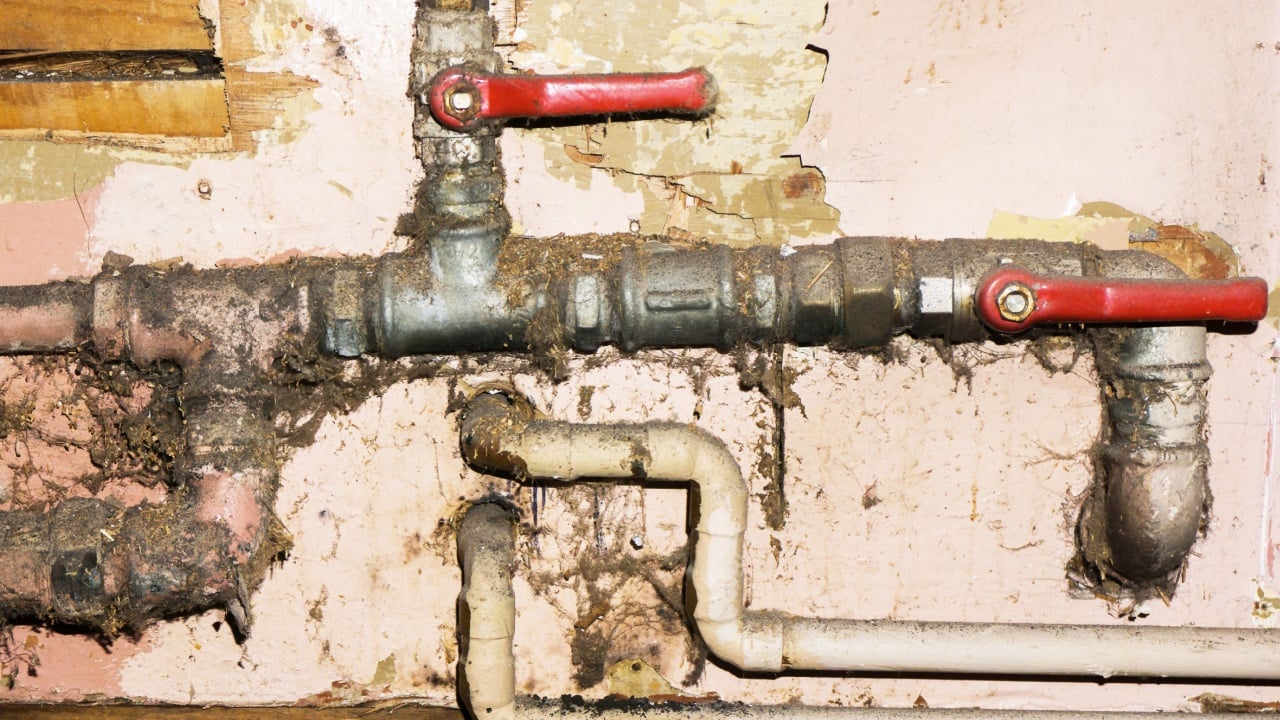
Sometimes the biggest warning sign is age. If your home still relies on decades-old piping materials, failure isn’t a question of if but when. Nobody wishes to hear this news, but sidestepping this elephant in the bathroom could have profound drawbacks.
A post from Becker’s Plumbing explains that while a full replacement is a significant investment, “their long-term impact often outweighs the perceived savings of delaying replacement.” The longer you leave it, the higher the chances of increasing maintenance costs and lowering the property’s value.
9. Unexplained Spikes in Your Water Bill

The Omnia Mechanical Group notes that household leaks can account for nearly 10% of water waste in homes. “The average household’s leaks can account for nearly 10,000 gallons of water wasted every year,” reads the guide.
If your water usage habits haven’t changed but your bill suddenly climbs, your plumbing may be leaking behind the scenes. Hidden leaks in walls, floors, or underground lines can waste thousands of liters before you ever see visible damage.
10. Water Stains or Damp Spots on Walls and Ceilings
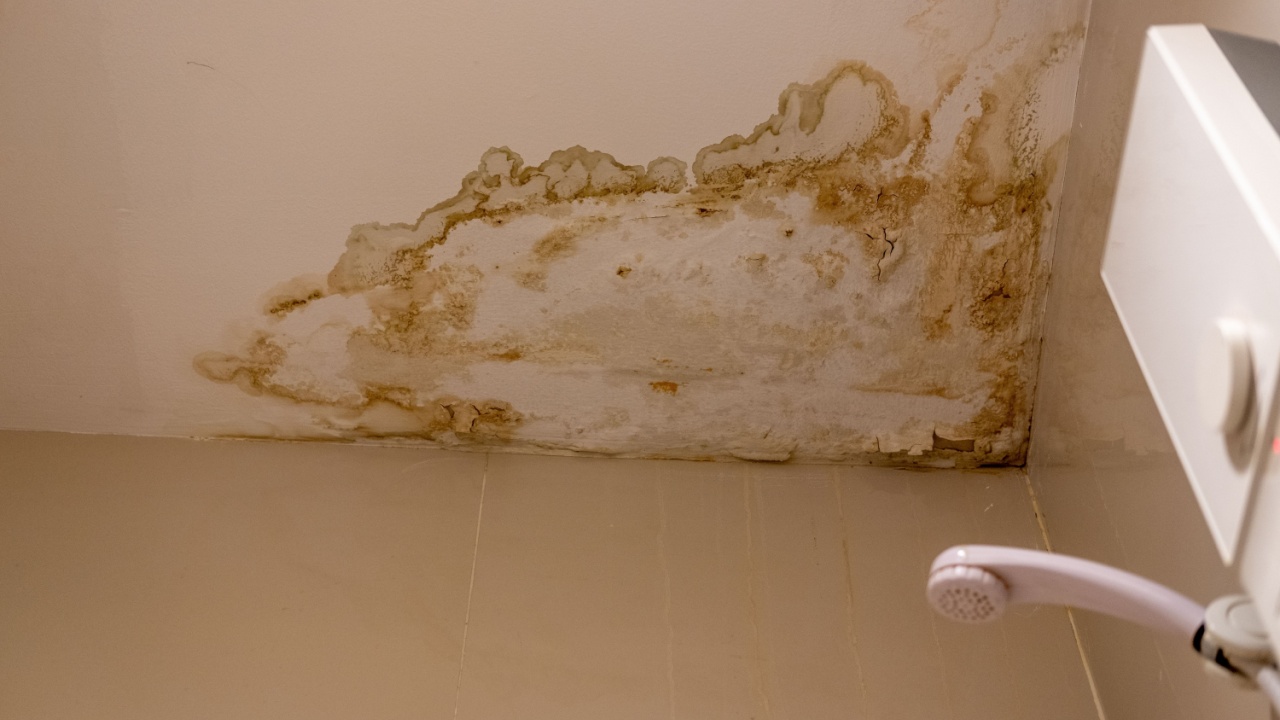
Brown stains, bubbling paint, or damp patches are rarely surface-level issues. They typically point to slow, ongoing leaks that have already penetrated structural materials. Visible water damage usually means the problem has been developing for weeks or months.
“Pay special attention to areas around windows, doors, and plumbing fixtures where water intrusion commonly occurs,” advises RestoPros. “Discoloration on walls may start small but often spreads as the affected area continues to absorb moisture.”
By the time you see it, pipes may be significantly compromised. Replacing sections or the entire system may be necessary to stop deeper structural decay.
11. Mold or Mildew That Keeps Returning
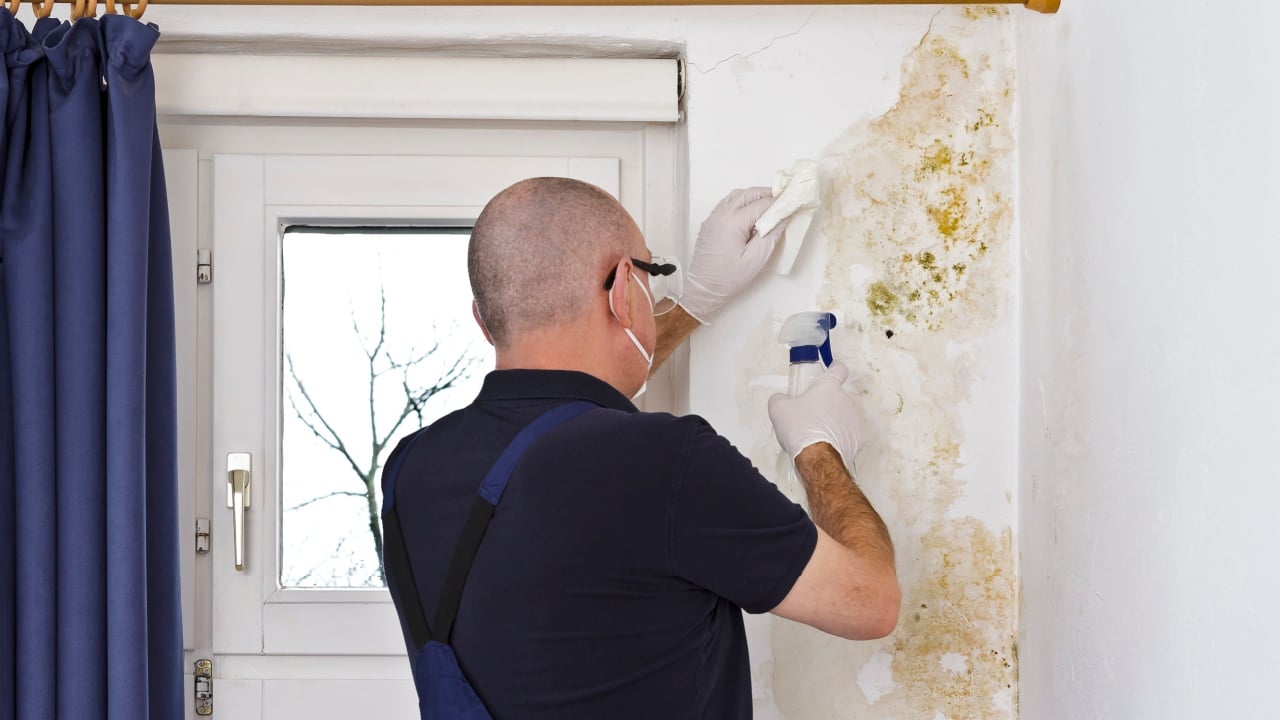
“Mold does not just appear out of nowhere. It requires specific conditions to grow and spread,” explains Howard Environmental. “If mold keeps coming back in the same spot, it is likely feeding off an underlying moisture problem such as hidden leaks, condensation, or poor ventilation.”
It’s obvious that persistent indoor moisture is one of the primary drivers of mold growth. If cleaning doesn’t solve the issue, the source is likely hidden within your plumbing system. At that point, replacement is the only recourse.
12. Changes in Water Taste or Smell

If your water suddenly tastes metallic, bitter, or carries an unusual odor, your pipes could be deteriorating internally. This scenario is especially common in older systems where materials begin to break down into the water supply.
Changes in taste and odor are often early indicators of water contamination or pipe degradation. While filtration can mask symptoms, it won’t solve the cause. “If the metal odor in your water is caused by corrosion inside the plumbing system, then no filter will fix your issue,” states Tim Beil Plumbing. “You’ll need a plumber to come inspect your pipes, and they can tell you if a repair or partial/full replacement is needed.”
Read More
Stop Pouring These 10 Things Down the Drain — Plumbers Say It’s a Costly Mistake
Drop Baking Soda in These 12 Spots for a Surprisingly Deep Clean