
11 Ways Being “Cheap” Ends Up Getting Expensive
Are you sick of budgeting every cent and feeling like you’re missing out on all of life’s simple pleasures? Taking frugality to an extreme can affect mental health and contribute to a dull life. It’s all about finding the right balance that suits your individual finances, lifestyle, and preferences. Ditch those miserable frugal habits, enough with the off-brand cereal and penny-pinching that leaves you dreading each day!
Let’s expose 11 frugal traps that hold you back and focus on unlocking a future of financial confidence where you can truly enjoy the fruits of your labor. If scrimping and sacrificing have stolen your joy, it’s time for a smarter, more fulfilling approach
1. Scrimping on Groceries

Opting for ultra-processed, low-quality foods may save money upfront, but risks long-term health expenses. Research shows that a 10% increase in the consumption of ultra-processed foods can lead to a greater than 10% increased risk of cardiovascular, coronary heart, and cerebrovascular diseases.
Additionally, relying on processed foods leads to nutrient deficiencies, which can cause fatigue, impaired brain function, and a weakened immune system. These can impact quality of life and possibly lead to further medical expenses.
Focus on whole, unprocessed foods. Shop sales, use coupons, and make meal plans. Buying in bulk for staples that you use regularly and freezing portions keeps costs down while ensuring you have healthy options. Consider exploring community gardens or farmers’ markets for locally-grown, potentially more affordable seasonal produce.
2. Denying Yourself Every Small Pleasure

A never-ending budget with no room for enjoyment leads to burnout and a feeling of financial imprisonment. Strict frugality isn’t sustainable if it makes you feel constantly deprived, creating the potential for resentment and “budget-breaking” splurges.
Set a realistic “fun money” allowance within your budget, even a modest amount. Having guilt-free funds to spend however you choose fosters a healthy relationship with money. Research free or low-cost entertainment. Libraries offer books, movies, and events, while city parks host outdoor activities and concerts.
3. Skimping on Self-Care

Sacrificing necessities like haircuts, gym memberships, and preventive healthcare can have bigger financial consequences down the line. Neglecting your physical and mental well-being can lead to productivity decline, burnout, and expensive health crises.
Look for free or low-cost alternatives. Attend community fitness events, exercise outdoors, search for reduced-cost dental cleanings, or negotiate lower costs with your usual providers. Many communities offer free mental health resources and support groups.
4. Refusing to Spend Money on Home Maintenance

Ignoring minor repairs can lead to catastrophic, expensive problems. A small roof leak can cause thousands in structural damage and require whole sections to be replaced. The average cost of roof replacement in the U.S. is about $11,500, far exceeding the cost of a timely repair.
Create a home maintenance fund, even a small one to start. If you are skilled, tackle repairs yourself, barter with neighbors who possess needed expertise, or seek bids from several contractors to find fair prices. Prioritize preventative maintenance like annual furnace inspections to catch small problems before they become budget-busters.
5. DIY-ing Everything to the Extreme
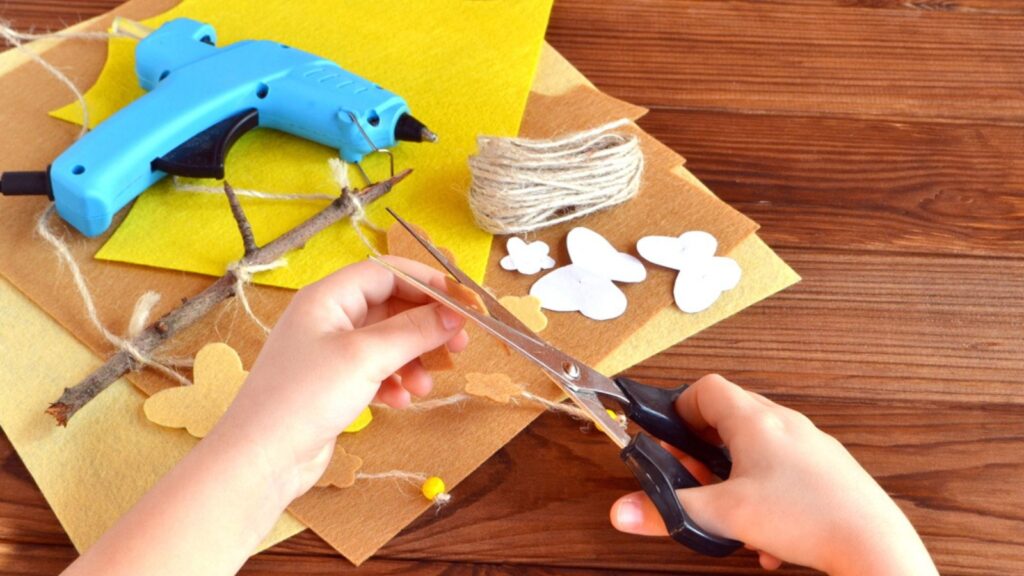
Trying to do everything yourself isn’t always cheaper (or saner!). Wasted time and materials on projects outside your skill level add up, not to mention the frustration and wasted effort. Consider the opportunity cost: if those hours spent struggling with a project could be spent generating income, is the “savings” worth it?
Honestly assess your skillset and the true cost of learning a new one. Will learning this skill take hours that could be better spent working? If you need to buy specialty tools, are they worth the cost and storage space later? Research average costs for the service, factoring in the value of your time. Sometimes, paying a professional is the more frugal and less stressful choice.
6. Hoarding Instead of Selling

Clutter isn’t just overwhelming; it represents potential money tied up in unused items. Those dusty boxes in the attic could be funding your retirement fund. Beyond lost financial potential, hoarding can significantly drain mental energy and create an unhealthy attachment to possessions.
Have a “sell-it” mindset. Research the fair resale value of items using sites like eBay or Facebook Marketplace. Utilize online platforms or local consignment shops for a quick turnaround. Donate items that are still in usable condition, and consider the potential tax benefits of charitable giving.
7. “Couponing” for Items You Don’t Need

Getting a “deal” can trigger unwise spending on impulse purchases. Stockpiling things you won’t use creates clutter and wastes money, even if they are on sale individually. This habit undermines the very goal of frugality by needlessly spending funds on unneeded items.
Make a strict shopping list and stick to it. Only use coupons if the item you already planned to purchase and if they represent the lowest price. Consider the expiration date or likelihood of actually using everything you buy, especially bulk groceries. A true bargain on perishable items you won’t use is money wasted.
8. Forgoing Travel Altogether

While travel can be a significant expense, completely denying yourself the experience comes with costs. Travel broadens perspective, creates memories, and can be incredibly educational – leading to personal growth. Strict deprivation in this area can lead to resentment and a feeling of missing out on life’s experiences.
Budget for travel strategically. Consider off-season trips, less-touristic destinations with potentially lower costs, or focus on domestic travel within driving distance to reduce airfare costs. Research free or low-cost activities in your chosen location and look for deals on accommodations through sites like Airbnb or by house-swapping.
9. Always Buying the Cheapest Option

Focusing exclusively on the lowest price tag often leads to sacrificing quality. Cheaply made items break down faster, leading to replacement costs that outweigh any initial savings. This constant cycle can be frustrating and is counterproductive to long-term frugality.
Research the “cost per use.” Consider the expected lifespan of an item; investing in a higher-quality version that will last years may be the more frugal long-term choice than replacing a flimsy item annually. Look for used higher-quality items on second-hand platforms, which can be a great way to maximize value.
10. Not Planning for Long-Term Care

Think long-term care coverage is a waste?
Long-term care costs can wipe out retirement savings if not planned for. Relying on government aid may provide only minimal coverage, and the emotional burden of placing funding worries on loved ones is an unfair misery to inflict. According to Genworth’s 2022 Cost of Care Survey, median annual costs in the U.S. for an assisted living facility are over $54,000, with private nursing home rooms reaching over $108,000.
Explore long-term care insurance options. The earlier, the better, as premiums are generally lower. Consider hybrid life insurance policies that offer long-term care benefits. Research government programs like Medicaid and their potential role in coverage, keeping in mind strict eligibility requirements.
11. Letting Fear Dictate Your Finances

Excessive worry over money can lead to paralysis and missed opportunities. Letting fear stop you from investing, changing jobs, or pursuing side hustles keeps you stuck in a cycle of financial anxiety.
Educate yourself on investing and personal finance. Consult with a trusted financial advisor if significant fears are holding you back. Start with small, calculated risks to build confidence and gain experience.
Ultimately, being frugal at the cost of quality of life is not the goal. Enjoying a life of financial freedom is!
Read more:
Budget Out of Control? Here’s How to Make a Weekly Spending Plan and Stick to It