
12 Old-Fashioned Ways to Save Money Just Like Our Grandmas Did
Money slips away fastest through ordinary habits. Small purchases, forgotten leftovers, and quick convenience choices add up. Earlier generations learned to slow those leaks by treating money as something physical and finite.
They had to figure it out, like all generations do, as they navigated recessions.
The habits were simple, repeatable, and grounded in daily life. This list revisits those old-fashioned saving methods and explains how they still help control spending, reduce waste, and keep household finances steady today.
A big part of their success came from paying attention really noticing what they bought, what they used, and what they wasted. That kind of awareness is rare today, but it’s exactly why these old habits still work. When you slow down enough to see where your money is going, you naturally make smarter choices, stretch what you have, and build a steadier financial foundation.
1. Pay with Cash to Keep Spending in Check

Using cash makes every purchase tangible. Handing over bills creates a natural limit, which reduces impulse buys compared to cards or digital payments.
For example, dividing cash into envelopes or jars for groceries, entertainment, and household expenses helps keep spending in track. Seeing your money physically leave your hands encourages more thoughtful decisions.
2. Buy for Keeps: Choose Items That Last

Investing in quality over quantity saves money in the long run. Durable shoes, sturdy cookware, or well-made furniture may cost more upfront, but they don’t need frequent replacement.
Choosing timeless styles keeps items useful for longer, instead of being replaced when short-lived trends fade. Compare materials, check warranties, and pick what’s built to withstand regular use.
3. Take Care of What You Have to Avoid Extra Costs

Regular maintenance preserves the life of clothes, appliances, and tools. Simple actions like oiling hinges, cleaning filters, or rotating tires prevent major expenses later.
For clothing, washing on gentle cycles, storing seasonal items properly, and fixing small tears keep garments wearable longer. Even small efforts like polishing silver or seasoning cast-iron pans add years to their usefulness.
4. Repair, Don’t Replace When Possible
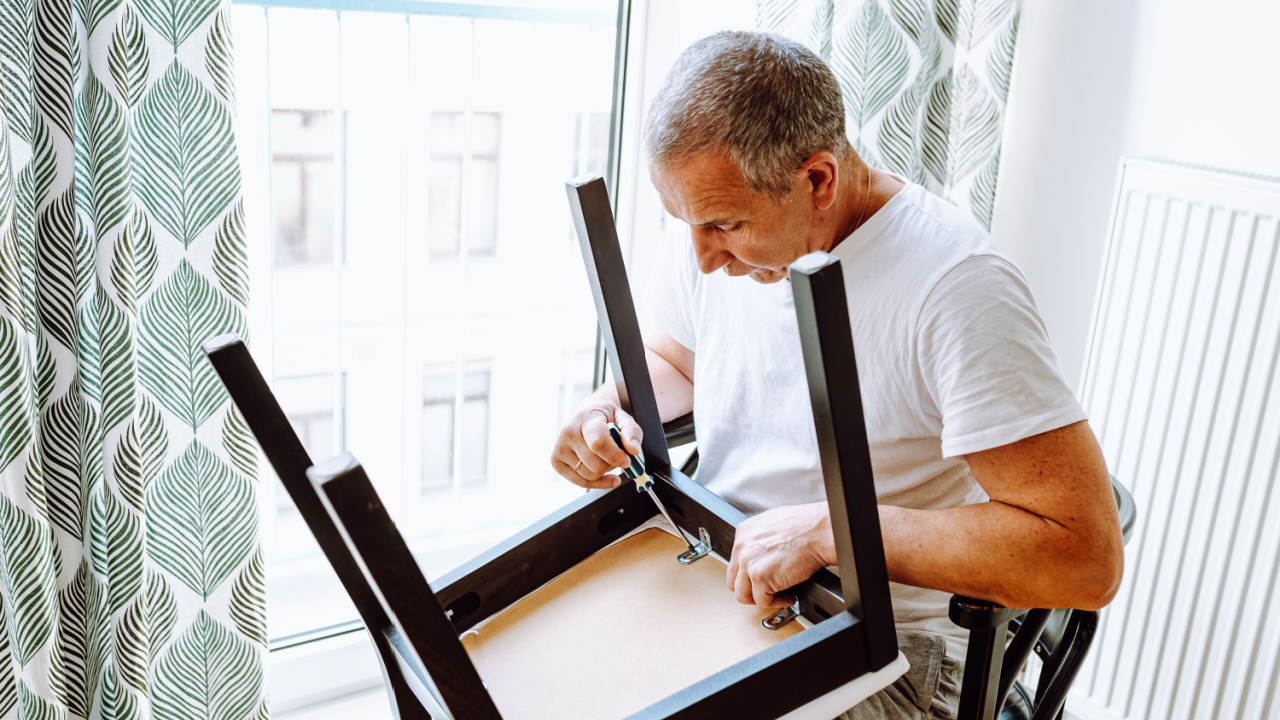
Before discarding a broken item, consider repairing it. Fixing a torn seam, replacing a dryer belt, or patching a tire is usually much cheaper than purchasing a replacement.
Repairing teaches practical skills and keeps usable items out of landfills. Local repair shops or DIY tutorials online provide easy fixes, and small investments now prevent larger future purchases.
5. Frugally Heat and Cool Your Home Without Wasting Energy
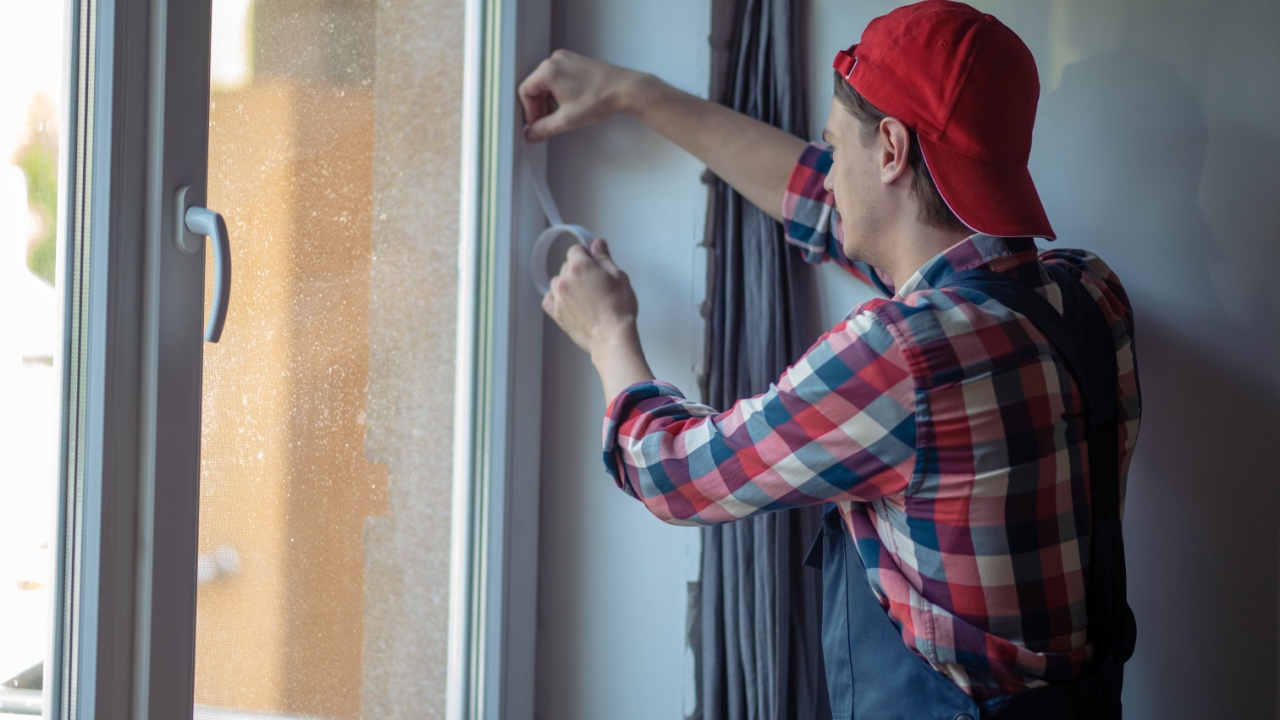
Old-fashioned heating and cooling methods save on utility bills. Layering clothes, using wood stoves or space heaters, and strategically opening windows during the day can reduce central heating costs.
In summer, closing blinds, using fans, or hanging laundry outdoors keeps temperatures comfortable. Small tweaks like sealing drafts, adjusting thermostats, and weather-stripping doors help maintain a stable temperature without extra expense.
6. Turn Off the Water to Save Both Money and Resources

Simple water habits make a noticeable difference in bills. Turning off taps while brushing teeth, timing showers, or washing dishes in a bowl reduces water usage.
Fixing leaks and installing low-flow fixtures are one-time efforts that lead to ongoing savings. Even small adjustments, repeated consistently, add up over weeks and months.
7. Do It Yourself and Avoid Service Fees

Taking care of household tasks personally saves service costs. Painting a room, trimming hedges, or washing the car yourself avoids paying for labor.
Some chores can be shared with family, making it faster and turning work into a productive activity. DIY projects also foster skill-building, giving confidence to tackle more complex tasks without extra expense.
8. Line Dry Your Clothing to Reduce Bills and Wear
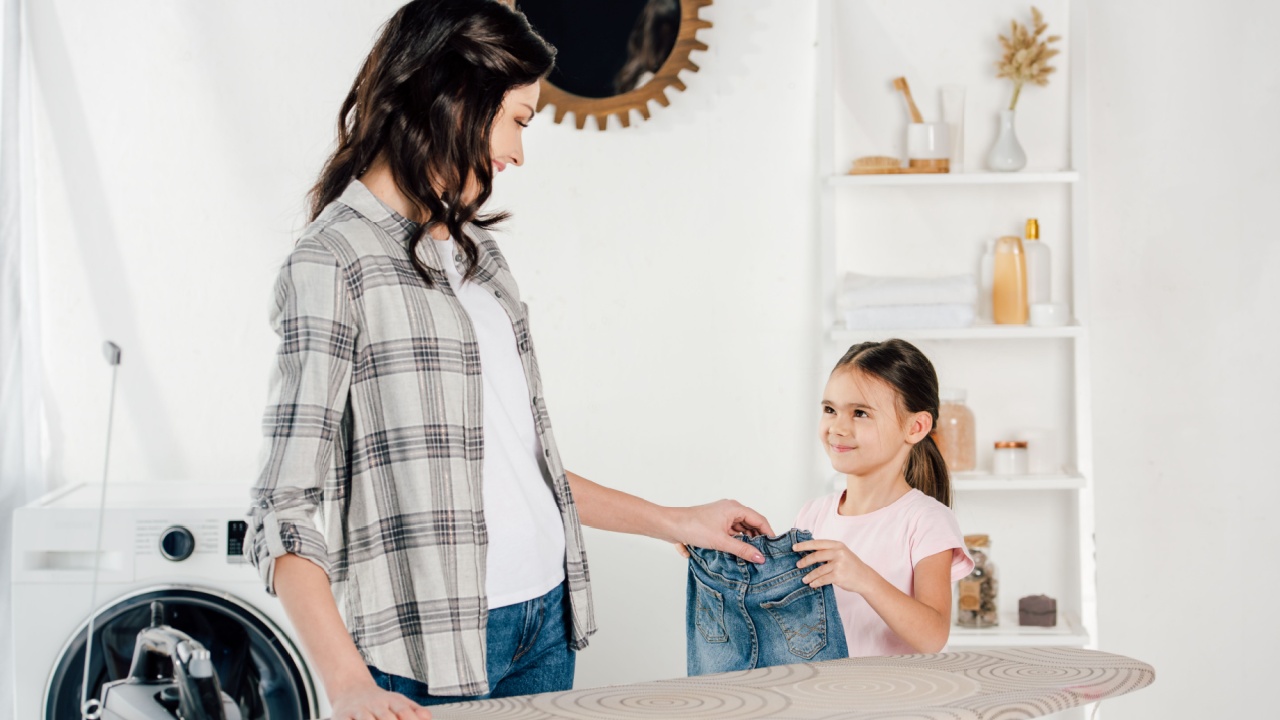
Air drying clothes saves electricity and extends fabric life. Sunlight acts as a natural disinfectant and keeps garments smelling fresh.
Using a clothesline or drying rack avoids the heat damage and shrinkage that dryers can cause. A quick spin in the dryer afterward can soften stiffness while keeping bills lower. For delicate fabrics, air drying is the safest method.
9. Cut Up Old Clothes for Rags and Reduce Waste
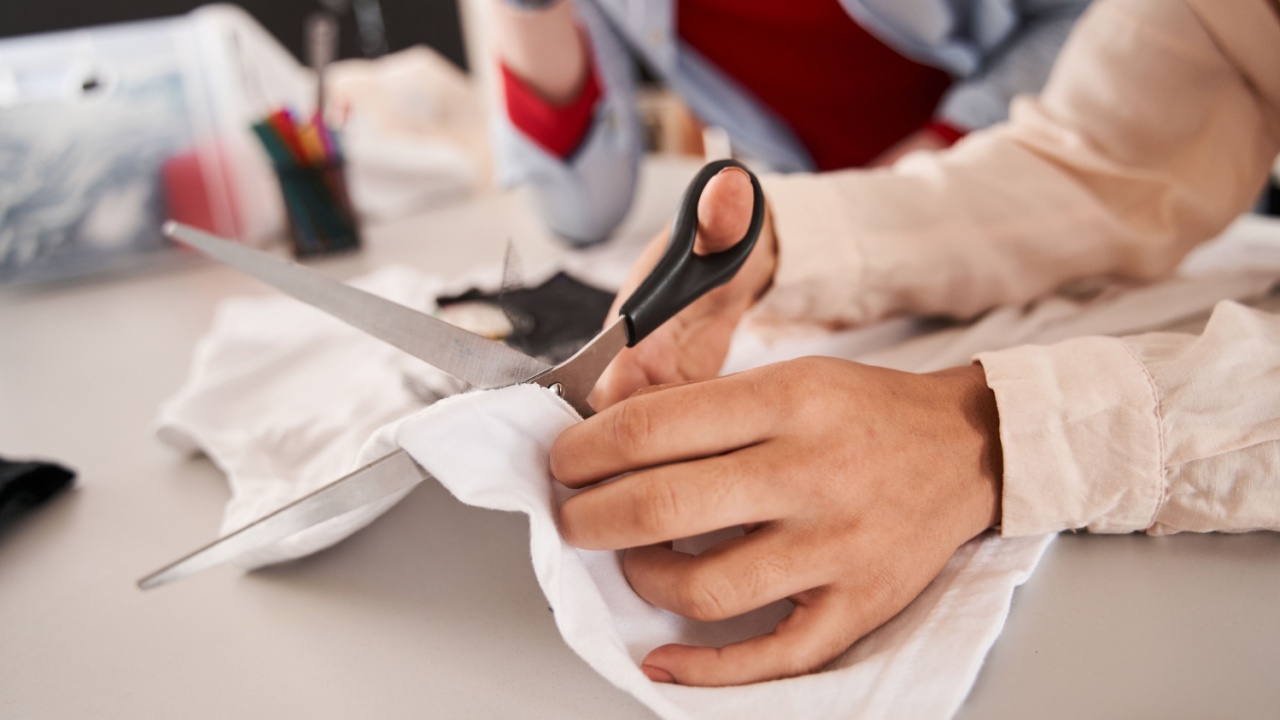
Old shirts, towels, or sheets can be repurposed for cleaning instead of using paper towels. These cloths are ideal for polishing, scrubbing, or wiping spills.
Repurposing worn items reduces waste, saves money, and provides a practical use for things that would otherwise be thrown out. Store rags in a dedicated box for easy access.
10. Make Your Own Soap and Cleaners for Simple Savings
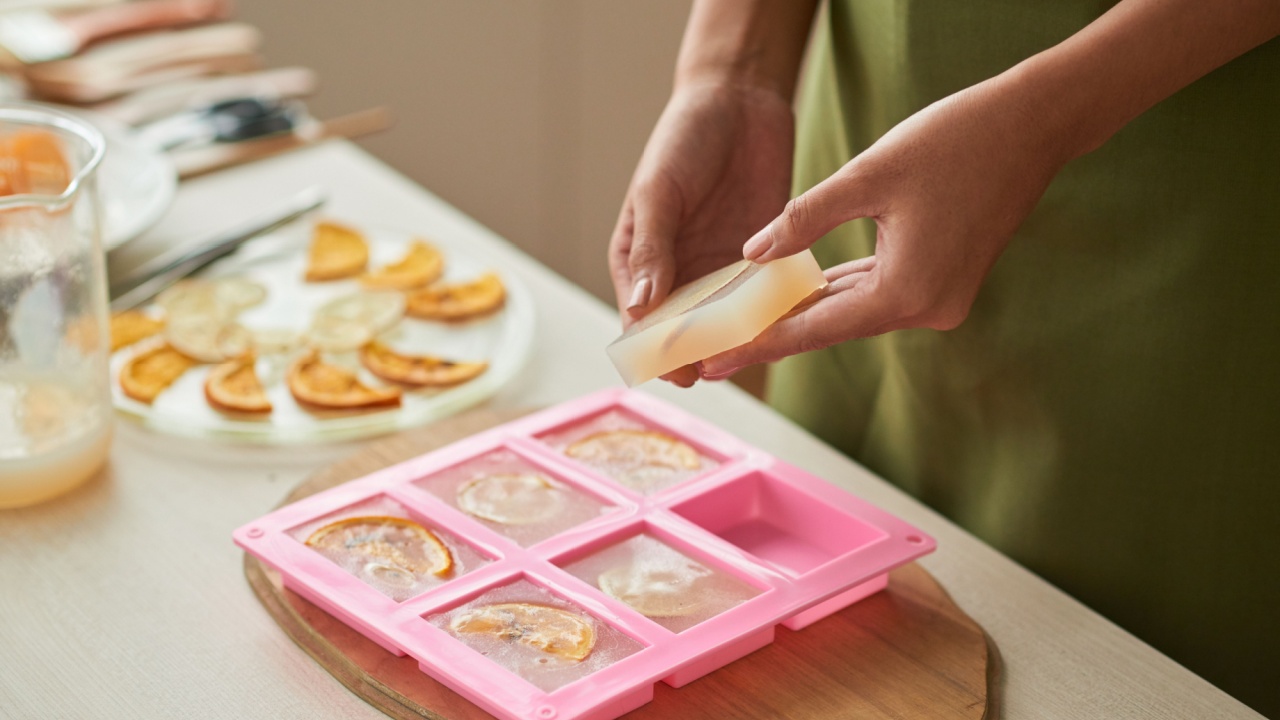
Homemade cleaners using vinegar, baking soda, and water handle most household tasks. They’re cheaper than commercial products and allow complete control over ingredients. Making soap at home is simple and avoids unnecessary additives.
These solutions can clean glass, counters, floors, and even clothing, turning everyday cleaning into a low-cost routine.
11. Drink Water, Coffee, or Tea Instead of Expensive Beverages

Avoid spending on soft drinks, juice, or café coffee. Drinking water is free, and brewing coffee or tea at home is far cheaper than buying it daily
A thermos or insulated mug keeps beverages hot for hours, eliminating the need for extra purchases. Over time, this habit can save hundreds of dollars annually while keeping hydration and caffeine intake steady.
12. Don’t Waste Food to Stretch Every Grocery Dollar

Food waste drains budgets and resources. Planning meals, storing leftovers properly, and using every part of produce saves money and reduces waste.
For example, vegetable scraps can become broth, and stale bread makes breadcrumbs or croutons. Composting inedible scraps recycles nutrients and keeps gardens healthy, creating value from what would otherwise be discarded.
Old Habits, Stronger Savings

Old-fashioned saving works because it is practical, not rigid. These habits focus on using what you already have, slowing unnecessary spending, and paying attention to daily choices that often go unnoticed.
None of them requires strict budgeting systems or major lifestyle changes. When practiced consistently, they help money stretch further and reduce financial stress.
Read more:
10 Home Gadgets Designed to Save You Money
16 Money Wasting Habits That Make It Impossible to Save for a Home