
12 Office Items Silently Killing Productivity to Clear Out Today
Your office should be a haven of focus, a place where great ideas are born, and tasks are completed. Instead, it often becomes a museum of outdated technology. The space meant for clarity is cluttered with items that silently sabotage your focus.
This article will shed light on the common culprits hiding in plain sight, explaining how they disrupt your workflow and what to do about them. Prepare to look at your desk with a fresh, discerning eye.
Note: Our focus is on a home office for this article, but many of these items are a problem no matter what kind of office it is.
1. Promotional Swag
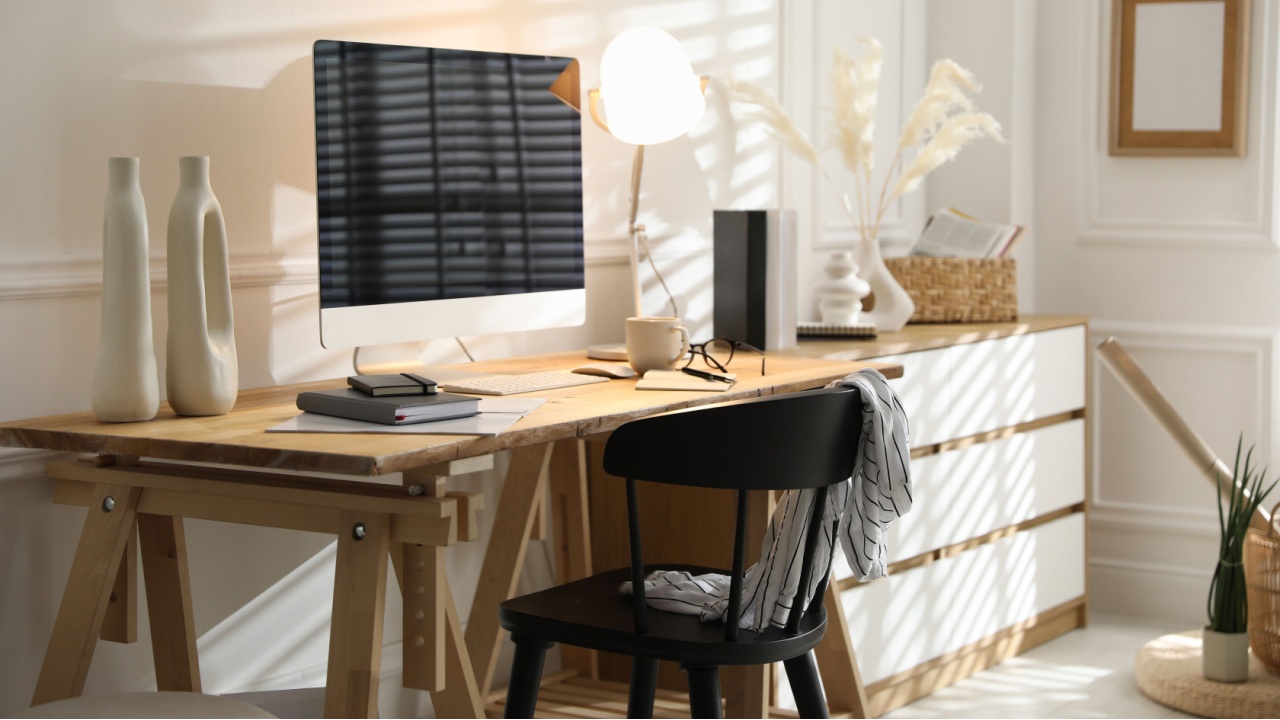
That canvas tote from a conference five years ago seemed like a great idea at the time. Now, it’s slumped in a corner, holding a collection of other branded freebies: a dozen pens that barely write, a stress ball that’s more dust than squish, and a water bottle you never use. These items are constant, physical reminders of past events, but they serve no real purpose in your current work life.
Clearing out this collection is liberating. Gather all the promotional items you’ve accumulated. Be honest with yourself about what you actually use. If that branded mug is your favorite, keep it. But the pile of t-shirts, lanyards, and flimsy USB drives can go. You can donate usable items or simply recycle them.
2. Random Cords and Cables
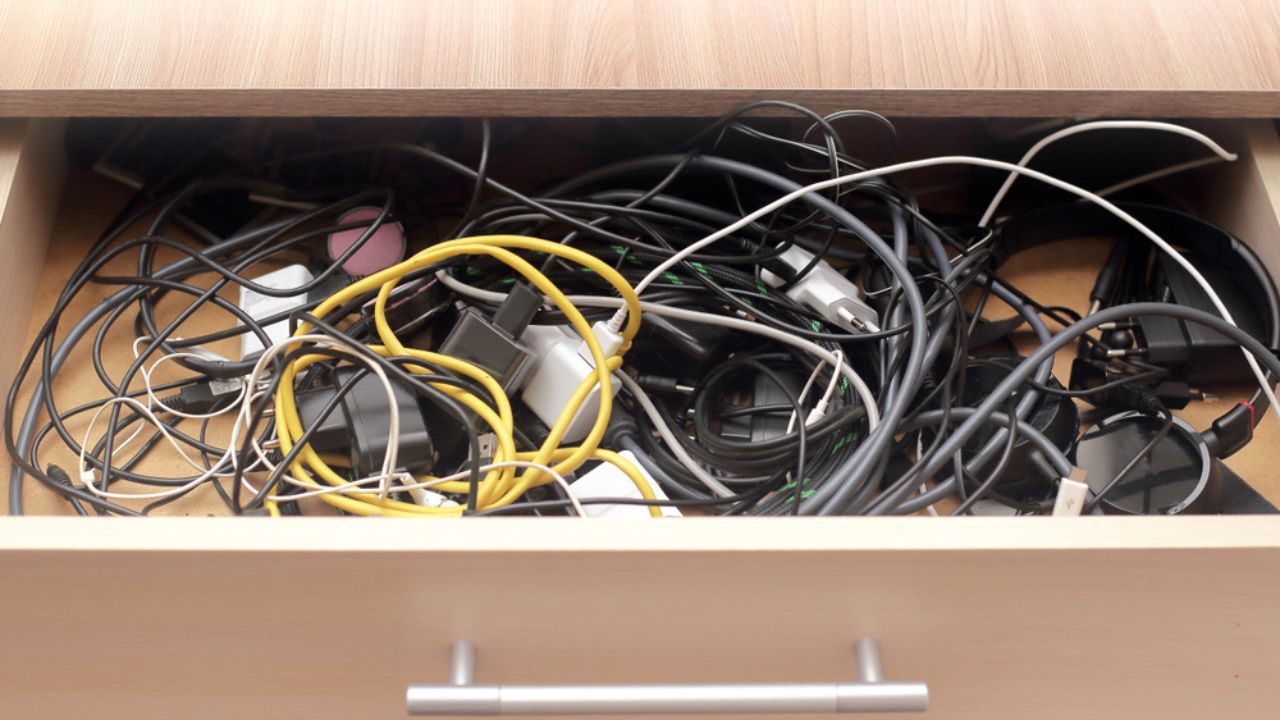
You have chargers for phones you no longer own, printer cords for printers that have long since been replaced, and a bizarre assortment of connectors you can’t even identify. This electronic spaghetti is more than just an eyesore; it’s a mental burden. Every time you see it, a small part of your brain tries to remember what each cord is for, creating a low-level, continuous distraction that chips away at your mental energy.
Take an afternoon to untangle and identify every cord. Label the ones you need with a piece of tape or a dedicated label maker. For the cords you can’t identify, put them in a box labeled “Mystery Cords” with today’s date. If you haven’t needed anything from that box in six months, it’s safe to say you can get rid of it. Proper cable management, like using ties or sleeves, will look better and make finding the right cord a simple, non-distracting task.
3. Unread or Unloved Books

Books can make a room feel intelligent and sophisticated. A towering stack of books you intend to read, however, can feel like a monument to your procrastination. These unread volumes create a subtle feeling of guilt and pressure every time you glance at them. The same goes for books you’ve read but will never open again.
It’s time for a literary audit. Go through your office library and separate the books into three piles: keep, donate, and relocate. Keep the books that are essential references for your job or that you genuinely plan to read soon. Donate the ones you’ve finished or know you will never get to. Relocate novels or other non-work-related books to a different part of your home.
4. Excess Office Supplies
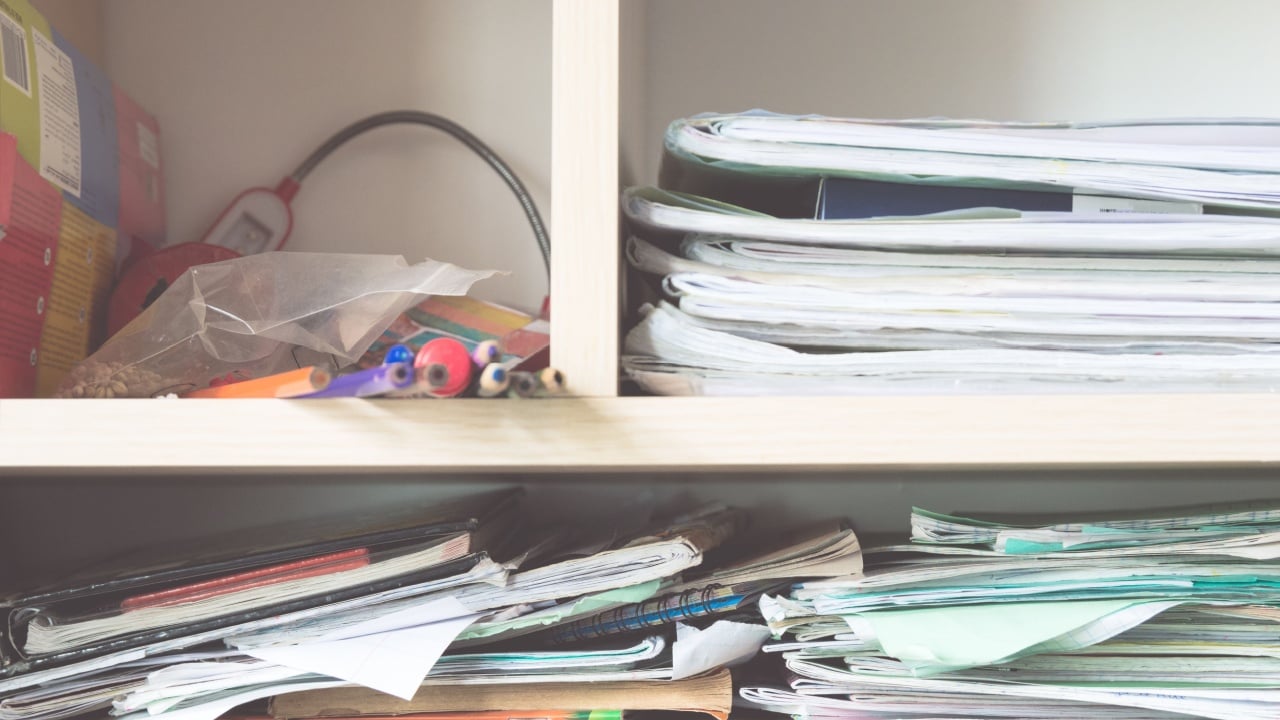
Somewhere in your desk drawers lurks a lifetime supply of paperclips, a mountain of rubber bands, and enough staples to build a small skyscraper. While it feels responsible to be well-stocked, having a massive surplus of supplies is counterproductive. Rummaging through a chaotic drawer filled with 500 binder clips just to find one pen is a test of patience and sanity.
Consolidate your supplies into a single, organized area. Use drawer dividers to keep like items together. Determine a reasonable amount to keep on hand; you likely don’t need more than a small box of paperclips at your desk. Store the true bulk surplus in a closet or storage room, away from your immediate workspace.
5. Outdated Electronics
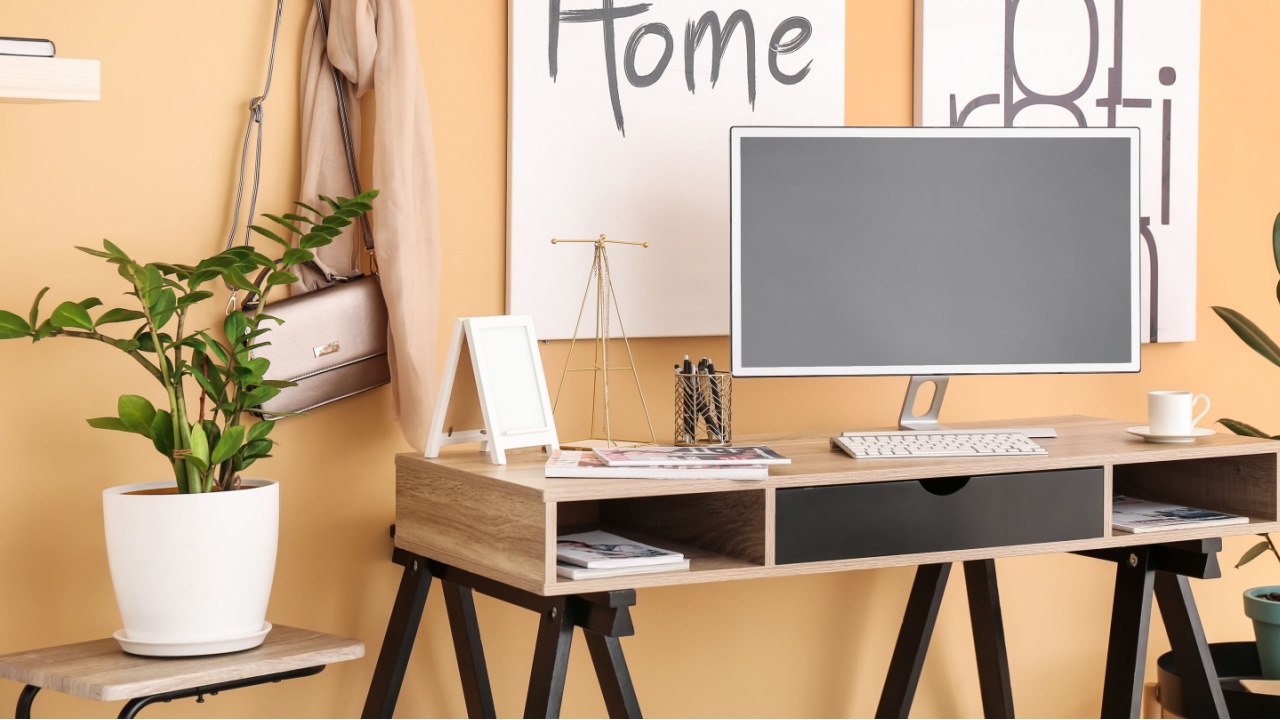
That bulky monitor from 2008 isn’t vintage; it’s just old. The same goes for the dusty fax machine, the ancient flip phone, and that portable CD player you’re holding onto “just in case.” These electronic artefacts are heavy, cumbersome, and serve no function in a modern workflow.
It’s time to unplug for good. Find a local e-waste recycling center to dispose of these items responsibly. Many electronics stores also have take-back programs. It clears a significant amount of physical space and sends a powerful message to your brain that your workspace is forward-thinking and efficient. You’ll be surprised how much lighter your office feels without the weight of obsolete tech.
6. Dried Markers and Pens

You reach for a pen to jot down a brilliant idea, only to find it’s completely dry. You try another. Same result. This frustrating little ritual wastes precious seconds and, more importantly, breaks your train of thought. A cup full of useless pens is a container of tiny disappointments.
Dedicate ten minutes to this simple but impactful task. Grab a piece of scratch paper and test every single pen, marker, and highlighter in your office. Be ruthless. If it’s scratchy, faint, or completely dead, throw it out immediately. Consolidate the working pens into one or two accessible holders. From now on, when you reach for a writing tool, it will work perfectly, allowing your ideas to flow from your brain to the page without interruption.
7. Old Papers and Manuals
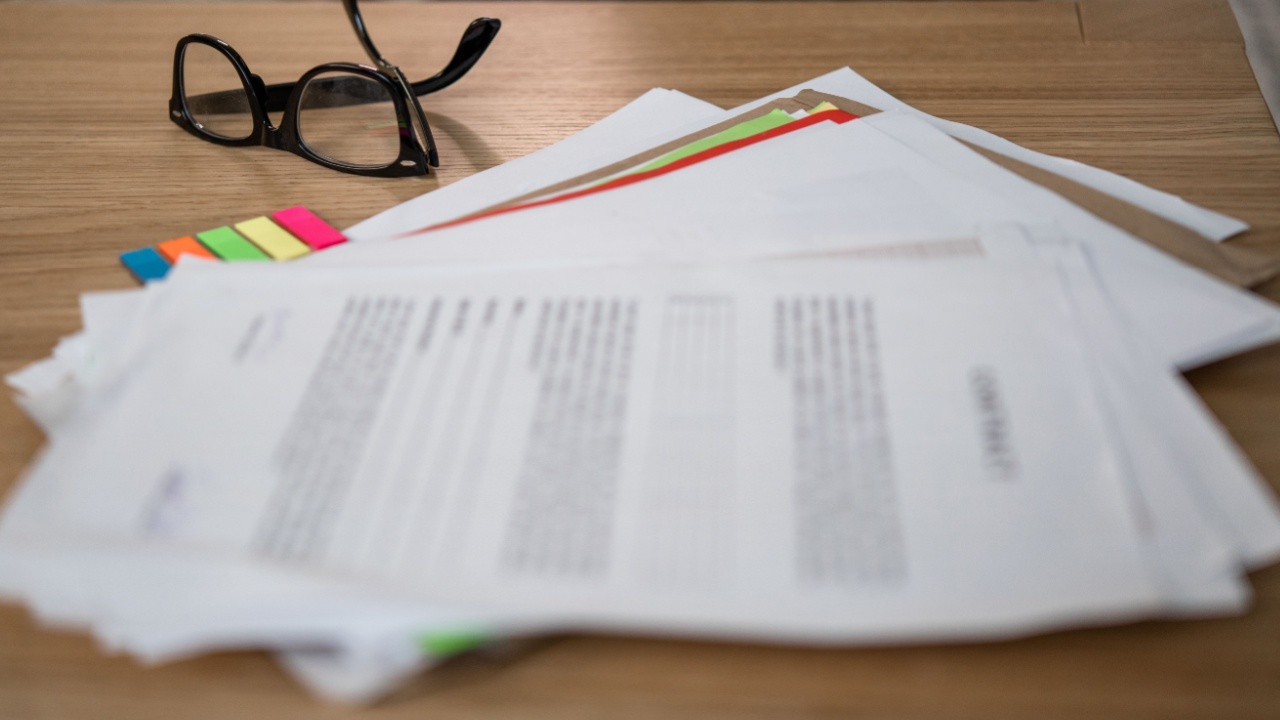
Your filing cabinet is likely filled with papers you haven’t looked at in years. Old utility bills, instruction manuals for appliances you no longer own, and stacks of outdated project notes create a paper jungle. This physical clutter translates directly to mental clutter. The disorganization makes it difficult to find the documents you actually need, forcing you to waste time searching through irrelevant files.
Set aside time to perform a paper purge. Go through your files and be honest about what you need to keep. Many documents, like old bills or bank statements, can be shredded after a certain period. For manuals, most are available online as PDFs, so you can recycle the paper versions. Digitize important documents you need to save, but don’t need physical copies of.
8. Stacks of Old Magazines

Those industry magazines and journals looked so promising when they arrived. Now, they’re in a pile, collecting dust. You told yourself you would read them for inspiration or to stay current, but the pile just keeps growing. This stack represents another form of a guilt-inducing to-do list.
Flip through the magazines one last time. If you see an article you genuinely want to read, tear it out. Put these few select pages in a single folder to review later. Then recycle the remaining magazines. To prevent this from happening again, switch to digital subscriptions where possible. Or, create a rule for yourself: a new magazine can only come in when the old one goes out.
9. Forgotten Personal Projects

That half-finished knitting project, the watercolor set you used once, or the language-learning workbook with only the first chapter filled out are all taking up space in your office. While hobbies are wonderful, bringing them into your workspace can be a serious distraction. They call to you during the workday, tempting you with more enjoyable activities and making it harder to stay focused on the task at hand. They blur the line between work time and personal time.
Your office should be a dedicated zone for professional work. Relocate all hobby-related items to another area of your home. This creates a stronger mental boundary. When you enter your office, your brain will understand it’s time to work. When you leave and go to your hobby space, you can fully relax and enjoy your personal pursuits without work creeping in. This separation is healthy for both your productivity and your personal life.
10. Too Many Sticky Notes

Sticky notes are great for quick reminders, but an over-reliance on them quickly leads to chaos. When your monitor, desk, and walls are covered in a sea of colorful squares, they stop being helpful. Instead, they become a source of visual clutter that your brain learns to ignore. Important reminders get lost in the noise, and the system you created to stay organized ends up achieving the opposite effect.
Transition to a task management app, a digital calendar, or a simple notes application on your computer. This allows you to organize, prioritize, and set reminders without cluttering your physical space. If you must use a sticky note, follow a one-in, one-out rule. Once a task is completed, the note is immediately thrown away.
11. Uncomfortable Furniture
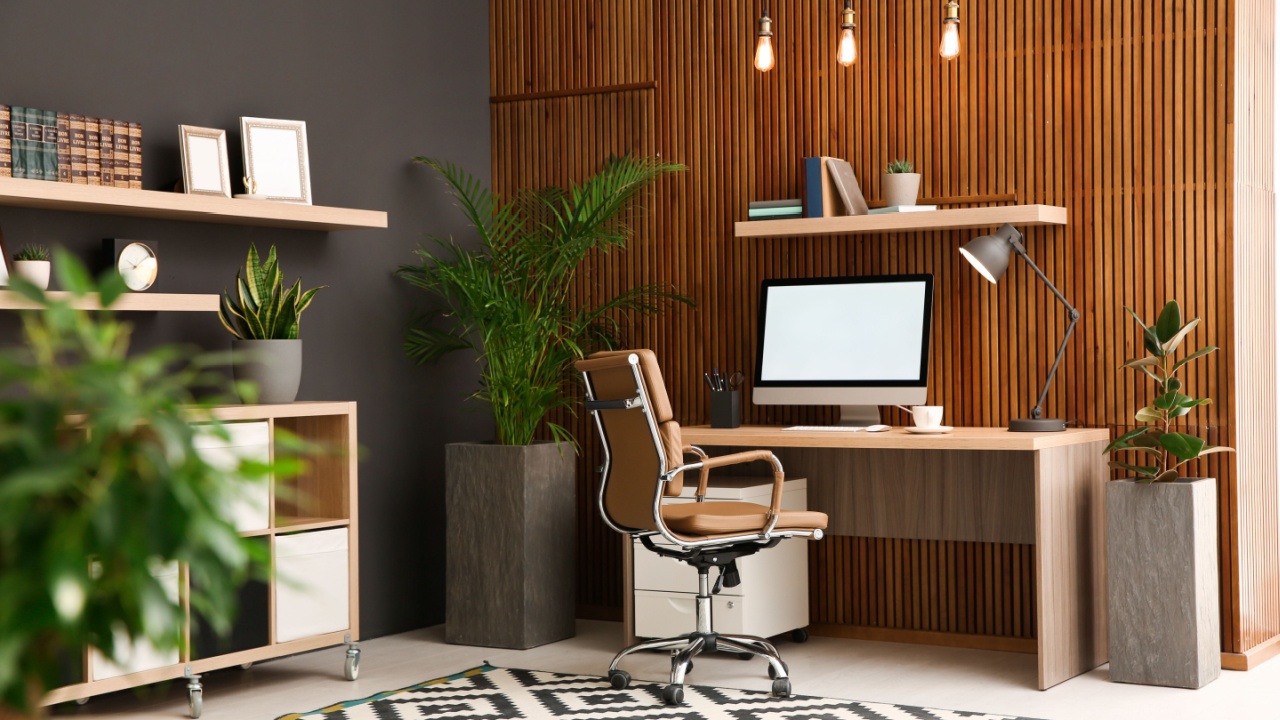
That chair you got for free might have seemed like a good deal, but if it causes back pain after an hour, it’s costing you dearly in productivity. Uncomfortable furniture is a constant physical distraction. Instead of focusing on your work, a part of your brain is always preoccupied with your discomfort. You fidget, you reposition, you get up and walk around, all of which break your concentration and make it difficult to get into a state of deep work.
Investing in an ergonomic chair and setting up your desk at the proper height is not a luxury; it’s a necessity for anyone who spends significant time at a desk. Proper ergonomic support reduces physical strain, which in turn frees up mental resources to be used for your work. You don’t need the most expensive setup, but you do need one that supports your body correctly. Your long-term health and your daily output will improve dramatically.
12. Depersonalized Decor
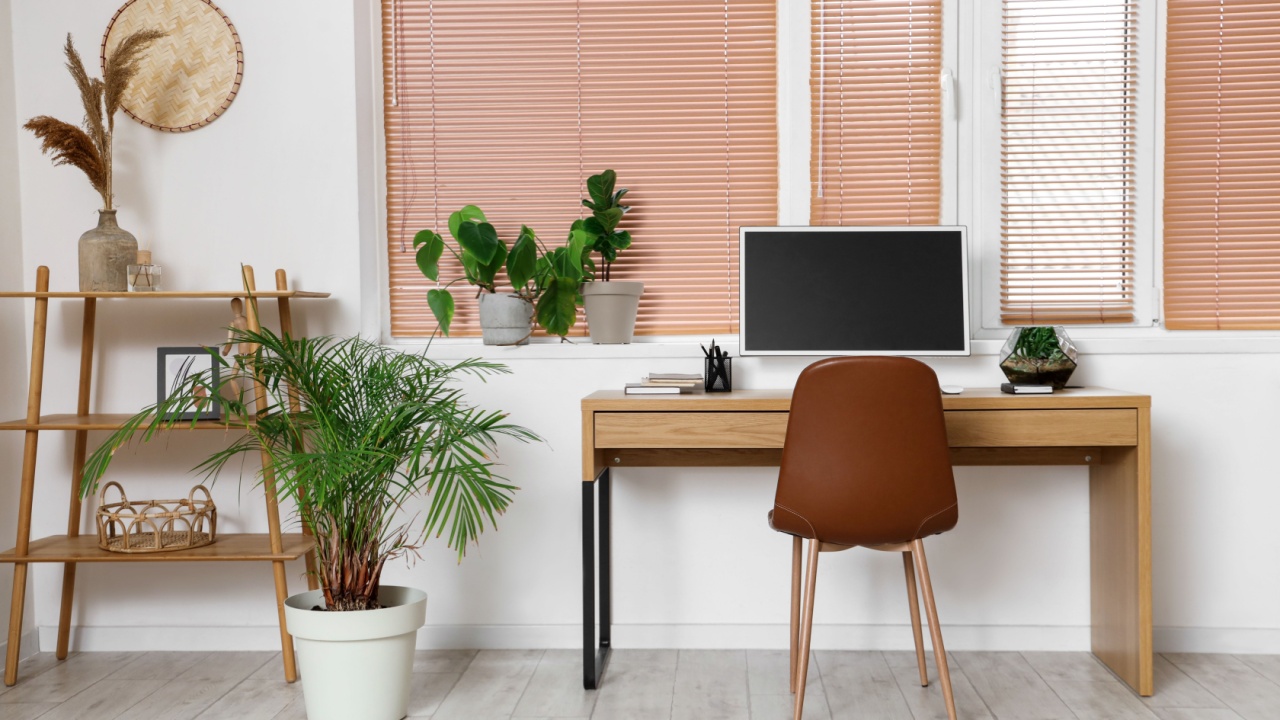
An office that is completely sterile and devoid of personality can be just as detrimental as one that is cluttered. Working in a bland, uninspiring environment can negatively affect your mood and motivation. Your environment has a profound impact on your mental state, and a boring one can lead to a lack of creative energy.
You don’t need to go overboard, but adding a few personal touches can make a world of difference. Add a plant, a framed photo of a loved one, or a piece of art that you find inspiring. Choose a mousepad or a mug that makes you smile. These small items can make your workspace feel like your own, boosting your mood and making you feel more connected to the space. This sense of ownership and comfort can provide a subtle but powerful lift to your daily productivity.
Charting Your Course

Making your office environment fun is a powerful tool. By systematically removing the items that create friction and distraction, you’re redesigning your workspace for peak performance.
Instead of tackling everything at once, choose one category from this list to address this week. Spend 30 minutes clearing out those old cables or testing those pens. The immediate improvement will motivate you to continue.
Crafting a space that supports your focus is an ongoing process, but each small step you take brings you closer to a more productive and enjoyable workday.