12 Foods That Taste Even Better the Next Day
Leftovers are usually treated like a consolation prize, but that thinking doesn’t hold up under scrutiny. Across home kitchens and professional ones alike, certain dishes aren’t mere fridge survivors: they are there for a reason.
Furthermore, some of these dishes are best left untouched until at least the next day. Deeper Flavors, softer textures, and more acquainted ingredients make these meals sing better with some rest.
Time allows fats, spices, and aromatics to redistribute, creating a more balanced and often more intense result. So instead of asking whether leftovers are worth eating, the better question might be whether some meals were designed to peak the next day.
1. Chili
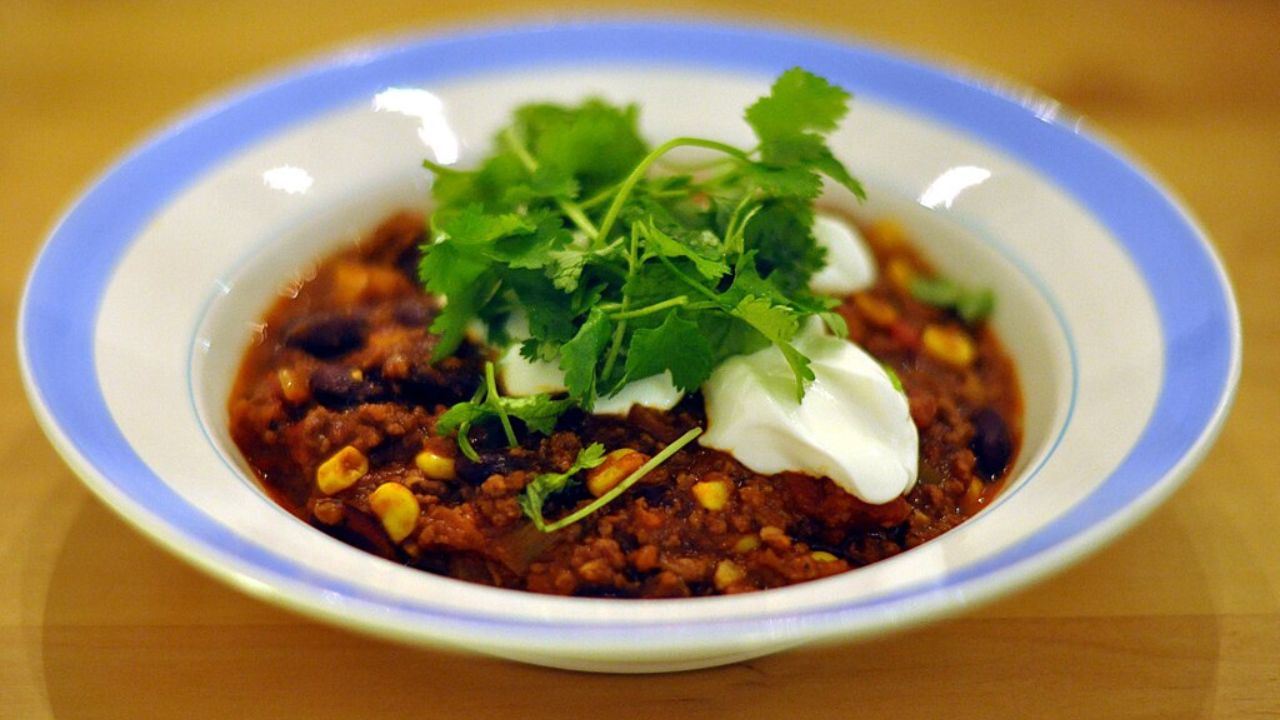
You can put chili on almost anything: fries, hot dogs, or even toast. For some of us, chili upgrades whatever it touches. More importantly, chili itself keeps improving over several days, with each reheating deepening the flavor.
Yet, as much as we love our regular Texas chili, why not go for some variety? This “award-winning” white chicken chili from Panning the Globe will get chins wagging. Substituting beef for shredded chicken breast, it is “rich, creamy, flavorful, loaded with tender chicken and white beans, and just the right amount of heat.”
2. Lasagna
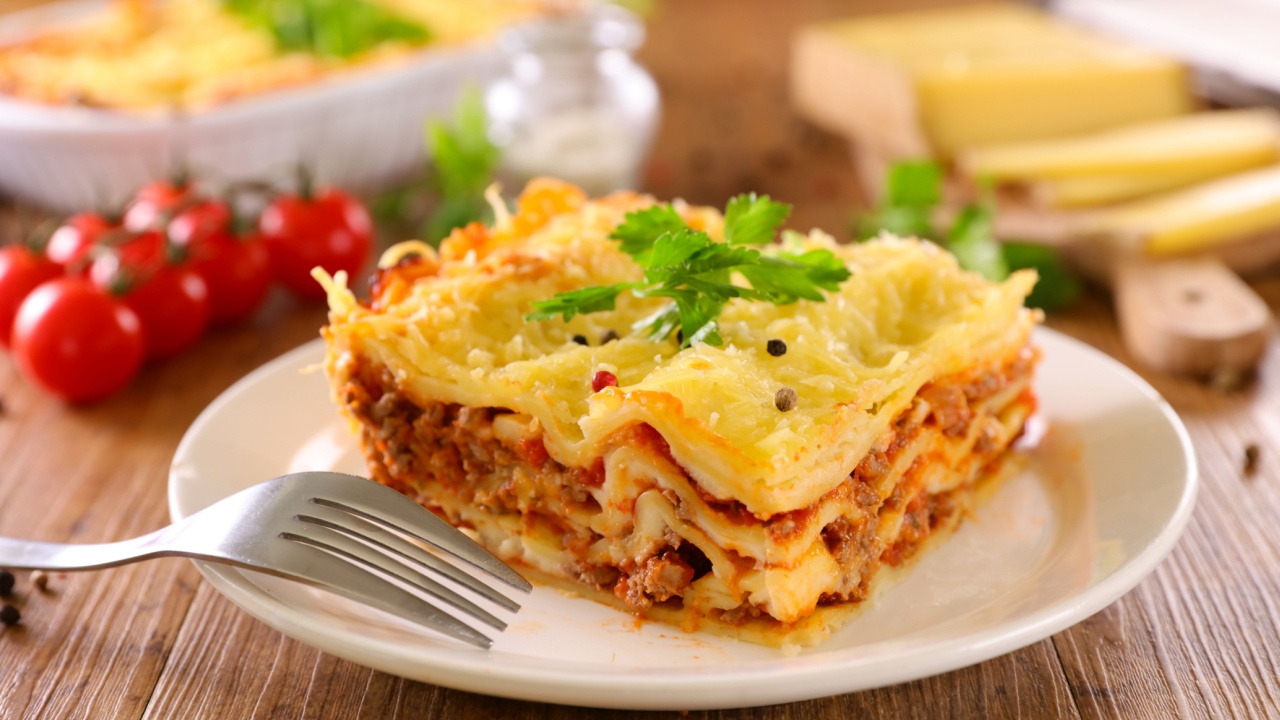
Lasagna is great straight out of the oven, but it really comes into its own after a night in the fridge. The layers firm up, the sauces settle, and the whole dish becomes easier to slice and more satisfying to eat.
It is largely about structure and moisture redistribution. As explained in this recipe breakdown, resting allows the layers to stabilise and prevents the dish from falling apart. For a slightly different take, try this butternut squash lasagna from BBC Good Food.
3. Soups and Stews
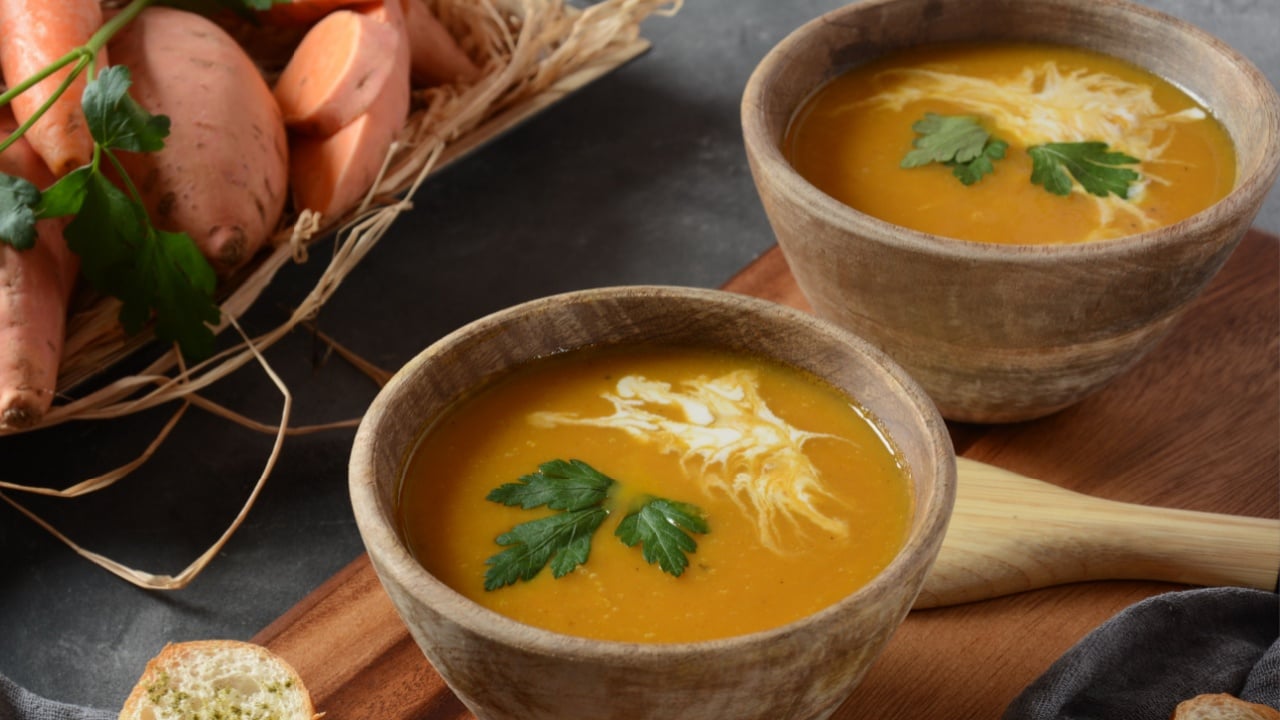
Soups and stews almost always taste better the next day. When ingredients sit together for longer, they exchange flavors more thoroughly, resulting in a richer and more cohesive dish. Next-day soup or broth is an almost religious experience in midwinter.
Bon Appétit’s Jesse Szewczyk has many recipes to his name, but this beef and barley stew sounds about as wholesome a meal as can be. “This quick, truly weeknight-friendly version of the winter staple that goes from pot to bowl in a little more than an hour thanks to a couple clever shortcuts,” he says. The secret is smaller cuts of beef, requiring less slow cooking time. In any event, it’s a moot point; we are talking about the next day, remember?
4. Thanksgiving Dinner
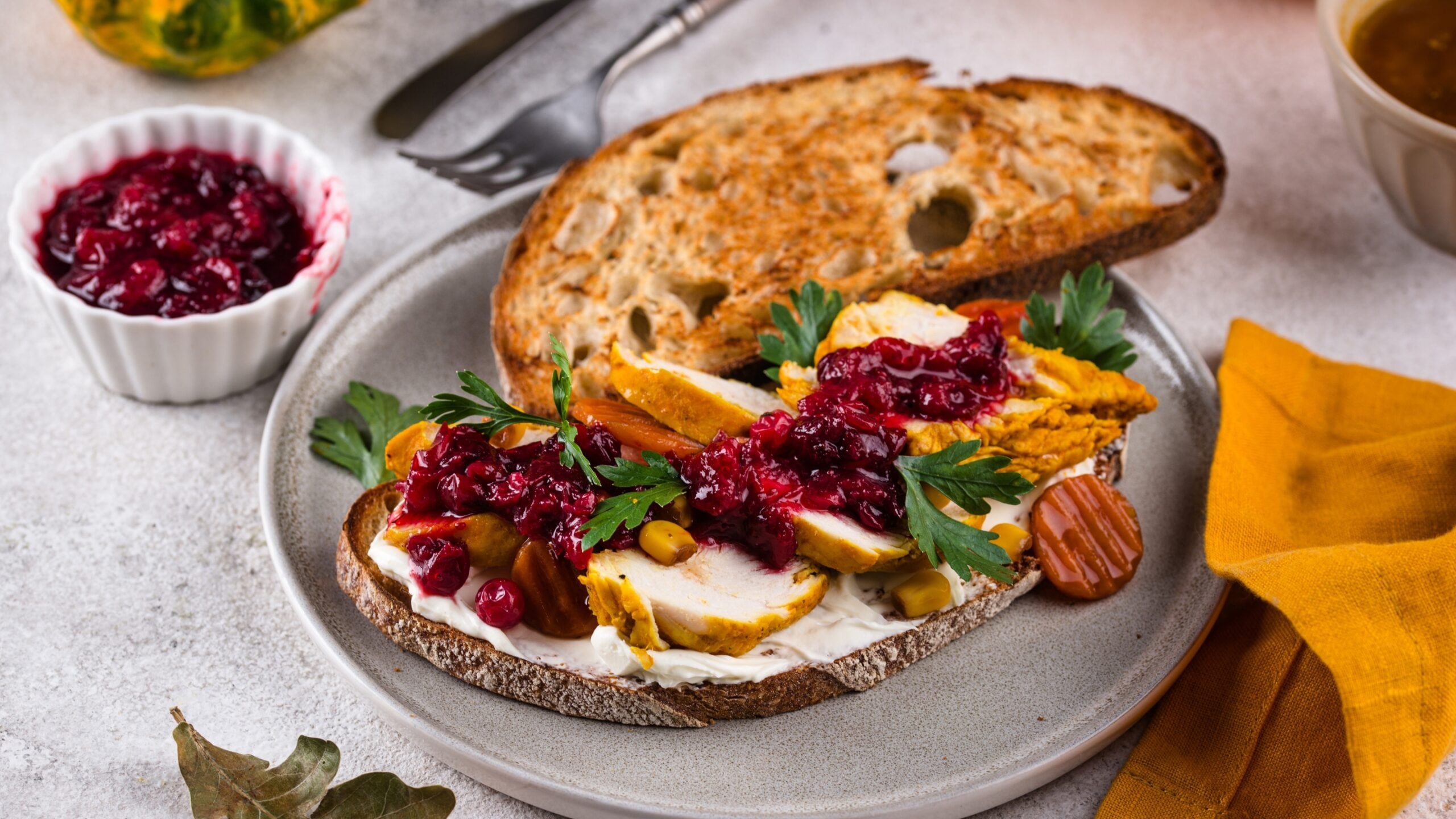
The real magic of Thanksgiving might actually happen the next day. While fresh turkey can dry out, leftovers open the door to far better combinations, especially in sandwich form. Anyone sentient in the ’90s will recall Ross Geller’s “Moist Maker” Thanksgiving sandwich.
The great thing about Ross’s sandwich was the gravy-dipped middle bread slice, which gives the sandwich its name. There are countless copycat versions of this treat: let’s go with a Kosmos Q rendition of this classic, replete with that famous gravy slice. “If for some reason you want to be less messy, you can simply spread gravy on both sides,” reads the recipe. “But what’s the fun in that?” Hear, hear.
5. Enchiladas
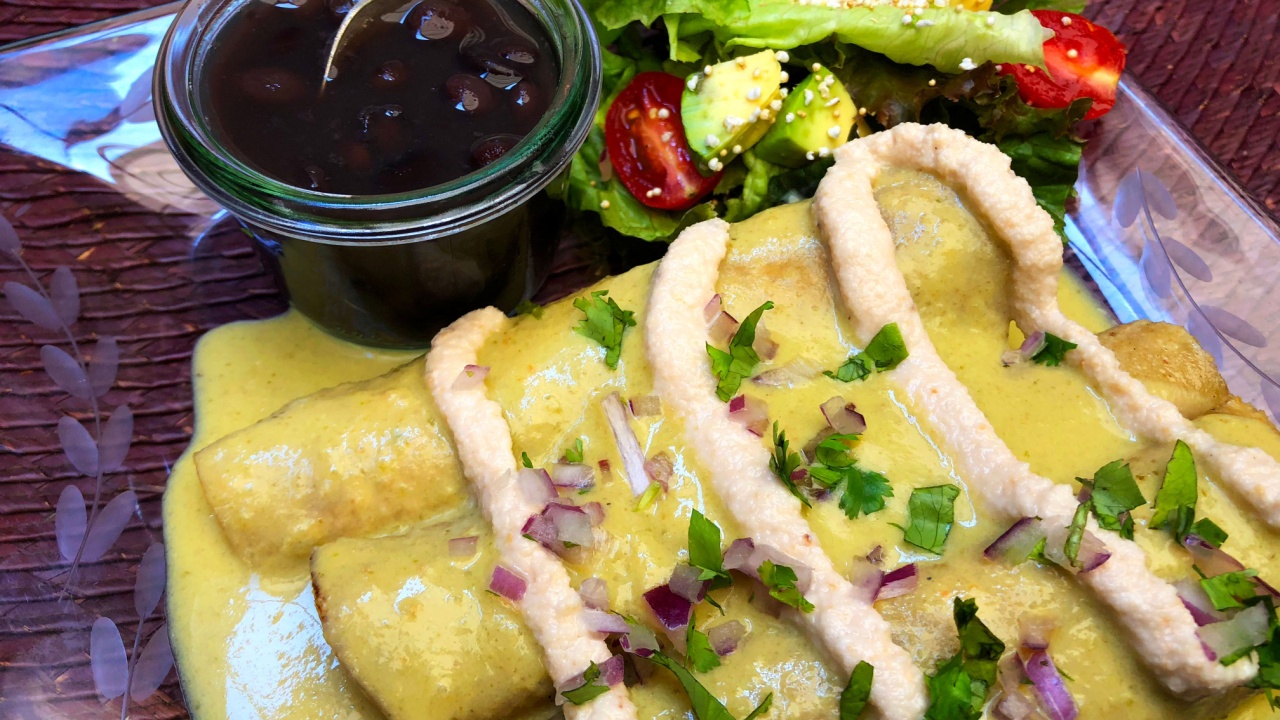
Enchiladas are already rich and satisfying, but they improve noticeably after sitting overnight. The tortillas absorb more sauce, the filling settles, and the overall flavor becomes more unified.
It is a classic example of a “soaked” dish getting better with time, and few dishes are more satisfying. For a lighter twist, try these vegetarian mole enchiladas, also known as enmoladas. It comes courtesy of Mexican Made Meatless’ Nancy Lopez.
6. Pulled Pork or Chicken
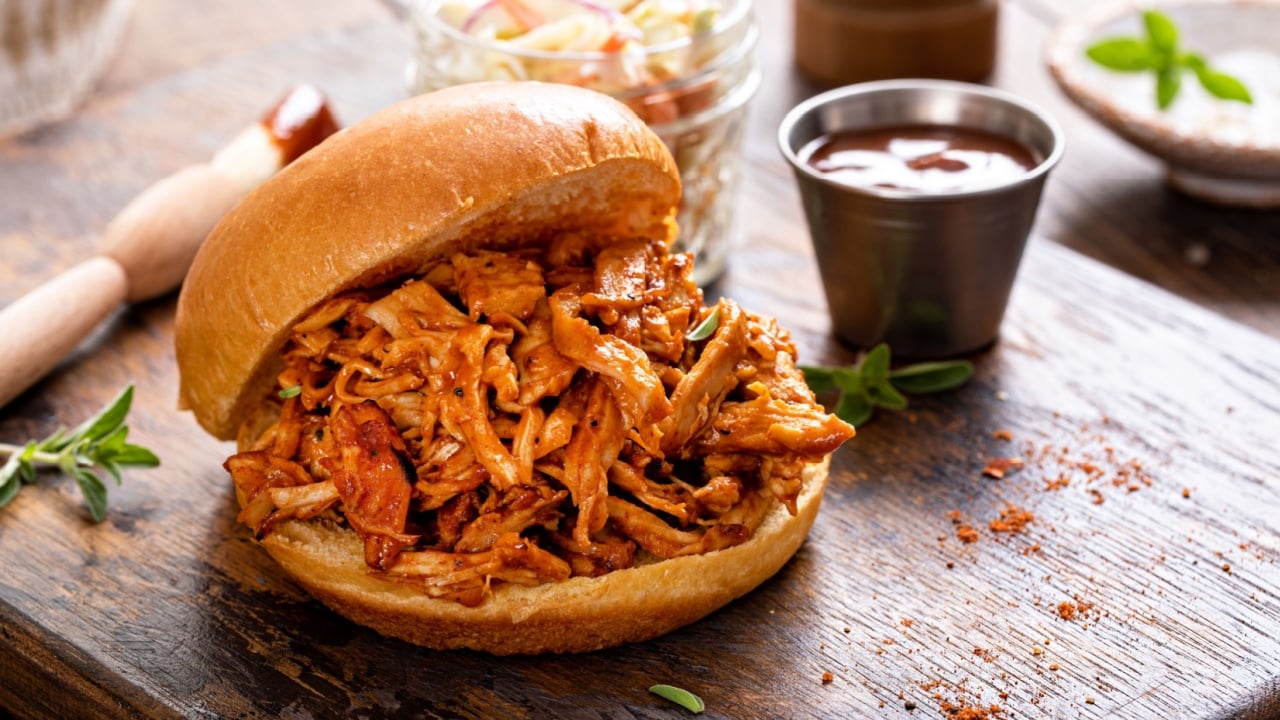
Pulled pork or chicken works even better as a leftover because of how versatile it becomes. It can be used in sandwiches, tacos, pizzas, or even breakfast dishes, and the flavor often deepens after a day or two.
Slow-cooked meats benefit from resting, allowing juices to redistribute and flavors to concentrate. BBQ experts consistently note that reheated pulled meat can taste even richer than when it was first served. For something different, here is a Korean disco fries and pulled pork recipe from Food Network. This recipe uses sesame oil, doenjang, and gochujang paste for an authentic Korean kick.
7. Cold Pizza

Cold pizza has its own appeal, especially for breakfast. The cheese firms up, the base settles, and the flavors become more distinct. That said, a quick oven reheat can bring it back to life without ruining the texture, and somehow it tastes almost better. Single slices also enjoy a few minutes on high in the air fryer.
Why does next-day pizza taste so good? There is a scientific reason for taste receptors’ response, according to BBC Science Focus. “At lower temperatures, the channels barely open and the signals are weaker,” writes Dr. Emma Davies. “Salty and sour taste receptors are not affected by temperature in the same way, and cold pizza can actually taste saltier, and very, very tasty.”
8. Curry

Curry is one of those dishes that improves dramatically overnight. In fact, one might as well cook it a day ahead. While it may not look its best straight from the fridge, reheating brings out deeper, more rounded flavors.
Ultimately, it comes down to how spices behave over time. “The fat molecules from the oil or ghee trap and preserve aromatic compounds,” writes Times Now News’ Eshita Bhargava. “Proteins in meat or legumes absorb the masala more deeply, giving that round, comforting flavour that only emerges after a night in the fridge.”
9. Pasta Salad
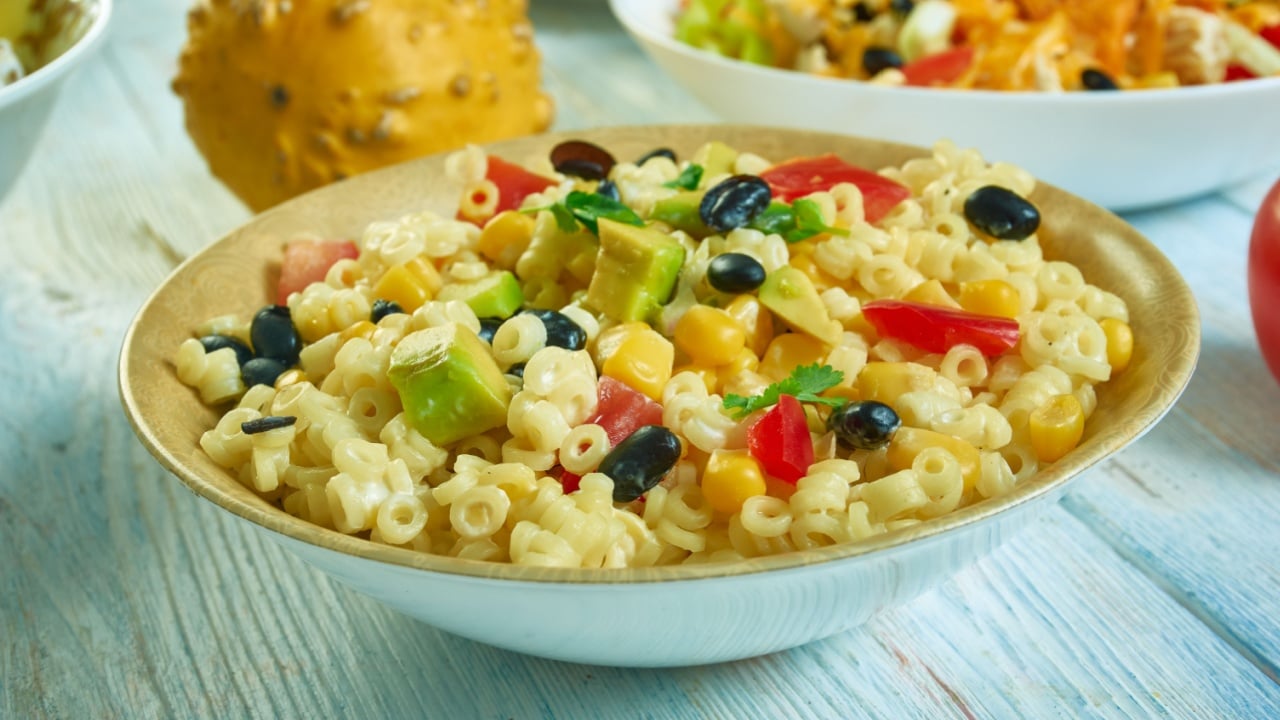
Let’s start by asking, “Who even eats fresh pasta salad?” For a dish that I only ever use on picnics or barbecue cookouts, pasta salad is a perennial pre-made plate. It’s also one of those dishes that benefits from being properly chilled. The dressing thickens, the flavors cling to the pasta, and the overall texture improves significantly compared to when it’s freshly made.
The Internet has no shortage of pasta salad, but I am a fan of this Simply Recipes cowboy pasta salad, with a Tex-Mex edge. For heartiness, it uses black beans, cheddar, and optional bacon, while scallions, tomatoes, and corn bring color and bite.
10. Fries
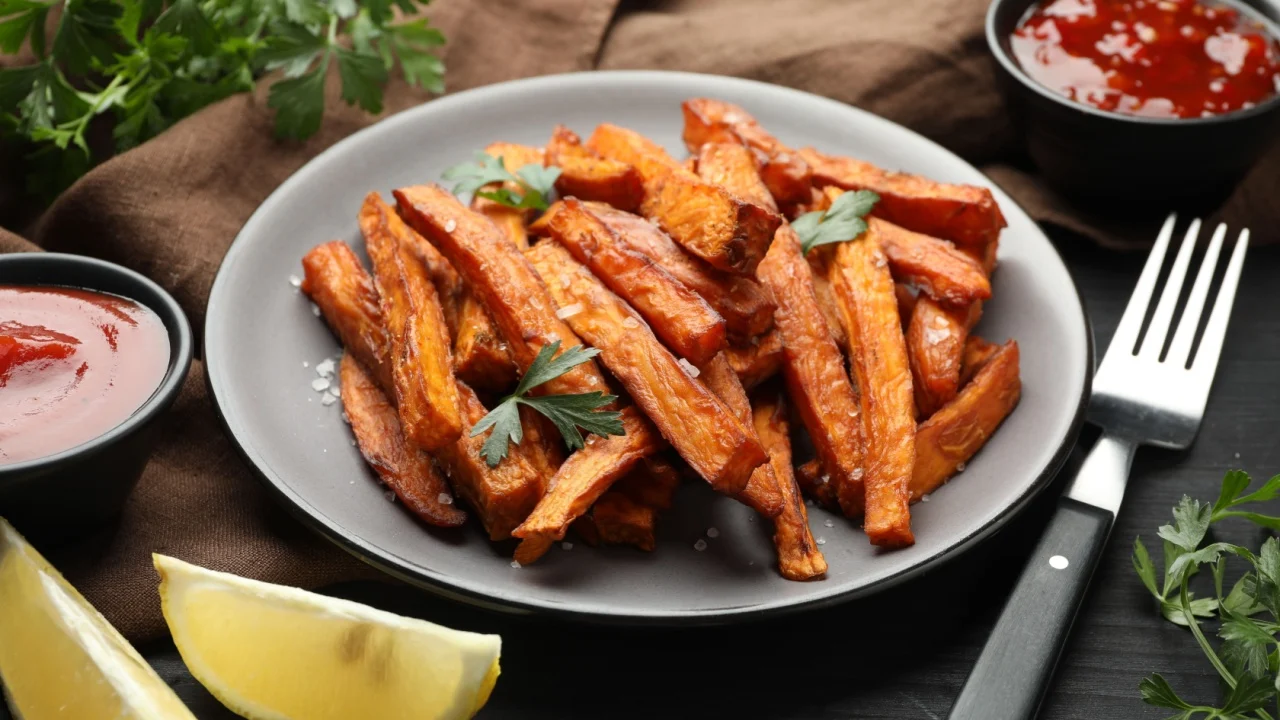
Leftover fries don’t have to be a lost cause. With the right method, they can regain much of their original crispiness. Thick-cut fries work well in the oven, while thinner ones respond better to a pan or air fryer. In fact, Tasting Table’s Ian Fortey swears by using a skillet.
“A skillet uses direct heat to crisp the surface of the fry by drawing out the oil it already absorbed,” he says. “That makes for a texture closer to a fresh fry.” The key is dry heat, which removes moisture and restores texture. While leftover fries are just not a thing in my home, hope is not lost for the humble, cold French fry.
11. Fried Rice
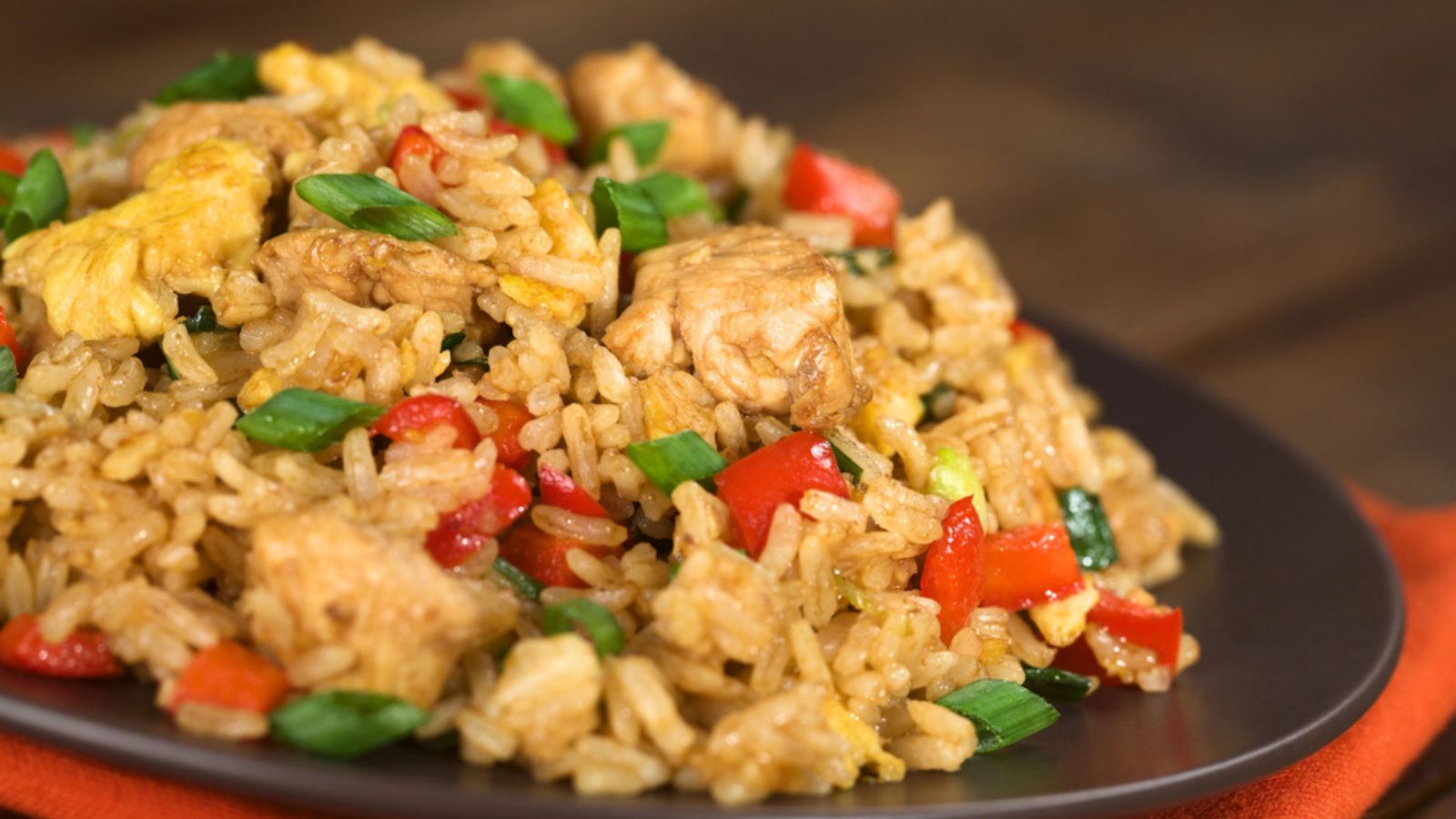
Any Asian chef will tell you that fried rice works best with day-old rice, which is firmer and less sticky. Freshly cooked rice tends to clump together, while leftover rice fries cleanly and absorbs flavor more effectively.
It is the reason many recipes expressly recommend using chilled rice. The texture difference alone makes it worth the wait, and rice fresh from the pan or steamer is just too moist. Here is delicious pineapple fried rice from Recipe Tin Eats’ Nagi Maehashi that will be unlikely to yield a second serving.
12. Roasted Vegetables
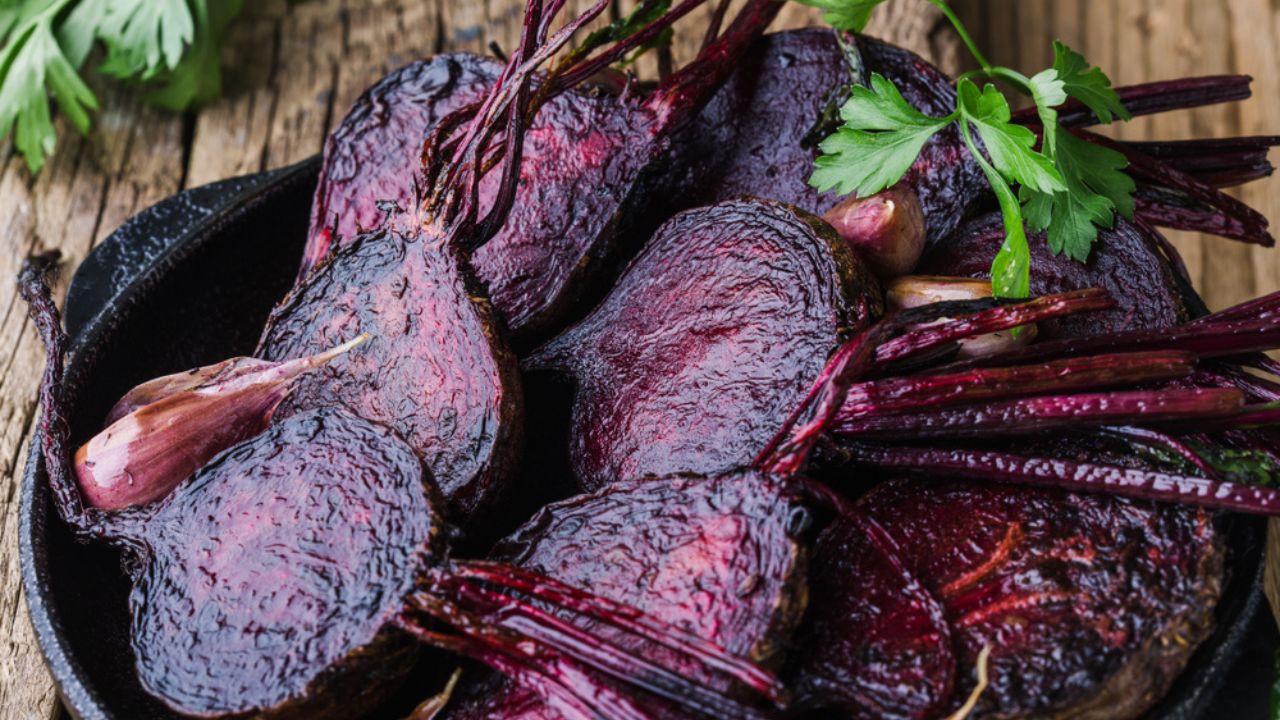
Let’s begin this with a leftfield option for leftover Sunday roast vegetables, not least cabbage, potatoes, and carrots. Bubble and squeak is a British classic, originating from the Georgian era. Those roasted (and boiled) vegetables are bound together with egg, seasoning, and breadcrumbs, then fried and served as part of an English breakfast.
Roasted vegetables transform overnight, becoming mellow yet more pronounced. It is worth doing extra, just so there are leftovers to use. Other purposes for day-old roasted vegetables include salads and gnocchi.
Read More
12 Trendy Foods We Pretend to Love
12 Condiments You’re Storing Wrong (They Don’t Need the Fridge).