12 Entryway Mistakes That Have Visitors Judging You
Walking through your front door is more than just crossing a threshold because it’s the moment when guests start forming opinions about your space. Research from Princeton University found that people form first impressions in as little as one-tenth of a second. That rapid judgment doesn’t just apply to faces, but it also applies to environments, too.
Your entryway quietly tells visitors whether your home feels calm, chaotic, warm, or neglected. It’s like the “handshake” of your home. A study published in the Journal of Environmental Psychology shows that cluttered and poorly maintained spaces increase stress and negative impressions. That means your guests may not even realize why they feel uneasy, but they do. The tone, lighting, color, and organization all quietly send messages.
In this guide, we’ll break down 12 common entryway mistakes that subtly shape how visitors judge your space. Each section explains why it matters, what research or experts say, and what practical next steps can immediately improve your home’s first impression.
1. Lighting That Feels Dim or Harsh
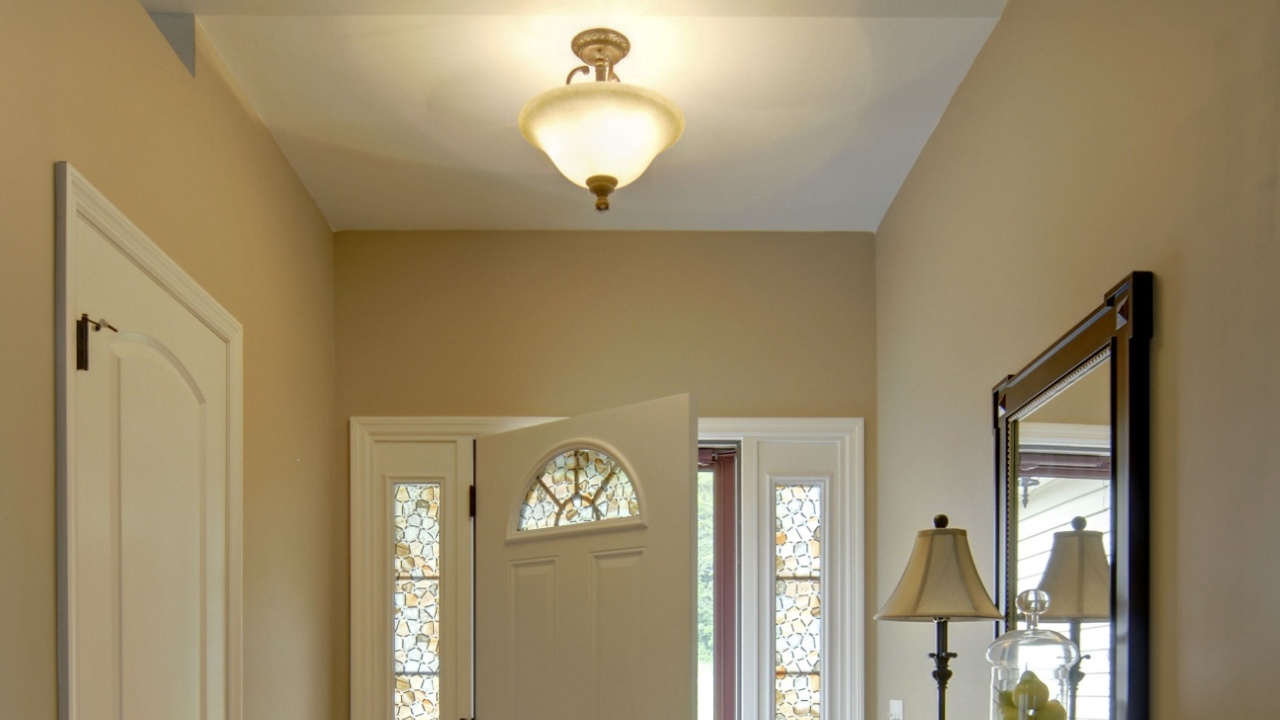
Lighting sets the vibe right away. If you’ve got just one harsh overhead bulb, your entryway is going to feel cold and not very welcoming, like a dentist’s office, maybe? Too dark is gloomy, and super-bright white light is just uncomfortable and clinical.
The trick is to layer your light! Mix overhead lighting with a wall sconce or a small table lamp. This helps soften the shadows and adds a cozy warmth. Stick with warm white bulbs, around 2700K to 3000K, for that inviting glow. A dimmer switch is a game-changer; it lets you totally control the mood whenever you want.
2. Visible Clutter on Floors and Surfaces
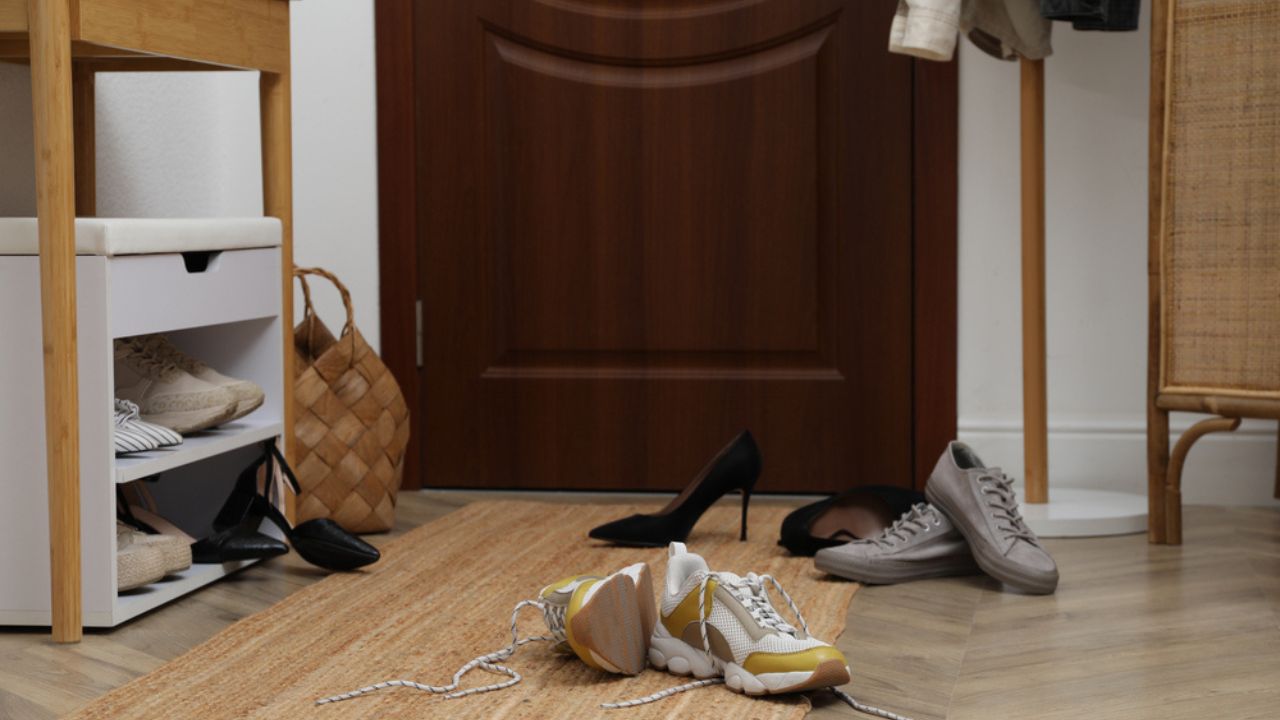
Shoes piled near the door and keys scattered across a console instantly signal disorder. Visible household clutter actually makes people feel more stressed and mentally overwhelmed, even if they don’t realize it right away. When guests walk into a space filled with scattered shoes and random piles, their brain registers chaos before they even settle in.
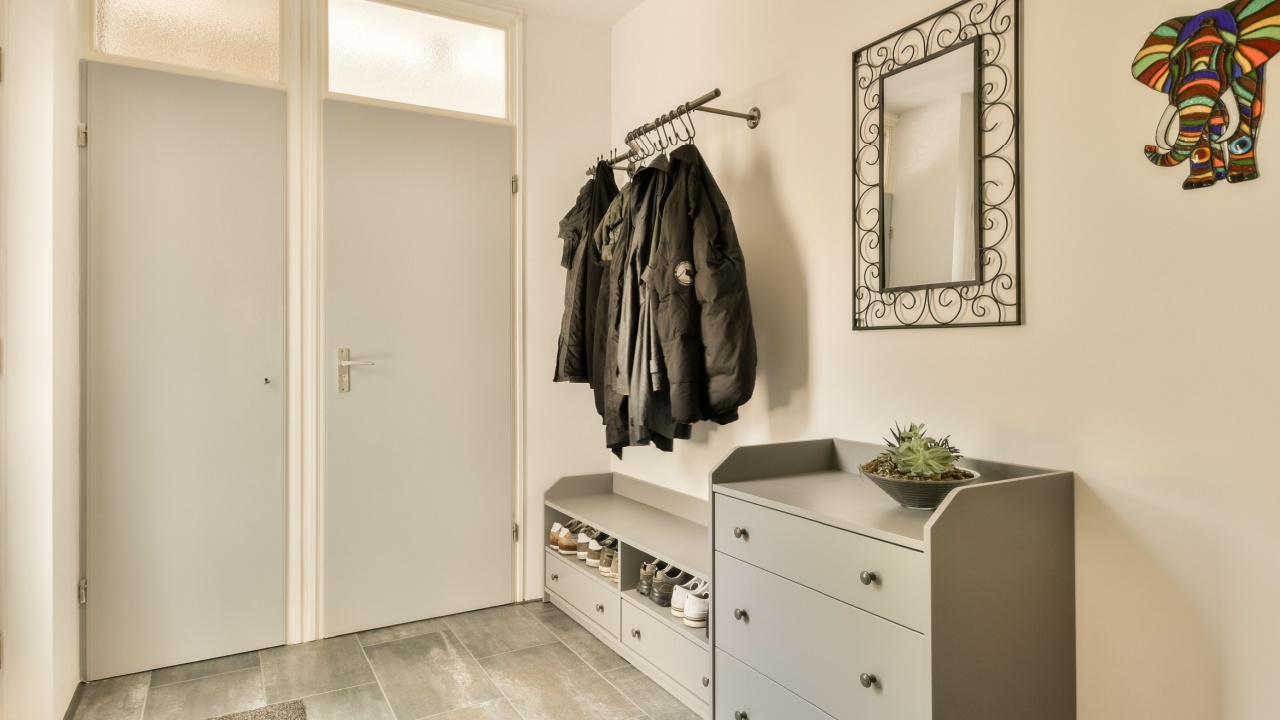
According to experts, creating a designated drop zone keeps chaos contained. Install hooks for bags, use trays for keys, and add a slim shoe cabinet to clear the floor. The goal is not perfection but to make a visible organization. When surfaces look intentional, the entire home feels more put-together.
3. No Clear Focal Point

An entryway without a focal point feels awkward and unfinished. Any area should follow the seven principles of interior design: balance, unity, rhythm, emphasis, contrast, scale and proportion, and details. Without one, the space feels accidental instead of styled.
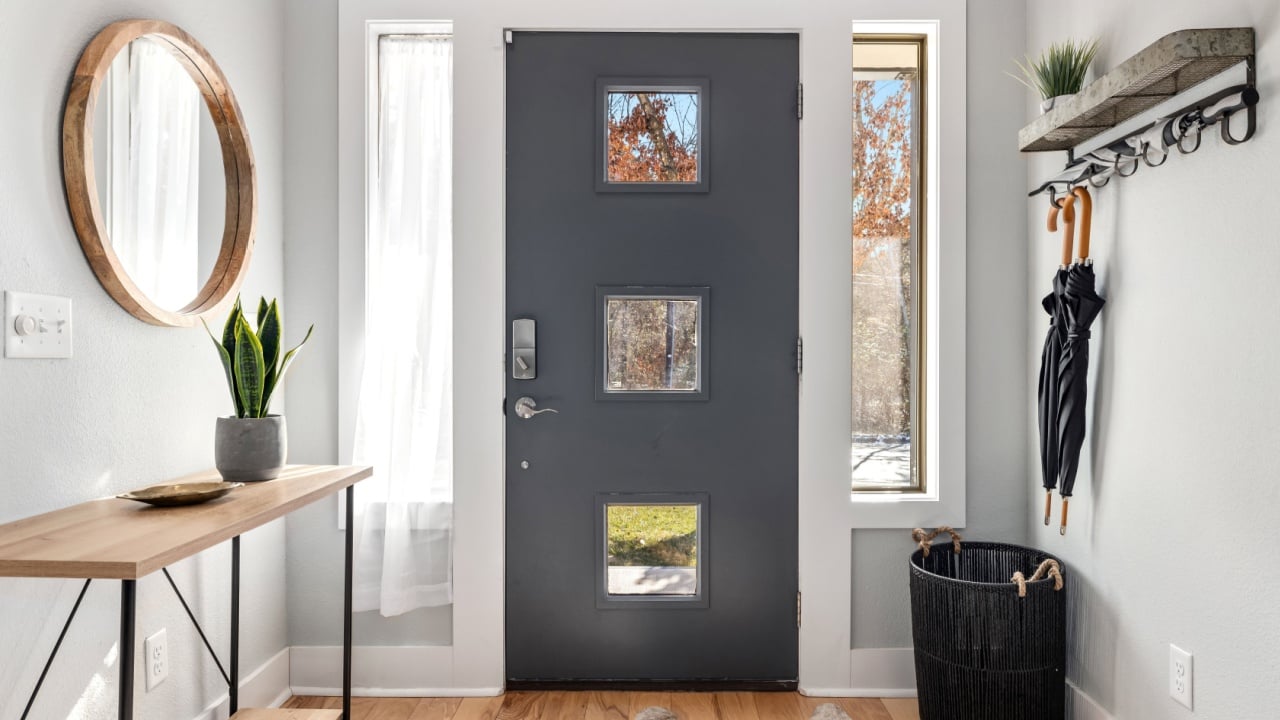
A mirror, statement art piece, or well-styled console can anchor the area. Keep décor minimal but deliberate so it feels cohesive. When guests know where to look, the space feels thoughtful and confident instead of scattered.
4. Ignoring Color Psychology
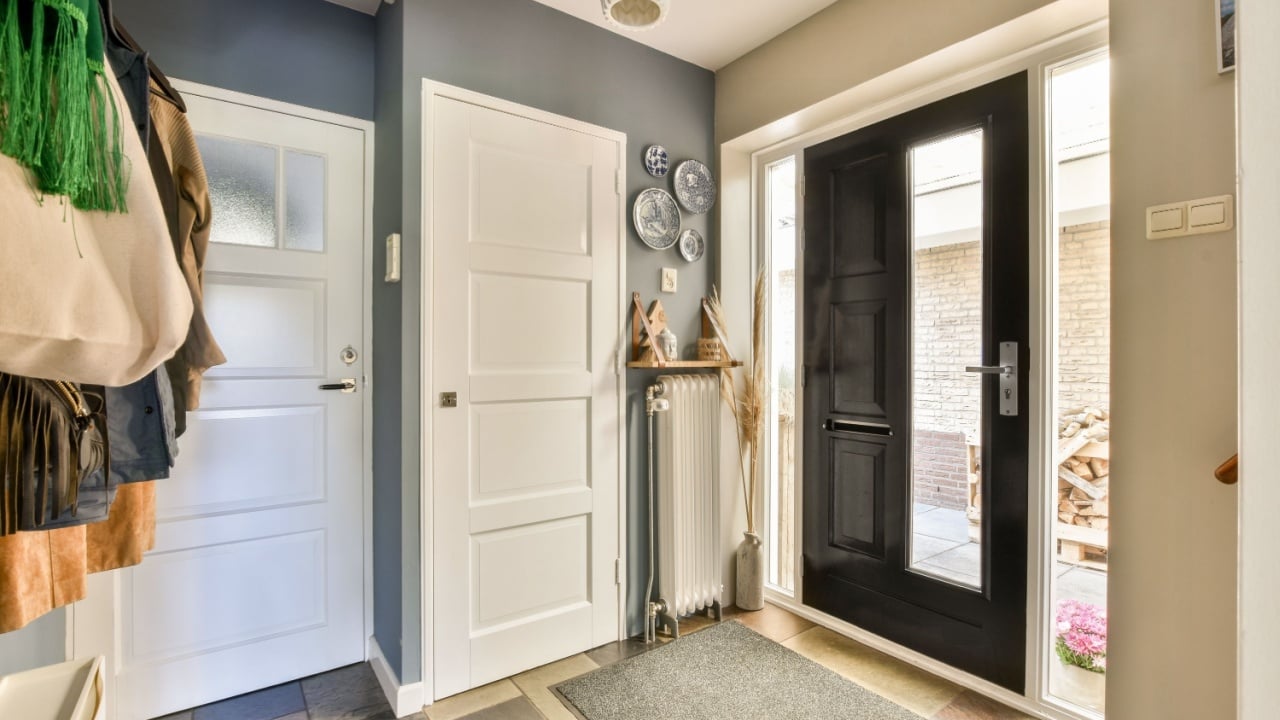
Color deeply influences emotional response. Research confirms that colors affect mood and perception in measurable ways. Dark, overly bold, or dull tones can unintentionally make an entry feel heavy or uninviting.
Soft neutrals, muted greens, and warm blues tend to create calm and welcoming atmospheres. If you love bold shades, balance them with lighter accents to avoid overwhelming guests. Even a fresh coat of paint can dramatically shift first impressions.
5. Oversized Furniture in a Small Space

Large consoles or bulky benches can crowd a narrow entryway and restrict movement. The way furniture is arranged and how easily people can move through a space have a huge impact on comfort. If guests have to do a sideways shuffle past your console, the entryway feels more like an obstacle course than a welcome mat.
Choose slim-profile furniture that leaves at least 30–36 inches of walking clearance. Floating shelves or wall-mounted storage help maximize floor space. Prioritizing flow makes your home feel more open and welcoming.
6. No Seating for Guests
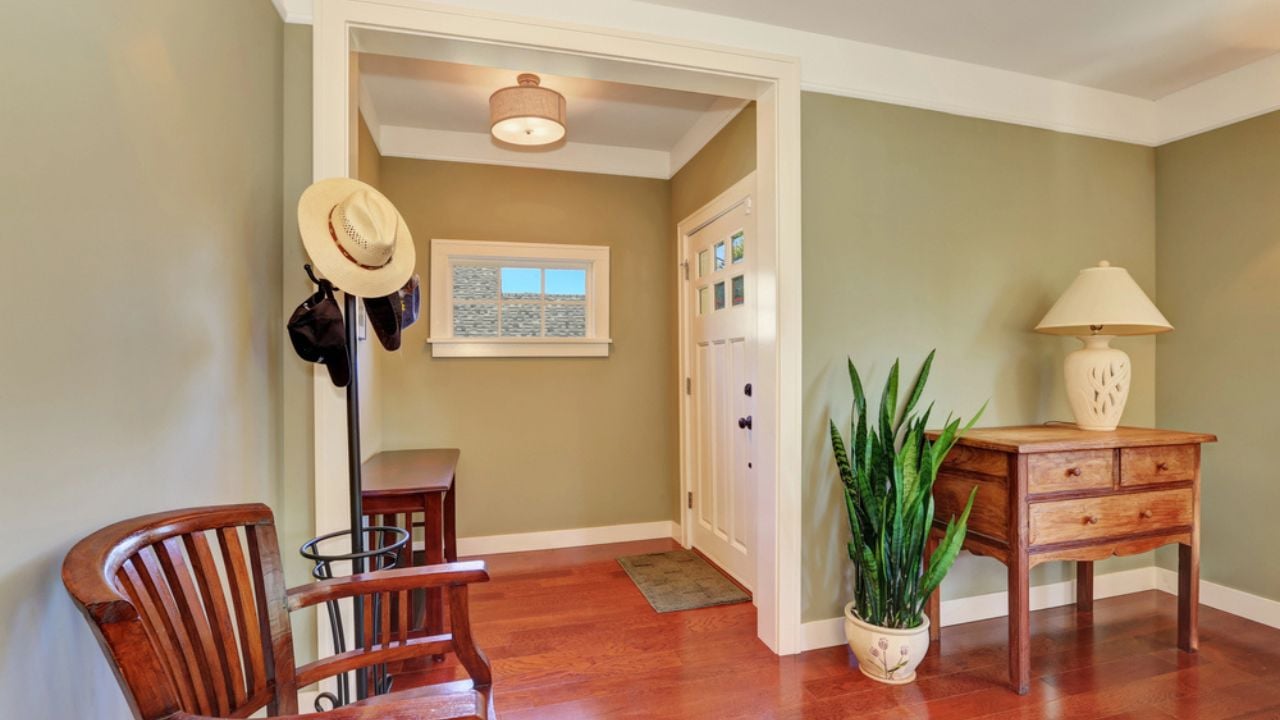
Entryways without seating can feel impractical and slightly unwelcoming. Comfortable transition spaces make a big difference in how welcoming a home feels. When an entryway is easy to move through and offers simple conveniences like seating for taking off shoes or clear pathways, guests naturally feel more relaxed and at ease the moment they walk in.
A small bench says, ‘Relax, take your time,’ instead of ‘Balance like a gymnast while you untie your laces. Look for storage benches to double usability. Seating shows you’ve considered your visitor’s experience, not just the room’s appearance.
7. Rugs That Are Too Small
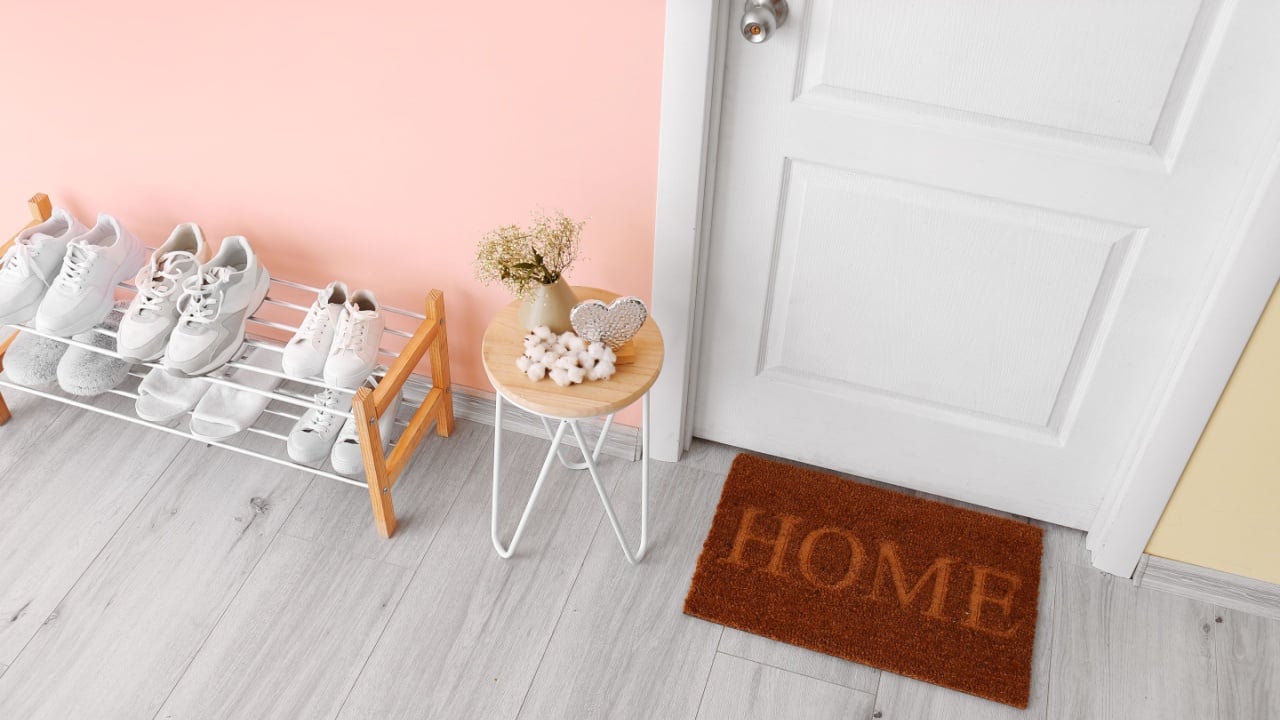
A tiny rug floating in a large entry makes the space feel disconnected. When a rug is too small, it looks disconnected and awkward, but when it fits the space properly, it visually anchors the furniture and makes everything feel intentional and put together. Scale matters more than people realize.
Pick a rug that actually fits the space. It’s the difference between ‘intentional design’ and ‘oops, wrong size. Choose a rug large enough to define the entry zone clearly because properly sized rugs add warmth, absorb sound, and visually organize the area.
8. Skipping a Mirror
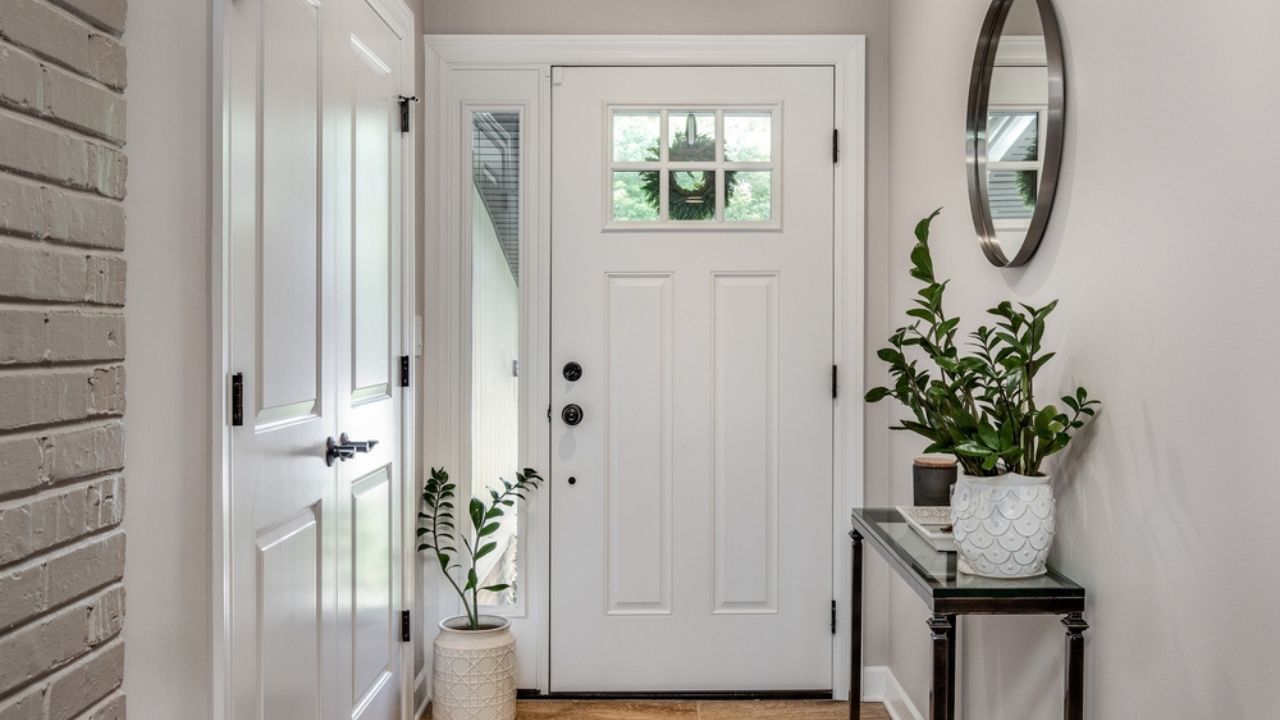
Reflective surfaces like mirrors naturally bounce light around a room, making it feel brighter and more open. When light spreads evenly, and walls don’t feel closed in, the space instantly seems larger and more welcoming. Without a mirror, your entryway can feel like a hallway with blinders on.
Hang a mirror at eye level to maximize both function and style. It allows guests to check their appearance fully. Plus, it instantly makes tight spaces feel larger and more open.
9. Unpleasant Odors
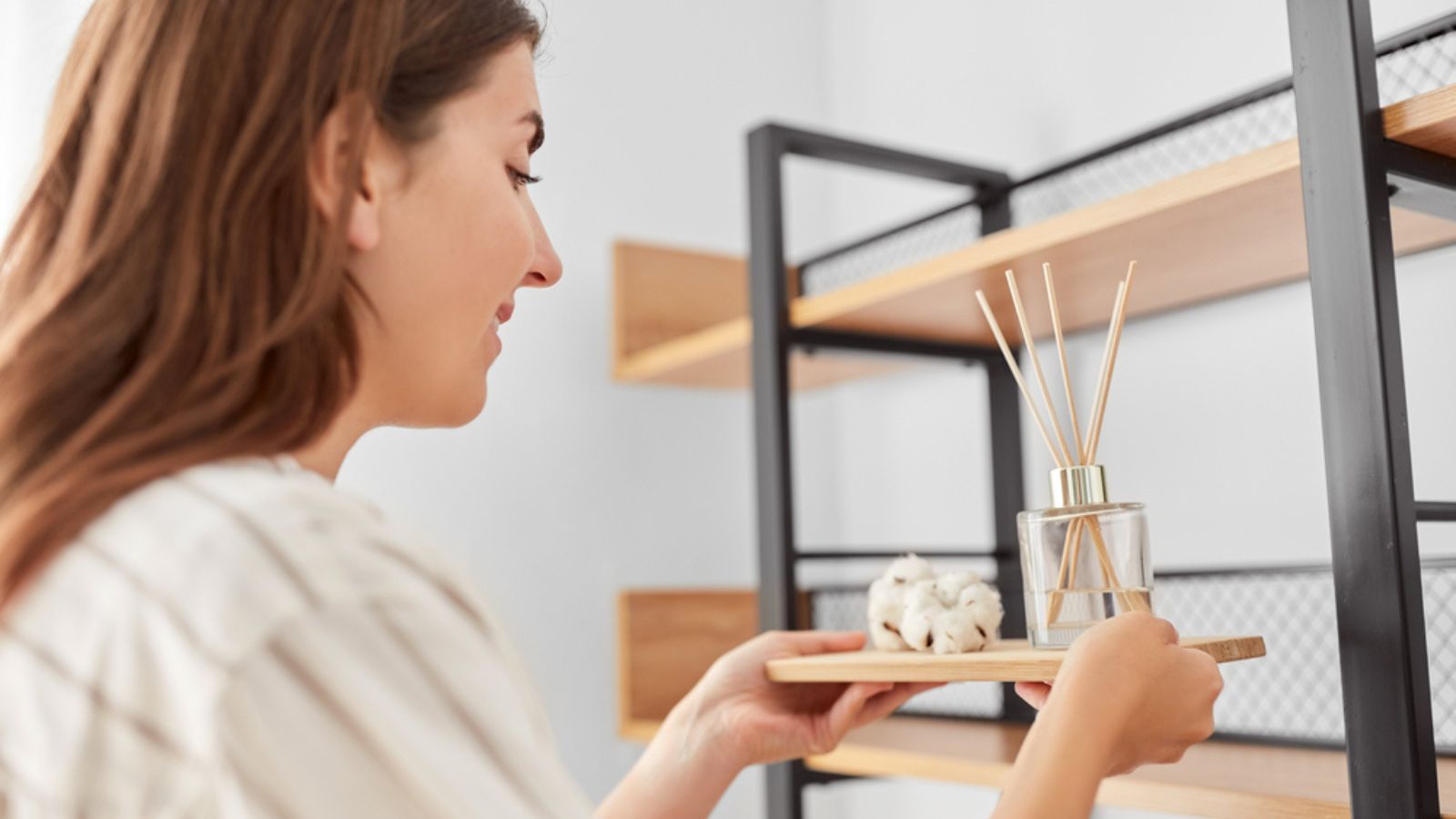
Smell is strongly connected to memory and first impressions, which means a scent can shape how someone feels about your home within seconds. A fresh, clean aroma creates comfort, while even a slight unpleasant odor can quietly leave a negative impression. A stale odor can override even a beautiful design.
Keep air circulating and avoid overpowering fragrances. Light, fresh scents like citrus or linen feel clean and subtle. Think citrus, linen, or just plain clean are the scents that whisper ‘welcome’ instead of shout ‘cover-up.
10. Neglecting the Front Door
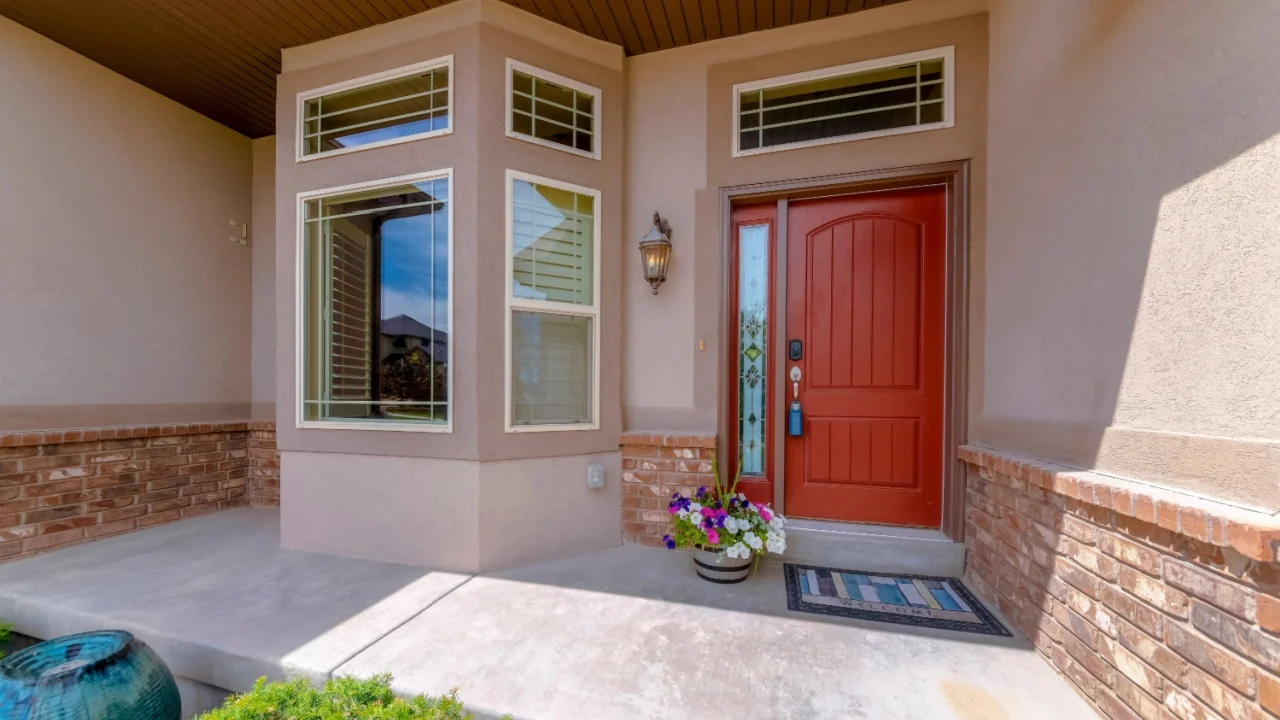
Your front door is your home’s handshake, and chipped paint or rusty hardware makes it feel limp instead of confident. Research shows curb appeal can increase home value by up to 7%, highlighting how exterior presentation, even door color and quality, impacts perception.
Repaint scuffed areas and update hardware if needed. Even polishing handles and cleaning glass panels improves the impression instantly. Think of curb appeal as the trailer to your movie; if the preview looks sloppy, guests assume the rest won’t be worth watching.
11. Scuffed Walls and Baseboards
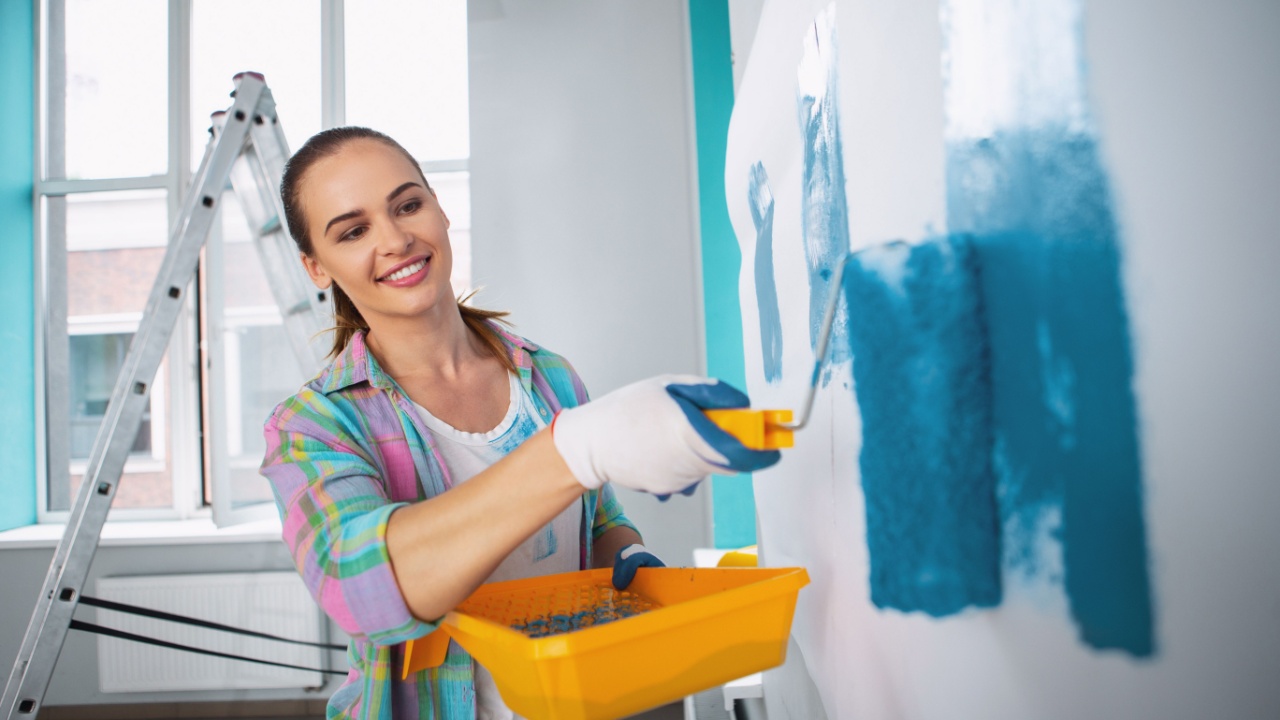
Small imperfections like chipped paint, scuffed corners, or dusty baseboards stand out faster than you think. Even if the rest of your décor looks beautiful, visible wear can quietly make the whole space feel less cared for. People often notice flaws before they notice design details, especially in a small area like an entryway, where everything is close up.
Make it a habit to touch up paint once a year and wipe down walls and trim regularly. Fixing minor damage early prevents it from turning into bigger, more expensive problems later. A smooth, clean finish instantly signals that the home is well-maintained and thoughtfully cared for.
12. Too Many Personal Items on Display
Personal touches absolutely make a home feel warm and lived in, but too much on display can quickly become overwhelming. When guests walk in and immediately see stacks of mail, unpaid bills, or detailed family schedules, it can feel unintentionally intrusive. Instead of cozy, the space may start to feel overly exposed and cluttered.
Guests don’t need to know your grocery list or overdue bills the second they walk in. Keep meaningful décor minimal and store sensitive items out of sight. Choose one or two personal elements that reflect personality without oversharing. Subtlety makes the space feel inviting rather than exposed.
First Impressions Start at the Door
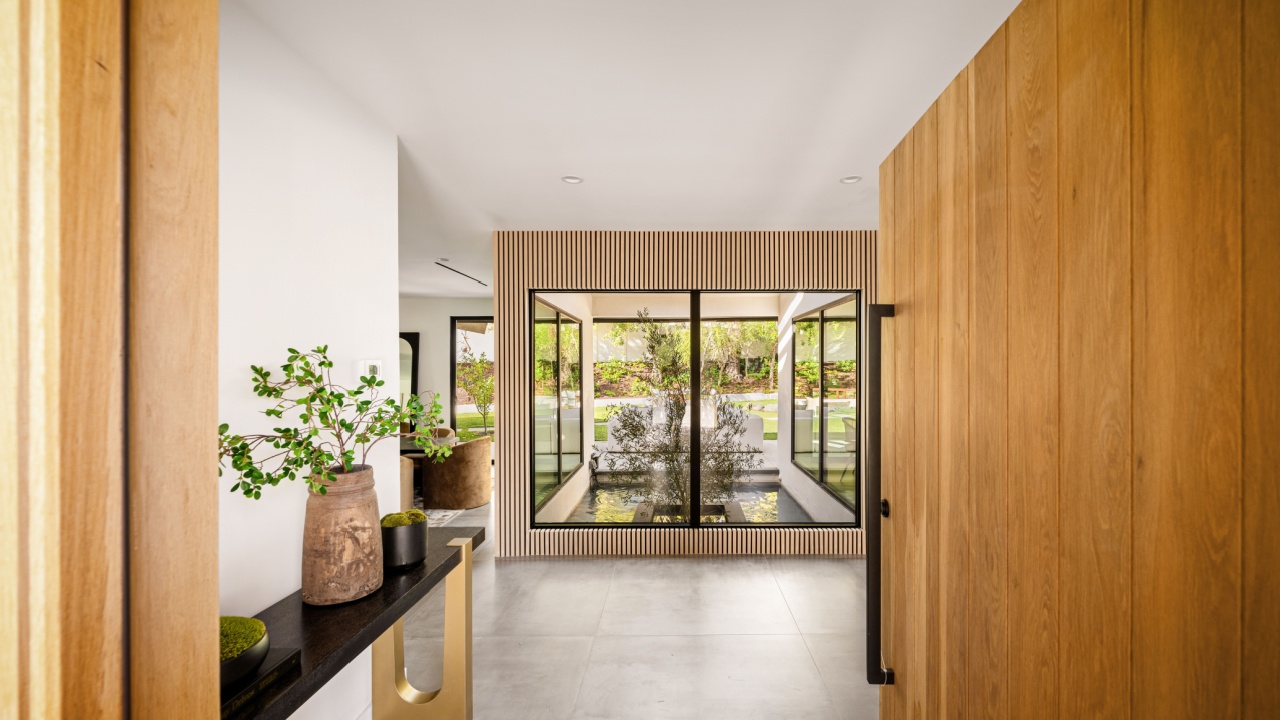
Your entryway just needs to feel intentional. Guests aren’t looking for perfection; they’re picking up on the little cues that tell them whether your home is cared for and welcoming. A fresh bulb, a clutter-free console, or a polished doorknob may seem minor, but together they create an atmosphere that feels calm and inviting.
When your entryway feels organized and warm, people stop judging and start relaxing, exactly the kind of first impression you want your home to make.