
12 Classic Deodorants Pulled From Shelves Due to Toxic Ingredients
Swiping on daily odor protection feels like a harmless morning habit. People trust the products lining pharmacy aisles to keep sweat at bay and clothes smelling fresh. However, history reveals that some of the most popular personal care items harbored hidden dangers.
Regulatory agencies and researchers are always checking if cosmetics are safe. Over the years, studies have found that some ingredients in everyday products can cause anything from skin irritation and environmental harm to serious health problems. When consumer safety groups or government health agencies find something dangerous, it often leads to big recalls or quiet changes to the product’s formula.
Below is a look at twelve well-known deodorants that faced the chopping block due to harmful formulas. The list covers everything from early aerosol propellants to modern benzene contamination, alongside tips for finding safer alternatives today.
1. Ban Roll-On Original Formula
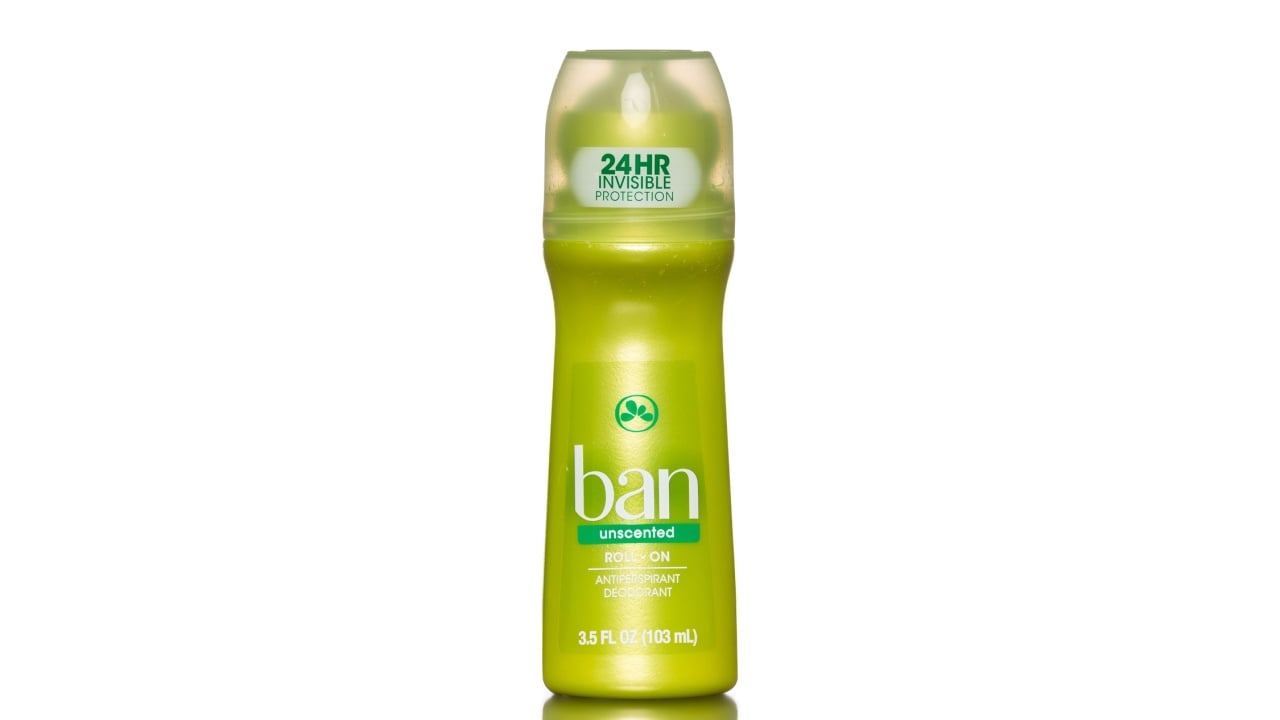
Way before people started worrying about aluminum in their deodorant, another ingredient was causing a stir. The original Ban Roll-On used a powerful germ-fighter called hexachlorophene. But in the early 1970s, studies found it could seep through the skin and potentially harm the nervous system. Once stricter rules were put in place, Ban had to change its formula, and the original version was pulled from shelves for good.
Today’s roll-ons are much safer. If you like using a liquid deodorant, just check the label to make sure it doesn’t have any harsh antibacterial agents. A better bet is to switch to products that use natural odor-fighters like baking soda or magnesium. You’ll get all the freshness without the risks of old-school chemicals.
2. Right Guard Aerosol Early Propellant Formulas
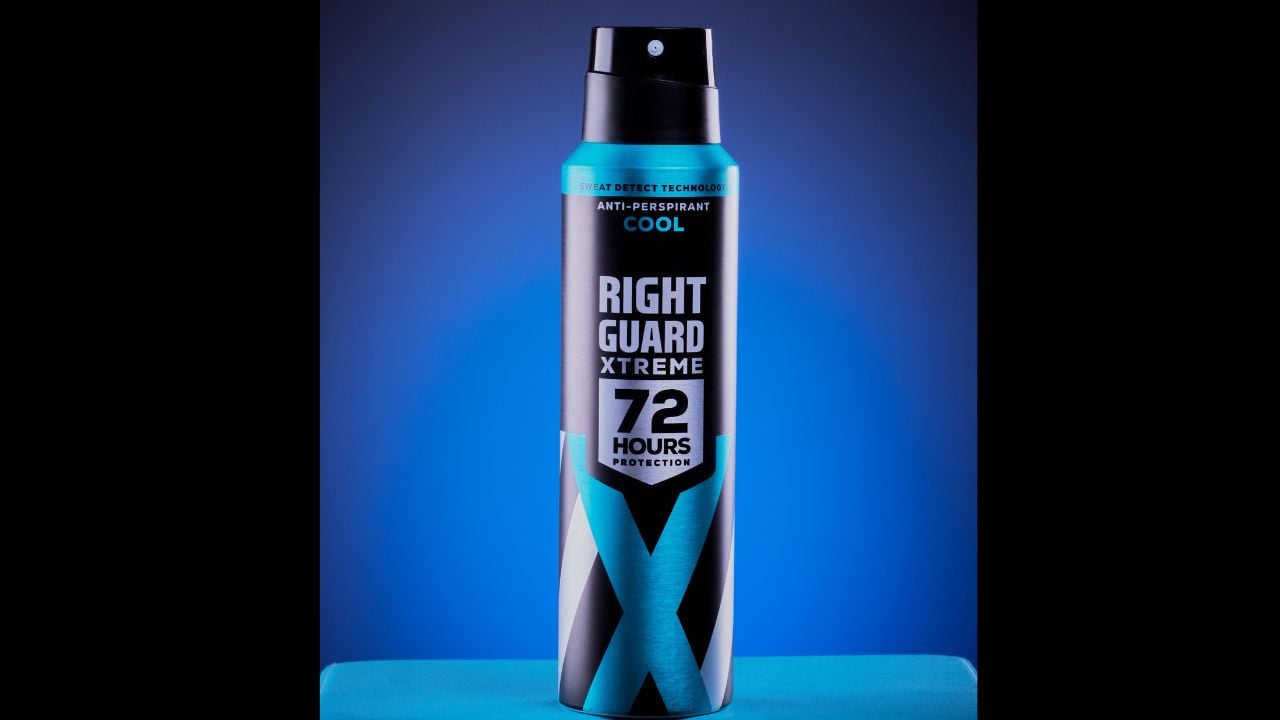
In its heyday, Right Guard Aerosol was a staple in many bathrooms. Early versions relied on chlorofluorocarbons as propellants. These compounds were harmful to the ozone layer and were later linked to respiratory irritation in enclosed spaces. When environmental regulations banned chlorofluorocarbons, these original formulations vanished.
Aerosol fans can still enjoy spray formats safely today. Modern sprays use safer propellant blends that comply with environmental and health standards. When selecting a spray, spraying in a well-ventilated area reduces any chance of mild respiratory irritation.
3. Avon Timeless Deodorant Stick

Avon’s Timeless scented stick used to be a big deal. The original formula had triclosan, an antibacterial agent that was later flagged for messing with hormones and harming the environment. Once triclosan started getting banned in personal care products, Avon had to ditch the old formula and switch to safer stuff.
It’s way easier to avoid triclosan now, thanks to health regulations. If you’re looking for a scented stick, check the label for natural fragrances from essential oils and plant-based antibacterial ingredients like tea tree oil.
4. Tussy Deodorant Original Cream Formula
Tussy cream was a mid-century fave, known for its flowery scent and smooth feel. But get this: early versions used mercury-based preservatives. This was pretty common back then, before everyone knew how dangerous mercury really was. Once the rules changed and mercury was banned from cosmetics, Tussy had to ditch that formula.
Thankfully, putting heavy metals on your underarms is a thing of the past. Cream deodorants are still around and are great for dry skin, but now they use safe stuff like tocopherol (a type of vitamin E) or natural clays. If you’re trying a cream deodorant, just use a little bit on clean skin to keep your pores from getting clogged.
5. Arrid Extra Dry Old Aluminum Compound Formula
While Arrid remains a recognizable brand, older aluminum compound formulas were phased out due to irritation concerns and changing safety standards. Early versions used aluminum compounds considered harsher than modern alternatives, causing severe skin sensitivity. This prompted the company to discontinue specific stick and spray varieties.
For those with sensitive skin, finding the right sweat protection requires a bit of trial and error. Dermatologists often recommend looking for aluminum-free options if traditional antiperspirants cause redness or itching. Arrowroot powder and cornstarch serve as excellent natural moisture absorbers in contemporary formulations.
6. Mennen Spray Deodorant Early Aerosol Blend
Before being bought out by a bigger company, Mennen had an aerosol spray that was a big hit with Baby Boomers. The problem was that these early sprays used volatile organic solvents, which turned out to be flammable and not so great to breathe in. As safety regulations got stricter in the late ’70s and early ’80s, Mennen phased out the original formula.
Nowadays, safety standards for personal care products are way higher. When you grab an aerosol deodorant today, you can be sure that those volatile, super-flammable solvents are tightly controlled. Still, it’s always a good idea to keep any pressurized can away from heat.
7. Lifebuoy Deodorant Phenol-Based Formula
Lifebuoy is best known for soap, but the company once produced a line containing phenol-based antibacterial agents. Phenols are effective antimicrobials, but they can cause chemical burns and systemic toxicity with repeated exposure. Once better safety data emerged, Lifebuoy discontinued these phenol-containing products entirely.
Skin health heavily depends on avoiding harsh synthetic chemicals. Switching to products containing prebiotics or probiotics helps maintain a healthy balance of underarm bacteria naturally. This modern approach neutralizes odor without resorting to aggressive chemicals that strip the skin barrier.
8. Old Spice Below Deck Aerosol
In 2021, independent testing laboratories found elevated levels of benzene in several aerosol products. Benzene is a known human carcinogen linked to blood disorders like leukemia. Old Spice voluntarily recalled specific lots of its Below Deck aerosol sprays after discovering this contamination.
Contamination issues usually stem from the propellant manufacturing process rather than the core ingredients. Consumers who prefer Old Spice can safely use their solid stick varieties, which do not carry the same contamination risks. Checking the FDA recall lists periodically helps shoppers stay informed on recent safety alerts.
9. Secret Aerosol Powder Fresh
During the same 2021 benzene investigation, certain lots of Secret aerosol sprays were also found to contain the dangerous chemical. The manufacturer issued a widespread recall for specific aerosol products to protect consumers from potential long-term health impacts.
Stick and gel formats offer a completely safe alternative to aerosols for Secret fans. Applying a gel formula right after showering locks in freshness and dries quickly without the need for aerosol propellants. Switching to solid formats eliminates the risk of propellant-based contamination.
10. Suave 24-Hour Protection Aerosol
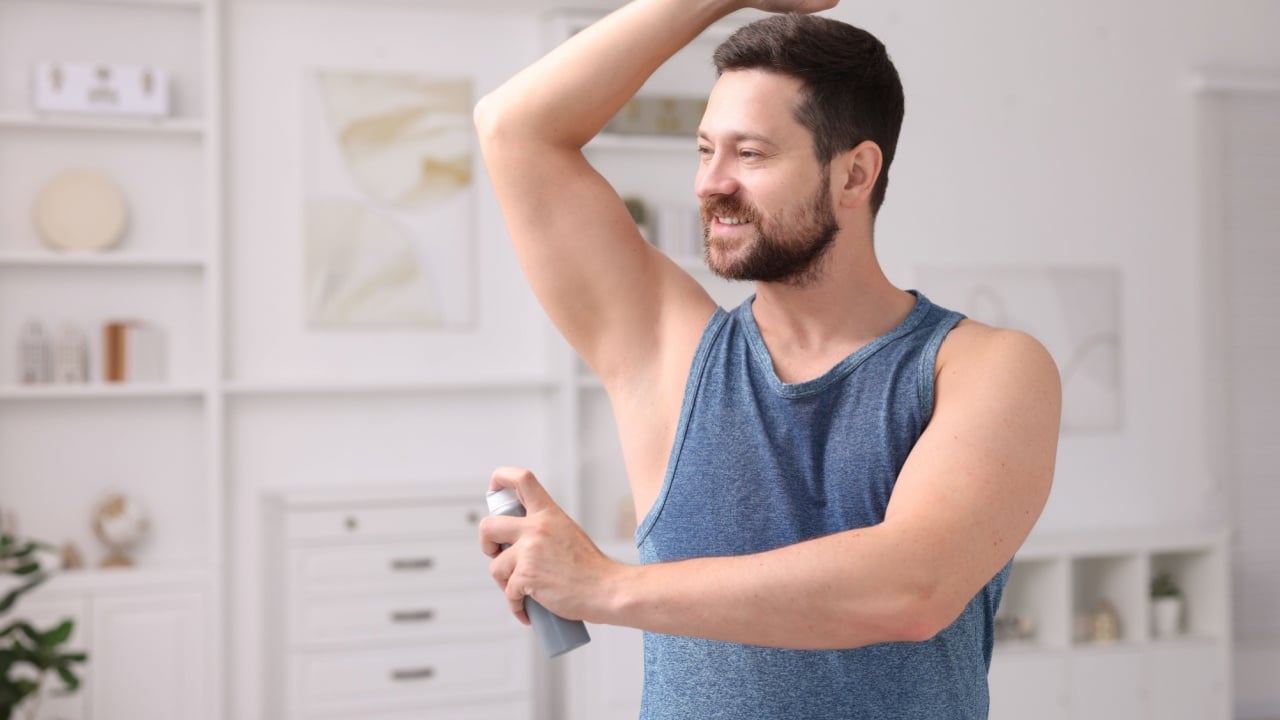
Suave also faced recalls in 2021 due to the presence of benzene in its 24-Hour Protection aerosol products. The unexpected contamination led to the immediate removal of affected batches from store shelves nationwide.
Affordable odor protection does not require compromising health. Suave continues to produce safe, solid sticks and roll-ons that meet stringent safety guidelines. Reading product updates from parent companies provides peace of mind when repurchasing familiar household names.
11. Brut Classic Aerosol
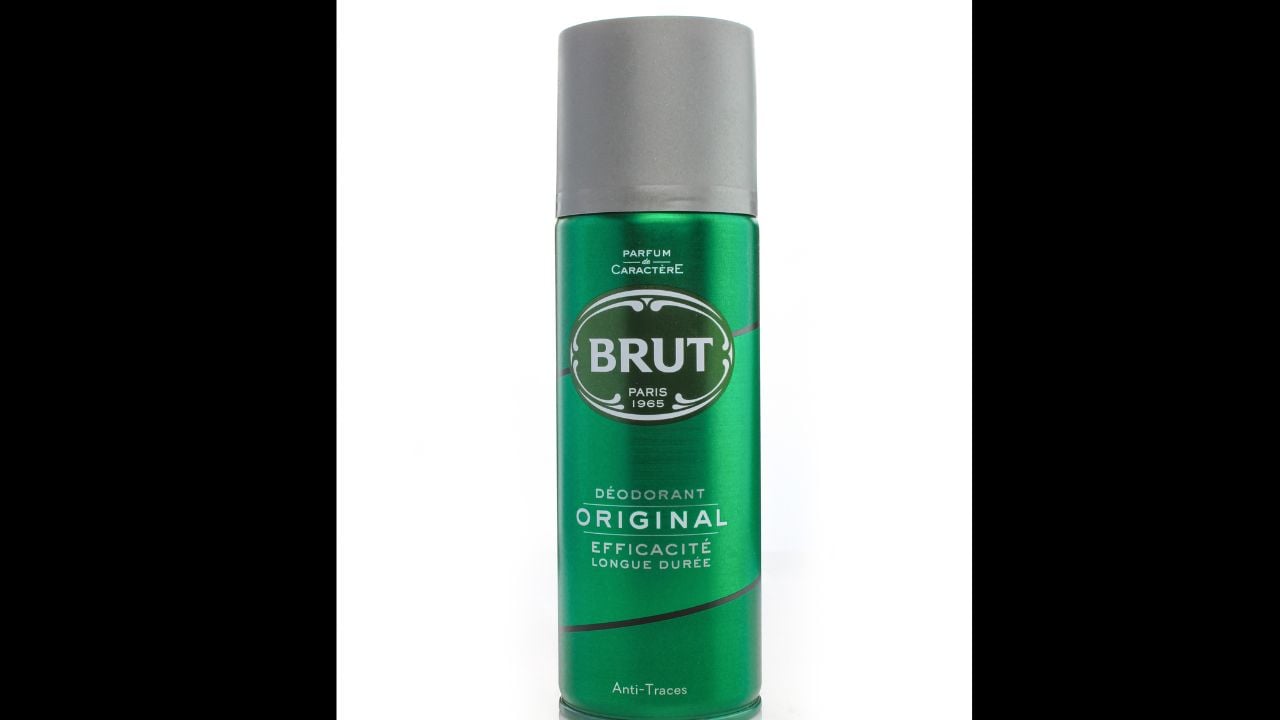
In early 2022, another wave of testing revealed benzene in several classic grooming sprays. Brut Classic Aerosol was recalled after testing showed unacceptable levels of the carcinogen (Benzene). The brand swiftly pulled the affected batches to prevent further consumer exposure.
Fans of the classic Brut scent can still find safe options in their solid stick line. Layering a solid deodorant with a safe, non-aerosol cologne spray offers the same fragrance profile without the health hazards. Opting for pump sprays instead of pressurized cans is a great way to avoid propellant-related risks.
12. Sure Regular Aerosol
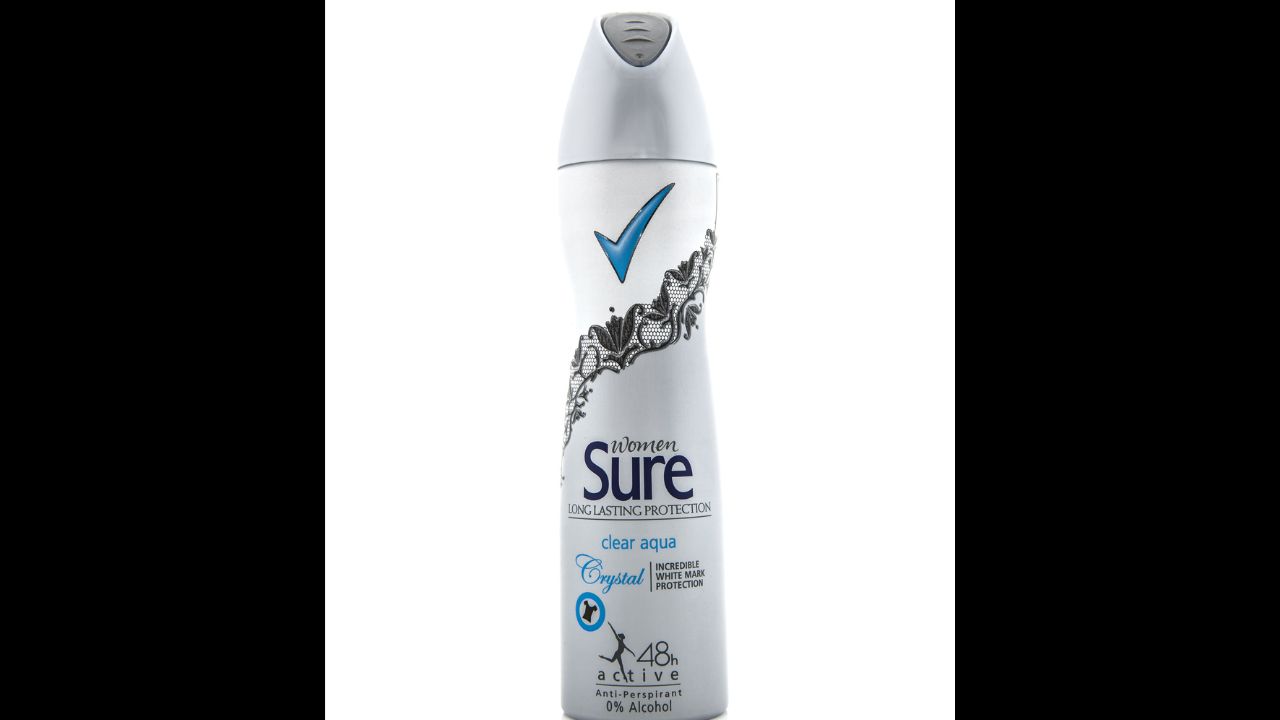
Sure Regular Aerosol was included in the 2022 recalls alongside Brut. The detection of benzene in the pressurized cans forced an immediate halt in sales for the specific lots involved.
Finding reliable wetness protection without the spray format is simple. Clinical strength soft solids and gels provide maximum sweat defense and are applied directly to the skin. Transitioning from a spray to a clinical solid often results in better all-day coverage and complete avoidance of airborne contaminants.
Safe Sprays and Smart Swaps

Navigating the personal care aisle requires a little bit of awareness and ingredient knowledge. Checking labels for recognized safe ingredients provides lasting peace of mind and body confidence.
Take a moment to review the items sitting on your bathroom counter and swap out any outdated aerosol cans for modern, skin-loving alternatives today.
Read More: