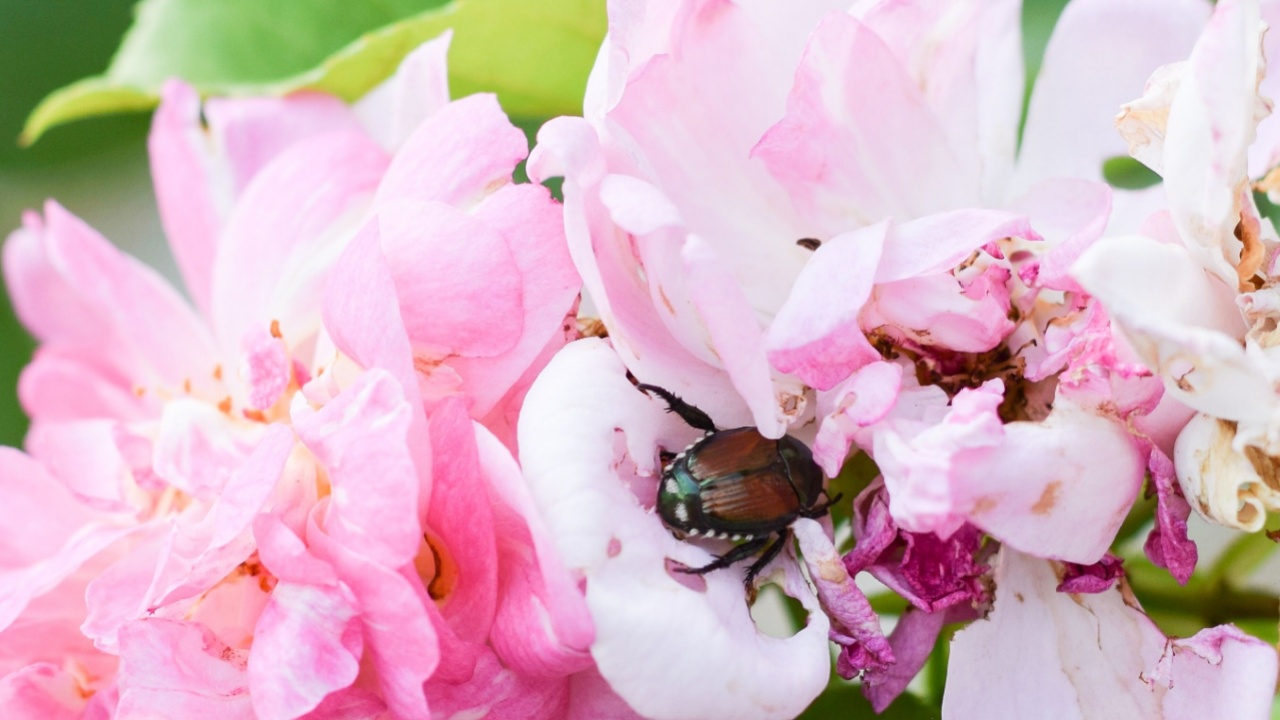
10 Plants That Make Japanese Beetles Worse, Including One Most Gardeners Think Repels Them
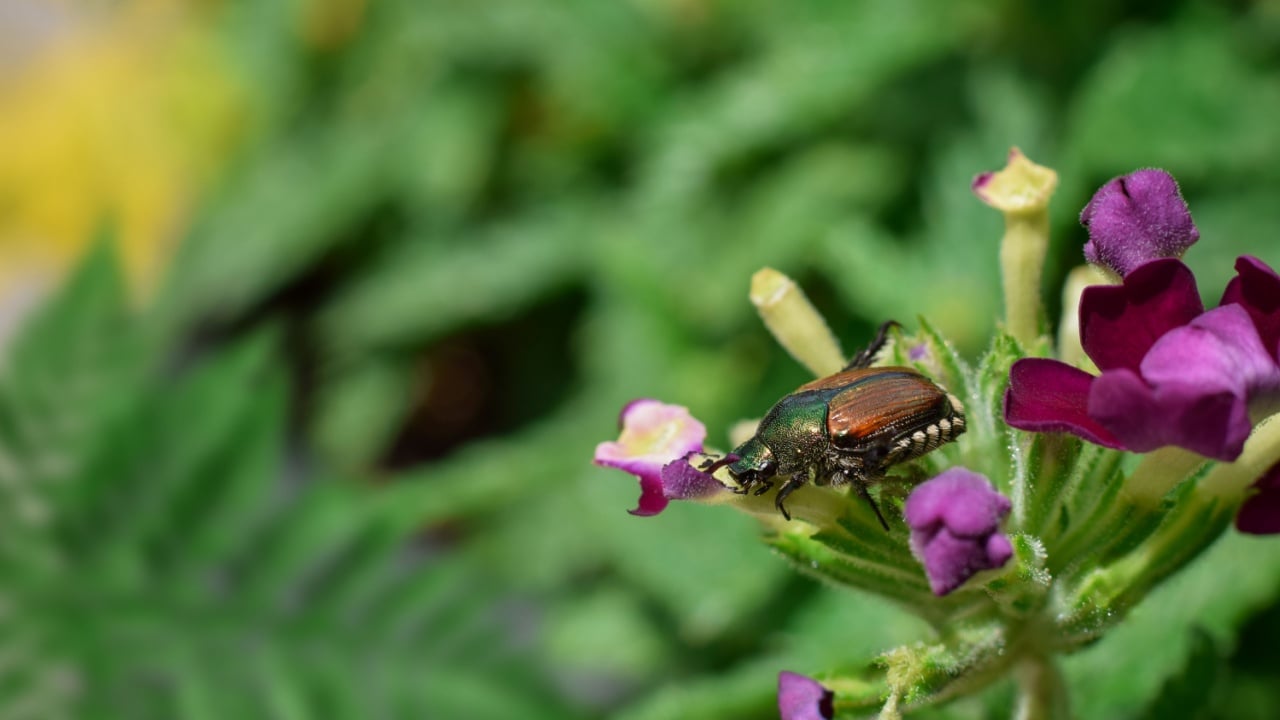
The arrival of Japanese beetles, those iridescent green-and-copper invaders that descend on yards every summer like an uninvited swarm, is not random.
Japanese beetles are methodical. They locate their targets by scent, by color, and by the chemical signals released from their favorite plants, and if you’re growing any of the ten plants below, your yard is essentially broadcasting a dinner invitation to every beetle within flying distance.
The problem compounds fast. According to University of Minnesota Extension, once a plant is bitten, it releases feeding-induced odors that draw in more beetles, a cascade effect that can turn a handful of insects into a full-scale infestation within days. A beetle that arrives at your roses doesn’t just eat; it signals the rest of the neighborhood. And because adult Japanese beetles can fly several miles to reach a food source, the reach of your attractant plants extends well beyond your property line.
Japanese beetles cost American homeowners real money. The USDA estimates that controlling these pests and repairing their damage runs more than $460 million per year across the country. Lawn grub damage alone accounts for $234 million annually, as larvae silently eat grass roots underground while the adults strip the plants above. By the time most gardeners notice the damage, the infestation is already well underway.
Why Japanese Beetles Are Drawn to Certain Plants
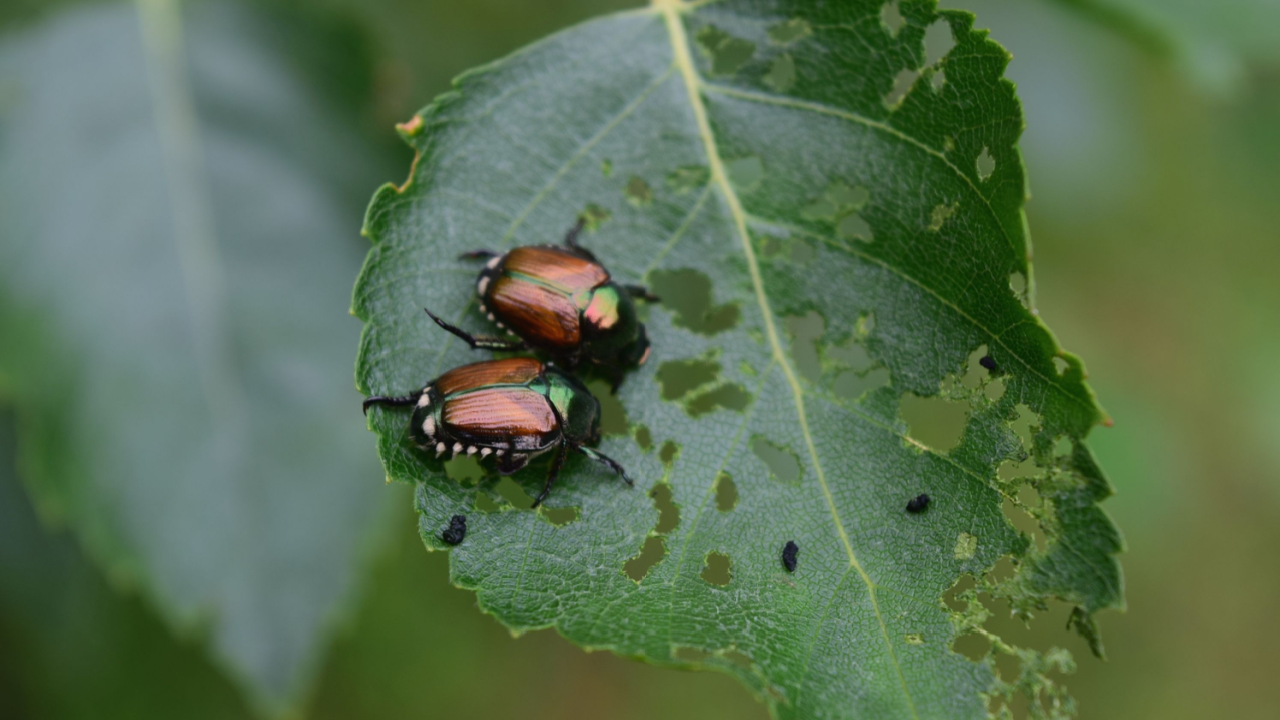
Japanese beetles are not indiscriminate feeders. They are wired to seek out specific plant traits: sweet or fruity fragrance, soft leaf texture, and flowers in white, yellow, and pink hues, according to the University of Minnesota Extension. Plants that hit all three signals become prime targets. Once beetles find a suitable host, they also release sex pheromones that recruit additional beetles to the same plant, which is why a lightly infested rose bush on Monday can be stripped bare by Friday.
Missouri Department of Conservation notes that when a plant is found to be palatable after a test bite, the beetle stays and feeds, while the damage itself causes the plant to emit intensified floral scents, attracting even more beetles. The result is a self-reinforcing cycle that starts with the wrong plants and ends with skeletonized foliage that looks like brown lace. Understanding what your yard is signaling is the first line of defense.
If you have been battling beetles year after year without relief, the most important question to ask is not what spray to reach for, it’s what you’re growing. Here are the ten plants most likely to be drawing Japanese beetles into your yard, starting with the ones that inflict the most damage.
1. Roses
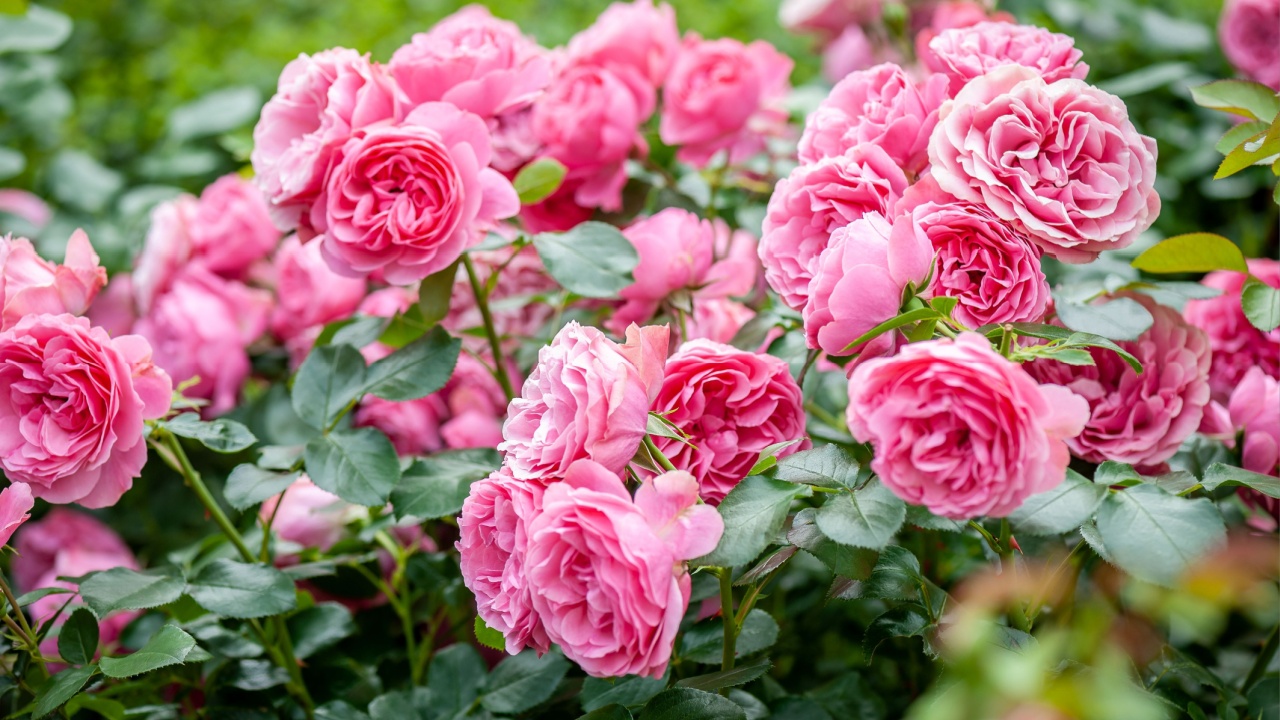
Roses top every credible list of Japanese beetle attractants. Their fragrance, soft petals, and open bloom structure are exactly what beetles are wired to seek.
According to pest control expert Ed Dolshun, cited by Homes & Gardens, when roses bloom, the scent draws beetles in reliably and at scale. Beetles skeletonize the foliage and consume flowers entirely, often leaving nothing behind. If you are in a beetle-heavy region, unprotected roses will suffer every summer without exception.
2. American Linden Tree

The American linden may be the single most beetle-attractive tree in the home landscape.
Michigan State University Extension notes that when beetle populations are high, susceptible hosts like lindens can be completely defoliated. It is not uncommon to see dozens of adult beetles feeding on a single linden simultaneously.
Gardeners who have removed linden trees report significant reductions in overall beetle pressure on surrounding plants. If your linden is large and established, it may be the reason your entire yard suffers every June.
3. Grapevines
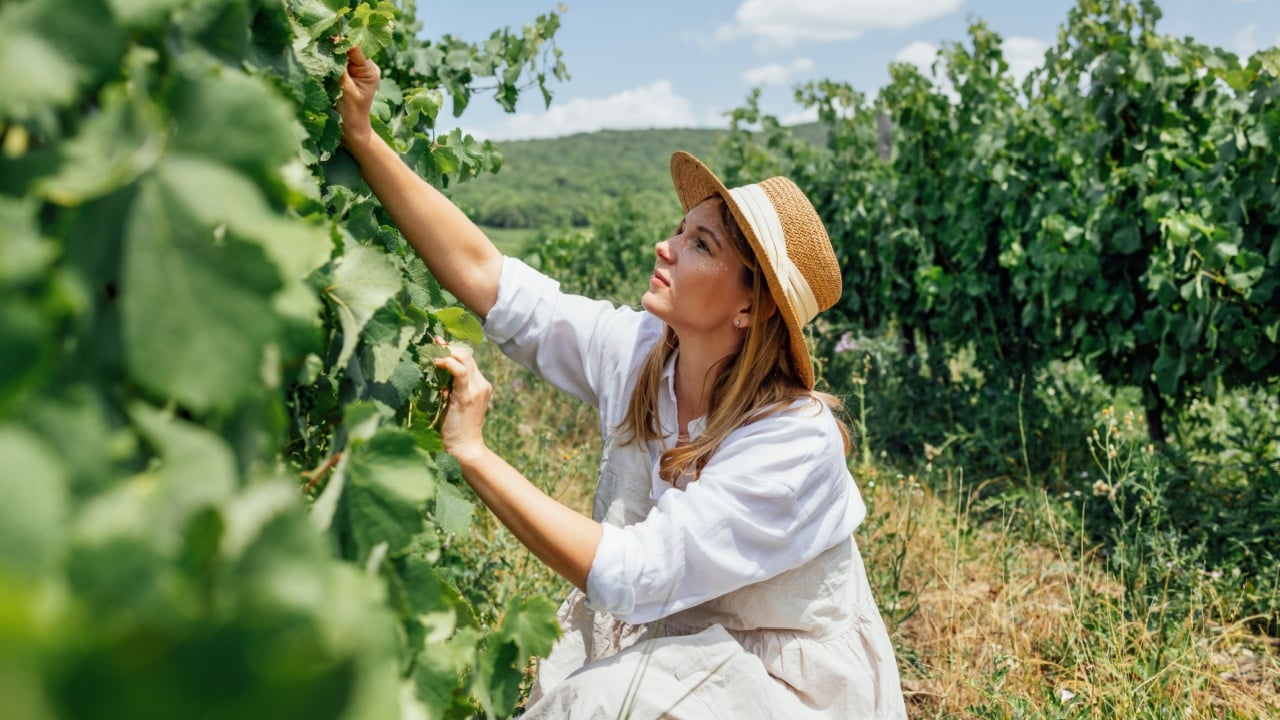
Grapevines offer beetles almost everything they want: large, soft leaves perfect for skeletonizing and sweet, fragrant fruit. The USDA lists grapevines among the plants most often damaged, and real-world gardeners confirm that beetle damage can devastate a harvest within a single season.
The vine structure also makes it easy for beetles to cluster and feed in groups. If you grow grapes, beetles are a near-certain summer visitor.
4. Japanese Maple
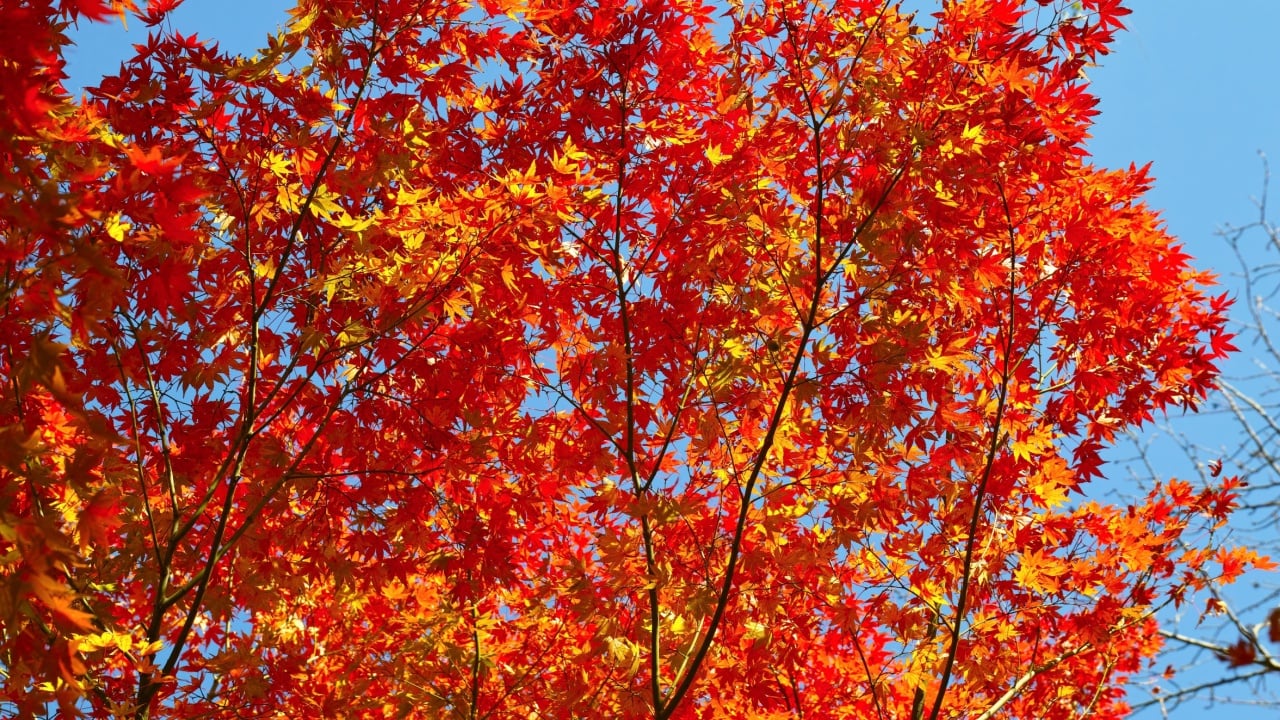
The name is ironic, and the damage is real.
Japanese maples are consistently identified by the USDA as among the most preferred ornamental trees for Japanese beetles. Their delicate, deeply lobed leaves are particularly vulnerable to the skeletonizing feeding pattern that beetles favor. A mature Japanese maple can lose a significant portion of its canopy in a single summer season when beetles are active.
5. Hibiscus
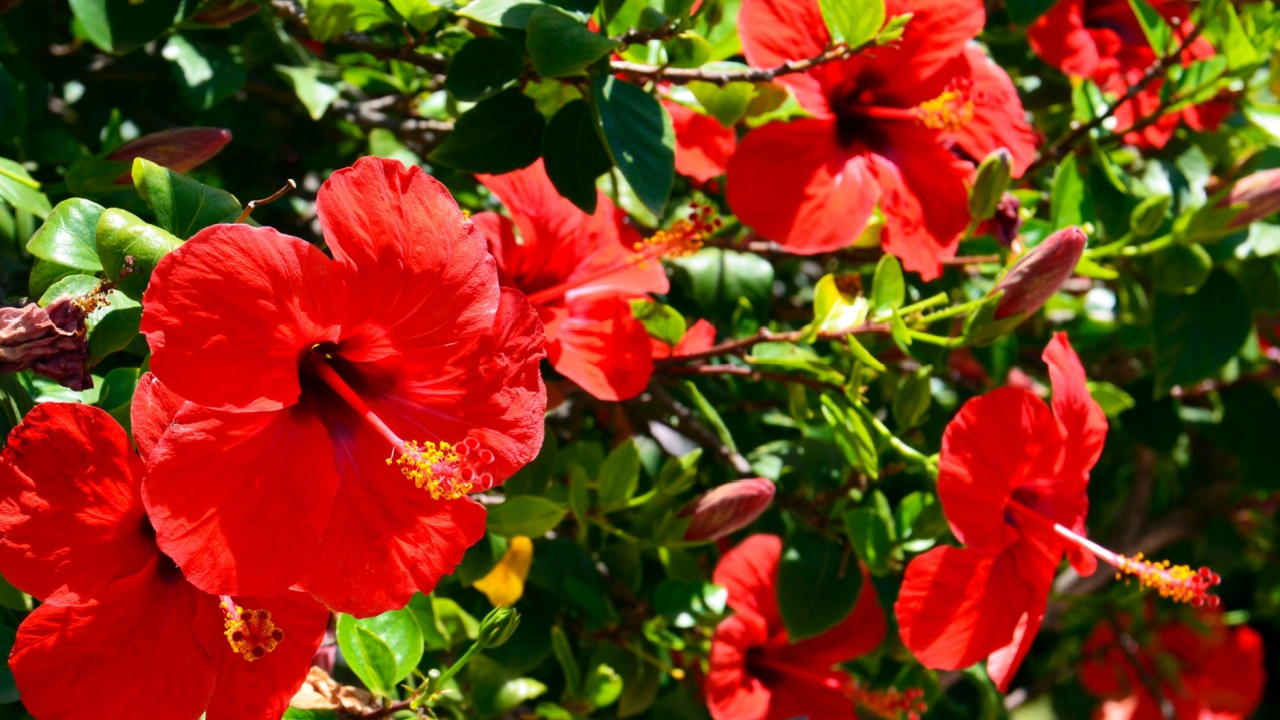
Hibiscus plants are a reliable beetle target, with their large, trumpet-shaped flowers in red and pink tones hitting multiple beetle attractant signals at once.
GardenTech notes that hibiscus ranks among the ornamentals preferred by Japanese beetles, and experienced gardeners confirm that beetles will wreck hibiscus blooms fast. The soft petals make for easy feeding, and the plant’s bright color draws beetles visually even from a distance.
6. Hollyhocks
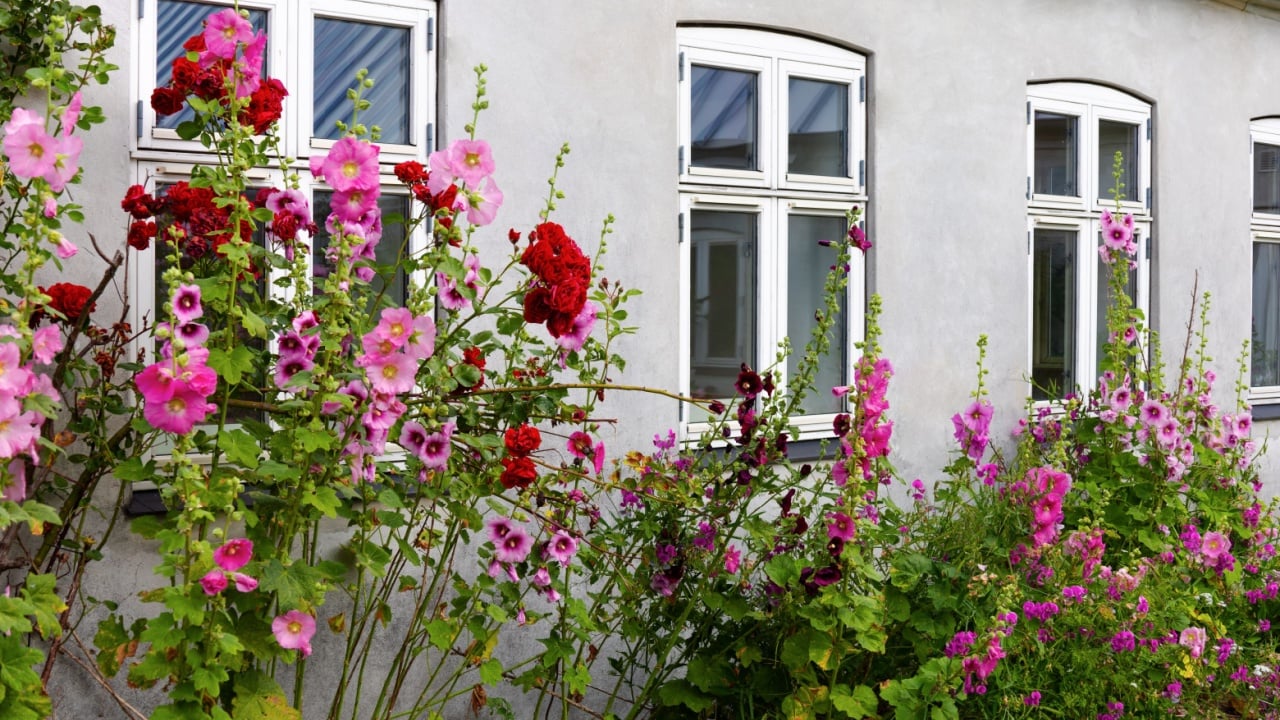
According to pest control expert Morgan Wilson, Ph.D., of Fox Pest Control in Homes & Gardens, hollyhock flowers produce a sweet-smelling fragrance that is highly attractive to Japanese beetles, and their bright petal colors serve as a visual beacon. The tall stalks hold clusters of blooms that allow beetles to move from flower to flower without traveling far.
Hollyhocks were a staple of grandmother’s cottage garden, but in today’s beetle-heavy landscape, they require a solid management plan to survive summer intact.
7. Raspberry Bushes
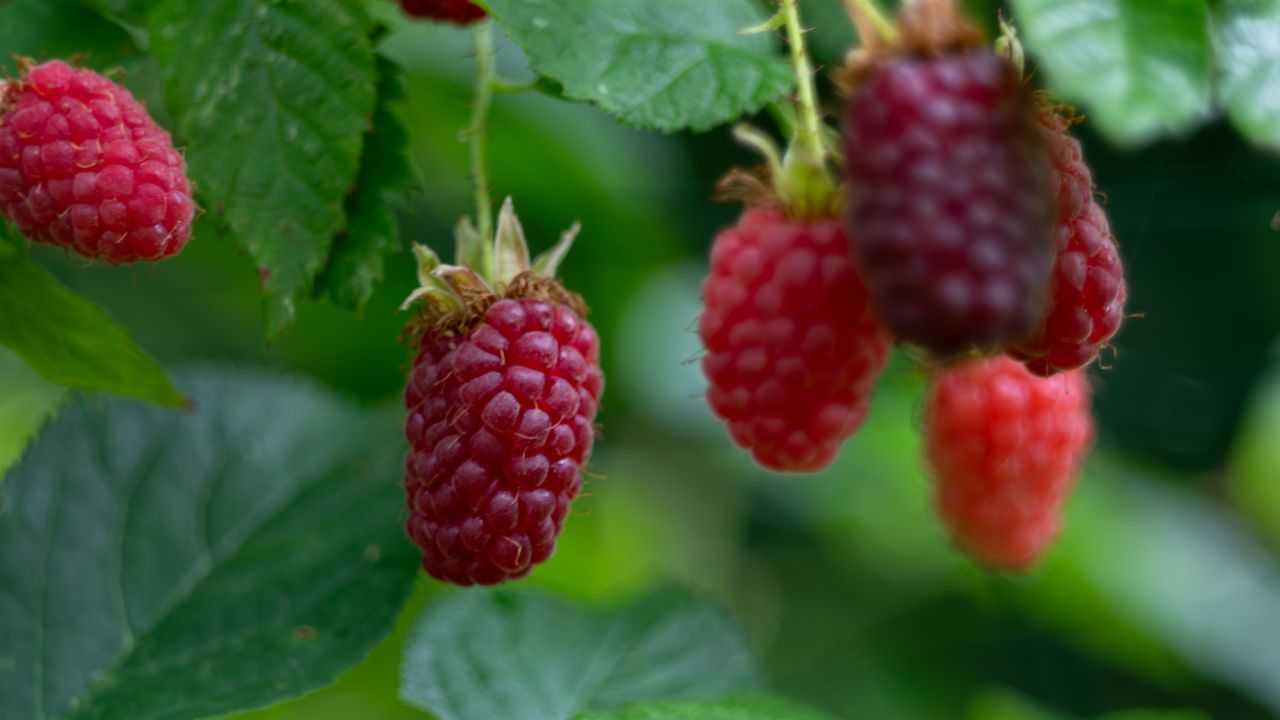
Raspberries are a dual-threat beetle target: the leaves are soft and easy to skeletonize, and the ripe fruit is a direct feeding reward.
The Old Farmer’s Almanac, drawing on USDA data, lists raspberry among the most damaged fruiting plants. Healthy, established raspberry canes may outpace some beetle pressure, but young or stressed plants face a serious risk of defoliation before the harvest season even begins.
8. Crape Myrtle
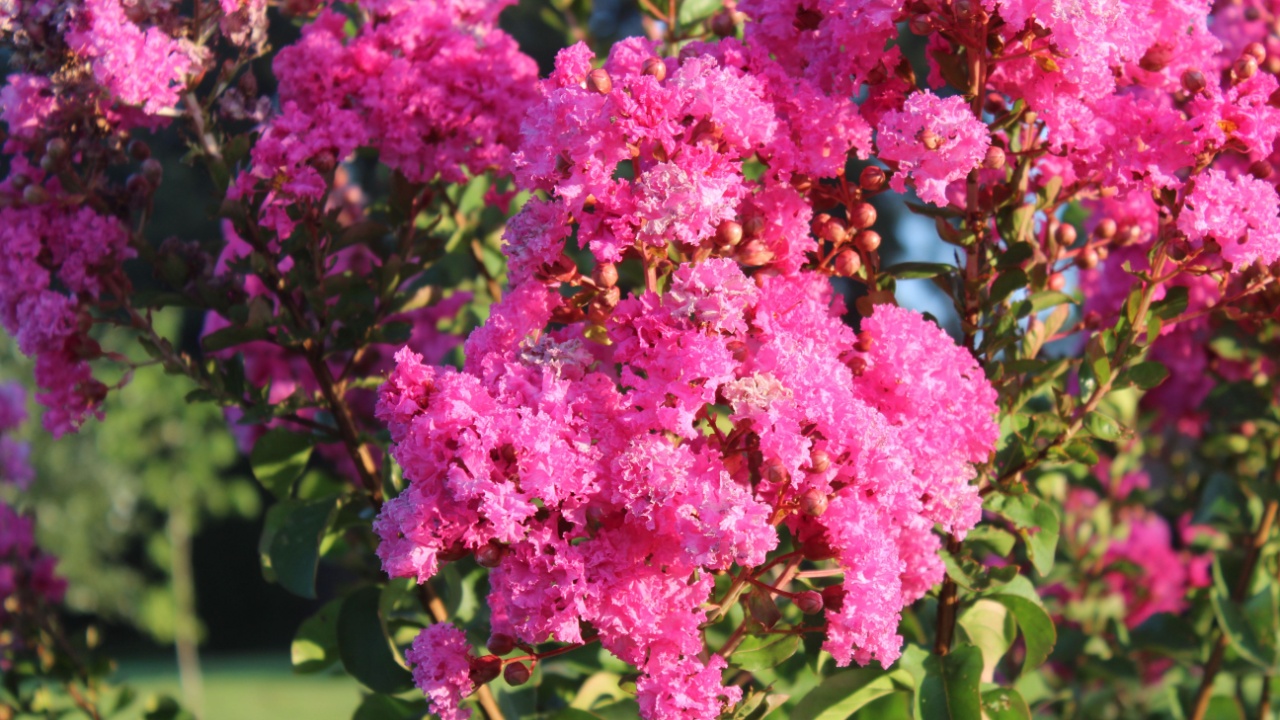
Crape myrtle is beloved for its summer blooms, but it is also one of the ornamental trees most frequently cited as a beetle attractant. Its thin leaves, fragrant flowers, and extended bloom period coincide almost perfectly with beetle season, giving insects weeks of feeding opportunity.
GardenTech includes crape myrtle on its list of plants to avoid in beetle-prone areas.
9. Apple and Stone Fruit Trees
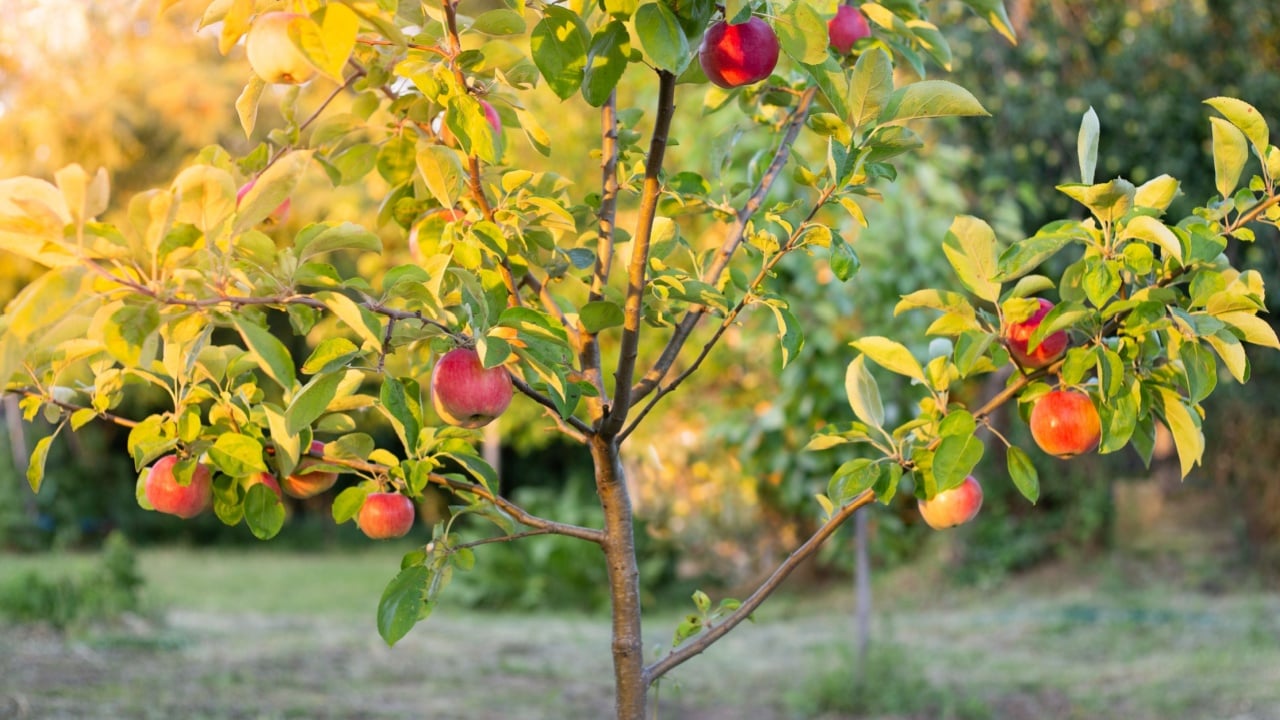
Apple, cherry, peach, plum, and apricot trees are high on the USDA’s list of most-damaged plants, and the damage is twofold: beetles skeletonize the leaves and consume developing fruit.
For any gardener maintaining a small home orchard, Japanese beetles can undermine an entire growing season’s work in a matter of weeks. Stone fruit trees in full sun are especially vulnerable during July and August.
10. Marigolds
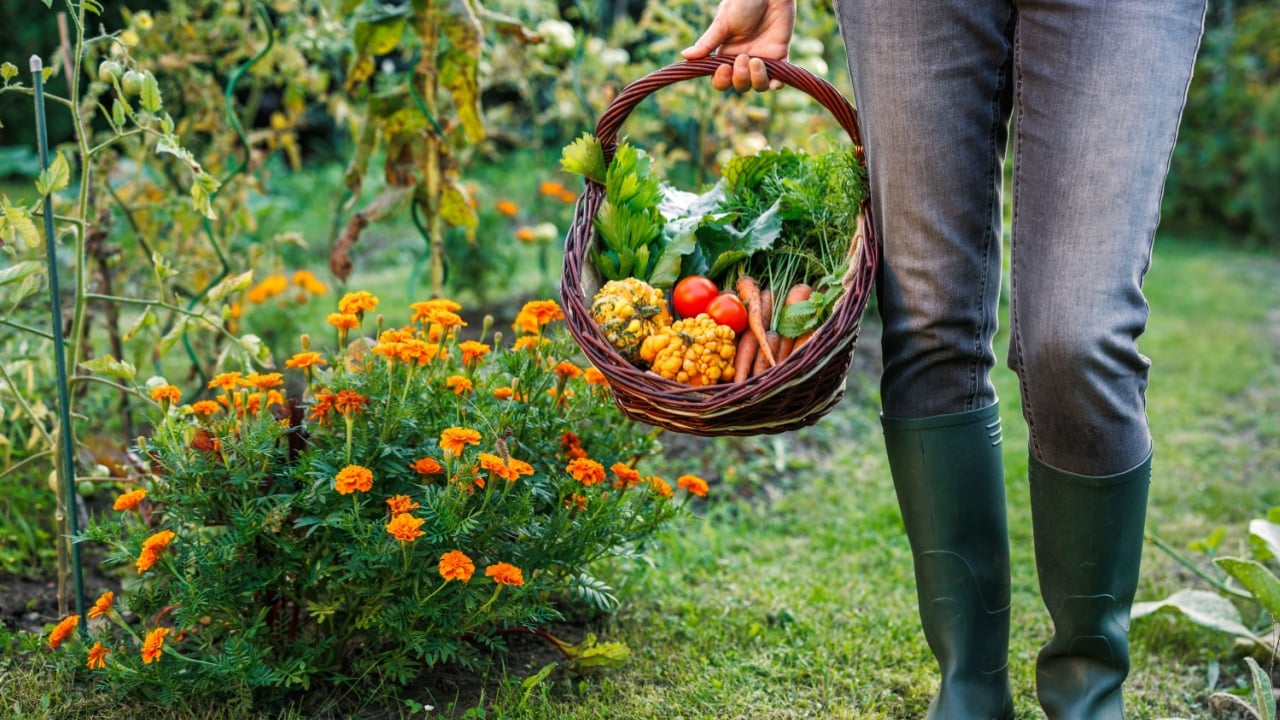
Here is the entry most gardeners will not expect.
Marigolds have a well-earned reputation as a general garden pest deterrent, but the University of Minnesota Extension lists them as a preferred Japanese beetle food plant. If you have been planting marigolds to protect your garden, and beetles keep showing up anyway, this may be why.
The bright yellow and orange blooms that repel aphids and nematodes are, to a Japanese beetle, an appealing meal.
One Thing You Should Never Do When Beetles Arrive
Skip the beetle traps.
This is the insider knowledge most first-time beetle battlers learn the hard way: Japanese beetle traps, which use both a floral lure and a sex pheromone to draw beetles in, work almost too well. Multiple experienced gardeners and university extension sources caution that these traps often attract far more beetles than they catch, effectively turning your yard into a gathering point for beetles from a wide surrounding area. One gardener documented going from a few hundred beetles per day to thousands after placing traps near their garden.
If you do use traps, extension sources recommend positioning them well away from any plants you want to protect, ideally at the far edge of your property and downwind from your garden beds. Better yet, redirect that effort toward planting resistant species and eliminating the attractant plants from this list. Knowing which plants invite beetles in is the most powerful step a gardener can take, and it does not require a single spray.
Read more:
Why wildlife experts are telling people to take down their bird feeders
Plant these 10 companion plants with your tomatoes — and stop planting these 4