
You’re Loving Your Roses to Death — Here’s How to Fix It Before Spring Is Gone
Most roses don’t die from neglect. They die from too much love applied in all the wrong places: overwatering, over-fertilizing, over-spraying, all done with the best intentions at the worst possible time. If your roses have ever limped through summer, refused to rebloom, or quietly surrendered by August, one of these ten mistakes is almost certainly why. The good news is that every single one of them is fixable, often within a single growing season.
March is the critical window. What you do right now, before the season fully opens, sets the stage for everything that follows.
1. You’re Planting the Wrong Rose in the Wrong Place

This is the original sin of rose growing, and it happens because a gorgeous photo is more persuasive than a plant tag. Before you buy anything, match the rose to your climate and your specific site.
Roses need a minimum of six hours of direct sunlight per day, with morning sun being especially valuable because it dries moisture off leaves before fungal diseases can take hold. Avoid windy, exposed spots, and never plant roses in the shadow of large trees or dense evergreen shrubs; the rose will always lose that competition for light, water, and nutrients. As expert gardener Danielle Sherwood writes on Epic Gardening, choosing the right rose for your climate “is the foundation of your future rose gardening success.”
Beyond location, variety matters enormously. Hybrid teas, the tall, elegant varieties you see in florists’ coolers, are some of the most demanding roses to grow. If you’re new to roses, start with disease-resistant shrub roses, floribundas, or ground cover varieties; they bloom prolifically and forgive far more.
2. You’re Watering the Leaves Instead of the Roots

Wet foliage is a disease incubator. Black spot, powdery mildew, and other fungal infections all thrive when leaves stay damp. Alex Kantor, president of Perfect Plants Nursery, advises Homes & Gardens readers to direct water as close to the base of the plant as possible, noting that powdery mildew, a rose’s most common disease, is caused by overwatering the leaves and flowers.
A soaker hose buried under a few inches of mulch is the gold standard. If you’re hand-watering, aim at the soil, not the plant. And resist the reflex to water more when your roses wilt on a hot afternoon. That temporary droop is usually a turgor response to peak heat, not a sign of drought. Water deeply and infrequently: one thorough soaking per week is the baseline for most established roses in moderate conditions.
3. You’re Fertilizing Too Much (or at the Wrong Time)

More fertilizer does not mean more blooms. This is one of the most counterintuitive truths in rose growing. Excess nitrogen produces lush, leafy growth at the direct expense of flowers, and it increases a plant’s vulnerability to pests. What makes this mistake so persistent is that gardeners who see yellowing leaves reach for fertilizer, apply more than needed, watch the plant get worse, and apply even more.
Yellow leaves are more often a symptom of disease or pest damage than a nutrient deficiency. Diagnose before you feed. When you do fertilize, do it every two to four weeks throughout the active growing season, then stop completely in late summer. As Jackson & Perkins notes, adding too much synthetic fertilizer “can kill natural soil bacteria and lead to salt burn.” Fertilizing in August or September stimulates tender new growth that cannot harden before frost, setting the plant up for serious winter damage.
4. You’re Pruning at the Wrong Time — or Not at All
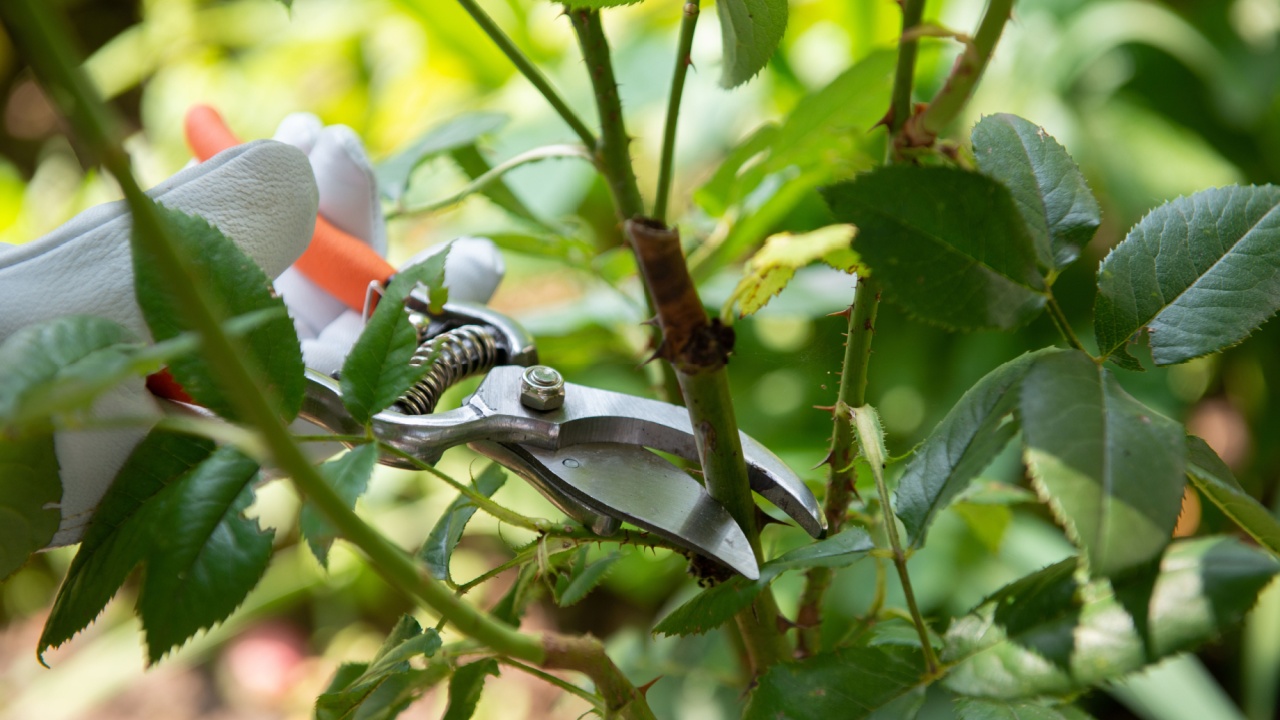
The biggest pruning mistake isn’t cutting too much or too little. It’s pruning too late. Once a rose breaks dormancy and begins allocating carbohydrates to new shoots, pruning disrupts that process and delays flowering by weeks. Dormant pruning, done three to four weeks before your last expected frost, is what triggers the strongest flush of new basal canes. Philip Crowther of Prestige Flowers notes in Homes & Gardens that both over- and under-pruning can hinder the health and growth of roses, and that proper technique, including pruning at the right time, is essential for encouraging flowering.
Use bypass pruners, never anvil types, and sterilize blades with isopropyl alcohol between plants. Rose rosette disease and fungal cankers travel on contaminated cutting tools, and the damage spreads from plant to plant silently. If you have a grafted rose, watch for canes growing from below the graft union; these rootstock suckers produce inferior flowers and steal energy from the rest of the plant.
5. You’re Not Deadheading
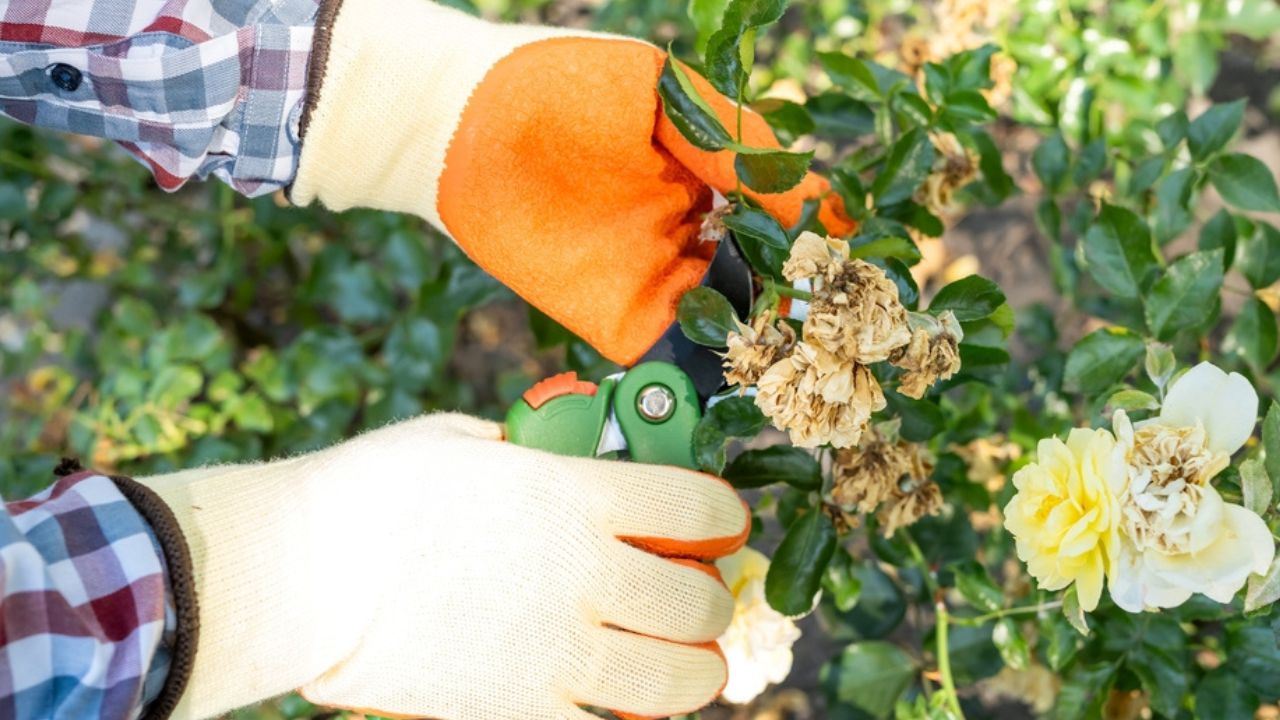
A rose’s biological goal is to set seed. Once a spent bloom remains on the plant and begins forming a rose hip, the rose considers its mission accomplished and redirects energy away from producing new flowers. Snipping spent blooms tells the plant to keep trying. According to the experts at Jackson & Perkins, deadheading helps to prevent disease in addition to encouraging reblooming.
Cut back to the first five-leaflet stem below the spent flower, not just at the base of the bloom. This signals the plant more effectively and produces stronger regrowth. The exception: self-cleaning varieties like many Knock Out roses drop their spent blooms naturally and need no deadheading. Check what you’re growing before you reach for the snips.
6. You’re Ignoring the Soil Before You Plant

Soil preparation is a one-time opportunity with consequences that last for years. Roses prefer loose, well-draining, slightly acidic soil with a pH between 6.0 and 6.5. As the Old Farmer’s Almanac notes, poor drainage is one of the most common causes of rose problems, and waterlogged soil is a direct path to root rot. Before you plant, do a simple drainage test: fill the hole with water and check it after an hour. If the water is still sitting there, that spot needs amendment or a different plant entirely.
Work compost into the native soil, test and adjust pH if needed, and never plant in a spot where another rose recently died without replacing the soil or choosing a completely different location. The pathogens that took the previous rose often remain.
7. You’re Planting Too Close Together
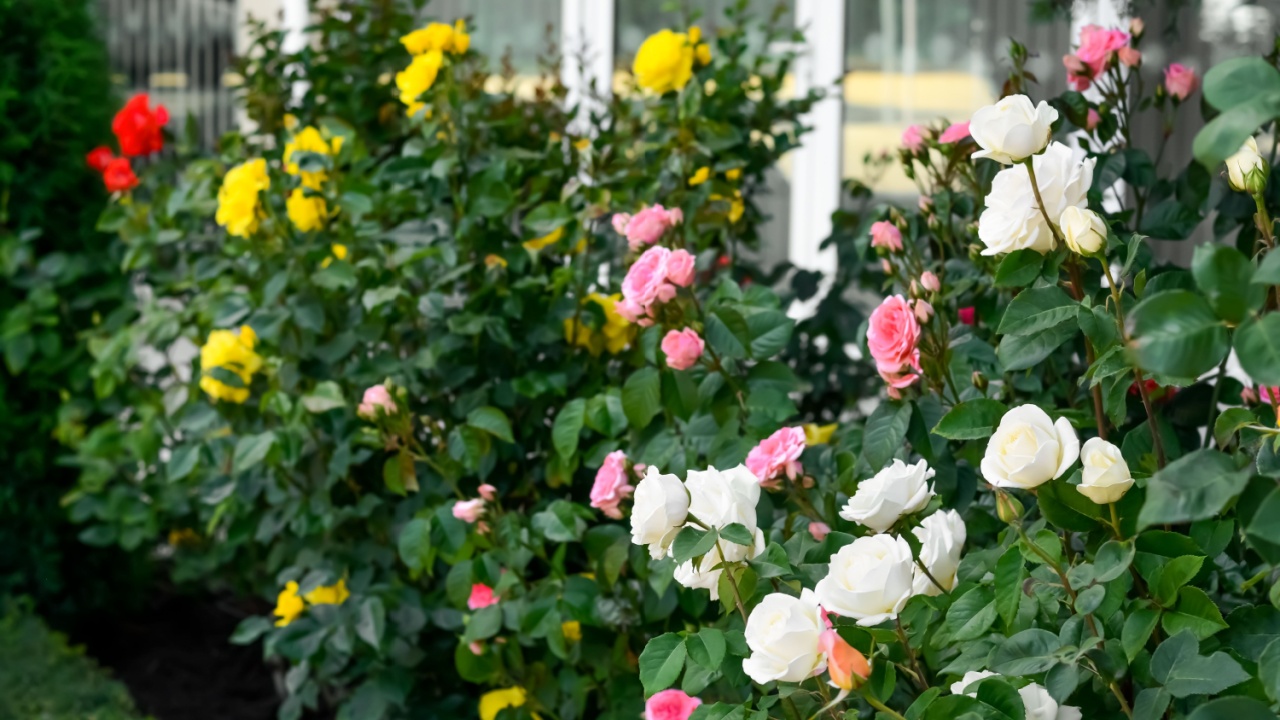
Air circulation isn’t a nice-to-have for roses; it’s a disease-management strategy. Planting roses too close traps humidity against foliage and creates the ideal conditions for black spot and powdery mildew to spread. Master gardener Marianne Binetti, writing in The Olympian, says roses need good air circulation because more space and free-flowing air will discourage disease.
Give shrub roses at least two to three feet of clearance from neighboring plants and structures. Then mulch the base with three inches of organic material, kept away from the crown itself. Mulch is arguably the single highest-return investment in rose care: it retains moisture, suppresses weeds, and, when applied in spring, physically traps overwintered fungal spores in the soil before they can splash back up onto new foliage.
8. You’re Spraying Everything When You See a Bug

A rose covered in aphids triggers an understandable urge to reach for the spray bottle. Resist it, at least initially. Indiscriminate pesticide use destroys the beneficial insect population that naturally manages pest pressure: ladybugs, parasitic wasps, and pollinators that your garden depends on. Neem oil and insecticidal soap are effective against the most common rose pests without collateral damage to the ecosystem.
Inspect your roses weekly, especially under leaves, and hand-pick pests early when populations are manageable. And learn to recognize rose rosette disease: distorted red growth, excessive thorniness, and flowers that won’t open properly are warning signs. There is no cure for rose rosette. An infected plant must come out immediately, and every pruning tool that touched it must be sterilized before it goes near another rose.
9. You’re Not Protecting Your Roses in March
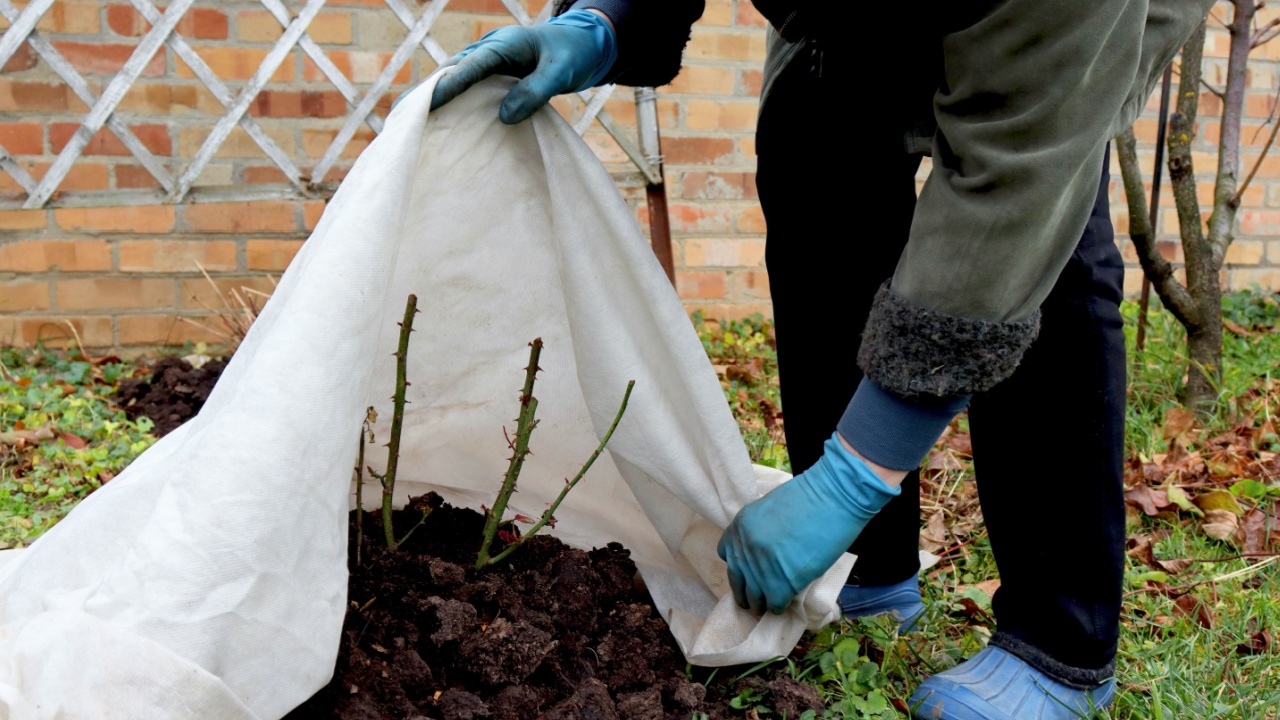
March is the cruelest month for roses. New growth is pushing, optimism is high, and then a late freeze arrives and burns everything tender. If you’re planting bare-root roses this month, time your planting after your last hard freeze, but don’t wait too long; bare-root roses planted in warm soil have a harder time establishing. Keep a frost cloth or an old bucket nearby for newly planted roses.
Container roses need extra attention in March; their roots are more exposed to temperature swings than in-ground plants. As Menagerie Farm & Flower advises, protect newly planted roses from hard freezes by covering them with a bucket or frost cloth, and in hot weather, provide shade to help roots establish without stress. The effort it takes to protect a rose for one late-March night is far less than replacing it in April.
10. You’re Giving Up Too Soon

A rose’s first season in the ground is largely spent building roots, not blooms. Many gardeners judge their rose by year one, conclude it isn’t performing, and pull it. The second and third seasons are when most varieties genuinely hit their stride, producing the kind of blooms that make all the earlier patience feel worthwhile.
Roses are far tougher than their reputation suggests. A well-established plant can lose every leaf to black spot and keep flowering. It can survive a late freeze, a missed watering, and an imperfect pruning. The mistakes above are not disasters; they are course corrections waiting to happen. Fix the most obvious one first, watch what changes, and give the plant the time it needs. Your roses will meet you more than halfway.
Read more:
20 Wild Roses That Will Look Great in Your Garden
12 Plants to Never Place Near Your Roses