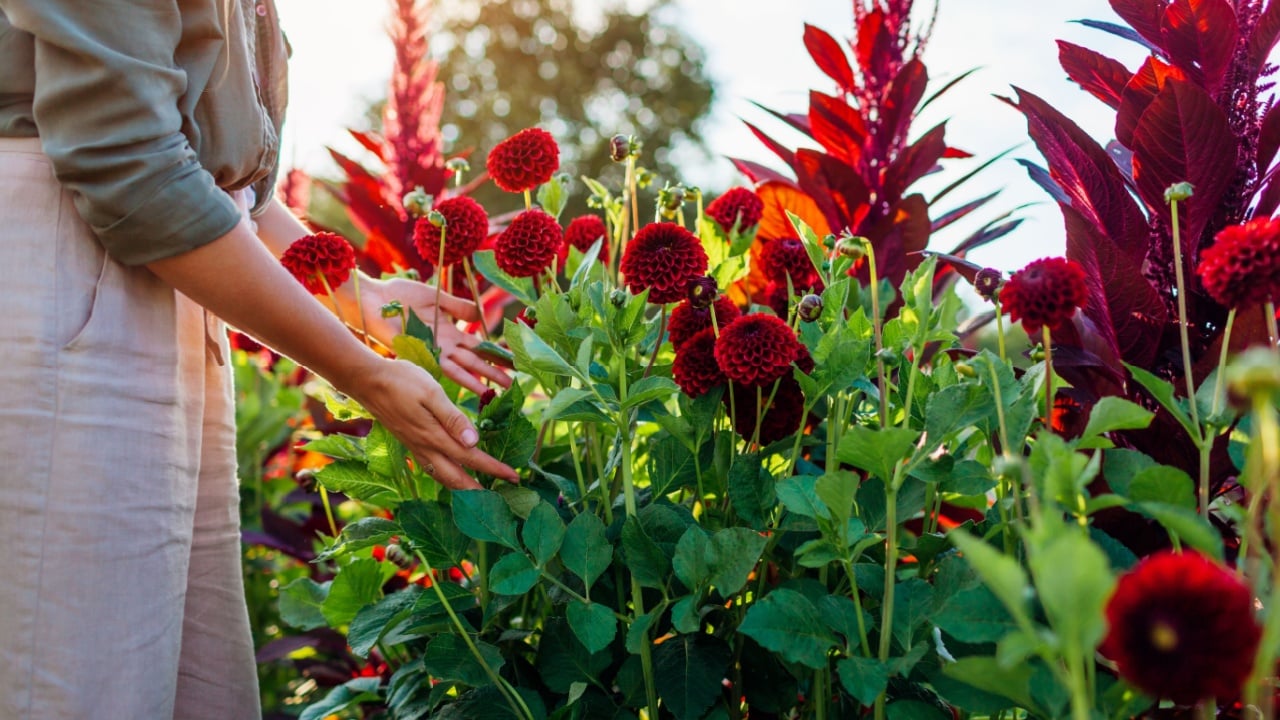
You Don’t Have to Go Pale Anymore, Jewel Tones Are the Smartest Garden Choice of 2026
Stop second-guessing the colors you actually want to plant. After years of design culture pushing gardeners toward muted, minimal, and pale, the industry has reversed course entirely.
This year, the bold, saturated jewel-tone palette that always felt a little too daring turns out to be not just more beautiful, but practically superior. In 2026, reaching for deep ruby, velvety plum, and rich emerald tones isn’t a design risk. It’s the right call.
If you’ve been restraining yourself at the nursery, holding back from the dahlias that stop you in your tracks or the heuchera that seems almost too vivid, this is your moment. The design world just caught up with your instincts.
What “Jewel Tones” Actually Are (And What They’re Not)

Jewel tones are a specific family of deep, saturated hues named for precious gemstones: emerald green, amethyst purple, ruby red, topaz yellow, sapphire blue, and garnet. What sets them apart from simply “bold” colors is their depth. As landscape designer Jan Johnsen describes in her blog, Serenity in the Garden, jewel tones are grounded by a dark undertone that gives them richness and weight rather than brightness.
They divide into two families worth knowing. Warm jewel tones like ruby, topaz, and citrine bring heat and drama to a planting. Cool jewel tones, such as emerald, sapphire, and amethyst, deliver depth and a surprising serenity. Both are having their moment in 2026, and both can work together when anchored by the right foliage.
Why Every Corner of the Design World Is Saying the Same Thing Right Now

Trend convergence across multiple industries at once is unusual, but it’s happening now.
According to Garden Design magazine’s 2026 annual trends report, rich, deep jewel-tone colors are explicitly replacing the softer, muted hues that dominated gardens in recent years — a shift confirmed in the same season by plant breeders, paint companies, and horticultural institutions.
Proven Winners and Monrovia both launched 2026 plant introductions in jewel-tone shades: ‘Red Zeppelin’ sweetshrub, Dolce ‘Sultry Night’ heuchera, Kodiak Jet Black diervilla, and the new Centennial Ruby hydrangea, which opens ruby-red in spring and deepens to near-purple-black by fall. Interior paint companies arrived at the same palette independently, with Behr releasing Hidden Gem, a deep teal-green, and Glidden rolling out Warm Mahogany. The Pennsylvania Horticultural Society, in its December 2025 announcement of the top 10 gardening trends, named maximalist, color-forward planting a primary design direction for the year.
The practical case is even more compelling than the aesthetic one. According to Rebecca Sweet at Garden Design, jewel tones outperform pastels in summer because rich, saturated colors hold their intensity under direct sun, while pale colors wash out and lose their definition precisely when the garden should be at its best. The color that looks boldest in the catalog is the color that actually survives the season.
The Best Jewel-Tone Plants for Every Season
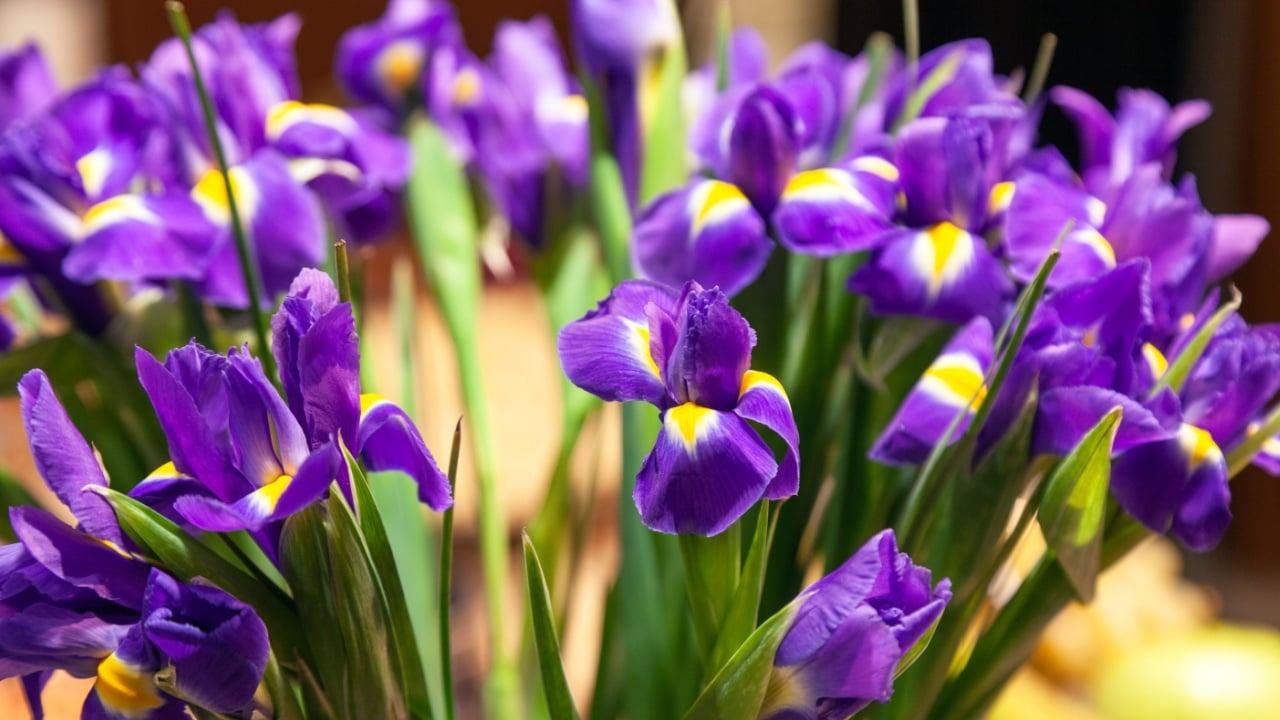
The misconception that jewel-tone gardens peak in fall and go quiet for nine months disappears quickly with the right plant list. If you’re looking for a palette that delivers from February through November, here’s what to reach for.
1. Hellebores: Late Winter through Early Spring
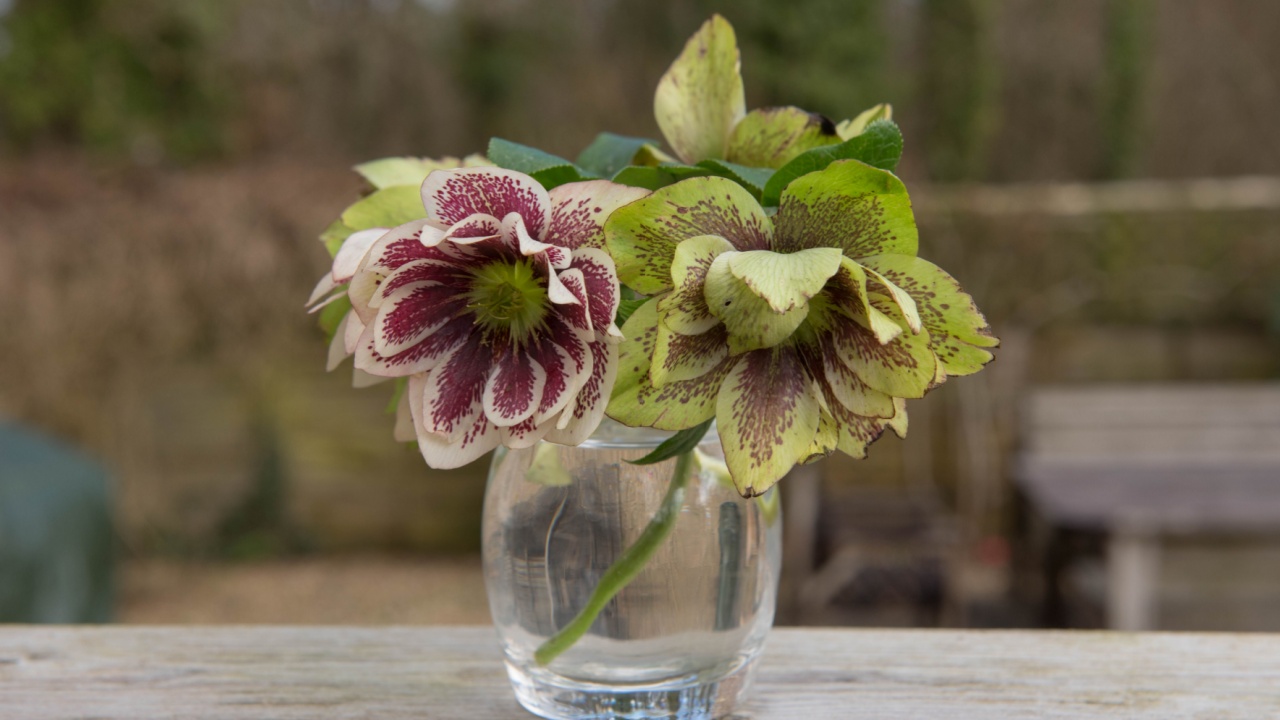
The Winter Jewels collection, as described by Tagawa Gardens, blooms in deep burgundy, plum, and ruby-black while everything else in the garden is still dormant. Deer-resistant, drought-tolerant once established, and entirely unfazed by snow and frost. The jewel-tone season starts here.
2. Tulips and Iris: Spring
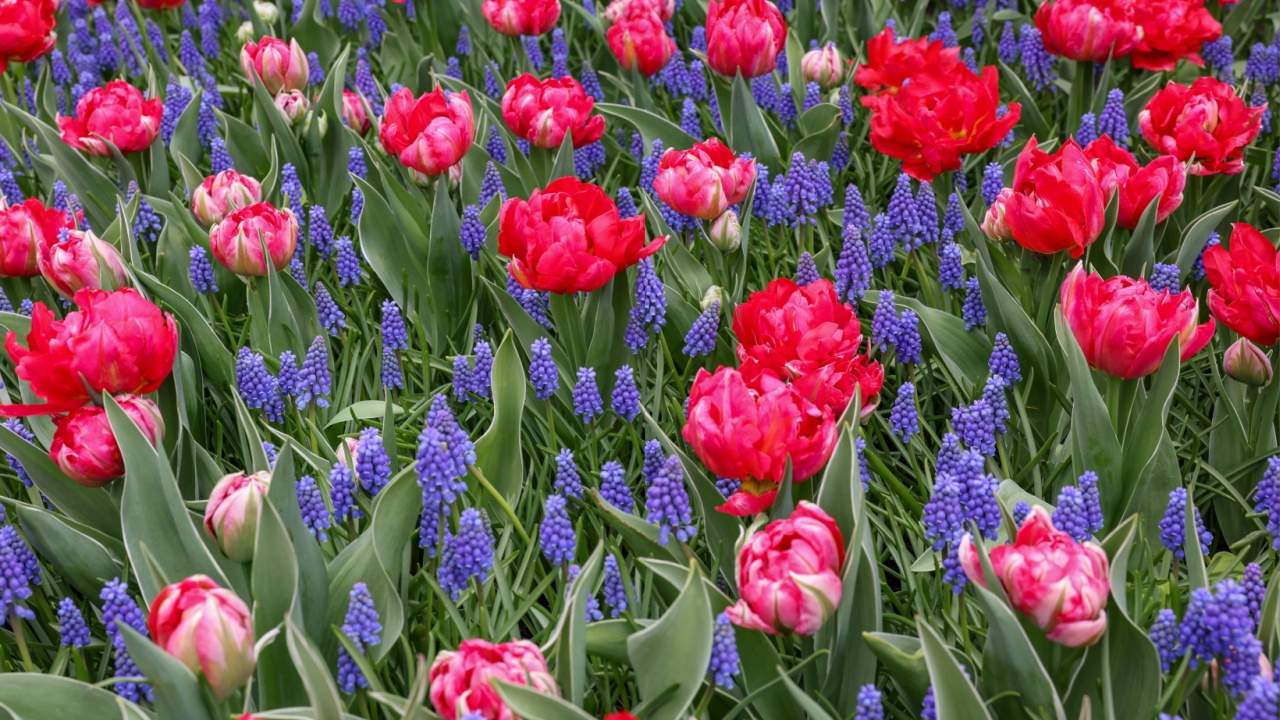
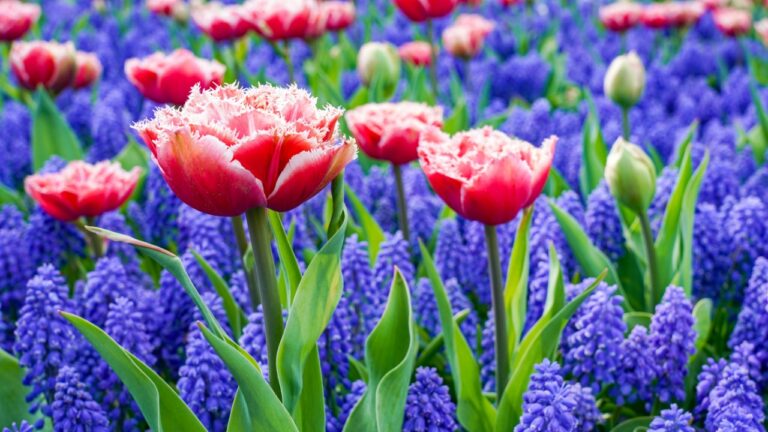
Near-black tulip varieties like ‘Queen of Night’ and deep-purple alliums add vertical drama as temperatures rise. Sapphire and amethyst iris varieties bring the cool side of the jewel-tone palette to spring borders, and they come back reliably every year.
3. Delphinium: Early Summer
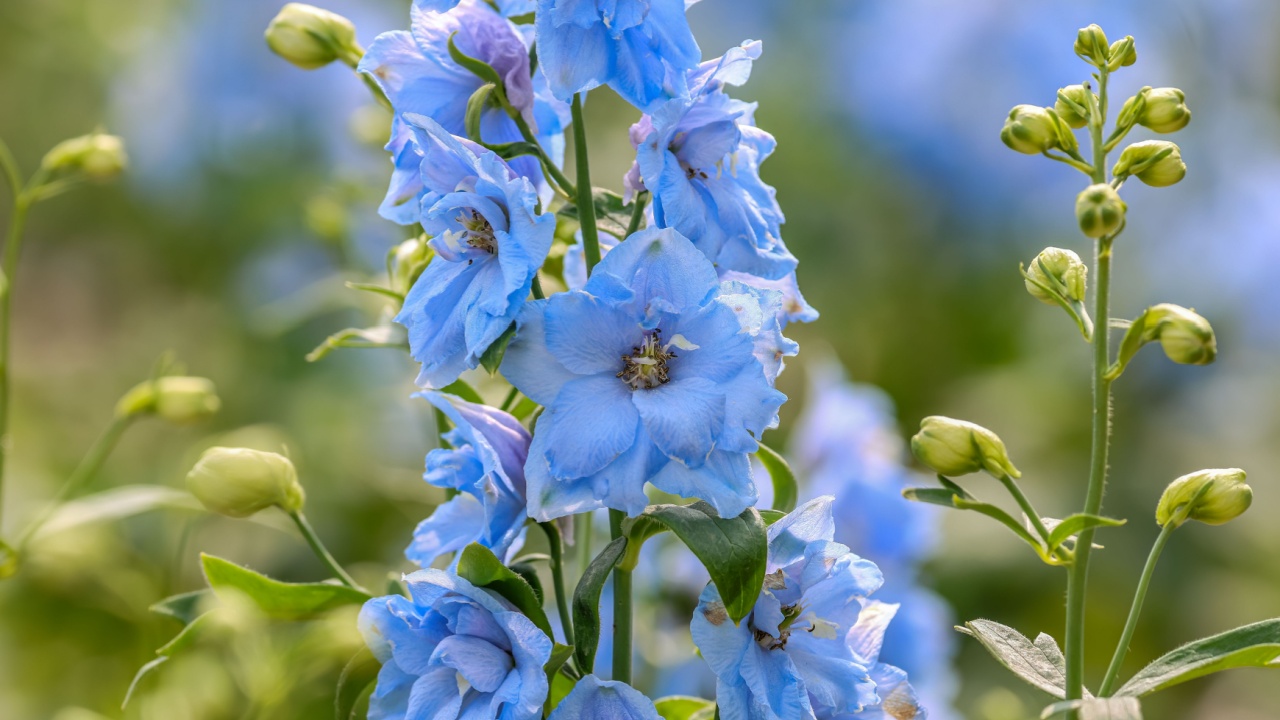
Sapphire-blue delphinium is the rarest of all jewel-tone hues in the garden — true blue at this depth is almost impossible to find elsewhere. Its tall, spiked form adds height and drama that low-growing plants simply can’t replicate.
4. Dahlias: Midsummer through Frost
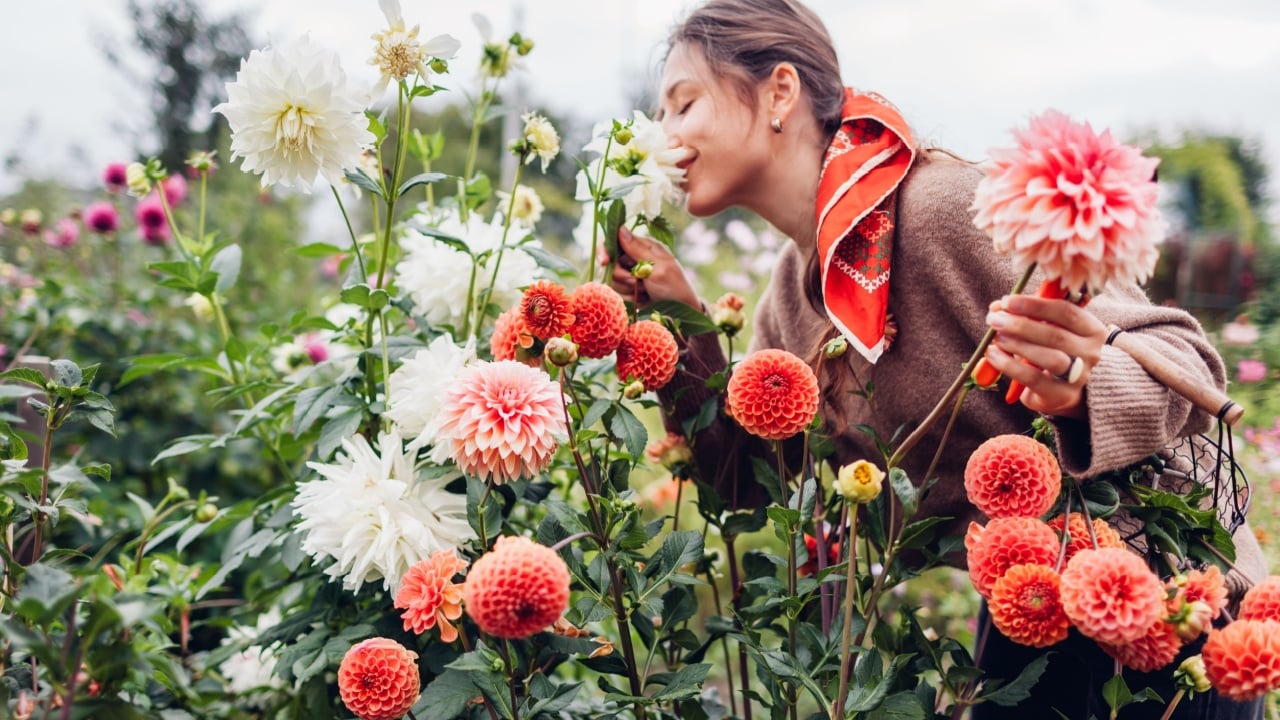
Deep burgundy and ruby-red dahlias deliver velvet-textured blooms for months. They are the workhorse of the jewel-tone summer garden and among the highest-impact plants available at any price point.
5. Heuchera: Spring through Hard Frost
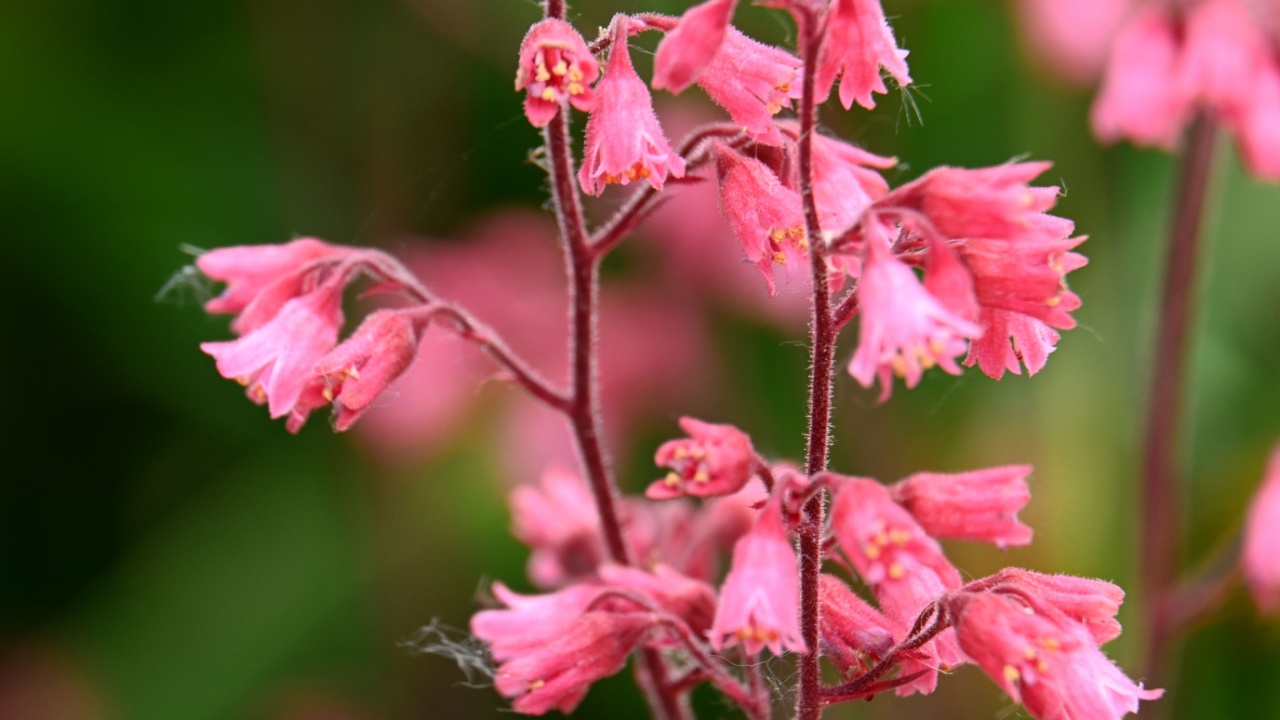
For gardeners who want color without constant replanting, heuchera in varieties like ‘Plum Pudding’ and ‘Berry Smoothie’ is the backbone of any low-maintenance jewel-tone border. It asks for almost nothing and delivers rich foliage color across every season.
6. Asters and Chrysanthemums: Fall
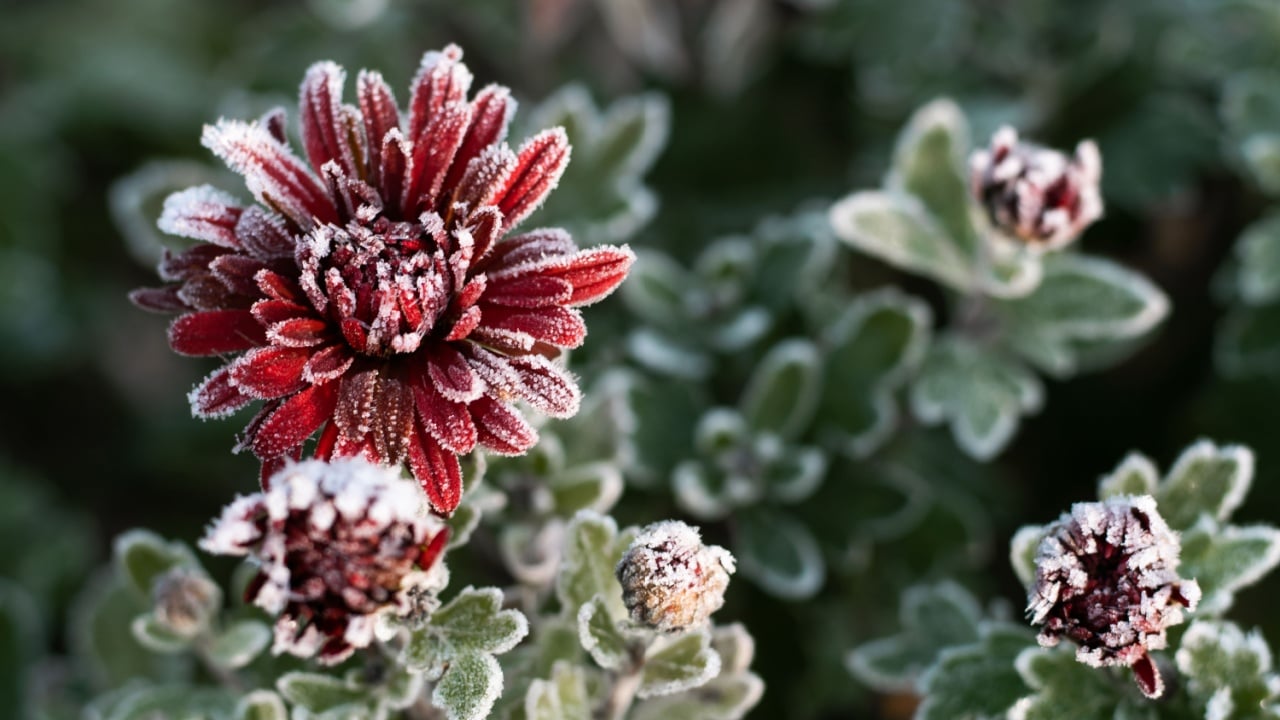
Deep-purple asters, bronze and ruby chrysanthemums, and Japanese anemones in rich rose carry the palette through the first cold nights. The low golden light of late September illuminates these colors in a way that makes the fall jewel-tone garden arguably the best of all.
Why Jewel Tones Age Better Than Any Other Palette
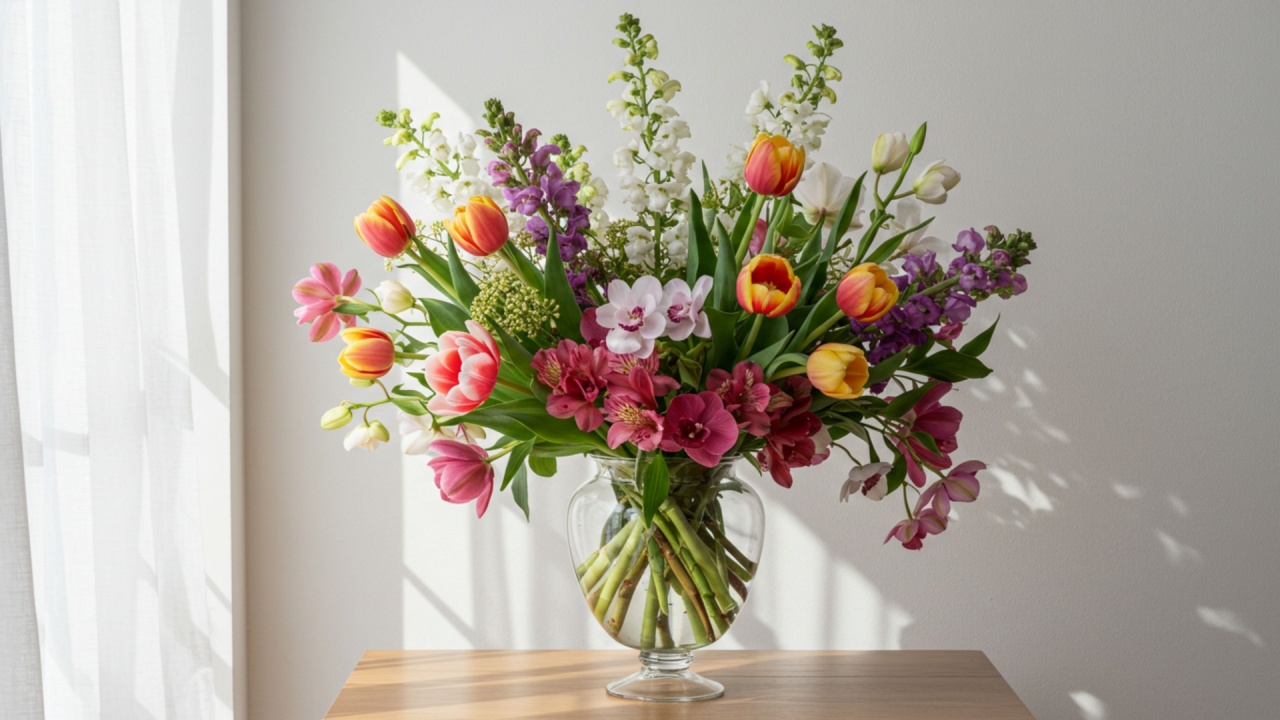
This is the question worth asking before any garden investment: Will it still look right in five years? With jewel tones, the answer is yes – and the reason is in how deeply the color ages.
The Pennsylvania Horticultural Society’s 2026 trends forecast frames the current move toward saturated, maximalist planting as a return to abundance rather than a departure from anything. Jewel tones have anchored some of the most enduring garden traditions in history. The minimalist, muted palette that dominated the 2010s was an experiment. And that experiment is over.
Deep-colored foliage plants age with particular grace. A burgundy heuchera doesn’t bleach into something awkward over time; it deepens and mellows into a richer version of itself. Deep plum dahlias shift into more complex, antique tones as the season progresses rather than fading toward something garish. Pastels are beautiful at their peak and unremarkable everywhere else. Jewel tones keep delivering.
The most durable garden palette is also the most satisfying one to plant.
You don’t need to start over to begin. One heuchera in a terracotta pot by the front door. A row of ‘Queen of Night’ tulips tucked into an existing border. A single burgundy dahlia container near the back steps. The color rewards the smallest commitment, and it will keep rewarding it, season after season, for years.
Read more
The $3 Garden Upgrade Your Grandmother Knew About That Replaces Expensive Fertilizer