WWII Victory Garden Film Inspires Early Planning For 2026 Gardens
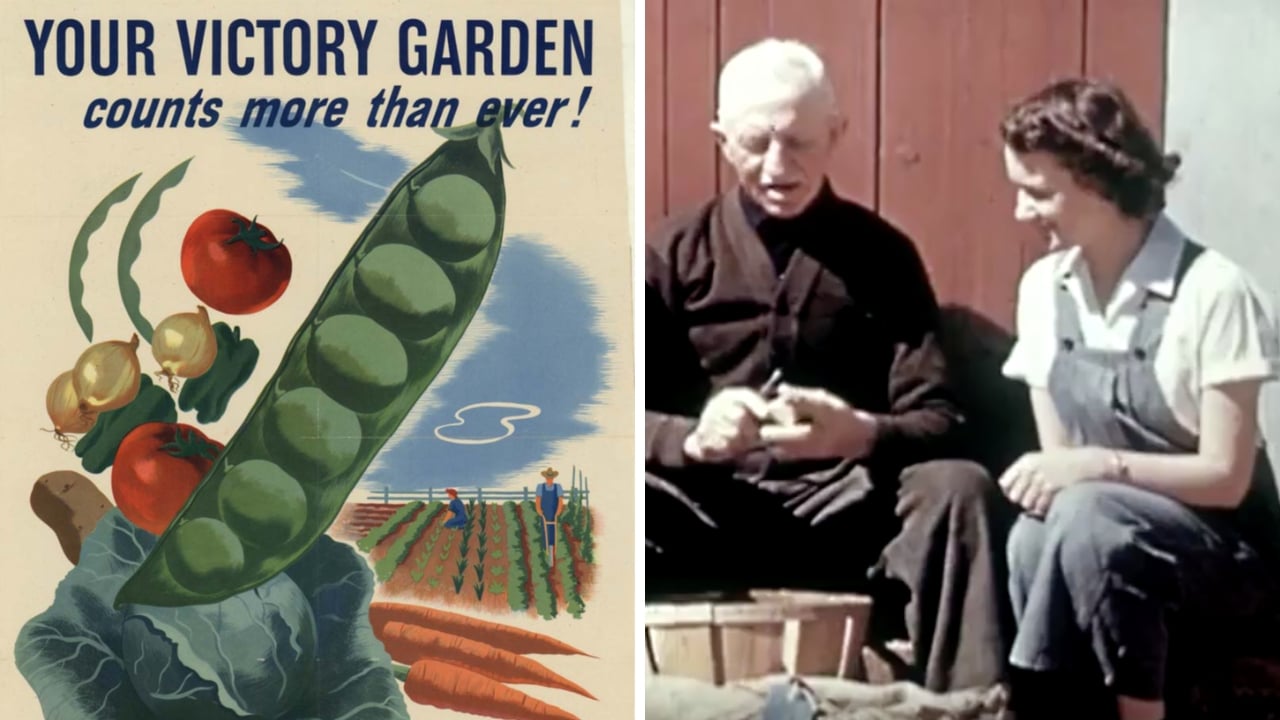
TikTok users are finding inspiration and helpful gardening wisdom, in an old, nearly-forgotten film from WWII, that was created to show American households how to get started growing Victory Gardens in their own backyards. Even though it’s nearly winter, the idea of Victory Gardening is having a moment, as many are feeling the pinch of tight grocery budgets, amid high prices and lost SNAP benefits.
During World War II, families across America grew food efficiently in modest spaces, using careful crop choices and tight succession planting to keep gardens producing from early spring until late fall. Today, that same strategy translates beautifully to home gardeners looking for more self reliance, and a kitchen filled with flavorful, homegrown produce.
What Made Victory Gardens So Effective
The genius of the Victory Garden wasn’t just patriotic spirit, it was practical design, as the 194o’s promotional film shows. These gardens prioritized high-yield, calorie-dense vegetables that store well and keep a household fed: potatoes, beans, onions, beets, carrots, cabbage, winter squash, and tomatoes for canning. These are the foods that stretch meals, last in the pantry, and anchor real home cooking.
The layout was deliberate. Tall crops were planted on the north side to avoid shading shorter crops. Beds were laid out to make weeding and harvesting more efficient. And most importantly, the garden was planned as a season-long system, not a one-and-done spring planting. Early crops made space for later crops. Everything had a place and a time.
This system isn’t hard to replicate, but planning ahead makes it much easier to do well, once the ground thaws.
Replicating Vintage Gardening Success in a Modern Yard
Victory Gardens can come in any size, and printed Victory Garden guides of the 1940’s reflected that, offering sample garden layouts for everything from “very small” gardens of a few hundred square feet, to large gardens that took up ¼ of an acre or more. Big or small, the designs echo each other with some important basic principals, which continue to help gardeners maximize productivity today.
Tall vegetables, like staked tomato plants and sweet corn, should be grown on the north side of the garden, where they won’t shade the shorter crops. Winter squash does well being allowed to stretch along the edges where it can sprawl freely. A sheltered “nursery bed” or cold frame can help tiny seedlings get off to a good start during the early part of summer, while they wait their turn to be placed into the main garden beds.
Perhaps one of the most important tips that Victory Gardening popularized, is the idea of succession planting. Victory Gardens were famous for getting as many calories worth of vegetables out of a garden space as possible, by getting two separate crops from the same garden bed. Vegetables that grow quickly, and can handle cool weather, get planted early in spring, so they’re ready for harvest by early summer. As soon as that early crop is harvested, another fast-growing vegetable is planted in the newly emptied garden bed, while there’s still time to grow another entire crop of produce in the same space.
Carrots and beets are planted early and harvested before the 4th of July, making room for bush beans. Spring peas finish just in time to plant fall carrots and another round of beets. Lettuce grows well in cool spring weather, then gives way to cabbage that was quietly getting started in that nursery bed or cold frame.
Be sure to choose your vegetable seeds carefully when planning for succession planting, since some varieties mature much more quickly than others. For example, some carrot varieties are ready for harvest in just 55 days, leaving plenty of time in the growing season to plant another crop in the same bed after they’ve been harvested. Other carrot varieties can take 85 days to grow, which uses up most of the growing season in northern climates, and doesn’t allow time for a second crop.
By taking the time to plan this intentional succession of crops, a well-ordered rhythm is able to take place over the growing season, allowing for an impressive amount of produce from even a small plot of ground.
Early Planning and Preparation are Key
When garden planning waits until spring, it’s easy to find that those seed varieties you wanted have sold out, or that you’ve run out of time for starting the seedlings you need. Winter gives breathing room for inspiration and strategy. It’s the perfect time to order those long-storing onion varieties, productive sauce tomatoes, and foolproof heirloom green beans. Most importantly, you can sketch out your bed layout and succession plans while you’re not already juggling weeds, watering, and harvests.
@prelinger from “Victory Gardens” (late 1940s) #ww2 #gardenproject #prepping #prelingerarchives ♬ original sound – Prelinger Gems
The soil outside may be starting to freeze, but it’s the perfect time for garden planning, and seed catalogs will be arriving in the mail before you know it! A modern Victory Garden goes a long way to helping with food security, and offers the deep satisfaction of feeding yourself from your own backyard. The Victory Gardens of the 1940’s offer not just inspiration, but practical blueprints for productive backyard garden designs that work just as well today, as they did 80 years ago.