

Eating clean and being mindful of what’s on your plate is an excellent step toward a healthier lifestyle, but here’s the catch: some of the most nutritious fruits and vegetables are also among the most loaded with pesticides. The Environmental Working Group (EWG) releases an “Dirty Dozen” list annually, calling out the top produce offenders.
In 2025, over 95% of the samples on this list tested positive for pesticide residues, even after a good wash. Some had a chemical cocktail of up to 21 different pesticides on a single piece of produce.
Why does this matter? These pesticides may cause health issues such as hormone disruption, lower IQ in children, and even certain cancers.
The good news? You can easily grow these pesticide-heavy crops at home, and don’t worry if you’ve only got a balcony or a few pots by the window. Let’s dig into the top 14 worst foods for pesticides you should be growing at home to make the most impact in your diet.
A Quick Note Before You Dig In

Image Credit: Shutterstock.
It can be discouraging to learn how many fruits and vegetables come heavily treated with pesticides, but don’t let that stop you. The goal isn’t to overhaul your entire food supply overnight. It’s about starting small, gaining confidence, and gradually growing more of what matters most to you.
1. Strawberries
-

Image Credit: Shutterstock.
Strawberries top the list year after year when it comes to pesticide contamination. Almost every non-organic strawberry contains pesticide residue, with some showing traces of multiple harmful chemicals. Their thin skin and soft texture allow more pesticides to penetrate, making them harder to clean thoroughly.
Processed foods made from strawberries, like yogurt, juice, and jam, were found to have 3 to 15 types of pesticides in a single sample, and long-term exposure to these pesticide-laden foods can build up in the body. That’s why growing your strawberries is such a smart move. These fruits are easy to plant in containers or small garden beds and don’t need a lot of space.
2. Spinach
-
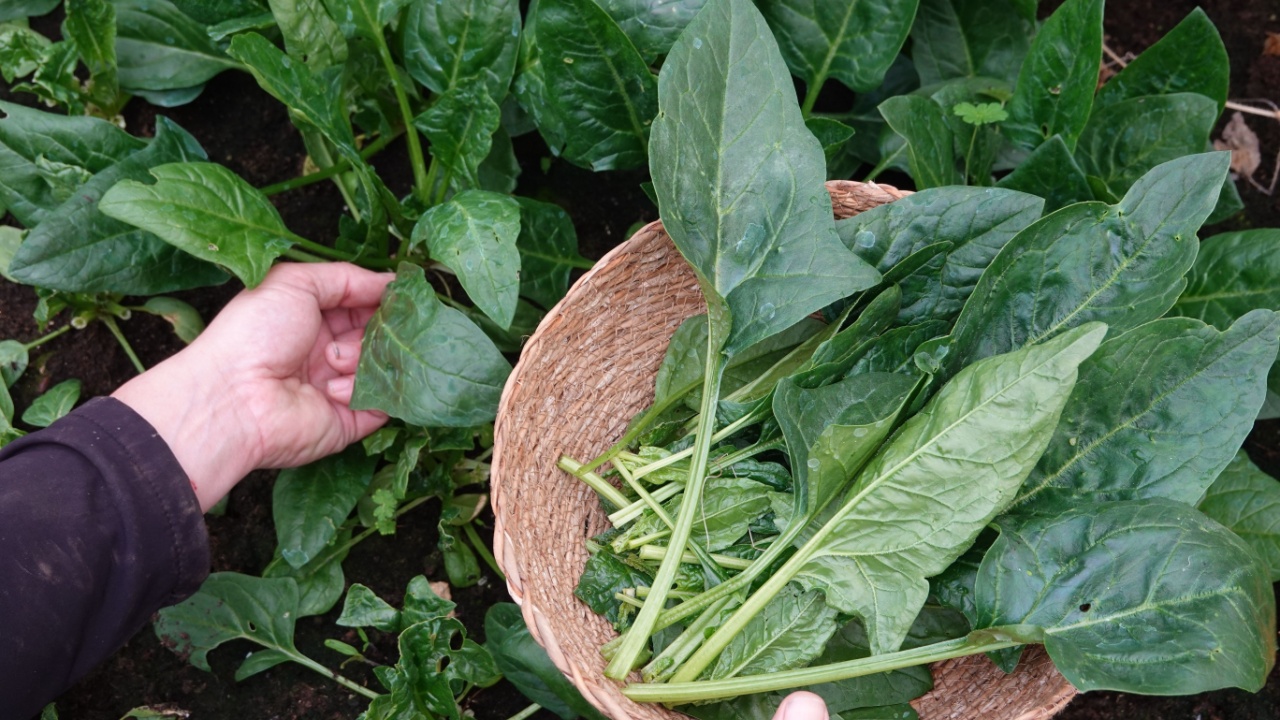
Image Credit: Shutterstock.
You might be surprised to know that spinach is one of the most pesticide-contaminated vegetables. A significant amount of pesticides remain on the leaves, no matter how much you rinse or wash spinach. The leaves’ large surface area makes them absorb and hold onto chemicals more easily.
If you love spinach in your salads or smoothies, consider growing your own. It’s a fast-growing leafy green that you can harvest within weeks. Spinach grows well in containers, shady spots, or garden beds, especially during cooler seasons, and requires minimal care.
3. Tomatoes
-
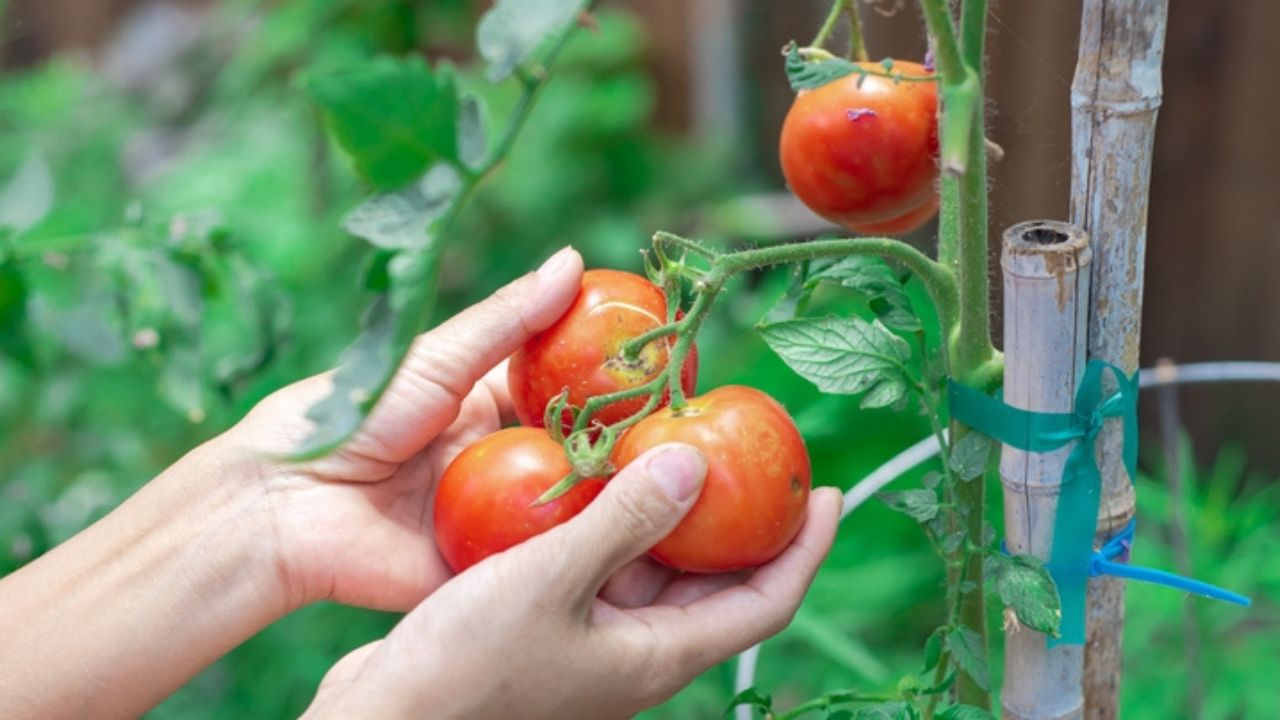
Image Credit: Shutterstock.
Tomatoes are another favorite that often comes with an unwanted side of chemicals. Over 60% of tomatoes in the sample contained at least one type of pesticide residue. These include chemicals such as chlorpyrifos and imidacloprid, which are known for affecting the nervous system and pollinators, including bees.
The good news is that tomatoes are incredibly easy to grow at home. They thrive in pots, hanging baskets, or raised beds. By harvesting your own, you eliminate the risk of pesticides. You can also choose heirloom or cherry varieties and enjoy better taste, fewer chemicals, and more nutrients.
4. Kale & Collard Greens
-
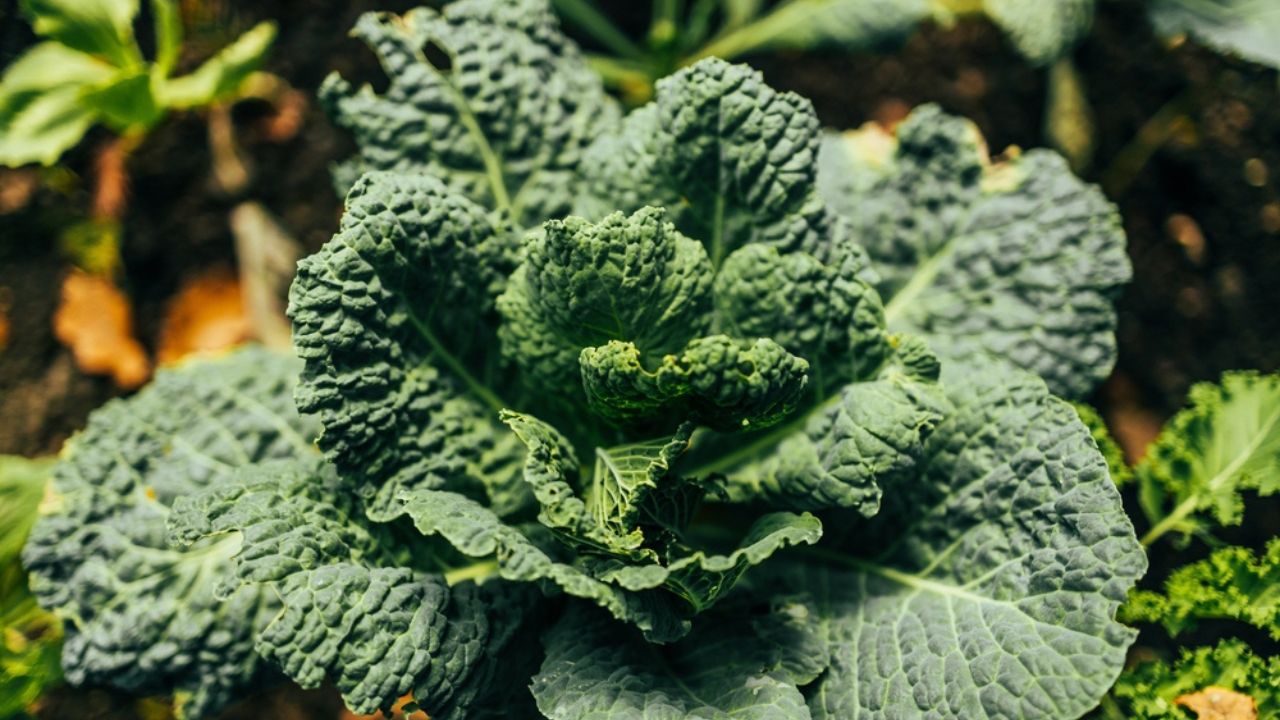
Image Credit: Shutterstock.
These leafy greens are especially vulnerable due to their broad leaves, which provide ample space for chemicals to adhere.
What’s more alarming is that the pesticide database shows 33 different pesticides have established tolerance levels for kale and collard greens. However, if you want to enjoy these greens, consider growing them at home. Plant it in pots, raised beds, or even fabric grow bags. It prefers cool weather, so early spring or fall is ideal. Just give it rich soil, regular water, and a bit of afternoon shade. Homegrown Kale tastes sweeter and requires less spraying.
5. Grapes
-

Image credit: Backyard Garden Lover.
Grapes might be small, but they rank high in pesticide contamination. Non-organic grapes often contain high levels of pesticide residues. Their thin skin allows chemicals to sink in, and they’re usually treated multiple times during the growing season.
Even more concerning, one study found that grapes had the broadest range of pesticides, with up to six different residues detected in a single sample. You can grow grapes in your backyard with the right support system. They thrive in full sun and can climb on fences or trellises.
6. Peaches
-
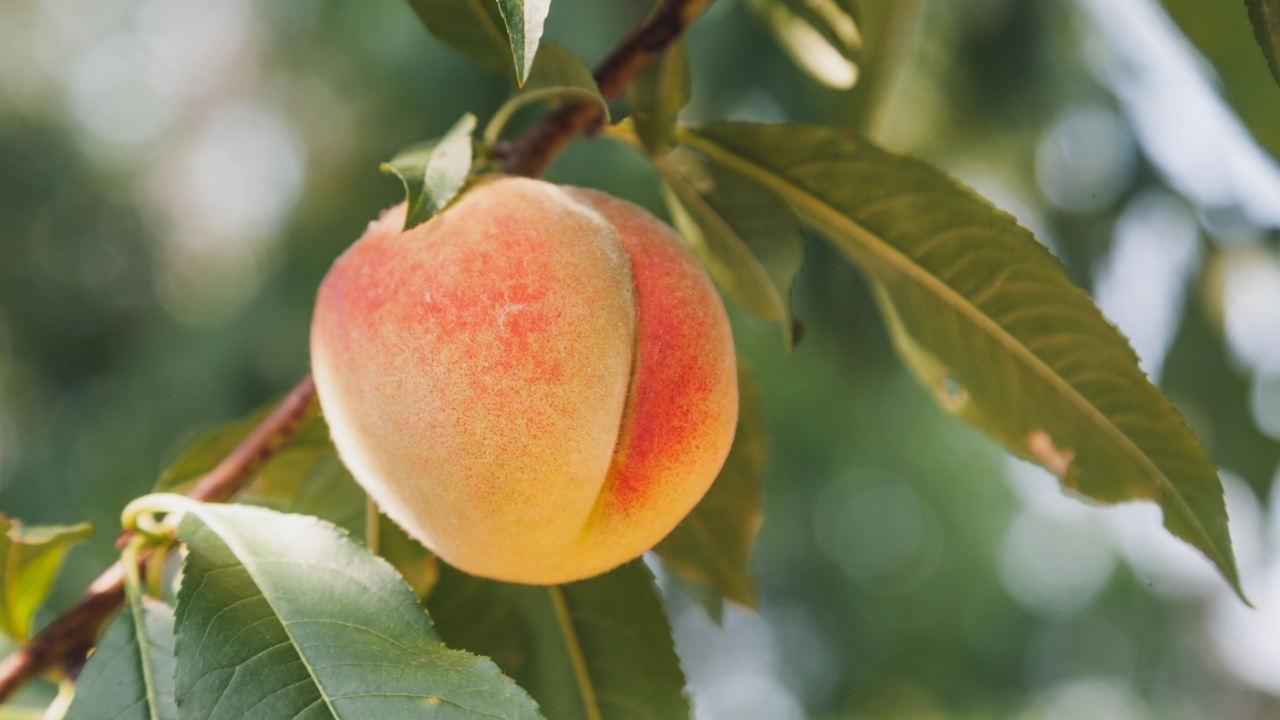
Image Credit: Shutterstock.
Peaches are juicy and delicious, but they’re also among the fruits with the highest pesticide contamination. Peaches, pears, and a third of apples tested in Europe were also contaminated. In total, nearly 29% of all fruit grown in Europe had pesticide residues.
These results challenge the claims by the European Commission and EU member states that pesticide use, especially the most toxic types, is decreasing. Fortunately, peaches can be grown at home if you have space for a small fruit tree or a dwarf variety. They love sunny spots and well-drained soil.
7. Cherries
-
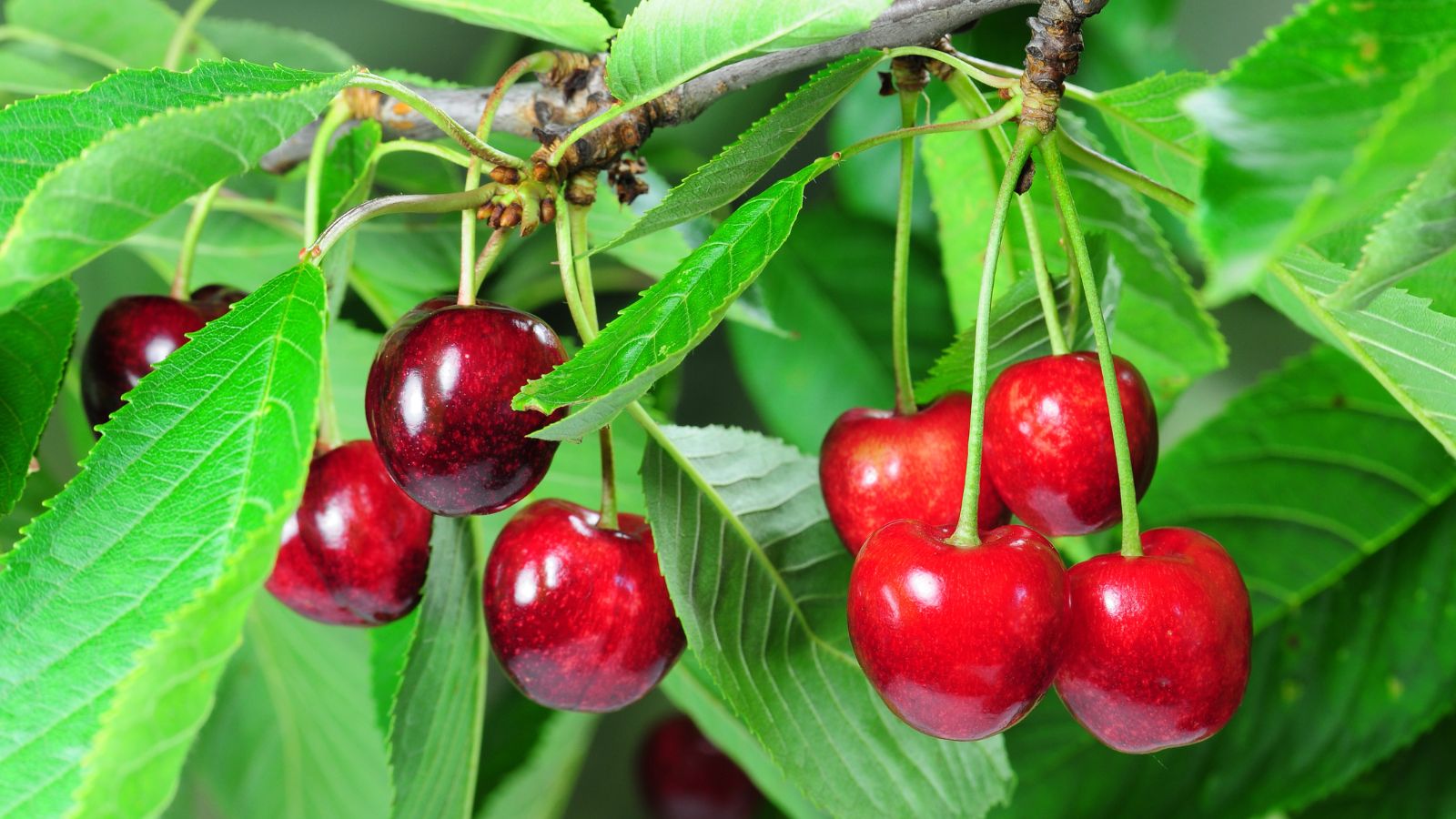
Image credit: Depositphotos.com.
30% of cherry samples contained iprodione, which is a probable carcinogen. Even washed cherries often retain harmful residues.
Cherry trees can be grown at home if you have space, and dwarf types work well in large pots. They do best in full sun and slightly acidic soil. With a bit of care and patience, you’ll have a tree full of tasty cherries without any chemical worries.
8. Pears
-
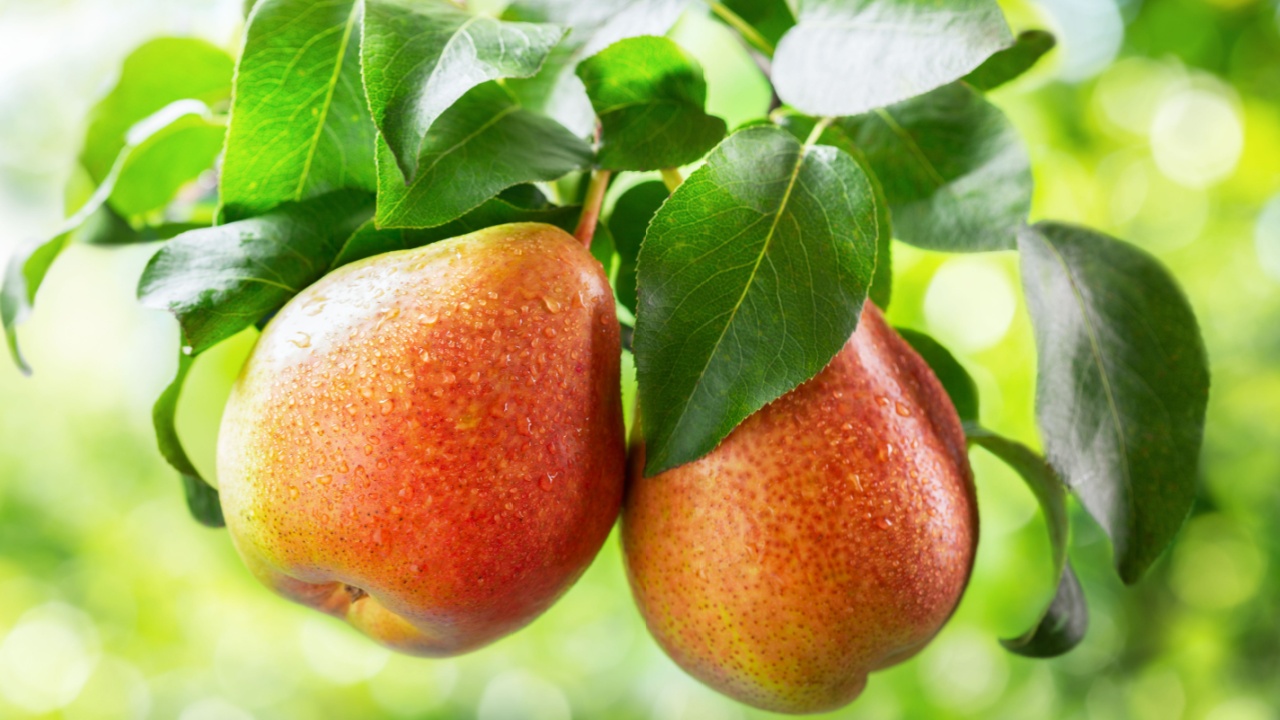
Image Credit: Shutterstock.
Research has shown that several high-risk pesticides have been detected in pear samples, with some exhibiting extremely high detection rates, raising serious safety concerns. These chemicals can potentially cause hormone disruption and long-term reproductive health issues.
Homegrown pears are a safer choice. They grow well in temperate climates and need well-drained soil and full sun. With regular care and pruning, pear trees can provide you with crisp, juicy fruit that’s pesticide-free and perfect for snacking or baking.
9. Apples
-

Image credit: YAY Images.
Apples are a favorite fruit, but they’re also one of the most pesticide-laden in the grocery store. The EWG found that over 90% of apple samples tested positive for at least two pesticide residues, including diphenylamine, which has been linked to cancer.
Apples grow well in home orchards or large pots with good drainage. Select disease-resistant varieties to minimise the need for any type of spray.
10. Celery
-

Image credit: DepositPhotos.com.
Celery has no protective skin, and without a protective outer skin, celery acts like a sponge, soaking up multiple toxic chemicals from conventional farming. More than 95% of non-organic celery samples contained pesticide residues, including several that are linked to hormone disruption.
Growing celery at home lets you skip those dangers. It grows best in cool, moist environments and can thrive in containers or garden beds. Keep the soil consistently damp, and you’ll be able to harvest your clean celery in just a few weeks.
11. Blackberries
-

Image Credit: Shutterstock.
Blackberries may be packed with antioxidants, but they also contain a significant amount of pesticides. Their delicate skin and structure make them particularly prone to absorbing and retaining chemicals.
Instead of risking exposure, consider growing your blackberry bushes at home. They thrive in full sun and can be trained to grow along fences or trellises.
12. Potatoes
-
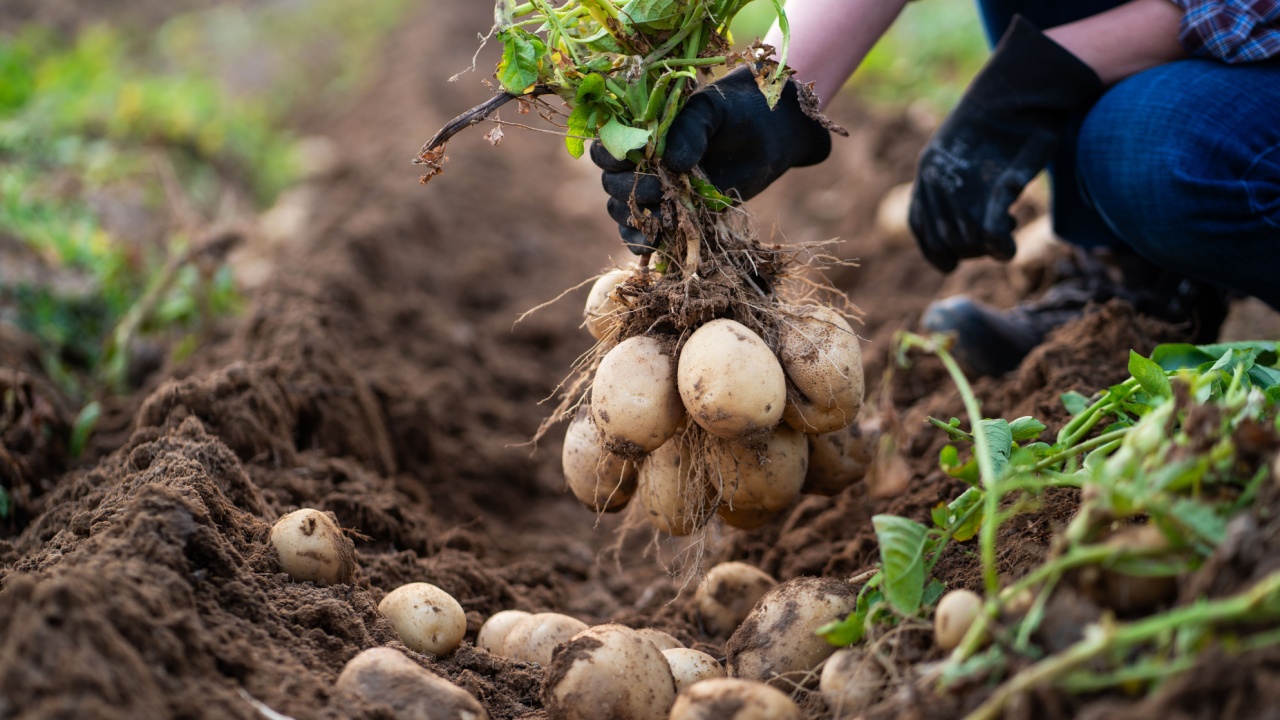
Image Credit: Shutterstock.
Potatoes rank high on the list of pesticide-contaminated vegetables. Many are sprayed with fungicides and insecticides during growing and even after harvest.
The USDA’s Pesticide Data Program found 35 different pesticides on conventional potatoes. Out of these, 6 are known or probable cancer-causing chemicals, 12 are suspected to interfere with hormones, 7 affect the nervous system, and six are linked to developmental or reproductive harm. The most common chemical, found on 76% of samples, is a sprout-blocking herbicide that also prevents weeds.
13. Red Chili Peppers
-

Image Credit: Shutterstock.
You’d think their natural heat would deter pests, but red chili peppers are actually among the most chemically treated crops. Thirty-six pesticides were detected in red chili peppers, including insecticides, fungicides, and acaricides. The overall contamination rate in red chili peppers was significantly higher than in bell peppers and green hot peppers, reaching 232% compared to 165% and 132%, respectively.
Good news for spice lovers: Chili peppers are ridiculously easy to grow at home, even in small spaces. These sun-loving plants thrive in containers on sunny windowsills or balconies, and many varieties produce abundant harvests throughout the entire season. Start with organic seeds or seedlings, and provide well-draining soil.
14. Blueberries
-
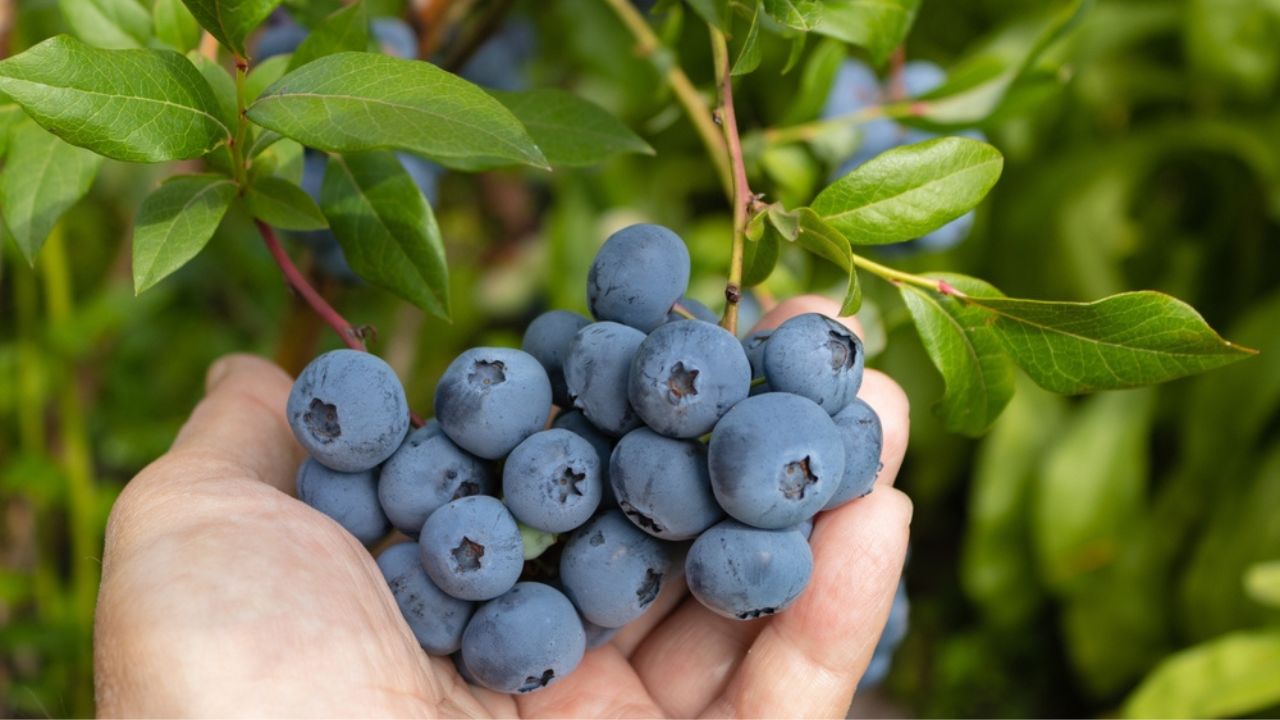
Image Credit: Shutterstock.
Blueberries are loved for their flavour and health benefits, but non-organic ones often carry pesticide residues. More than 90% of tested samples had one or more pesticide types, including some linked to neurological harm in children.
Blueberries can be grown in containers or directly in garden beds. They prefer acidic soil and full sunlight.
Take Control of What Goes on Your Plate
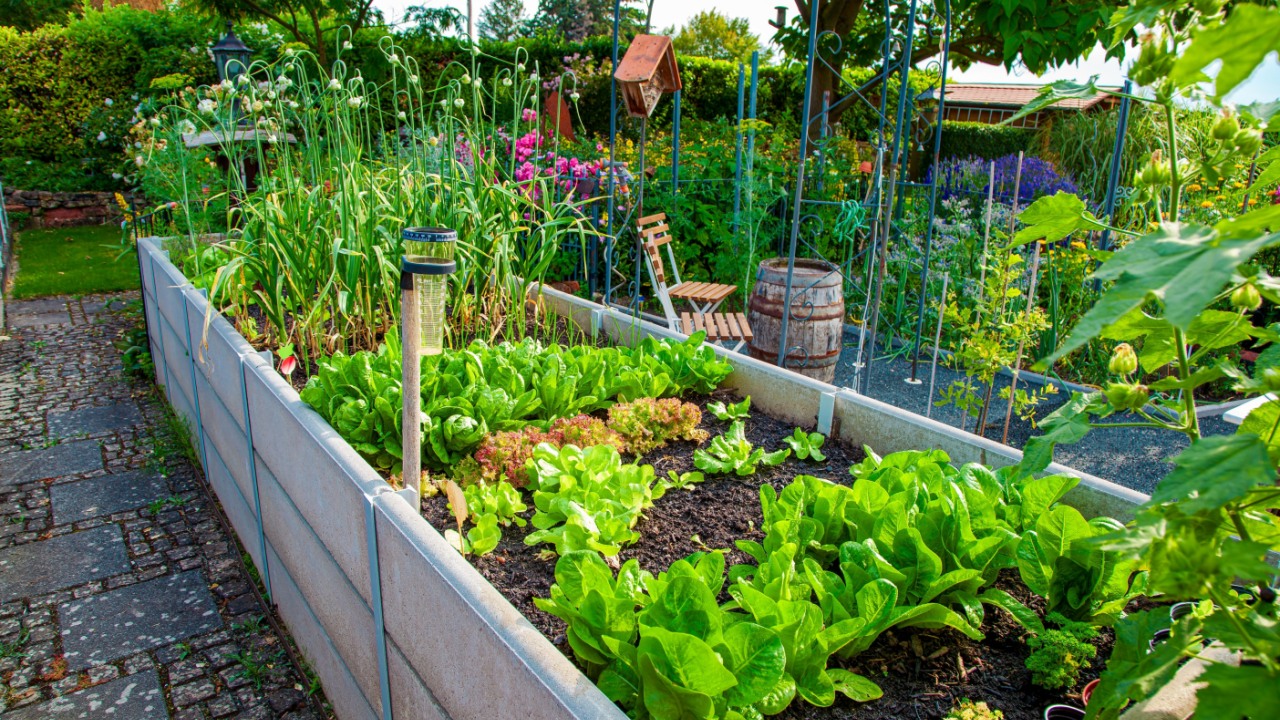
Image Credit: Shutterstock.
When you grow your own food, you’re not just harvesting tomatoes or lettuce—you’re reclaiming control over what your family eats. With grocery store produce often coated in pesticides or grown in questionable conditions, starting even a small home garden can dramatically reduce your exposure to chemicals.
You don’t need a farm to make a difference. Start with a few containers of the most pesticide-laden crops like strawberries, spinach, or peppers. Use organic soil, skip the sprays, and grow at your own pace. With every seed you plant, you’re creating a safer, more sustainable kitchen—and taking back power from a system that too often prioritizes profit over health.sp