8 Things Smart Gardeners Do in Winter for a Better Spring
Winter is a useful time to prepare for the next growing season, even when the ground is frozen.
A few maintenance jobs, thoughtful planning, and the right cold-weather precautions can prevent problems and make spring planting easier.
Not every task suits every climate. Work on soil only when it is workable, save certain pruning jobs for late winter, and prioritize protecting vulnerable plants before severe weather arrives.
These 8 projects offer a practical place to start.
1. Clean and Sharpen Your Tools
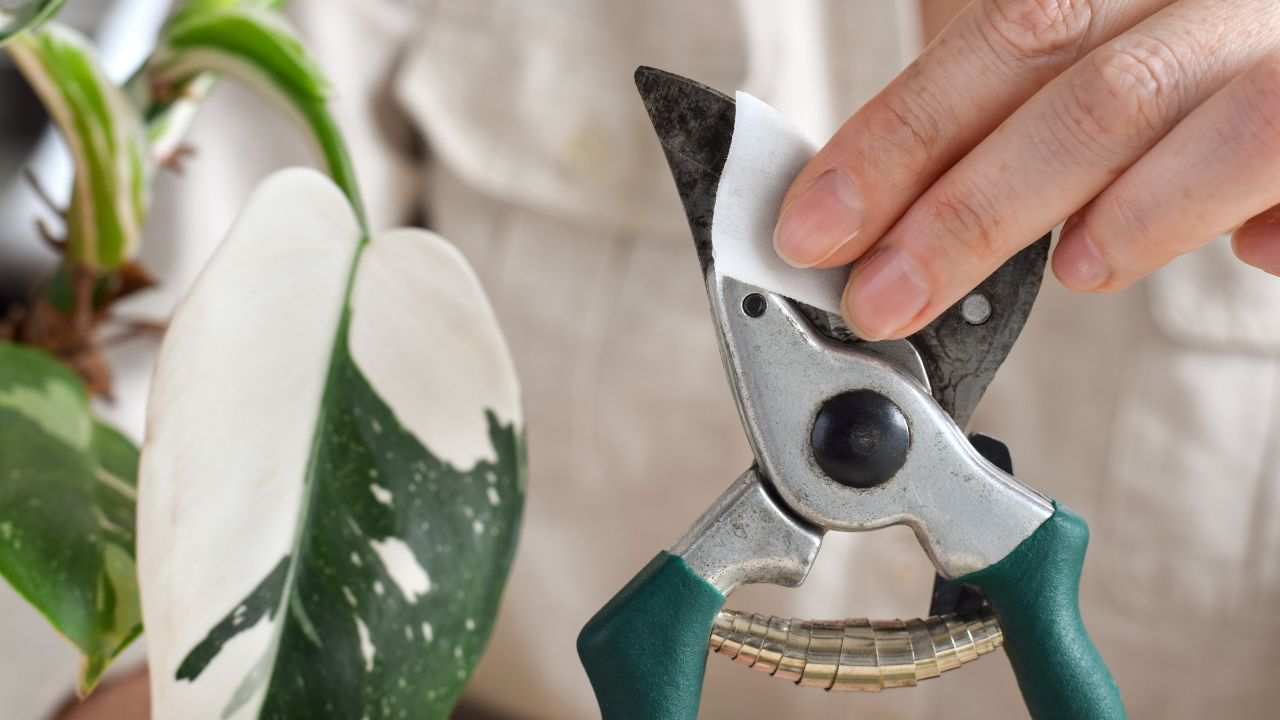
Clean tools are easier to use and less likely to spread plant diseases. Remove soil from shovels and trowels with a stiff brush, wash them with soapy water, and dry them thoroughly. Clean pruning tools after use and disinfect blades when working with diseased plants.
Sharpen pruners and other cutting edges according to the manufacturer’s instructions, then apply a light coating of oil to exposed metal to discourage rust. Store tools somewhere dry so they are ready when planting and pruning resume.
2. Amend Your Soil with Compost
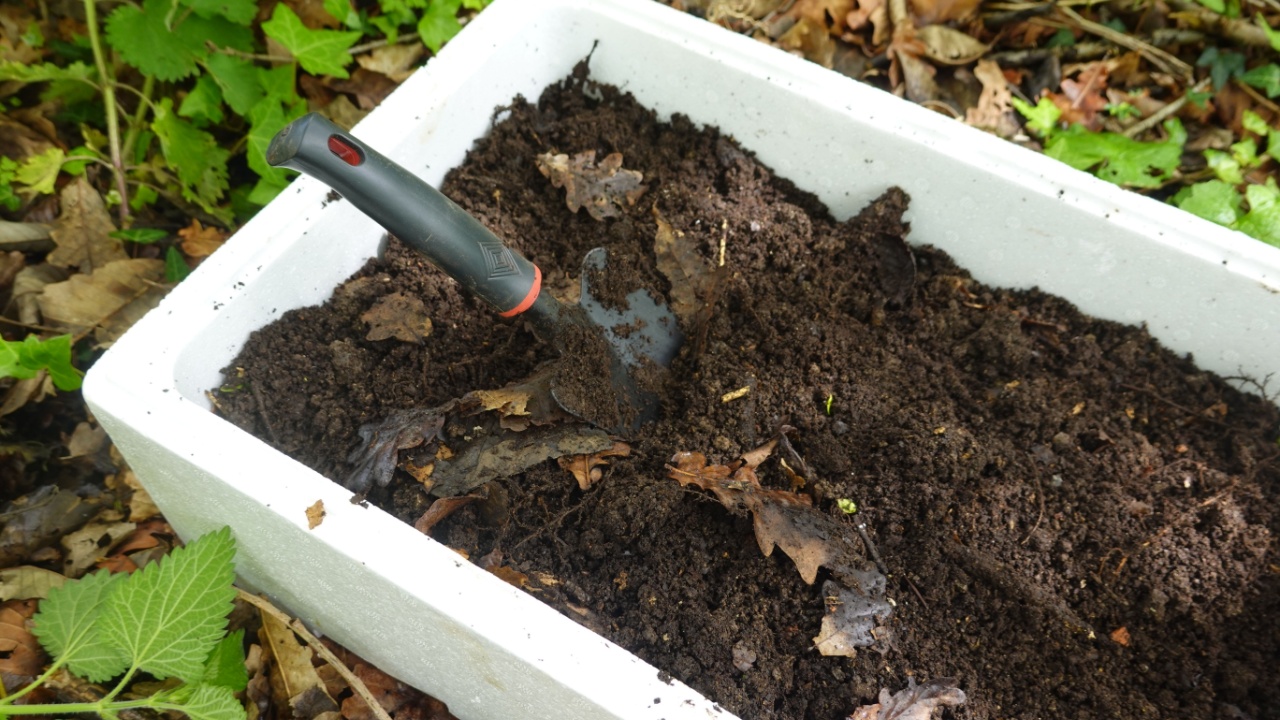
A layer of finished compost helps improve soil structure and supplies organic matter for the next growing season. Spread it over empty beds when the soil is not frozen or waterlogged; there is usually no need to dig deeply, which can damage soil structure.
Use mature compost rather than fresh manure, and avoid adding diseased plant material or unsuitable kitchen scraps to a home compost pile. This guide to what not to compost can help keep the pile healthy. If beds are already frozen, save the job for a thaw or early spring.
3. Prune Dormant Trees and Shrubs
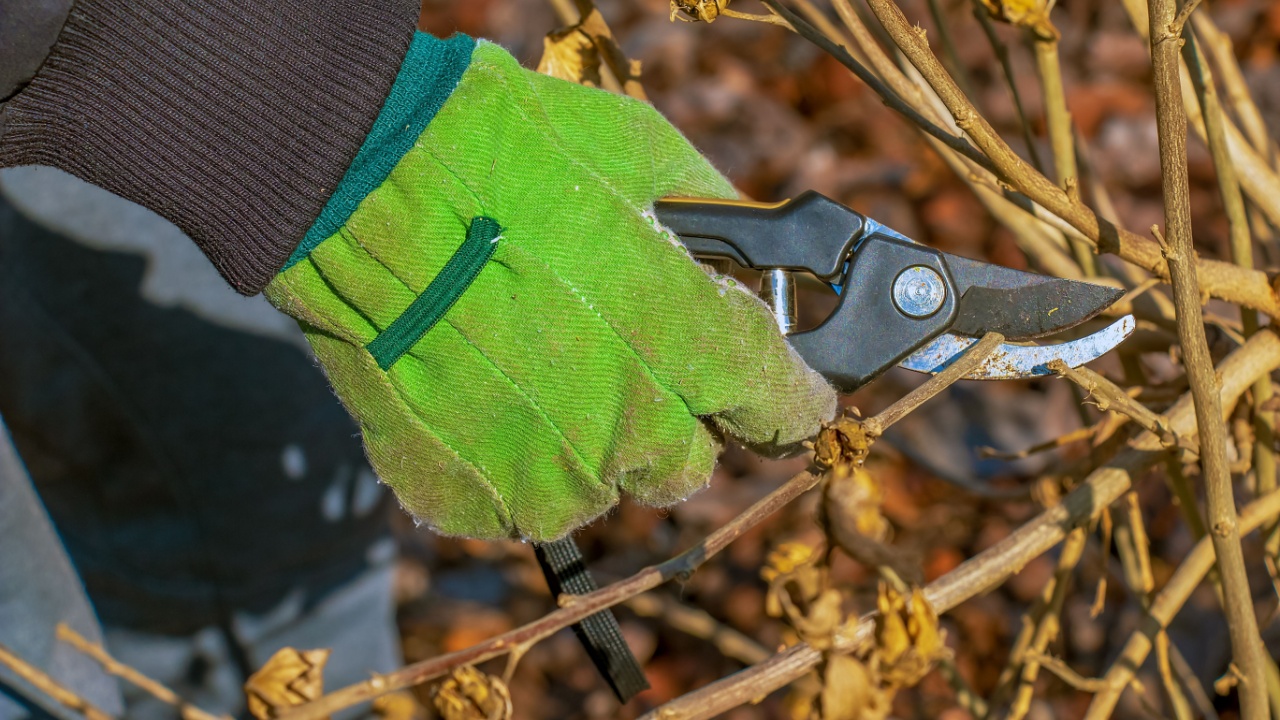
Late winter is a good time to prune many dormant deciduous trees and shrubs. Bare branches make it easier to spot damage, crossing limbs, and poor structure. Remove dead or broken wood first, making cuts just outside the branch collar rather than flush against the trunk.
Pruning schedules vary by species. Avoid cutting back spring-flowering shrubs such as lilacs and forsythia before they bloom, since their flower buds formed the previous year. Leave large limbs and work near power lines to qualified professionals.
4. Organize Your Seed Collection

Before ordering seeds, sort the packets already on hand by crop and variety. Note their age and make a list of what is missing. Older seeds are not automatically unusable; a simple germination test can help determine whether they are worth planting.
Keep seeds labeled and stored in a cool, dry, dark place in a sealed container. An inventory now can prevent duplicate purchases and make it easier to plan sowing dates later.
5. Clean Up Your Pots
Wash empty pots before the spring rush, especially containers that held diseased plants. Remove old roots and soil, then scrub with warm, soapy water and rinse. If disinfection is necessary, use a product and dilution suitable for garden containers, following the label and never mixing cleaners.
Check pots for cracks and make sure drainage holes are open. Allow everything to dry before stacking and storing. These pot-cleaning suggestions are useful for getting containers ready for reuse.
6. Clean Out Gutters and Rain Barrels

Leaves and debris in gutters can send runoff toward garden beds and foundations. Clear blockages after leaf drop, provided conditions are safe. Avoid ladder work on icy or unstable ground and consider professional help for high gutters.
In freezing regions, disconnect and drain rain barrels before water expands and damages the container or fittings. Clean out sediment, inspect the spigot, and store the barrel according to the manufacturer’s recommendations.
7. Build or Repair Garden Structures
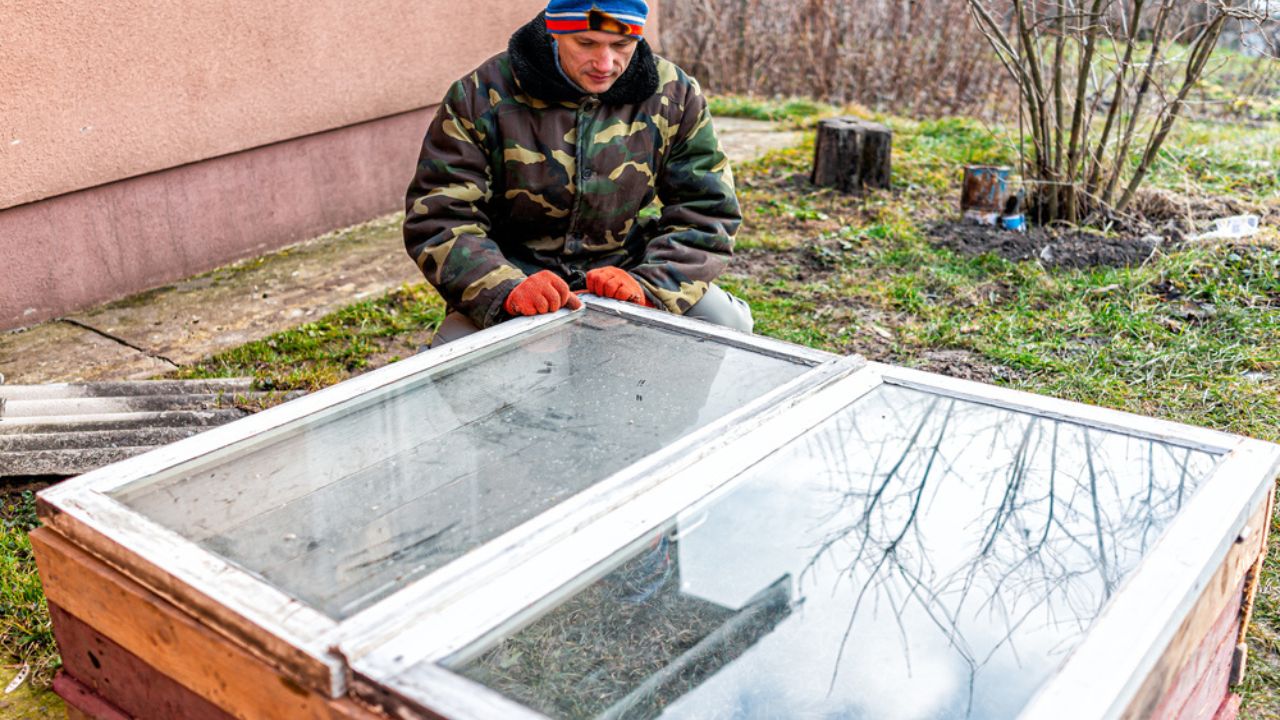
Winter offers time to inspect raised beds, trellises, fences, and plant supports. Replace rotten boards, tighten loose hardware, and repair damaged frames before vigorous spring growth makes access difficult.
If the ground is frozen, assemble new structures in a sheltered workspace and install them later. A cold frame is one useful project for gardeners hoping to protect seedlings or extend the growing season, provided it has adequate ventilation on sunny days.
8. Attract Beneficial Birds to Your Garden
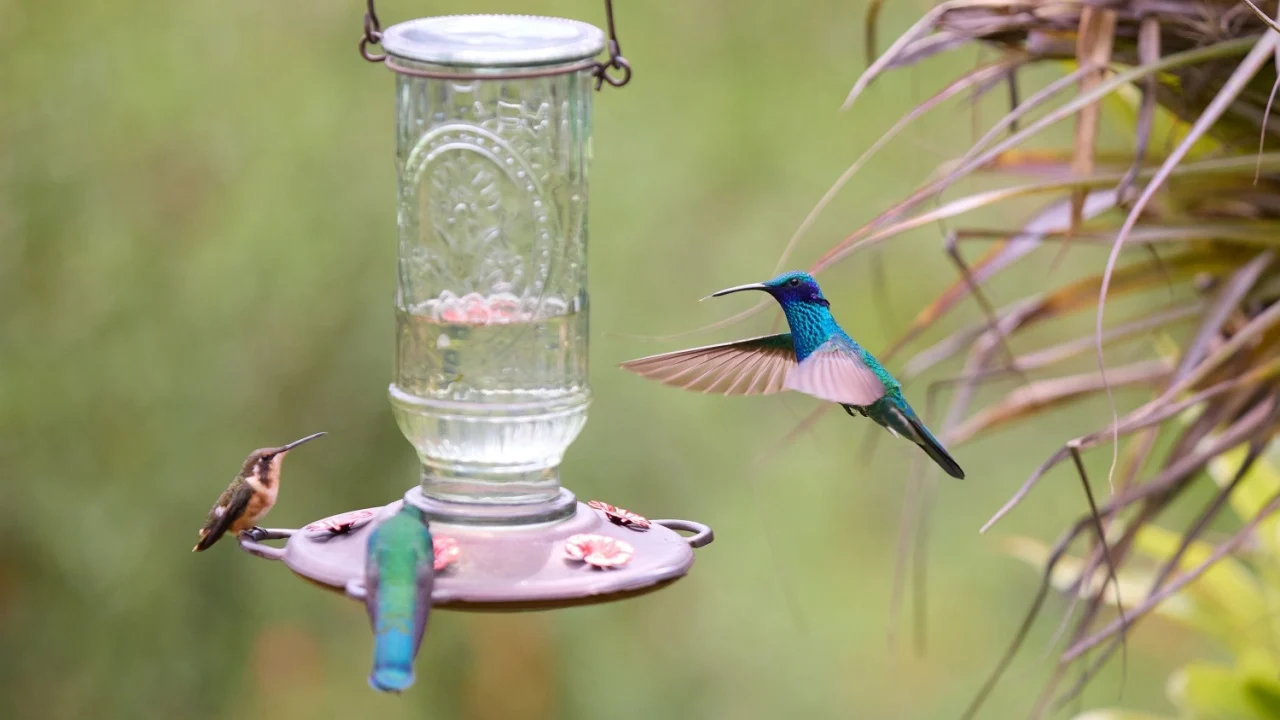
Winter birds benefit from reliable food, clean water, and shelter. Depending on local species, sunflower seeds and suet can be useful offerings. Clean feeders regularly, remove spoiled food, and keep water accessible when temperatures fall below freezing.
Leaving some seed heads standing and retaining shrubs for cover can support birds without adding more feeders. Not all birds pictured at feeders, including hummingbirds, are present in every region during winter. For additional habitat advice, see these hummingbird-friendly yard tips.
A Head Start on Spring
Winter preparation does not have to mean completing every job at once. Choose tasks that suit the weather, tackle indoor planning on the coldest days, and leave frozen or saturated soil undisturbed. A little maintenance now can make spring gardening smoother and more enjoyable.