
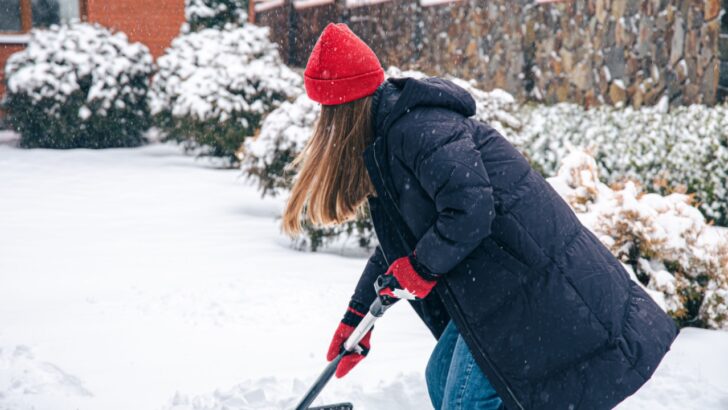
The first winter snowfall always feels magical. Fresh air, quiet mornings, and a lawn tucked neatly under a white blanket. But when the snow finally melts, that dreamy scene can turn into a mess of brown patches, matted grass, and dead spots that seem to appear overnight. Many homeowners are shocked to find their lawn looking worse after winter than before it.
Snow itself isn’t the villain; it’s what happens under and around it that causes trouble. Prolonged snow cover, temperature swings, and winter habits can quietly damage grass crowns and roots. Understanding why this happens makes it much easier to fix and prevent the damage before spring fully arrives.
1. Snow Mold: The Hidden Fungus Beneath the Snow
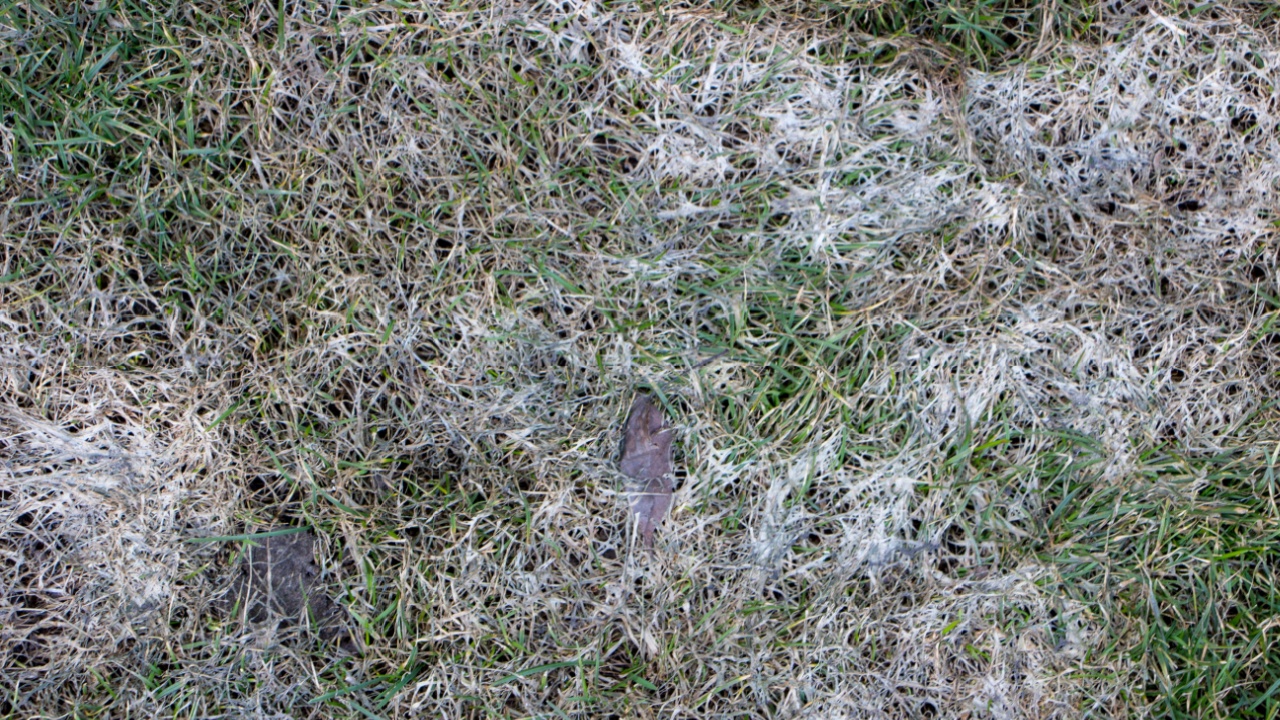
Image Credit: Shutterstock.
Snow mold is one of the most common reasons lawns look awful after winter. It develops when snow sits on unfrozen ground for long periods, especially if grass was left long in the fall. Under that snow, moisture builds up, airflow disappears, and fungi thrive by slowly attacking grass blades and crowns.
What to do next:
- Gently rake matted grass as soon as the snow melts
- Improve airflow and sunlight exposure
- Apply light nitrogen fertilizer in early spring
- Avoid heavy watering until growth resumes
2. Soil Compaction From Snow Piles and Foot Traffic
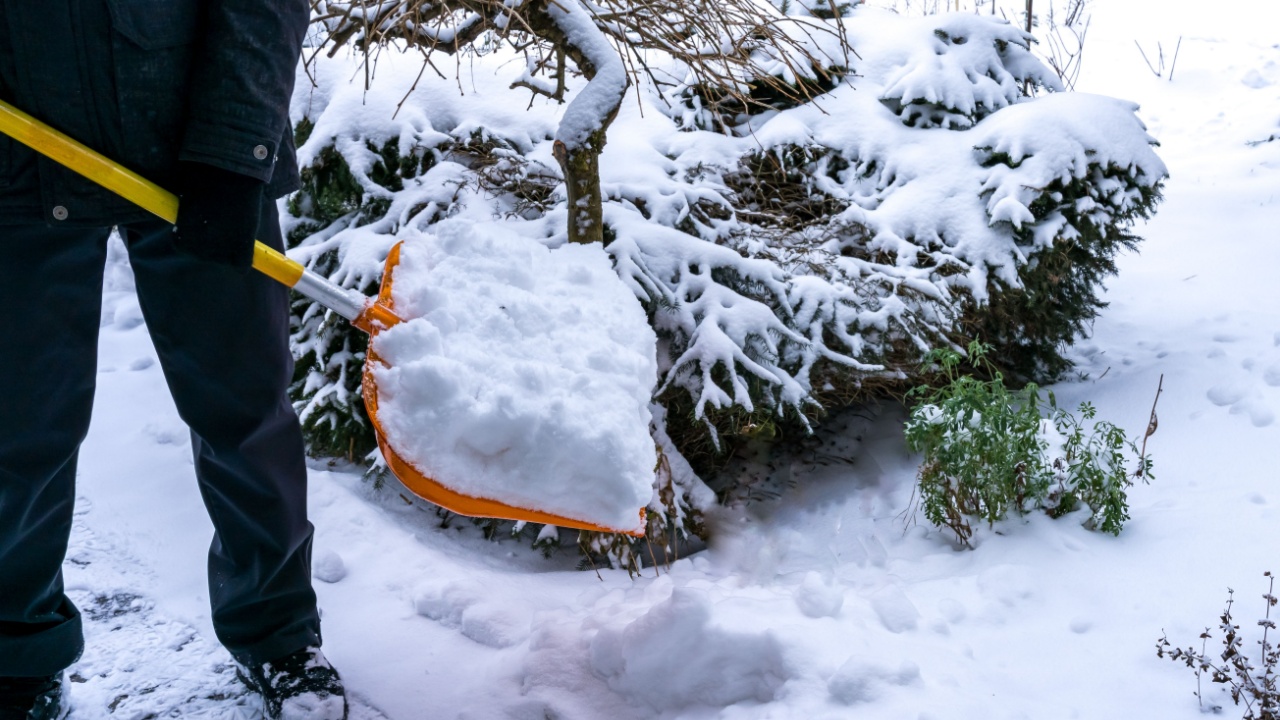
Image Credit: Shutterstock.
Snow may look light and fluffy, but once it piles up, especially from shoveling or plowing, it becomes heavy. That weight compresses soil, squeezing out air pockets the roots need to breathe. Walking repeatedly on snowy lawns makes it worse, pressing frozen soil even tighter.
What to do next:
- Avoid walking on snowy or frozen grass
- Aerate soil in spring or early fall
- Top-dress with compost to loosen soil
- Overseed thin areas after aeration
3. Road Salt and De-Icers Burning Grass Roots
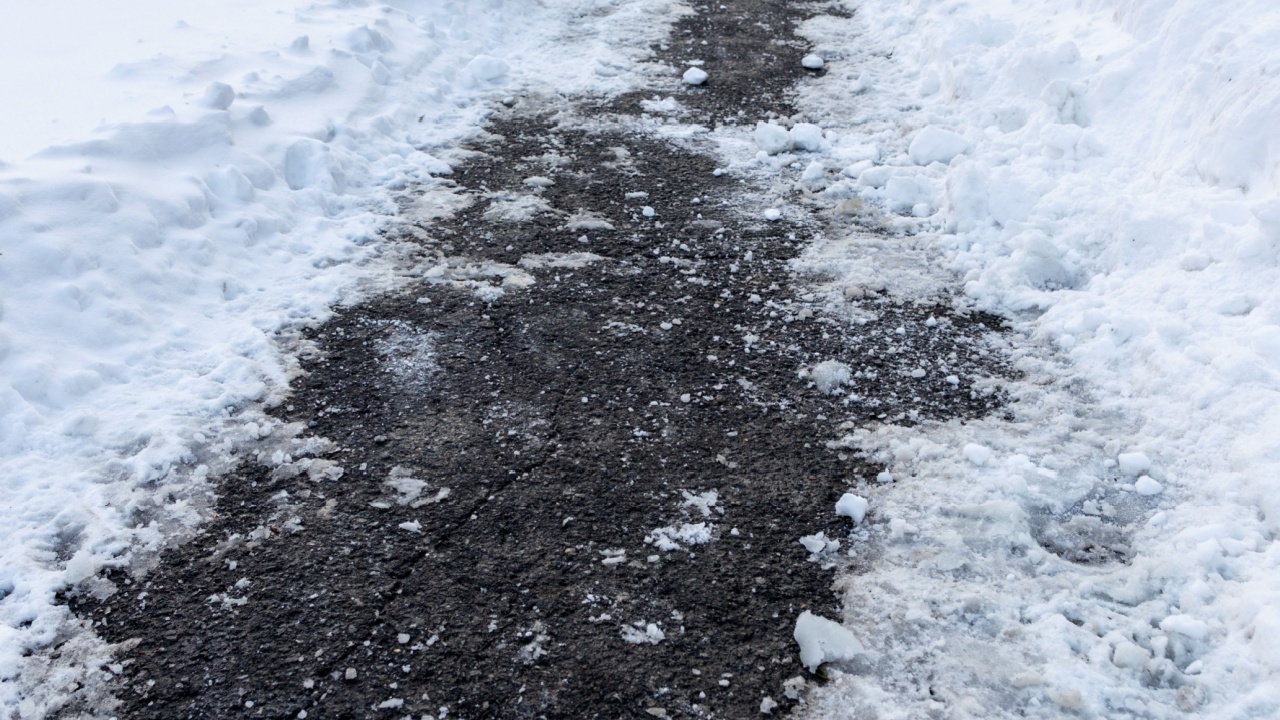
Image Credit: Shutterstock.
Salt used on driveways and sidewalks doesn’t stay put. Meltwater carries it into nearby lawns, where it disrupts soil chemistry and pulls moisture out of grass roots. Salt stress damages plant cells and blocks nutrient uptake, leading to dead edges and patchy growth. Even pet-safe or “natural” de-icers can harm lawns if overused. Salt injury often appears in spring as yellowing grass that fails to green up.
What to do next:
- Use calcium magnesium acetate instead of rock salt
- Shovel early to reduce de-icer use
- Rinse lawn edges with water in early spring
- Apply gypsum to help flush excess salts
From Winter Damage to Spring Comeback

Image Credit: Shutterstock.
Snow doesn’t have to mean disaster for your lawn. Most winter damage is preventable, and nearly all of it is fixable with the right spring strategy. Raking, aeration, proper watering, and smart reseeding can bring grass back stronger than before.
The key next step is early inspection. As soon as the snow melts, check for mold, compaction, salt lines, and bare spots. Acting early shortens recovery time and saves money later. With a little attention now, that tired winter lawn can turn into a thick, green space ready for backyard life again.