Which Houseplant to Gift Someone Based Personality
Choosing a gift for someone can feel like a puzzle with too many missing pieces. Do you go with another scented candle? A gift card? It can be a real head-scratcher. A houseplant, however, is a living, breathing gift that grows along with your friendship. It’s a wonderful way to show you care, especially if they are plant lovers or have been desiring to parent one successfully.
The trick is matching the right plant to the right person. A plant that needs constant attention won’t work for your friend who is always on a plane, and a simple succulent might not excite your detail-oriented pal. This guide is your secret weapon for gift-giving success.
We’ve paired eight distinct personality types with their perfect botanical counterparts.
Where We Got Our Data
This guide draws on insights from reputable botanical and lifestyle publications that specialize in aligning houseplants with personality traits. Sources such as GreenMatters, Home & Texture, and Gardener Basics offer frameworks for understanding how plant characteristics like care level, propagation style, and symbolic resonance can reflect different temperaments and lifestyles. Together, these sources form a reliable foundation for matching people with plants that truly resonate.
Forget the guesswork, read on to find the ideal green gift that says, “I get you.”
1. The Social Butterfly: Spider Plant
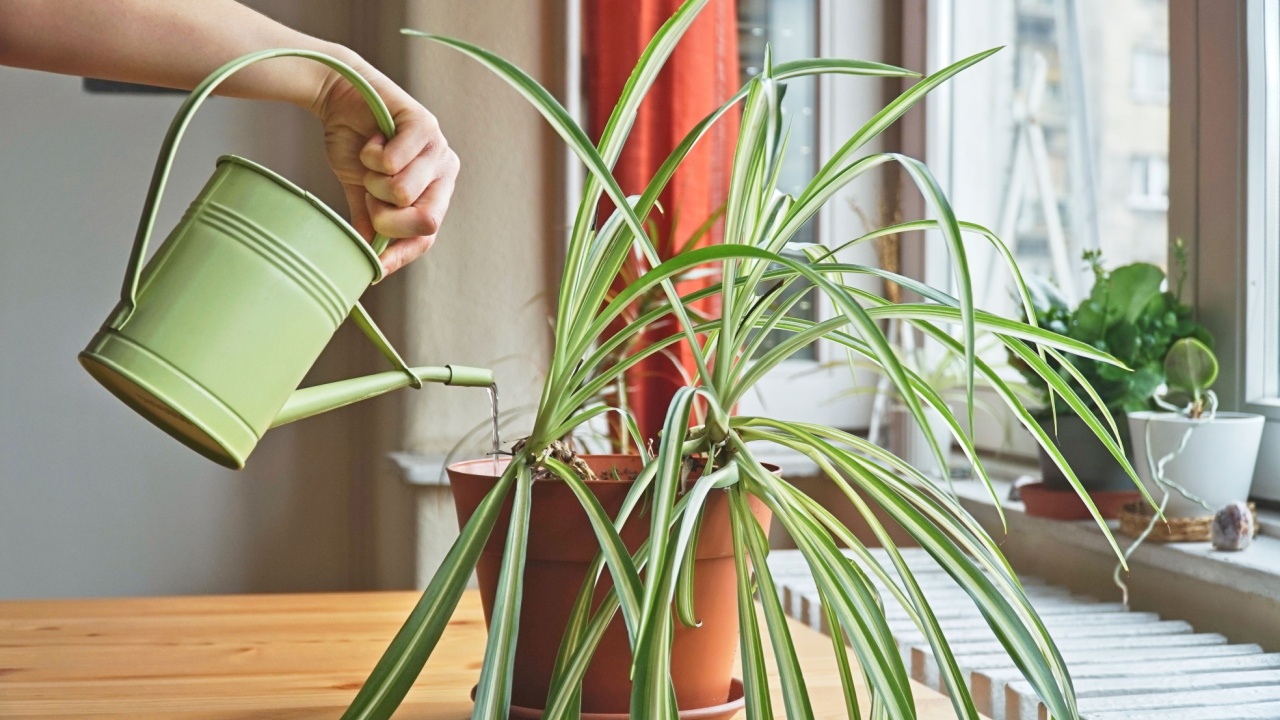
You know this person. Their calendar is like train tracks of brunches, parties, and coffee dates. They thrive on connection and are always surrounded by people. For the friend who collects friends, the Spider Plant is the perfect companion. These plants are famous for producing “spiderettes,” or little baby plants, that dangle from the mother plant like a group of friends hanging out.
You should probably not gift it to a cat parent. While Spider Plants are generally considered non-toxic, they can cause mild digestive upset in cats if ingested excessively due to their hallucinogenic compounds. The best part is they are incredibly easy to care for, meaning they won’t interfere with a packed social schedule.
A Quick Scan:
- Care Tips: Spider plants are forgiving. They prefer bright, indirect light but can tolerate lower light conditions. Water them when the top inch of soil feels dry, and be careful not to let the soil get soggy. They are also fantastic air purifiers, which is a nice bonus for a home that often hosts guests.
- Why it Fits: Produces “babies” that can be shared with friends.
- Light: Bright, indirect light is best.
- Water: Water when the top inch of soil is dry.
- Bonus: Easy to propagate and a great air purifier.
2. The Type A: Miltoniopsis Orchid

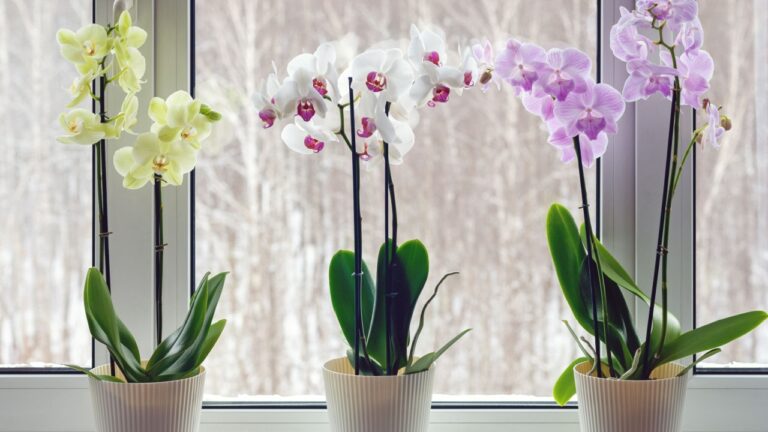
Type A personalities are competitive and highly organised. This person has a color-coded planner, a perfectly organized spice rack, and an appreciation for the finer things. They are detail-oriented, precise, and find beauty in complexity. A Miltoniopsis orchid, often admired for its pansy-like, patterned blooms, is a refined choice.
These orchids require a bit more attention to detail, which a Type A personality will gladly embrace. It’s a plant that requires a bit of research and a methodical approach, which aligns perfectly with the Type A mindset. They will appreciate the challenge and the exquisite payoff.
A Quick Scan:
- Care Tips: These orchids need bright, indirect light; direct sun will burn their leaves. They require consistent moisture but must not sit in water, so a well-draining potting mix is essential. They also appreciate higher humidity, so a spot in a bright bathroom or a regular misting will make them happy.
- Why it Fits: Rewards precision and a methodical approach with beautiful blooms.
- Light: Bright, indirect light. Avoid direct sun.
- Water: Keep consistently moist but not waterlogged.
- Bonus: Their fragrant flowers add a touch of luxury to any room.
3. The Traveler: Pothos
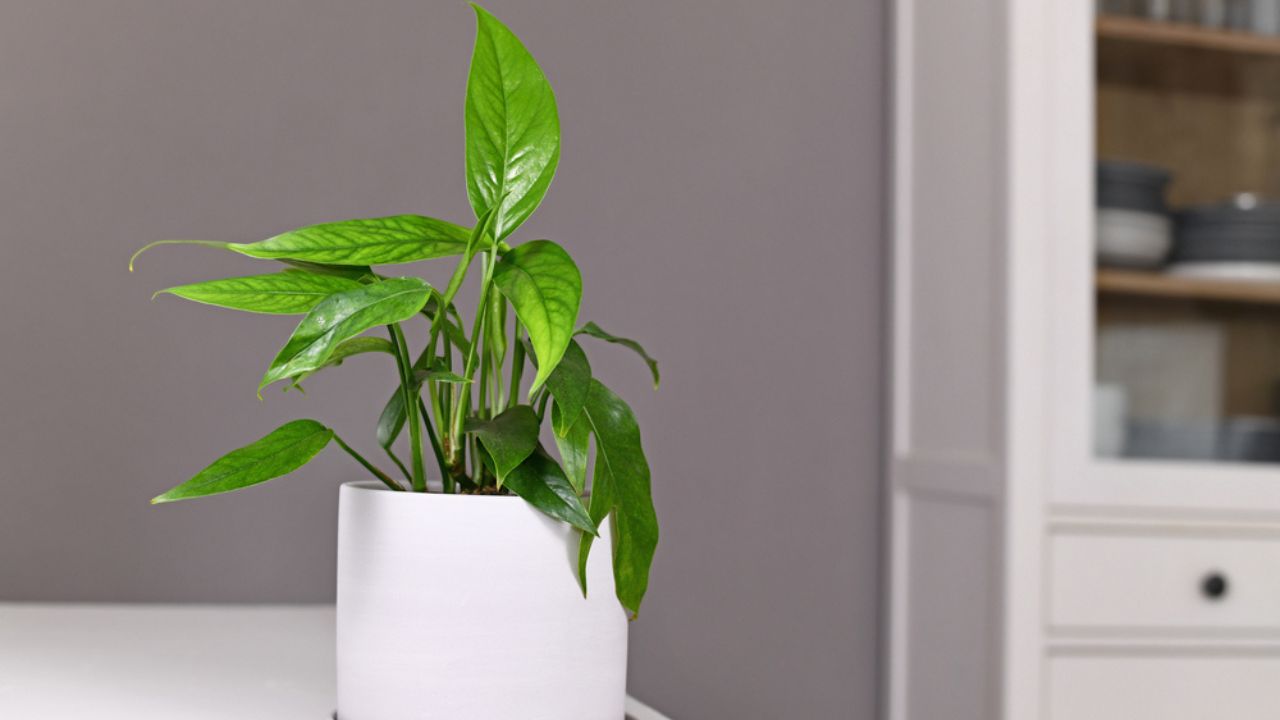
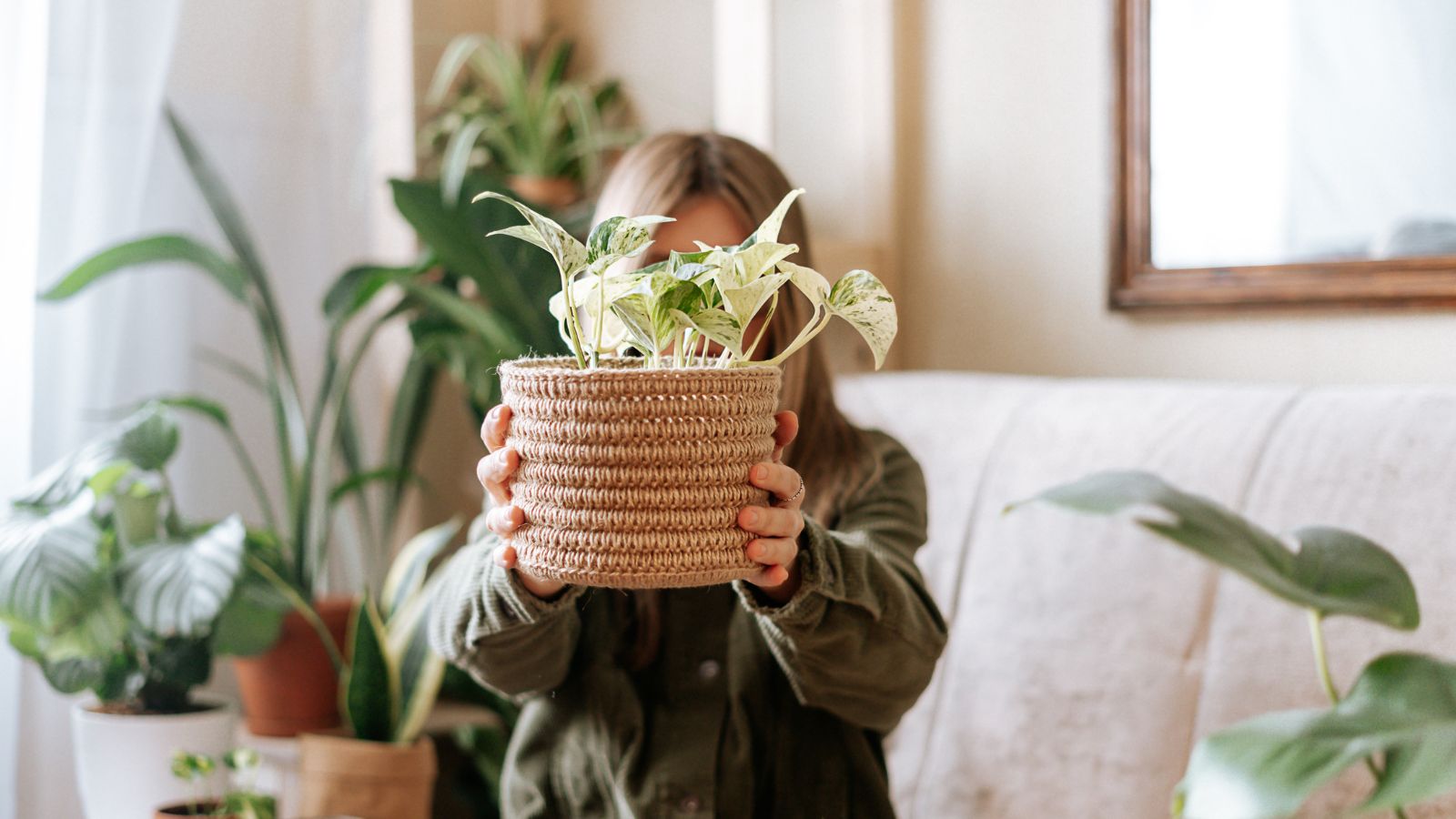
This friend’s social media is a continuous stream of airport selfies and breathtaking landscapes. They live out of a suitcase and can never stay in one place for long. The Pothos, with its trailing vines and nearly indestructible nature, is the ideal plant for the perpetual wanderer. It’s renowned for its resilience and can handle a bit of neglect, which is bound to happen when its owner is off exploring a new continent.
A Pothos can survive in a variety of light conditions and will bounce back even if a watering session is missed. Its cascading leaves are beautiful, but it won’t throw a tantrum if it’s forgotten for a week or two.
A Quick Scan:
- Care Tips: Pothos is incredibly adaptable. It can thrive in bright, indirect light or low-light corners. Water it thoroughly when the soil is dry, but it’s very forgiving if you forget. If the leaves start to yellow, it’s often a sign of too much water.
- Why it Fits: Extremely resilient and can tolerate periods of neglect.
- Light: Adaptable to most light conditions, from low to bright indirect.
- Water: Water when the soil is dry; it’s drought-tolerant.
- Bonus: One of the easiest houseplants to grow, perfect for anyone.
4. The Dreamer: Peace Lily
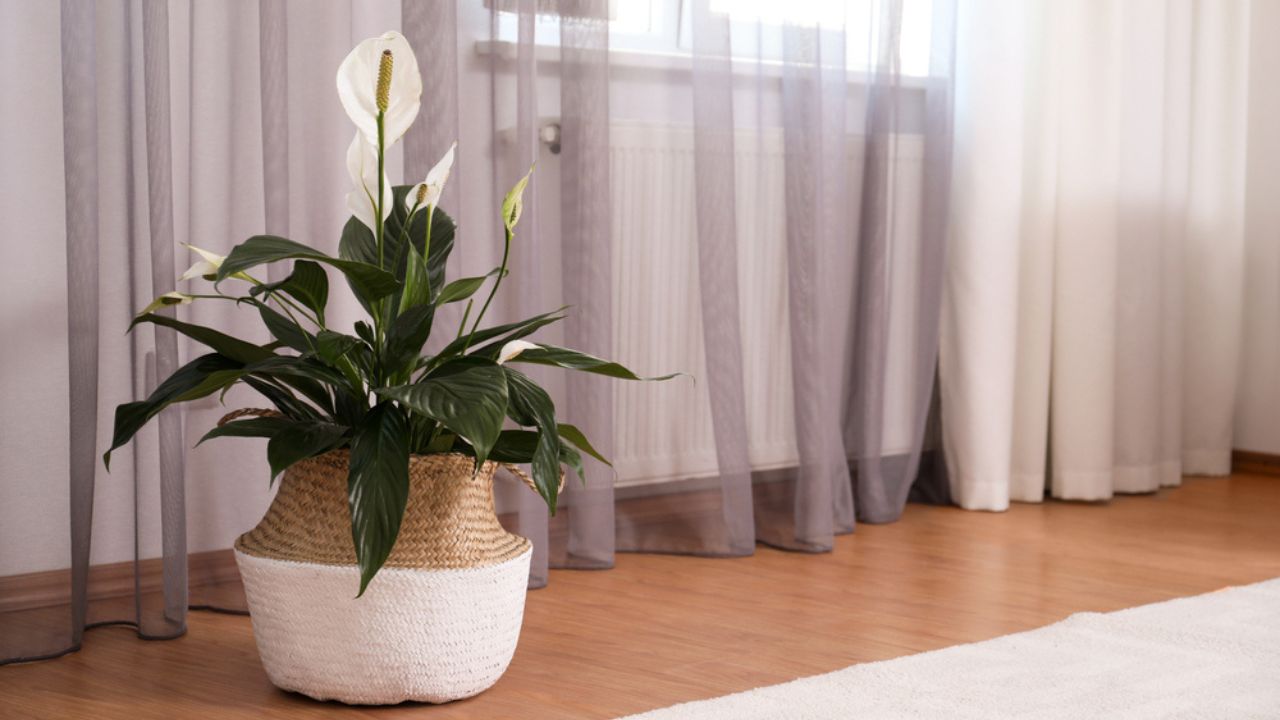
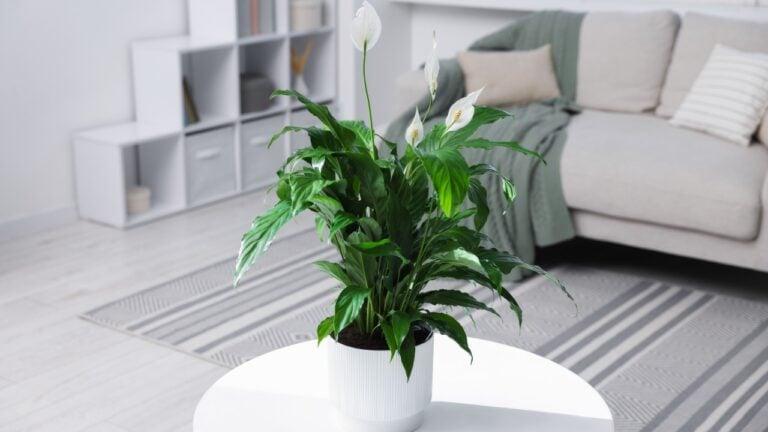
This person is an imaginative soul, often lost in thought or a good book. They are introspective, sensitive, and appreciate tranquility and beauty in their surroundings. The Peace Lily, with its elegant dark green leaves and graceful white flowers, is the botanical soulmate for the dreamer. Its name alone evokes a sense of calm and serenity, creating the perfect peaceful environment for creative thinking.
Peace Lilies are not just pretty; they are also communicative. They have a dramatic tendency to droop when they are thirsty, taking the guesswork out of watering. This clear signal is helpful for a daydreamer who might have their head in the clouds. The return to a perky, upright state after a good drink is a satisfying sight. It’s a beautiful, responsive plant that enhances a calm atmosphere.
A quick Scan:
- Care Tips: Peace Lilies prefer medium to low indirect light. They are more tolerant of underwatering than overwatering. Wait for the plant to droop slightly before watering it thoroughly. Their white “flowers” are actually a specialized leaf bract that grows around the small, true flowers.
- Why it Fits: Creates a tranquil atmosphere and communicates its needs clearly.
- Light: Medium to low indirect light.
- Water: Water thoroughly when the plant begins to droop.
- Bonus: Known for its air-purifying qualities.
5. The Zero-Waster: Aloe Vera
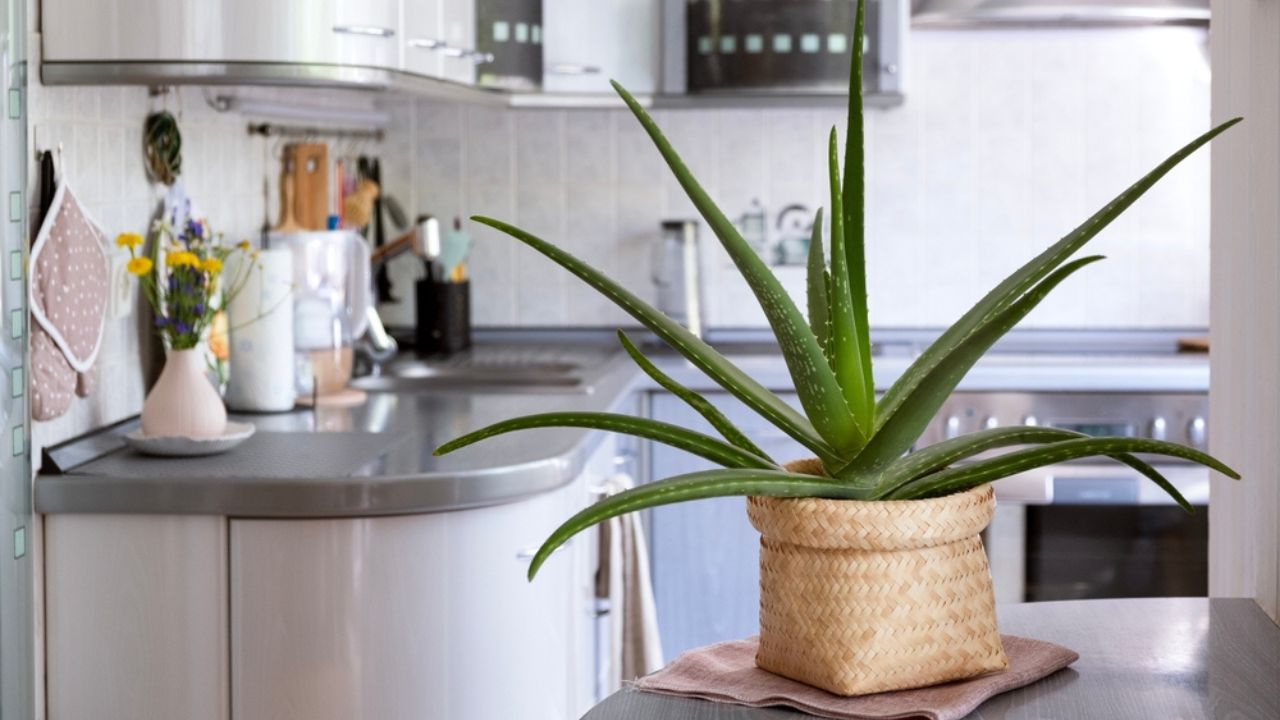
This friend carries a reusable coffee cup, brings their own containers for bulk-bin shopping, and is passionate about sustainability and practicality. For the person who values function and strives to reduce waste, the Aloe Vera plant is a perfect, purposeful gift. It’s not just a decorative plant; it’s a living first-aid kit and skincare station all in one.
The gel inside an Aloe Vera leaf is famous for its ability to soothe sunburns, cuts, and skin irritation. A zero-waster will love the practicality of having a natural, package-free remedy right on their windowsill. It’s a plant that aligns with a self-sufficient and eco-conscious lifestyle.
A quick Scan:
- Care Tips: Aloe Vera is a succulent, so it loves bright, direct sunlight. Place it in a south-facing window if possible. It requires very little water, so let the soil dry out completely between waterings. Overwatering is the most common way to harm this plant.
- Why it Fits: A practical, multi-purpose plant that offers natural remedies.
- Light: Bright, direct sunlight.
- Water: Water sparingly; allow soil to dry out completely.
- Bonus: The gel can be used to soothe skin ailments.
6. The Curmudgeon: Barrel Cactus

We all know one. This person might seem a bit prickly on the outside, but underneath that tough exterior is a heart of gold. They have a dry sense of humor and don’t require much fuss. The Barrel Cactus is the plant equivalent of the lovable grump. It’s covered in protective spines and projects a very clear “do not touch” message, but it’s also self-reliant and sturdy.
This cactus is incredibly low-maintenance and thrives on a bit of neglect, just like a curmudgeon who prefers their own space. It asks for very little: a sunny spot and not much else. Gifting a Barrel Cactus is a playful nod to their tough outer shell, while showing you appreciate their independent and resilient nature.
A quick Scan:
- Care Tips: Barrel Cacti need a lot of direct sunlight. They are desert plants, so they are very prone to rot if overwatered. Water it deeply once every few weeks during the growing season and even less in the winter. Good drainage is non-negotiable.
- Why it Fits: A tough, self-sufficient plant that requires minimal interaction.
- Light: Needs plenty of direct sunlight.
- Water: Water very infrequently; let the soil dry completely.
- Bonus: Can produce a beautiful crown of flowers in the right conditions.
7. The Optimist: Kalanchoe
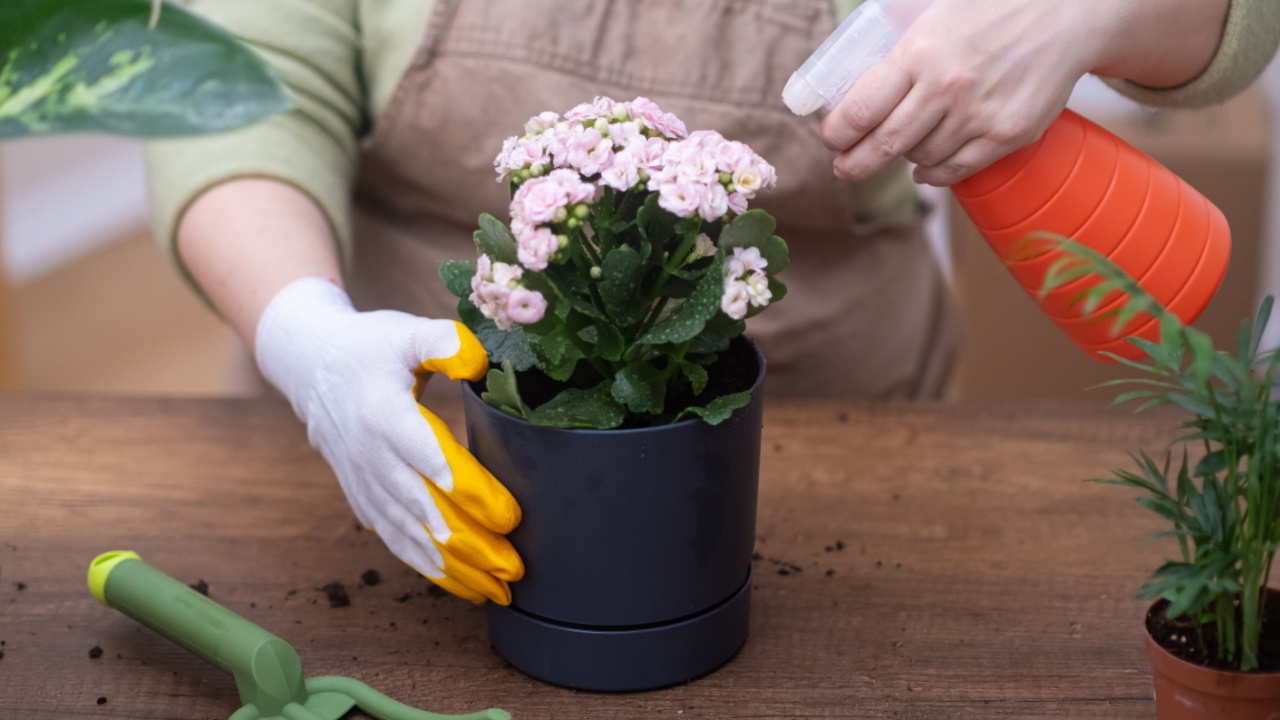
This person sees the silver lining in every cloud. They are cheerful, resilient, and bring a splash of brightness wherever they go. The Kalanchoe is the perfect plant for the eternal optimist. This succulent is known for its clusters of vibrant, long-lasting flowers that come in cheerful shades of red, pink, orange, and yellow. It’s a literal bundle of joy.
The Kalanchoe is a plant that just keeps blooming, often providing color for weeks or even months on end. It’s also quite hardy and easy to care for, bouncing back with little effort.
A quick Scan:
- Care Tips: Kalanchoe needs bright, indirect light to encourage blooming. Like other succulents, it should be allowed to dry out between waterings. To get it to re-bloom, it requires a period of shorter daylight hours, which can be simulated by placing it in a closet for about 14 hours a day for a few weeks.
- Why it Fits: Produces vibrant, long-lasting blooms that radiate cheerfulness.
- Light: Bright, indirect light.
- Water: Allow the soil to dry out between waterings.
- Bonus: Its flowers provide a long-lasting pop of color.
8. The Animal Lover: Cat Grass

This friend’s camera roll is 90% pictures of their pet. They volunteer at the local shelter and would adopt every stray if they could. For the person whose heart belongs to their furry friends, a pot of Cat Grass is a thoughtful and unexpected gift. It’s not for them, but for their beloved animal companion, which shows you truly understand what matters most to them.
Cat Grass (often a mix of wheat, barley, or oat grasses) is safe for cats and other pets to chew on. It provides them with nutrients and may support their digestion. An animal lover will be touched that you thought of their pet’s well-being.
A quick Scan:
- Care Tips: Cat Grass is incredibly easy to grow from seed. It requires a sunny spot and regular watering to maintain evenly moist soil. It grows quickly, usually ready for nibbling in about a week, but it also has a short lifespan. It’s best to sow new seeds every few weeks for a continuous supply.
- Why it Fits: A gift for their beloved pet, showing you care about what they love.
- Light: A bright, sunny spot.
- Water: Keep the soil consistently moist.
- Bonus: Provides a safe and healthy treat for cats and other pets.
Go Beyond the Thought
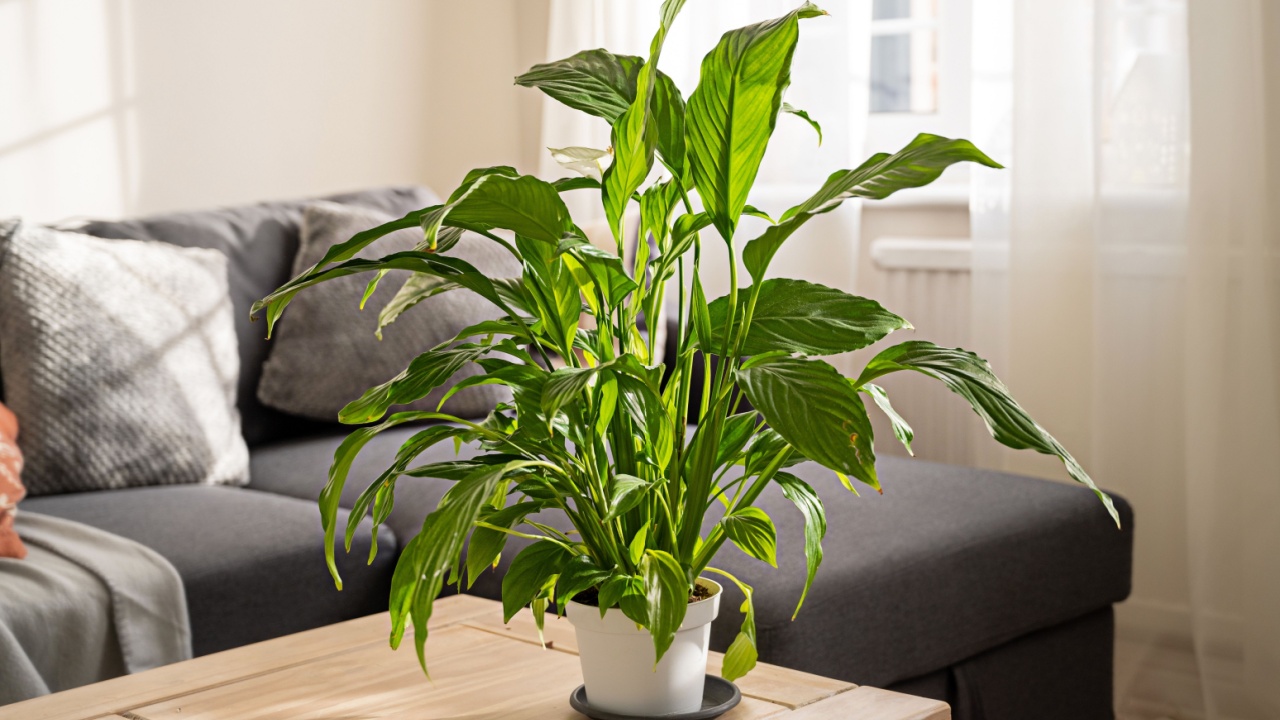
Choosing a plant based on personality turns a simple gift into a meaningful gesture. Perhaps you can even make a terrarium for your friend. It shows you’ve put thought into who they are and what they might enjoy nurturing.
The next step is to pick the personality that best fits your friend, family member, or coworker. Head to your local nursery and find the perfect green match. Your thoughtful gift is sure to grow and flourish, just like your relationship.