Where to See the Best Fall Foliage This October (and 7 Famous Spots to Never Visit Without a Permit)
The biggest threat to your fall foliage trip this October isn’t rain, wind, or an early frost. It’s a $5 parking tag you didn’t know you needed.
Several of America’s most famous leaf-peeping destinations have quietly rewritten the rules. The country’s most visited national park now cites cars without a printed parking tag. Maine’s best-known summit road requires a timed reservation. One Adirondack trailhead turns away walk-ins, and a small Vermont town closes its most photographed road to tourists every fall. If you’ve been driving north to see the leaves for decades, simply showing up has become the most expensive mistake you can make.
The stakes are bigger than a wasted afternoon. According to The Old Farmer’s Almanac, peak color in any one place usually lasts about a week, so getting turned around at a gate can mean missing the season. Add a citation or a tow bill, and a “free” drive can cost more than a night at a country inn.
The good news is that every rule is easy to follow once you know it, and some cost nothing. Below, you’ll find where to see the best fall foliage right now in October, the rule to know at each stop, and the one pass that can save travelers over 62 real money.
Where to See the Best Fall Foliage Depends on the Week, Not the Map
Your grandparents probably kept The Old Farmer’s Almanac by the kitchen door, and its advice for leaf peepers is as practical as ever: “If your travel dates are fixed, choose your destination.” Color moves south and downhill all season. The Almanac places New England’s peak from late September through October, the Mid-Atlantic in mid to late October, and the Southern Appalachians from mid-October into early November.
A region’s full show can stretch two to four weeks, according to travel writer Alec Sills-Trausch of Explore With Alec, but the Almanac says peak color at any single spot usually lasts only about one week. Miss that week, and you’re photographing bare branches.
1. Great Smoky Mountains: Never Park Without a Printed Tag
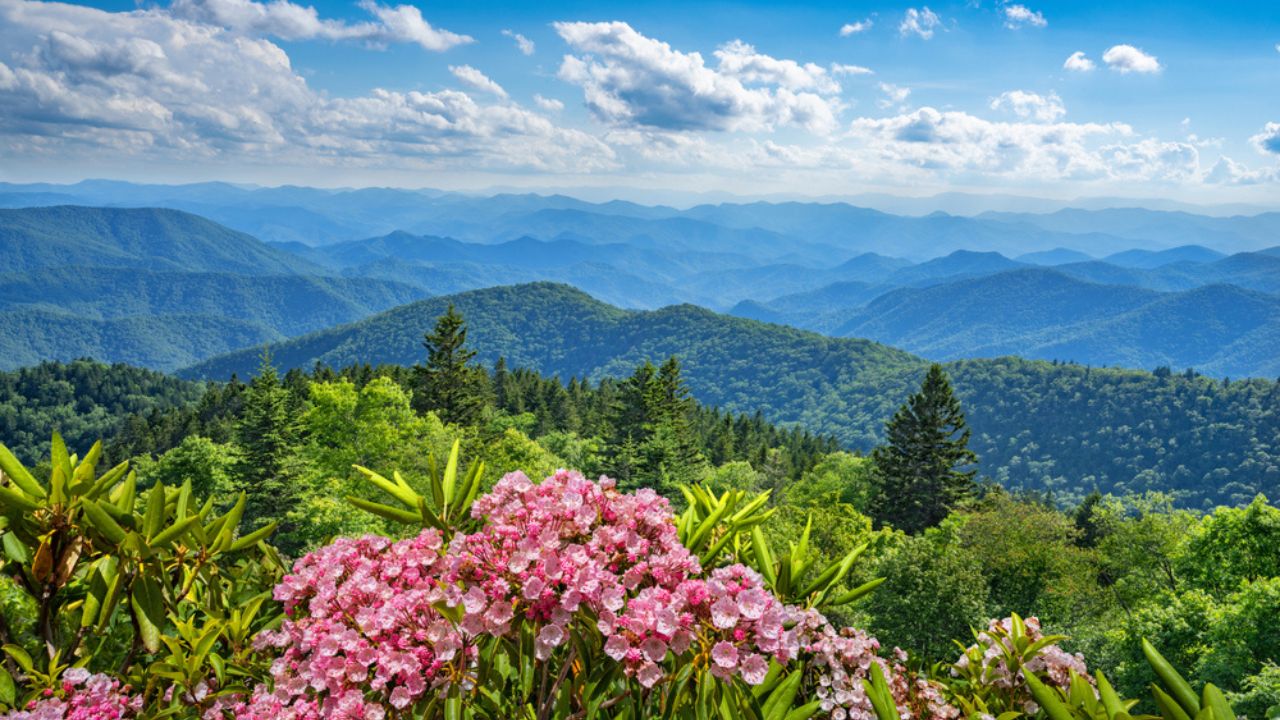
The Smokies are your best bet for a late October trip; the Almanac says color starts on the highest peaks in early October and works down into early November. There’s still no entrance fee, but since March 1, 2023, any vehicle parked longer than 15 minutes needs a parking tag: $5 a day or $15 a week through Recreation.gov, or $40 for an annual tag from Smokies Life, the park’s nonprofit partner.
Recreation.gov is blunt about enforcement: “Vehicles without a valid parking tag physically displayed are subject to citation.” It must be printed; a phone photo doesn’t count.
2. Acadia National Park: Don’t Drive Up Cadillac Mountain Without a Reservation
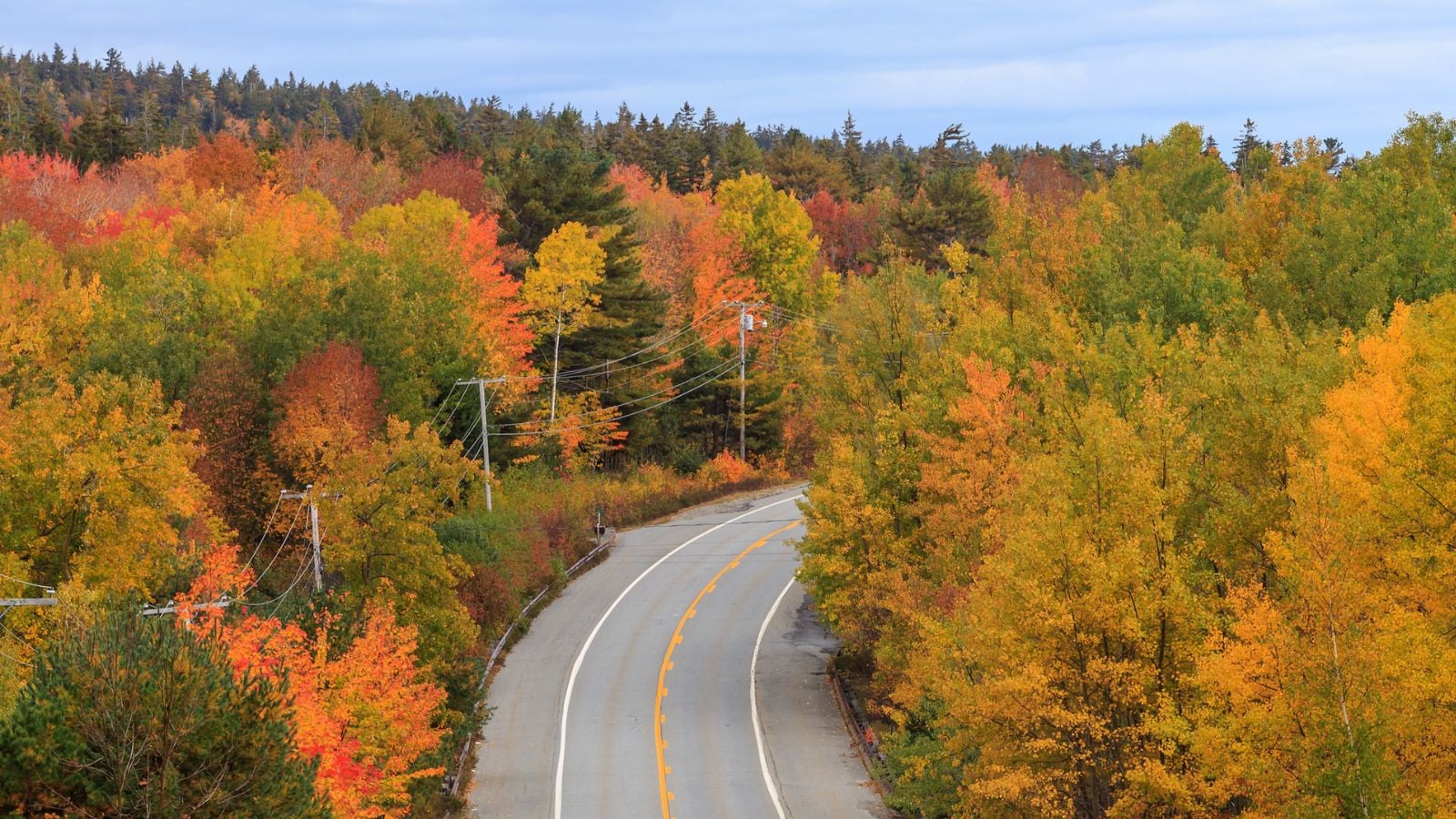
Coastal Maine peaks in mid to late October, per the Almanac, making Acadia a smart late pick. Just know that driving the Cadillac Summit Road requires a vehicle reservation through October 25, 2026, according to the National Parks Conservation Association. Earth Trekkers reports the reservation costs $6 on Recreation.gov, on top of the park’s $35 per car entrance fee.
RV owners, take note: Recreation.gov prohibits RVs, trailers, and any vehicle over 21 feet on the summit road, and a bike rack counts toward that length. The budget workaround? As NPCA points out, “Hiking or biking to the top of Cadillac Mountain is free.”
3. Sleepy Hollow Farm, Vermont: Stop Chasing the Viral Photo

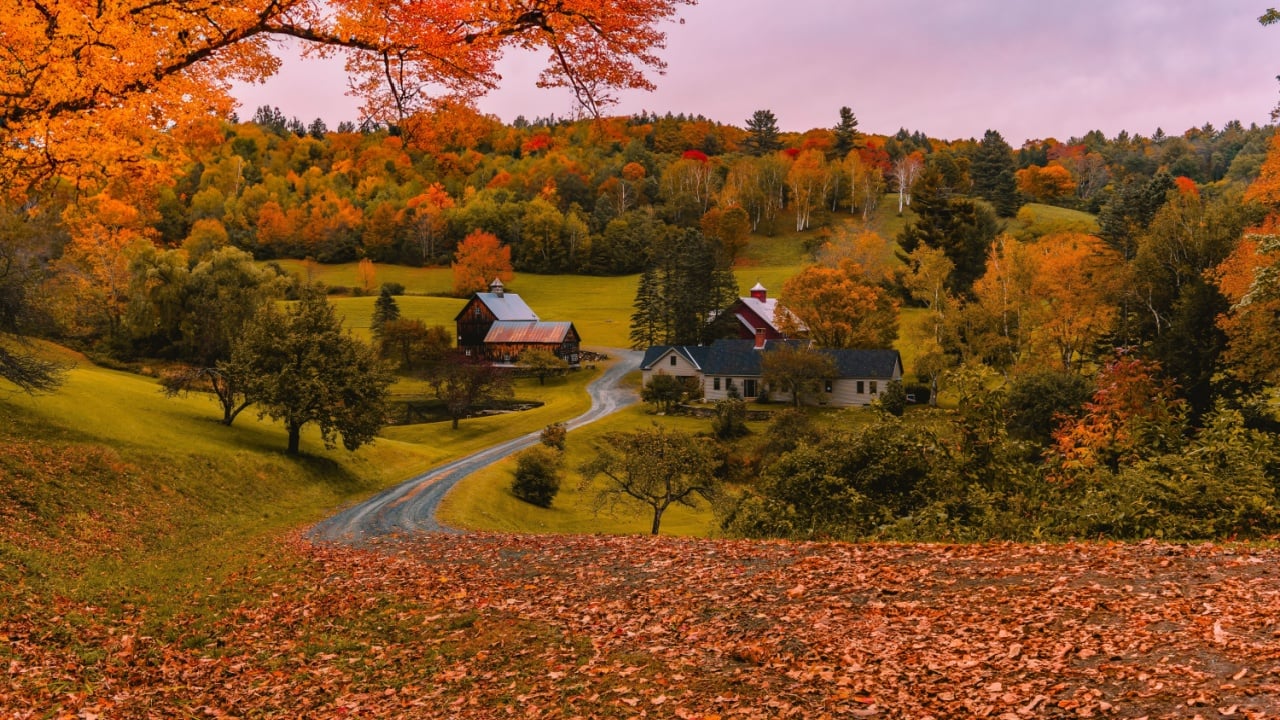
Sleepy Hollow Farm in Pomfret is a private home that went viral on social media, and Cloudland Road, which runs past it, is closed to motor vehicles from September 26 through October 13 this year, according to the Mountain Times. The Associated Press reported that visitors had blocked traffic, obstructed emergency vehicles, and even relieved themselves on private land around the home.
Windsor County Sheriff Ryan Palmer told Yahoo News the biggest problem is people stopping in the middle of the road for pictures, adding that “it really drives the locals crazy.” A better bet is Quechee Gorge, which Bearfoot Theory describes as Vermont’s deepest ravine at 165 feet, with a 2.7-mile trail and maples lining both sides.
4. The Adirondacks: Walk-Ins Are Turned Away at This Popular Trailhead
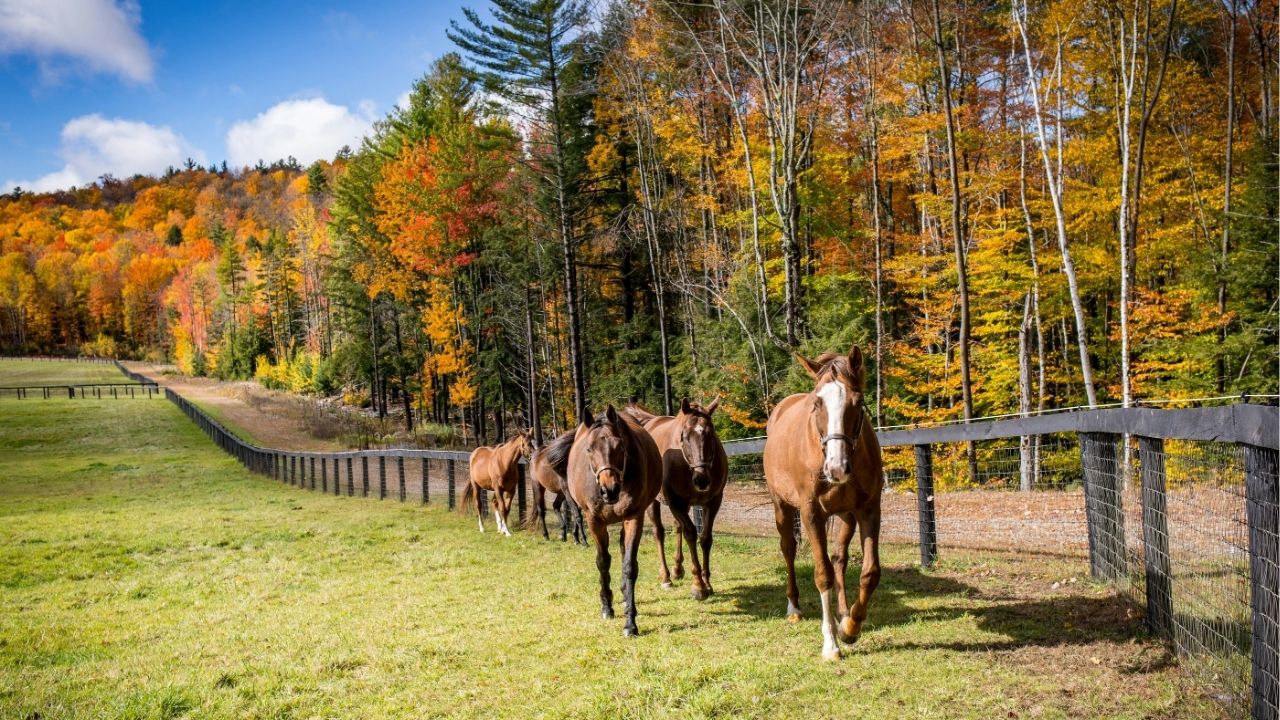
The Almanac says color first appears in the Adirondacks in late September before sliding south through October, and Condé Nast Traveler counts more than 3,000 lakes and ponds in the region.
But if you plan to hike from the Adirondack Mountain Reserve in Keene Valley, the gateway to Indian Head’s famous lake views, you need a free parking reservation through October 31. New York’s Department of Environmental Conservation states plainly that “walk-in users without a reservation will not be permitted,” and the reserve’s own FAQ warns that illegally parked vehicles may be ticketed and towed at the owner’s expense. The reservation costs nothing; skipping it can cost plenty.
5. Kancamagus Highway: Avoid the Pull-Off Pass Trap
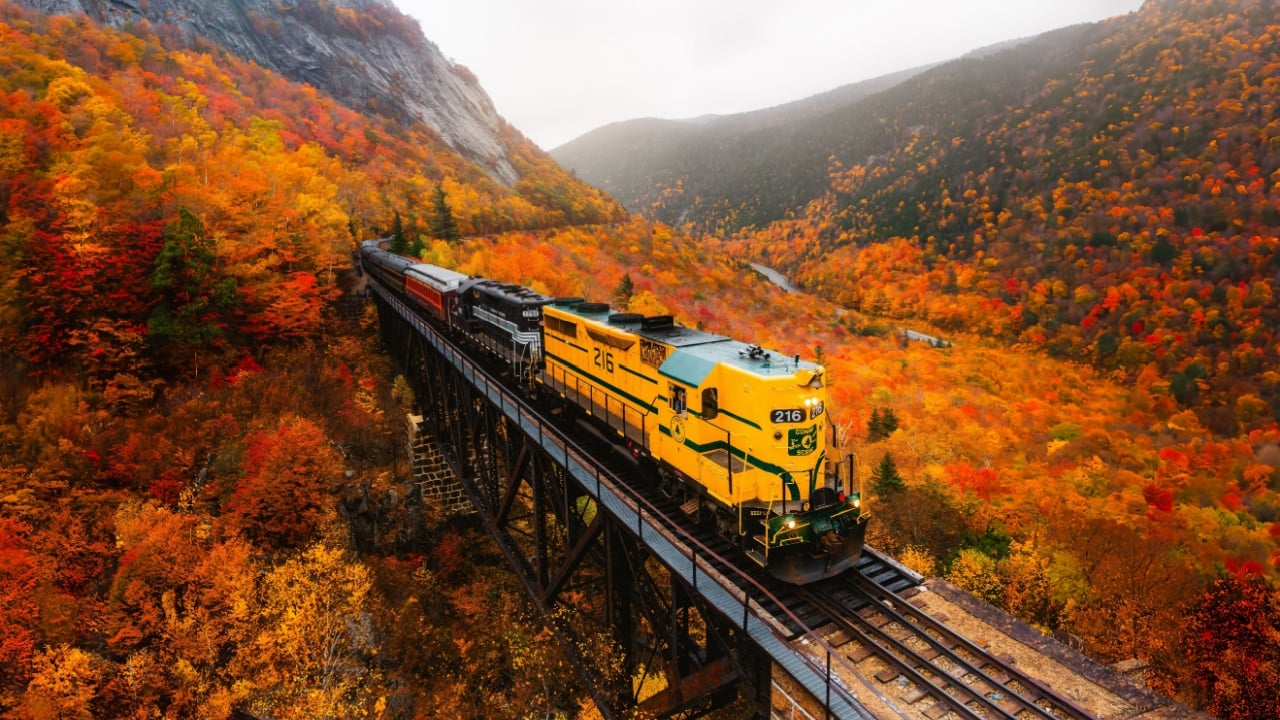
The Almanac calls New Hampshire’s Kancamagus Highway one of the country’s best-known fall foliage drives, with the White Mountains peaking in early to mid-October. While driving it is free, parking at some of its most popular stops is not.
According to the USDA Forest Service, “Most White Mountain National Forest lands are open and free of charge,” but some developed sites require a recreation pass. Day passes are sold at self-serve stations and go on your dashboard. Here’s what regulars know: an America the Beautiful pass displayed on the dash counts too.
6. Smugglers’ Notch, Vermont: Don’t Try the Notch Without Measuring Your Rig
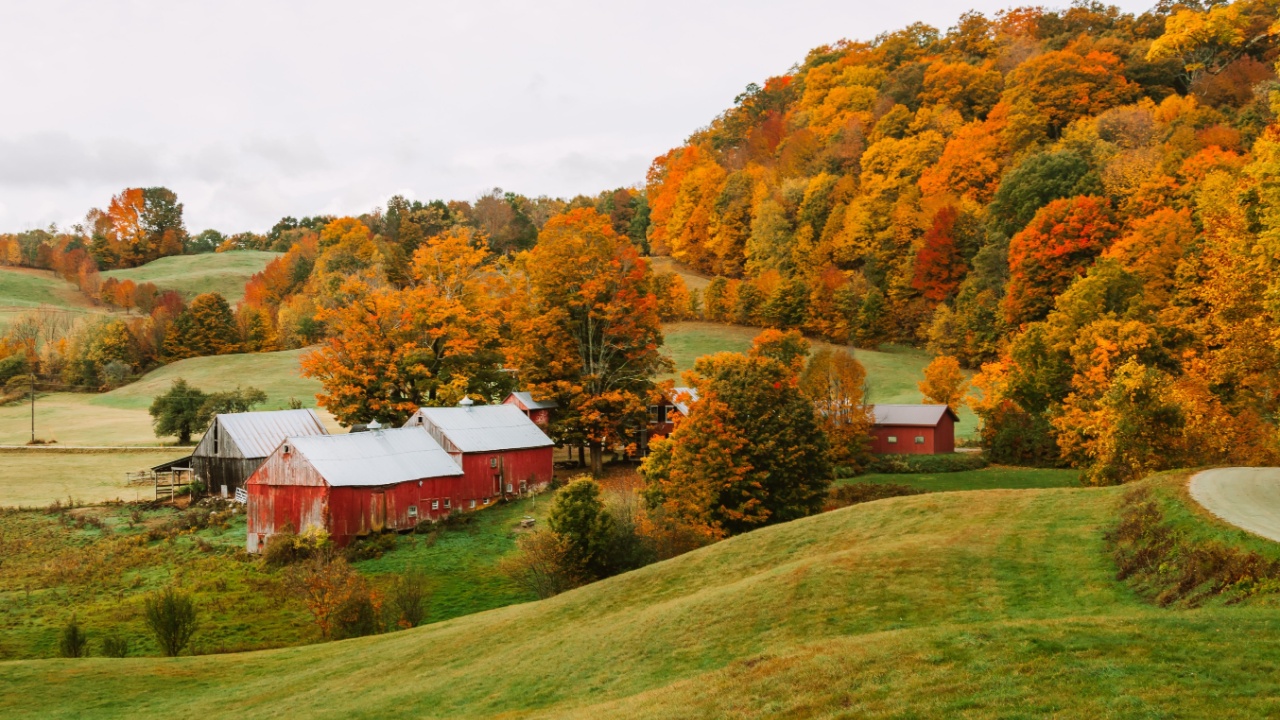
Bearfoot Theory describes the road through Smugglers’ Notch as narrow and winding, lined with maples that turn red and gold, and suggests a weekday or early start. What many visitors don’t realize is that it has strict size limits. Vermont Public reports that vehicles over 40 feet, or combinations longer than 45 feet, aren’t permitted, and the Vermont Agency of Transportation says fines begin at $1,000.
VTrans sums it up: “It’s beautiful, but it cannot be navigated by large vehicles.” Go soon, too, since the road closes every winter, according to VTDigger.
7. Shenandoah National Park: Don’t Assume Hiking In Is Free
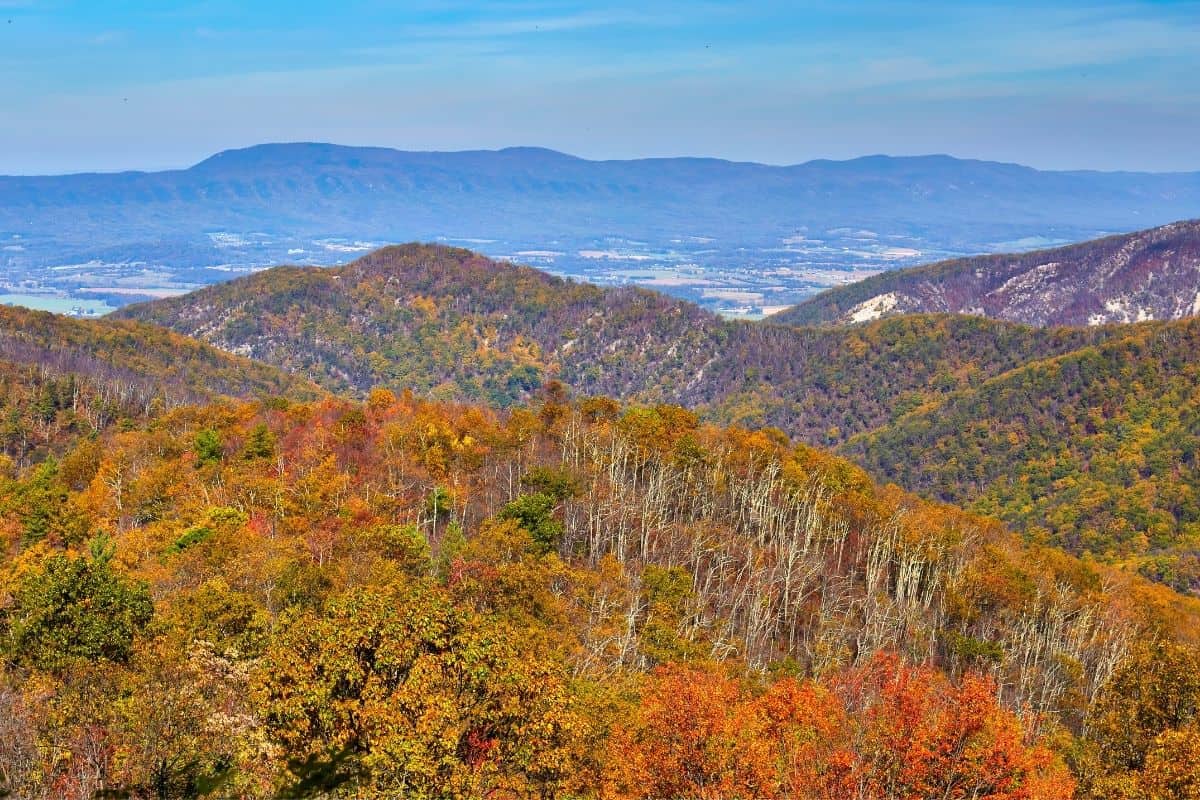
The Almanac says Shenandoah usually reaches its brightest colors between October 10 and 20, and Condé Nast Traveler notes the park has more than 500 miles of trails. Many visitors assume a trailhead outside the park lets them skip the fee. It doesn’t. The National Park Service‘s guide to boundary trailheads asks hikers to pay at an entrance or self-pay fee station, and the park’s fee FAQ answers the question directly: “Yes, you will need to purchase an entrance pass for Shenandoah National Park.”
Buy the Pass Before You Book the Inn
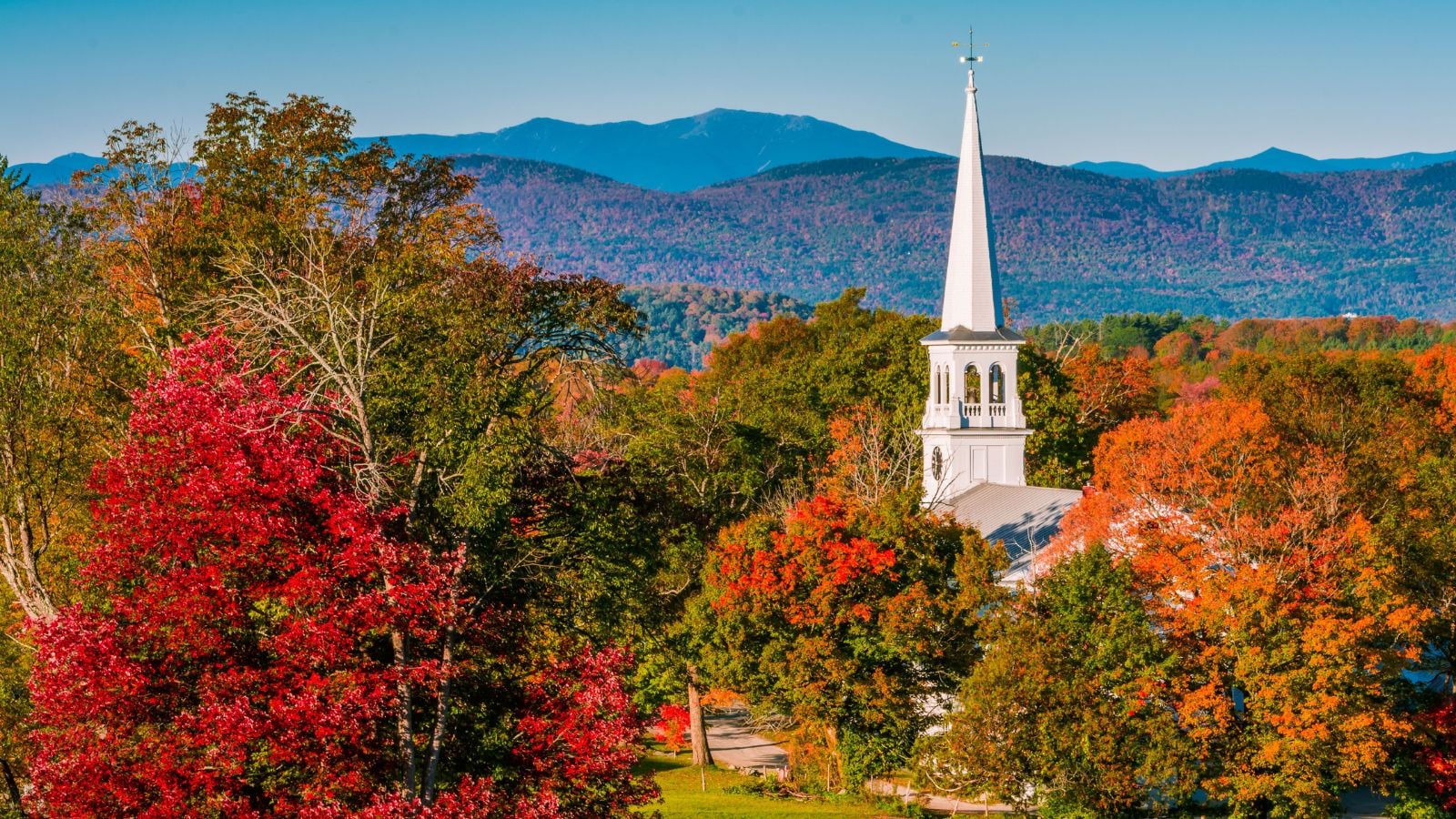
Michael Blanding, co-author of Moon Vermont, once boiled foliage planning down to one line for NBC News: “The only essential piece of advice is: book now!” That now goes double for passes.
If you’re 62 or older, the smartest money you’ll spend this fall is on the America the Beautiful Senior Pass. The National Park Service sells a lifetime version for $80, or an annual pass for $20, to U.S. citizens and permanent residents in that age group. At Acadia’s $35 per car fee, the lifetime pass pays for itself by your third visit, and the Forest Service honors interagency passes at its White Mountain fee sites.
Finally, go midweek. Neufeld, the biology professor nicknamed the “Fall Color Guy,” tells Roadtrippers that weekday mornings bring brighter photos and easier parking.
Spend ten minutes tonight printing a tag or booking a reservation, and your October drive ends with a camera full of red maples, not a ticket on your windshield.