When Should You Dig Up Dahlia Tubers? Stop Making These 8 Costly Mistakes This Fall
The worst thing you can do for your dahlias this week is the thing that feels most responsible: rushing out with a shovel the morning after frost blackens the leaves.
It looks like an emergency. Overnight, a plant that was covered in blooms turns limp and dark, and every instinct says to rescue what is underneath. But the tubers below that wilted foliage are still finishing their work, and pulling them early can leave you with thin-skinned, immature roots that shrivel by January. Wait too long, on the other hand, and frozen soil turns them to mush. Most dahlia losses do not happen in spring at all; they happen in the narrow window between the first frost and the first hard freeze, and in the storage box afterward.
That window carries a price tag. Budget-friendly dahlias typically cost $8 to $15 per tuber, according to Longfield Gardens, and a healthy plant produces 5 to 15 new tubers by the end of the season, per Longfield Gardens. Do the math, and a single clump can hold $40 to $225 worth of next year’s plants. Grow ten of them, and you have real money sitting in the garden bed right now in October.
So when should you dig up dahlia tubers, and what should you stop doing? The answer has less to do with the calendar than with a handful of habits, some of them handed down for generations, that quietly cost gardeners their favorite varieties. Here are the eight mistakes to avoid, starting with the one that catches even people who have grown dahlias for decades.
1. Digging Before the Tubers Have Finished Growing
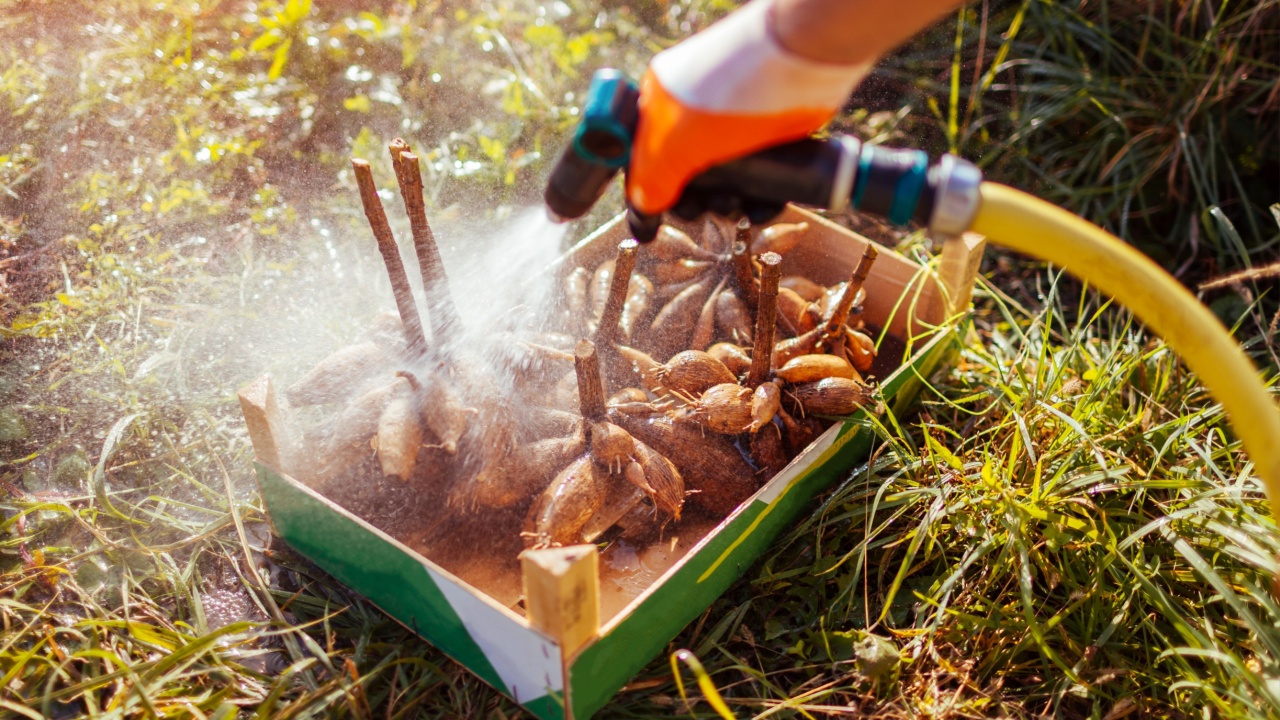
A dahlia’s tubers do most of their bulking up at the very end of the season, which is exactly when many gardeners lose patience. Penn State Extension notes that dahlias need “at least 120 days to produce mature tubers” that will hold up in storage. The roots keep maturing after light frosts and may keep growing even after the first killing freeze, depending on how deeply the cold reaches into the soil, according to the American Dahlia Society. Dead leaves do not mean a finished tuber.
2. Grabbing the Shovel the Morning After Frost

Frost is your signal, not your deadline. Longfield Gardens recommends digging about “7 to 14 days after the first hard frost blackens the foliage.” That rest period lets the skin toughen, and the eyes swell, so you can actually see which tubers will sprout next spring. As a rough guide, gardeners in zones 3 to 5 usually dig in early to mid-October, zones 6 and 7 from late October into mid-November, and zones 8 and warmer can often leave tubers in well-drained ground.
3. Waiting Until the Ground Freezes Solid
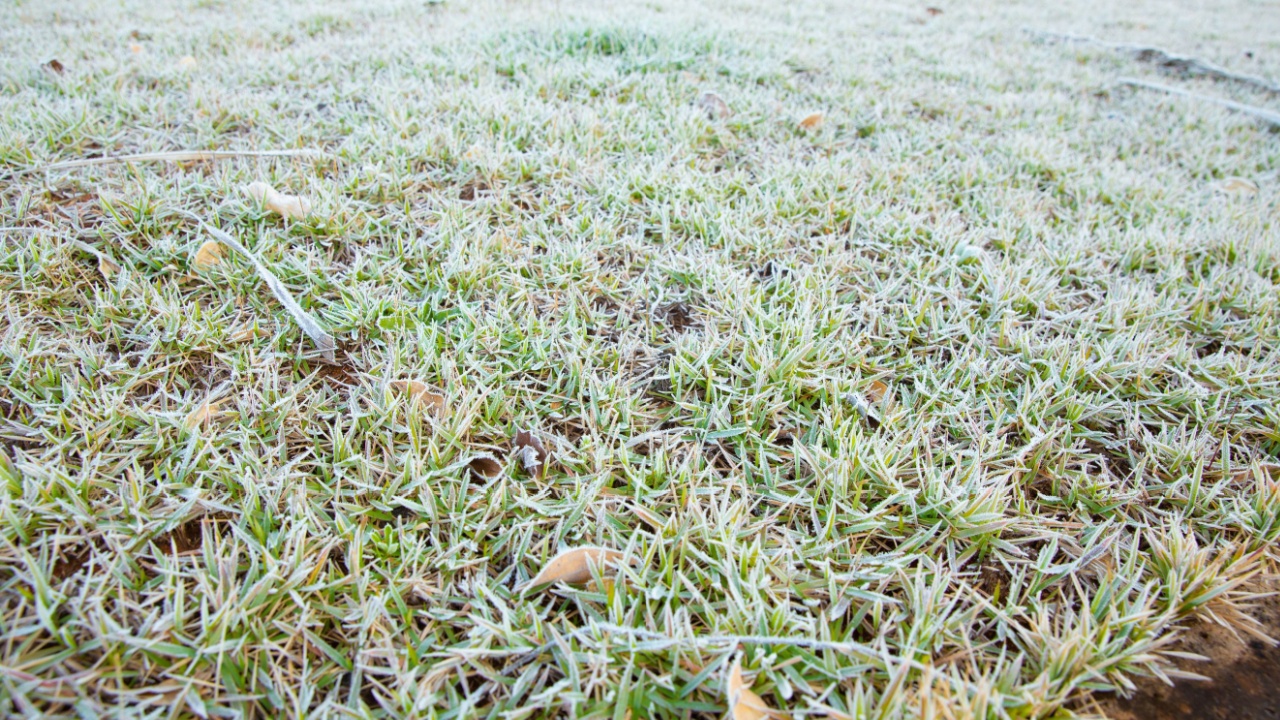
The opposite mistake is just as expensive. A Washington State University Extension tip sheet puts it plainly: “Remember, if the tubers freeze, the game’s over.” Soil insulates tubers through a few frosty nights in the mid to upper 20s, explains commercial grower Blossom Hill Gardens, but a tuber that actually freezes cannot be saved. Frost tells you to get ready; frozen ground tells you that you have run out of time. In the North, that means watching the forecast closely before October ends.
4. Cutting the Stalks Days Ahead and Letting Rain Pour In
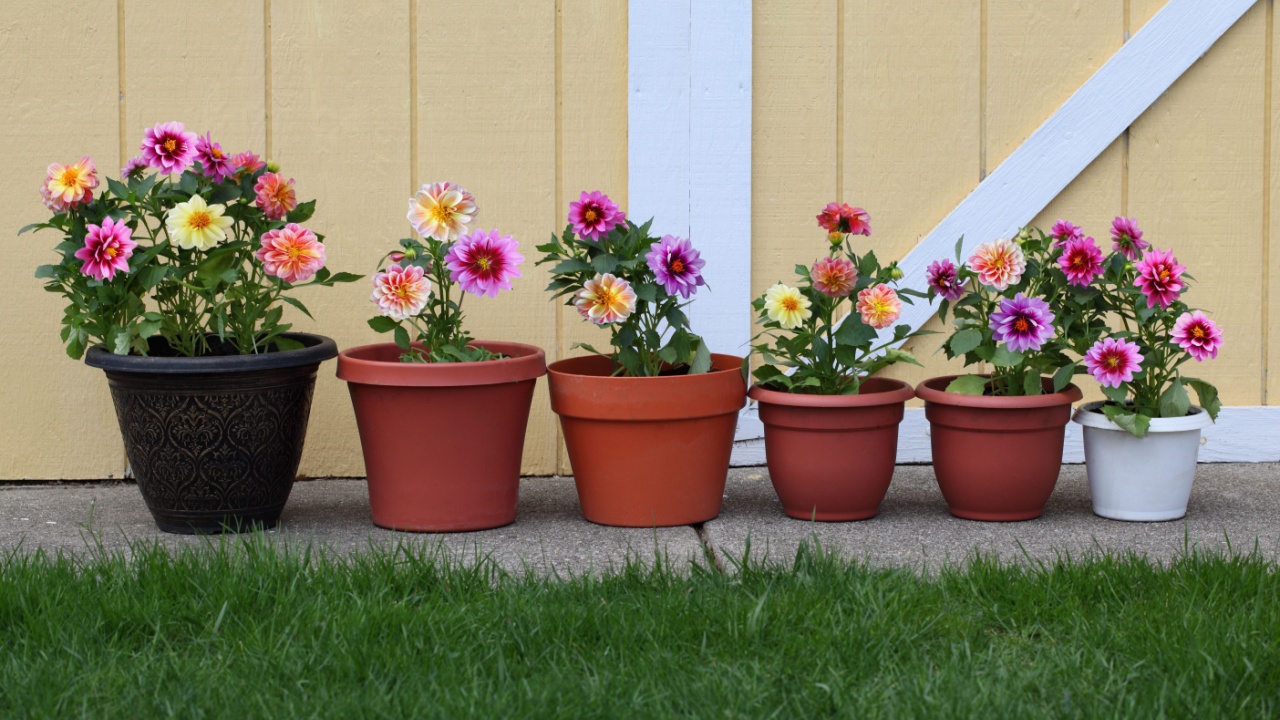
It seems efficient to chop everything down early and dig later. It is not. UNH Extension warns that dahlia “stems are hollow and can collect water,” which invites crown rot. Cut right before you dig, then flip each clump upside down so trapped water drains out. The American Dahlia Society also advises dipping your pruners in a solution of one part bleach to ten parts water between plants, since cutting tools can spread virus from one clump to the next.
5. Pulling the Clump Up by Its Stalk

Your grandmother’s generation knew this one. An old gardening column preserved in the University of Wisconsin Digital Collections told readers: “Never attempt to pull the clump of tubers out by the top.” A tuber whose neck snaps will not grow, even if the rest looks plump. Country Living recommends loosening soil about a foot from the stem with a fork before lifting from underneath. Commercial growers add a trick most hobbyists skip: stop watering a few weeks before digging. Drier soil means lighter clumps, which your back and knees will appreciate if you are gardening in your 50s or 60s.
6. Drying Tubers on Concrete or Packing Them Wet
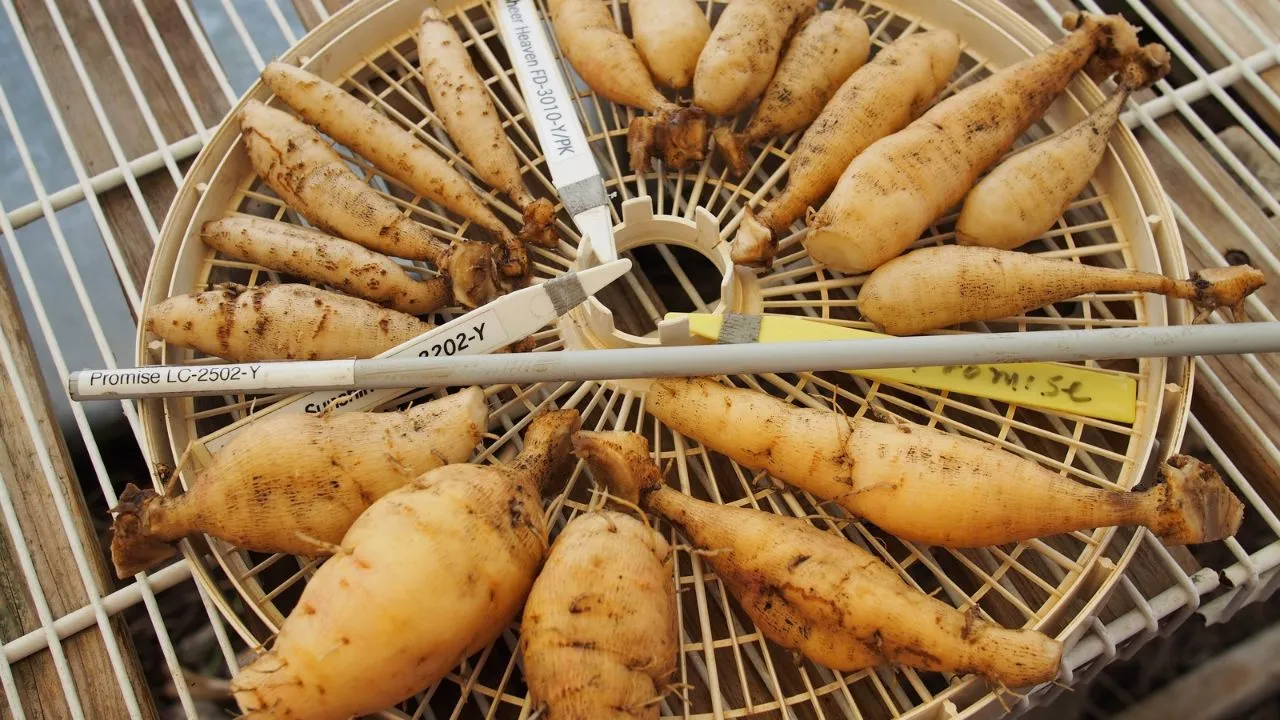
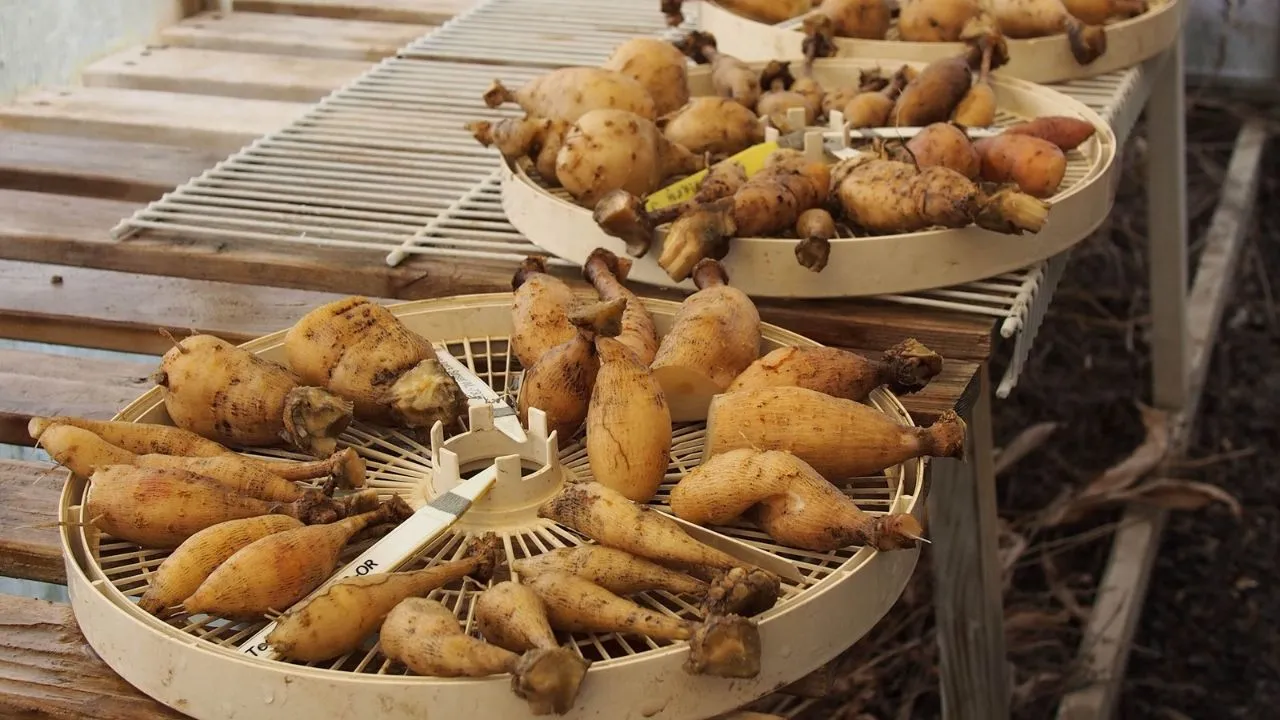
That garage floor is the wrong place to cure your harvest. “Never dry tubers on concrete,” cautions the American Dahlia Society, because it pulls moisture out and leaves them shriveled. Curing still matters, though. Longfield Gardens suggests two to three days somewhere airy and out of direct sun, and the Penn State Extension writer found the standard 24 to 48 hours was not long enough, with excess moisture causing most of the trouble in the first month of storage.
7. Storing Them in the Wrong Spot or the Wrong Material
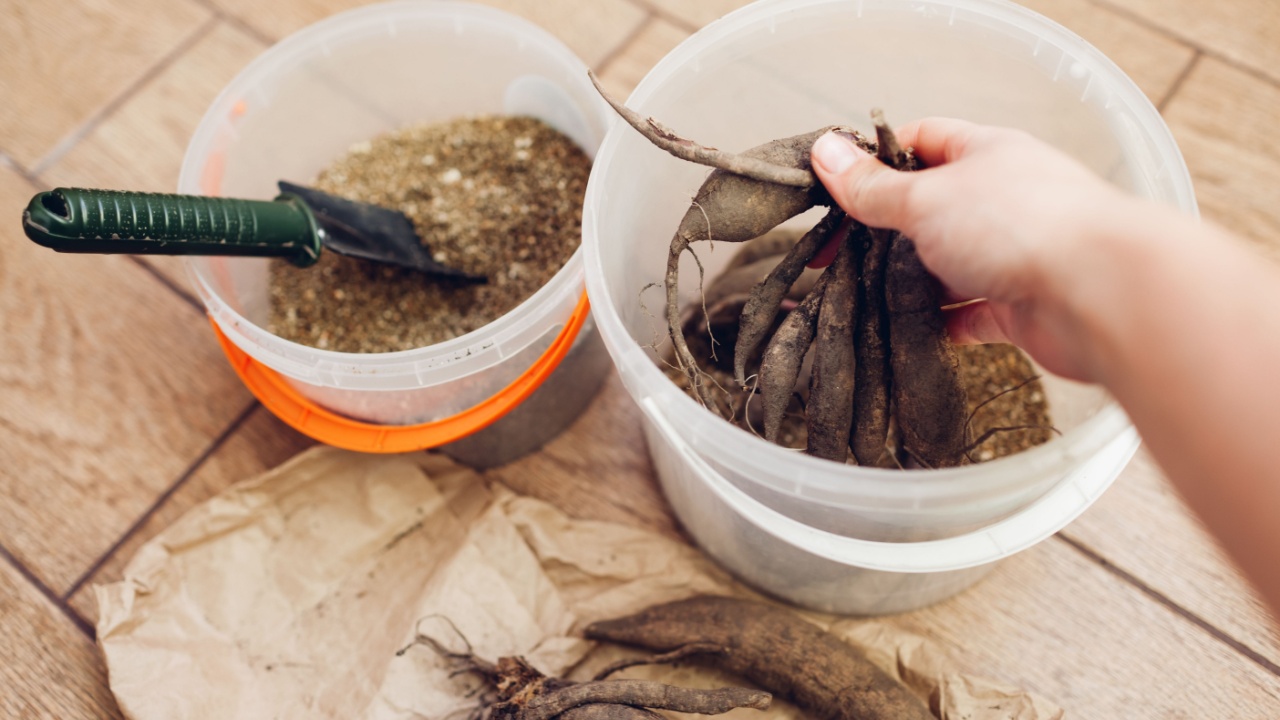
Blossom Hill Gardens suggests “thinking of dahlia tubers like potatoes” when you store them. If your grandmother kept potatoes in a cool cellar, she already knew the rules: cool enough to stay dormant, humid enough not to shrivel, never wet. The American Dahlia Society points to roughly 40 to 45°F and warns that peat moss can backfire, shriveling tubers when dry and rotting them when damp. Coarse vermiculite or wood shavings work well, and pet bedding shavings cost almost nothing. Skip the furnace room and the uninsulated garage.
8. Forgetting About Them Until Spring
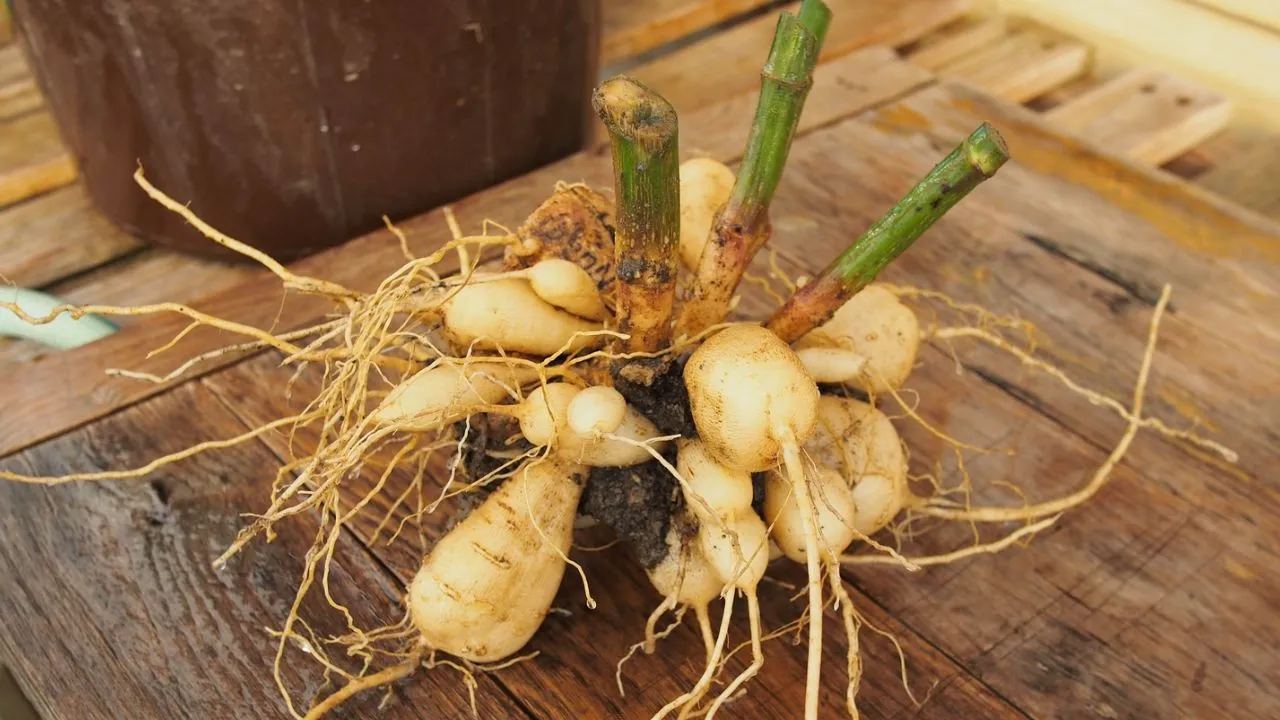
Out of sight is out of luck. Cornell Cooperative Extension is direct: “Check your tubers each month over the winter.” One rotting tuber can spread to its neighbors, and the American Dahlia Society notes it even gives off a gas that pushes nearby tubers to sprout early. Mice are another hidden threat; a basement full of starchy tubers is a winter buffet, so Longfield Gardens recommends hard-sided containers.
When You Should Actually Dig Up Dahlia Tubers

Mark the date of your first hard frost on the calendar, then plan to dig 7 to 14 days later, as long as the ground has not frozen. Patience is backed by research here; as the University of Kentucky Cooperative Extension puts it, “it is often best to allow them more time in the ground to mature.” On digging day, cut the stalks to a few inches, lift wide and from below, drain the clumps upside down, cure them a few days off concrete, label every variety, and pack them in a cool, dark spot. Then set a monthly reminder to check on them.
Good, mature tubers stored by any of several sound methods should keep with 90 to 95 percent success, according to the American Dahlia Society. That is the difference between buying your collection all over again and dividing it for free. Skip the panicked morning-after dig, give your tubers those extra days in the ground, and you will, as Country Living promises, “enjoy another season of spectacular blooms.”
Read More
Washing Your Lettuce Won’t Remove Cyclosporiasis, But Growing Your Own Will
Your Grandmother Stored These 8 Foods All Winter Without Canning a Single Jar