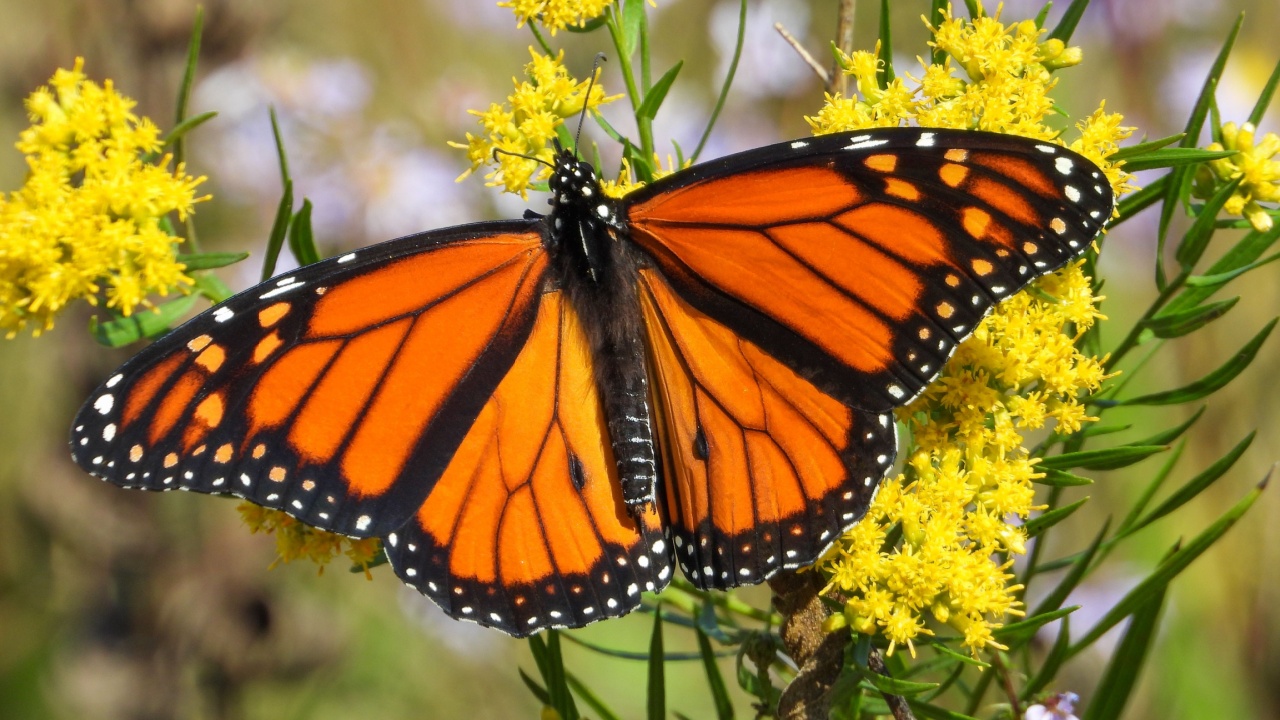
What Is Your Birth Month Butterfly? And How to Attract It to Your Garden
You might look to the stars or your birthstone for a personal symbol, but have you ever considered butterflies? These beautiful insects offer a unique way to understand personality traits and life paths, with different patterns appearing for each of the twelve months.
Scientists and historians have tracked the life cycles of butterflies through the seasons. Specific species come out during certain weather patterns, which naturally line up with human birth periods. This is based on real migration data and when flowers bloom.
Let’s explore which butterfly matches your birth month, plus a couple of bonus celestial events. You’ll learn about the unique traits connected to your birth period.
If you enjoy gardening, we’ve also included some practical tips on how to attract your birth month butterfly to your own backyard.
1. January: Mourning Cloak
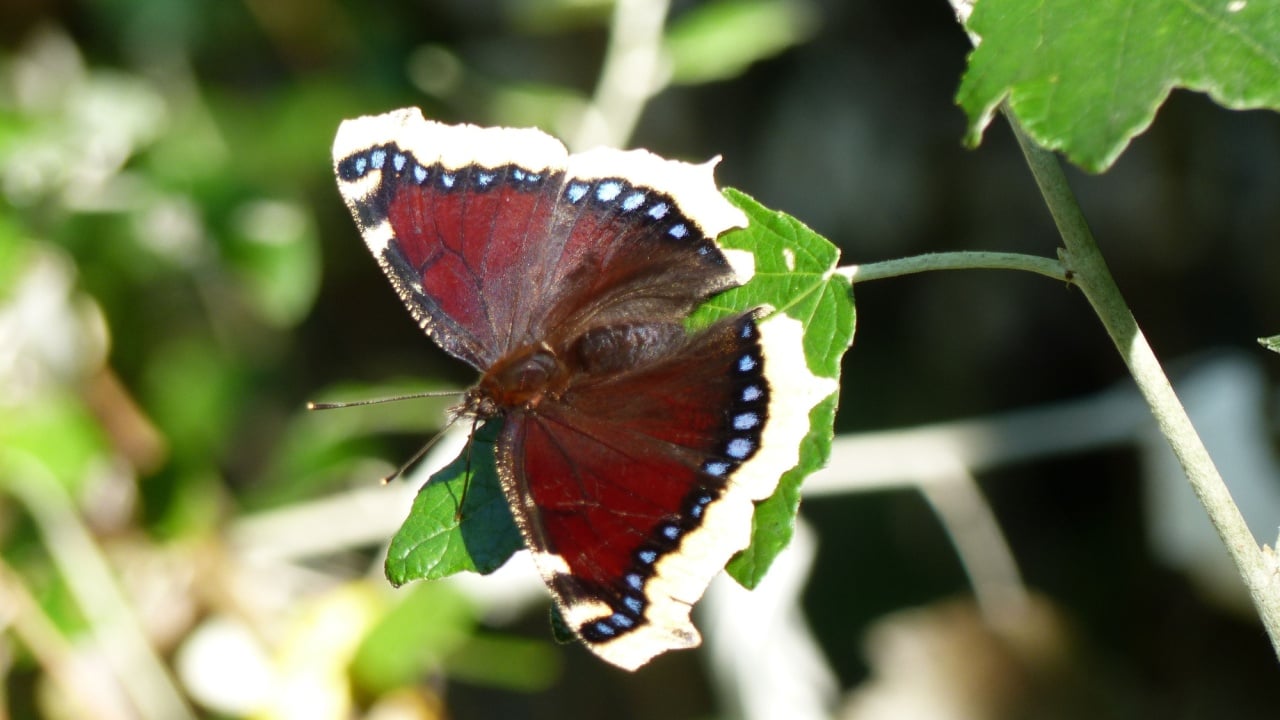
The Mourning Cloak is a special butterfly because it’s one of the few you might see in the middle of winter. It has a neat trick: its body makes a natural antifreeze, letting it fly on cold but sunny days when other butterflies can’t. Its wings are a deep, dark color with bright, cheerful edges.
People born in January often have the same resilience and strength as this butterfly. They are known for being tough and can handle tricky situations with grace. While they might seem serious at first, just like the Mourning Cloak’s wings, they have a warm and vibrant personality underneath that shines through when you get to know them.
To attract Mourning Cloaks, planting willow trees is a great idea, as their caterpillars love to munch on the leaves.
2. February: Red Admiral
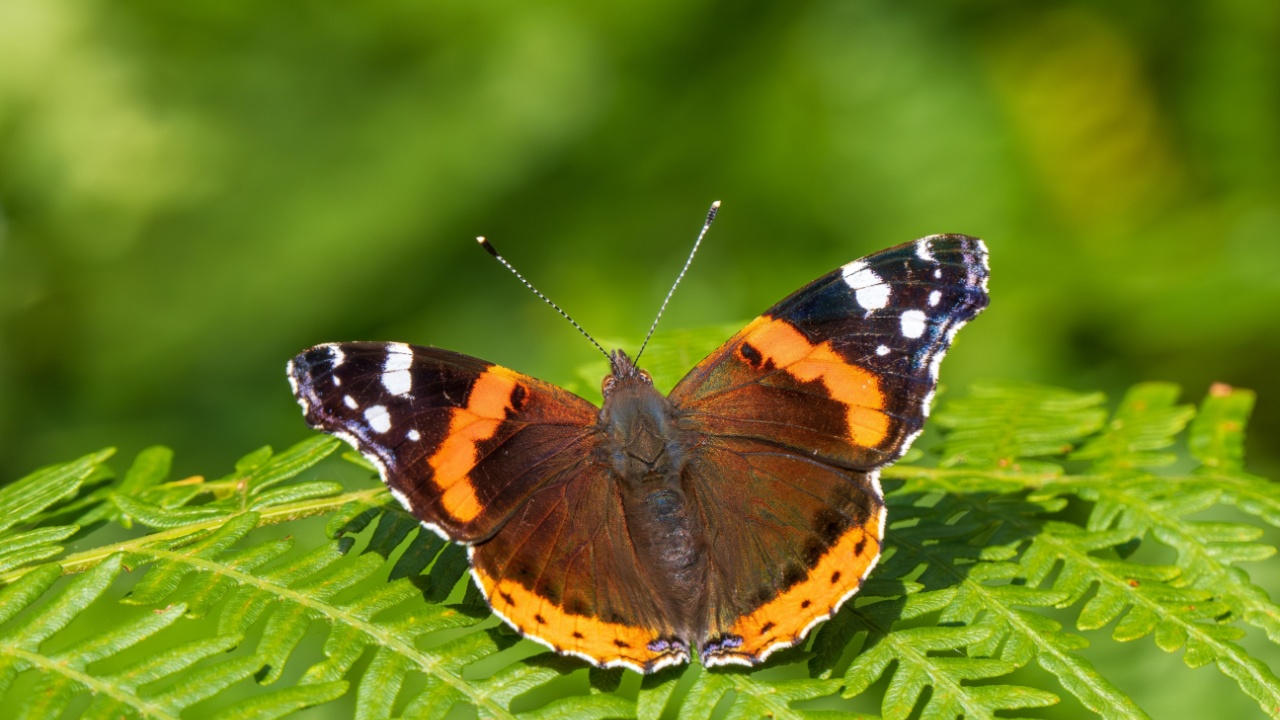
Red Admirals are early migrators, often showing up during the unpredictable weather of late winter. These butterflies are very territorial and are known for claiming sunny spots in woodlands as their own.
People born in February often share the Red Admiral’s energetic and protective nature. They stand their ground and will fiercely defend the people they love. Just like this butterfly, they can surprise others with sudden bursts of energy and a passionate spirit.
If you want to welcome a Red Admiral into your yard, you can set out a dish with overripe bananas. Planting false nettle is also a great idea, as it’s the perfect place for them to lay eggs.
3. March: Painted Lady
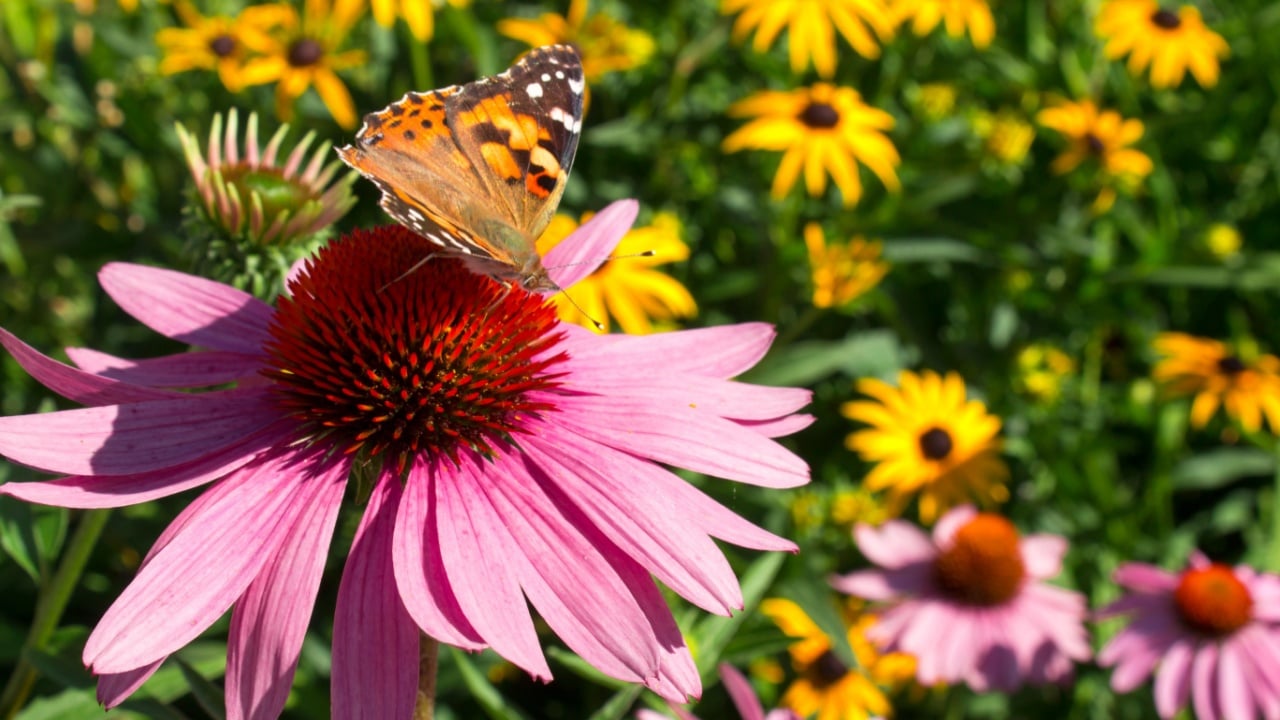
The Painted Lady is one of the most widespread butterflies in the world, famous for migrating across continents and oceans. These insects are highly adaptable and can thrive in almost any environment. Their colorful wings bring a splash of life wherever they go.
Those born in March often reflect this butterfly’s adventurous and adaptable spirit. They adjust easily to new situations, make friends without effort, and bring a joyful presence to any group. They are true social butterflies, connecting with people from all walks of life.
Planting thistle and hollyhock in your garden will help attract Painted Ladies. A shallow puddle of muddy water can also be helpful, as it provides them with essential minerals for their long flights.
4. April: Eastern Tiger Swallowtail
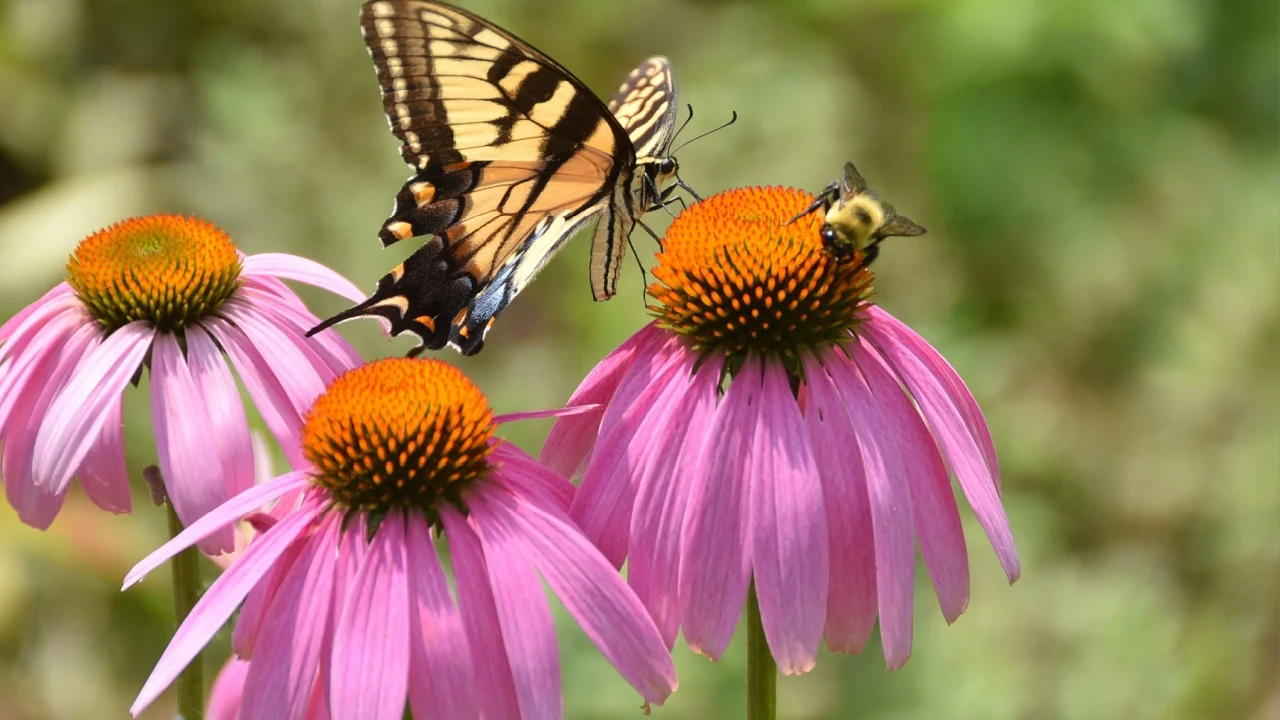
The Eastern Tiger Swallowtail is one of the eastern United States’ most recognizable butterflies, with its large yellow wings and bold black stripes. They are often seen gliding gracefully high in the trees before coming down to feed on the nectar of spring flowers.
April-born individuals often mirror the swallowtail’s elegant and noticeable presence. They have a natural grace that commands attention and a bright, sunny personality that others find magnetic. They have a way of making a grand entrance without even trying.
To draw these beautiful butterflies to your garden, plant lilac bushes and wild cherry trees. Placing flat stones in sunny spots will also give them a perfect place to rest and warm their wings.
5. May: Monarch
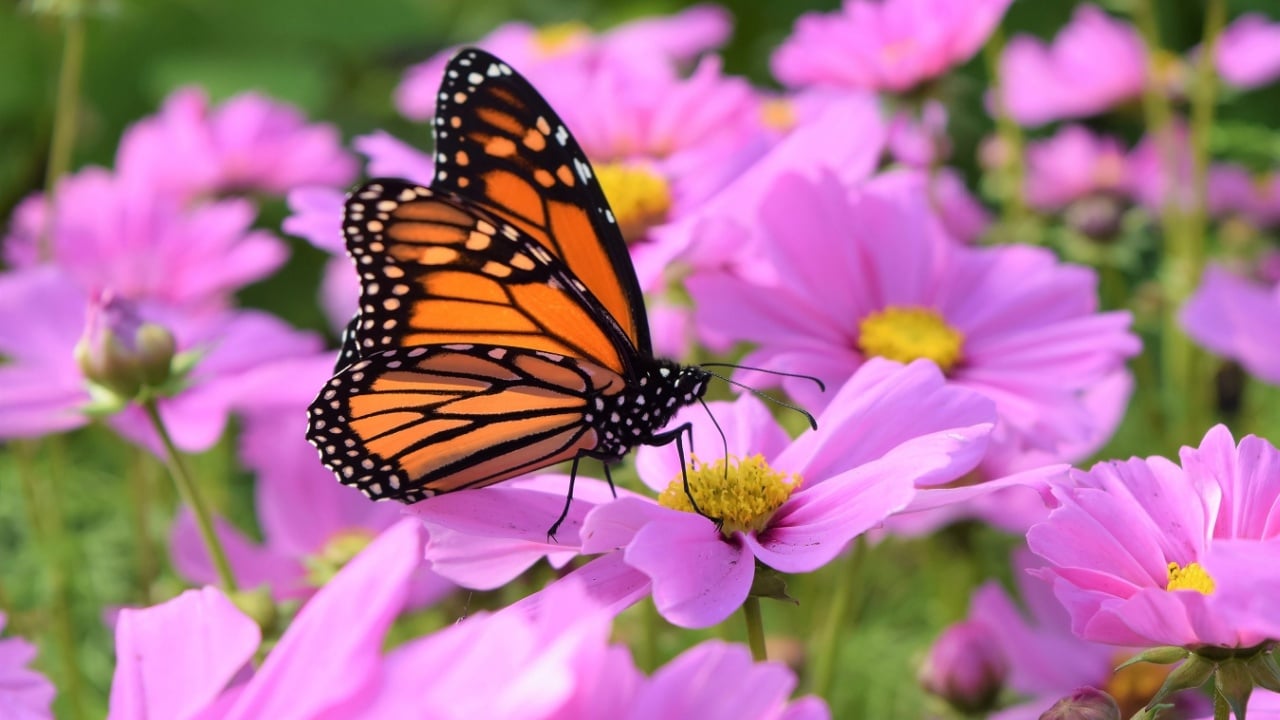
The Monarch butterfly is famous for its incredible multi-generational migration from Mexico to Canada, a journey covering thousands of miles. Its vibrant orange and black wings are not just for looks; they serve as a warning to predators that the butterfly is toxic and should be left alone.
People born in May often reflect the Monarch’s purposeful and enduring nature. They are focused on long-term goals and creating a legacy. While they may travel far, they always maintain a strong connection to their roots and family.
Planting native milkweed is the best way to attract Monarchs, as it is the only food their caterpillars eat. Adding nectar-rich flowers like lantana will also help feed the adult butterflies on their long journey.
6. June: Common Buckeye
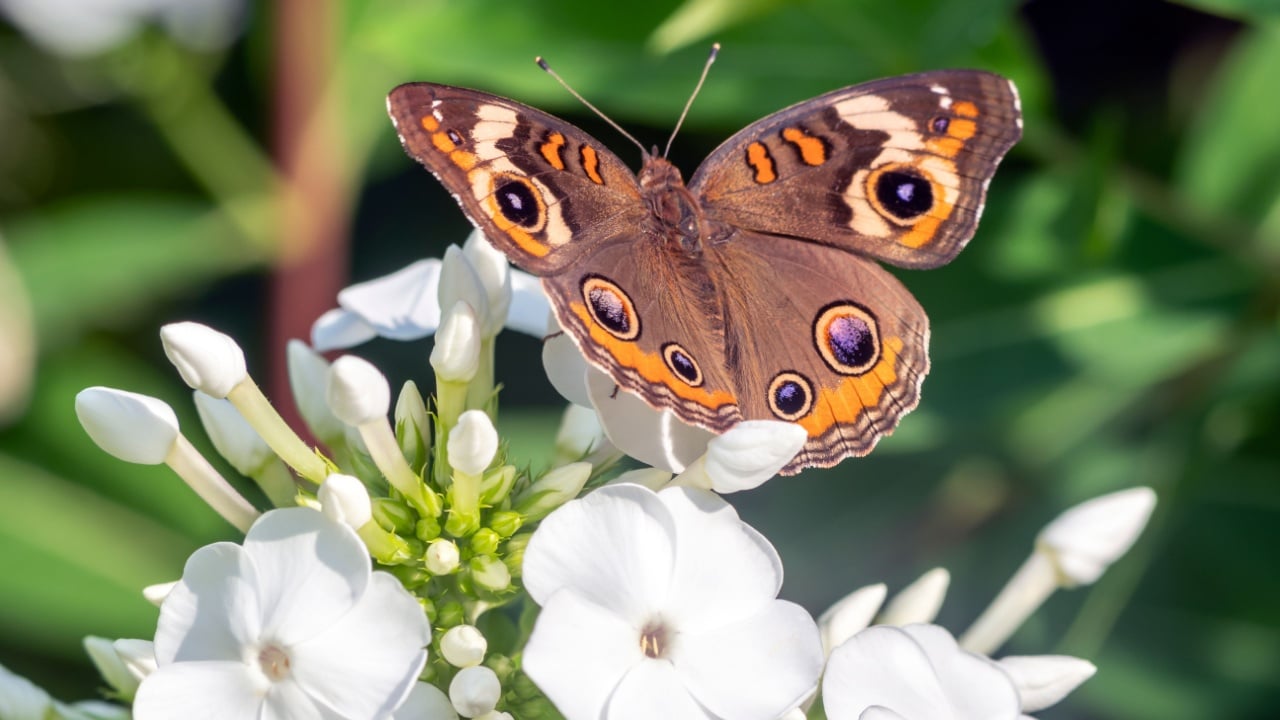
The Common Buckeye has striking eyespots on its wings, which it uses to confuse predators. These butterflies are territorial and prefer open, sunny fields where they can be seen flying close to the ground.
Those born in June share the Buckeye’s observant and protective personality. They are detail-oriented and carefully guard their personal space. They also have a unique way of warding off negativity and protecting what’s important to them.
To encourage Common Buckeyes to visit, plant snapdragons and plantain in your garden. Leaving a patch of bare earth will also give them a spot to bask in the sun and feel secure.
7. July: Great Spangled Fritillary
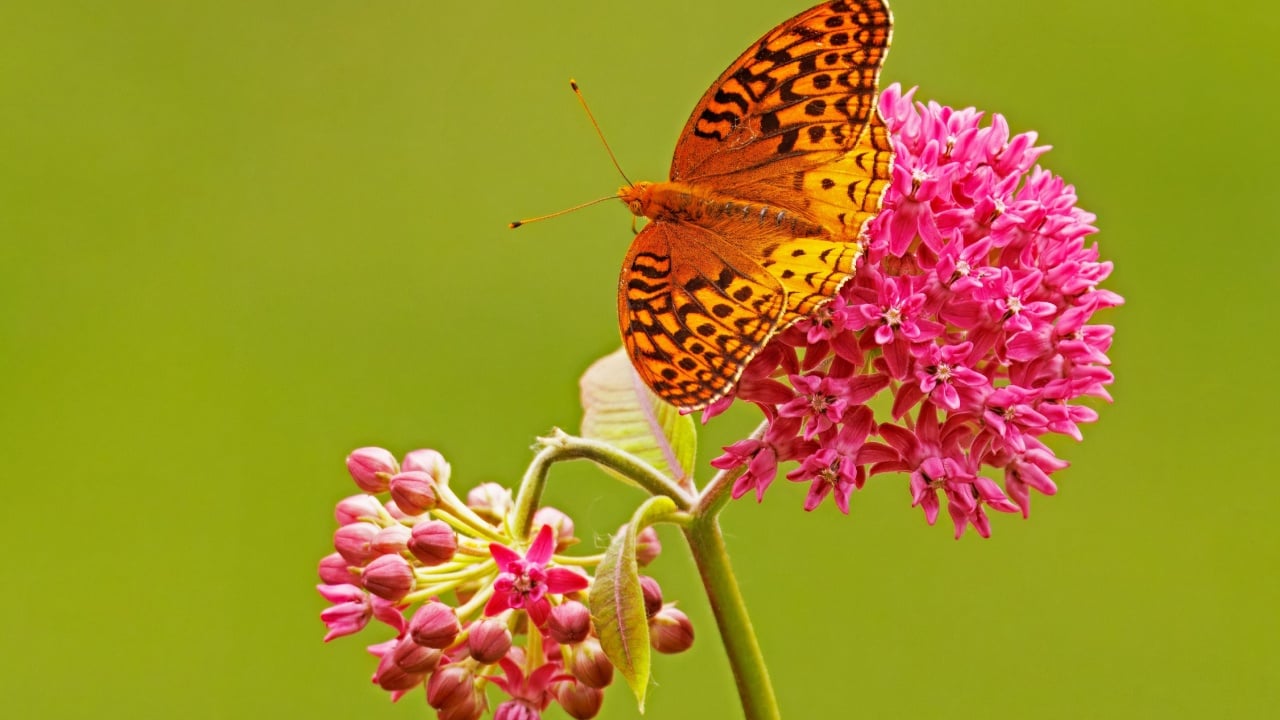
The Great Spangled Fritillary has bright orange wings with unique silver spots on the underside. These butterflies depend on native violets to reproduce and are known for their fast, energetic flight through sunny summer meadows.
July individuals often embody this butterfly’s radiant and energetic spirit. They have a natural ability to shine in social settings, leaving a vibrant and lasting impression. Their presence is often described as warm and full of life.
You can attract these beautiful butterflies by planting native violets in shaded areas, which provide food for their caterpillars. Adding purple coneflowers to your garden will offer a rich source of nectar for the adults.
8. August: Black Swallowtail
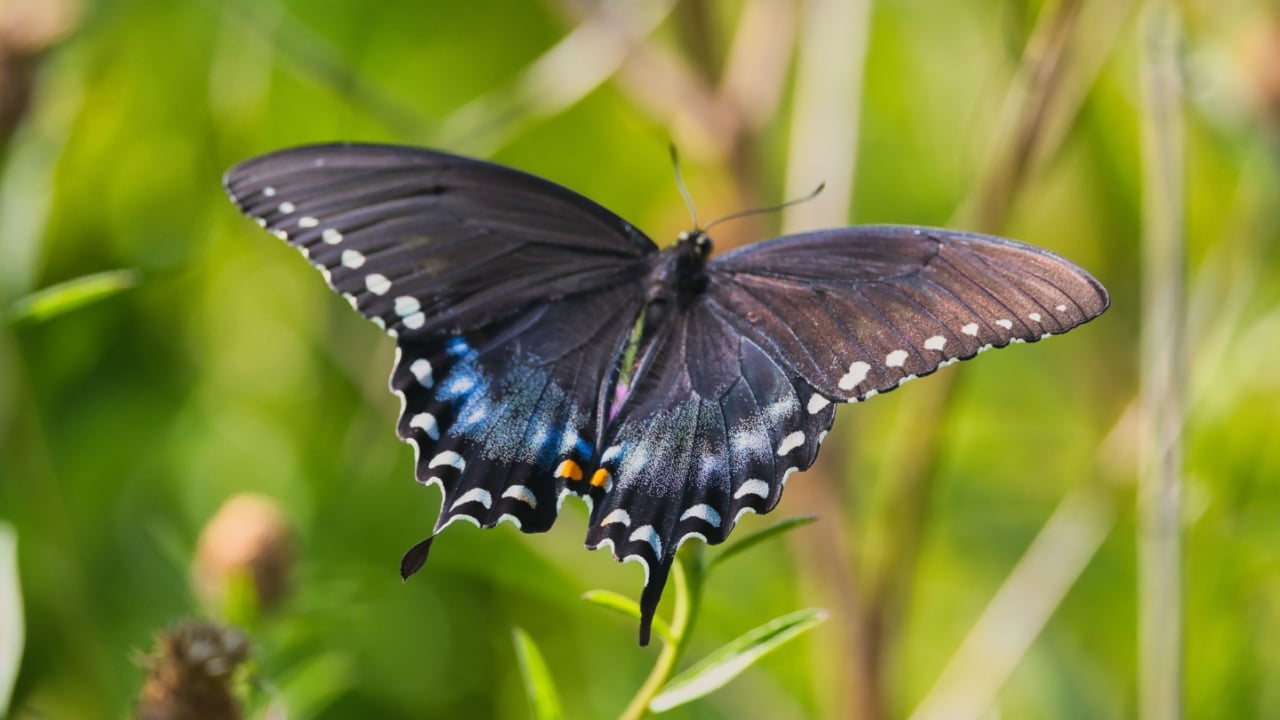
Black Swallowtails are known for their dark, elegant wings with yellow spots and a touch of iridescent blue. They are resilient insects that thrive in the summer heat and rely on plants in the carrot family, like dill and parsley, for survival.
People with August birthdays often have this sophisticated and resilient nature. They handle challenges with style and grace and frequently have hidden talents that appear when needed most. They are strong and adaptable, much like their butterfly counterpart.
To attract Black Swallowtails, you can grow dill, parsley, or fennel in your garden for their caterpillars to eat. Letting some of these herbs flower will also provide nectar for the adult butterflies.
9. September: Cloudless Sulphur
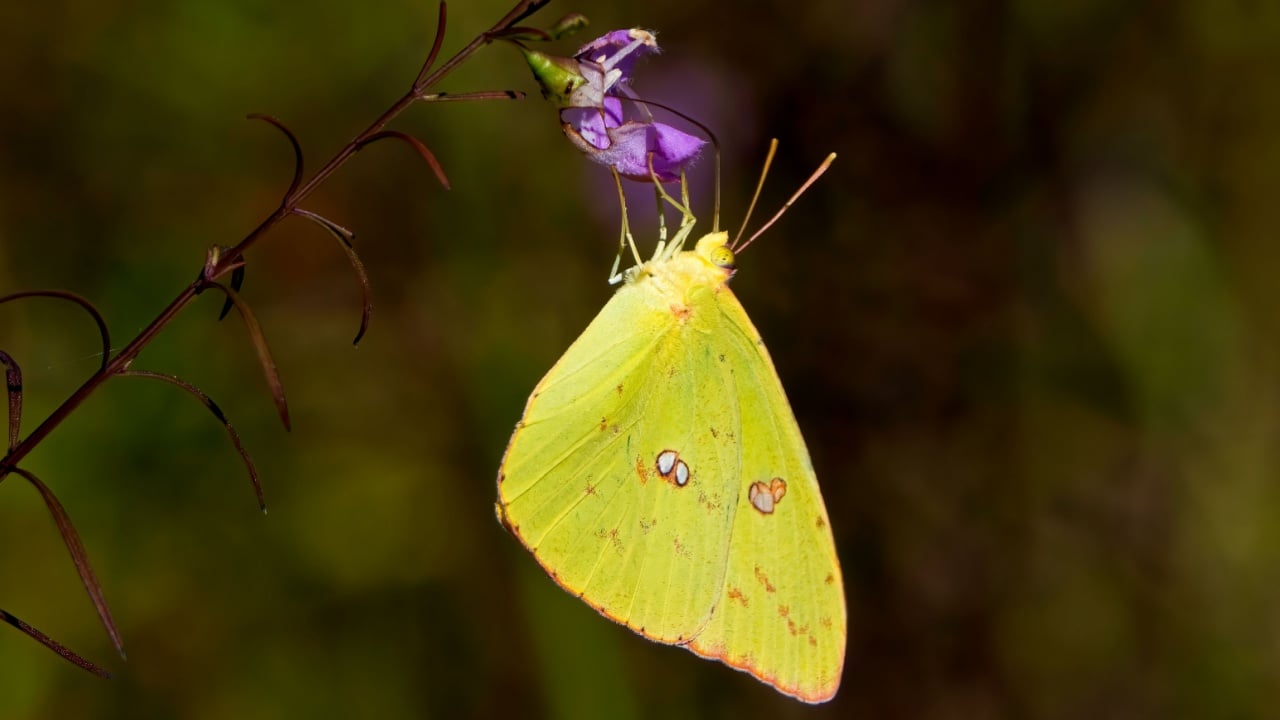
The Cloudless Sulphur is a bright yellow butterfly known for its straight, direct flight paths during its migration south in the fall. Its cheerful color mirrors the changing leaves, bringing a final burst of summer warmth.
Those born in September often share this butterfly’s bright and direct personality. They are clear and focused in their approach to life and bring an optimistic presence that helps others navigate times of change.
Planting senna is the best way to attract Cloudless Sulphurs, as it’s the host plant their caterpillars need. Providing nectar-rich flowers like red morning glories will help fuel their long migration.
10. October: Question Mark
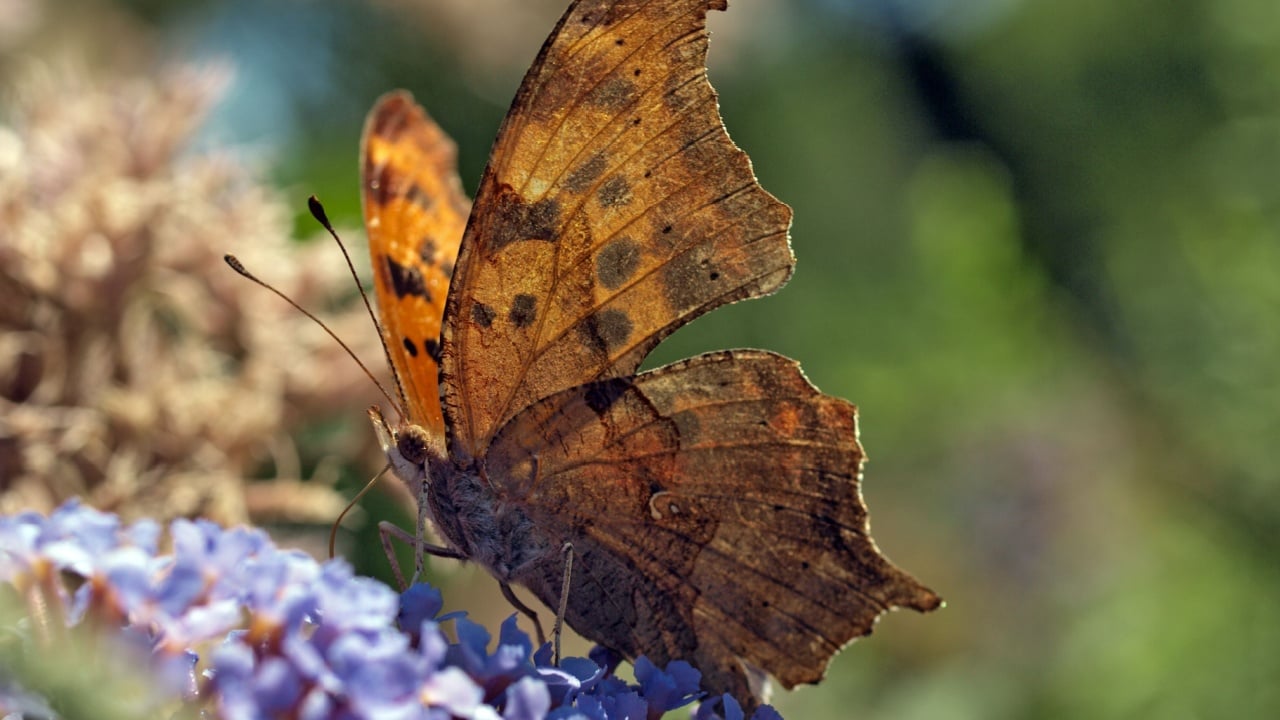
The Question Mark butterfly gets its name from a tiny, silver mark on its lower wing that looks like punctuation. Its uniquely shaped wings help it blend in with dead leaves, providing excellent camouflage in the fall.
October individuals often reflect this mysterious and grounded nature. They are private people who can blend into their surroundings, yet they have a unique trait that makes them memorable, much like the butterfly’s silver mark.
To welcome these butterflies, leave fallen leaves in your garden for winter shelter. Putting out slices of melon or other rotting fruit will also attract them.
11. November: Red-Spotted Purple
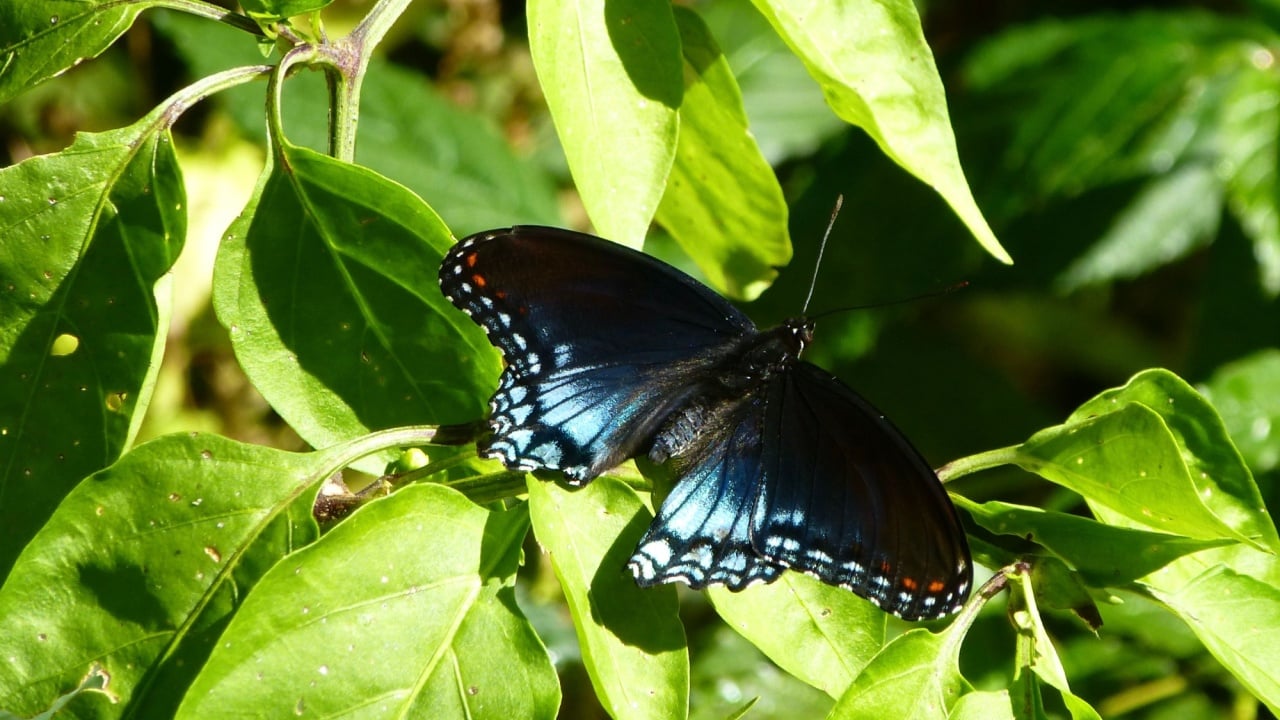
The Red-Spotted Purple has stunning iridescent blue-black wings that shimmer in the light. It cleverly mimics the toxic Pipevine Swallowtail to protect itself from predators and prefers the quiet edges of forests.
People born in November often share this butterfly’s clever and striking personality. They are masters of adaptation, using quiet observation to navigate their world. Their brilliance often reveals itself at just the right moment, surprising those around them.
Planting wild cherry and willow trees will provide food for their caterpillars. Offering tree sap can also help sustain the adult butterflies as the weather turns cooler.
12. December: Eastern Tailed-Blue
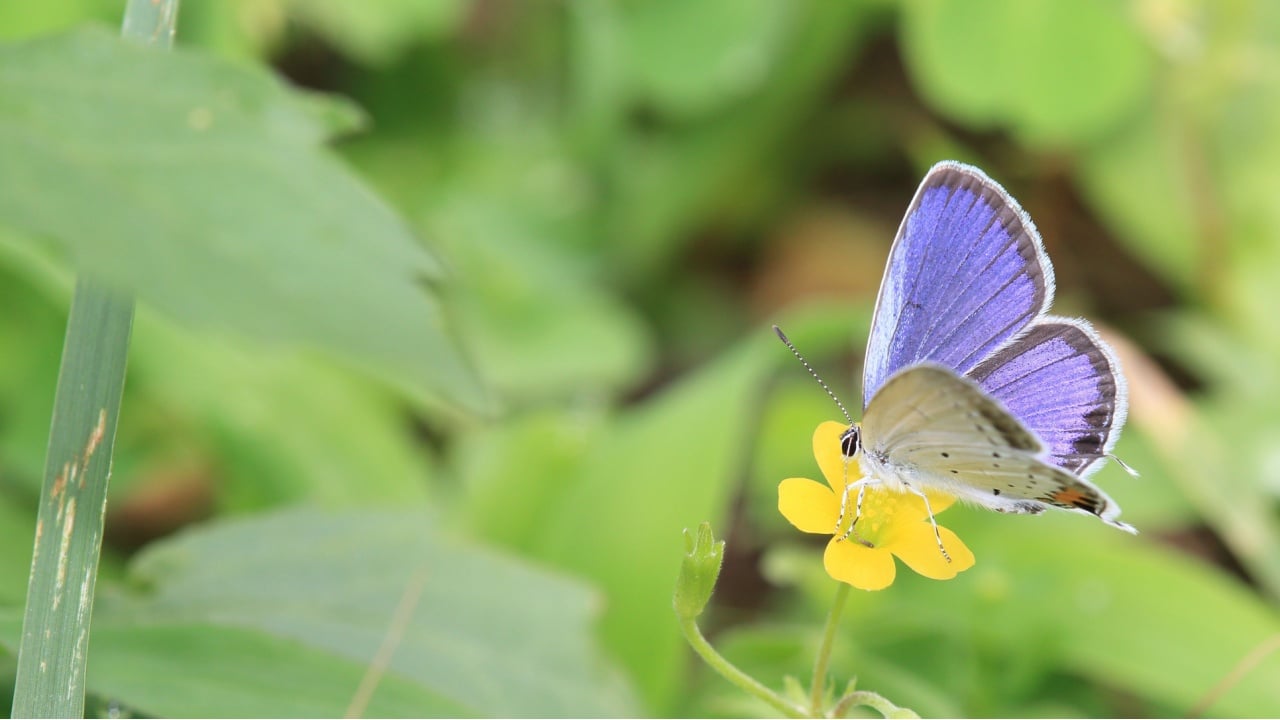
The Eastern Tailed-Blue is a tiny, delicate butterfly with small, thread-like tails on its hind wings. These small insects are often found near the ground in sunny spots, feeding on clover. They are a subtle but beautiful part of the ecosystem.
December birthdays often align with this delicate yet enduring spirit. These individuals find joy in life’s small details and have a knack for bringing a touch of beauty and light to overlooked places.
Growing white clover in your lawn is a simple way to provide food for these gentle butterflies. Minimizing the use of lawn chemicals will also help protect their fragile life cycle.
13. Leap Year: Luna Moth
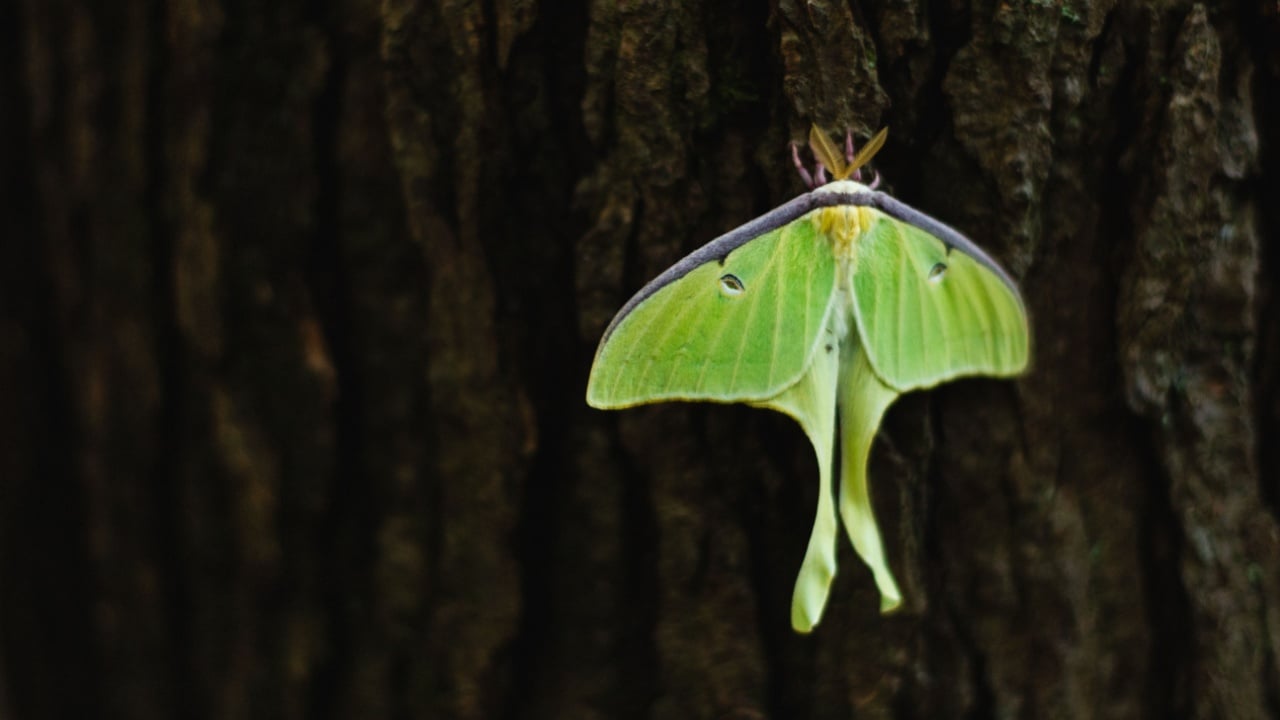
The Luna Moth is a special symbol for the rare leap year. This large, pale green moth has long, curving tails. As an adult, it has no mouthparts and lives for only a few days, with its sole purpose being to reproduce under the light of the moon.
Leap year individuals often share the Luna Moth’s rare and impactful quality. They tend to make a significant impression in a short time, possessing a unique presence that feels special and leaves a lasting memory.
To support Luna Moths, you can plant sweetgum and walnut trees for their caterpillars. Turning off exterior lights at night is also crucial, as it helps the nocturnal adults navigate by moonlight.
Spread Your Wings
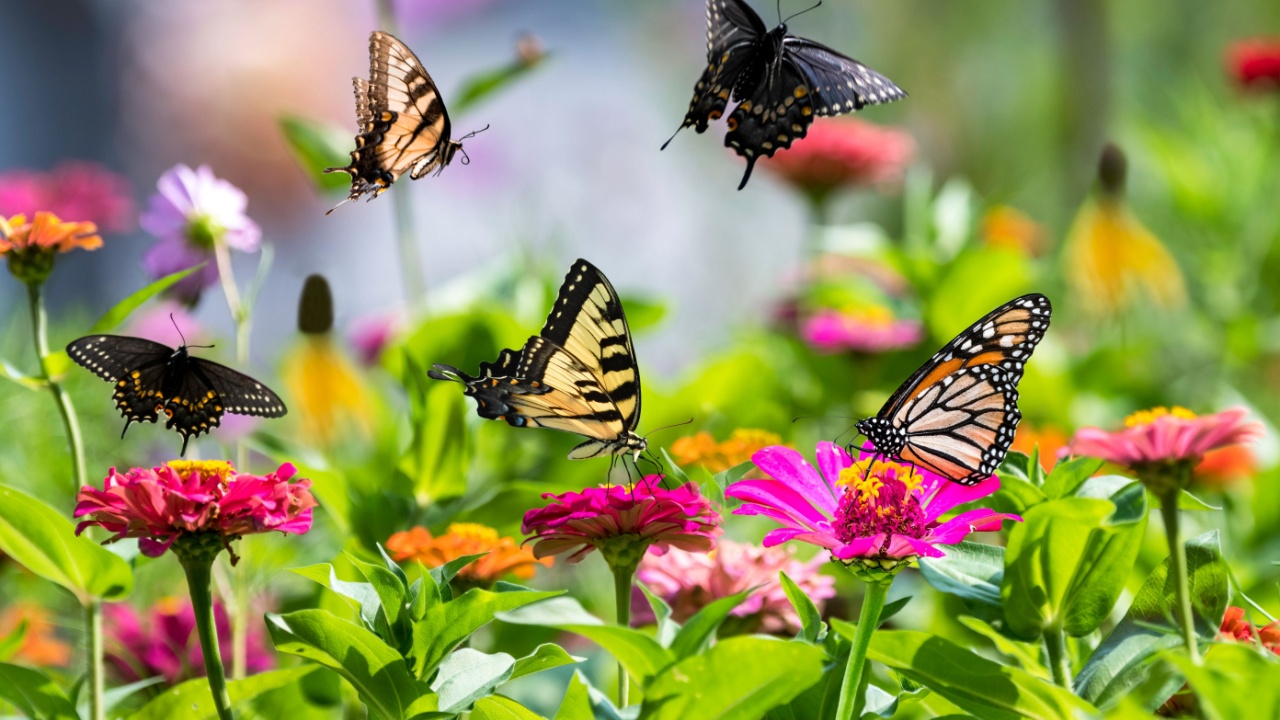
Whether you’re a resilient Mourning Cloak or an adventurous Painted Lady, your birth month butterfly offers a new way to see yourself. It’s a reminder that we are all tied to nature, each with our own unique strengths.
Just as a butterfly transforms, so do we. By planting a garden for your birth butterfly, you create a home for these insects and invite their energy into your life. Embrace your inner butterfly, celebrate your unique gifts, and let your true colors fly.
Read More:
What is Your Birth Month Tree? And Should You Plant It?
Going to a Birthday? Bring Their Birth Month Flower for a Special Touch