
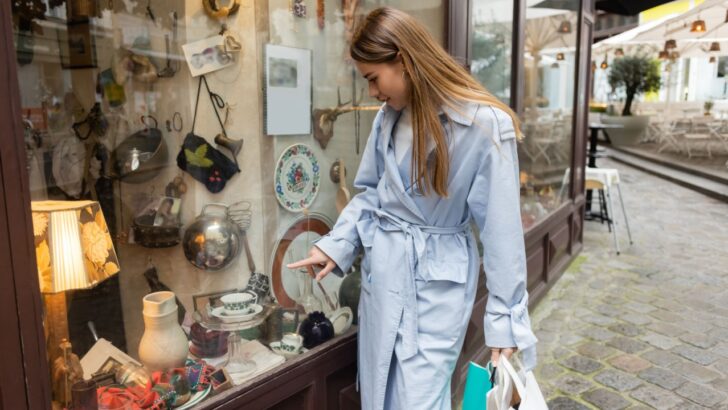
Could a charming old chair, a delicate porcelain plate, or a midcentury modern lamp in your home actually be a clever reproduction pretending to be vintage? In today’s bustling markets, online shops, and estate sales, “vintage” has become a label that’s sometimes more about style than true age. Real vintage tells a story through its materials, craftsmanship, and subtle signs of wear, stories that fake versions try to copy but rarely get right.
Understanding the difference isn’t just about avoiding overpaying; it’s about filling your home and garden with pieces that carry genuine history and character. Authentic vintage items reflect decades of handling, aging, and techniques specific to their era.
Learning how to spot these markers empowers collectors and decorators alike to make confident, informed choices.
1. Materials and Construction Tell the Real Story

Image Credit: Shutterstock.
Spotting fake vintage art often starts with the frame. Older frames usually show natural aging like subtle wear, small dents from handling, or patina from decades of exposure. Original artwork is usually framed in wood or plaster, with backs showing aged paper or framer stickers
Authentic paintings, especially ones meant to look decades or centuries old, show texture, direction, and depth that come from real paint layers. Fake vintage pieces, especially mass-produced ones, often have printed “brushstrokes” that appear flat or repetitive. You can even tilt the art toward the light to see if the paint catches shadows the way real texture should.
2. Inspect Porcelain for Maker’s Marks
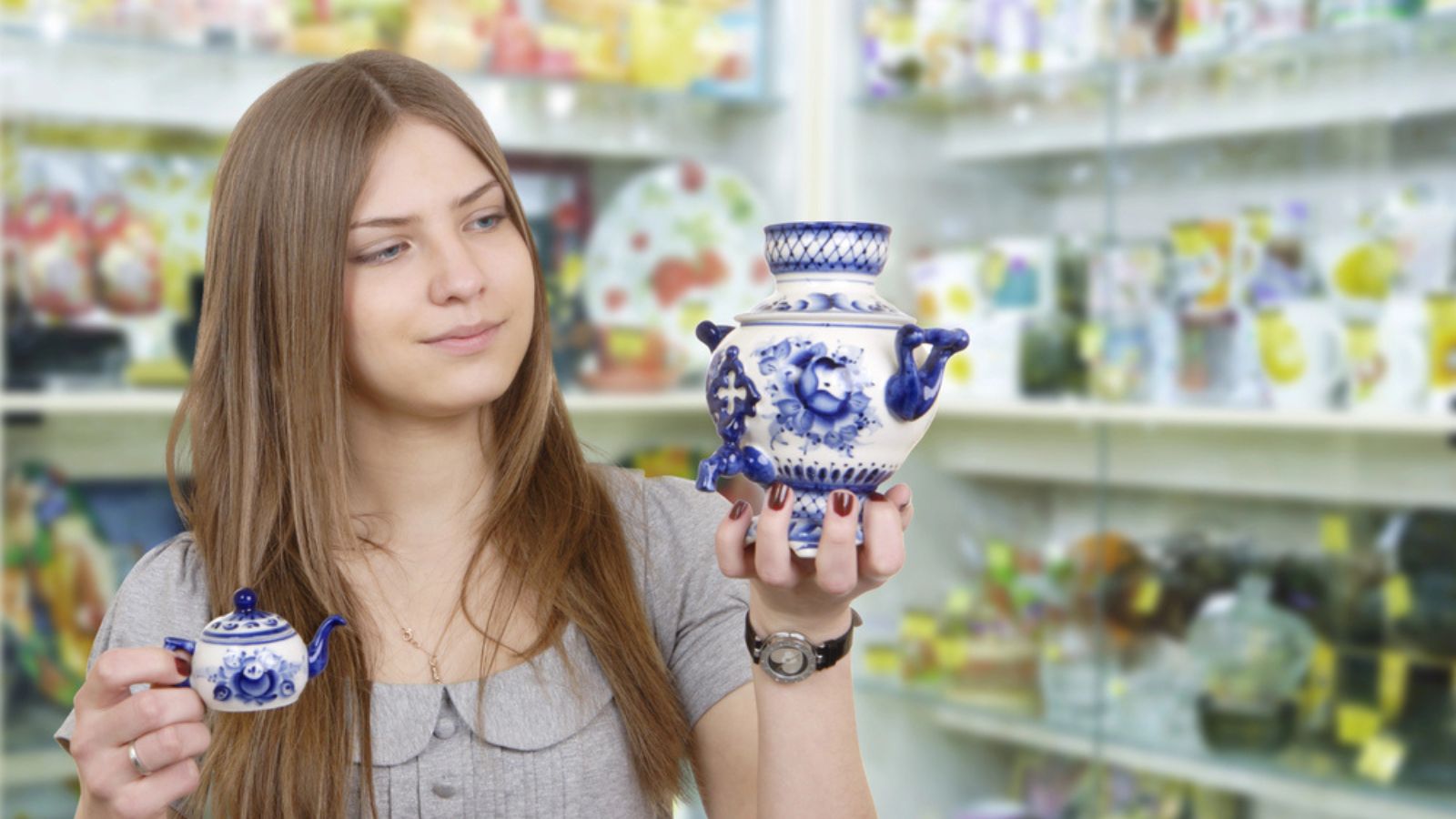
Image Credit: Deposit Photos.
Porcelain is one of the easiest places for fake vintage to sneak in, especially because many buyers don’t flip pieces over to check the underside. Authentic vintage porcelain, whether it’s a plate, teacup, figurine, or decorative bowl, usually carries a maker’s mark that identifies the manufacturer, country of origin, or even the specific production year. You can say maker marks are like the “birth certificate” of porcelain pieces
One thing to look for is how the mark is applied. Many modern fakes use printed decals that sit on top of the glaze, which can scratch off or look too perfect. Real vintage marks were usually stamped, impressed, or applied under the glaze, meaning they shouldn’t rub off.
3. Identify Glassware Brands and Etching
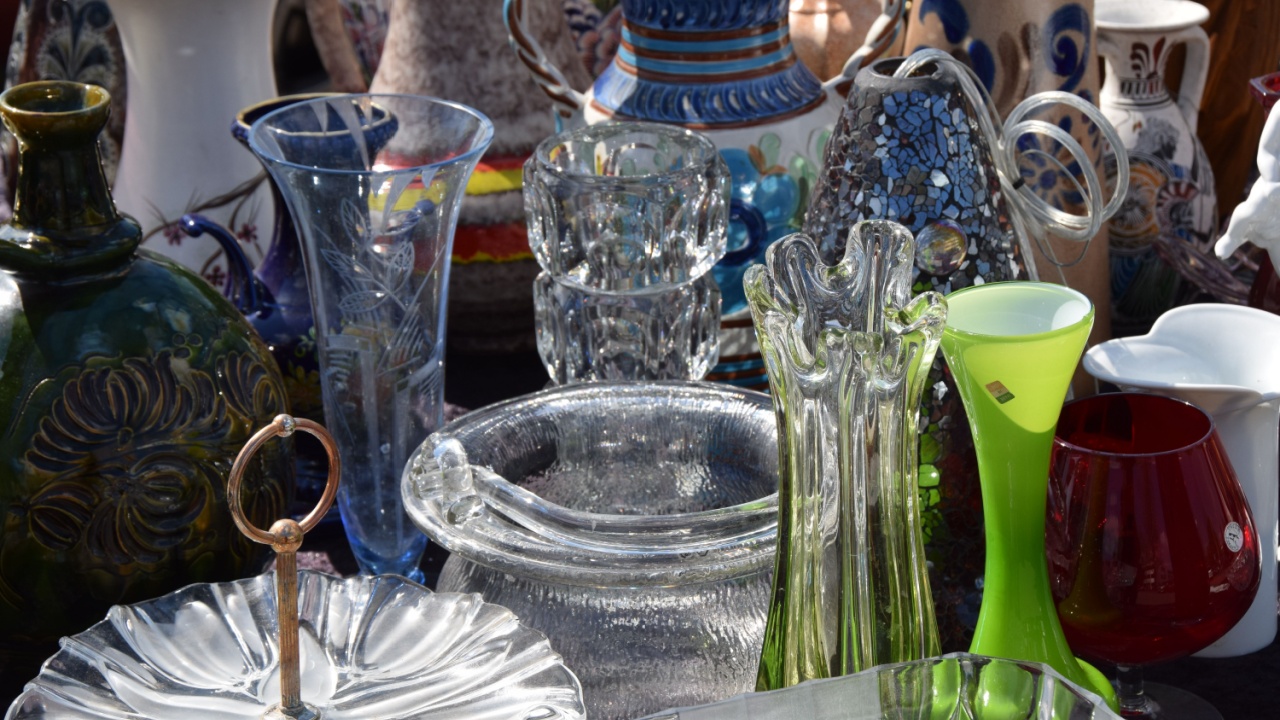
Image Credit: Shutterstock.
Vintage glassware is gorgeous, but it’s also one of the most commonly faked categories in the market. Many original glass manufacturers used identifiable etchings, stamps, or signature-style marks on their pieces. These aren’t just logos; they’re part of the glass itself.
One quick trick is to check how the etching interacts with the surface. Real etching subtly “bites” into the glass, meaning you’ll feel a faint texture if you run your finger over it. Fake vintage glassware often uses laser-printed or stamped-on marks that sit above the surface or look too crisp and modern.
4. Examine Brooch Clasps

Image Credit: Deposit Photos.
Brooches are tiny but full of clues, especially when it comes to spotting fake vintage pieces. One of the first things experts check is the clasp style. Older brooches, especially those from the early 1900s to mid-century, often used C-clasps, tube hinges, or simple hook mechanisms. These clasps lack the spring-loaded safety feature we see today.
You’ll also want to pay attention to how the clasp is attached to the brooch. Authentic vintage pieces usually have clasps that are soldered by hand, meaning you might see small tool marks or slightly uneven joints.
5. Review Leather Quality
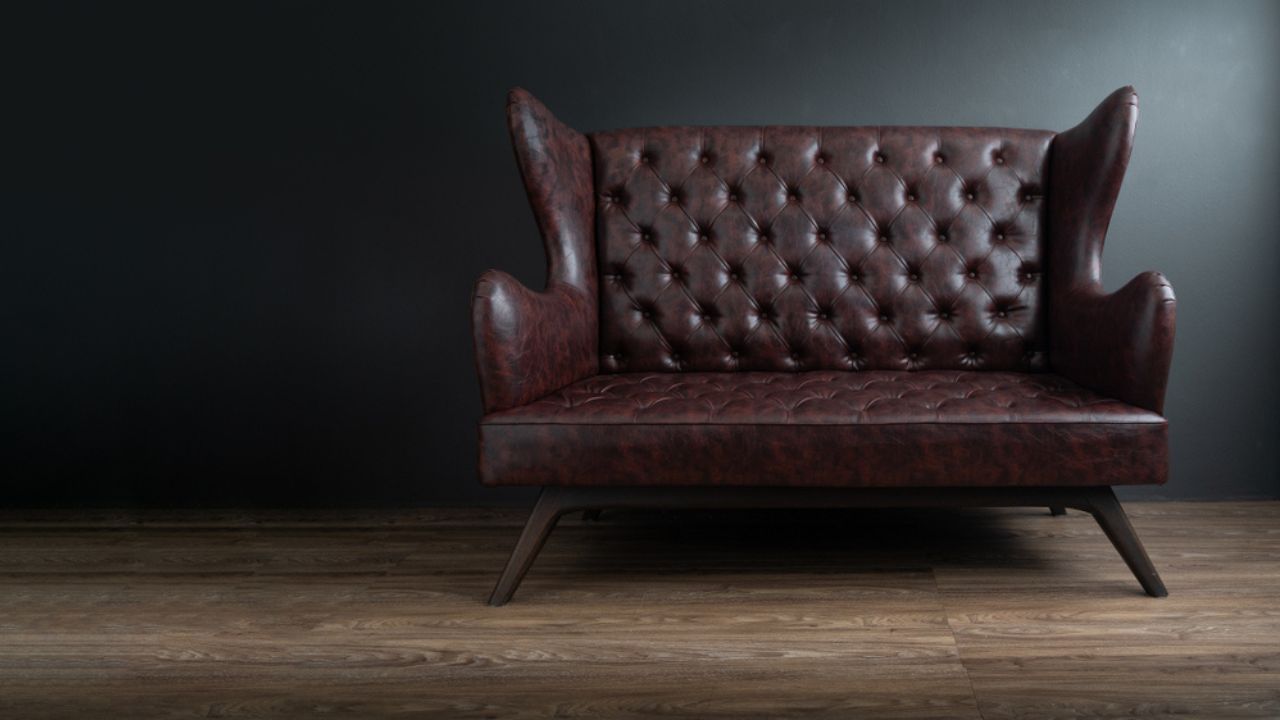
Image Credit: Shutterstock.
Leather is another key clue when spotting fake vintage, whether it’s on handbags, shoes, belts, or furniture. Authentic vintage leather develops a natural patina over decades, showing subtle color changes, softness in areas of wear, and small cracks or creases that reflect use. Modern faux-aging techniques often try to mimic this, but the results are usually uniform and lack the depth of real wear.
Inspect the stitching as well. Older pieces were typically hand-stitched or used early industrial machines, resulting in slight irregularities in stitch length or tension. Today’s mass-produced faux-vintage leather often has perfectly even machine stitching.
6. Investigate Midcentury Modern Furniture Construction
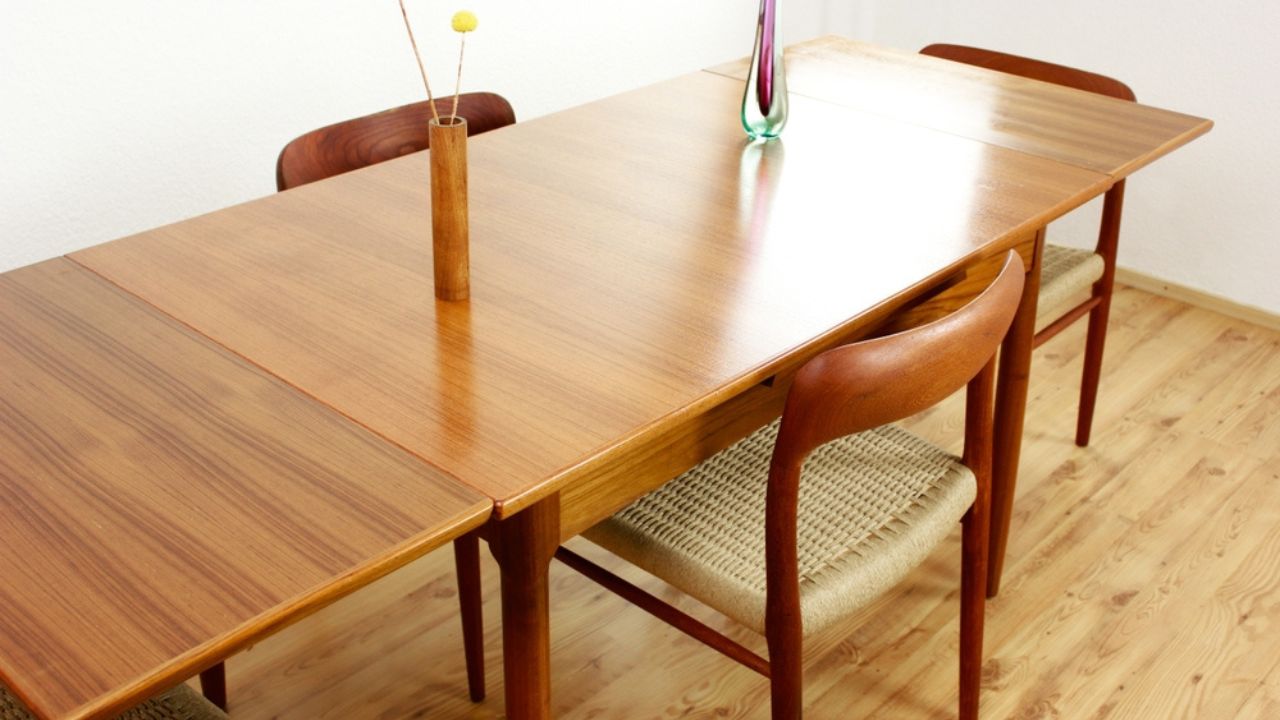
Image Credit: Shutterstock.
Midcentury modern (MCM) furniture from the 1940s to the 1960s is hugely popular for home and garden décor, but it’s also widely reproduced. Authentic pieces reflect the era’s design trends and construction techniques. Look for solid wood, high-quality veneers, and clean joinery, such as dovetail joints or dowels.
Authentic MCM furniture often uses screws, nails, and fittings consistent with mid-20th-century manufacturing, which were hand-cut or machine-cut but not modern, uniform fasteners. Modern reproductions tend to have uniform screws, staples, or brackets that wouldn’t have been used in the original era.
7. Verify Furniture Pricing

Image Credit: Shutterstock.
Price can be one of the simplest yet most effective ways to spot fake vintage furniture. Authentic vintage pieces, especially high-quality or midcentury modern items, hold real market value. If a seller is offering a “vintage” chair, table, or cabinet at a price that seems too good to be true, it probably is.
Checking the price protects your budget and ensures that you’re investing in authentic pieces rather than paying “vintage premium” for fakes. Proper valuation also helps plan your home and garden décor, allowing you to allocate funds to truly unique and durable furniture pieces.
Bring Authentic Vintage into Your Home with Confidence

Image Credit: Shutterstock.
Spotting fake vintage doesn’t have to feel like detective work—it’s about knowing the right clues and trusting your instincts. From brushstrokes and maker’s marks to furniture construction and leather quality, every detail tells a story about the piece’s true history.
By paying attention to materials, wear patterns, provenance, and pricing, you can confidently choose items that are both beautiful and authentic.