
How to Find the Best Thrifting Deals Each Week
Everyone loves the feeling of walking out of a store with a cart full of treasures for less than the cost of a fancy coffee. It feels like getting away with something. But we also know the other side of that coin. You walk into your favorite local spot, ready to hunt, and find absolutely nothing. The racks look bare. The furniture section contains only a broken chair and a questionable painting of a sad clown. You leave empty-handed and frustrated.
Finding the best items rarely happens by accident. While stumbling upon a vintage gem feels serendipitous, successful shoppers know that timing dictates success. Thrift stores operate on specific cycles of donations, sorting, and stocking. Understanding these rhythms turns a wasted trip into a successful haul. This article breaks down exactly when you should grab your keys and head to the store. We will explore why certain days offer fresh stock while others leave you with leftovers.
1. Shop Early in the Week

Most people do their chores on Saturday and Sunday. They clean out garages, organize closets, and fill bags with clothes they no longer wear. Consequently, donation centers receive a massive influx of goods over the weekend. Store employees spend Monday and Tuesday sorting through these mountains of bags.
Once the staff processes these items, they hit the sales floor. Visiting a thrift store on a Monday afternoon or Tuesday morning puts you directly in the path of this fresh inventory. You get to see the new arrivals before the rest of the shoppers even know they exist. This window offers the highest probability of finding high-quality goods that have not yet been picked over.
2. Arrive When the Doors Open

Competition creates a major obstacle in the world of second-hand shopping. A unique vintage lamp or a pristine wool coat will not sit on a shelf for long. Serious shoppers and resellers know this. They line up outside before the store even unlocks the doors. Shopping in the morning allows you to browse efficiently in a calm environment.
Store employees frequently restock shelves at night after closing or early in the morning before opening. Being the first person inside gives you access to a tidy, fully stocked floor. The aisles are clear. The merchandise sits exactly where it belongs. As the day progresses, shoppers move items around. Clothes fall off hangers. Shoes get separated from their mates. You can scan the racks without fighting through a mess.
3. Avoid Weekend Afternoons

Saturdays and Sundays attract the largest crowds. Most people work during the week, leaving the weekend as their only opportunity to browse. Stores become chaotic during these peak hours. You might find yourself waiting in long lines for a dressing room or dodging carts in narrow aisles.
High foot traffic also means high competition. With so many eyes scanning the shelves, quality items disappear seconds after hitting the floor. The frantic atmosphere makes it difficult to inspect items properly. You might miss a stain or a missing button because you feel rushed by the person hovering behind you. If your schedule permits, skip the weekend madness entirely.
4. Capitalize on Seasonal Changeovers
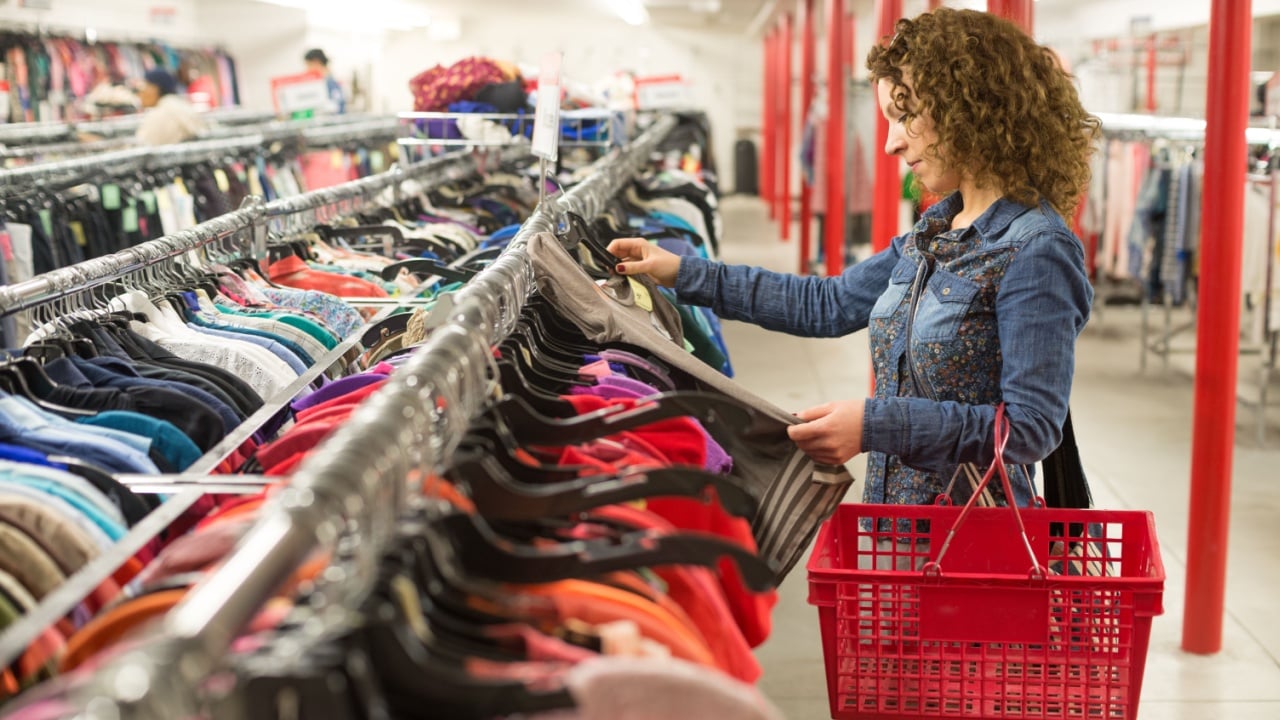
Human behavior follows the seasons. When the first warm days of spring arrive, people panic and purge their winter wardrobes. They donate heavy coats, boots, and sweaters to make room for summer gear. Conversely, when autumn leaves start falling, donation centers see a spike in shorts, t-shirts, and sandals.
Visiting thrift stores during these transition periods can be incredibly lucrative. The volume of incoming donations skyrockets. Stores often become overwhelmed with inventory and rush to get it onto the floor. While it might seem counterintuitive to buy a winter coat in March, that is precisely when you will find the best selection. You can snag high-quality seasonal gear for a fraction of the price because demand is low.
Start Finding Great Deals Today
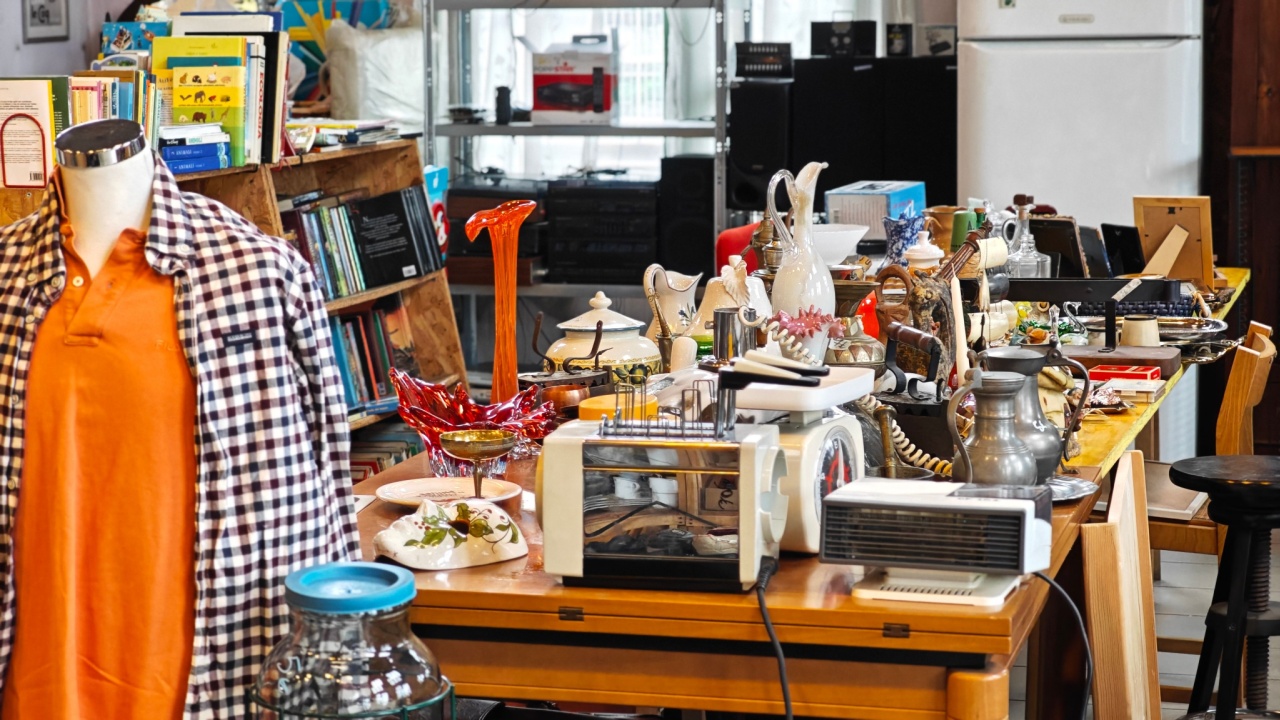
Timing your thrifting adventures can be the difference between walking out with a mismatched mug and coming home with a true treasure. Treat your next shop like a mini mission: swing by early in the week, show up when the doors open, keep an ear out for those restocking routines, and don’t underestimate the perks of terrible weather or post-holiday purges. Finally, don’t forget the thrift items not to pass up when you do find them, like the handmade quilts.
Read more:
Find the Gold: 6 Overlooked Thrift Store Sections Worth Revisiting
No Buyer’s Remorse: 16 Items Always Worth Snatching at Thrift Stores