5 Ways to Store Leftover Turkey for Maximum Safety and Flavor
After a big holiday feast, the last thing you want is your leftover turkey going to waste, or worse, making you sick. The good news? With the right storage tricks, that turkey can stay juicy, flavorful, and ready to transform into mouthwatering sandwiches, hearty soups, or cheesy casseroles.
Proper storage prevents foodborne illness and keeps those leftovers as delicious as they were on day one. Let’s explore how to store your turkey like a pro.
1. Refrigerate It Quickly and Correctly
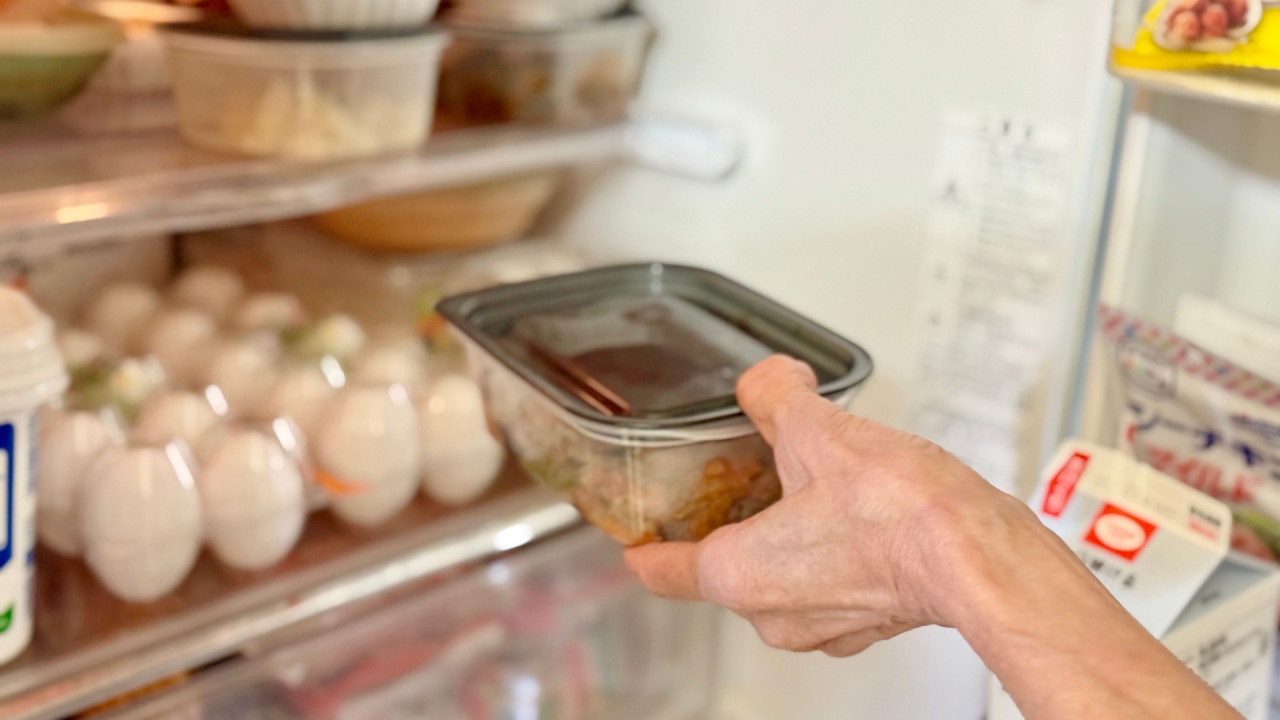
One of the most critical steps is to get your turkey into the refrigerator promptly. According to the U.S. Department of Agriculture (USDA), all leftovers should be refrigerated within two hours of cooking.
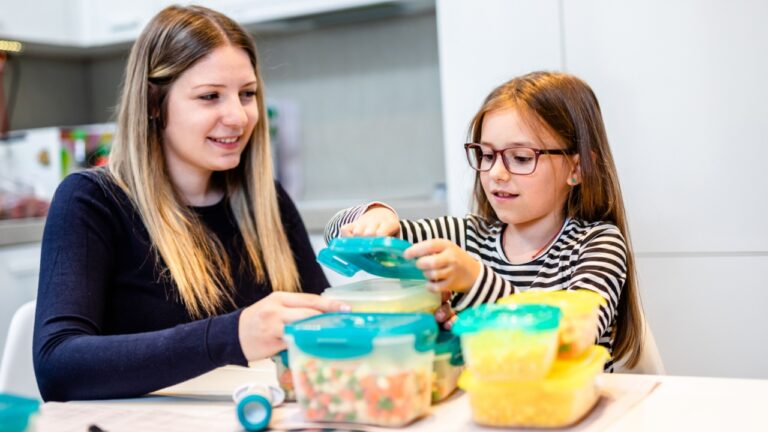
This is because bacteria can multiply rapidly in the “danger zone” between 40°F and 140°F. Don’t let the bird sit out on the counter while you clean up or watch a movie; make storing it a priority. If the turkey is still warm, slice it off the bone and place it in several shallow, airtight containers. This helps it cool down much faster than if you were to store a large, deep container of warm meat, which can stay in the danger zone for too long.
- Why it’s a good option: Refrigeration is the best short-term storage solution, preserving the turkey’s quality for several days.
- Tip: Use clear glass or plastic containers so you can easily see what’s inside. Labeling the container with the date is also a great habit to get into.
2. Freeze It for Long-Term Enjoyment
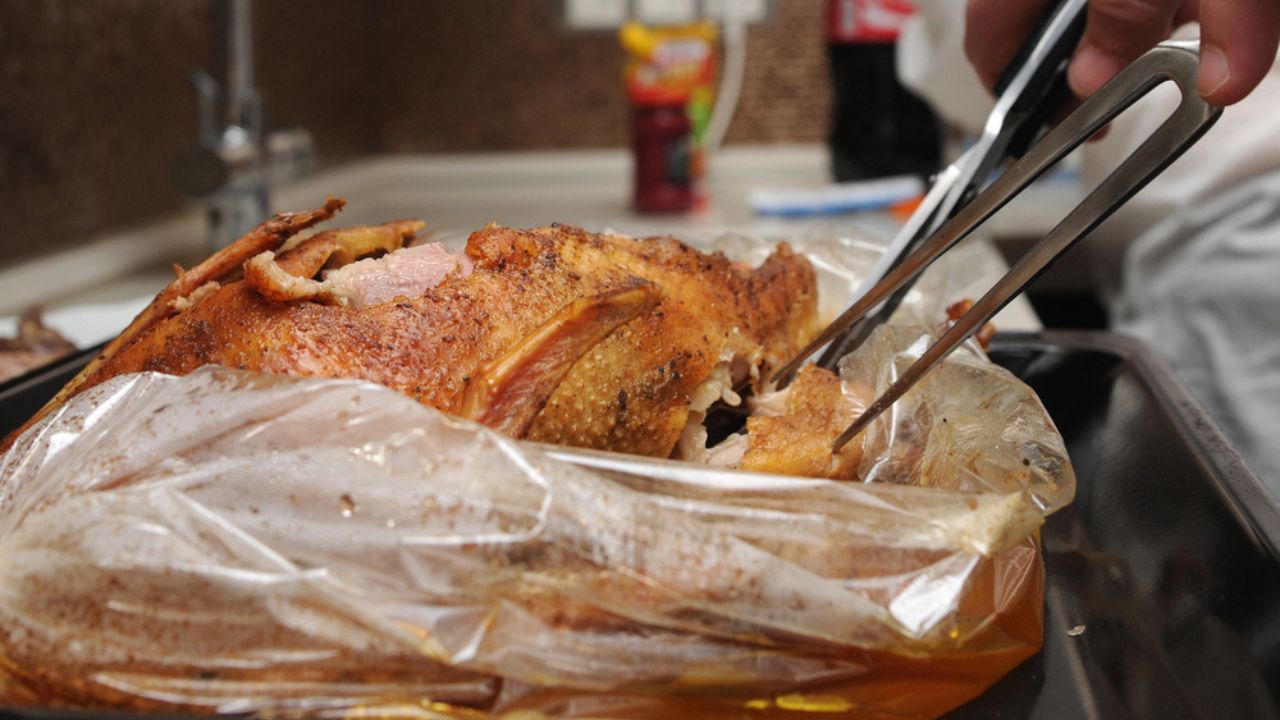
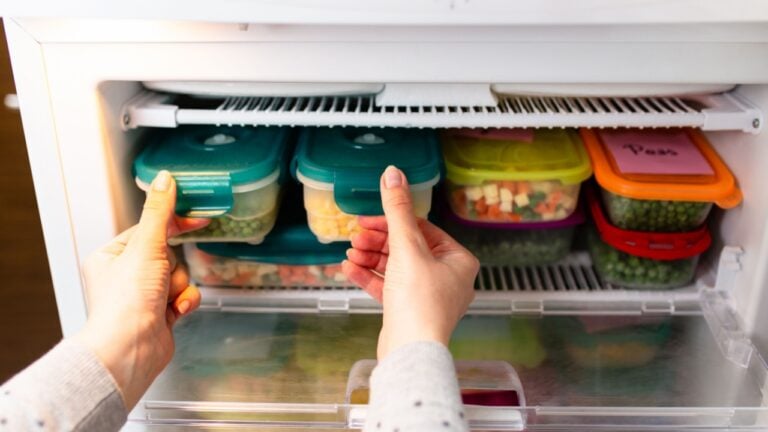
If you have too much turkey to eat within a few days, freezing it is the best option. While it’s safe to eat indefinitely, it’s best to use it within four months for optimal flavor.
To prevent freezer burn, wrap portions tightly in plastic wrap or foil before placing them in a heavy-duty freezer bag, squeezing out as much air as possible. Freezing the turkey in meal-sized portions allows you to thaw only what you need.
- Why it’s a good option: Freezing is perfect for long-term storage, allowing you to enjoy your turkey in future meals like soups, stews, or pot pies.
- Tip: Add a tablespoon of broth or gravy to the container before freezing. This extra moisture will help keep the turkey tender when you reheat it.
3. Thaw It Safely

When you’re ready to use your frozen turkey, proper thawing is just as important as proper storage. Never thaw turkey at room temperature on the kitchen counter, as this puts it right back in the bacterial danger zone. The safest method is to thaw it in the refrigerator.
Simply place the sealed container on a plate to catch any condensation and let it sit overnight or for up to two days, depending on the portion size. If you’re in a hurry, you can use the cold water method: place the turkey in a leak-proof bag and submerge it in a bowl of cold water, changing the water every 30 minutes until thawed. Once thawed, the turkey should be used immediately and should not be refrozen.
- Why it’s a good option: Safe thawing ensures your turkey remains free from harmful bacteria.
- Tip: Turkey thawed using the cold water method should be cooked right away. Refrigerator-thawed turkey will stay good for another day or two before it needs to be cooked.
4. Repurpose the Turkey Carcass for Broth
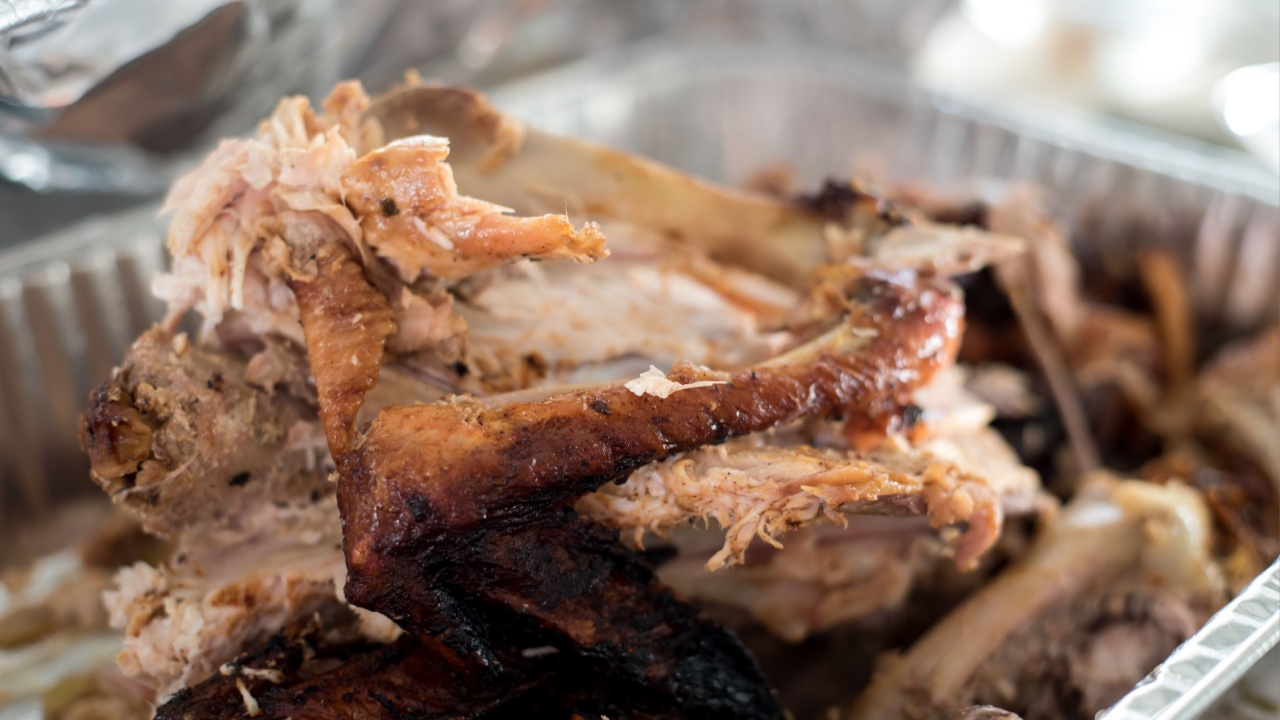
Don’t throw away the bones and carcass! They are packed with flavor and can be used to make a rich, delicious turkey broth. After carving the meat from the bones, you can store the carcass.
If you plan to make broth within two days, you can simply place the carcass in a large, sealed bag in the refrigerator. For longer storage, break the carcass into smaller pieces and place them in a freezer bag. They can be frozen for up to four months. When you’re ready, just add the bones to a stockpot with water, vegetables like carrots and celery, and herbs, then simmer for several hours to create a flavorful base for soups and stews.
- Why it’s a good option: This is a zero-waste approach that extracts every last bit of flavor from your holiday turkey.
- Tip: Roasting the bones for about 20 minutes at 400°F before simmering will create an even deeper, richer flavor for your broth.
5. Vacuum Seal for Ultimate Freshness
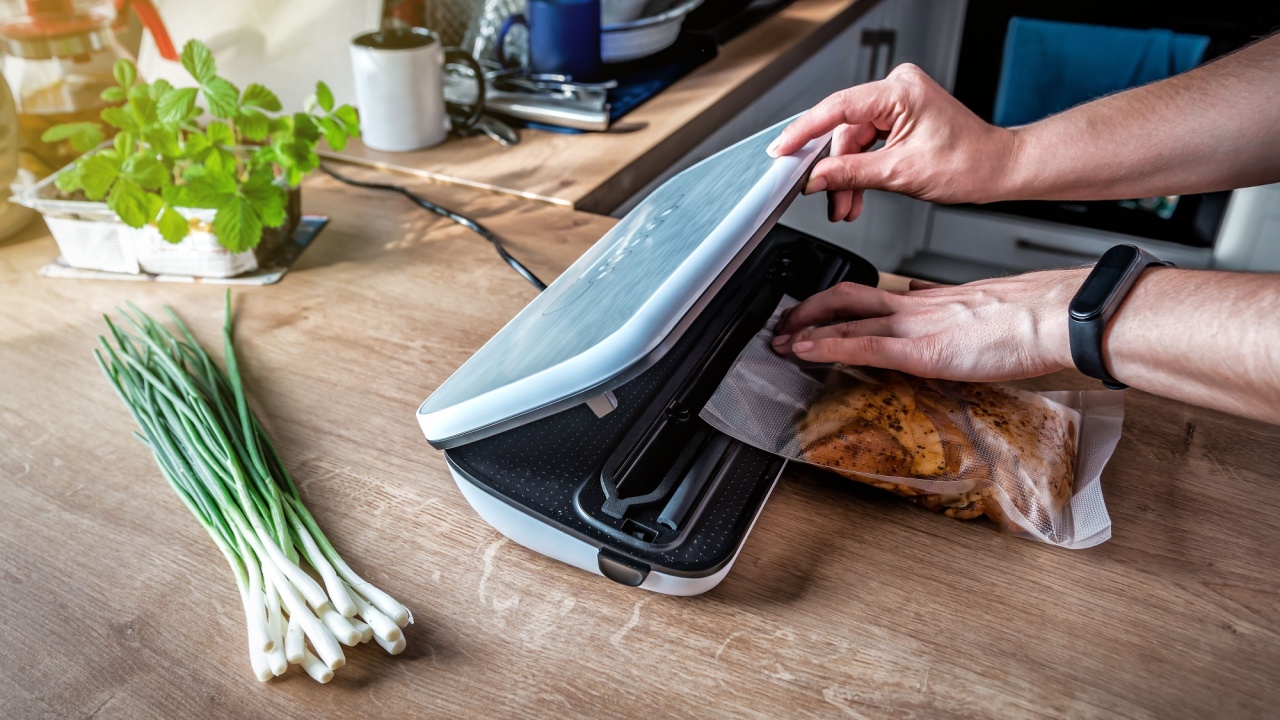
For those who are serious about food storage, a vacuum sealer can be a game-changer. Vacuum sealing removes all the air from the package before sealing it, which is the most effective way to prevent freezer burn and oxidation.
This method can significantly extend the freezer life of your turkey, keeping it fresh for up to a year without a noticeable loss in quality. While the initial investment in a vacuum sealer might be higher, it pays off by reducing food waste and preserving the flavor and texture of your food much better than traditional freezer bags.
- Why it’s a good option: It offers the best protection against freezer burn and preserves the turkey’s quality for the longest possible time.
- Tip: As with other methods, it’s still best to portion the turkey before sealing so you can easily grab what you need for a single meal.
Get Creative with Your Leftover Turkey

By following these simple storage tips, you can safely extend the life of your holiday turkey and enjoy it long after the main event. Now that you know how to store it, you can get creative and turn that leftover turkey into something truly special.